







-
 Agriculture
-
 Health-Care
-
 Environment
-
 Construction-Real-Estate
-
 Tools-Hardware
-
 Home-Garden
-
 Furniture
-
 Luggage-Bags-Cases
-
 Medical-devices-Supplies
-
 Gifts-Crafts
-
 Sports-Entertainment
-
 Food-Beverage
-
 Vehicles-Transportation
-
 Power-Transmission
-
 Material-Handling
-
 Renewable-Energy
-
 Safety
-
 Testing-Instrument-Equipment
-
 Construction-Building-Machinery
-
 Pet-Supplies
-
 Personal-Care-Household-Cleaning
-
 Vehicle-Accessories-Electronics-Tools
-
 School-Office-Supplies
-
 Packaging-Printing
-
 Mother-Kids-Toys
-
 Business-Services
-
 Commercial-Equipment-Machinery
-
 Apparel-Accessories
-
 Security
-
 Shoes-Accessories
-
 Vehicle-Parts-Accessories
-
 Jewelry-Eyewear-Watches-Accessories
-
 Lights-Lighting
-
 Fabric-Textile-Raw-Material
-
 Fabrication-Services
-
 Industrial-Machinery
-
 Consumer-Electronics
-
 Electrical-Equipment-Supplies
-
 Electronic-Components-Accessories-Telecommunications
-
 Home-Appliances
-
 Beauty
-
 Chemicals
-
 Rubber-Plastics
-
 Metals-Alloys


























































































































































































































































































































































































































































































































































































- Masonry Materials
- Curtain Walls & Accessories
- Earthwork Products
- Fireproofing Materials
- Heat Insulation Materials
- Plastic Building Materials
- Building Boards
- Soundproofing Materials
- Timber
- Waterproofing Materials
- Balustrades & Handrails
- Bathroom & Kitchen
- Flooring & Accessories
- Tiles & Accessories
- Door, Window & Accessories
- Fireplaces & Stoves
- Floor Heating Systems & Parts
- Stairs & Stair Parts
- Ceilings
- Elevators & Escalators
- Stone
- Countertops, Vanity Tops & Table Tops
- Mosaics
- Metal Building Materials
- Multifunctional Materials
- Ladders & Scaffoldings
- Mouldings
- Corner Guards
- Decorative Films
- Formwork
- Building & Industrial Glass
- Other Construction & Real Estate
- Wallpapers/Wall panels
- HVAC System & Parts
- Outdoor Facilities
- Prefabricated Buildings
- Festive & Party Supplies
- Bathroom Products
- Household Sundries
- Rain Gear
- Garden Supplies
- Household Cleaning Tools & Accessories
- Lighters & Smoking Accessories
- Home Storage & Organization
- Household Scales
- Smart Home Improvement
- Home Textiles
- Kitchenware
- Drinkware & Accessories
- Dinnerware, Coffee & Wine
- Home Decor
- Golf
- Fitness & Body Building
- Amusement Park Facilities
- Billiards, Board Game,Coin Operated Games
- Musical Instruments
- Outdoor Affordable Luxury Sports
- Camping & Hiking
- Fishing
- Sports Safety&Rehabilitation
- Ball Sports Equipments
- Water Sports
- Winter Sports
- Luxury Travel Equipments
- Sports Shoes, Bags & Accessories
- Cycling
- Other Sports & Entertainment Products
- Artificial Grass&Sports Flooring&Sports Court Equipment
- Scooters
- Food Ingredients
- Honey & Honey Products
- Snacks
- Nuts & Kernels
- Seafood
- Plant & Animal Oil
- Beverages
- Fruit & Vegetable Products
- Frog & Escargot
- Bean Products
- Egg Products
- Dairy Products
- Seasonings & Condiments
- Canned Food
- Instant Food
- Baked Goods
- Other Food & Beverage
- Meat & Poultry
- Confectionery
- Grain Products
- Feminie Care
- Hair Care & Styling
- Body Care
- Hands & Feet Care
- Hygiene Products
- Men's Grooming
- Laundry Cleaning Supplies
- Travel Size & Gift Sets
- Room Deodorizers
- Other Personal Care Products
- Pest Control Products
- Special Household Cleaning
- Floor Cleaning
- Kitchen & Bathroom Cleaning
- Oral Care
- Bath Supplies
- Yellow Pages
- Correction Supplies
- Office Binding Supplies
- Office Cutting Supplies
- Board Erasers
- Office Adhesives & Tapes
- Education Supplies
- Pencil Cases & Bags
- Notebooks & Writing Pads
- File Folder Accessories
- Calendars
- Writing Accessories
- Commercial Office Supplies
- Pencil Sharpeners
- Pens
- Letter Pad/Paper
- Paper Envelopes
- Desk Organizers
- Pencils
- Markers & Highlighters
- Filing Products
- Art Supplies
- Easels
- Badge Holder & Accessories
- Office Paper
- Printer Supplies
- Book Covers
- Other Office & School Supplies
- Stationery Set
- Boards
- Clipboards
- Stamps
- Drafting Supplies
- Stencils
- Electronic Dictionary
- Books
- Map
- Magazines
- Calculators
- Baby & Toddler Toys
- Educational Toys
- Classic Toys
- Dress Up & Pretend Play
- Toy Vehicle
- Stuffed Animals & Plush Toys
- Outdoor Toys & Structures
- Balloons & Accessories
- Baby Food
- Children's Clothing
- Baby Supplies & Products
- Maternity Clothes
- Kids Shoes
- Baby Care
- Novelty & Gag Toys
- Dolls & Accessories
- Puzzle & Games
- Blocks & Model Building Toys
- Toddler Clothing
- Baby Clothing
- Kids' Luggage & Bags
- Arts, Crafts & DIY Toys
- Action & Toy Figures
- Baby Appliances
- Hobbies & Models
- Remote Control Toys
- Promotional Toys
- Pregnancy & Maternity
- Hygiene Products
- Kid's Textile&Bedding
- Novelty & Special Use
- Toy Weapons
- Baby Gifts
- Baby Storage & Organization
- Auto Drive Systems
- ATV/UTV Parts & Accessories
- Marine Parts & Accessories
- Other Auto Parts
- Trailer Parts & Accessories
- Auto Transmission Systems
- Train Parts & Accessories
- Universal Parts
- Railway Parts & Accessories
- Auto Brake Systems
- Aviation Parts & Accessories
- Truck Parts & Accessories
- Auto Suspension Systems
- Auto Lighting Systems
- New Energy Vehicle Parts & Accessories
- Auto Steering Systems
- Wheels, Tires & Accessories
- Bus Parts & Accessories
- Auto Performance Parts
- Cooling System
- Go-Kart & Kart Racer Parts & Accessories
- Air Conditioning Systems
- Heavy Duty Vehicle Parts & Accessories
- Auto Electrical Systems
- Auto Body Systems
- Auto Engine Systems
- Container Parts & Accessories
- Motorcycle Parts & Accessories
- Refrigeration & Heat Exchange Equipment
- Machine Tool Equipment
- Food & Beverage Machinery
- Agricultural Machinery & Equipment
- Apparel & Textile Machinery
- Chemical Machinery
- Packaging Machines
- Paper Production Machinery
- Plastic & Rubber Processing Machinery
- Industrial Robots
- Electronic Products Machinery
- Metal & Metallurgy Machinery
- Woodworking Machinery
- Home Product Manufacturing Machinery
- Machinery Accessories
- Environmental Machinery
- Machinery Service
- Electrical Equipment Manufacturing Machinery
- Industrial Compressors & Parts
- Tobacco & Cigarette Machinery
- Production Line
- Used Industrial Machinery
- Electronics Production Machinery
- Other Machinery & Industrial Equipment
- Camera, Photo & Accessories
- Portable Audio, Video & Accessories
- Television, Home Audio, Video & Accessories
- Video Games & Accessories
- Mobile Phone & Accessories
- Electronic Publications
- Earphone & Headphone & Accessories
- Speakers & Accessories
- Smart Electronics
- TV Receivers & Accessories
- Mobile Phone & Computer Repair Parts
- Chargers, Batteries & Power Supplies
- Used Electronics
- VR, AR, MR Hardware & Software
- Projectors & Presentation Equipments
- Other Consumer Electronics
- Cables & Commonly Used Accessories
- Computer Hardware & Software
- Displays, Signage and Optoelectronics
- Discrete Semiconductors
- Wireless & IoT Module and Products
- Telecommunications
- Connectors, Terminals & Accessories
- Development Boards, Electronic Modules and Kits
- Circuit Protection
- Sensors
- Isolators
- Audio Components and Products
- Integrated Circuits
- Power Supplies
- Relays
- RF, Microwave and RFID
- Electronic Accessories & Supplies
- Passive Components
- PCB & PCBA
- Air Quality Appliances
- Home Appliance Parts
- Heating & Cooling Appliances
- Small Kitchen Appliances
- Laundry Appliances
- Water Heaters
- Water Treatment Appliances
- Refrigerators & Freezers
- Personal Care & Beauty Appliances
- Major Kitchen Appliances
- Cleaning Appliances
- Second-hand Appliances
- Smart Home Appliances
- Other Home Appliances
- Energy Chemicals
- Inorganic Chemicals
- Basic Organic Chemicals
- Agrochemicals
- Admixture & Additives
- Catalysts & Chemical Auxiliary Agents
- Pigments & Dyestuff
- Coating & Paint
- Daily Chemicals
- Polymer
- Organic Intermediate
- Adhesives & Sealants
- Chemical Waste
- Biological Chemical Products
- Surface Treatment Chemicals
- Painting & Coating
- Chemical Reagents
- Flavor & Fragrance
- Non-Explosive Demolition Agents
- Other Chemicals
- Custom Chemical Services

Architectural Profile Costs: Alloy vs. Surface Treatment
There is no cost breakdown in the available data that shows whether alloy or surface treatment is the larger expense for architectural profiles. Alloy determines the material-cost foundation; the chosen finish adds a separate processing cost. The final price depends on material usage, profile geometry, finish requirements, order quantity, and inspection scope.
How the Main Cost Factors Differ
Alloy and material usage
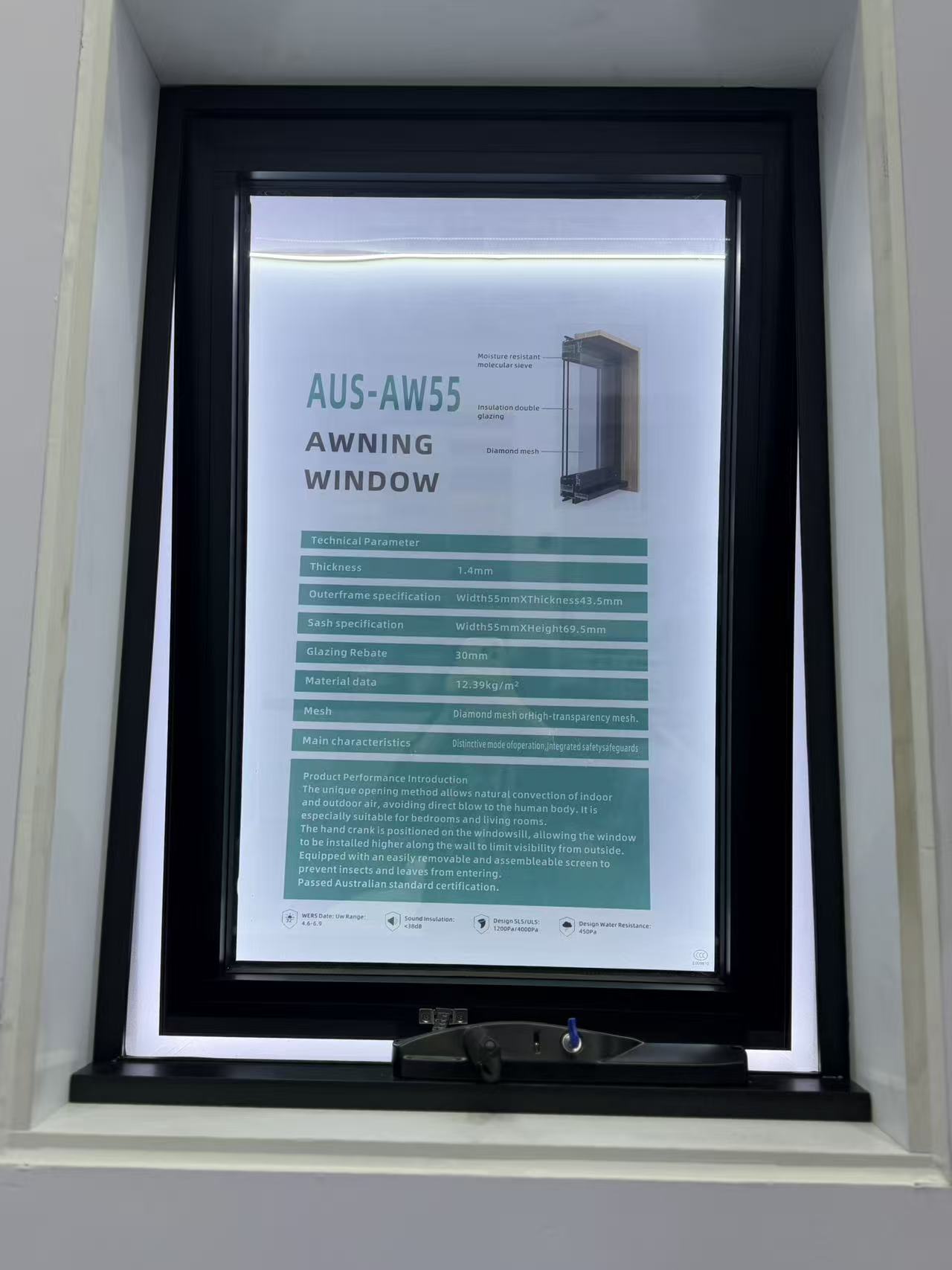
The alloy specification and the amount of aluminium required establish the profile's material cost. Larger cross-sections or higher material usage generally increase that portion of the price. For example, the listed aluminium awning window has material data of 12.39 kg/m², illustrating how product configuration and material consumption factor into a quotation.
Surface treatment and finish specifications
A surface finish is an additional production stage, with costs determined by the treatment selected and its specification. Xinhe Aluminium supplies surface-treated aluminium profiles, and its certifications include Qualicoat for aluminium profile powder coating. The information provided does not list treatment prices, so it cannot establish whether a specific finish costs more than the alloy in a given order.
Design, Application, and Quality Requirements
Profile design can affect both material consumption and manufacturing requirements. Custom aluminium extrusions, special-alloy profiles, curtain wall systems, and window and door profiles may each call for different cross-sections, tooling, and finish specifications. Xinhe Aluminium supports custom mold opening for special shapes, including shaped, narrow-frame, and large-section curtain wall profiles.
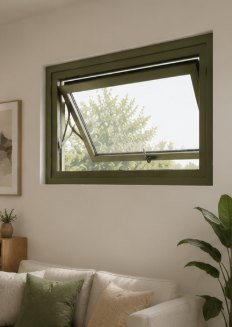
The required finish also depends on where the profile will be used. Xinhe Aluminium lists awning windows for bathrooms, kitchens, bedrooms, studies, balconies, bay windows, sunrooms, offices, hotels, and coastal or riverside homes. These applications may call for different configurations, but the supplied information does not state application-specific prices.
Inspection requirements are another part of the project scope. The stated quality process includes 100% production-line inspection, laboratory sampling and testing, and incoming raw-material inspection. The company holds a Laboratory Accreditation Certificate (CNAS L 10434) and a Quality Management System Certificate for GB/T 19001-2016/ISO 9001:2015.
Project examples illustrate how material and finish requirements can be specified separately. A resort project in Malaysia called for fluorocarbon coating with resistance to ultraviolet radiation and salt-spray corrosion. For a building project in the Philippines, profile wall thickness was manufactured to the contract standard.
Cost Comparison at a Glance
| Quotation item | Information available | How it may affect cost |
|---|---|---|
| Alloy and material | The awning window specification lists material data of 12.39 kg/m²; special-alloy profiles and custom extrusions are also offered. | Material usage and the specified alloy determine the profile's material-cost basis. |
| Surface treatment | Surface-treated profiles are available; certifications include Qualicoat for powder coating, and a project example specifies fluorocarbon coating. | The chosen finish adds processing and specification costs. |
| Profile design and customization | Custom molds are available for shaped, narrow-frame, and large-section curtain wall profiles. | Non-standard geometry may require additional tooling and production assessment. |
| Inspection and verification | The stated process covers production-line inspection, laboratory tests, and incoming raw-material checks. | Required quality verification is part of the quotation scope. |
Frequently Asked Questions
Does the available information show that alloy is more expensive than surface treatment?
No. It gives product specifications, treatment certifications, and quality procedures, but does not provide a price comparison or cost breakdown for alloy and surface treatment.
What details should I compare in architectural profile quotes?
Ask suppliers to itemize the alloy or material grade, profile dimensions, material usage, finish type, customization and tooling, inspection scope, minimum order quantity, and delivery time. Comparing these items separately makes differences between quotations easier to identify.
What are the stated order and delivery conditions?
The business model includes full industrial chain services, distribution, and direct sales. The stated minimum order quantity for aluminium profiles is 3 tons, with a delivery time of 15–20 days and monthly capacity of 17,000 tons. The awning window product lists a minimum order of 500 m² and the same delivery period.
Conclusion
Alloy provides the material-cost base for an architectural profile, while surface treatment adds a distinct processing charge that varies with the selected finish and project requirements. Since the available data does not identify a universal cost leader, request an itemized quotation covering material, profile design, treatment, inspection, and customization. Xinhe Aluminium's quality procedures include production inspection, laboratory testing, and incoming-material checks. For technical information or project support, contact xh@xinhealuminium.com.
About Xinhe Aluminium
Guangdong Xinhe Aluminium Co., Ltd researches, develops, and manufactures building, decorative, and industrial aluminium profiles. Founded in 1998, the company operates a 666,670 sqm factory with 60 modern extrusion lines, each with a capacity ranging from 1,100 to 5,000 tons. Its research and testing facilities include a CNAS-accredited national laboratory, and its certifications include SIRIM and Qualicoat. The company serves customers across multiple industries.

REPORT