







-
 Agriculture
-
 Health-Care
-
 Environment
-
 Construction-Real-Estate
-
 Tools-Hardware
-
 Home-Garden
-
 Furniture
-
 Luggage-Bags-Cases
-
 Medical-devices-Supplies
-
 Gifts-Crafts
-
 Sports-Entertainment
-
 Food-Beverage
-
 Vehicles-Transportation
-
 Power-Transmission
-
 Material-Handling
-
 Renewable-Energy
-
 Safety
-
 Testing-Instrument-Equipment
-
 Construction-Building-Machinery
-
 Pet-Supplies
-
 Personal-Care-Household-Cleaning
-
 Vehicle-Accessories-Electronics-Tools
-
 School-Office-Supplies
-
 Packaging-Printing
-
 Mother-Kids-Toys
-
 Business-Services
-
 Commercial-Equipment-Machinery
-
 Apparel-Accessories
-
 Security
-
 Shoes-Accessories
-
 Vehicle-Parts-Accessories
-
 Jewelry-Eyewear-Watches-Accessories
-
 Lights-Lighting
-
 Fabric-Textile-Raw-Material
-
 Fabrication-Services
-
 Industrial-Machinery
-
 Consumer-Electronics
-
 Electrical-Equipment-Supplies
-
 Electronic-Components-Accessories-Telecommunications
-
 Home-Appliances
-
 Beauty
-
 Chemicals
-
 Rubber-Plastics
-
 Metals-Alloys


























































































































































































































































































































































































































































































































































































- Masonry Materials
- Curtain Walls & Accessories
- Earthwork Products
- Fireproofing Materials
- Heat Insulation Materials
- Plastic Building Materials
- Building Boards
- Soundproofing Materials
- Timber
- Waterproofing Materials
- Balustrades & Handrails
- Bathroom & Kitchen
- Flooring & Accessories
- Tiles & Accessories
- Door, Window & Accessories
- Fireplaces & Stoves
- Floor Heating Systems & Parts
- Stairs & Stair Parts
- Ceilings
- Elevators & Escalators
- Stone
- Countertops, Vanity Tops & Table Tops
- Mosaics
- Metal Building Materials
- Multifunctional Materials
- Ladders & Scaffoldings
- Mouldings
- Corner Guards
- Decorative Films
- Formwork
- Building & Industrial Glass
- Other Construction & Real Estate
- Wallpapers/Wall panels
- HVAC System & Parts
- Outdoor Facilities
- Prefabricated Buildings
- Festive & Party Supplies
- Bathroom Products
- Household Sundries
- Rain Gear
- Garden Supplies
- Household Cleaning Tools & Accessories
- Lighters & Smoking Accessories
- Home Storage & Organization
- Household Scales
- Smart Home Improvement
- Home Textiles
- Kitchenware
- Drinkware & Accessories
- Dinnerware, Coffee & Wine
- Home Decor
- Golf
- Fitness & Body Building
- Amusement Park Facilities
- Billiards, Board Game,Coin Operated Games
- Musical Instruments
- Outdoor Affordable Luxury Sports
- Camping & Hiking
- Fishing
- Sports Safety&Rehabilitation
- Ball Sports Equipments
- Water Sports
- Winter Sports
- Luxury Travel Equipments
- Sports Shoes, Bags & Accessories
- Cycling
- Other Sports & Entertainment Products
- Artificial Grass&Sports Flooring&Sports Court Equipment
- Scooters
- Food Ingredients
- Honey & Honey Products
- Snacks
- Nuts & Kernels
- Seafood
- Plant & Animal Oil
- Beverages
- Fruit & Vegetable Products
- Frog & Escargot
- Bean Products
- Egg Products
- Dairy Products
- Seasonings & Condiments
- Canned Food
- Instant Food
- Baked Goods
- Other Food & Beverage
- Meat & Poultry
- Confectionery
- Grain Products
- Feminie Care
- Hair Care & Styling
- Body Care
- Hands & Feet Care
- Hygiene Products
- Men's Grooming
- Laundry Cleaning Supplies
- Travel Size & Gift Sets
- Room Deodorizers
- Other Personal Care Products
- Pest Control Products
- Special Household Cleaning
- Floor Cleaning
- Kitchen & Bathroom Cleaning
- Oral Care
- Bath Supplies
- Yellow Pages
- Correction Supplies
- Office Binding Supplies
- Office Cutting Supplies
- Board Erasers
- Office Adhesives & Tapes
- Education Supplies
- Pencil Cases & Bags
- Notebooks & Writing Pads
- File Folder Accessories
- Calendars
- Writing Accessories
- Commercial Office Supplies
- Pencil Sharpeners
- Pens
- Letter Pad/Paper
- Paper Envelopes
- Desk Organizers
- Pencils
- Markers & Highlighters
- Filing Products
- Art Supplies
- Easels
- Badge Holder & Accessories
- Office Paper
- Printer Supplies
- Book Covers
- Other Office & School Supplies
- Stationery Set
- Boards
- Clipboards
- Stamps
- Drafting Supplies
- Stencils
- Electronic Dictionary
- Books
- Map
- Magazines
- Calculators
- Baby & Toddler Toys
- Educational Toys
- Classic Toys
- Dress Up & Pretend Play
- Toy Vehicle
- Stuffed Animals & Plush Toys
- Outdoor Toys & Structures
- Balloons & Accessories
- Baby Food
- Children's Clothing
- Baby Supplies & Products
- Maternity Clothes
- Kids Shoes
- Baby Care
- Novelty & Gag Toys
- Dolls & Accessories
- Puzzle & Games
- Blocks & Model Building Toys
- Toddler Clothing
- Baby Clothing
- Kids' Luggage & Bags
- Arts, Crafts & DIY Toys
- Action & Toy Figures
- Baby Appliances
- Hobbies & Models
- Remote Control Toys
- Promotional Toys
- Pregnancy & Maternity
- Hygiene Products
- Kid's Textile&Bedding
- Novelty & Special Use
- Toy Weapons
- Baby Gifts
- Baby Storage & Organization
- Auto Drive Systems
- ATV/UTV Parts & Accessories
- Marine Parts & Accessories
- Other Auto Parts
- Trailer Parts & Accessories
- Auto Transmission Systems
- Train Parts & Accessories
- Universal Parts
- Railway Parts & Accessories
- Auto Brake Systems
- Aviation Parts & Accessories
- Truck Parts & Accessories
- Auto Suspension Systems
- Auto Lighting Systems
- New Energy Vehicle Parts & Accessories
- Auto Steering Systems
- Wheels, Tires & Accessories
- Bus Parts & Accessories
- Auto Performance Parts
- Cooling System
- Go-Kart & Kart Racer Parts & Accessories
- Air Conditioning Systems
- Heavy Duty Vehicle Parts & Accessories
- Auto Electrical Systems
- Auto Body Systems
- Auto Engine Systems
- Container Parts & Accessories
- Motorcycle Parts & Accessories
- Refrigeration & Heat Exchange Equipment
- Machine Tool Equipment
- Food & Beverage Machinery
- Agricultural Machinery & Equipment
- Apparel & Textile Machinery
- Chemical Machinery
- Packaging Machines
- Paper Production Machinery
- Plastic & Rubber Processing Machinery
- Industrial Robots
- Electronic Products Machinery
- Metal & Metallurgy Machinery
- Woodworking Machinery
- Home Product Manufacturing Machinery
- Machinery Accessories
- Environmental Machinery
- Machinery Service
- Electrical Equipment Manufacturing Machinery
- Industrial Compressors & Parts
- Tobacco & Cigarette Machinery
- Production Line
- Used Industrial Machinery
- Electronics Production Machinery
- Other Machinery & Industrial Equipment
- Camera, Photo & Accessories
- Portable Audio, Video & Accessories
- Television, Home Audio, Video & Accessories
- Video Games & Accessories
- Mobile Phone & Accessories
- Electronic Publications
- Earphone & Headphone & Accessories
- Speakers & Accessories
- Smart Electronics
- TV Receivers & Accessories
- Mobile Phone & Computer Repair Parts
- Chargers, Batteries & Power Supplies
- Used Electronics
- VR, AR, MR Hardware & Software
- Projectors & Presentation Equipments
- Other Consumer Electronics
- Cables & Commonly Used Accessories
- Computer Hardware & Software
- Displays, Signage and Optoelectronics
- Discrete Semiconductors
- Wireless & IoT Module and Products
- Telecommunications
- Connectors, Terminals & Accessories
- Development Boards, Electronic Modules and Kits
- Circuit Protection
- Sensors
- Isolators
- Audio Components and Products
- Integrated Circuits
- Power Supplies
- Relays
- RF, Microwave and RFID
- Electronic Accessories & Supplies
- Passive Components
- PCB & PCBA
- Air Quality Appliances
- Home Appliance Parts
- Heating & Cooling Appliances
- Small Kitchen Appliances
- Laundry Appliances
- Water Heaters
- Water Treatment Appliances
- Refrigerators & Freezers
- Personal Care & Beauty Appliances
- Major Kitchen Appliances
- Cleaning Appliances
- Second-hand Appliances
- Smart Home Appliances
- Other Home Appliances
- Energy Chemicals
- Inorganic Chemicals
- Basic Organic Chemicals
- Agrochemicals
- Admixture & Additives
- Catalysts & Chemical Auxiliary Agents
- Pigments & Dyestuff
- Coating & Paint
- Daily Chemicals
- Polymer
- Organic Intermediate
- Adhesives & Sealants
- Chemical Waste
- Biological Chemical Products
- Surface Treatment Chemicals
- Painting & Coating
- Chemical Reagents
- Flavor & Fragrance
- Non-Explosive Demolition Agents
- Other Chemicals
- Custom Chemical Services

Other Service Equipment
How to Validate Sample Results for Reliable Mass Production
Build a Production-Ready Sample Trial
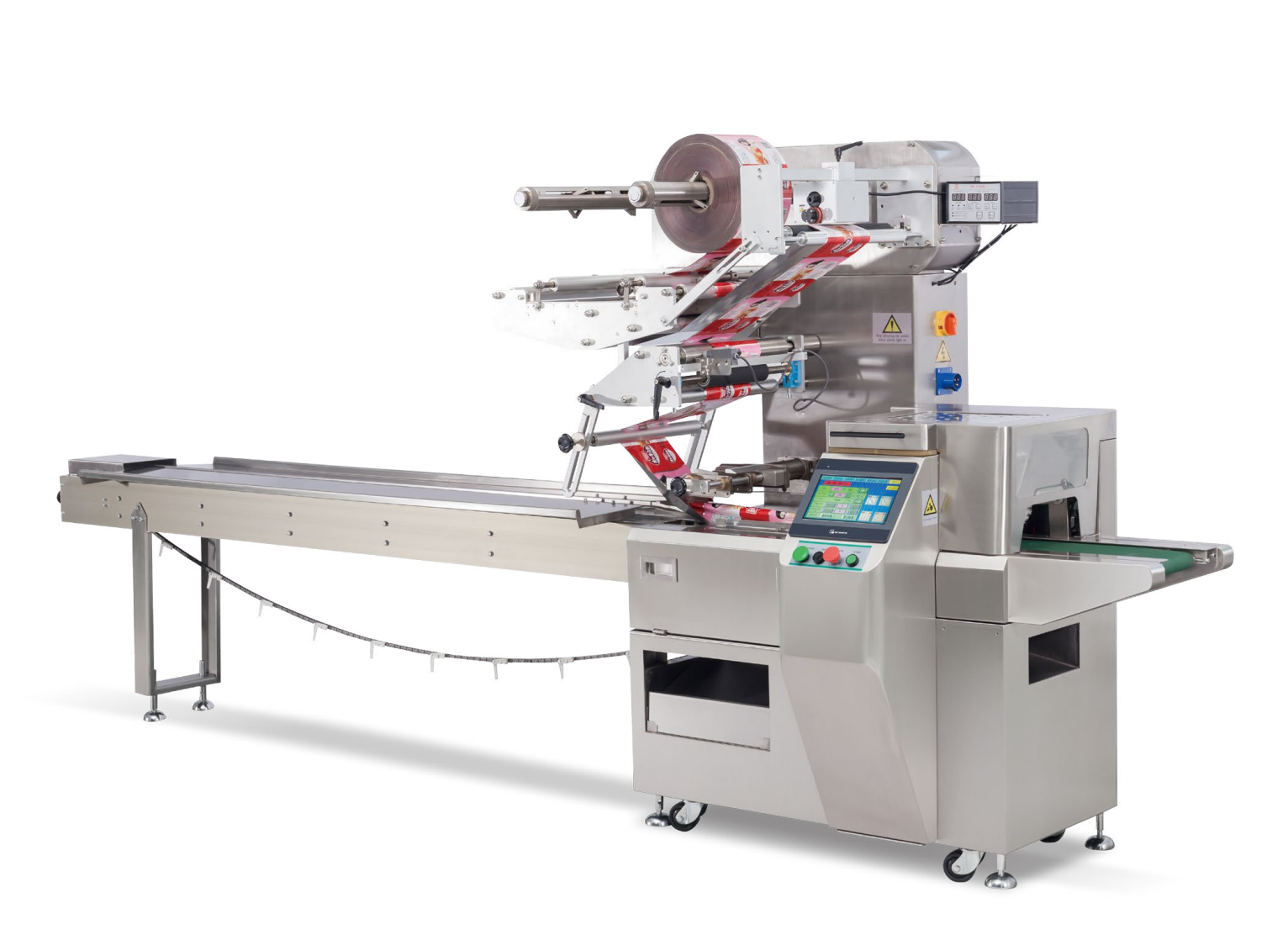
To determine whether sample performance can be repeated at production scale, run the intended wafer product through the complete automatic packaging line. Match the planned film, product arrangement, stacking quantity, packaging format, and operating recipe. Record pack dimensions, sealing results, throughput, registration, rejection behavior, and changeover settings. Sample testing provides a basis for production planning, but actual results depend on product size, film material, and pack format.
What to Include in the Test
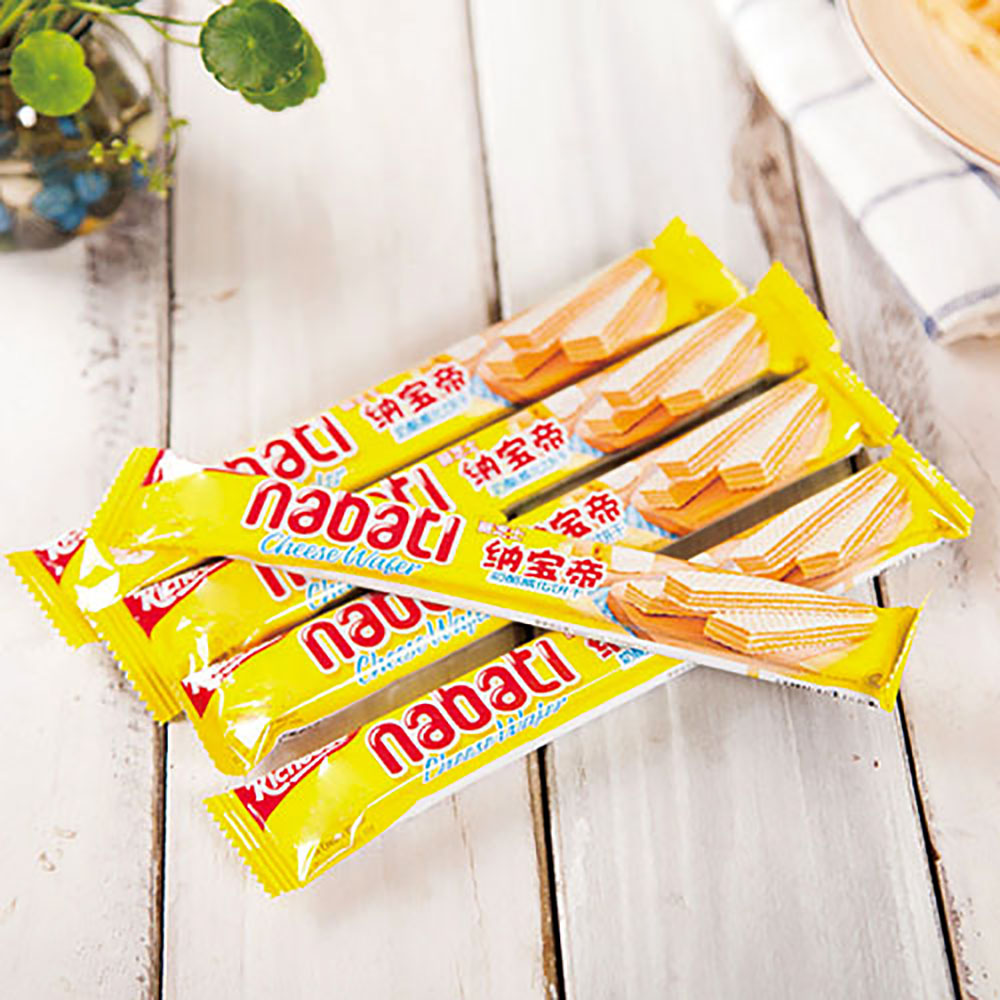
- Test representative wafer biscuits, wafer bars, creamed wafers, sandwich wafers, or chocolate-coated wafers from feeding through alignment, wrapping, sealing, cutting, and discharge.
- Use the production film and product orientation, along with the planned stacking quantity and finished-pack format.
- Compare fin seals, cross seals, pack dimensions, product presence, print registration, and automatic rejection against the recorded sample results.
- For high-volume operations, test the intended line configuration, including any collating, gas-flushing, checkweighing, metal-detection, cartoning, or palletizing equipment.
How the Packaging Process Affects Results
A wafer flow-wrapping line typically feeds and aligns the product, forms the film, creates the longitudinal seal, makes the cross seals, cuts the packs, and discharges finished product. The trial is most representative when it includes the complete planned infeed and product-handling arrangement, rather than testing the wrapper on its own.
Product Handling and Stacking
Set the product variables before testing. The system can handle wafer biscuits, wafer bars, creamed wafers, sandwich wafers, and chocolate-coated wafers. With an optional collating unit, it can automatically stack two to six wafers per pack. Photoelectric sensors monitor product position, and multi-lane options can support higher output where the product and format allow.
Film, Sealing, and Registration
Run the trial with the intended heat-sealable material, such as OPP, CPP, PET/Alu/PE, or metallized film. Check film tension, fin-seal consistency, cross-seal quality, cut-off, and printed-film registration. The system supports color-mark tracking with a stated accuracy of plus or minus 1 mm.
Recipes and Pack Inspection
Keep a record of the operating recipe used for the sample run. Depending on the model, the control architecture may include three servo axes, four servo axes, or full-servo control. PLC-based master control, distributed servo drives, a color touchscreen, recipe storage, and diagnostic functions help operators restore tested settings. Record infeed speed, film-feed settings, sealing parameters, and the product configuration.
Inspect finished packs for dimensions, seal integrity, product presence, and rejection response. Automatic ejection can be configured for defective seals, missing products, or weight errors. Where required, the line can connect to downstream equipment such as a checkweigher, metal detector, labeler, cartoning machine, or robotic palletizer.
Compare Results Under Matching Conditions
Assess the sample against the machine class and configuration selected for production. Available options include entry-level, mid-range, and high-speed full-servo systems. Published capacity ranges are not a guarantee of output for every product: dimensions, film, and packaging format all affect achievable throughput. The trial report should therefore capture the exact test conditions and results instead of treating a maximum rated speed as a universal production rate.
| Validation area | Checks for the sample run | Relevant system features |
|---|---|---|
| Product feed | Confirm orientation, spacing, stacking, and stable transfer into the wrapper. | Belt conveyor, vibratory alignment, photoelectric detection, and optional stacking of two to six wafers. |
| Film and seals | Assess fin seals, cross seals, cutting quality, and printed-film registration. | Heat-sealable laminates, preheating assembly, heated jaws, and color-mark tracking. |
| Output rate | Measure repeatable output for the chosen product and packaging format. | Typical line capacity of 100 to 1,000 packs per minute; actual output varies with product and film. |
| Finished-pack quality | Verify pack dimensions, product presence, seal integrity, and reject response. | Automatic defective-pack ejection; typical pack length of 60 to 300 mm, depending on product. |
| Line integration | Check reliable transfer to inspection, cartoning, or palletizing equipment. | Optional checkweigher, metal detector, labeler, cartoner, and robotic palletizer. |
| Recipe repeatability | Confirm the tested settings can be recalled for later production. | PLC control, color touchscreen, recipe storage, fault logging, and remote diagnostics. |
Frequently Asked Questions
Which product should be used in the sample trial?
Use the wafer product planned for production, with its actual dimensions, coating or filling, stacking quantity, and orientation. Differences in the test product can change feeding stability, sealing, and output.
What should be recorded when testing the packaging film?
Use the planned heat-sealable laminate and document the film width, reel setup, tension, longitudinal and cross-seal performance, cut-off, and print registration. Results apply to the tested film and packaging format.
Does a trial establish the maximum rated speed?
A trial establishes performance for the configuration that was tested. Product information lists broad speed ranges, including 30 to 250 packs per minute for the flow-wrapping module, with higher output available on selected servo models. The applicable production rate depends on product dimensions, film material, and packaging format.
Recommendations for Production Validation
For a meaningful production-readiness check, test the complete packaging route using the actual wafer, film, stacking arrangement, operating recipe, and planned downstream equipment. Document seal quality, pack dimensions, throughput, registration, rejection behavior, and changeover settings. Use the saved settings as the reference when validating production runs.
Foshan Ruipuhua Machinery Equipment Co. Ltd offers manufacturing and R&D support for automatic packaging systems, including product-sample testing, PLC and HMI integration, film handling, and synchronized lines. Its CE certification covers flow packaging machines, automatic packaging systems, cartoning machines, and palletizing robots. A documented chocolate pie cake packaging project supplied 27 sets to a major bakery manufacturer operating in Vietnam, Korea, and China. The integrated system combined product forming, baking, filling, chocolate enrobing, wrapping, and robotic palletizing.
For technical solutions or support, contact lotuspack@ruipuhua.com.
About Foshan Ruipuhua
Foshan Ruipuhua Machinery Equipment Co. Ltd manufactures intelligent packaging machinery and provides R&D, production, installation, and technical after-sales service. Established in 2005, the company operates a facility with annual capacity exceeding 500 automatic packaging machines and complete packaging lines. Its equipment serves food, bakery, biscuit, snack, noodle, chocolate, soap, hardware, pharmaceutical, and daily chemical applications in more than 100 countries.
The company holds CE certification for flow packaging machines, automatic packaging systems, cartoning machines, and palletizing robots, and serves customers across multiple industries.

How Should Defect Rates Be Defined in a Burger Patty Packaging Line Warranty?
The available information does not identify a specific defect percentage covered under a warranty for burger patty packaging lines. It also does not define the warranty duration, acceptable quality limits, exclusions, or service obligations. These points should be confirmed and recorded in the equipment contract before purchase. Although the supplied data covers automatic packaging machinery and frozen-food bagging applications, it does not establish a burger patty-specific warranty benchmark.
Warranty Scope and Main Recommendations
- Define covered defects clearly, including failed seals, inaccurate weights, film-registration problems, coding errors, and package damage caused by the equipment.
- Include measurable acceptance limits in the contract because no warranty defect-rate percentage is provided in the available information.
- Assess the full frozen-food packaging process, from product feeding and weighing through bag forming, sealing, coding, inspection, case packing, and palletizing when necessary.
- The listed applications include food and industrial factories, while the product information specifically mentions automatic bagging equipment for frozen food.
How to Structure the Technical Acceptance Criteria
A burger patty packaging warranty should separate machine-related failures from defects caused by the product, materials, or operating environment. Patty size variation, inconsistent upstream forming, film quality, temperature, and incorrect operating settings may influence the final package. The supplied information does not assign responsibility for these factors or state an allowable defect percentage.
For a frozen-food packaging line, the acceptance protocol may cover seal strength and integrity, bag dimensions, date-code position and readability, product weight or count, film tracking, and the automatic rejection of nonconforming packs. Each requirement should identify the test method, sampling frequency, production speed, product specification, operating conditions, and remedy if the result fails.
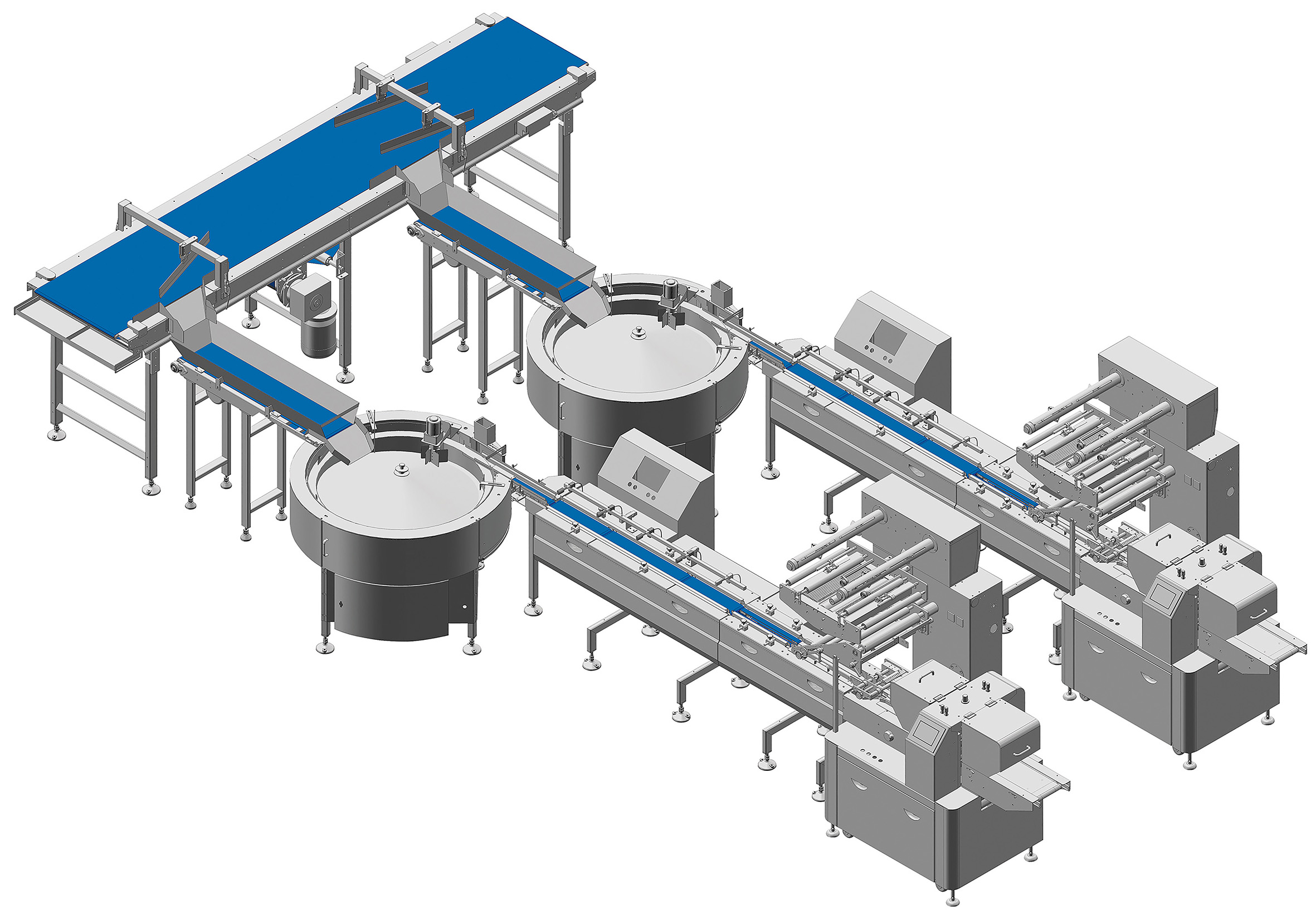
The available product details describe a VFFS snack packaging configuration with an elevator, multi-head weigher, vertical packaging machine, date coder, and finished-product conveyor. Horizontal flow-wrapping equipment for fragile rice snacks and wafer sticks is also listed. These systems show relevant packaging capabilities, but neither configuration establishes a warranty defect-rate obligation for burger patties.
Foshan Ruipuhua Machinery Equipment Co. Ltd lists CE certification, certificate number M.2024.206.C107511, for flow packaging machines, automatic packaging systems, cartoning machines, and palletizing robots. This certification is an equipment credential and should not be treated as a replacement for written warranty conditions or a specified acceptable defect rate.
One listed cooperation project involves a high-volume chocolate pie cake packaging system with integrated wrapping and robotic palletizing. The project suggests experience with complete packaging-line automation, but its published details do not provide warranty terms that can be applied to a burger patty line.

Contract Information Compared with Available Data
| Warranty or Project Item | What the Provided Information Shows | Recommended Contract Provision |
|---|---|---|
| Allowable defect rate | No percentage or threshold is stated. | Set a measurable defect limit and include it in the warranty and factory acceptance documents. |
| Warranty term | The coverage period is not provided. | Specify the starting date, duration, covered assemblies, response time, and exclusions. |
| Line configuration | Automatic frozen-food bagging, vertical packaging, horizontal flow wrapping, cartoning, and palletizing are listed. | Record the exact equipment model, interfaces, options, and inspection devices included in the project. |
| Quality verification | Testing is identified within the business information. | Agree on test products, production conditions, sampling rules, documentation, and corrective actions before delivery. |
| Supply model | Manufacturing and OEM services are listed. | Clarify whether the system is standard or custom-built because configuration can change acceptance requirements. |
Frequently Asked Questions
Is a particular burger patty packaging defect rate guaranteed?
No. The supplied information does not state a burger patty packaging warranty, a guaranteed defect percentage, or a defined quality limit.
Which failures should be discussed when negotiating the warranty?
The agreement should address equipment-caused sealing failures, bag-forming problems, film misalignment or registration errors, incorrect coding, feeding interruptions, weighing deviations, and other nonconforming packages caused by machine performance. The available data does not specify which items are included.
Can frozen-food equipment be integrated into a complete automated packaging line?
Yes. The listed equipment includes automatic frozen-food bagging machines, feeding and collating lines, carton equipment, case-packing robots, palletizing robots, conveyors, metal detectors, and online checkweighers.
Conclusion and Purchasing Guidance
The warranty for a burger patty packaging line should define the defect category, acceptable rate, inspection method, test conditions, coverage period, exclusions, and service or replacement procedure. The supplied company information supports manufacturing and OEM capabilities and identifies CE certification for relevant equipment, but it does not disclose a covered defect-rate figure. For technical solutions or support, please contact lotuspack@ruipuhua.com.
About Foshan Ruipuhua Machinery Equipment Co. Ltd
Foshan Ruipuhua Machinery Equipment Co. Ltd manufactures packaging machinery and provides research and development, production, installation, and after-sales technical support for food, bakery, biscuit, snack, noodle, soap, hardware, pharmaceutical, and daily chemical applications. Founded in 2005, the company operates a 50,000-square-meter facility and lists automatic frozen-food bagging systems, complete packaging lines, cartoning machines, and palletizing equipment among its products. Its stated annual production capacity is more than 500 automatic packaging machines and complete lines. The company also lists CE certification and experience serving customers in multiple industries.
How to Shorten Testing Time for Food Packaging Machinery
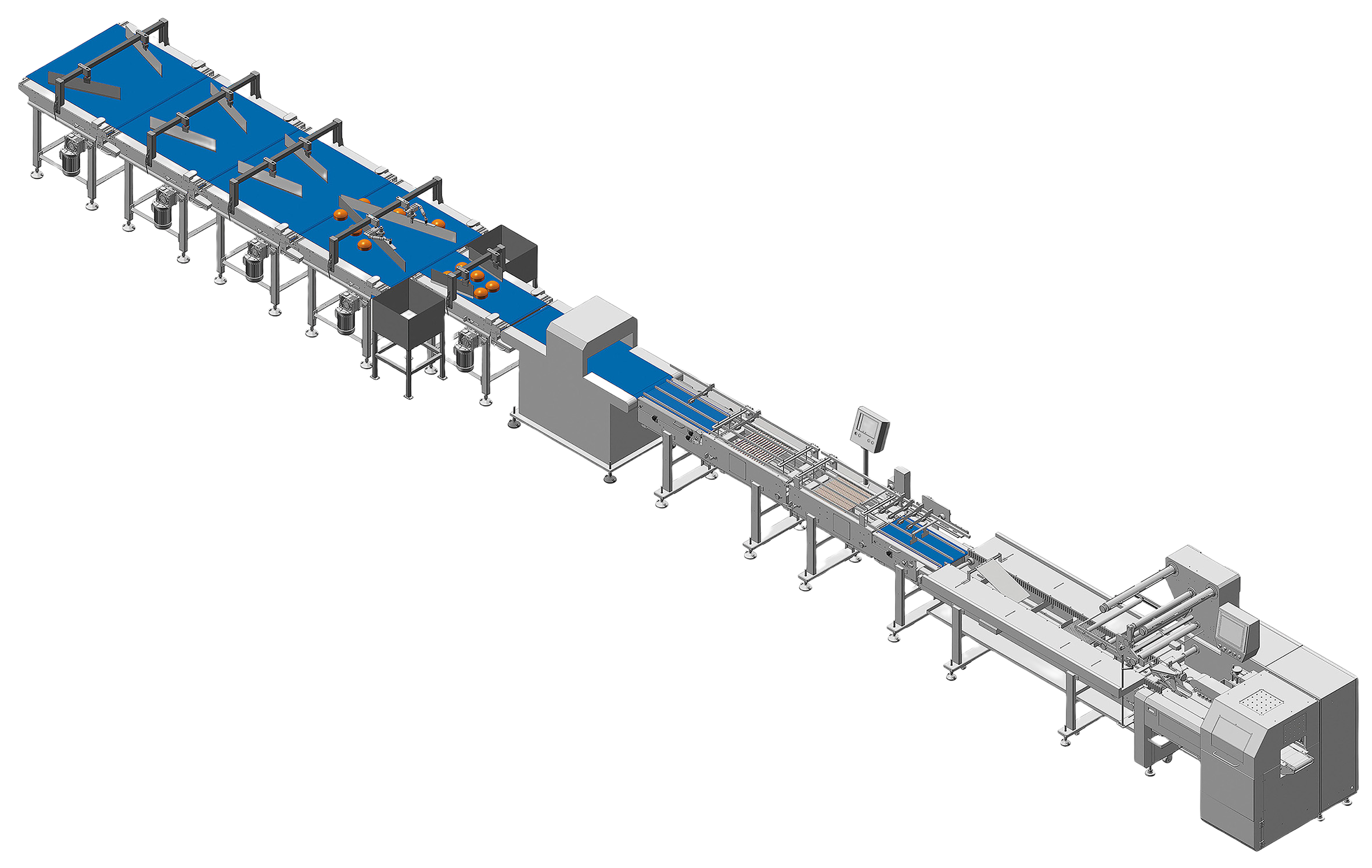
Food packaging machinery can be evaluated more efficiently by using representative products, testing the complete production sequence, and agreeing on measurable acceptance standards before the trial begins. For hamburger patty packaging, the evaluation should cover feeding, paper interleaving, stacking, flow wrapping, coding, inspection, weighing, and rejection as one connected process.
Efficient Testing Strategy and Main Benefits
- Prepare patties, interleaving paper or liner, packaging film, and the required pack quantity before the test to reproduce normal production conditions.
- Create a single test checklist for alignment, paper placement, stack count, seal quality, code clarity, weight accuracy, and defective-pack removal.
- Run the infeed, stacking, horizontal flow wrapper, metal detector, checkweigher, and reject conveyor together to reduce repeated standalone trials.
- Match the desired automation level with production volume, operator availability, and the packaging requirements of food factories, bakeries, and other processing facilities.
How an Integrated Trial Reduces Delays
The fastest evaluation approach follows the same connected workflow that will be used in production. The Hamburger Patty Fully Automatic Packaging Line is intended for raw or cooked beef, chicken, pork, fish, and plant-based patties. It can align products on an automatic infeed conveyor, insert wax paper, PE film, or release liner, count and stack patties, and wrap each stack in heat-sealable film. Testing these stages together reveals transfer, timing, and compatibility problems at an early stage.
Before the factory trial, confirm the final package style and operating parameters. Available options include individual flow-wrapped stacks, gusseted bags, vacuum-skin packs, modified-atmosphere packaging with gas flushing, and tray sealing with lid film. Selecting the correct format in advance allows the evaluator to use the proper film width, stack quantity, and product temperature instead of repeating the test later.
For patty applications, the most important performance factors are gentle product handling, reliable interleaving, accurate counting, stable stack alignment, uniform sealing, and dependable inspection. The listed design features include soft-grip belts, low-impact stacking, adjustable paper tension, cut-to-length control, a servo-driven film carriage, PLC operation with a 10-inch HMI touchscreen, recipe storage, and automatic rejection of nonconforming packs. Each feature should be checked against the buyer's own product samples and specifications.
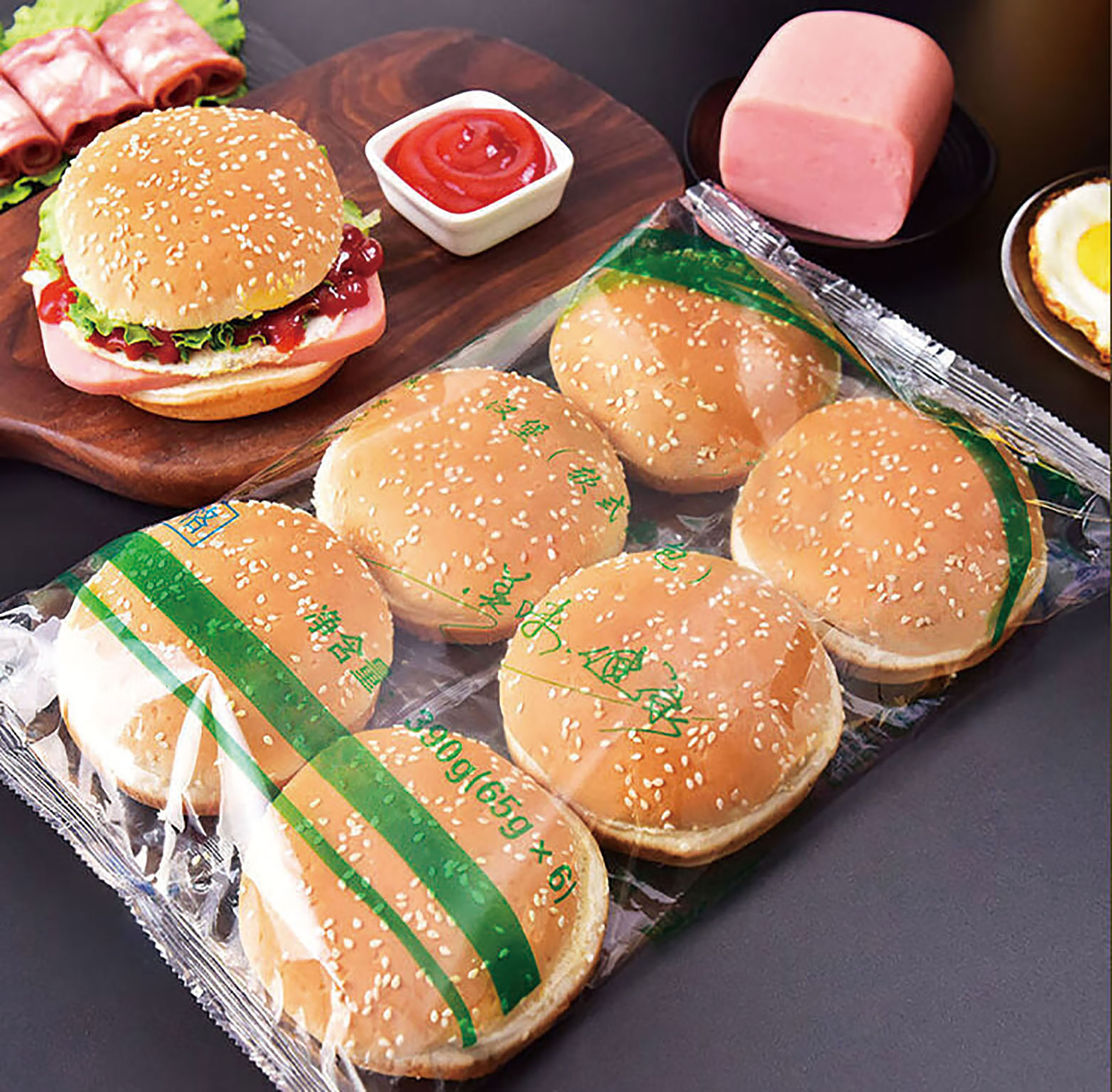
The stated output range is 60 to 150 packs per minute, depending on patty dimensions and the number of patties in each stack. Supported patty sizes are listed as 80 mm to 180 mm in diameter and 5 mm to 30 mm in thickness, with configurable pack quantities from 2 to 20 patties. Running the trial with the actual product format and target speed helps prevent an additional evaluation caused by unrepresentative samples.
Recommended Test Sequence
1. Confirm product handling
Check that patties transfer smoothly from the forming machine or freezer tunnel, remain correctly aligned, and are not damaged by the conveyor or stacking mechanism.
2. Verify interleaving and stacking
Measure paper placement, layer separation, stack height, counting accuracy, and overall stack consistency under the intended production speed.
3. Assess wrapping and traceability
Inspect film tracking, pillow-pack formation, seal appearance, date coding, batch coding, and barcode readability using the planned packaging materials.
4. Test quality-control functions
Introduce test conditions for metal detection, checkweighing, and automatic rejection to confirm that faulty packs are diverted without interrupting acceptable production.
5. Perform a focused changeover
Use the HMI recipes to change patty diameter, stack quantity, and film width. Record adjustment time, required operator actions, and the quality of the first finished packs after the change.
Evaluation Comparison
| Test Area | Key Verification | Time-Saving Effect |
|---|---|---|
| Infeed and alignment | Check single-file transfer and stable product positioning. | Finds upstream transfer issues before they affect wrapping and inspection. |
| Interleaving and stacking | Verify paper separation, count, layer alignment, and product condition. | Combines several product-handling checks in one production run. |
| Wrapping and coding | Review film movement, sealing, date codes, batch codes, and barcodes. | Confirms package appearance and traceability without separate trials. |
| Inspection and rejection | Test metal detection, weight control, and automatic diversion. | Validates downstream quality control before full-line acceptance. |
| Format changeover | Adjust product size, stack height, and film width through stored recipes. | Shows whether future product changes can be completed with limited downtime. |
Frequently Asked Questions
What materials are needed for a packaging machinery trial?
Provide patties with the actual diameter, thickness, temperature, and target stack quantity. The trial should also include the planned interleaving material and packaging film so feeding, separation, sealing, and final-pack quality can be assessed together.
Which equipment should be included in the test?
Evaluate the automatic infeed conveyor, interleaving station, counting and stacking unit, horizontal flow wrapper, date and batch coder, metal detector, checkweigher, and automatic reject system in a single sequence.
How should changeover time be evaluated?
Set the required patty dimensions, pack count, stack height, and film width before testing. Then use the PLC recipe functions and tool-less adjustment features to measure the time needed to reach stable, acceptable output.
Conclusion and Supplier Information
A well-prepared sample trial can significantly shorten the evaluation of food packaging machinery. Agree on acceptance criteria for product handling, interleaving, stacking, wrapping, coding, inspection, rejection, output, and changeover before the test starts. Foshan Ruipuhua Machinery Equipment Co. Ltd supports manufacturing and OEM cooperation and lists CE certification for applicable packaging equipment. For technical consultation or project support, contact lotuspack@ruipuhua.com.
About Us
Foshan Ruipuhua Machinery Equipment Co. Ltd develops packaging machinery and integrated packaging lines for food, bakery, biscuit, snack, noodle, chocolate, soap, hardware, pharmaceutical, and daily chemical applications. Established in 2005, the company operates from Foshan, China, with a stated factory area of 50,000 square meters and R&D capabilities covering synchronized feeding, packaging, secondary collating, case packing, and palletizing systems. Its production information states annual capacity exceeding 500 sets of automatic packaging machines and complete packaging lines. The company lists CE certification and reports serving clients across multiple industries.
How to Safeguard Your Deposit for a Tortilla Packaging Line Order
Ordering a tortilla packaging line involves a significant upfront payment, so protecting your deposit should begin before the purchase order is signed. The most effective approach is to turn the supplier’s quotation into a detailed written agreement that defines the exact machine configuration, testing method, delivery obligations, payment schedule, and acceptance standards.
Ruipuhua states a commercial payment structure of 30% deposit and 70% payable on or before shipment. To reduce risk, the remaining payment should be connected to documented factory testing and clear shipment evidence rather than relying on a general promise that the equipment is ready.
Start With a Detailed Contract Specification
A contract should describe far more than an “automatic tortilla packaging line.” It should identify the tortilla dimensions, product orientation, stacking or feeding arrangement, packaging film, bag style, seal type, date-coding requirements, expected speed, and any downstream systems included in the scope.
The agreement should also state which modules are included, such as conveyors, feeders, flow wrappers, coding devices, inspection equipment, cartoning units, or palletizing interfaces. Since the minimum order quantity is listed as one unit, buyers can request a configuration tailored to the specific tortilla format and production process.
Confirm That the Configuration Is Truly Tortilla-Specific
The available product information describes a wafer automatic packaging system using horizontal flow-wrap technology. Its operating sequence includes product feeding, alignment or stacking, film forming, longitudinal sealing, cross sealing, cutting, and discharge of finished packs. This information provides a useful reference, but it does not automatically confirm a tortilla-ready solution.
Before placing the order, ask the manufacturer to confirm the final tortilla handling method, film compatibility, sealing requirements, and output range. Actual performance may vary according to product dimensions, film material, and the selected packaging format, so those factors should appear in the signed specification.
Use Factory Sample Testing as a Payment Safeguard
Sample testing is one of the strongest protections available to a buyer. Provide representative tortillas and the intended packaging film, then require the supplier to test the actual proposed line under agreed conditions before dispatch. The product information identifies testing with samples as its quality-inspection approach, and the company states that customers can run real product samples in its on-site laboratory before delivery.
The factory acceptance test should measure practical results, including feeding stability, package size, seal appearance, coding quality, cutting accuracy, reject functions, and agreed operating speed. Both parties should sign a test record that compares the observed performance with the contractual targets.
Connect the Balance Payment to Documented Evidence
Ruipuhua lists payment terms of 30% deposit, with the other 70% due on or before the shipment date. Buyers should define exactly what “shipment” means and what proof must be delivered before the balance becomes payable.
Useful pre-shipment documents may include signed factory acceptance test results, photos or video of the tested equipment, final operating parameters, an equipment and spare-parts list, packing details, and shipping documents. These records create a direct connection between the deposit, the approved machine configuration, and the equipment being sent.
The supplied information does not mention escrow arrangements, bank guarantees, retention payments, or a deposit refund process. These protections should therefore not be assumed. If they are important to the transaction, they should be negotiated and written into the purchase contract.
Clarify Delivery, Support, and Acceptance Responsibilities
The stated delivery period is 20 working days, and engineer support is available after purchase. The contract should specify when the delivery clock begins, whether it depends on receiving samples or artwork, and which documents must accompany dispatch.
It is also important to record the scope of technical support. Define whether support includes remote troubleshooting, on-site commissioning, operator training, installation guidance, spare-parts recommendations, and response procedures for equipment issues. Clear responsibilities prevent disagreements after the line arrives.
Verify Certification Scope for the Supplied Equipment
Ruipuhua lists CE certification, certificate number M.2024.206.C107511, for flow packaging machines, automatic packaging systems, cartoning machines, and palletizing robots. Buyers should confirm which individual modules in the proposed tortilla line fall within that certification scope and request the relevant supporting documents.
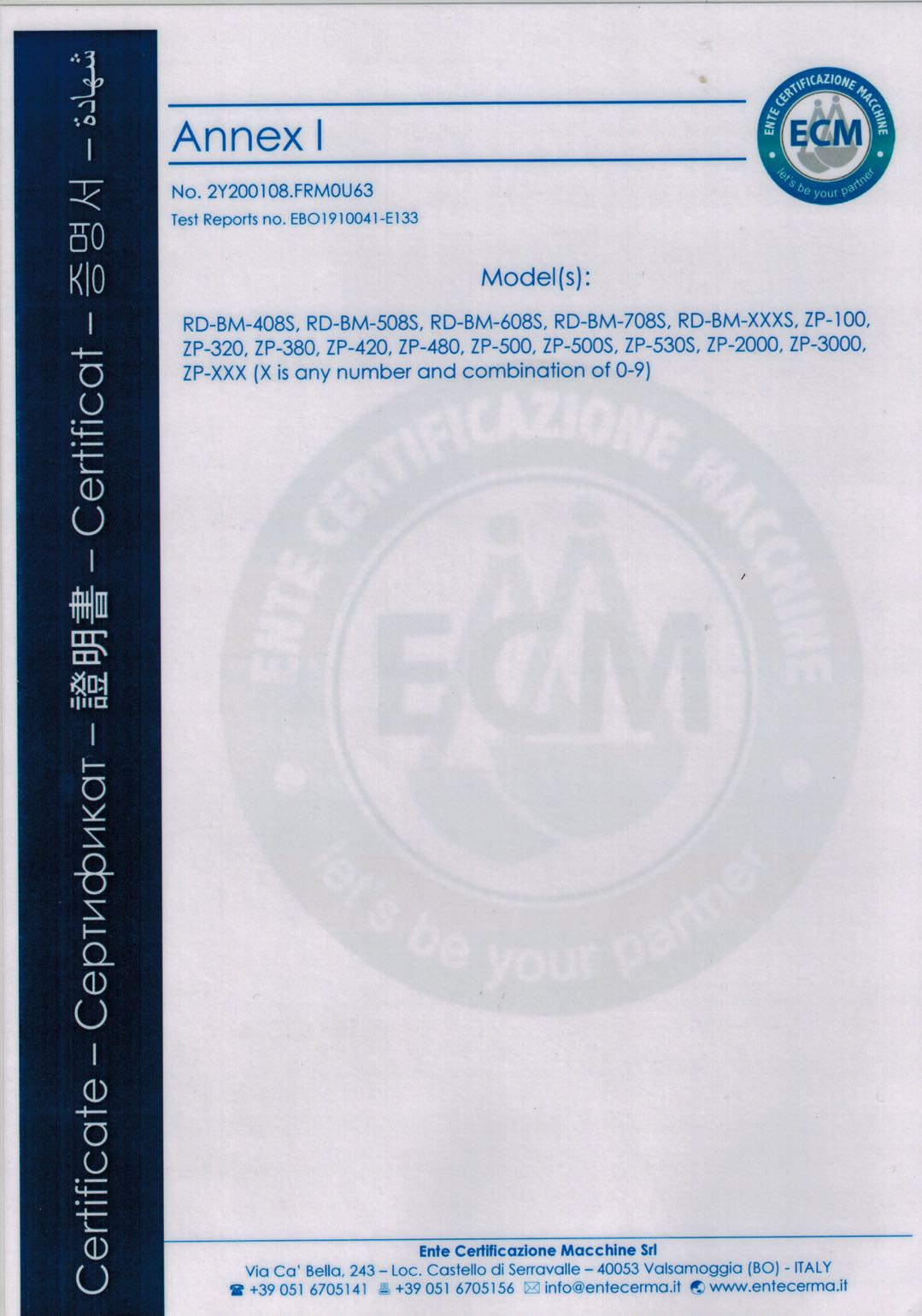
The company also reports experience with an integrated bakery automation project for a multinational customer, including cake-pie production, wrapping, and robotic palletizing. This may indicate experience with bakery packaging integration, but it should not replace tortilla-specific acceptance criteria in the order documentation.
Deposit Protection Checklist
| Control area | Recommended contract requirement |
|---|---|
| Payment terms | Record the 30% deposit and 70% pre-shipment balance, then define the documents and acceptance conditions required before the final payment. |
| Machine scope | List tortilla size, product range, feeding system, packaging material, seal format, output target, and all included modules. |
| Factory acceptance test | Test representative tortillas and film, with signed results covering the agreed performance requirements. |
| Delivery | Use the stated 20-working-day period only after defining its starting point and the required dispatch documentation. |
| Technical support | Document engineer support, commissioning duties, training scope, communication channels, and response expectations. |
| Certification | Confirm that the CE certification applies to the specific flow-pack, cartoning, or automation modules supplied. |
Frequently Asked Questions
Should the tortilla line specification be attached to the purchase agreement?
Yes. The attachment should cover tortilla dimensions, film type, bag dimensions, feeding arrangement, sealing method, coding needs, output target, inspection steps, and all included equipment. This is especially important because final performance depends on the product, film, and packaging design.
Can sample testing be used as a condition for paying the balance?
Yes. Although the listed payment method requires 70% on or before shipment, buyers can request that shipment payment becomes due only after a documented factory acceptance test has been completed successfully using agreed samples and film.
Does the available product information prove that the machine is designed specifically for tortillas?
No. The referenced product information concerns wafer packaging and horizontal flow wrapping. The supplier should separately confirm the tortilla-specific configuration, including product handling, dimensions, film selection, and sealing performance.
Conclusion
The best way to protect a deposit for a tortilla packaging line is to make payment part of a documented acceptance process. Define the equipment in detail, submit representative samples, perform a factory acceptance test, and require written evidence before releasing the shipment balance. Ruipuhua lists manufacturing and OEM support, MOQ of one, a 20-working-day delivery time, engineer support, and payment terms of 30% deposit with 70% due on or before shipment. For technical discussions or support, contact lotuspack@ruipuhua.com.
About Us
Foshan Ruipuhua Machinery Equipment Co. Ltd manufactures intelligent packaging machinery and provides research and development, production, installation, and technical after-sales service. Founded in 2005, the company is based in Foshan, Guangdong, and reports a factory area of 50,000 square meters. Its product range includes bakery, biscuit and wafer, snack, noodle, chocolate, soap, hardware, cartoning, case-packing, and palletizing solutions. The company states that it holds CE certification applicable to flow packaging machines, automatic packaging systems, cartoning machines, and palletizing robots, serving customers in multiple industries.
REPORT