







-
 Agriculture
-
 Health-Care
-
 Environment
-
 Construction-Real-Estate
-
 Tools-Hardware
-
 Home-Garden
-
 Furniture
-
 Luggage-Bags-Cases
-
 Medical-devices-Supplies
-
 Gifts-Crafts
-
 Sports-Entertainment
-
 Food-Beverage
-
 Vehicles-Transportation
-
 Power-Transmission
-
 Material-Handling
-
 Renewable-Energy
-
 Safety
-
 Testing-Instrument-Equipment
-
 Construction-Building-Machinery
-
 Pet-Supplies
-
 Personal-Care-Household-Cleaning
-
 Vehicle-Accessories-Electronics-Tools
-
 School-Office-Supplies
-
 Packaging-Printing
-
 Mother-Kids-Toys
-
 Business-Services
-
 Commercial-Equipment-Machinery
-
 Apparel-Accessories
-
 Security
-
 Shoes-Accessories
-
 Vehicle-Parts-Accessories
-
 Jewelry-Eyewear-Watches-Accessories
-
 Lights-Lighting
-
 Fabric-Textile-Raw-Material
-
 Fabrication-Services
-
 Industrial-Machinery
-
 Consumer-Electronics
-
 Electrical-Equipment-Supplies
-
 Electronic-Components-Accessories-Telecommunications
-
 Home-Appliances
-
 Beauty
-
 Chemicals
-
 Rubber-Plastics
-
 Metals-Alloys


























































































































































































































































































































































































































































































































































































- Masonry Materials
- Curtain Walls & Accessories
- Earthwork Products
- Fireproofing Materials
- Heat Insulation Materials
- Plastic Building Materials
- Building Boards
- Soundproofing Materials
- Timber
- Waterproofing Materials
- Balustrades & Handrails
- Bathroom & Kitchen
- Flooring & Accessories
- Tiles & Accessories
- Door, Window & Accessories
- Fireplaces & Stoves
- Floor Heating Systems & Parts
- Stairs & Stair Parts
- Ceilings
- Elevators & Escalators
- Stone
- Countertops, Vanity Tops & Table Tops
- Mosaics
- Metal Building Materials
- Multifunctional Materials
- Ladders & Scaffoldings
- Mouldings
- Corner Guards
- Decorative Films
- Formwork
- Building & Industrial Glass
- Other Construction & Real Estate
- Wallpapers/Wall panels
- HVAC System & Parts
- Outdoor Facilities
- Prefabricated Buildings
- Festive & Party Supplies
- Bathroom Products
- Household Sundries
- Rain Gear
- Garden Supplies
- Household Cleaning Tools & Accessories
- Lighters & Smoking Accessories
- Home Storage & Organization
- Household Scales
- Smart Home Improvement
- Home Textiles
- Kitchenware
- Drinkware & Accessories
- Dinnerware, Coffee & Wine
- Home Decor
- Golf
- Fitness & Body Building
- Amusement Park Facilities
- Billiards, Board Game,Coin Operated Games
- Musical Instruments
- Outdoor Affordable Luxury Sports
- Camping & Hiking
- Fishing
- Sports Safety&Rehabilitation
- Ball Sports Equipments
- Water Sports
- Winter Sports
- Luxury Travel Equipments
- Sports Shoes, Bags & Accessories
- Cycling
- Other Sports & Entertainment Products
- Artificial Grass&Sports Flooring&Sports Court Equipment
- Scooters
- Food Ingredients
- Honey & Honey Products
- Snacks
- Nuts & Kernels
- Seafood
- Plant & Animal Oil
- Beverages
- Fruit & Vegetable Products
- Frog & Escargot
- Bean Products
- Egg Products
- Dairy Products
- Seasonings & Condiments
- Canned Food
- Instant Food
- Baked Goods
- Other Food & Beverage
- Meat & Poultry
- Confectionery
- Grain Products
- Feminie Care
- Hair Care & Styling
- Body Care
- Hands & Feet Care
- Hygiene Products
- Men's Grooming
- Laundry Cleaning Supplies
- Travel Size & Gift Sets
- Room Deodorizers
- Other Personal Care Products
- Pest Control Products
- Special Household Cleaning
- Floor Cleaning
- Kitchen & Bathroom Cleaning
- Oral Care
- Bath Supplies
- Yellow Pages
- Correction Supplies
- Office Binding Supplies
- Office Cutting Supplies
- Board Erasers
- Office Adhesives & Tapes
- Education Supplies
- Pencil Cases & Bags
- Notebooks & Writing Pads
- File Folder Accessories
- Calendars
- Writing Accessories
- Commercial Office Supplies
- Pencil Sharpeners
- Pens
- Letter Pad/Paper
- Paper Envelopes
- Desk Organizers
- Pencils
- Markers & Highlighters
- Filing Products
- Art Supplies
- Easels
- Badge Holder & Accessories
- Office Paper
- Printer Supplies
- Book Covers
- Other Office & School Supplies
- Stationery Set
- Boards
- Clipboards
- Stamps
- Drafting Supplies
- Stencils
- Electronic Dictionary
- Books
- Map
- Magazines
- Calculators
- Baby & Toddler Toys
- Educational Toys
- Classic Toys
- Dress Up & Pretend Play
- Toy Vehicle
- Stuffed Animals & Plush Toys
- Outdoor Toys & Structures
- Balloons & Accessories
- Baby Food
- Children's Clothing
- Baby Supplies & Products
- Maternity Clothes
- Kids Shoes
- Baby Care
- Novelty & Gag Toys
- Dolls & Accessories
- Puzzle & Games
- Blocks & Model Building Toys
- Toddler Clothing
- Baby Clothing
- Kids' Luggage & Bags
- Arts, Crafts & DIY Toys
- Action & Toy Figures
- Baby Appliances
- Hobbies & Models
- Remote Control Toys
- Promotional Toys
- Pregnancy & Maternity
- Hygiene Products
- Kid's Textile&Bedding
- Novelty & Special Use
- Toy Weapons
- Baby Gifts
- Baby Storage & Organization
- Auto Drive Systems
- ATV/UTV Parts & Accessories
- Marine Parts & Accessories
- Other Auto Parts
- Trailer Parts & Accessories
- Auto Transmission Systems
- Train Parts & Accessories
- Universal Parts
- Railway Parts & Accessories
- Auto Brake Systems
- Aviation Parts & Accessories
- Truck Parts & Accessories
- Auto Suspension Systems
- Auto Lighting Systems
- New Energy Vehicle Parts & Accessories
- Auto Steering Systems
- Wheels, Tires & Accessories
- Bus Parts & Accessories
- Auto Performance Parts
- Cooling System
- Go-Kart & Kart Racer Parts & Accessories
- Air Conditioning Systems
- Heavy Duty Vehicle Parts & Accessories
- Auto Electrical Systems
- Auto Body Systems
- Auto Engine Systems
- Container Parts & Accessories
- Motorcycle Parts & Accessories
- Refrigeration & Heat Exchange Equipment
- Machine Tool Equipment
- Food & Beverage Machinery
- Agricultural Machinery & Equipment
- Apparel & Textile Machinery
- Chemical Machinery
- Packaging Machines
- Paper Production Machinery
- Plastic & Rubber Processing Machinery
- Industrial Robots
- Electronic Products Machinery
- Metal & Metallurgy Machinery
- Woodworking Machinery
- Home Product Manufacturing Machinery
- Machinery Accessories
- Environmental Machinery
- Machinery Service
- Electrical Equipment Manufacturing Machinery
- Industrial Compressors & Parts
- Tobacco & Cigarette Machinery
- Production Line
- Used Industrial Machinery
- Electronics Production Machinery
- Other Machinery & Industrial Equipment
- Camera, Photo & Accessories
- Portable Audio, Video & Accessories
- Television, Home Audio, Video & Accessories
- Video Games & Accessories
- Mobile Phone & Accessories
- Electronic Publications
- Earphone & Headphone & Accessories
- Speakers & Accessories
- Smart Electronics
- TV Receivers & Accessories
- Mobile Phone & Computer Repair Parts
- Chargers, Batteries & Power Supplies
- Used Electronics
- VR, AR, MR Hardware & Software
- Projectors & Presentation Equipments
- Other Consumer Electronics
- Cables & Commonly Used Accessories
- Computer Hardware & Software
- Displays, Signage and Optoelectronics
- Discrete Semiconductors
- Wireless & IoT Module and Products
- Telecommunications
- Connectors, Terminals & Accessories
- Development Boards, Electronic Modules and Kits
- Circuit Protection
- Sensors
- Isolators
- Audio Components and Products
- Integrated Circuits
- Power Supplies
- Relays
- RF, Microwave and RFID
- Electronic Accessories & Supplies
- Passive Components
- PCB & PCBA
- Air Quality Appliances
- Home Appliance Parts
- Heating & Cooling Appliances
- Small Kitchen Appliances
- Laundry Appliances
- Water Heaters
- Water Treatment Appliances
- Refrigerators & Freezers
- Personal Care & Beauty Appliances
- Major Kitchen Appliances
- Cleaning Appliances
- Second-hand Appliances
- Smart Home Appliances
- Other Home Appliances
- Energy Chemicals
- Inorganic Chemicals
- Basic Organic Chemicals
- Agrochemicals
- Admixture & Additives
- Catalysts & Chemical Auxiliary Agents
- Pigments & Dyestuff
- Coating & Paint
- Daily Chemicals
- Polymer
- Organic Intermediate
- Adhesives & Sealants
- Chemical Waste
- Biological Chemical Products
- Surface Treatment Chemicals
- Painting & Coating
- Chemical Reagents
- Flavor & Fragrance
- Non-Explosive Demolition Agents
- Other Chemicals
- Custom Chemical Services

Machinery Accessories
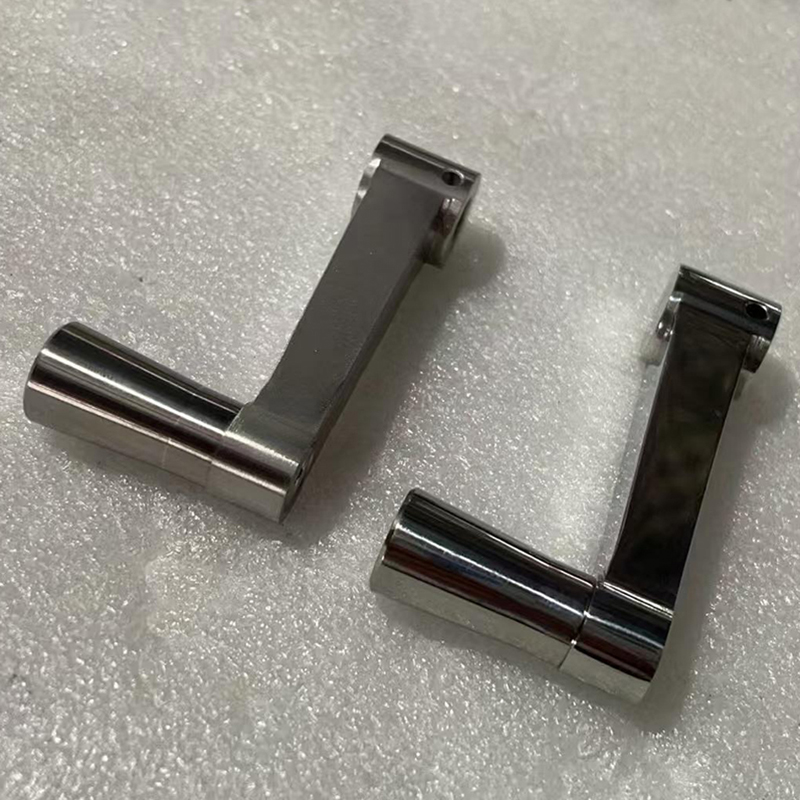
Are Dowel Pins Payments Released Only After Third-Party Inspection?
The available payment information does not guarantee that the remaining balance for Dowel Pins may be paid only after a third-party inspection is approved. The stated international order policy requires a 30% deposit before production and the remaining 70% before shipment. Any inspection-based payment arrangement must therefore be negotiated and confirmed in writing before the order is placed.
Payment Terms and Main Considerations
- The standard international payment schedule is 30% before manufacturing and 70% before shipment.
- The supplied terms do not identify third-party inspection as a required step or make payment dependent on inspection results.
- Large OEM orders and established customer relationships may qualify for negotiated payment conditions, depending on order volume and cooperation history.
- The referenced product details concern crank handles rather than dowel pins, so the product scope and inspection requirements should be verified separately.
How an Inspection-Linked Payment Condition Would Work
The stated payment schedule represents the default commercial arrangement. It does not explain how an independent inspection would affect shipment, payment release, or corrective action. There is no listed inspection company, acceptance standard, sampling plan, or procedure for delaying the balance when goods fail inspection.
If payment after inspection approval is required, the buyer should obtain the supplier's written acceptance in the purchase order or sales contract. The agreement should specify who selects and pays the inspector, which technical standards apply, when the inspection occurs, how nonconformities are corrected, and whether shipment and balance payment remain suspended until approval.
Confirm the Correct Product Scope
The available product record describes crank handles and related handle specifications. It mentions a minimum order quantity of 100 pieces and an estimated delivery period of 10 to 25 days for that product, but these figures should not automatically be applied to dowel pins. Request a quotation and inspection plan specifically prepared for the required dowel pins.
The company lists ISO certification, but the supplied information does not indicate that certification creates a third-party inspection condition for payment. Certification and independent pre-shipment inspection should be treated as separate matters in the contract.
Comparison of Available Payment Arrangements
| Payment option | Terms indicated in the supplied information | Inspection-based payment release |
|---|---|---|
| Standard international order | 30% deposit before production and 70% balance before shipment | Not stated |
| Large-volume OEM or long-term order | Payment flexibility may be discussed according to order quantity and cooperation history | Must be separately negotiated and documented |
| Sample order | Full payment is required before sample production and shipment | Not stated |
| Alibaba Trade Assurance | Available as a payment method with buyer and delivery protection | The supplied description does not promise release of payment after inspection approval |
Frequently Asked Questions
Can the balance for Dowel Pins be withheld until an inspection passes?
Not under the terms provided. The standard policy makes the balance payable before shipment. A buyer seeking payment after a successful third-party inspection must secure the supplier's written agreement to that condition.
Are the listed product specifications for Dowel Pins?
No. The referenced product information is for crank handles. Obtain a dowel-pin-specific quotation, production schedule, quality requirements, and inspection procedure before relying on any listed terms.
Is there room to negotiate the payment schedule?
Potentially. Flexible conditions may be considered for long-term customers and high-volume OEM programs based on order size and prior cooperation. However, the information supplied does not guarantee approval of an inspection-contingent balance payment.
Conclusion and Practical Recommendations
Do not presume that the Dowel Pins balance can be paid only after a third-party inspection passes. The published standard requires 30% before production and 70% before shipment, while no inspection-linked payment process is specified. Confirm that the quotation covers dowel pins and have the inspection scope, acceptance criteria, failure procedure, and payment trigger written into the contract before ordering.
Zhejiang Dream Industry Limited indicates that it supports OEM manufacturing and may discuss flexible arrangements for qualifying projects. For technical support, contact the company at 86-15868979792.
About Us
ZheJiang Dream Industry Limited has more than 20 years of experience in precision manufacturing, offering customized machined components and assemblies made from metals and engineering plastics. Its turnkey services include design review, CNC turning and milling, surface treatment, precision casting, and final inspection. The company exports to over 30 countries and regions, with international sales representing 65% of its business. Its credentials include ISO certification, and it has supplied customers in a range of industries.
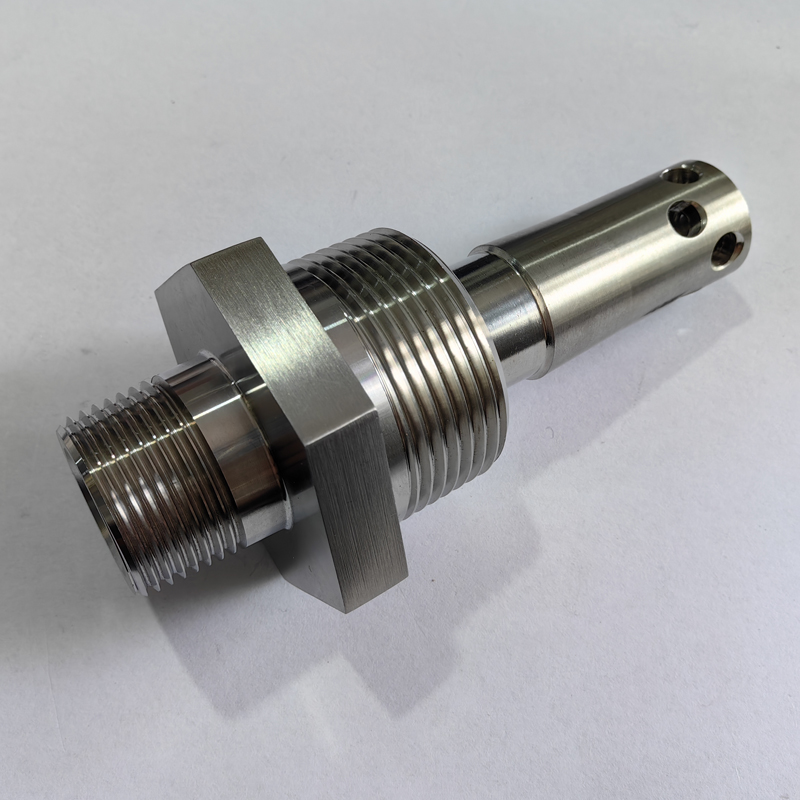
Composite vs. Aluminum Handwheels: How to Assess Suitability
A composite handwheel may be a workable choice when the selected material has verified properties suited to the application, such as corrosion resistance, low weight, or other specific performance needs. However, the available product information does not identify a composite grade or establish that it can replace aluminum directly. A sound decision requires reviewing the design, operating conditions, and test results for the intended use.
What to Verify Before Choosing a Material
Handwheel material and construction must meet the forces and environmental conditions expected in service. For the composite option, the available data does not specify the resin or reinforcement, strength, temperature range, chemical resistance, dimensions, or attachment design. Without these details, its suitability cannot be confirmed.
Compare the proposed composite with the existing aluminum handwheel against the application’s actual requirements. Relevant factors include exposure to moisture, salt, chemicals, or cleaning agents; operating loads; surface and hygiene requirements; weight; and service temperature. Aluminum performance also depends on the alloy and finish, so those should be documented as well.
Applications and Manufacturing Considerations
Handwheels are used across industrial machinery, automation equipment, valves and pipelines, food processing systems, and marine equipment. Each setting brings different requirements. Marine and offshore installations may involve saltwater exposure, food-processing equipment may have hygiene and cleaning constraints, and valve or pipeline systems must support reliable manual operation and adjustment. Material claims should therefore be checked against the conditions of the specific installation.
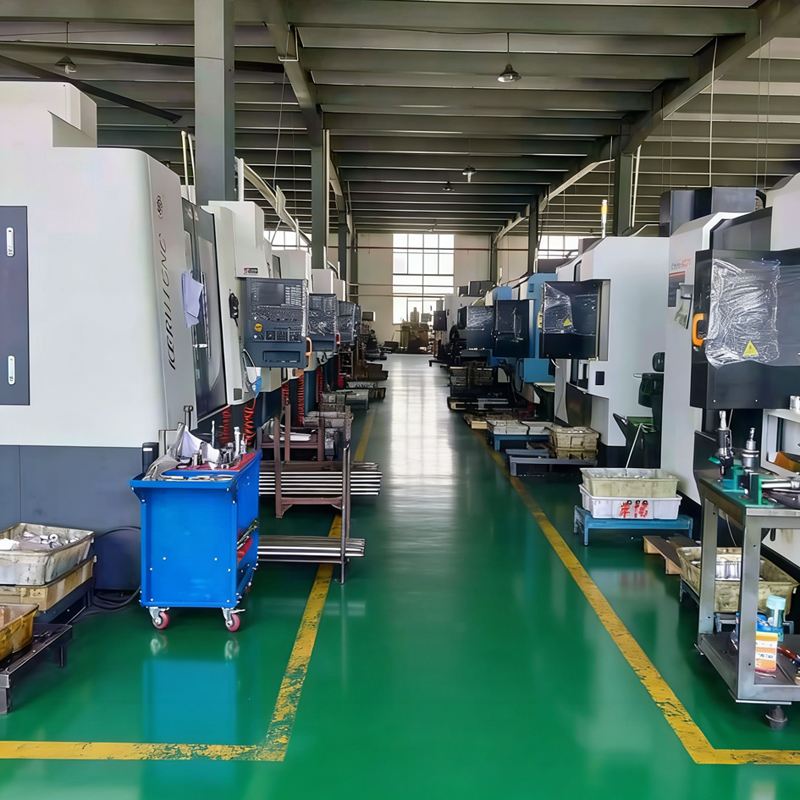
Custom hardware projects may also require drawing review, structural optimization, CNC machining, surface finishing, and inspection. Zhejiang Dream Industry Limited reports capabilities in product design, CNC turning and milling, precision casting, mold development, surface treatment, and customized OEM and ODM production.
The company reports ISO 9001 certification, 23 in-process inspection steps, dimensional accuracy of up to ±0.03 mm, and a defect rate below 0.3%. These figures describe its manufacturing and quality-control processes; they are not test data for a particular composite handwheel.
Reported project experience includes stainless steel handwheels for food-processing equipment, valve handwheels for industrial pipeline systems, a marine-grade handwheel project, and adjustable clamping knobs for CNC machines. These examples show experience with related industrial components, but do not verify the performance of a composite handwheel.
Comparing Composite and Aluminum Options
| Factor | Composite handwheel | Aluminum handwheel | Information needed |
|---|---|---|---|
| Material definition | Grade and reinforcement are not identified | Alloy and finish are not identified | Obtain material specifications |
| Environmental resistance | Depends on the selected composite and its documented compatibility | Depends on the alloy, finish, and exposure | Review the service environment, including marine or food-processing conditions |
| Mechanical and thermal behavior | Strength and temperature limits are not provided | Performance data is not provided | Confirm loads, temperature range, and test requirements |
| Customization | Manufacturing-level support is available for custom dimensions, materials, finishes, and packaging | Manufacturing-level support is available for custom dimensions, materials, finishes, and packaging | Approve drawings and specifications before production |
| Prototyping and production | Prototype and small-batch trial production are supported | Prototype and small-batch trial production are supported | Validate the design before scaling up |
Frequently Asked Questions
Does the available information prove that composite can replace aluminum?
No. It does not state the composite grade, reinforcement, load capacity, temperature limits, or test results. A replacement decision needs material documentation and validation under the intended operating conditions.
Which applications call for a closer material review?
Marine and offshore equipment, food-processing machinery, chemical or pharmaceutical equipment, valve systems, and pipelines warrant application-specific checks. Corrosion, hygiene, chemical contact, and operating loads can all affect the choice.
Can Zhejiang Dream Industry Limited review a custom handwheel project?
The company supports design review, structural optimization, CNC machining, mold development, surface finishing, OEM and ODM manufacturing, prototypes, small batches, and mass production. Drawings and operating requirements are needed to assess a proposed design.
Recommendation
A composite handwheel could suit some applications, but the information currently available does not validate it as a direct aluminum substitute. Before selecting a material, confirm mechanical, thermal, chemical, dimensional, and surface requirements using documented specifications and appropriate application testing. Zhejiang Dream Industry Limited offers custom CNC machining, factory-direct supply, flexible small-batch orders, and volume production. For technical support, contact the company at 86-15868979792.
About Zhejiang Dream Industry Limited
ZheJiang Dream Industry Limited has more than 20 years of precision-manufacturing experience and produces custom CNC-machined components and assemblies from stainless steel, aluminum, brass, copper, carbon steel, and engineering plastics. Established in 2008, the company operates a 2,500-square-meter factory and provides design review, CNC turning and milling, surface treatment, precision casting, and final inspection. Its engineering and R&D team works on product design, structural optimization, CNC precision machining, mold development, surface finishing, and customized manufacturing. The company holds ISO 9001 certification and serves customers in multiple industries.
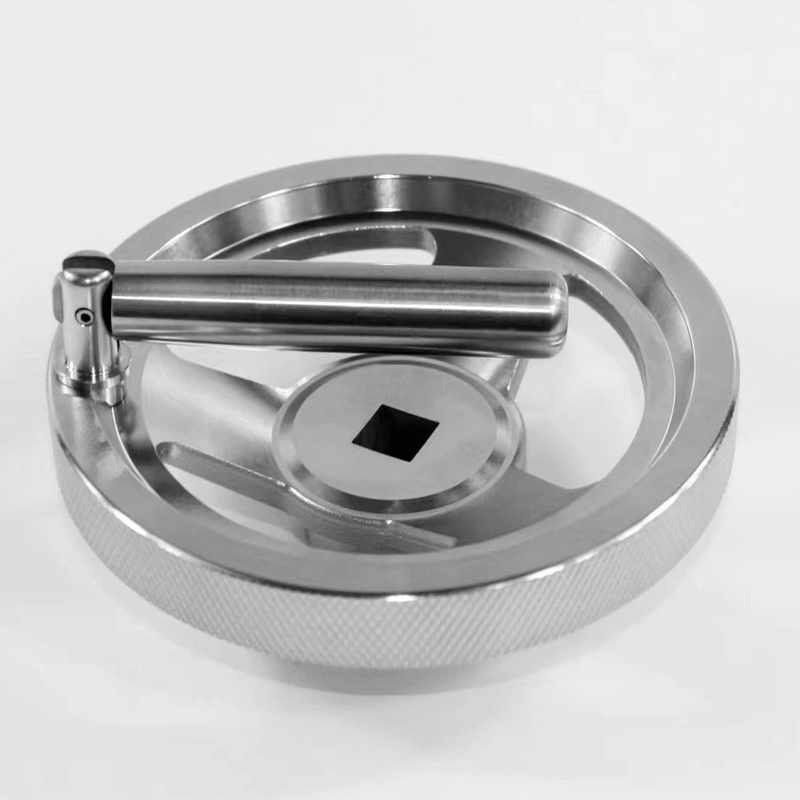
Do Standard Thread Sizes Help Clamping Knobs Ship Faster?
Choosing a clamping knob with a standard thread size can make the ordering process more efficient because the interface is already defined and usually needs less engineering review. However, standardization does not guarantee a shorter production schedule. Dream Industry indicates sample lead times of 3–7 days and standard-order lead times of 7–15 days, while custom dimensions, materials, finishes, or unusual designs may require additional coordination.
Ordering Overview and Main Benefits
- Available standard thread choices include M5 to M33, selected Tr threads, UNC, and UNF for common clamping knob and handwheel applications.
- The stated lead time is 7–15 days for standard orders, 3–7 days for samples, and approximately 15–30 days for mass production, depending on volume and design complexity.
- Custom production is available from PDF, DWG, DXF, STEP, IGS, and STP drawings. Special sizes, materials, coatings, and non-standard threads can influence scheduling.
- These components are used in CNC equipment, lathes, milling machines, automated systems, packaging machinery, and other industrial equipment.
How Thread Standardization Influences Production
A standard thread gives the manufacturer a known connection size and reduces uncertainty during technical review. Instead of developing a completely unique mounting interface, the buyer can select from established specifications. The listed metric sizes include M5, M6, M8, M10, M12, M14, M16, M18, M20, M22, M24, M27, and M30, with further metric and unified thread options available. This can shorten clarification cycles and make drawing approval more straightforward.
Even when the thread is standard, the final delivery date depends on the order type and overall configuration. The product listing identifies a 7–15 day delivery period and a minimum order quantity of 10 pieces. General manufacturing information lists 3–7 days for samples, 7–15 days for standard orders, and 15–30 days for larger production runs. Logo marking, unusual dimensions, special materials, extra tooling, and non-standard product designs may extend the schedule.
Configuration, Material, and Finish Options
Buyers can specify fixed, revolving, or foldable handles, as well as round, spoked, and solid handwheel styles. Mounting choices include threaded holes, through bores, keyway bores, D bores, square bores, and tapped holes. Available finishes include polishing, sandblasting, brushing, powder coating, electroplating, chrome plating, and anodizing. Each combination should be confirmed before the order is released to production.
Possible materials include stainless steel, aluminum, cast iron, bakelite, plastic, phenolic, and brass. Product features may include an anti-slip grip, ergonomic handling, corrosion resistance, wear resistance, long service life, heavy-duty performance, and precise adjustment. Standard dimensional tolerance is listed as ±0.1 mm, while precision work can reach ±0.03 mm.
Inspection and Application Background
Quality control provisions include ISO 9001 certification, complete dimensional inspection, first article inspection, and material certificate support. The company manufacturing system also references 23 inspection procedures and dimensional accuracy down to ±0.03 mm. Its listed certification is ISO certificate ZT-Q-24120011S, covering stainless steel handwheels, bushings, bolts, and non-standard machined parts.
Reported project experience includes an adjustable clamping knob supplied for a CNC machine manufacturer in Italy and industrial handles provided to a packaging equipment manufacturer in South Korea. These applications involved fixture locking, position adjustment, packaging-line operation, and equipment used continuously in industrial environments.
Production Option Comparison
| Order or specification | Production details |
|---|---|
| Standard thread size | Available; the stated standard lead time is 7–15 days, with a listed minimum order of 10 pieces. |
| Sample or prototype | Available; samples are listed at 3–7 days, and CNC prototype quantities of 1–10 pieces can be supported. |
| Custom thread or dimensions | Available; technical review of drawings and non-standard requirements is needed and may change the schedule. |
| Mass production | Available; the indicated lead time is 15–30 days based on quantity and product complexity. |
| Material or surface customization | Available; material grades and finishing methods are selected according to the confirmed order requirements. |
Frequently Asked Questions
Will a standard thread make a clamping knob faster to manufacture?
It may reduce specification checks and custom engineering work, but the available information does not promise a shorter lead time. Standard orders are generally quoted at 7–15 days.
Which thread sizes can be selected for the spoked handwheel?
Options include sizes from M5 through M33, selected Tr threads, UNC, and UNF. The required thread should be verified against the product drawing and purchase specification.
Can the manufacturer produce non-standard clamping knobs?
Yes. Custom dimensions, materials, finishes, packaging, laser logo marking, and drawing-based production are supported. Accepted technical file formats include PDF, DWG, DXF, STEP, IGS, and STP.
Conclusion and Purchasing Guidance
Standard thread sizes can make the purchasing process more predictable because the mounting interface is defined before production begins. To target the stated 7–15 day standard-order window, buyers should confirm the thread, quantity, handle style, mounting method, material, surface finish, and drawing details in advance. Dream Industry provides OEM and ODM manufacturing, custom CNC machining, factory-direct supply, bulk production, and small-batch order support. Technical assistance is available through 86-15868979792.
About Us
ZheJiang Dream Industry Limited has more than 20 years of experience in precision manufacturing and supplies custom CNC-machined parts and assemblies made from stainless steel, aluminum, brass, copper, carbon steel, and engineering plastics. Founded in 2008, the company operates a 2,500-square-meter factory and offers design review, CNC turning and milling, surface treatment, precision casting, and final inspection. Its qualifications include ISO certification and multiple patent certifications, with customers served across a range of industrial sectors.
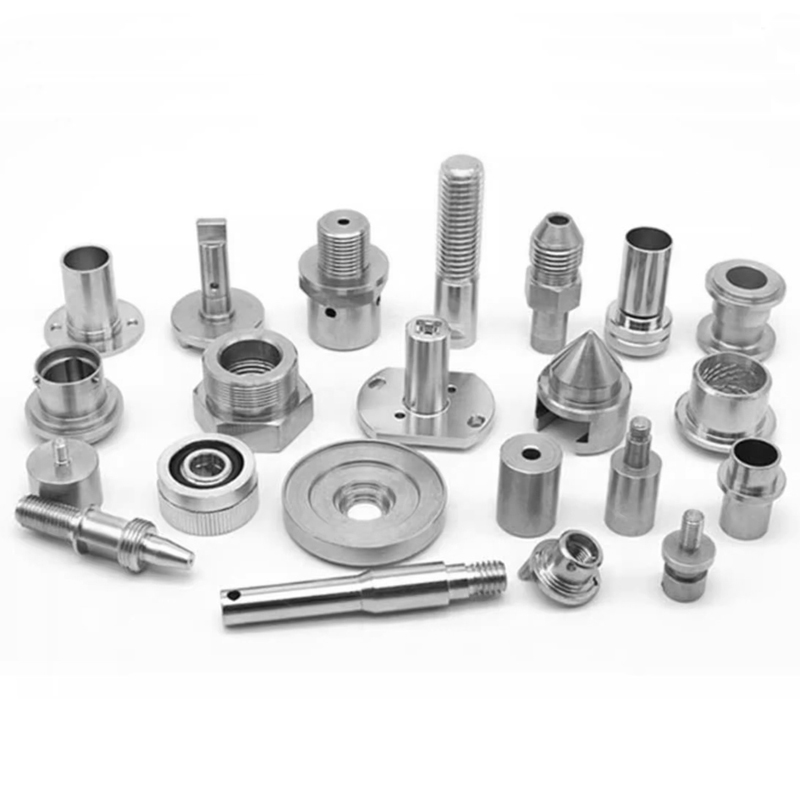
Clamping Knob Prototype Lead Time: What to Expect From a Technical Drawing
When a clamping knob is manufactured from an approved 2D or 3D technical drawing, prototype production typically requires 3–7 days. Zhejiang Dream Industry Limited can handle sample orders ranging from 1 to 10 pieces and works from PDF, DWG, DXF, STEP, IGS, and STP files.
Actual timing depends on several project-specific factors, including the selected material, part design, dimensional tolerances, required finish, inspection standards, and how quickly the drawing details are confirmed.
Prototype Clamping Knob Manufacturing at a Glance
- Sample quantities from 1–10 CNC-machined clamping knobs are available for prototype validation.
- The usual sampling period is 3–7 days after technical requirements are confirmed.
- Accepted drawing formats include PDF, DWG, DXF, STEP, IGS, and STP.
- Available materials include stainless steel, carbon steel, alloy steel, aluminum, brass, copper, and engineering plastics.
- Custom clamping knobs are commonly used for CNC machine positioning, fixture locking, automation equipment, and industrial machinery.
How the Prototype Process Works
The process begins with a detailed review of the supplied drawing. Before machining starts, the manufacturer confirms the material grade, dimensions, tolerance requirements, thread specifications, surface finish, packaging expectations, and any inspection instructions.
Once the design is approved, the manufacturing route is selected according to the component structure. Production may involve CNC turning, CNC milling, drilling, tapping, grinding, laser cutting, or a combination of these processes. This approach allows the prototype to match the functional and dimensional requirements shown in the drawing.
Precision and Surface Finish Options
For standard custom parts, the listed machining tolerance is typically ±0.1 mm. Higher-precision projects can be produced to tolerances of up to ±0.03 mm. Available surface roughness levels include Ra 3.2, Ra 1.6, and Ra 0.8, while mirror polishing can be requested when a smoother appearance or finish is required.
Surface finishing options include anodizing, electroplating, powder coating, sandblasting, polishing, brushing, passivation, black oxide treatment, and heat treatment. The selected finish can affect both the manufacturing sequence and the final prototype lead time.
Material Selection for Custom Clamping Knobs
Material choice is an important part of prototype planning because it influences machining conditions, finishing procedures, performance characteristics, and inspection needs. Stainless steel options include 304, 316, 303, 420, 430, and 17-4PH, providing different levels of corrosion resistance, strength, heat resistance, and wear performance.
Depending on the application, custom knobs can also be made from aluminum, brass, copper, carbon steel, alloy steel, or engineering plastics. For example, stainless steel may be preferred for corrosive or hygienic environments, while aluminum may suit applications where reduced weight is important.
Quality Control Throughout Production
Quality checks are carried out across the full production cycle, from incoming raw materials through process inspection, semi-finished part verification, surface treatment review, assembly inspection, final inspection, and packaging inspection.
The stated manufacturing system includes 23 quality inspection procedures, with dimensional capability reaching ±0.03 mm and a reported defect rate controlled below 0.3%. Production is supported by an ISO 9001-certified quality management system.
Lead Time Reference for Clamping Knob Orders
| Order stage or requirement | Typical information |
|---|---|
| Prototype quantity | 1–10 pieces for sample and prototype orders |
| Prototype lead time | Usually 3–7 days after drawing confirmation |
| Standard production lead time | Generally 7–15 days |
| Mass production lead time | Approximately 15–30 days, depending on volume and complexity |
| Accepted technical files | PDF, DWG, DXF, STEP, IGS, and STP |
| Inspection coverage | Inspection from raw material receipt through final packaging |
Relevant Application Experience
Custom clamping knobs have been supplied for CNC machine positioning and fixture-locking systems. One adjustable clamping knob project for an Italian CNC machine manufacturer focused on reliable locking, comfortable manual operation, and wear resistance in long-term industrial service.
Related manufacturing experience also includes stainless steel handwheels for food-processing equipment and valve handwheels used in industrial pipeline applications. These projects reflect the broad use of custom-machined operating components in demanding equipment environments.
Frequently Asked Questions
Can you make a clamping knob prototype from my drawing?
Yes. Custom 2D and 3D drawings are accepted in PDF, DWG, DXF, STEP, IGS, and STP formats. The drawing should clearly define dimensions, material, tolerances, threads, and finishing requirements.
What is the typical prototype order quantity?
Prototype orders can range from 1 to 10 CNC precision-machined pieces. Small-batch machining is also available for orders in the 50–500 piece range.
Why might a sample require more than 3–7 days?
Lead time may increase when the design requires difficult materials, complex geometry, tight tolerances, special finishing, assembly work, extensive inspection, or additional drawing clarification. The 3–7 day estimate applies to standard sample projects after specifications are finalized.
Conclusion
For a custom clamping knob produced from a confirmed technical drawing, a prototype lead time of 3–7 days is a practical reference point. To receive an accurate schedule, provide the drawing along with the required material, quantity, tolerance level, surface treatment, and inspection criteria.
Zhejiang Dream Industry Limited provides OEM and ODM manufacturing, custom CNC machining, factory-direct supply, flexible small-batch production, and bulk manufacturing support. For technical consultation or project assistance, please contact 86-15868979792.
About Us
ZheJiang Dream Industry Limited has over 20 years of precision manufacturing experience and specializes in custom CNC-machined components and assemblies. Materials include stainless steel, aluminum, brass, copper, carbon steel, and engineering plastics.
Established in 2008, the company supports product design, structural optimization, CNC precision machining, mold development, surface finishing, and customized manufacturing through its engineering and R&D capabilities. Its quality system is ISO 9001 certified, and the company also holds Patent Certification while serving customers across a range of industrial sectors.
REPORT