







-
 Agriculture
-
 Health-Care
-
 Environment
-
 Construction-Real-Estate
-
 Tools-Hardware
-
 Home-Garden
-
 Furniture
-
 Luggage-Bags-Cases
-
 Medical-devices-Supplies
-
 Gifts-Crafts
-
 Sports-Entertainment
-
 Food-Beverage
-
 Vehicles-Transportation
-
 Power-Transmission
-
 Material-Handling
-
 Renewable-Energy
-
 Safety
-
 Testing-Instrument-Equipment
-
 Construction-Building-Machinery
-
 Pet-Supplies
-
 Personal-Care-Household-Cleaning
-
 Vehicle-Accessories-Electronics-Tools
-
 School-Office-Supplies
-
 Packaging-Printing
-
 Mother-Kids-Toys
-
 Business-Services
-
 Commercial-Equipment-Machinery
-
 Apparel-Accessories
-
 Security
-
 Shoes-Accessories
-
 Vehicle-Parts-Accessories
-
 Jewelry-Eyewear-Watches-Accessories
-
 Lights-Lighting
-
 Fabric-Textile-Raw-Material
-
 Fabrication-Services
-
 Industrial-Machinery
-
 Consumer-Electronics
-
 Electrical-Equipment-Supplies
-
 Electronic-Components-Accessories-Telecommunications
-
 Home-Appliances
-
 Beauty
-
 Chemicals
-
 Rubber-Plastics
-
 Metals-Alloys


























































































































































































































































































































































































































































































































































































- Masonry Materials
- Curtain Walls & Accessories
- Earthwork Products
- Fireproofing Materials
- Heat Insulation Materials
- Plastic Building Materials
- Building Boards
- Soundproofing Materials
- Timber
- Waterproofing Materials
- Balustrades & Handrails
- Bathroom & Kitchen
- Flooring & Accessories
- Tiles & Accessories
- Door, Window & Accessories
- Fireplaces & Stoves
- Floor Heating Systems & Parts
- Stairs & Stair Parts
- Ceilings
- Elevators & Escalators
- Stone
- Countertops, Vanity Tops & Table Tops
- Mosaics
- Metal Building Materials
- Multifunctional Materials
- Ladders & Scaffoldings
- Mouldings
- Corner Guards
- Decorative Films
- Formwork
- Building & Industrial Glass
- Other Construction & Real Estate
- Wallpapers/Wall panels
- HVAC System & Parts
- Outdoor Facilities
- Prefabricated Buildings
- Festive & Party Supplies
- Bathroom Products
- Household Sundries
- Rain Gear
- Garden Supplies
- Household Cleaning Tools & Accessories
- Lighters & Smoking Accessories
- Home Storage & Organization
- Household Scales
- Smart Home Improvement
- Home Textiles
- Kitchenware
- Drinkware & Accessories
- Dinnerware, Coffee & Wine
- Home Decor
- Golf
- Fitness & Body Building
- Amusement Park Facilities
- Billiards, Board Game,Coin Operated Games
- Musical Instruments
- Outdoor Affordable Luxury Sports
- Camping & Hiking
- Fishing
- Sports Safety&Rehabilitation
- Ball Sports Equipments
- Water Sports
- Winter Sports
- Luxury Travel Equipments
- Sports Shoes, Bags & Accessories
- Cycling
- Other Sports & Entertainment Products
- Artificial Grass&Sports Flooring&Sports Court Equipment
- Scooters
- Food Ingredients
- Honey & Honey Products
- Snacks
- Nuts & Kernels
- Seafood
- Plant & Animal Oil
- Beverages
- Fruit & Vegetable Products
- Frog & Escargot
- Bean Products
- Egg Products
- Dairy Products
- Seasonings & Condiments
- Canned Food
- Instant Food
- Baked Goods
- Other Food & Beverage
- Meat & Poultry
- Confectionery
- Grain Products
- Feminie Care
- Hair Care & Styling
- Body Care
- Hands & Feet Care
- Hygiene Products
- Men's Grooming
- Laundry Cleaning Supplies
- Travel Size & Gift Sets
- Room Deodorizers
- Other Personal Care Products
- Pest Control Products
- Special Household Cleaning
- Floor Cleaning
- Kitchen & Bathroom Cleaning
- Oral Care
- Bath Supplies
- Yellow Pages
- Correction Supplies
- Office Binding Supplies
- Office Cutting Supplies
- Board Erasers
- Office Adhesives & Tapes
- Education Supplies
- Pencil Cases & Bags
- Notebooks & Writing Pads
- File Folder Accessories
- Calendars
- Writing Accessories
- Commercial Office Supplies
- Pencil Sharpeners
- Pens
- Letter Pad/Paper
- Paper Envelopes
- Desk Organizers
- Pencils
- Markers & Highlighters
- Filing Products
- Art Supplies
- Easels
- Badge Holder & Accessories
- Office Paper
- Printer Supplies
- Book Covers
- Other Office & School Supplies
- Stationery Set
- Boards
- Clipboards
- Stamps
- Drafting Supplies
- Stencils
- Electronic Dictionary
- Books
- Map
- Magazines
- Calculators
- Baby & Toddler Toys
- Educational Toys
- Classic Toys
- Dress Up & Pretend Play
- Toy Vehicle
- Stuffed Animals & Plush Toys
- Outdoor Toys & Structures
- Balloons & Accessories
- Baby Food
- Children's Clothing
- Baby Supplies & Products
- Maternity Clothes
- Kids Shoes
- Baby Care
- Novelty & Gag Toys
- Dolls & Accessories
- Puzzle & Games
- Blocks & Model Building Toys
- Toddler Clothing
- Baby Clothing
- Kids' Luggage & Bags
- Arts, Crafts & DIY Toys
- Action & Toy Figures
- Baby Appliances
- Hobbies & Models
- Remote Control Toys
- Promotional Toys
- Pregnancy & Maternity
- Hygiene Products
- Kid's Textile&Bedding
- Novelty & Special Use
- Toy Weapons
- Baby Gifts
- Baby Storage & Organization
- Auto Drive Systems
- ATV/UTV Parts & Accessories
- Marine Parts & Accessories
- Other Auto Parts
- Trailer Parts & Accessories
- Auto Transmission Systems
- Train Parts & Accessories
- Universal Parts
- Railway Parts & Accessories
- Auto Brake Systems
- Aviation Parts & Accessories
- Truck Parts & Accessories
- Auto Suspension Systems
- Auto Lighting Systems
- New Energy Vehicle Parts & Accessories
- Auto Steering Systems
- Wheels, Tires & Accessories
- Bus Parts & Accessories
- Auto Performance Parts
- Cooling System
- Go-Kart & Kart Racer Parts & Accessories
- Air Conditioning Systems
- Heavy Duty Vehicle Parts & Accessories
- Auto Electrical Systems
- Auto Body Systems
- Auto Engine Systems
- Container Parts & Accessories
- Motorcycle Parts & Accessories
- Refrigeration & Heat Exchange Equipment
- Machine Tool Equipment
- Food & Beverage Machinery
- Agricultural Machinery & Equipment
- Apparel & Textile Machinery
- Chemical Machinery
- Packaging Machines
- Paper Production Machinery
- Plastic & Rubber Processing Machinery
- Industrial Robots
- Electronic Products Machinery
- Metal & Metallurgy Machinery
- Woodworking Machinery
- Home Product Manufacturing Machinery
- Machinery Accessories
- Environmental Machinery
- Machinery Service
- Electrical Equipment Manufacturing Machinery
- Industrial Compressors & Parts
- Tobacco & Cigarette Machinery
- Production Line
- Used Industrial Machinery
- Electronics Production Machinery
- Other Machinery & Industrial Equipment
- Camera, Photo & Accessories
- Portable Audio, Video & Accessories
- Television, Home Audio, Video & Accessories
- Video Games & Accessories
- Mobile Phone & Accessories
- Electronic Publications
- Earphone & Headphone & Accessories
- Speakers & Accessories
- Smart Electronics
- TV Receivers & Accessories
- Mobile Phone & Computer Repair Parts
- Chargers, Batteries & Power Supplies
- Used Electronics
- VR, AR, MR Hardware & Software
- Projectors & Presentation Equipments
- Other Consumer Electronics
- Cables & Commonly Used Accessories
- Computer Hardware & Software
- Displays, Signage and Optoelectronics
- Discrete Semiconductors
- Wireless & IoT Module and Products
- Telecommunications
- Connectors, Terminals & Accessories
- Development Boards, Electronic Modules and Kits
- Circuit Protection
- Sensors
- Isolators
- Audio Components and Products
- Integrated Circuits
- Power Supplies
- Relays
- RF, Microwave and RFID
- Electronic Accessories & Supplies
- Passive Components
- PCB & PCBA
- Air Quality Appliances
- Home Appliance Parts
- Heating & Cooling Appliances
- Small Kitchen Appliances
- Laundry Appliances
- Water Heaters
- Water Treatment Appliances
- Refrigerators & Freezers
- Personal Care & Beauty Appliances
- Major Kitchen Appliances
- Cleaning Appliances
- Second-hand Appliances
- Smart Home Appliances
- Other Home Appliances
- Energy Chemicals
- Inorganic Chemicals
- Basic Organic Chemicals
- Agrochemicals
- Admixture & Additives
- Catalysts & Chemical Auxiliary Agents
- Pigments & Dyestuff
- Coating & Paint
- Daily Chemicals
- Polymer
- Organic Intermediate
- Adhesives & Sealants
- Chemical Waste
- Biological Chemical Products
- Surface Treatment Chemicals
- Painting & Coating
- Chemical Reagents
- Flavor & Fragrance
- Non-Explosive Demolition Agents
- Other Chemicals
- Custom Chemical Services

Other Machinery & Industrial Equipment
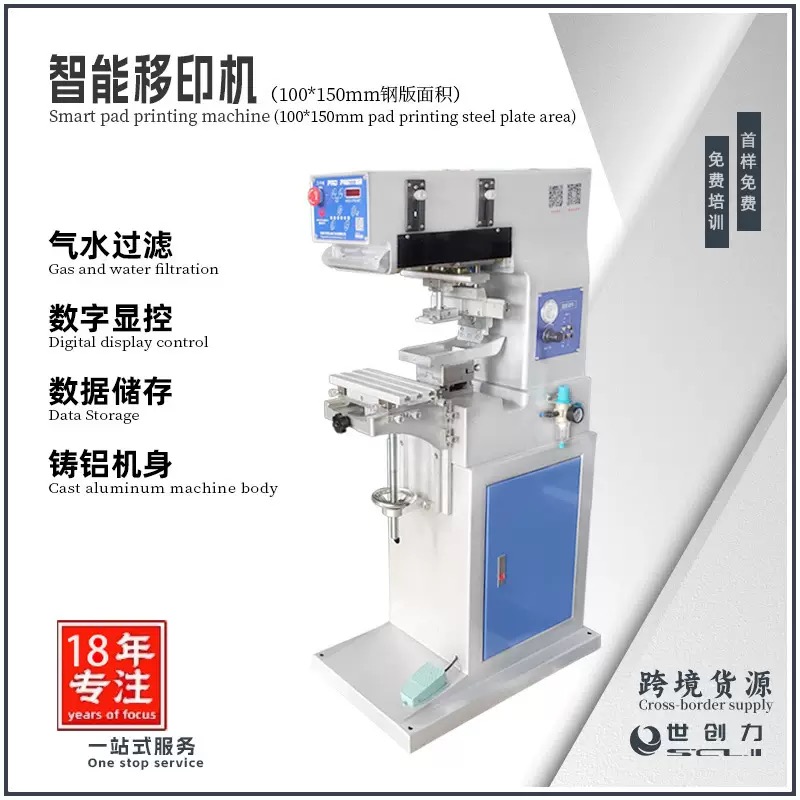
How to Check Screen Printing Plate Detail Retention Over Time
A plate that reproduces fine artwork accurately at setup may not maintain the same result throughout production. To assess detail retention, compare prints taken during a repeat run with an approved reference, using the intended substrate and consistent process conditions. Inspect fine lines, edges, small openings, and registration, and document any changes.
Build a Consistent Verification Process
Begin by producing an approved reference print with the material, ink, and setup planned for the job. Examine the smallest details that matter to the design. As production continues, take additional samples and compare them with the reference under the same inspection conditions. This helps distinguish possible plate wear from changes in the printing process.
Record the sample sequence and note any loss of edge clarity, incomplete reproduction, inconsistent lines, or alignment drift. If a sample shows visible change, pause to inspect both the plate and the process before continuing. There is no standard inspection interval or acceptable tolerance stated in the supplied product information; agree on these limits with the plate supplier for the specific application.
What to Evaluate
- Detail quality at setup: Check fine lines, sharp edges, and small gaps against the approved sample.
- Consistency during the run: Review later prints for changes in detail definition and registration.
- Substrate performance: Test on the actual material and with the process intended for production. Shichuangli lists applications that include consumer goods, 3C electronics, cosmetics packaging, automotive parts, and craft products.
- Durability evidence: Request written, plate-specific criteria and repeat-run test results from the supplier. The available product data does not specify plate lifespan or long-run accuracy limits.
Inspection Record Checklist
| Check | Compare or inspect | Record |
|---|---|---|
| Initial print | Fine lines, edges, and small openings against the approved reference | Reference sample and inspection conditions |
| Repeat samples | Detail clarity and registration across the production run | Sample order and any changes observed |
| Substrate suitability | Print quality on the material used for the job | Material and process used for each sample |
| Expected service life | Supplier-defined durability requirements and test method | Written criteria or test findings; these are not included in the supplied product data |
Supplier Information and Its Limits
Dongguan Shichuangli Zhihui Technology Co., Ltd. manufactures printing equipment and supporting materials, including precision screen printing plates and inks. Its company profile reports a factory training base of more than 1,600 square meters and service to over 15,000 enterprises. This background provides manufacturing context, but it does not confirm the durability of a particular plate.
The company describes quality checks that include inspection during production and finished-product performance testing. Its cited CNAS-listed reports concern several black products, but the supplied records do not identify them as durability certifications for screen printing plates. A reported project with a Saudi Arabian hotel-product distributor involved logo printing on different materials; no long-run plate accuracy measurements are provided.
Frequently Asked Questions
Does the SCL-P1 product information confirm screen printing plate life?
No. The listed SCL-P1 information is for a fully automatic, single-color transfer printing machine. It does not state screen printing plate lifespan, wear limits, or long-run accuracy results.
Which changes should I look for in repeat prints?
Track fine-line definition, edge sharpness, whether small details reproduce completely, and registration compared with the approved reference.
What should I request from a plate supplier?
Ask for plate-specific acceptance limits, a repeat-run test method using your intended material and process, and documented results. The supplied information does not establish a standard test duration or tolerance.
Recommendation
Use an approved reference print, inspect samples at intervals during production, and keep the substrate and process conditions consistent. Document the results and agree on durability criteria with the supplier before relying on a service-life claim. Shichuangli’s profile describes technical training and equipment services, but the available product data does not establish the service life of a screen printing plate. For technical support, contact support@shichuanglimachine.com.
About the Company
Dongguan Shichuangli Zhihui Technology Co., Ltd. is based in Huangjiang Town, Dongguan, Guangdong Province. The company focuses on designing, researching, producing, and selling printing equipment and supporting materials. It reports 18 years of industry experience and a training base exceeding 1,600 square meters. Its listed credentials include trademark registration certificate 42347920 for printing-related products, and its cooperation cases cover clients in multiple industries.

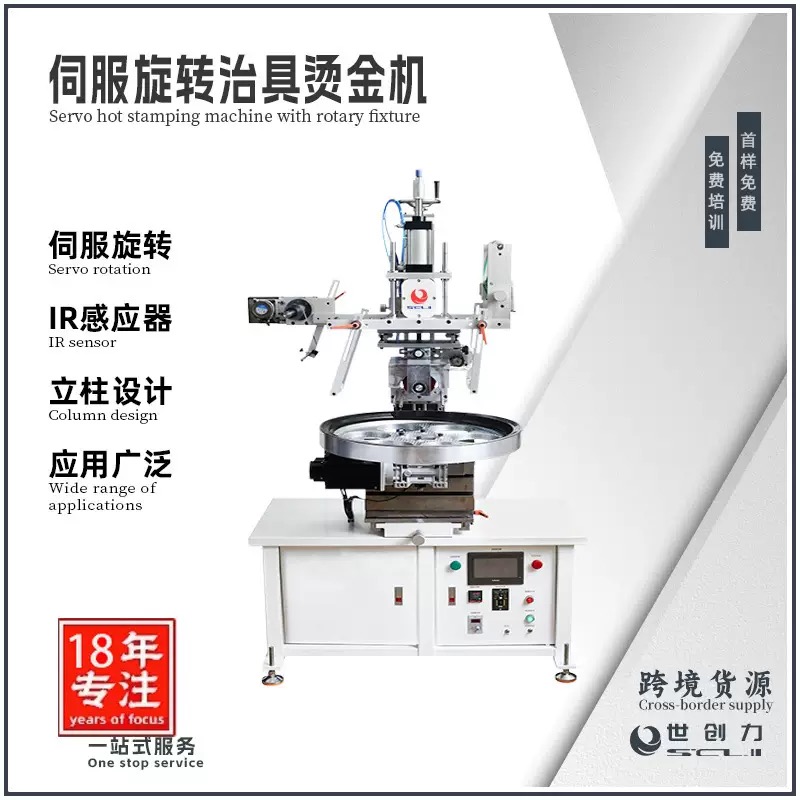
How to Qualify Transfer-Printed Steel Plates for Full Production
Before approving transfer-printed steel plates for volume manufacturing, evaluate them with the actual artwork, ink, substrate, equipment, and operating conditions. The qualification program should cover print accuracy, registration, adhesion, wear resistance, and repeatability across multiple production cycles. Because the available product information describes a customized servo rotating fixture stamping machine rather than a steel-plate qualification standard, the test procedures and acceptance limits must be established for the specific application.
Production Qualification Priorities
- Set measurable pass criteria in advance for image detail, registration, coverage, adhesion, defect levels, and acceptable sample-to-sample variation.
- Use the intended plate, ink, product surface, fixture, pressure, temperature, speed, and other process settings during repeated transfer-printing trials.
- Inspect finished samples for incomplete transfer, misalignment, pinholes, smearing, peeling, and other defects that could affect production quality.
- Expose printed samples to handling and wear conditions that reflect their intended service environment, then document image retention and surface damage.
- Adjust the qualification plan for the application, whether it involves consumer products, 3C electronics, packaging, automotive components, or craft goods.
Recommended Test Framework
1. Establish a Reference Print
Create an approved reference sample using the final artwork and the selected production configuration. Record the plate specification, ink type, substrate, machine settings, fixture condition, and environmental conditions. This baseline allows later prints to be compared against a known result and makes process changes easier to trace.
2. Verify Image Quality and Registration
Compare each test print with the approved artwork to confirm that fine details, edges, color coverage, and position are reproduced consistently. Registration should be checked against tolerances agreed by the customer and production team. The supplied information does not define a steel-plate tolerance or a standardized image-fidelity procedure, so these requirements must be set before qualification begins.
3. Assess Adhesion and Durability
Adhesion testing should represent the way the finished product will be handled, packed, transported, cleaned, or used. Depending on the product, the evaluation may include controlled rubbing, contact with packaging, or other application-specific wear exposure. Record whether the image cracks, lifts, fades, transfers, or loses important detail. No specific durability standard, test duration, or pass threshold is included in the available data.
4. Confirm Repeatability
Run enough consecutive cycles to reveal drift in registration, coverage, plate performance, or print appearance. Review samples from the beginning, middle, and end of the trial rather than relying on a single successful print. A production-readiness decision should be based on documented consistency under representative conditions.
How the Equipment Information Should Be Used
Shichuangli presents a customized servo rotating fixture stamping machine for applications that may include screen printing, heat transfer printing, and gold stamping on different product materials. A reported project for a Saudi Arabian hotel-products distributor demonstrates experience with varied printing applications, but it does not constitute evidence of steel-plate qualification or establish acceptance criteria for transfer printing.
The listing also states a delivery period of approximately 20 working days depending on the process, a two-year product warranty, one-on-one operating instruction, and lifetime equipment maintenance. These provisions are relevant to machine commissioning and ongoing support. They should be evaluated separately from the durability and repeatability of a particular transfer-printed steel plate.
Qualification Checklist
| Qualification area | Recommended evaluation | Information currently available |
|---|---|---|
| Artwork reproduction | Compare repeated samples with the approved design for detail, coverage, defects, and registration. | No plate-specific method or tolerance is stated. |
| Adhesion and wear | Use handling and service conditions that match the finished product, then check image retention. | No test standard, duration, or acceptance limit is provided. |
| Process repeatability | Inspect samples throughout a repeated production trial for variation and process drift. | General production and finished-product inspections are mentioned, but no steel-plate criteria are listed. |
| Machine readiness | Confirm configuration, setup, operator training, commissioning, and maintenance support. | One-on-one instruction, a two-year warranty, and lifetime maintenance are listed. |
Frequently Asked Questions
Which tests are most important for transfer-printed steel plates?
The essential checks are image fidelity, registration, adhesion, wear resistance, and consistency over repeated cycles. The exact procedures and limits should be agreed for the plate, ink, substrate, and product-use conditions.
Does the supplied product listing prove that the plates are production-ready?
No. The listing concerns a customized servo rotating fixture stamping machine and related service capabilities. It does not provide steel-plate test data, durability results, or defined production thresholds.
Can the same qualification protocol be applied to every product?
Not reliably. Requirements vary across packaging, consumer goods, electronics, automotive parts, and other applications. The test plan should reflect the substrate, print chemistry, handling method, and expected service environment.
Conclusion and Next Steps
Approve transfer-printed steel plates only after representative production trials demonstrate acceptable image quality, adhesion, wear performance, and repeatability. Define the pass criteria before testing and retain records of the plate, materials, equipment settings, and inspection results. Treat machine warranty, training, and maintenance as equipment-support benefits rather than proof of plate qualification. For process-specific guidance, contact Shichuangli at support@shichuanglimachine.com.
About Us
Dongguan Shichuangli Zhihui Technology Co., Ltd. is based in Huangjiang Town, Dongguan, Guangdong, and manufactures screen printing, pad printing, and hot stamping equipment, non-standard automation, printing plates, inks, and related materials. Established in 2008, the company reports a factory training base of over 1,600 square meters and exports products to more than 100 countries and regions. Its listed credentials include trademark registration certificates for printing-related goods and utility model patents for hot stamping equipment; it also describes a hotel-products printing application in Saudi Arabia.
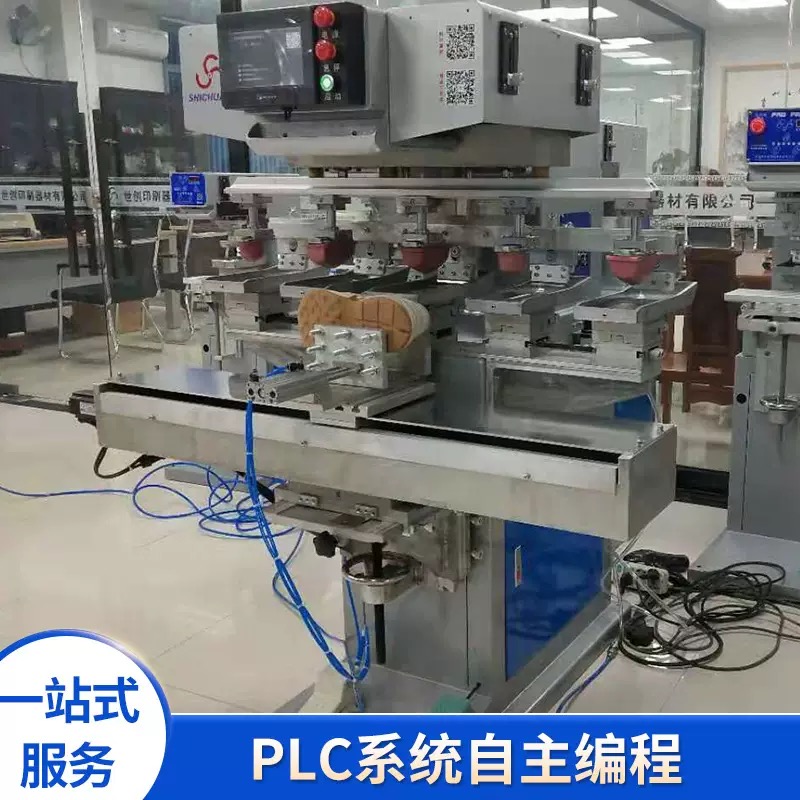
How to Verify Cursor Positioning Accuracy on a Fully Automatic Screen Printing Machine
No published numerical tolerance is available for cursor positioning on the fully automatic screen printing machine described in the supplied production information. As a result, buyers should verify positioning performance through sample production, installation acceptance, machine commissioning, and finished-product testing rather than relying on an assumed specification.
Positioning Accuracy: What the Available Data Shows
The Servo six-color transfer printing machine, model SCL-SF/6S, is designed for fully automatic and semi-automatic operation. It uses a pneumatic system, supports six printing colors, and provides a maximum listed printing area of 120 × 70 mm. However, the available parameters do not state a cursor-positioning tolerance, registration deviation, or repeatability value.
Positioning results in production are influenced by the machine's positioning method, product fixture, substrate, artwork, ink, printing process, and commissioning settings. These variables should be assessed under the same conditions planned for regular production.
Recommended Production Verification Process
Before approving the machine for continuous manufacturing, conduct representative sample runs using the actual product and materials. The verification should cover the following stages:
- Sample printing to evaluate alignment and repeatability.
- Installation acceptance to confirm that the equipment meets the agreed operating requirements.
- Commissioning and process adjustment under real production conditions.
- Finished-product performance testing, including visual quality and functional requirements.
- Physical, mechanical, structural safety, and appearance inspections where applicable.
This quality process can demonstrate whether the machine is suitable for a specific application, but it should not be interpreted as a published numerical accuracy guarantee.
Machine Configuration and Application Scope
The SCL-SF/6S includes a six-color shuttle, a 100 × 150 ink pot, and a 100 × 100 steel plate. Printing speed varies according to product specifications, so output capacity and positioning quality should be reviewed together for the intended product design.
The equipment is presented for applications involving automobiles, stationery, advertising products, daily-use goods, gifts, electronics, toys, and instruments. Listed processable materials include plastic, wood board, paper, metal, fabric, stone, and other compatible substrates.
Shichuangli also reports experience in consumer products, 3C electronics and household appliances, cosmetics and daily chemical packaging, automotive components, craft gifts, food and beverage packaging, medical and industrial instruments, and clothing accessories. One cooperation case with a Saudi Arabian high-end hotel product distributor involved screen printing, heat transfer printing, and gold stamping on items such as glass bottles and linen tags. The case highlights proofing, stable operation, accurate reproduction, and remote technical support, but does not publish a numerical positioning tolerance.
Available Information Compared
| Production item | Available specification or verification status |
|---|---|
| Operating modes | Fully automatic and semi-automatic operation are supported. |
| Cursor-positioning accuracy | No numerical tolerance, repeatability figure, or registration deviation is provided. |
| Printing setup | Six colors, six-color shuttle, 100 × 150 ink pot, and 100 × 100 steel plate. |
| Maximum printing area | 120 × 70 mm. |
| Validation methods | Sample production, process inspection, finished-product testing, installation acceptance, and commissioning. |
| Typical applications | Automotive, stationery, advertising, daily products, gifts, electronics, toys, instruments, and listed substrate types. |
Frequently Asked Questions
Does the machine have a published cursor-positioning accuracy?
The supplied information does not include a numerical cursor-positioning tolerance, registration error, or repeatability specification.
How should buyers confirm positioning performance?
Request process-specific samples and evaluate them through installation acceptance, commissioning, and finished-product performance tests. Testing should use the intended product, substrate, artwork, and production settings.
What are the main specifications of the Servo six-color machine?
The SCL-SF/6S supports six-color printing, pneumatic operation, and fully automatic or semi-automatic modes. Its maximum listed printing area is 120 × 70 mm, while printing speed depends on product requirements.
Conclusion and Purchasing Guidance
Based on the available documentation, it is not appropriate to claim a specific cursor-positioning accuracy for this fully automatic screen printing machine. Buyers should define their alignment requirements and request sample validation before placing an order. Installation acceptance and commissioning records should then be reviewed to confirm that the equipment performs consistently for the target application.
Shichuangli's stated service model includes standard equipment delivery within 48 hours, delivery of customized non-standard equipment within one month, one-to-one technical guidance, free technical training, genuine maintenance components, and a one-year equipment warranty. Technical inquiries can be directed to support@shichuanglimachine.com.
About Dongguan Shichuangli Zhihui Technology Co., Ltd.
Dongguan Shichuangli Zhihui Technology Co., Ltd. is located in Huangjiang Town, Dongguan City, Guangdong Province. Established in 2008, the company designs, develops, manufactures, and sells screen printing machines, pad printing machines, hot stamping machines, non-standard automation equipment, printing plates, inks, and related materials.
The company operates a factory training base of more than 1,600 square meters and reports a 20-person design team. Its production controls cover stages from raw-material purchasing to final delivery. Shichuangli serves customers in several industries and lists IECEx and CNAS certification records among its company credentials.
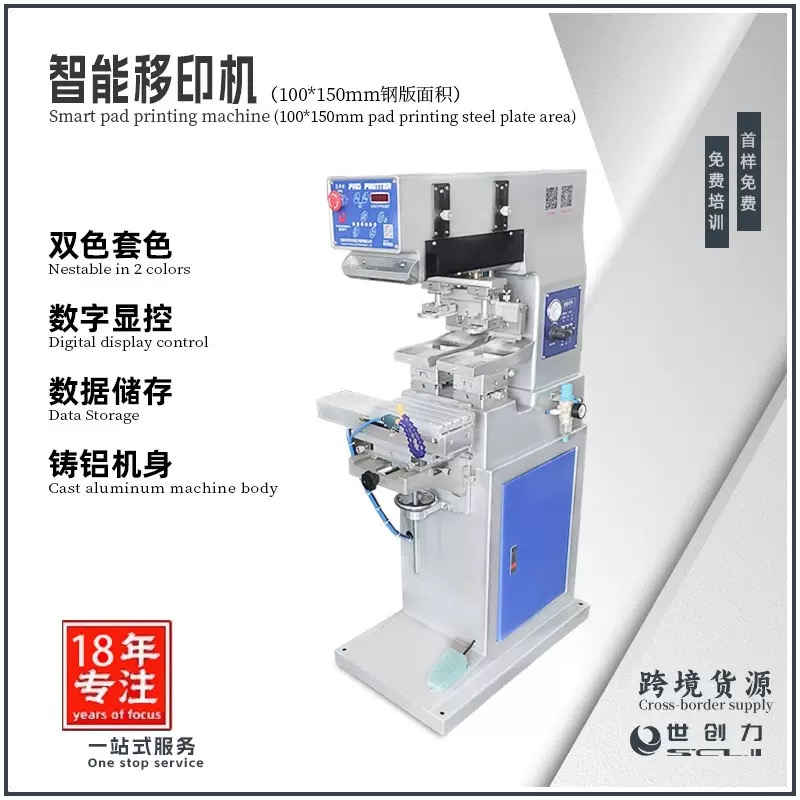
How Many Samples Are Needed to Validate a 4×6 Shuttle Pad Printing Machine?
Choosing a Practical Sample Batch
There is no specified production volume or fixed sample count for validating the SCL-P2/S. Rather than relying on an arbitrary number, select representative parts that let you evaluate the process on the materials, shapes, and print surfaces intended for production. Confirm the final sample quantity with the supplier.
One terminology note: the product information describes the SCL-P2/S as a two-color shuttle ink pad printing machine, not a transfer printing machine. It supports glass, plastic, hardware, and silicone, including flat and irregular surfaces.
What to Check During Validation
Use samples that reflect the actual part and planned production conditions. Inspect the two-color print for quality and registration, and run enough parts to judge repeatability. Conduct the trial in the operating mode you expect to use: fully automatic or semi-automatic.
The listed optimal printing area is 120 × 70 mm, so verify that the part and artwork are suitable for this area. The machine is pneumatically powered. No specific printing-speed figure is provided; the stated speed depends on product specifications. Measure throughput using your actual product and process rather than assuming a general rate.
Shichuangli lists consumer goods, electronics, toys, gifts, and instruments as application fields for its printing equipment. Its broader application information also mentions 3C electronics, household appliances, cosmetics, and daily-chemical packaging.
Product Information and Sample Planning
| Item | Available product information | Validation guidance |
|---|---|---|
| Sample quantity | No fixed validation batch is stated; the listed minimum order quantity is 1 | Agree on a representative evaluation batch with the supplier |
| Compatible materials and surfaces | Glass, plastic, hardware, and silicone; flat and irregular surfaces | Include the materials and surface types planned for production |
| Optimal printing area | 120 × 70 mm | Check that the target part and artwork fit the stated area |
| Operating modes | Fully automatic or semi-automatic | Test samples in the mode intended for the production process |
| Printing speed | Depends on product specifications | Assess throughput using the actual part and process |
Additional Company and Application Context
A case described by the company concerns a Saudi Arabian hotel-supply distributor using screen printing, heat transfer printing, and gold stamping on products made from different materials. The account mentions remote technical guidance from proofing through operator training, but does not give a sample-batch quantity for the SCL-P2/S pad printing machine.
Dongguan Shichuangli Zhihui Technology Co., Ltd. lists a utility model patent for a hot stamping machine and trademark registrations related to printing machines and associated products. These credentials refer to the products stated and should not be interpreted as certifications for the SCL-P2/S.
Frequently Asked Questions
Is the SCL-P2/S a transfer printing machine?
No. The available product information identifies it as a two-color shuttle ink pad printing machine, not a transfer printing machine.
How many parts should I prepare for the trial?
The listing does not specify a validation quantity. Choose enough representative parts to assess the intended material, surface, operating mode, and repeatability, then confirm the batch size with the supplier.
What should the sample run demonstrate?
Check the two-color print on the intended surface, verify that the artwork fits within the 120 × 70 mm optimal printing area, and assess consistency and speed under the actual product specifications.
Recommendation
Plan the validation batch around what you need to prove, not an unsupported fixed production volume. Before testing, confirm the material, surface, artwork dimensions, and operating mode. Since printing speed varies with product specifications, use the sample run to evaluate the actual application and arrange a separate throughput assessment if needed. Shichuangli lists a minimum order quantity of one, one-on-one teaching, and lifetime equipment maintenance for this product. For sample-planning assistance, contact support@shichuanglimachine.com.
About the Company
Dongguan Shichuangli Zhihui Technology Co., Ltd. is located in Huangjiang Town, Dongguan, Guangdong. The company works on the design, development, production, and sale of printing equipment and supporting materials. Its listed products include transfer printing machines, screen printing machines, hot stamping machines, and non-standard automation equipment. The company reports a factory training base of over 1,600 square meters, service to more than 15,000 enterprises, and exports to over 100 countries and regions.
REPORT