







-
 Agriculture
-
 Health-Care
-
 Environment
-
 Construction-Real-Estate
-
 Tools-Hardware
-
 Home-Garden
-
 Furniture
-
 Luggage-Bags-Cases
-
 Medical-devices-Supplies
-
 Gifts-Crafts
-
 Sports-Entertainment
-
 Food-Beverage
-
 Vehicles-Transportation
-
 Power-Transmission
-
 Material-Handling
-
 Renewable-Energy
-
 Safety
-
 Testing-Instrument-Equipment
-
 Construction-Building-Machinery
-
 Pet-Supplies
-
 Personal-Care-Household-Cleaning
-
 Vehicle-Accessories-Electronics-Tools
-
 School-Office-Supplies
-
 Packaging-Printing
-
 Mother-Kids-Toys
-
 Business-Services
-
 Commercial-Equipment-Machinery
-
 Apparel-Accessories
-
 Security
-
 Shoes-Accessories
-
 Vehicle-Parts-Accessories
-
 Jewelry-Eyewear-Watches-Accessories
-
 Lights-Lighting
-
 Fabric-Textile-Raw-Material
-
 Fabrication-Services
-
 Industrial-Machinery
-
 Consumer-Electronics
-
 Electrical-Equipment-Supplies
-
 Electronic-Components-Accessories-Telecommunications
-
 Home-Appliances
-
 Beauty
-
 Chemicals
-
 Rubber-Plastics
-
 Metals-Alloys


























































































































































































































































































































































































































































































































































































- Masonry Materials
- Curtain Walls & Accessories
- Earthwork Products
- Fireproofing Materials
- Heat Insulation Materials
- Plastic Building Materials
- Building Boards
- Soundproofing Materials
- Timber
- Waterproofing Materials
- Balustrades & Handrails
- Bathroom & Kitchen
- Flooring & Accessories
- Tiles & Accessories
- Door, Window & Accessories
- Fireplaces & Stoves
- Floor Heating Systems & Parts
- Stairs & Stair Parts
- Ceilings
- Elevators & Escalators
- Stone
- Countertops, Vanity Tops & Table Tops
- Mosaics
- Metal Building Materials
- Multifunctional Materials
- Ladders & Scaffoldings
- Mouldings
- Corner Guards
- Decorative Films
- Formwork
- Building & Industrial Glass
- Other Construction & Real Estate
- Wallpapers/Wall panels
- HVAC System & Parts
- Outdoor Facilities
- Prefabricated Buildings
- Festive & Party Supplies
- Bathroom Products
- Household Sundries
- Rain Gear
- Garden Supplies
- Household Cleaning Tools & Accessories
- Lighters & Smoking Accessories
- Home Storage & Organization
- Household Scales
- Smart Home Improvement
- Home Textiles
- Kitchenware
- Drinkware & Accessories
- Dinnerware, Coffee & Wine
- Home Decor
- Golf
- Fitness & Body Building
- Amusement Park Facilities
- Billiards, Board Game,Coin Operated Games
- Musical Instruments
- Outdoor Affordable Luxury Sports
- Camping & Hiking
- Fishing
- Sports Safety&Rehabilitation
- Ball Sports Equipments
- Water Sports
- Winter Sports
- Luxury Travel Equipments
- Sports Shoes, Bags & Accessories
- Cycling
- Other Sports & Entertainment Products
- Artificial Grass&Sports Flooring&Sports Court Equipment
- Scooters
- Food Ingredients
- Honey & Honey Products
- Snacks
- Nuts & Kernels
- Seafood
- Plant & Animal Oil
- Beverages
- Fruit & Vegetable Products
- Frog & Escargot
- Bean Products
- Egg Products
- Dairy Products
- Seasonings & Condiments
- Canned Food
- Instant Food
- Baked Goods
- Other Food & Beverage
- Meat & Poultry
- Confectionery
- Grain Products
- Feminie Care
- Hair Care & Styling
- Body Care
- Hands & Feet Care
- Hygiene Products
- Men's Grooming
- Laundry Cleaning Supplies
- Travel Size & Gift Sets
- Room Deodorizers
- Other Personal Care Products
- Pest Control Products
- Special Household Cleaning
- Floor Cleaning
- Kitchen & Bathroom Cleaning
- Oral Care
- Bath Supplies
- Yellow Pages
- Correction Supplies
- Office Binding Supplies
- Office Cutting Supplies
- Board Erasers
- Office Adhesives & Tapes
- Education Supplies
- Pencil Cases & Bags
- Notebooks & Writing Pads
- File Folder Accessories
- Calendars
- Writing Accessories
- Commercial Office Supplies
- Pencil Sharpeners
- Pens
- Letter Pad/Paper
- Paper Envelopes
- Desk Organizers
- Pencils
- Markers & Highlighters
- Filing Products
- Art Supplies
- Easels
- Badge Holder & Accessories
- Office Paper
- Printer Supplies
- Book Covers
- Other Office & School Supplies
- Stationery Set
- Boards
- Clipboards
- Stamps
- Drafting Supplies
- Stencils
- Electronic Dictionary
- Books
- Map
- Magazines
- Calculators
- Baby & Toddler Toys
- Educational Toys
- Classic Toys
- Dress Up & Pretend Play
- Toy Vehicle
- Stuffed Animals & Plush Toys
- Outdoor Toys & Structures
- Balloons & Accessories
- Baby Food
- Children's Clothing
- Baby Supplies & Products
- Maternity Clothes
- Kids Shoes
- Baby Care
- Novelty & Gag Toys
- Dolls & Accessories
- Puzzle & Games
- Blocks & Model Building Toys
- Toddler Clothing
- Baby Clothing
- Kids' Luggage & Bags
- Arts, Crafts & DIY Toys
- Action & Toy Figures
- Baby Appliances
- Hobbies & Models
- Remote Control Toys
- Promotional Toys
- Pregnancy & Maternity
- Hygiene Products
- Kid's Textile&Bedding
- Novelty & Special Use
- Toy Weapons
- Baby Gifts
- Baby Storage & Organization
- Auto Drive Systems
- ATV/UTV Parts & Accessories
- Marine Parts & Accessories
- Other Auto Parts
- Trailer Parts & Accessories
- Auto Transmission Systems
- Train Parts & Accessories
- Universal Parts
- Railway Parts & Accessories
- Auto Brake Systems
- Aviation Parts & Accessories
- Truck Parts & Accessories
- Auto Suspension Systems
- Auto Lighting Systems
- New Energy Vehicle Parts & Accessories
- Auto Steering Systems
- Wheels, Tires & Accessories
- Bus Parts & Accessories
- Auto Performance Parts
- Cooling System
- Go-Kart & Kart Racer Parts & Accessories
- Air Conditioning Systems
- Heavy Duty Vehicle Parts & Accessories
- Auto Electrical Systems
- Auto Body Systems
- Auto Engine Systems
- Container Parts & Accessories
- Motorcycle Parts & Accessories
- Refrigeration & Heat Exchange Equipment
- Machine Tool Equipment
- Food & Beverage Machinery
- Agricultural Machinery & Equipment
- Apparel & Textile Machinery
- Chemical Machinery
- Packaging Machines
- Paper Production Machinery
- Plastic & Rubber Processing Machinery
- Industrial Robots
- Electronic Products Machinery
- Metal & Metallurgy Machinery
- Woodworking Machinery
- Home Product Manufacturing Machinery
- Machinery Accessories
- Environmental Machinery
- Machinery Service
- Electrical Equipment Manufacturing Machinery
- Industrial Compressors & Parts
- Tobacco & Cigarette Machinery
- Production Line
- Used Industrial Machinery
- Electronics Production Machinery
- Other Machinery & Industrial Equipment
- Camera, Photo & Accessories
- Portable Audio, Video & Accessories
- Television, Home Audio, Video & Accessories
- Video Games & Accessories
- Mobile Phone & Accessories
- Electronic Publications
- Earphone & Headphone & Accessories
- Speakers & Accessories
- Smart Electronics
- TV Receivers & Accessories
- Mobile Phone & Computer Repair Parts
- Chargers, Batteries & Power Supplies
- Used Electronics
- VR, AR, MR Hardware & Software
- Projectors & Presentation Equipments
- Other Consumer Electronics
- Cables & Commonly Used Accessories
- Computer Hardware & Software
- Displays, Signage and Optoelectronics
- Discrete Semiconductors
- Wireless & IoT Module and Products
- Telecommunications
- Connectors, Terminals & Accessories
- Development Boards, Electronic Modules and Kits
- Circuit Protection
- Sensors
- Isolators
- Audio Components and Products
- Integrated Circuits
- Power Supplies
- Relays
- RF, Microwave and RFID
- Electronic Accessories & Supplies
- Passive Components
- PCB & PCBA
- Air Quality Appliances
- Home Appliance Parts
- Heating & Cooling Appliances
- Small Kitchen Appliances
- Laundry Appliances
- Water Heaters
- Water Treatment Appliances
- Refrigerators & Freezers
- Personal Care & Beauty Appliances
- Major Kitchen Appliances
- Cleaning Appliances
- Second-hand Appliances
- Smart Home Appliances
- Other Home Appliances
- Energy Chemicals
- Inorganic Chemicals
- Basic Organic Chemicals
- Agrochemicals
- Admixture & Additives
- Catalysts & Chemical Auxiliary Agents
- Pigments & Dyestuff
- Coating & Paint
- Daily Chemicals
- Polymer
- Organic Intermediate
- Adhesives & Sealants
- Chemical Waste
- Biological Chemical Products
- Surface Treatment Chemicals
- Painting & Coating
- Chemical Reagents
- Flavor & Fragrance
- Non-Explosive Demolition Agents
- Other Chemicals
- Custom Chemical Services

Outdoor Lighting
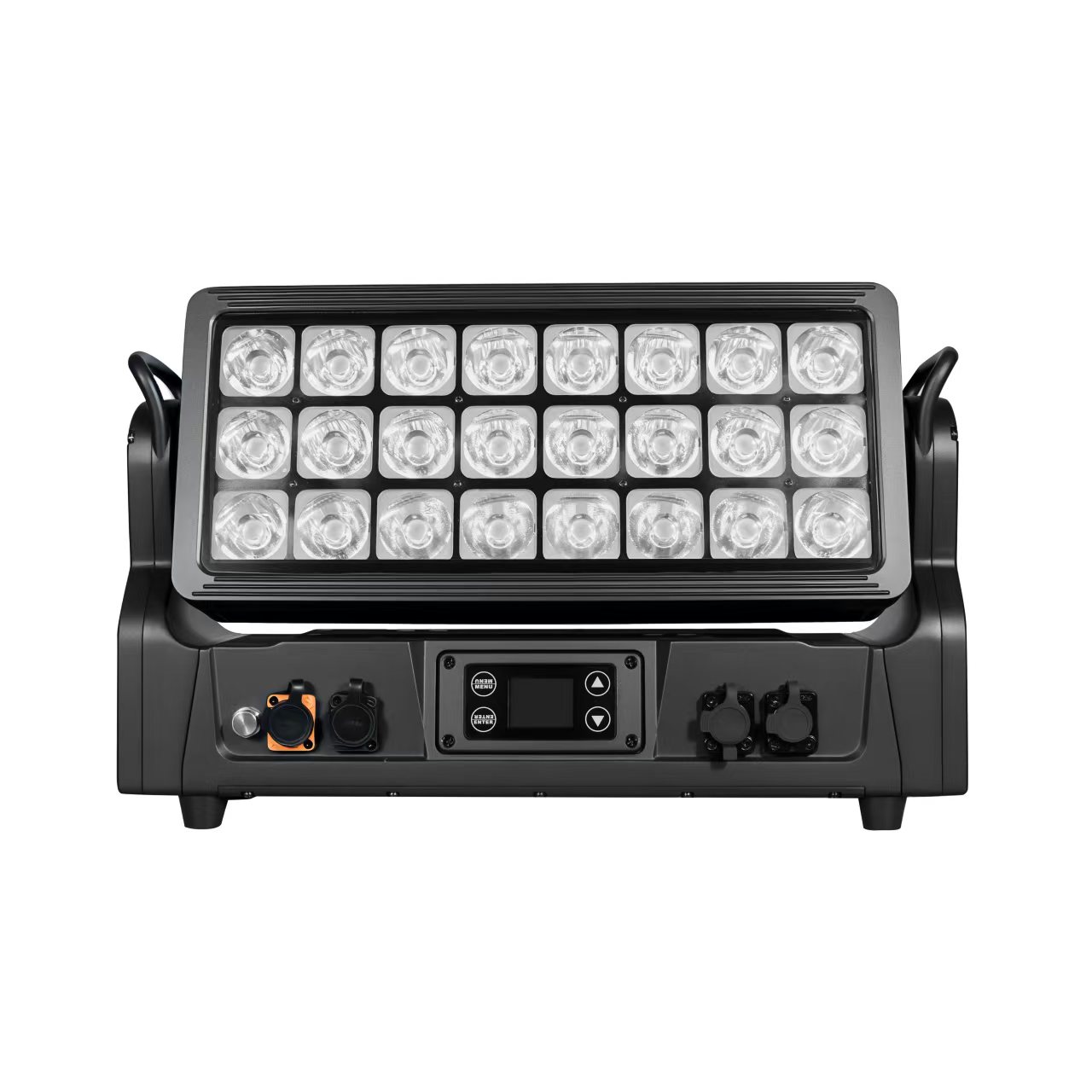
How Early Should You Order LED Moving Head Lights Before Peak Season?
When preparing an import of LED Moving Head Lights for the busy season, buyers should generally allow 20-30 days of production after the deposit has been received. The actual schedule depends on the selected fixture and total order quantity. For the LEDARC 2420P, the published production lead time is shorter, at approximately 15-20 days after deposit payment. Before arranging transportation, confirm the model, quantity, payment status, production slot, and delivery requirements with the supplier.
Peak-Season Ordering Recommendations
- Use a 20-30-day production window after deposit payment as the general planning reference for LED Moving Head Lights.
- For the LEDARC 2420P, the product information indicates a 15-20-day lead time after the deposit is paid.
- Finalize the product specification, quantity, payment arrangement, shipping method, and trade terms before releasing the order for production.
- Color Imagination supplies professional lighting equipment for concerts, festivals, theaters, television studios, live events, rental companies, nightclubs, and architectural installations.
How the Lead Time Is Calculated
The production period starts once the required deposit has been paid under the agreed business terms. For general LED Moving Head Light orders, Color Imagination states a delivery period of 20-30 days after deposit payment. The final schedule can change according to the chosen models, production capacity, and order volume.
Customers purchasing the LEDARC 2420P can refer to its product-specific estimate of 15-20 days after deposit. This fixture is an IP66 LED wash light designed for professional applications. It uses 24 20W 4-in-1 RGBW LEDs, offers motorized tilt, a 25-degree beam angle, and a 30-degree field angle. Additional functions include adjustable color temperature from 3000K to 9000K, flicker-free output for television and film, DMX512 and RDM control, and operating performance in temperatures from -25 degrees C to 45 degrees C.
Transport and Delivery Planning
After production is completed, international buyers can select sea freight, air freight, or express delivery according to shipment size and urgency. Color Imagination can offer EXW, FOB, CIF, and DDP terms upon request. For overseas orders, the logistics team also provides shipment tracking and documentation assistance for customs processing.
Payment planning is another important part of the schedule. The stated arrangement is typically a 30% deposit followed by a 70% balance before shipment. An irrevocable letter of credit with a 60-90-day term may also be available when agreed in advance.
Quality and Project Experience
Before dispatch, products are reported to pass incoming material inspection, in-process quality checks, 100% functional testing, burn-in testing, safety inspection, and final quality control. The company lists CE certificates LCSB070523036E and LCSB070523041S, together with ISO certificates related to stage-light assembly and management systems.
Its project experience includes a nightclub installation in Yunnan, China. The venue combined beam, wash, effect, and pixel fixtures to deliver synchronized lighting for live performances, DJ programs, themed events, and regular nightclub operations. This project reflects the coordination required when several professional lighting categories are used in one entertainment environment.
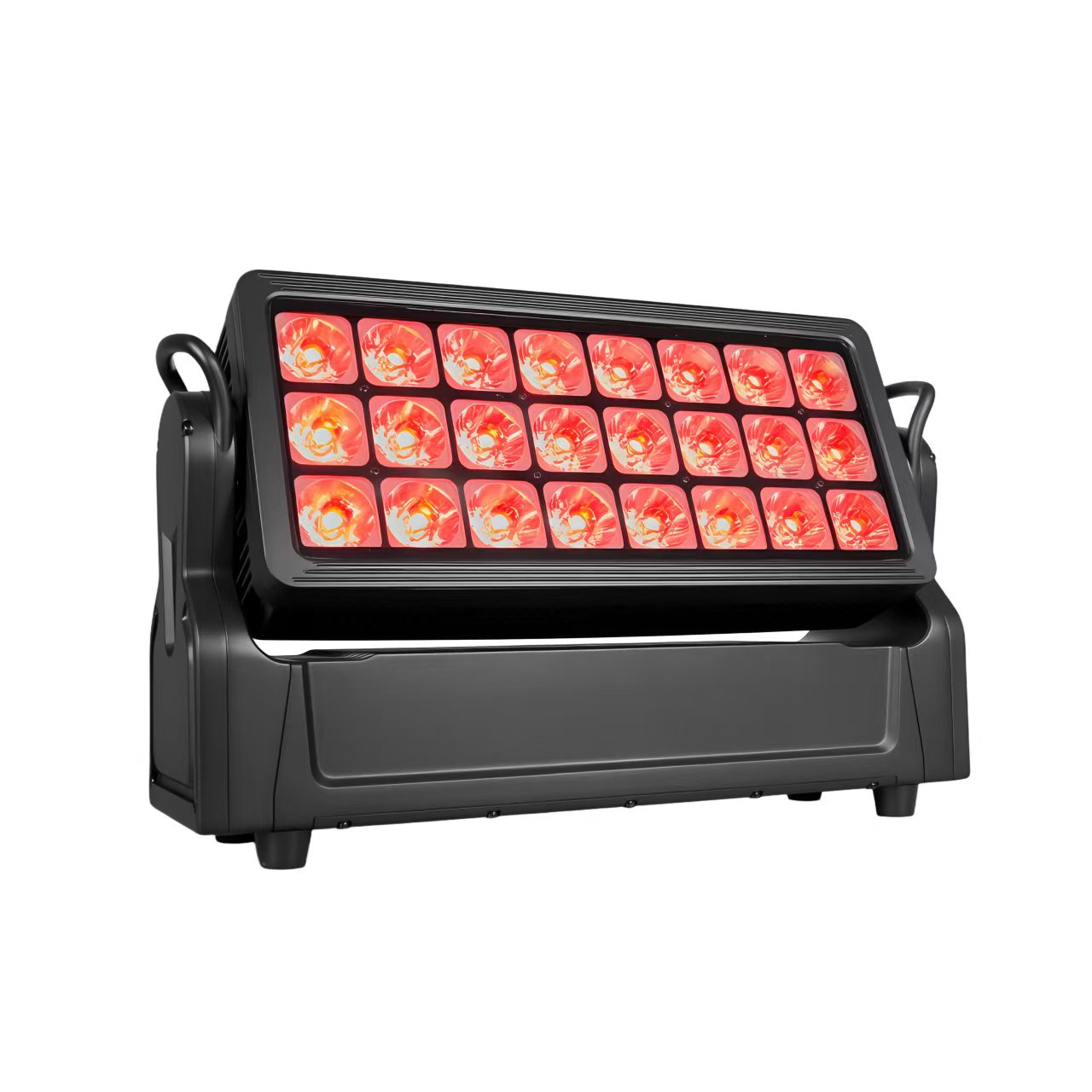
Lead-Time and Shipping Comparison
| Planning Item | Reference Information |
|---|---|
| General LED Moving Head Light lead time | 20-30 days after deposit payment, depending on model and quantity |
| LEDARC 2420P lead time | 15-20 days after deposit payment |
| Minimum order quantity | 1 unit |
| Large-volume shipping | Sea freight by FCL or LCL |
| Urgent or smaller shipments | Air freight or express services through DHL, FedEx, UPS, and TNT |
| Payment methods | 30% deposit and 70% balance before shipment; an irrevocable L/C at 60-90 days may be available by agreement |
Frequently Asked Questions
When does production lead time start?
The quoted production period begins after the deposit payment has been received. The confirmed completion date remains dependent on the selected product and order quantity.
Which schedule should I use for planning?
Apply the 15-20-day estimate when ordering the LEDARC 2420P based on its product listing. If the model or quantity is still under discussion, use the broader 20-30-day company reference until the production schedule is confirmed.
Which shipping option is suitable before peak season?
Sea freight is generally appropriate for FCL or LCL bulk orders. Air freight can shorten transit time for urgent requirements, while DHL, FedEx, UPS, and TNT are practical for samples, replacement parts, and small consignments.
Conclusion
For peak-season procurement, build the schedule around 20-30 days of production after the deposit for standard LED Moving Head Lights. For the LEDARC 2420P, allow approximately 15-20 days according to the listed specification. Confirm the exact model, quantity, payment completion, available production capacity, freight method, and trade terms before booking transport. Color Imagination supports standard orders, OEM and ODM programs, and complete lighting project solutions. For technical assistance or project support, contact jack@color-imagination.com.
About Us
Guangzhou Color Imagination LED Lighting Limited, also known as Color Imagination, is a Guangzhou-based manufacturer of professional stage and entertainment lighting. Founded in 2010, the company combines research and development, manufacturing, sales, and technical services in a 6000 square meter facility. Its product and service coverage includes standard fixtures, OEM and ODM production, and project solutions for entertainment, broadcast, and architectural applications. The company states that it holds CE and ISO certifications related to stage-light assembly and associated management activities and serves customers across multiple industries.
How to Secure Low MOQ Trial Orders for LED Strobe Lights: A Procurement Guide
Navigating Trial Orders and Minimum Quantities for LED Strobe Lights
Securing a low minimum order quantity (MOQ) for an LED strobe light trial order is indeed achievable, particularly when collaborating with established lighting manufacturers. Leading producers like Guangzhou Color Imagination LED Lighting Limited offer sample evaluation policies with an MOQ starting at just 1 unit. This enables procurement teams and lighting designers to thoroughly evaluate physical construction, optical output, thermal stability, and DMX responsiveness prior to committing to large volume orders.
Supply Chain Dynamics and Manufacturing Factors
Understanding how lighting manufacturers structure their supply chain helps buyers negotiate optimal trial order terms. Factories assess sample requests based on component availability, assembly complexity, and standard inventory. Operating a 6000SQM manufacturing plant, Guangzhou Color Imagination LED Lighting Limited supports single-piece sample evaluations for standard catalog products, minimizing financial risks for engineering teams during early stage testing.
When testing fixtures before full deployment, engineers analyze key technical characteristics such as RDM support, DMX channel modes, dimming curve linearity, and heat dissipation capabilities. For instance, architectural wash fixtures like the LEDARC 2420P feature 24*20W 4-IN-1 RGBW LEDs integrated with die-cast aluminum housing and advanced copper-liquid cooling mechanisms. Conducting a 1-unit trial run verifies these engineering parameters under real working conditions, preventing costly integration issues in complex venues.
Field Testing, Quality Control, and Industry Certifications
Rigorous pre-production evaluation has proven crucial in major projects worldwide. A notable example is the Kunming Alice Official Nightclub project involving 3,500 stage lighting fixtures, where preliminary sample units were extensively tested for dynamic strobe effects, rapid shutter performance, and Art-Net/DMX512 protocol stability prior to mass production.
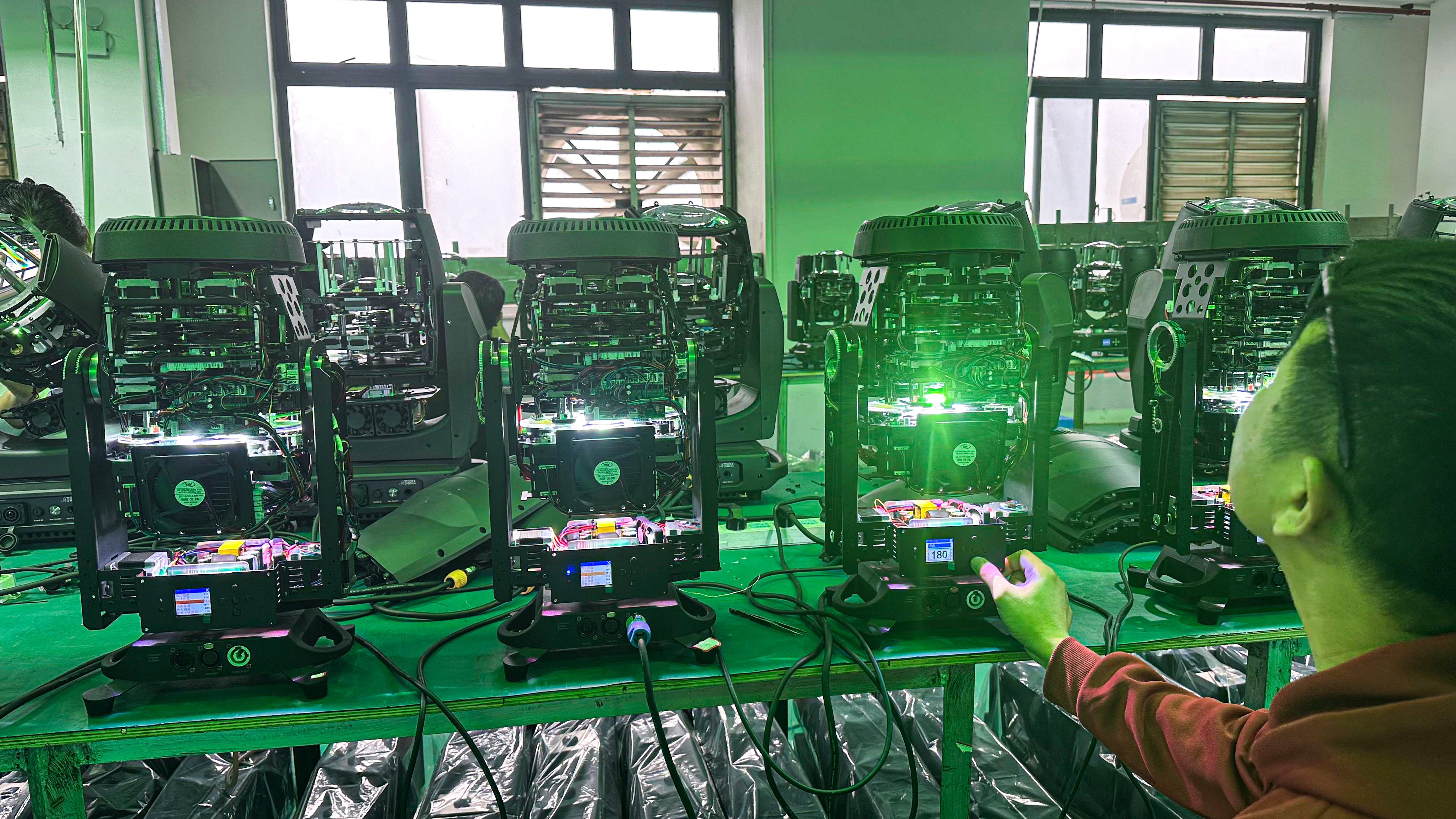
Quality assurance protocols for trial units are identical to mass production runs, encompassing functional testing, electrical safety checks, and burn-in verification. Furthermore, international accreditations such as CE certificates (LCSB070523036E, LCSB070523041S) and ISO quality management standards (GH004-2023Q0766) ensure that sample fixtures deliver consistent performance aligned with final production batches.

Key Advantages of Sample Procurement
- Low Upfront Investment: A 1-unit baseline MOQ for standard catalog items eliminates major upfront financial commitments for technical testing.
- Versatile Application Testing: Sample units permit performance verification across varied environments including TV studios, concert halls, theaters, nightclubs, and architectural structures.
- OEM/ODM Flexibility: Custom projects requiring private branding or modified optics can be negotiated, though MOQ depends on component sourcing constraints.
- Uncompromised Quality Assurance: Sample units undergo rigorous inspection protocols matching commercial batch production standards.
Procurement Comparison: Trial vs. Custom vs. Volume Orders
Below is a summary of operational lead times, inspection standards, and payment conditions across different order tiers:
| Order Tier | Minimum Quantity | Lead Time | Quality Inspection | Payment Options |
|---|---|---|---|---|
| Standard Sample Order | 1 Unit | 15 - 20 Days | 100% Functionality & Burn-in Test | T/T Advance |
| Custom OEM/ODM Order | Negotiable (BOM dependent) | 20 - 30 Days | Full Prototype & Mechanical Testing | T/T 30% Deposit, 70% Pre-shipment |
| Commercial Volume Order | Batch Quantities | 20 - 30 Days | Incoming Material to Full QA Audit | T/T or Irrevocable L/C (60-90 Days) |
Frequently Asked Questions
Can beam angles or firmware be tailored for trial orders?
Standard trial orders feature fixed catalog specifications for fast delivery (15-20 days). Custom firmware, specialized lenses, or custom beam framing can be accommodated upon request, though adjusted MOQs may apply depending on technical scope.
What logistics options are available for sample deliveries?
Single sample units are typically shipped via express couriers like DHL, FedEx, or UPS. For larger trial packages, air freight or sea freight (LCL/FCL) can be arranged under EXW, FOB, CIF, or DDP terms.
Are sample units backed by technical support and warranty?
Yes, trial units include complete technical assistance, DMX profiles, remote troubleshooting, and spare parts warranty coverage identical to standard production orders.
Conclusion & Next Steps
Negotiating a lower MOQ for LED strobe light sample testing is a practical approach to mitigating integration risks and verifying optical performance. By taking advantage of 1-unit sample policies, buyers can test controls, thermal stability, and build quality across entertainment and architectural applications before placing volume orders. For tailored technical guidance or trial order inquiries, contact jack@color-imagination.com.
About Guangzhou Color Imagination
Guangzhou Color Imagination LED Lighting Limited is an established manufacturer of professional stage and architectural lighting systems. Founded in 2010, the company operates out of a 6000SQM facility with 130 skilled employees, integrating R&D, production, sales, and service under ISO quality systems (GH004-2023Q0766) and CE certifications.
Hybrid Moving Heads vs. Dedicated Beam, Spot, and Wash Lights
Hybrid moving heads are changing how lighting systems are designed, but they have not eliminated the need for dedicated beam, spot, and wash fixtures. By combining several functions in one moving-head unit, hybrids can simplify equipment planning and support fast programming changes. However, specialized fixtures remain the better option when a production depends on precise optical performance, uniform coverage, or clearly assigned lighting roles.
Choosing the Right Moving Head Strategy
A hybrid moving head can operate as a beam, wash, or spot fixture, giving designers greater flexibility within a single lighting system. This makes hybrid units useful for concerts, theaters, rental inventories, nightclubs, festivals, and other live productions where fixture requirements may change from one scene to the next.
Dedicated fixtures continue to offer important advantages. Beam moving heads are designed for concentrated aerial effects, spot fixtures provide projection and image definition, and wash fixtures deliver broad color coverage. The most suitable approach depends on the venue, desired visual effects, control architecture, installation conditions, and overall production scale.
- Hybrid moving heads combine beam, spot, and wash capabilities for adaptable programming.
- Separate fixtures provide more specialized output, coverage, and optical control.
- Color Imagination supplies beam, wash, spot, and beam/wash/spot hybrid moving heads.
- Its lighting solutions are used in concerts, festivals, theaters, television studios, theme parks, cultural centers, hotels, and architectural projects.
How Hybrid and Dedicated Fixtures Differ
The main benefit of a hybrid moving head is multifunction operation. One fixture can generate narrow beams, wider washes, and focused spot effects, reducing the number of separate fixture categories required for some productions. This can simplify equipment allocation and allow lighting programmers to create varied looks without changing the physical lighting package.
Dedicated beam, spot, and wash products take a more focused approach. Each fixture is optimized for a particular lighting behavior, which can help designers achieve more predictable results. A dedicated wash may provide smoother, wider color distribution, while a dedicated spot may offer more controlled projection and framing. For systems with strict performance targets, separate fixtures can therefore remain the preferred solution.
Dedicated Wash Example: LEDARC 2420P
Color Imagination's LEDARC 2420P demonstrates why dedicated wash fixtures remain relevant alongside hybrid products. This IP66-rated LED wash uses 24 20W 4-in-1 RGBW LEDs and provides motorized 255-degree tilt. It has a 25-degree beam angle, a 30-degree field angle, linear CTO adjustment from 3000K to 9000K, smooth dimming, and flicker-free operation for television and film applications.
Designed for demanding indoor and outdoor environments, the LEDARC 2420P features an aluminum and steel housing, temperature management, and over-temperature protection. Its stated operating range is -25 degrees Celsius to 45 degrees Celsius. Control options include DMX512, RDM, master-slave, sound-activated, and automatic modes, with multiple DMX channel configurations.
Why Mixed Fixture Systems Still Matter
Color Imagination's reported nightclub lighting project in Kunming, China, illustrates the value of combining different fixture types. The system used beam, wash, effect, and pixel lighting fixtures to create synchronized looks for live performances, DJ shows, themed events, and regular nightclub operation.
This type of installation shows that hybrid fixtures and dedicated products can work together. A hybrid may provide efficient multifunction coverage, while separate beam, wash, effect, or pixel fixtures can deliver the specific visual impact required in key areas of the venue.
Application Comparison
| Lighting approach | Main characteristics | Typical applications |
|---|---|---|
| Hybrid moving head | Combines beam, wash, and spot functions in one unit and supports flexible programming | Concerts, touring productions, rental systems, clubs, and events requiring multiple effects |
| Dedicated beam, spot, and wash fixtures | Assigns each fixture to a specialized optical role with defined output and coverage | Projects that require consistent performance, precise placement, or dedicated effects |
| Dedicated LED wash | Provides broad RGBW coverage, CTO adjustment, smooth dimming, motorized tilt, and IP66 protection in the LEDARC 2420P | Architectural lighting, theme parks, large concerts, television, film, and outdoor installations |
| Mixed fixture system | Coordinates beam, wash, effect, and pixel fixtures through a unified control system | Nightclubs, DJ shows, live entertainment, themed events, and immersive venues |
Certifications and Production Support
Color Imagination lists CE certificates LCSB070523036E and LCSB070523041S, along with ISO certificates GH004-2023E0421 and GH004-2023Q0766. The stated ISO scope includes the assembly of stage lights, except where a license is required, together with related management activities.
The company supports OEM and ODM manufacturing, standard product supply, and complete project solutions. Its listed quality procedures include 100% functional testing, burn-in testing, safety inspections, and final checks before shipment. The stated minimum order quantity for its business model is one unit.
Frequently Asked Questions
Do hybrid moving heads replace separate fixtures in every lighting design?
No. Hybrids are valuable when a production needs several functions from a compact and flexible equipment package. Dedicated beam, spot, and wash fixtures are still preferable when a specific optical role requires higher specialization, stable coverage, or a particular installation position.
What types of lighting products does Color Imagination offer?
Its listed portfolio includes beam moving heads, wash moving heads, spot moving heads, beam/wash/spot hybrid moving heads, profile and framing moving heads, waterproof moving heads, LED PAR lights, effect lights, strobes, blinders, pixel-control fixtures, studio lighting, and architectural lighting products.
Is the LEDARC 2420P suitable for broadcast and film?
The supplied product information identifies the LEDARC 2420P as flicker-free for broadcast television and film. It also specifies 4-in-1 RGBW LEDs, smooth linear dimming, adjustable color temperature, and DMX512 and RDM control.
Conclusion
Hybrid moving heads are expanding the options available to lighting designers, but they are not a universal replacement for separate beam, spot, and wash fixtures. Choose a hybrid when multifunction flexibility, compact equipment planning, and adaptable programming are the main priorities. Select dedicated fixtures when specialized optics, consistent coverage, and predictable placement matter more.
For technical solutions, product selection, or project support, contact Color Imagination at jack@color-imagination.com.
About Color Imagination
Guangzhou Color Imagination LED Lighting Limited, also known as Color Imagination, is a Guangzhou-based manufacturer integrating research and development, production, sales, and technical services for professional stage and entertainment lighting. Founded in 2010, the company develops products for entertainment, architectural, television, and event applications. Its range includes moving head lights, entertainment fixtures, studio and broadcast products, and architectural lighting solutions. The company has served customers across several industries, and its listed credentials include CE certificates LCSB070523036E and LCSB070523041S.
How to Choose an LED Fresnel Light Without Flicker
Essential Checks for Flicker-Free LED Fresnel Lighting
To reduce flicker risks when choosing an LED Fresnel Light, look beyond the fixture’s LED type. The supplier should clearly confirm flicker-free performance for broadcast television and film, specify a refresh rate tuned for camera use, and explain how the fixture behaves during dimming. DMX512 or RDM compatibility, power-supply design, thermal control, and over-temperature protection should also be documented in the technical specification.
Selection Priorities at a Glance
- Choose a fixture with an explicit flicker-free statement for broadcast TV and film, supported by an appropriate LED refresh rate.
- Verify smooth 0–100% dimming and review the available dimming curves.
- Confirm DMX512, RDM, and other control options required for system integration.
- Examine input power, PFC, temperature monitoring, cooling, and over-temperature protection.
How to Evaluate the Technical Specifications
1. Confirm Flicker Performance
A general claim that a product uses LEDs is not enough to establish camera-safe performance. Request written confirmation that the LED Fresnel Light is flicker-free for broadcast TV and film, together with information about its LED refresh rate. These details are especially important for studio cameras, high-speed recording, and productions where shutter settings may reveal modulation that is not visible to the human eye.
The supplied product record identifies the LEDARC 2420P as a high-power LED flood light and IP66 LED wash rather than an LED Fresnel Light. However, it offers a useful comparison point because it states flicker-free operation for broadcast TV and film and references a refresh rate tuned for those applications. A Fresnel supplier should provide equivalent, model-specific evidence.
2. Review Dimming Quality
Dimming performance influences both visual consistency and camera results. Ask whether the light can dim smoothly from 0% to 100% and whether the manufacturer publishes its dimming curves. The reference product specifies smooth linear LED dimming and provides four curve choices: linear, square law, inverse square law, and S-curve. Similar information should be available before an LED Fresnel Light is added to a professional lighting system.
3. Check Control and Integration Options
Control compatibility determines how reliably the fixture works with a console, network, or larger stage system. Confirm support for DMX512 and, when required, RDM. The operating modes should also be listed clearly, such as master-slave, automatic, sound-activated, or selectable DMX channel modes.
The reference product supports DMX512, RDM, master-slave operation, sound activation, and automatic operation. These functions demonstrate the type of control information buyers should expect in a detailed Fresnel specification.
4. Examine Power and Thermal Management
Stable electronics and effective heat management help maintain consistent output during extended productions. Review the fixture’s voltage range, operating frequency, power-supply design, temperature monitoring, cooling strategy, and over-temperature protection. The supplied data lists an electronic power supply with active PFC, AC100–240V input at 50/60Hz, constant temperature readout and management, and over-temperature protection.
These are valuable screening criteria, although the available product information does not provide a separate flicker test result for an LED Fresnel Light. Always request test documentation or model-specific technical confirmation where camera performance is critical.
Comparison Checklist for Buyers
| Evaluation Area | Information to Request from the Supplier |
|---|---|
| Flicker control | An explicit flicker-free statement for broadcast TV and film, plus the LED refresh-rate specification. |
| Dimming response | Smooth 0–100% dimming and clearly identified dimming curves, including options such as linear, square law, inverse square law, and S-curve. |
| Control integration | DMX512 and, where needed, RDM compatibility, together with available operating modes and channel configurations. |
| Electrical and thermal design | Input voltage and frequency, active PFC where applicable, temperature readout and management, and over-temperature protection. |
Application Considerations
These checks are relevant for TV studios, theaters, concerts, festivals, live events, rental productions, nightclubs, houses of worship, exhibitions, theme parks, cultural venues, hotels, and architectural projects. Color Imagination lists these environments among its lighting applications. Its knowledge base also records CE and ISO certifications.
A documented nightclub project in Kunming used beam, wash, effect, and pixel fixtures in a synchronized stage-lighting system. This demonstrates practical lighting integration, but it should not be treated as a dedicated flicker test for an LED Fresnel Light.
Frequently Asked Questions
Does a stated LED refresh rate prove that a Fresnel is flicker-free?
No. The strongest specification combines a properly tuned refresh rate with an explicit flicker-free statement for broadcast TV and film. Request both items for the exact model being considered.
What dimming information is most useful?
Ask for the complete 0–100% dimming range, confirmation of smooth operation, and the supported dimming curves. These details help predict how the fixture will behave on camera and in a lighting console.
Which electrical and thermal features should be reviewed?
Check the input voltage and frequency, active PFC if specified, temperature monitoring and management, cooling provisions, and over-temperature protection. The reference product specifies AC100–240V at 50/60Hz, active PFC, constant temperature readout and management, and over-temperature protection.
Conclusion and Buying Recommendation
The safest way to select an LED Fresnel Light is to require documented camera-ready performance rather than relying on general product labels. Prioritize verified flicker-free operation for broadcast TV and film, a suitable LED refresh rate, predictable 0–100% dimming, compatible DMX512 or RDM control, and complete electrical and thermal specifications.
Color Imagination states that its business covers R&D, manufacturing, sales, technical services, OEM/ODM development, and complete project solutions. For technical guidance or product support, contact jack@color-imagination.com.
About Color Imagination
Guangzhou Color Imagination LED Lighting Limited, also known as Color Imagination, is a professional stage and entertainment lighting manufacturer serving entertainment, architectural, television, and event applications. Founded in 2010, the company combines optical, electronic, mechanical, thermal, software, and lighting-control engineering in its product development.
Its portfolio includes moving head fixtures, entertainment lighting, studio and broadcast equipment, and architectural lighting. The company also supports OEM and ODM projects. The knowledge base lists CE and ISO certifications and notes that Color Imagination has served customers across multiple industries.
REPORT