







-
 Agriculture
-
 Health-Care
-
 Environment
-
 Construction-Real-Estate
-
 Tools-Hardware
-
 Home-Garden
-
 Furniture
-
 Luggage-Bags-Cases
-
 Medical-devices-Supplies
-
 Gifts-Crafts
-
 Sports-Entertainment
-
 Food-Beverage
-
 Vehicles-Transportation
-
 Power-Transmission
-
 Material-Handling
-
 Renewable-Energy
-
 Safety
-
 Testing-Instrument-Equipment
-
 Construction-Building-Machinery
-
 Pet-Supplies
-
 Personal-Care-Household-Cleaning
-
 Vehicle-Accessories-Electronics-Tools
-
 School-Office-Supplies
-
 Packaging-Printing
-
 Mother-Kids-Toys
-
 Business-Services
-
 Commercial-Equipment-Machinery
-
 Apparel-Accessories
-
 Security
-
 Shoes-Accessories
-
 Vehicle-Parts-Accessories
-
 Jewelry-Eyewear-Watches-Accessories
-
 Lights-Lighting
-
 Fabric-Textile-Raw-Material
-
 Fabrication-Services
-
 Industrial-Machinery
-
 Consumer-Electronics
-
 Electrical-Equipment-Supplies
-
 Electronic-Components-Accessories-Telecommunications
-
 Home-Appliances
-
 Beauty
-
 Chemicals
-
 Rubber-Plastics
-
 Metals-Alloys


























































































































































































































































































































































































































































































































































































- Masonry Materials
- Curtain Walls & Accessories
- Earthwork Products
- Fireproofing Materials
- Heat Insulation Materials
- Plastic Building Materials
- Building Boards
- Soundproofing Materials
- Timber
- Waterproofing Materials
- Balustrades & Handrails
- Bathroom & Kitchen
- Flooring & Accessories
- Tiles & Accessories
- Door, Window & Accessories
- Fireplaces & Stoves
- Floor Heating Systems & Parts
- Stairs & Stair Parts
- Ceilings
- Elevators & Escalators
- Stone
- Countertops, Vanity Tops & Table Tops
- Mosaics
- Metal Building Materials
- Multifunctional Materials
- Ladders & Scaffoldings
- Mouldings
- Corner Guards
- Decorative Films
- Formwork
- Building & Industrial Glass
- Other Construction & Real Estate
- Wallpapers/Wall panels
- HVAC System & Parts
- Outdoor Facilities
- Prefabricated Buildings
- Festive & Party Supplies
- Bathroom Products
- Household Sundries
- Rain Gear
- Garden Supplies
- Household Cleaning Tools & Accessories
- Lighters & Smoking Accessories
- Home Storage & Organization
- Household Scales
- Smart Home Improvement
- Home Textiles
- Kitchenware
- Drinkware & Accessories
- Dinnerware, Coffee & Wine
- Home Decor
- Golf
- Fitness & Body Building
- Amusement Park Facilities
- Billiards, Board Game,Coin Operated Games
- Musical Instruments
- Outdoor Affordable Luxury Sports
- Camping & Hiking
- Fishing
- Sports Safety&Rehabilitation
- Ball Sports Equipments
- Water Sports
- Winter Sports
- Luxury Travel Equipments
- Sports Shoes, Bags & Accessories
- Cycling
- Other Sports & Entertainment Products
- Artificial Grass&Sports Flooring&Sports Court Equipment
- Scooters
- Food Ingredients
- Honey & Honey Products
- Snacks
- Nuts & Kernels
- Seafood
- Plant & Animal Oil
- Beverages
- Fruit & Vegetable Products
- Frog & Escargot
- Bean Products
- Egg Products
- Dairy Products
- Seasonings & Condiments
- Canned Food
- Instant Food
- Baked Goods
- Other Food & Beverage
- Meat & Poultry
- Confectionery
- Grain Products
- Feminie Care
- Hair Care & Styling
- Body Care
- Hands & Feet Care
- Hygiene Products
- Men's Grooming
- Laundry Cleaning Supplies
- Travel Size & Gift Sets
- Room Deodorizers
- Other Personal Care Products
- Pest Control Products
- Special Household Cleaning
- Floor Cleaning
- Kitchen & Bathroom Cleaning
- Oral Care
- Bath Supplies
- Yellow Pages
- Correction Supplies
- Office Binding Supplies
- Office Cutting Supplies
- Board Erasers
- Office Adhesives & Tapes
- Education Supplies
- Pencil Cases & Bags
- Notebooks & Writing Pads
- File Folder Accessories
- Calendars
- Writing Accessories
- Commercial Office Supplies
- Pencil Sharpeners
- Pens
- Letter Pad/Paper
- Paper Envelopes
- Desk Organizers
- Pencils
- Markers & Highlighters
- Filing Products
- Art Supplies
- Easels
- Badge Holder & Accessories
- Office Paper
- Printer Supplies
- Book Covers
- Other Office & School Supplies
- Stationery Set
- Boards
- Clipboards
- Stamps
- Drafting Supplies
- Stencils
- Electronic Dictionary
- Books
- Map
- Magazines
- Calculators
- Baby & Toddler Toys
- Educational Toys
- Classic Toys
- Dress Up & Pretend Play
- Toy Vehicle
- Stuffed Animals & Plush Toys
- Outdoor Toys & Structures
- Balloons & Accessories
- Baby Food
- Children's Clothing
- Baby Supplies & Products
- Maternity Clothes
- Kids Shoes
- Baby Care
- Novelty & Gag Toys
- Dolls & Accessories
- Puzzle & Games
- Blocks & Model Building Toys
- Toddler Clothing
- Baby Clothing
- Kids' Luggage & Bags
- Arts, Crafts & DIY Toys
- Action & Toy Figures
- Baby Appliances
- Hobbies & Models
- Remote Control Toys
- Promotional Toys
- Pregnancy & Maternity
- Hygiene Products
- Kid's Textile&Bedding
- Novelty & Special Use
- Toy Weapons
- Baby Gifts
- Baby Storage & Organization
- Auto Drive Systems
- ATV/UTV Parts & Accessories
- Marine Parts & Accessories
- Other Auto Parts
- Trailer Parts & Accessories
- Auto Transmission Systems
- Train Parts & Accessories
- Universal Parts
- Railway Parts & Accessories
- Auto Brake Systems
- Aviation Parts & Accessories
- Truck Parts & Accessories
- Auto Suspension Systems
- Auto Lighting Systems
- New Energy Vehicle Parts & Accessories
- Auto Steering Systems
- Wheels, Tires & Accessories
- Bus Parts & Accessories
- Auto Performance Parts
- Cooling System
- Go-Kart & Kart Racer Parts & Accessories
- Air Conditioning Systems
- Heavy Duty Vehicle Parts & Accessories
- Auto Electrical Systems
- Auto Body Systems
- Auto Engine Systems
- Container Parts & Accessories
- Motorcycle Parts & Accessories
- Refrigeration & Heat Exchange Equipment
- Machine Tool Equipment
- Food & Beverage Machinery
- Agricultural Machinery & Equipment
- Apparel & Textile Machinery
- Chemical Machinery
- Packaging Machines
- Paper Production Machinery
- Plastic & Rubber Processing Machinery
- Industrial Robots
- Electronic Products Machinery
- Metal & Metallurgy Machinery
- Woodworking Machinery
- Home Product Manufacturing Machinery
- Machinery Accessories
- Environmental Machinery
- Machinery Service
- Electrical Equipment Manufacturing Machinery
- Industrial Compressors & Parts
- Tobacco & Cigarette Machinery
- Production Line
- Used Industrial Machinery
- Electronics Production Machinery
- Other Machinery & Industrial Equipment
- Camera, Photo & Accessories
- Portable Audio, Video & Accessories
- Television, Home Audio, Video & Accessories
- Video Games & Accessories
- Mobile Phone & Accessories
- Electronic Publications
- Earphone & Headphone & Accessories
- Speakers & Accessories
- Smart Electronics
- TV Receivers & Accessories
- Mobile Phone & Computer Repair Parts
- Chargers, Batteries & Power Supplies
- Used Electronics
- VR, AR, MR Hardware & Software
- Projectors & Presentation Equipments
- Other Consumer Electronics
- Cables & Commonly Used Accessories
- Computer Hardware & Software
- Displays, Signage and Optoelectronics
- Discrete Semiconductors
- Wireless & IoT Module and Products
- Telecommunications
- Connectors, Terminals & Accessories
- Development Boards, Electronic Modules and Kits
- Circuit Protection
- Sensors
- Isolators
- Audio Components and Products
- Integrated Circuits
- Power Supplies
- Relays
- RF, Microwave and RFID
- Electronic Accessories & Supplies
- Passive Components
- PCB & PCBA
- Air Quality Appliances
- Home Appliance Parts
- Heating & Cooling Appliances
- Small Kitchen Appliances
- Laundry Appliances
- Water Heaters
- Water Treatment Appliances
- Refrigerators & Freezers
- Personal Care & Beauty Appliances
- Major Kitchen Appliances
- Cleaning Appliances
- Second-hand Appliances
- Smart Home Appliances
- Other Home Appliances
- Energy Chemicals
- Inorganic Chemicals
- Basic Organic Chemicals
- Agrochemicals
- Admixture & Additives
- Catalysts & Chemical Auxiliary Agents
- Pigments & Dyestuff
- Coating & Paint
- Daily Chemicals
- Polymer
- Organic Intermediate
- Adhesives & Sealants
- Chemical Waste
- Biological Chemical Products
- Surface Treatment Chemicals
- Painting & Coating
- Chemical Reagents
- Flavor & Fragrance
- Non-Explosive Demolition Agents
- Other Chemicals
- Custom Chemical Services

Golf Carts

Optimizing Warranty Claim Timelines for 14-Seat Electric Buses: Benchmarks and Best Practices
Understanding Fleet Availability and Warranty Turnaround Times
In high-utilization environments like scenic spots, resorts, and municipal transit routes, minimizing fleet downtime is critical. When unexpected operational issues arise on a 14-seat electric bus, manufacturers must act swiftly. Ideally, operators should receive an initial technical response within 24 hours of filing a claim. Comprehensive claim resolution—encompassing fault diagnosis, technical guidance, or dispatching replacement parts—should take no more than 3 to 7 business days under a standard 1-year whole-vehicle warranty coverage.
Key Performance Milestones for Claim Handling
- Rapid 24-Hour Feedback: Support teams record incoming issues, review diagnostic trouble codes, and formulate a corrective strategy within one business day.
- Accelerated 3 to 7 Day Resolution: Dispatching replacement components or providing step-by-step remote repair instructions is prioritized to keep commercial fleets fully operational.
- Standardized 1-Year Coverage: Essential protection across the entire chassis, drivetrain, and electronic control systems safeguards operational investments.
- Preventative Quality Checks: Implementing 100% pre-delivery inspection line checks and practical road tests significantly lowers the incidence of early component failures.
Quality Engineering and Defect Mitigation
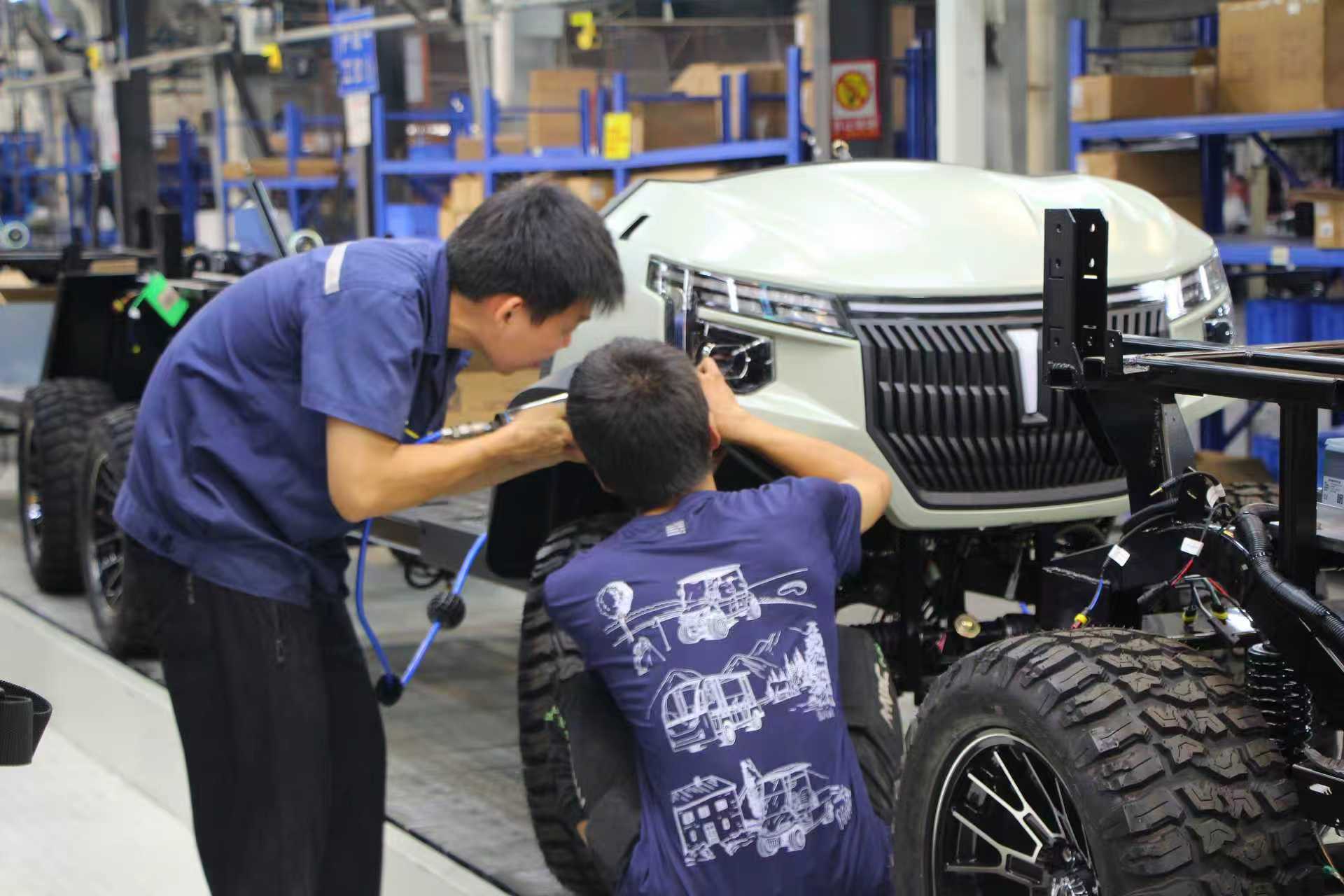
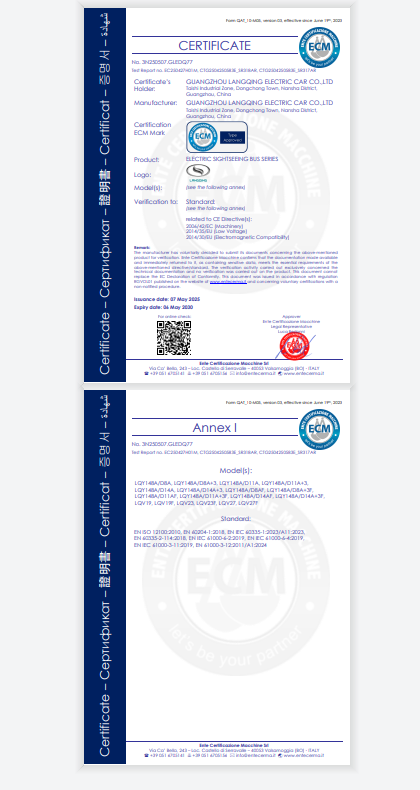
Rigorous pre-delivery protocols are the best defense against frequent warranty claims. Vehicles certified to European CE standards (Certificate numbers 3N250506.GLEDQ43, 3N250507.GLEDQ77, and 3N250507.GLEDQ78) undergo intensive dual-stage testing that pairs automated inspection equipment with physical verification by qualified technicians. Dynamic testing stations—such as specialized incline platforms and automated brake testing rigs—ensure that trailing-arm independent suspensions, hydraulic disc brakes, and electrical assemblies perform flawlessly prior to delivery.
International Fleet Experience and Logistics Strategy
For international dealers and fleet managers, efficient spare parts logistics directly determine warranty resolution speed. Demonstrated success across major global projects—including a 3,500-unit shuttle bus deployment in Cuba spanning over 15 years, a 131-unit museum shuttle contract in Egypt, and a 20-unit airport shuttle deployment in Argentina—shows that structured technical communication pathways markedly reduce repair cycles for global operators.
Comparing Industry Standards vs. Factory Technical Protocols
The matrix below highlights the operational advantages of adhering to a systematic factory warranty protocol over basic industry standards:
| Operational Parameter | Standard Fleet Average | Systematic Factory Benchmark |
|---|---|---|
| Initial Claim Response | 24 to 48 Hours | Within 24 Hours |
| Diagnostic Processing | 2 to 4 Days | 1 to 2 Days |
| Parts Dispatch Timeframe | 7 to 14 Days | 3 to 7 Days |
| Warranty Scope | 6 Months (Limited) | 1-Year Full Vehicle Protection |
| Pre-Shipment Testing | Random Sampling | 100% Track & Road Verification |
Frequently Asked Questions (FAQ)
What documentation is necessary to process a 14-seat bus warranty claim quickly?
Operators should provide the vehicle identification number (VIN), current operating hours, a detailed description of the error, relevant fault codes from the dashboard screen, and high-resolution photos or videos of the issue.
How are replacement components delivered to international fleet operators?
Upon verification of the warranty claim by the engineering team, replacement parts are sent via expedited international air express or consolidated sea freight, depending on urgency and component volume.
What quality control procedures help minimize claim rates on new electric buses?
Thorough factory evaluation—including automated line testing, manual mechanical audits, control unit calibration, and dynamic slope driving—prevents component defects from reaching end users.
Summary and Recommendations
Ensuring maximum vehicle uptime requires clear diagnostic procedures, thorough pre-delivery testing, and reliable manufacturer support. Purchasing vehicles protected by a 1-year whole-vehicle warranty, validated by dual inspection systems, and backed by a minimum order quantity (MOQ) of just 1 unit gives transport operators peace of mind. Factory production turnarounds typically span 15 to 30 days, with full support for direct ocean shipping. To request technical assistance or submit a claim inquiry, contact crystalhuang@langqing.cn.
About Us
Guangzhou Langqing Electric Car CO., LTD. was founded in 2000 and features a 35,000-square-meter manufacturing site supported by 160 employees. With a monthly output capacity of 1,000 vehicles, the company relies on a specialized engineering unit consisting of 30 R&D specialists, 10 testing experts, and 20 quality control professionals. Certified under ISO9001, ISO14001, ISO 10012, ISO45001, and EU CE guidelines, the firm produces electric golf carts, electric sightseeing buses, and electric utility trucks. Global supply channels actively serve commercial clients across North America, South America, Europe, the Middle East, Africa, and Southeast Asia.


Navigating Overseas Battery Warranty Claims for Electric Golf Carts: A Technical Guide
When operating electric golf cart fleets internationally, managing power cell and electrical issues efficiently is crucial. Leading manufacturers streamline warranty claim handling for global buyers by combining remote technical diagnostics, direct component dispatch, and localized guidance. This approach ensures that golf courses, gated communities, and commercial resorts experience minimal operational disruption when battery or component defects occur within the standard 1-year vehicle warranty period.
Key Steps in Processing International Battery Warranty Claims
- Remote Diagnostic Verification: Technical teams evaluate operating metrics, telemetry reports, and fault codes to accurately identify whether an issue relates to battery management systems (BMS), power cell degradation, or peripheral circuitry.
- Expedited Component Dispatch: Once verified under the 1-year whole vehicle warranty, certified replacement units or electrical modules are packed and shipped via air or sea freight directly to overseas dealers or end users.
- Field Support & Documentation: Comprehensive technical documentation and remote guidance empower local maintenance personnel to quickly replace components across commercial campuses and golf facilities.
- Pre-Export Quality Assurance: Rigorous 100% assembly line inspection and comprehensive road testing drastically lower the risk of initial failure before products are dispatched abroad.
Engineered Failure Prevention and Global Compliance
Proactive design plays a vital role in preventing battery damage during long-term field use. For instance, advanced models like the LQS043+2 feature an electrophoretic metal chassis paired with double-wishbone front independent suspension and trailing-arm rear independent suspension. This robust architectural design absorbs mechanical impacts from uneven terrain, safeguarding sensitive battery enclosures from vibration-induced damage.
Furthermore, international safety compliance—such as CE certification (including CE certificate 3N250506.GLEDQ43)—ensures that replacement battery systems and electrical architectures conform to strict regional safety guidelines and power grid standards across Europe, North America, and South America.
Comparing Warranty & Service Frameworks
The table below highlights how direct manufacturer warranty coverage provides superior support compared to typical international service baselines:
| Feature Metric | Standard International Support | Direct Manufacturer Warranty Framework |
|---|---|---|
| Warranty Coverage Period | 6-Month Limited Warranty | 1-Year Full Vehicle Warranty |
| Pre-Shipment Quality Protocol | Random Batch Inspection | 100% Line Testing & Road Testing |
| Structural Engineering | Standard Fixed Axle Chassis | Electrophoretic Chassis & 4-Wheel Independent Suspension |
| Minimum Order Requirement (MOQ) | 5 to 10 Units | 1 Unit |
| Order Fulfillment Window | 45–60 Days | 15–30 Days |
Frequently Asked Questions
What information must be provided when submitting an international warranty claim?
Operators should provide the cart's serial number, diagnostic fault logs or error video recordings, and details regarding operating conditions. Engineering teams review this documentation to confirm coverage.
How are warranty replacement components delivered to international customers?
Approved parts are dispatched via international express freight or sea freight based on component size. Standard payment terms for major orders usually follow a 30% deposit with the balance due prior to container loading.
What quality checks are performed to ensure electrical reliability before shipment?
Every cart undergoes complete line testing and physical road testing to verify battery integrity, hydraulic disc braking efficiency, and overall suspension performance prior to export.
Conclusion & Direct Support
Maintaining high fleet uptime overseas relies on choosing electric golf carts designed with heavy-duty structural chassis, certified safety features, and a responsive warranty pipeline. To request technical documentation or consult on custom fleet solutions, contact the engineering support team directly at crystalhuang@langqing.cn.
About the Manufacturer
Guangzhou Langqing Electric Car CO., LTD. was founded in 2000 and operates a state-of-the-art 35,000-square-meter facility with 160 skilled employees. With a monthly production capacity of 1,000 vehicles, the company exports 80% of its volume across North America, South America, Europe, the Middle East, and Southeast Asia. Backed by ISO9001 and CE certifications, it remains a trusted manufacturer for major government agencies and commercial enterprises globally.
Optimizing 1-Ton Electric Distribution Fleets: Custom Cargo Body Configurations & Applications
Selecting the Right Custom Cargo Configuration for Commercial Fleets
Choosing practical custom cargo body configurations for a 1ton distribution fleet requires analyzing operational environments, payload stability, and workflow efficiency. Options span from flatbeds designed for heavy equipment transport to enclosed box bodies built for weather protection, open utility setups for rapid manual loading, and specialized municipal structures engineered for waste collection.
Key Fleet Takeaways & Specialized Configurations
- Enclosed Cargo Boxes: Protect sensitive hospitality supplies, linen, and housekeeping inventory from weather exposure across resort campuses.
- Open Utility Flatbeds: Streamline movement of maintenance tools, raw materials, and bulky components in industrial facilities and manufacturing plants.
- Specialized Waste Handling Bodies: Offer tailored containment and tipping structures for municipal sanitation fleets supporting continuous refuse collection.
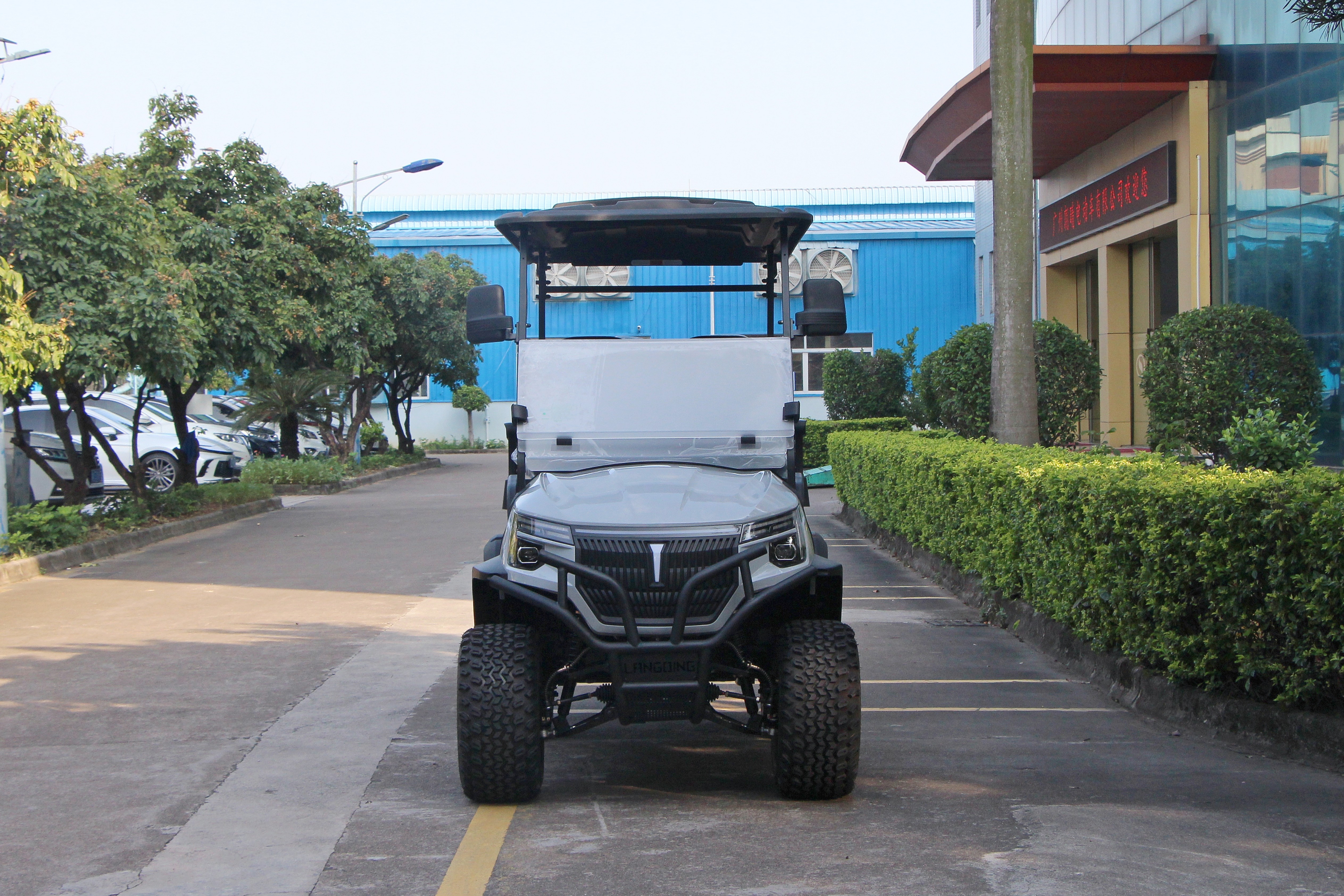
- Ergonomic Open Cockpits: Feature unobstructed layouts combined with robust protective frames to optimize driver visibility and simplify daily vehicle maintenance.
Engineering Standards & Industry Applications
Deploying short-range electric utility vehicles demands a balance between chassis rigidity and specialized cargo functionalities. Heavy-duty chassis built with reinforced front contours shield vital internal components during demanding stop-and-go delivery cycles. Meanwhile, open-style cockpits facilitate rapid driver entry and exit while ensuring clear access points for routine service inspections.
Custom cargo bodies adapt seamlessly to diverse logistics settings. In hospitality environments, enclosed boxes keep operational noise low while safeguarding dry goods and laundry. Conversely, manufacturing sites depend on flatbed setups to transfer tools and components across large industrial compounds. To ensure long-term durability, fleet platforms validated by Guangzhou Langqing Electric Car CO., LTD. pass comprehensive 100% inspection line evaluations, live road tests, and slope platform safety assessments prior to delivery.
Municipal distribution requirements often call for specialized body architectures beyond standard cargo transport. For instance, a municipal sanitation project in Singapore deployed 156 customized garbage transfer units mounted onto heavy-duty utility frames. Furthermore, long-term shuttle and utility operations in Cuba—surpassing 3,500 units deployed—demonstrate how tailored configurations sustain high-capacity public and commercial service. Full compliance with global certifications, including CE, ISO9001, ISO14001, ISO 10012, and ISO45001, guarantees dependable quality across international export markets.
Cargo Body Solutions Comparison
| Cargo Body Configuration | Primary Operating Environment | Key Structural Attributes | Quality & Compliance Standards |
|---|---|---|---|
| Enclosed Box Body | Resorts, Hotels, Housekeeping Distribution | Weatherproof housing, quiet drive systems, secure compartments | 100% line & road tested; CE certified |
| Open Utility Flatbed | Industrial Parks, Manufacturing Compounds | Reinforced loading deck, unrestricted side access, protective rails | Slope platform tested; ISO9001 quality checked |
| Garbage Transfer Body | Municipal Sanitation Operations | Corrosion-resistant refuse hopper, reinforced tipping mechanism | Dual equipment & manual inspection; CE certified |
Frequently Asked Questions (FAQ)
Q: What quality assurance testing is conducted on custom cargo vehicles before shipment?
A: Every utility vehicle undergoes rigorous multi-stage testing, combining automated 100% inspection line verification with real-world road trials and slope platform stability checks.
Q: What are the lead times, shipping methods, and payment terms for fleet orders?
A: Orders feature a typical production lead time of 15 to 30 days. Delivery is arranged via ocean freight under standard payment terms of a 30% advance deposit with the remaining balance due prior to container loading.
Q: Which international certifications validate the compliance of these electric utility vehicles?
A: Products hold EU CE certificates (numbers 3N250506.GLEDQ43, 3N250507.GLEDQ77, and 3N250507.GLEDQ78) alongside ISO9001, ISO14001, ISO 10012, and ISO45001 quality management system certifications.
Conclusion & Fleet Selection Recommendations
Matching body geometry—whether enclosed box configurations, open flatbeds, or dedicated municipal refuse containers—to regional workflow requirements is essential when specifying 1ton electric utility fleets. Operating under a integrated manufacturing and trading model with a minimum order quantity (MOQ) of just 1 unit and a 1-year vehicle warranty, fleet buyers across North America, Europe, South America, the Middle East, and Southeast Asia can customize solutions to match exact site demands. For custom fleet inquiries and engineering details, contact the team at crystalhuang@langqing.cn.
About the Manufacturer
Founded in 2000 in Nansha, Guangzhou, Guangzhou Langqing Electric Car CO., LTD. operates a 35,000-square-meter manufacturing facility. Supported by 160 skilled employees and a 30-member R&D engineering department, the company maintains a monthly output capacity of 1,000 units. Certified under ISO9001, ISO14001, ISO 10012, ISO45001, and EU CE regulations, the enterprise supplies high-performance electric golf carts, shuttle buses, and utility vehicles to global commercial and public sector clients.
Electric Mini Truck Road Registration: Required Compliance Proof & Technical Standards
Registering an electric mini truck for public highway or street usage relies heavily on satisfying local low-speed vehicle (LSV) regulations and presenting standardized compliance proof. Vehicles must meet strict motor vehicle safety guidelines, encompassing structural strength, braking performance, and electrical safety certifications, before licensing authorities issue valid registration.
Key Takeaways & Regulatory Overview
- Legal Vehicle Classification: Mini trucks and compact electric utility vehicles must abide by regional transport authority rules concerning speed caps, weight limits, and basic safety gear.
- Mandatory Documentation: Successful registration requires a Manufacturer Certificate of Origin (MCO), Certificate of Conformity (COC), unique Vehicle Identification Number (VIN), and technical compliance sheets.
- Critical Safety Components: Road inspection criteria focus on hydraulic disc brakes, full automotive lighting, seat belts, and robust chassis construction with independent suspension systems.
- Practical Fleet Utilization: Certified low-emission electric mini trucks are widely deployed in municipal sanitation programs, industrial campuses, and resort hospitality logistics.
Technical Architecture & Safety Compliance Analysis
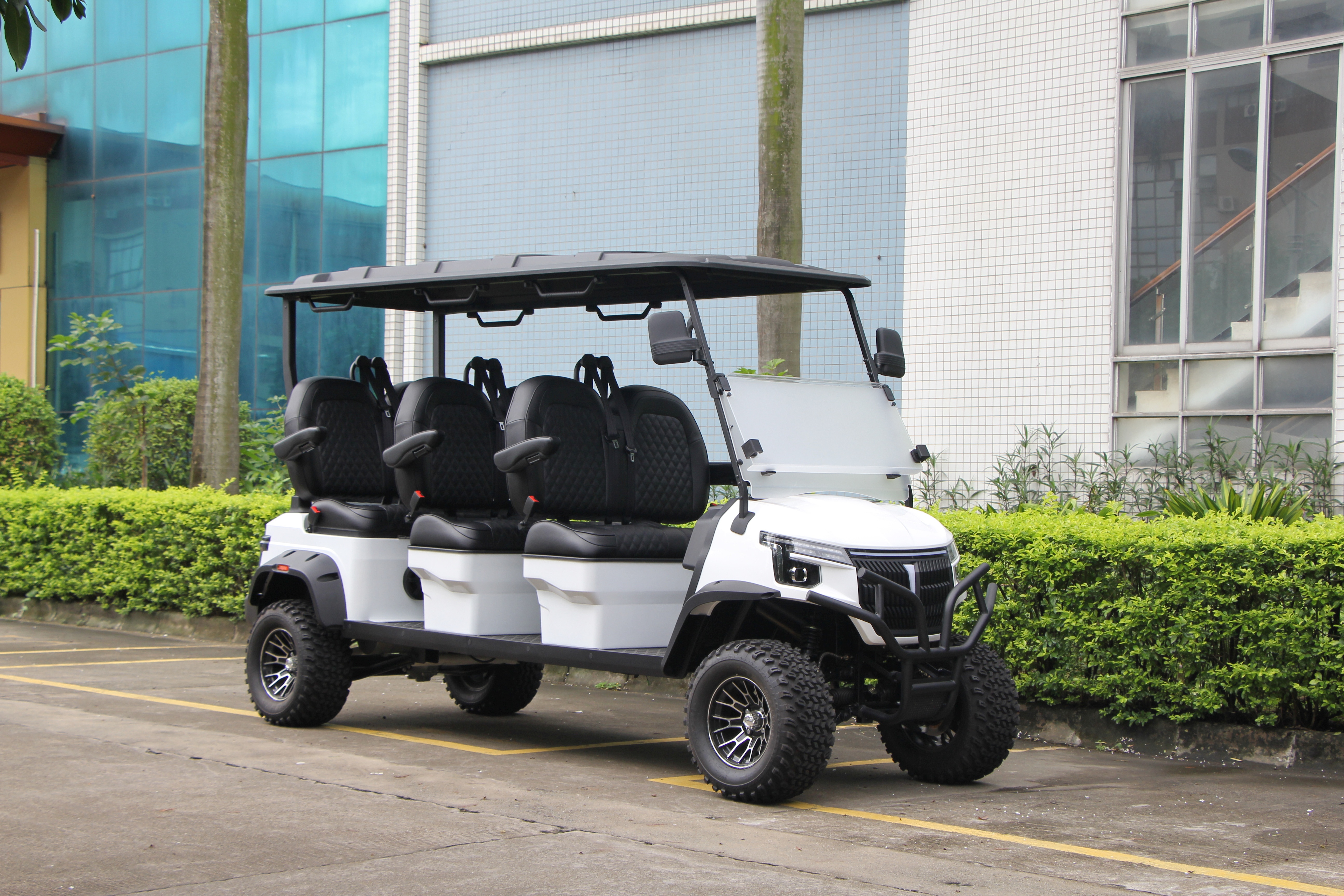
Whether a micro utility truck can legally travel on municipal roads depends on its underlying engineering standards and compliance profile. Recognized manufacturers such as Guangzhou Langqing Electric Car CO., LTD. construct commercial utility vehicles using corrosion-resistant electrophoretic metal chassis and independent suspension setups designed to preserve chassis structural integrity and driving stability under full payload capacities.
Official inspection processes evaluate both mechanical assemblies and electrical sub-systems. Vehicles are tested for effective hydraulic disc braking power, comprehensive headlight and turn-signal visibility, and operational features like high-density anti-slip diamond rubber flooring. Global deployments highlight the importance of thorough vehicle certification—demonstrated by fleet projects including 156 municipal waste transport units delivered to Singapore and over 3,500 passenger shuttle vehicles supplied to Cuba.
For popular utility platforms such as the LQD065 model, compliance proof is backed by comprehensive factory verification. Every unit completes a 100% assembly line diagnostic pass and physical road testing prior to shipping, ensuring full alignment with local safety mandates.
Compliance & Technical Feature Comparison
| Parameters & Requirements | Road-Legal Electric Mini Truck | Off-Road / Site Utility Vehicle |
|---|---|---|
| Required Documentation | CE Certification, MCO, VIN Code, COC | Standard Factory Quality Certificate |
| Safety & Braking Equipment | Hydraulic Disc Brakes, Complete Lighting & Mirrors | Basic Mechanical / Hydraulic Brakes |
| Speed & Operational Limits | Regulated LSV Speed & Weight Limits | Unregulated Internal Site Limits |
| Verification Process | 100% Line Testing + Physical Road Test | Standard Quality Assurance Checks |
| Primary Use Cases | City Sanitation, Public Roads, Municipal Work | Resorts, Industrial Plants, Golf Courses |
Frequently Asked Questions
What paper documents must I submit to register a mini utility truck?
You will generally need the original Manufacturer Certificate of Origin (MCO), Certificate of Conformity (COC), technical specification documents, proof of purchase, and local vehicle inspection certificates verifying electric and safety compliance.
Can any electric mini truck be driven on public highways?
No. Basic off-road utility vehicles lack essential road-safety features. Only units built to conform with regional Low-Speed Vehicle (LSV) mandates—equipped with compliant lighting, seat belts, mirrors, and dual-circuit braking—are eligible for street registration.
Why is CE certification important for registration?
CE approval marks (such as certificate numbers 3N250506.GLEDQ43, 3N250507.GLEDQ77, and 3N250507.GLEDQ78) validate that the vehicle meets European health, safety, and environmental safety standards, serving as foundational evidence during registration in many worldwide markets.
Conclusion & Fleet Guidance
Achieving street-legal registration for an electric mini truck requires selecting a vehicle built to rigorous manufacturing standards accompanied by complete certification documentation. Partnering with established original equipment manufacturers ensures access to full technical support, factory warranties, and documented quality testing. For inquiries regarding custom utility solutions or compliance paperwork, contact our engineering team directly at crystalhuang@langqing.cn.
About the Manufacturer
Founded in 2000 within the Nansha Economic Development Zone in Guangzhou, Guangzhou Langqing Electric Car CO., LTD. operates a 35,000-square-meter production base supported by 160 skilled professionals. Producing up to 1,000 units per month, the enterprise provides end-to-end R&D, manufacturing, sales, and aftermarket support. Holding ISO9001, ISO14001, ISO45001, and EU CE certifications, the company exports 80% of its electric mini trucks, golf carts, and sightseeing buses across North America, South America, Europe, the Middle East, Africa, and Southeast Asia.
REPORT