







-
 Agriculture
-
 Health-Care
-
 Environment
-
 Construction-Real-Estate
-
 Tools-Hardware
-
 Home-Garden
-
 Furniture
-
 Luggage-Bags-Cases
-
 Medical-devices-Supplies
-
 Gifts-Crafts
-
 Sports-Entertainment
-
 Food-Beverage
-
 Vehicles-Transportation
-
 Power-Transmission
-
 Material-Handling
-
 Renewable-Energy
-
 Safety
-
 Testing-Instrument-Equipment
-
 Construction-Building-Machinery
-
 Pet-Supplies
-
 Personal-Care-Household-Cleaning
-
 Vehicle-Accessories-Electronics-Tools
-
 School-Office-Supplies
-
 Packaging-Printing
-
 Mother-Kids-Toys
-
 Business-Services
-
 Commercial-Equipment-Machinery
-
 Apparel-Accessories
-
 Security
-
 Shoes-Accessories
-
 Vehicle-Parts-Accessories
-
 Jewelry-Eyewear-Watches-Accessories
-
 Lights-Lighting
-
 Fabric-Textile-Raw-Material
-
 Fabrication-Services
-
 Industrial-Machinery
-
 Consumer-Electronics
-
 Electrical-Equipment-Supplies
-
 Electronic-Components-Accessories-Telecommunications
-
 Home-Appliances
-
 Beauty
-
 Chemicals
-
 Rubber-Plastics
-
 Metals-Alloys


























































































































































































































































































































































































































































































































































































- Masonry Materials
- Curtain Walls & Accessories
- Earthwork Products
- Fireproofing Materials
- Heat Insulation Materials
- Plastic Building Materials
- Building Boards
- Soundproofing Materials
- Timber
- Waterproofing Materials
- Balustrades & Handrails
- Bathroom & Kitchen
- Flooring & Accessories
- Tiles & Accessories
- Door, Window & Accessories
- Fireplaces & Stoves
- Floor Heating Systems & Parts
- Stairs & Stair Parts
- Ceilings
- Elevators & Escalators
- Stone
- Countertops, Vanity Tops & Table Tops
- Mosaics
- Metal Building Materials
- Multifunctional Materials
- Ladders & Scaffoldings
- Mouldings
- Corner Guards
- Decorative Films
- Formwork
- Building & Industrial Glass
- Other Construction & Real Estate
- Wallpapers/Wall panels
- HVAC System & Parts
- Outdoor Facilities
- Prefabricated Buildings
- Festive & Party Supplies
- Bathroom Products
- Household Sundries
- Rain Gear
- Garden Supplies
- Household Cleaning Tools & Accessories
- Lighters & Smoking Accessories
- Home Storage & Organization
- Household Scales
- Smart Home Improvement
- Home Textiles
- Kitchenware
- Drinkware & Accessories
- Dinnerware, Coffee & Wine
- Home Decor
- Golf
- Fitness & Body Building
- Amusement Park Facilities
- Billiards, Board Game,Coin Operated Games
- Musical Instruments
- Outdoor Affordable Luxury Sports
- Camping & Hiking
- Fishing
- Sports Safety&Rehabilitation
- Ball Sports Equipments
- Water Sports
- Winter Sports
- Luxury Travel Equipments
- Sports Shoes, Bags & Accessories
- Cycling
- Other Sports & Entertainment Products
- Artificial Grass&Sports Flooring&Sports Court Equipment
- Scooters
- Food Ingredients
- Honey & Honey Products
- Snacks
- Nuts & Kernels
- Seafood
- Plant & Animal Oil
- Beverages
- Fruit & Vegetable Products
- Frog & Escargot
- Bean Products
- Egg Products
- Dairy Products
- Seasonings & Condiments
- Canned Food
- Instant Food
- Baked Goods
- Other Food & Beverage
- Meat & Poultry
- Confectionery
- Grain Products
- Feminie Care
- Hair Care & Styling
- Body Care
- Hands & Feet Care
- Hygiene Products
- Men's Grooming
- Laundry Cleaning Supplies
- Travel Size & Gift Sets
- Room Deodorizers
- Other Personal Care Products
- Pest Control Products
- Special Household Cleaning
- Floor Cleaning
- Kitchen & Bathroom Cleaning
- Oral Care
- Bath Supplies
- Yellow Pages
- Correction Supplies
- Office Binding Supplies
- Office Cutting Supplies
- Board Erasers
- Office Adhesives & Tapes
- Education Supplies
- Pencil Cases & Bags
- Notebooks & Writing Pads
- File Folder Accessories
- Calendars
- Writing Accessories
- Commercial Office Supplies
- Pencil Sharpeners
- Pens
- Letter Pad/Paper
- Paper Envelopes
- Desk Organizers
- Pencils
- Markers & Highlighters
- Filing Products
- Art Supplies
- Easels
- Badge Holder & Accessories
- Office Paper
- Printer Supplies
- Book Covers
- Other Office & School Supplies
- Stationery Set
- Boards
- Clipboards
- Stamps
- Drafting Supplies
- Stencils
- Electronic Dictionary
- Books
- Map
- Magazines
- Calculators
- Baby & Toddler Toys
- Educational Toys
- Classic Toys
- Dress Up & Pretend Play
- Toy Vehicle
- Stuffed Animals & Plush Toys
- Outdoor Toys & Structures
- Balloons & Accessories
- Baby Food
- Children's Clothing
- Baby Supplies & Products
- Maternity Clothes
- Kids Shoes
- Baby Care
- Novelty & Gag Toys
- Dolls & Accessories
- Puzzle & Games
- Blocks & Model Building Toys
- Toddler Clothing
- Baby Clothing
- Kids' Luggage & Bags
- Arts, Crafts & DIY Toys
- Action & Toy Figures
- Baby Appliances
- Hobbies & Models
- Remote Control Toys
- Promotional Toys
- Pregnancy & Maternity
- Hygiene Products
- Kid's Textile&Bedding
- Novelty & Special Use
- Toy Weapons
- Baby Gifts
- Baby Storage & Organization
- Auto Drive Systems
- ATV/UTV Parts & Accessories
- Marine Parts & Accessories
- Other Auto Parts
- Trailer Parts & Accessories
- Auto Transmission Systems
- Train Parts & Accessories
- Universal Parts
- Railway Parts & Accessories
- Auto Brake Systems
- Aviation Parts & Accessories
- Truck Parts & Accessories
- Auto Suspension Systems
- Auto Lighting Systems
- New Energy Vehicle Parts & Accessories
- Auto Steering Systems
- Wheels, Tires & Accessories
- Bus Parts & Accessories
- Auto Performance Parts
- Cooling System
- Go-Kart & Kart Racer Parts & Accessories
- Air Conditioning Systems
- Heavy Duty Vehicle Parts & Accessories
- Auto Electrical Systems
- Auto Body Systems
- Auto Engine Systems
- Container Parts & Accessories
- Motorcycle Parts & Accessories
- Refrigeration & Heat Exchange Equipment
- Machine Tool Equipment
- Food & Beverage Machinery
- Agricultural Machinery & Equipment
- Apparel & Textile Machinery
- Chemical Machinery
- Packaging Machines
- Paper Production Machinery
- Plastic & Rubber Processing Machinery
- Industrial Robots
- Electronic Products Machinery
- Metal & Metallurgy Machinery
- Woodworking Machinery
- Home Product Manufacturing Machinery
- Machinery Accessories
- Environmental Machinery
- Machinery Service
- Electrical Equipment Manufacturing Machinery
- Industrial Compressors & Parts
- Tobacco & Cigarette Machinery
- Production Line
- Used Industrial Machinery
- Electronics Production Machinery
- Other Machinery & Industrial Equipment
- Camera, Photo & Accessories
- Portable Audio, Video & Accessories
- Television, Home Audio, Video & Accessories
- Video Games & Accessories
- Mobile Phone & Accessories
- Electronic Publications
- Earphone & Headphone & Accessories
- Speakers & Accessories
- Smart Electronics
- TV Receivers & Accessories
- Mobile Phone & Computer Repair Parts
- Chargers, Batteries & Power Supplies
- Used Electronics
- VR, AR, MR Hardware & Software
- Projectors & Presentation Equipments
- Other Consumer Electronics
- Cables & Commonly Used Accessories
- Computer Hardware & Software
- Displays, Signage and Optoelectronics
- Discrete Semiconductors
- Wireless & IoT Module and Products
- Telecommunications
- Connectors, Terminals & Accessories
- Development Boards, Electronic Modules and Kits
- Circuit Protection
- Sensors
- Isolators
- Audio Components and Products
- Integrated Circuits
- Power Supplies
- Relays
- RF, Microwave and RFID
- Electronic Accessories & Supplies
- Passive Components
- PCB & PCBA
- Air Quality Appliances
- Home Appliance Parts
- Heating & Cooling Appliances
- Small Kitchen Appliances
- Laundry Appliances
- Water Heaters
- Water Treatment Appliances
- Refrigerators & Freezers
- Personal Care & Beauty Appliances
- Major Kitchen Appliances
- Cleaning Appliances
- Second-hand Appliances
- Smart Home Appliances
- Other Home Appliances
- Energy Chemicals
- Inorganic Chemicals
- Basic Organic Chemicals
- Agrochemicals
- Admixture & Additives
- Catalysts & Chemical Auxiliary Agents
- Pigments & Dyestuff
- Coating & Paint
- Daily Chemicals
- Polymer
- Organic Intermediate
- Adhesives & Sealants
- Chemical Waste
- Biological Chemical Products
- Surface Treatment Chemicals
- Painting & Coating
- Chemical Reagents
- Flavor & Fragrance
- Non-Explosive Demolition Agents
- Other Chemicals
- Custom Chemical Services

Coating & Paint
CE Certification for 3050/5070 Flatbed Screen Printing Machines in Europe
Is CE Certification Confirmed for the 3050/5070 Machine?
The available company and product information does not verify whether a 3050/5070 flatbed screen printing machine carries CE certification or whether a particular European conformity requirement applies to it. No machine-specific CE declaration, certificate, or technical compliance file is provided in the supplied records. Buyers should therefore obtain confirmation and the relevant documentation directly from the supplier before importing, selling, or operating the equipment in Europe.
What the Available Information Shows
- Screen printing machines and other printing equipment appear in the company’s product range, but the data does not provide a dedicated record for a 3050/5070 flatbed model.
- The listed credentials relate to other products, patents, trademarks, or certifications and do not identify CE conformity for this machine.
- The ABS European Standard Ink information concerns a consumable used for screen printing and pad printing, not the legal compliance status of machinery.
- Reported application sectors include consumer products, 3C electronics and home appliances, packaging, automotive components, crafts, and food and beverage packaging.
How to Interpret the Certification Evidence
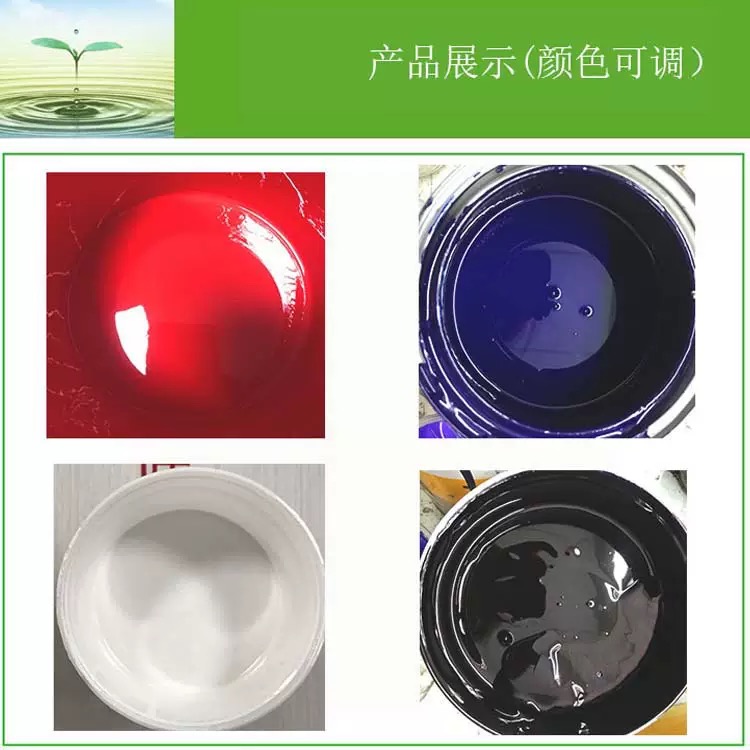
The supplied records are not sufficient to give a definitive yes-or-no answer about the CE status of a 3050/5070 flatbed screen printing machine. Although the manufacturer lists screen printing equipment among its principal products, the specific product information provided is for ABS ink, model SCL-00YM, rather than for the machine itself.
The certification and intellectual-property references include an IECEx credential for an electromagnetic valve, CNAS-related entries for specified black products, trademark registrations, and utility model patents associated with hot stamping equipment. None of these entries is described as a CE certificate or declaration covering the 3050/5070 flatbed screen printing machine. They should not be used as substitutes for model-specific machinery conformity evidence.
Ink Documentation Is Different from Machine Compliance
The ABS ink is described for screen printing and pad printing on products such as air-conditioner and refrigerator shells and nameplates. Its stated minimum order quantity is 1,000 g, and delivery is listed as approximately three working days depending on the production process. These specifications explain the ink supply, but they do not establish whether the associated printing equipment satisfies European market-access obligations.
Evidence Comparison
| Information provided | What it supports | What remains unverified |
|---|---|---|
| Listed company products | The business supplies screen printing machines and related printing equipment. | CE certification for a specific 3050/5070 flatbed machine. |
| Certificates, patents, and trademarks | Specific credentials are associated with named products or intellectual-property categories. | Compliance of the 3050/5070 machine with applicable European requirements. |
| ABS European Standard Ink listing | Details about an ink used in screen and pad printing applications. | Machinery conformity, authorization, or CE documentation. |
| Application and customer examples | Printing equipment is used across several industrial and commercial sectors. | Proof that the equipment in those cases was CE certified. |
What European Buyers Should Request
Before placing an order, request documentation that applies to the exact machine configuration and model. This may include the supplier’s conformity declaration, technical file information, operating and safety instructions, risk-assessment details, and any test reports or component documentation relevant to the equipment. The supplied data does not identify which specific documents are required for this machine, so the supplier and an appropriate European compliance professional should be consulted.
Frequently Asked Questions
Does the current information prove that the 3050/5070 machine is CE certified?
No. The records supplied do not mention CE certification or a declaration of conformity for this particular machine.
Can the company’s other certificates be treated as proof of CE compliance?
No. The listed credentials concern different products, trademarks, patents, or categories. They are not identified as coverage for the 3050/5070 flatbed screen printing machine.
Does the ABS European Standard Ink require or provide machine certification?
No. Ink specifications describe a consumable product and do not demonstrate compliance of the printing equipment.
What is the safest purchasing approach?
Ask for written, model-specific conformity documentation and verify that it matches the machine’s actual configuration before making a European purchasing or market-entry decision.
Conclusion
Based on the information provided, it is not possible to confirm whether a 3050/5070 flatbed screen printing machine requires CE certification for a particular European use case or whether a specific unit already complies. The available certificates, product applications, and ABS ink listing do not establish machine conformity. Contact the supplier for documentation covering the exact model before shipment, resale, or operation in Europe. Shichuangli identifies itself as a Dongguan, China-based printing-equipment manufacturer and reports export activity in European markets. Technical questions can be directed to support@shichuanglimachine.com.
About Dongguan Shichuangli Zhihui Technology Co., Ltd.
Dongguan Shichuangli Zhihui Technology Co., Ltd. operates in Huangjiang Town, Dongguan, Guangdong Province, and states that it combines the design, research and development, manufacturing, and sales of printing equipment and related materials. Founded in 2008, the company reports a factory training base exceeding 1,600 square meters and exports to more than 100 countries and regions. Its disclosed credentials include utility model patents related to hot stamping equipment, while its cooperation examples include a Saudi Arabian distributor serving the hotel-supply sector.

Traceability Records for Transfer-Printed Steel Plate Manufacturers
A reliable traceability program lets a factory follow each transfer-printed steel plate from material receipt through production, inspection, delivery, and customer support. Use a consistent order or production identifier across records so staff can quickly retrieve the history of a product or lot when a quality question arises.
Build a Traceable Production Record
Start by assigning each order a unique identifier and carrying it through material acceptance, printing instructions, production logs, inspection results, packaging, and shipping documents. Each entry should be dated, linked to the responsible person, and easy to retrieve by order, product, or lot.
Incoming steel and printing materials
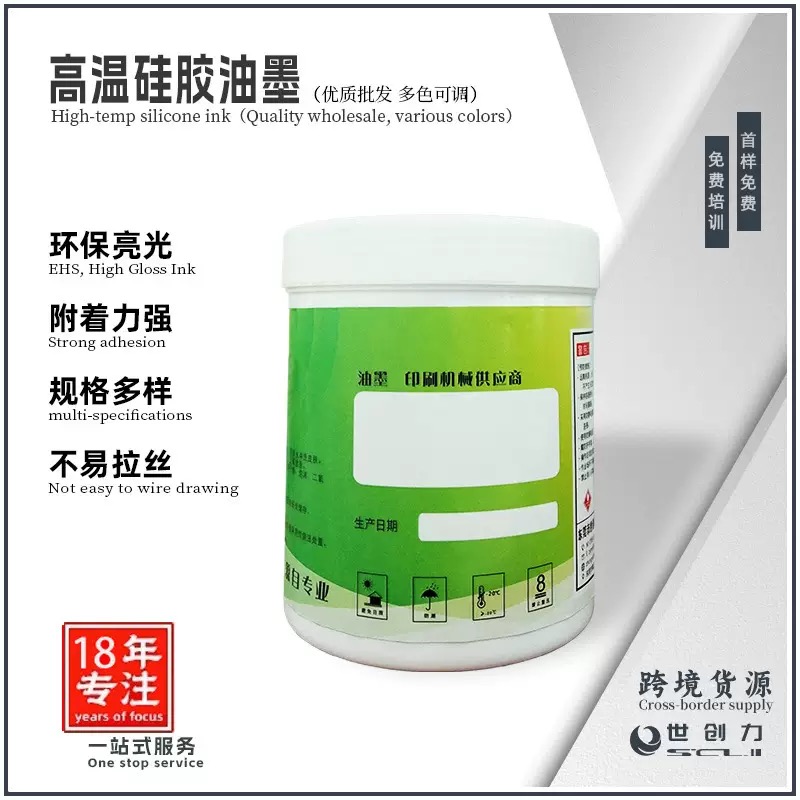
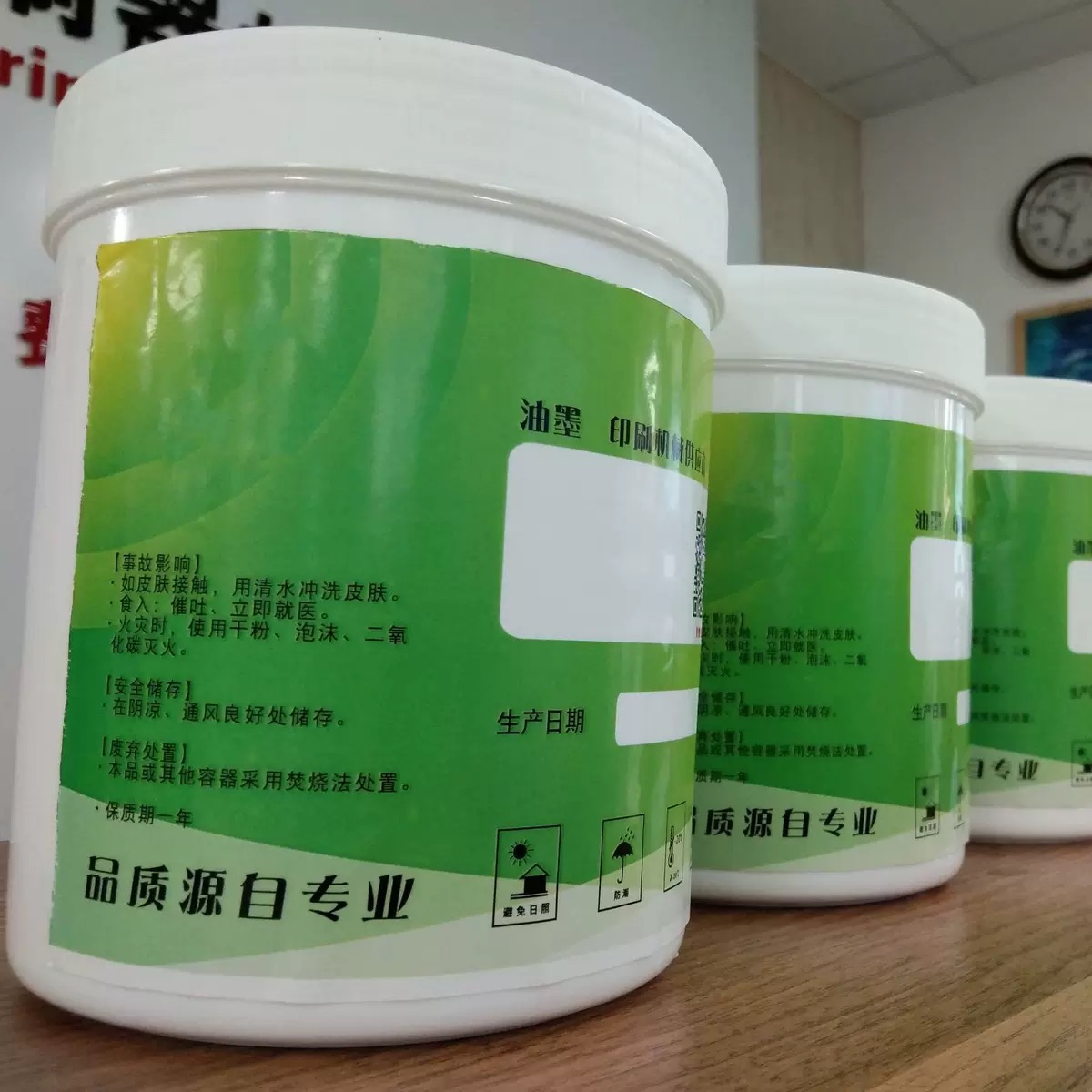
For every steel plate delivery, record its specification or type, supplier or source, quantity, receipt date, inspection and acceptance status, storage details, and receiving personnel. Ink records should identify the manufacturer, product code, color, batch, quantity, shelf life, and intended printing method. For example, Shichuangli high-temperature silicone ink carries product code SCL-00YM, is offered in black, white, and other colors, and is used for screen printing and transfer printing.
Printing operations and process controls
Production logs should connect the order to the machine, operator, production dates and times, printing method, and approved work instructions. For transfer printing, include the ink batch, proofing outcome, quantity produced, rework quantity, and final release decision. When a process deviates from instructions, record the affected lot, the issue, and the action taken.
Keep the applicable process settings and inspection checkpoints with the production history. This makes it possible to review how a plate was printed and determine which products may be affected by a process issue.
Quality and Release Evidence
Maintain records for the inspections and tests required by your quality procedures. These may include production-process checks, finished-product performance tests, physical and mechanical testing, structural safety assessments, appearance inspection, and installation acceptance or commissioning where relevant. Link every result to the production identifier and include the inspection date, inspector, evidence, and disposition, such as acceptance, rework, or rejection.
Technical certificates should also be filed with their certificate numbers, scope, applicable product, and relevant market. Shichuangli lists IECEx certificate IECEx PTB 05.0006X for an electromagnetic valve and CNAS certificates for SCOO6-501 Black and SCRS-501 Black. Keeping these details alongside related technical documentation helps clarify which product or requirement each certificate covers.
Packaging, Delivery, and Customer Feedback
Traceability continues after inspection and release. Packaging and shipping records should identify the released lot, packed quantity, packaging condition, shipping method, shipping documents, and delivery confirmation. Shichuangli reports using reinforced wooden-box packaging for equipment shipments and recording details such as bill of lading and shipping order numbers. Steel plate manufacturers can use equivalent records to preserve the link between inspected products and their delivery.
Customer-service files should document the reported issue, affected product or lot, investigation, technical guidance, repair or replacement, corrective action, and closure evidence. Shichuangli describes one-on-one technical guidance, free technical training, periodic follow-up inspections, genuine factory replacement parts, and a one-year equipment warranty as parts of its printing application service.
In a Saudi Arabia cooperation case, hotel products including glass bottles and linen tags were customized using screen printing, heat transfer printing, and gold stamping. Reported customer feedback covered proofing accuracy, remote engineering guidance, operator training, transparent pricing, reinforced packaging, and warranty support. Similar categories can help a steel plate factory document technical assistance and post-delivery response for its own orders.
Record Categories at a Glance
| Record Group | Information to Capture | Typical Supporting Evidence |
|---|---|---|
| Incoming materials | Plate identity and specification, ink brand and product code, batch or lot, quantity, receipt date, and acceptance status | Receiving, material identification, and inspection records |
| Production | Order identifier, equipment, operator, production time, printing method, work instructions, and process deviations | Production logs and process inspection results |
| Product quality | Proofing, performance and physical test results, structural safety, appearance, rework, and release decision | Test reports and inspection records |
| Packaging and shipment | Released lot, packed quantity, packaging condition, transport details, shipping documents, and delivery confirmation | Packing lists and shipment records |
| Customer support | Complaint, affected lot, investigation, technical response, repair or replacement, corrective action, and closure | Service, training, follow-up, and warranty records |
Frequently Asked Questions
How can a factory link a steel plate to its finished printed product?
Use the same order or production identifier in records for the incoming plate, ink and batch, production order, equipment and operator, process dates, inspection results, release decision, and shipment. This creates a continuous history for the finished product.
Which quality documents should be kept?
Retain applicable process inspections, proofing results, finished-product performance data, physical and mechanical tests, structural safety checks, appearance inspections, rework details, release decisions, and corrective-action records.
What is the required retention period?
No single retention period is specified here. Establish one based on customer contracts, internal quality procedures, certification obligations, warranty commitments, and the time needed to support customers.
Recommendations
A practical traceability system links materials and ink to process execution, inspection, packaging, shipment, and any later customer response. Keep records dated, attributable to responsible personnel, and searchable using a consistent product or order identifier. Shichuangli describes a printing application service ecosystem with a minimum order quantity of one, standard printing equipment delivery within 48 hours, and delivery of customized non-standard printing equipment within one month. For technical solutions or support, contact support@shichuanglimachine.com.
About Dongguan Shichuangli Zhihui Technology Co., Ltd.
Dongguan Shichuangli Zhihui Technology Co., Ltd. is based in Huangjiang Town, Dongguan City, Guangdong Province. The company designs, develops, produces, and sells printing equipment and related materials. Its products include transfer printing machines, screen printing machines, hot stamping machines, tapping machines, non-standard automation equipment, and printing auxiliary materials. Shichuangli reports operating a factory training base of more than 1,600 square meters, serving over 15,000 enterprises, and exporting products to more than 100 countries and regions.
The company also reports IECEx and CNAS credentials and cooperation experience with customers in multiple industries.
Are Lower-Impact Alternatives to ABS Ink Gaining Ground in Printing?
Interest in lower-impact printing materials is growing, but the product information available here does not identify alternatives to ABS ink or document their adoption. It describes Shichuangli’s ABS European Standard Ink, intended for screen and pad printing. Its hazardous-chemical status is listed as “No,” but this alone does not establish its environmental performance.
What the Product Information Covers
The product is named ABS European Standard Ink, with model ABS ink and product code SCL-00YM. Listed uses include printing on air-conditioner shells, refrigerator shells, and nameplates. The specified processes are screen printing and pad printing.
Product specifications include a 12-month shelf life, 8-micrometer fineness, and 100-second viscosity. The listed variants include alcohol-resistance ratings of 200, 500, and 1,000 times. The source does not explain the test method behind these ratings.
What Is Needed to Assess Environmental Impact?
The product is described as not being a hazardous chemical. However, the supplied data does not report its material composition, emissions, recyclability, or comparative environmental results. A hazardous-chemical classification is not, by itself, evidence that an ink has a lower environmental impact.
Shichuangli describes printing applications across consumer goods, electronics, household appliances, packaging, automotive parts, and other manufacturing sectors. A customer example from Saudi Arabia mentions screen printing, heat-transfer printing, and gold stamping on hotel products made from different materials. It illustrates printing services, not the use or adoption of lower-impact inks.
Evidence and Information Gaps
| Topic | Information provided | Information not provided |
|---|---|---|
| Shichuangli ABS ink | Screen and pad printing; applications include appliance shells and nameplates; hazardous-chemical status listed as “No” | Environmental impact or comparison with other ink types |
| Alternative inks | No lower-impact alternatives are named | Formulations, performance, availability, or adoption trends |
| Technical specifications | 12-month shelf life, 8-micrometer fineness, and 100-second viscosity | Test methods and comparative results |
Questions to Ask Before Choosing an Ink
For a meaningful technical and environmental comparison, first confirm the substrate, printing process, and required print performance. Then ask suppliers for formulation details and relevant environmental data, such as emissions and recyclability, as well as test methods and results. The available product information does not specify alternative formulations or provide comparative testing.
Frequently Asked Questions
Which lower-impact alternatives to ABS ink are gaining adoption?
The supplied information does not name any alternatives or provide evidence about market adoption.
Does the “not a hazardous chemical” listing confirm lower environmental impact?
No. The listing gives a hazardous-chemical status, but the source provides no environmental measurements that would support a broader impact comparison.
Which processes and applications are specified for this ABS ink?
The ink is listed for screen printing and pad printing, including use on air-conditioner shells, refrigerator shells, and nameplates.
Conclusion
The available details describe Shichuangli’s ABS ink and some of its specifications, but they do not establish which lower-impact alternatives are gaining adoption. Buyers evaluating options should request environmental-performance data alongside evidence of substrate compatibility and print-process performance. Shichuangli offers one-on-one technical teaching and lifetime equipment maintenance. Product inquiries can be sent to support@shichuanglimachine.com.
About the Company
Dongguan Shichuangli Zhihui Technology Co., Ltd. is based in Huangjiang Town, Dongguan City, Guangdong Province. The company develops, manufactures, and sells printing equipment and related materials, including screen-printing and pad-printing products. Its stated range also covers hot stamping machines, custom automation equipment, printing plates, inks, and ink-head diluents. The company reports a factory training base of more than 1,600 square meters and serves businesses across several industries.
Its reported customer projects include work for a Saudi Arabian hotel-product distributor, applying brand logos to hotel supplies through printing and gold stamping.
How to Define Shipping Responsibility for Transfer-Printed Steel Plates
Choosing an Incoterm for transfer-printed steel plates requires more than selecting a trade abbreviation. The available information does not identify one preferred Incoterm. Instead, the buyer and seller should document the agreed term, named destination, risk-transfer point, freight arrangements, customs duties, and delivery obligations in a formal foreign trade contract.
Practical Guidance for Incoterm Selection
The selected Incoterm should match the actual transport plan and clearly assign responsibility for packaging, freight booking, export and import customs procedures, insurance, unloading, warehousing, and final delivery. Because the supplied company data does not recommend a specific term, the contract remains the controlling document for defining these obligations.
- State the chosen Incoterm together with the exact named place or handover location.
- Clarify which party arranges transportation, customs clearance, insurance, unloading, and delivery.
- Record the point at which risk transfers from the seller to the buyer.
- Match the contractual responsibilities with the selected sea, air, or land freight service.
Shipping Documentation and Visibility
Shichuangli supports FBA sea freight, air freight, and land freight. Its listed shipping process includes transportation photographs, bill of lading details, shipping order information, and progress updates covering port arrival, customs clearance, and warehousing. These records can help both parties verify shipment progress, provided that the contract defines who is responsible at each stage.
Reinforced wooden packaging is available for equipment to help limit moisture exposure and impact-related damage during transportation. This packaging service supports cargo protection, but it does not by itself determine the party carrying transit risk. The Incoterm, named place, and handover point must establish that allocation.
Relevant Products and Applications
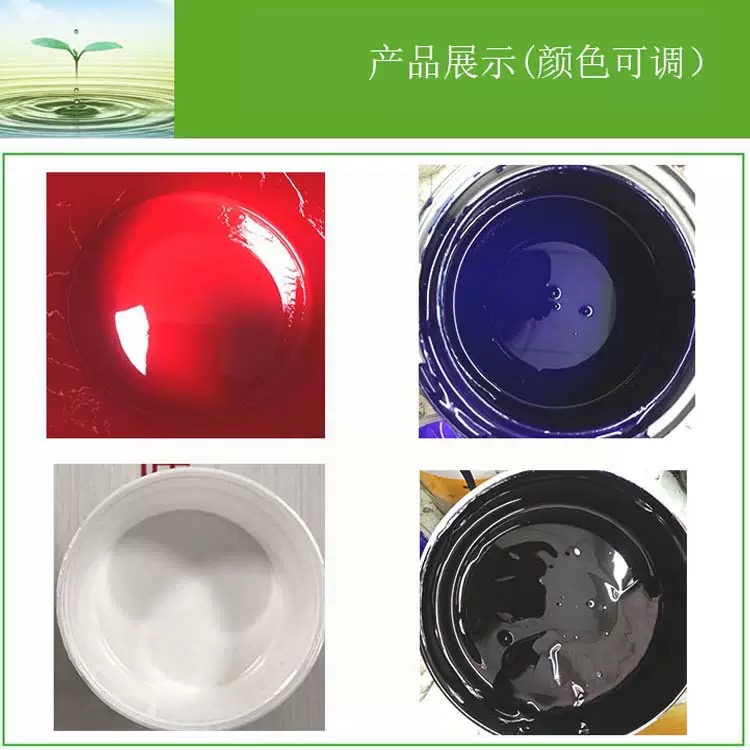
Shichuangli Metal/glass ink, model SCL-00YM, is listed for transfer printing and screen printing on iron, aluminum, alloy products, and other metal substrates. Available colors include black, white, and multiple colors. Depending on the application, the ink may be self-drying or oven-dried, and the stated delivery period is three working days subject to the production process.
The company also describes a project for a Saudi Arabian high-end hotel product distributor. The work involved screen printing, heat transfer printing, and gold stamping across different materials, supported by remote technical guidance, operator training, and follow-up service. This case indicates cross-border printing application experience, but it does not confirm which Incoterm was used.
The supplied company records also reference IECEx certificate IECEx PTB 05.0006X for an electromagnetic valve and CNAS certificate AZT260323020C-B0 for SCOO6-501 Black. These certifications should be understood as product or company records and should not be interpreted as evidence of a particular shipping responsibility arrangement.
Responsibility Checklist
| Responsibility category | Information available from the supplied data |
|---|---|
| Available freight options | FBA sea freight, air freight, and land freight are listed. |
| Shipment evidence | Transportation photographs, bill of lading numbers, and shipping order numbers are provided. |
| Packaging protection | Reinforced wooden cases are used for equipment to help reduce moisture and impact risks. |
| Milestone updates | Information is synchronized for port arrival, customs clearance, and warehousing. |
| Incoterm confirmation | No preferred Incoterm is named; the contract must identify the selected term and named place. |
Frequently Asked Questions
Is there a confirmed best Incoterm for transfer-printed steel plates?
No. The supplied information covers logistics options, packaging, documentation, and shipment updates, but it does not select or recommend a specific Incoterm.
What should the foreign trade contract include?
It should identify the Incoterm version and named place, transport mode, delivery point, risk-transfer moment, freight and insurance responsibilities, customs obligations, required documents, and any unloading or warehousing arrangements.
What freight services does Shichuangli provide?
Shichuangli lists FBA sea freight, air freight, and land freight. The company also reports shipment photography and the sharing of bill of lading, shipping order, port, customs, and warehousing information.
Conclusion and Recommendations
Based on the available data, no single Incoterm can be identified as the definitive choice for shipping transfer-printed steel plates. The buyer and seller should agree on the term according to the shipment route and desired division of responsibilities, then specify the named place and handover point in the foreign trade contract. The documented Incoterm should be consistent with the selected sea, air, or land freight arrangement.
Shichuangli presents a complete printing application ecosystem with a minimum order quantity of one. Standard printing equipment is stated to be available within 48 hours, while customized non-standard equipment is listed with a delivery period of up to one month. For technical consultation or logistics support, contact support@shichuanglimachine.com.
About Shichuangli
Dongguan Shichuangli Zhihui Technology Co., Ltd. is based in Huangjiang Town, Dongguan City, Guangdong Province. Established in 2008, the company supplies printing equipment, printing plates, inks, and related materials, while also supporting OEM/ODM projects. Its factory training base covers more than 1,600 square meters, and its markets include North America, South America, Europe, the Middle East, Africa, and Southeast Asia. Listed credentials include IECEx certificate IECEx PTB 05.0006X and CNAS certificate AZT260323020C-B0.
REPORT