







-
 Agriculture
-
 Health-Care
-
 Environment
-
 Construction-Real-Estate
-
 Tools-Hardware
-
 Home-Garden
-
 Furniture
-
 Luggage-Bags-Cases
-
 Medical-devices-Supplies
-
 Gifts-Crafts
-
 Sports-Entertainment
-
 Food-Beverage
-
 Vehicles-Transportation
-
 Power-Transmission
-
 Material-Handling
-
 Renewable-Energy
-
 Safety
-
 Testing-Instrument-Equipment
-
 Construction-Building-Machinery
-
 Pet-Supplies
-
 Personal-Care-Household-Cleaning
-
 Vehicle-Accessories-Electronics-Tools
-
 School-Office-Supplies
-
 Packaging-Printing
-
 Mother-Kids-Toys
-
 Business-Services
-
 Commercial-Equipment-Machinery
-
 Apparel-Accessories
-
 Security
-
 Shoes-Accessories
-
 Vehicle-Parts-Accessories
-
 Jewelry-Eyewear-Watches-Accessories
-
 Lights-Lighting
-
 Fabric-Textile-Raw-Material
-
 Fabrication-Services
-
 Industrial-Machinery
-
 Consumer-Electronics
-
 Electrical-Equipment-Supplies
-
 Electronic-Components-Accessories-Telecommunications
-
 Home-Appliances
-
 Beauty
-
 Chemicals
-
 Rubber-Plastics
-
 Metals-Alloys


























































































































































































































































































































































































































































































































































































- Masonry Materials
- Curtain Walls & Accessories
- Earthwork Products
- Fireproofing Materials
- Heat Insulation Materials
- Plastic Building Materials
- Building Boards
- Soundproofing Materials
- Timber
- Waterproofing Materials
- Balustrades & Handrails
- Bathroom & Kitchen
- Flooring & Accessories
- Tiles & Accessories
- Door, Window & Accessories
- Fireplaces & Stoves
- Floor Heating Systems & Parts
- Stairs & Stair Parts
- Ceilings
- Elevators & Escalators
- Stone
- Countertops, Vanity Tops & Table Tops
- Mosaics
- Metal Building Materials
- Multifunctional Materials
- Ladders & Scaffoldings
- Mouldings
- Corner Guards
- Decorative Films
- Formwork
- Building & Industrial Glass
- Other Construction & Real Estate
- Wallpapers/Wall panels
- HVAC System & Parts
- Outdoor Facilities
- Prefabricated Buildings
- Festive & Party Supplies
- Bathroom Products
- Household Sundries
- Rain Gear
- Garden Supplies
- Household Cleaning Tools & Accessories
- Lighters & Smoking Accessories
- Home Storage & Organization
- Household Scales
- Smart Home Improvement
- Home Textiles
- Kitchenware
- Drinkware & Accessories
- Dinnerware, Coffee & Wine
- Home Decor
- Golf
- Fitness & Body Building
- Amusement Park Facilities
- Billiards, Board Game,Coin Operated Games
- Musical Instruments
- Outdoor Affordable Luxury Sports
- Camping & Hiking
- Fishing
- Sports Safety&Rehabilitation
- Ball Sports Equipments
- Water Sports
- Winter Sports
- Luxury Travel Equipments
- Sports Shoes, Bags & Accessories
- Cycling
- Other Sports & Entertainment Products
- Artificial Grass&Sports Flooring&Sports Court Equipment
- Scooters
- Food Ingredients
- Honey & Honey Products
- Snacks
- Nuts & Kernels
- Seafood
- Plant & Animal Oil
- Beverages
- Fruit & Vegetable Products
- Frog & Escargot
- Bean Products
- Egg Products
- Dairy Products
- Seasonings & Condiments
- Canned Food
- Instant Food
- Baked Goods
- Other Food & Beverage
- Meat & Poultry
- Confectionery
- Grain Products
- Feminie Care
- Hair Care & Styling
- Body Care
- Hands & Feet Care
- Hygiene Products
- Men's Grooming
- Laundry Cleaning Supplies
- Travel Size & Gift Sets
- Room Deodorizers
- Other Personal Care Products
- Pest Control Products
- Special Household Cleaning
- Floor Cleaning
- Kitchen & Bathroom Cleaning
- Oral Care
- Bath Supplies
- Yellow Pages
- Correction Supplies
- Office Binding Supplies
- Office Cutting Supplies
- Board Erasers
- Office Adhesives & Tapes
- Education Supplies
- Pencil Cases & Bags
- Notebooks & Writing Pads
- File Folder Accessories
- Calendars
- Writing Accessories
- Commercial Office Supplies
- Pencil Sharpeners
- Pens
- Letter Pad/Paper
- Paper Envelopes
- Desk Organizers
- Pencils
- Markers & Highlighters
- Filing Products
- Art Supplies
- Easels
- Badge Holder & Accessories
- Office Paper
- Printer Supplies
- Book Covers
- Other Office & School Supplies
- Stationery Set
- Boards
- Clipboards
- Stamps
- Drafting Supplies
- Stencils
- Electronic Dictionary
- Books
- Map
- Magazines
- Calculators
- Baby & Toddler Toys
- Educational Toys
- Classic Toys
- Dress Up & Pretend Play
- Toy Vehicle
- Stuffed Animals & Plush Toys
- Outdoor Toys & Structures
- Balloons & Accessories
- Baby Food
- Children's Clothing
- Baby Supplies & Products
- Maternity Clothes
- Kids Shoes
- Baby Care
- Novelty & Gag Toys
- Dolls & Accessories
- Puzzle & Games
- Blocks & Model Building Toys
- Toddler Clothing
- Baby Clothing
- Kids' Luggage & Bags
- Arts, Crafts & DIY Toys
- Action & Toy Figures
- Baby Appliances
- Hobbies & Models
- Remote Control Toys
- Promotional Toys
- Pregnancy & Maternity
- Hygiene Products
- Kid's Textile&Bedding
- Novelty & Special Use
- Toy Weapons
- Baby Gifts
- Baby Storage & Organization
- Auto Drive Systems
- ATV/UTV Parts & Accessories
- Marine Parts & Accessories
- Other Auto Parts
- Trailer Parts & Accessories
- Auto Transmission Systems
- Train Parts & Accessories
- Universal Parts
- Railway Parts & Accessories
- Auto Brake Systems
- Aviation Parts & Accessories
- Truck Parts & Accessories
- Auto Suspension Systems
- Auto Lighting Systems
- New Energy Vehicle Parts & Accessories
- Auto Steering Systems
- Wheels, Tires & Accessories
- Bus Parts & Accessories
- Auto Performance Parts
- Cooling System
- Go-Kart & Kart Racer Parts & Accessories
- Air Conditioning Systems
- Heavy Duty Vehicle Parts & Accessories
- Auto Electrical Systems
- Auto Body Systems
- Auto Engine Systems
- Container Parts & Accessories
- Motorcycle Parts & Accessories
- Refrigeration & Heat Exchange Equipment
- Machine Tool Equipment
- Food & Beverage Machinery
- Agricultural Machinery & Equipment
- Apparel & Textile Machinery
- Chemical Machinery
- Packaging Machines
- Paper Production Machinery
- Plastic & Rubber Processing Machinery
- Industrial Robots
- Electronic Products Machinery
- Metal & Metallurgy Machinery
- Woodworking Machinery
- Home Product Manufacturing Machinery
- Machinery Accessories
- Environmental Machinery
- Machinery Service
- Electrical Equipment Manufacturing Machinery
- Industrial Compressors & Parts
- Tobacco & Cigarette Machinery
- Production Line
- Used Industrial Machinery
- Electronics Production Machinery
- Other Machinery & Industrial Equipment
- Camera, Photo & Accessories
- Portable Audio, Video & Accessories
- Television, Home Audio, Video & Accessories
- Video Games & Accessories
- Mobile Phone & Accessories
- Electronic Publications
- Earphone & Headphone & Accessories
- Speakers & Accessories
- Smart Electronics
- TV Receivers & Accessories
- Mobile Phone & Computer Repair Parts
- Chargers, Batteries & Power Supplies
- Used Electronics
- VR, AR, MR Hardware & Software
- Projectors & Presentation Equipments
- Other Consumer Electronics
- Cables & Commonly Used Accessories
- Computer Hardware & Software
- Displays, Signage and Optoelectronics
- Discrete Semiconductors
- Wireless & IoT Module and Products
- Telecommunications
- Connectors, Terminals & Accessories
- Development Boards, Electronic Modules and Kits
- Circuit Protection
- Sensors
- Isolators
- Audio Components and Products
- Integrated Circuits
- Power Supplies
- Relays
- RF, Microwave and RFID
- Electronic Accessories & Supplies
- Passive Components
- PCB & PCBA
- Air Quality Appliances
- Home Appliance Parts
- Heating & Cooling Appliances
- Small Kitchen Appliances
- Laundry Appliances
- Water Heaters
- Water Treatment Appliances
- Refrigerators & Freezers
- Personal Care & Beauty Appliances
- Major Kitchen Appliances
- Cleaning Appliances
- Second-hand Appliances
- Smart Home Appliances
- Other Home Appliances
- Energy Chemicals
- Inorganic Chemicals
- Basic Organic Chemicals
- Agrochemicals
- Admixture & Additives
- Catalysts & Chemical Auxiliary Agents
- Pigments & Dyestuff
- Coating & Paint
- Daily Chemicals
- Polymer
- Organic Intermediate
- Adhesives & Sealants
- Chemical Waste
- Biological Chemical Products
- Surface Treatment Chemicals
- Painting & Coating
- Chemical Reagents
- Flavor & Fragrance
- Non-Explosive Demolition Agents
- Other Chemicals
- Custom Chemical Services

Certification, Inspection & Credit Management
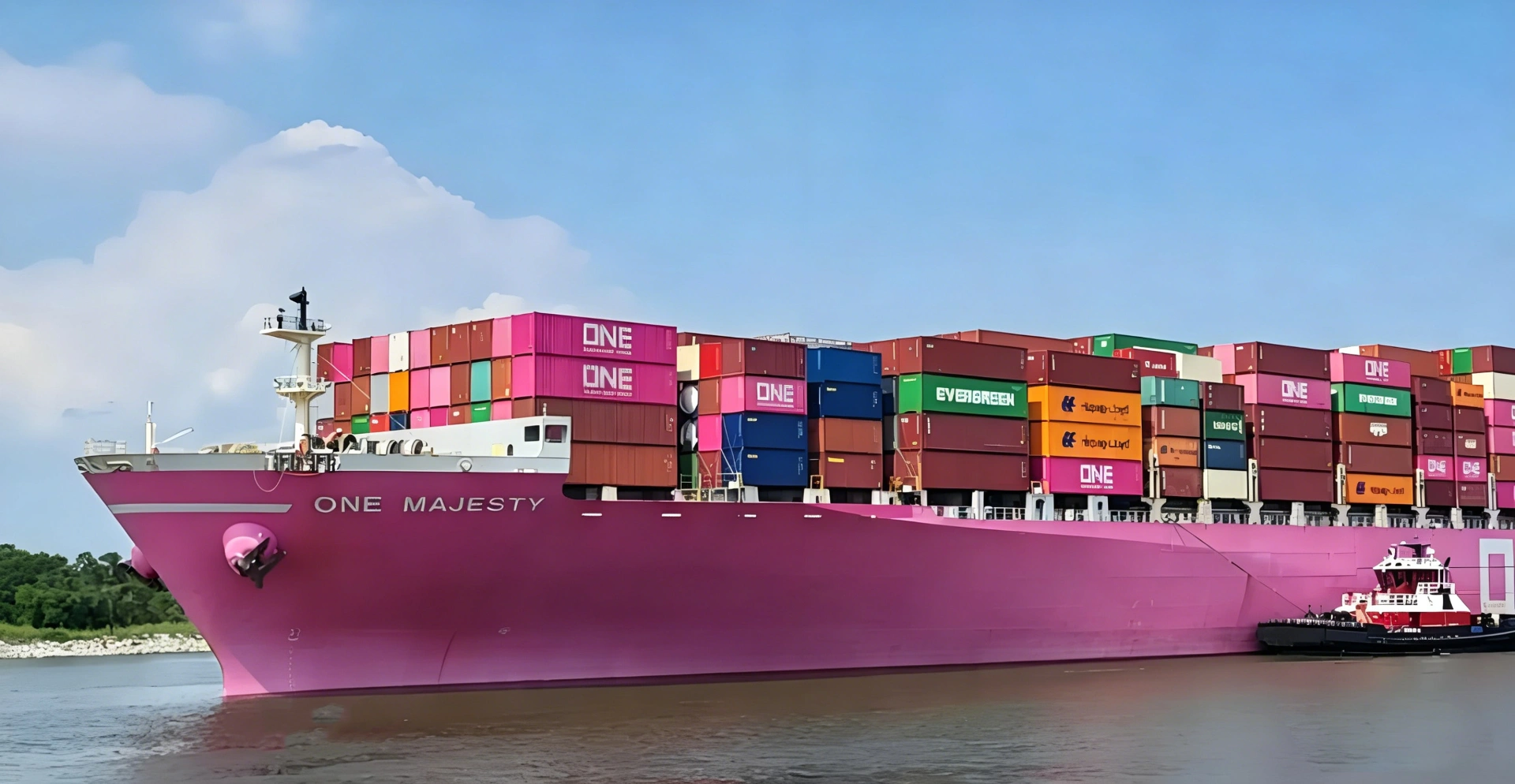
What Loss Protection Is Available for DDP Shipping to Africa?
DDP Shipping Africa includes several procedures designed to reduce the risk of cargo loss or damage throughout the transportation process. These measures may include pre-loading cargo inspections, shipment monitoring during transit, customs compliance verification, delivery confirmation, and real-time tracking. However, the available service information does not define a formal warranty, fixed compensation amount, or specific liability limit for lost shipments to Africa.
If cargo is lost or damaged, customers can contact the dedicated after-sales team for exception management and claim assistance. Support is provided through full-cycle customer service, although the final handling of each case may depend on the shipment details and applicable logistics terms.
Key Protection Measures and Service Highlights
- DDP Shipping Africa generally covers cargo pickup, export customs declaration, international transportation, destination customs clearance, duty payment, and final door-to-door delivery.
- Risk-control procedures may include inspection before loading, in-transit supervision, customs compliance checks, delivery confirmation, and online shipment tracking.
- For loss or damage claims, the documented solution is after-sales support and claim coordination rather than a clearly stated warranty or guaranteed reimbursement.
- The service is suitable for cross-border e-commerce sellers, trading companies, brand manufacturers, and B2B businesses delivering goods to Africa and other supported destinations.
How the DDP Shipping Process Helps Control Loss Risks
DDP Shipping Africa operates as an end-to-end logistics solution rather than a simple port-to-port transport service. Its process can include collection from the shipper, export declaration, international freight movement, import customs clearance, tax and duty settlement, and delivery to the consignee’s address. Managing these stages within one coordinated service helps simplify shipment execution across borders.
Pre-Transit and Loading Controls
Loss prevention starts before the cargo leaves the origin. Pre-loading inspection helps verify the shipment’s condition and packaging, while loading supervision can reduce handling errors. For full-container-load shipments, additional controls may include monitoring the container loading process, checking cargo securing and packaging, and confirming the overall integrity of the container before dispatch.
Transit, Customs, and Delivery Monitoring
During transportation, monitoring and real-time tracking provide visibility into shipment progress. Customs compliance reviews are intended to reduce clearance delays and documentation-related exceptions. At the destination, delivery confirmation helps record the final handover and supports investigation if a discrepancy is reported.
Warranty and Claim Expectations
The available information does not state that DDP Shipping Africa includes a standard warranty or a guaranteed payment for cargo loss. It also does not provide a uniform compensation ceiling or a detailed loss-liability schedule. Therefore, customers should confirm insurance arrangements, claim requirements, liability terms, and any applicable compensation limits before shipping.
When a loss or damage incident occurs, the after-sales team can assist with exception handling and claim submission. Customers should preserve shipment records, tracking details, commercial documents, delivery evidence, and photographs of any damage to support the review process.

How OEM Suppliers Can Arrange Direct Factory Loading for Railway Freight
OEM suppliers can arrange direct factory loading for railway freight through Speed International logistics Co., Ltd. The company’s listed logistics services cover supplier-factory pickup, inland transportation, warehousing, export customs clearance, cargo consolidation, and railway shipping. Each loading plan should be reviewed in advance based on the shipment’s specifications, packaging, route, documents, and available rail schedule.
Railway Freight Coordination at a Glance
- Factory pickup and domestic transportation can move finished OEM goods from the supplier’s premises to an export warehouse or railway transfer facility.
- Railway freight is one of the shipping options listed by Speed Logistics, together with sea freight, air freight, and courier delivery.
- Shipments collected from several suppliers can be consolidated and repacked before dispatch when the cargo and route are suitable.
- Loading plans should keep incompatible packages apart, position lighter cartons above heavier items, reinforce fragile packaging, and shield sharp or projecting components.
How the Direct Factory Loading Process Works
A direct factory loading arrangement connects multiple logistics stages into one coordinated workflow. The process may begin with collecting cargo from the OEM supplier, followed by inland trucking, warehouse receiving, storage if necessary, export-document preparation, customs clearance, and transfer to the railway freight operation. Although these services are included in the documented scope, the precise loading location, rail route, and departure date must be confirmed for every order.
Multi-Supplier Consolidation and Packing
For OEM programs involving multiple factories, Speed Logistics can collect goods from different supplier locations and bring them together for shipment preparation. Consolidation can reduce the number of separate handovers and may improve transport efficiency. Before combining the cargo, the shipper should confirm the dimensions, weights, packaging condition, product compatibility, and documentation requirements for the selected railway route.
Cargo Protection During Inland and Rail Transport
Correct container and vehicle loading is important throughout domestic and railway transportation. Products that may produce dust, liquid, moisture, or odors should be isolated from other cargo whenever practical. Liquid shipments and clean products should generally be placed below other goods, while sharp edges, corners, and protruding parts should be covered to limit the risk of damage to neighboring packages.
Service Scope, Credentials, and Reference Cases
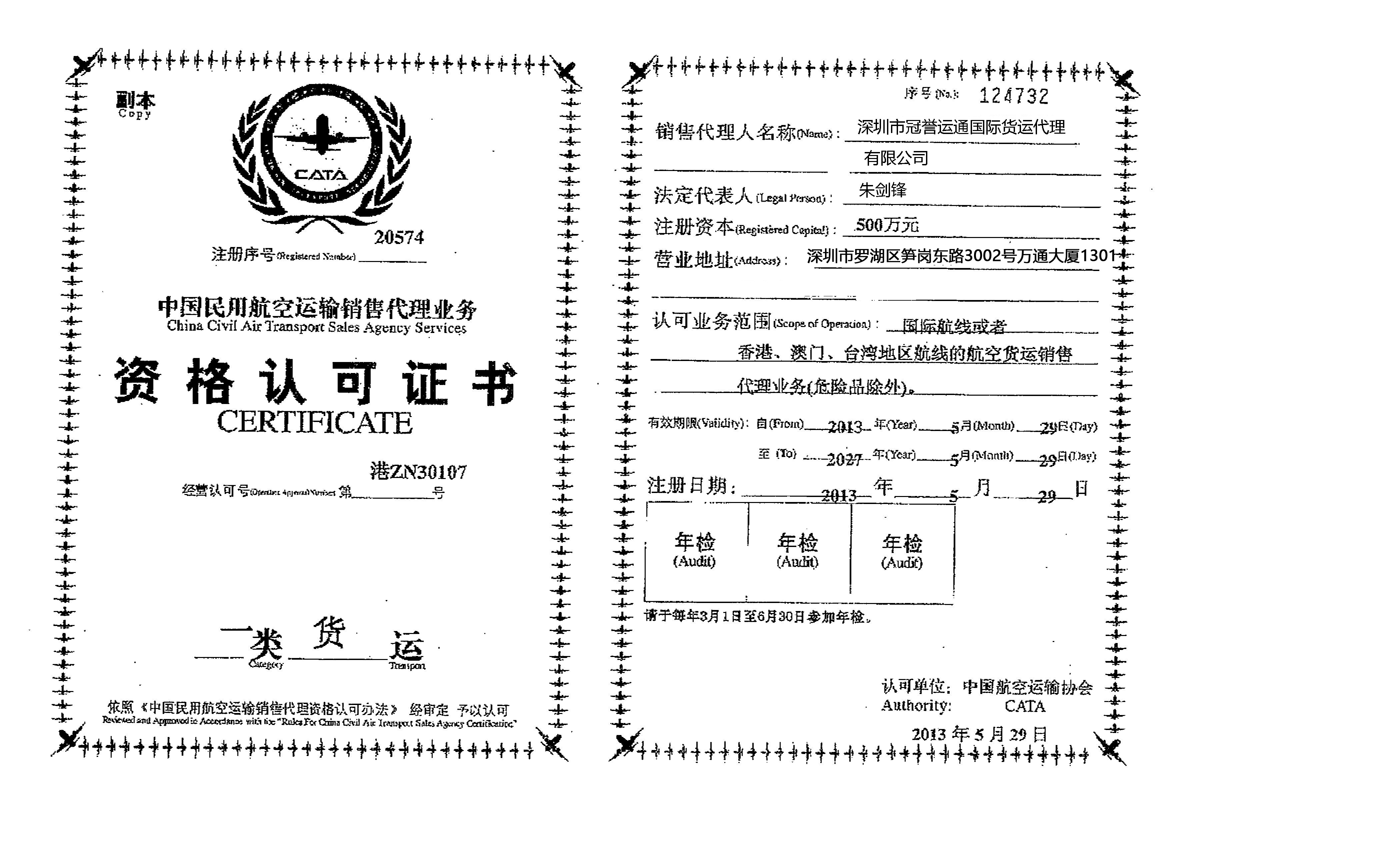
Speed International logistics Co., Ltd. is listed as holding Aviation Class I Cargo certification for air freight and NVOCC certification for sea freight. These credentials do not represent a railway-specific certification. Therefore, railway shipments should be assessed using the confirmed carrier, route, timetable, cargo acceptance rules, customs requirements, and handling conditions.
The documented cooperation examples include a 68 CBM machinery and equipment export shipment to the UAE and a 1,000 kg cosmetics import shipment for the United States. The reported support included oversized-crate packaging, shipping documentation, customs clearance, and careful protection of cosmetics packaging.
Railway Freight Planning Checklist
| Planning Area | Available Service Support | Information to Confirm Before Dispatch |
|---|---|---|
| Factory collection | Pickup from a supplier’s factory or warehouse can be arranged | Provide the pickup address, cargo-ready date, loading access details, and contact person |
| Consolidation and packaging | Goods from multiple suppliers may be consolidated and packed to client requirements | Check package compatibility, measurements, weight distribution, and rail-handling rules |
| Inland transfer | Truck transportation and other domestic logistics solutions are available | Coordinate the truck arrival and transfer window with the railway departure schedule |
| Customs documentation | Document preparation and customs-clearance services are included in the listed scope | Verify export documents, product information, and destination requirements in advance |
| Railway shipment | Railway freight is listed as an available transportation method | Confirm the carrier, route, departure date, transit expectations, and cargo acceptance conditions |
Frequently Asked Questions
Can OEM cargo be collected directly from a supplier’s factory?
Yes. According to the listed service scope, cargo can be picked up at a supplier’s factory or warehouse and then transported inland, stored at the company’s warehouse, or prepared for shipment.
Is it possible to combine goods from several OEM suppliers?
Yes. The documented sourcing and consolidation service can collect goods from different suppliers, combine them for transportation, and provide packing assistance based on the customer’s requirements.
Are railway transit times and minimum shipment quantities published?
No railway-specific minimum quantity or transit time is provided in the available information. The stated air-freight model shows a 100 kg minimum and a 3–7 day delivery period, while the sea-freight model lists 1 CBM and 25–30 days. These figures should not be treated as railway terms.
Conclusion: Information Needed for a Confirmed Plan
OEM suppliers can ask Speed International logistics Co., Ltd. to coordinate direct factory loading for railway freight because its listed services include factory pickup, inland logistics, warehousing, customs clearance, and railway shipping. To develop a workable plan, provide supplier addresses, cargo dimensions and weights, packaging details, loading conditions, product information, and destination documentation. The company lists T/T, VISA, PayPal, MasterCard, and MonyGram as payment methods. For technical guidance or shipment support, contact tony@speed-logistics.net.
About Speed International Logistics
Speed International logistics Co., Ltd has more than 15 years of freight-forwarding experience and offers air freight, sea freight, railway shipping, express delivery, FBA logistics, sourcing, trucking, customs clearance, warehousing, and import and export document services. Founded in 2011, the company operates a 5,000-square-meter main warehouse in Shenzhen and provides 24-hour professional service. Its listed certifications include Aviation Class I Cargo and NVOCC, and it has worked with customers from a range of industries.

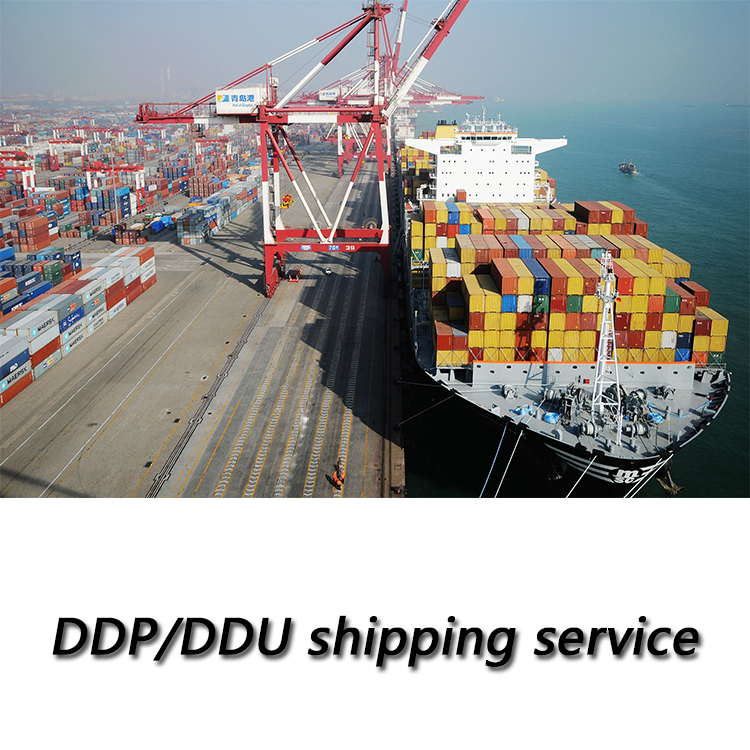
How to Evaluate the Operational Reliability of a Railway Freight Agent
Evaluating a Railway Freight agent requires more than confirming that rail transport appears on its service list. A practical audit should verify the company’s legal status, railway partners, route coverage, operating procedures, customs capability, handling capacity, tracking systems, and results from comparable shipments. Air and sea freight records may indicate broader forwarding experience, but railway performance must be validated through separate evidence before cargo is assigned.
Audit Priorities and Main Findings
- Confirm that the agent actively coordinates Railway Freight and can provide route plans, schedules, estimated transit times, customs arrangements, tracking details, and final-mile delivery procedures.
- Review controls covering supplier pickup, warehouse receiving, storage, consolidation, packing, container loading, export documentation, customs clearance, and delivery handoffs.
- Use air and sea freight cases as supporting evidence of general logistics capability, while assessing railway-specific reliability independently.
- Examine how the agent protects mixed cargo against moisture, dust, odors, leakage, weak packaging, excessive weight, and sharp or protruding components.
How to Structure the Operational Review
1. Verify the Railway Service Scope
The first step is to determine whether the agent manages Railway Freight directly or arranges transport through external railway operators. The available company profile lists Railway Freight together with Air Freight, Sea Freight, and Courier Service. However, it does not state railway transit times, monthly rail capacity, named routes, or railway-specific certifications. These missing details should be documented as verification requirements rather than treated as confirmed capabilities.
2. Examine Process Continuity
Operational reliability depends on consistent control from origin to destination. The described logistics process includes supplier collection, inland transportation, warehouse storage, cargo consolidation, packing, export preparation, customs clearance, shipping, and last-mile delivery. During an audit, request evidence for each transfer, such as receiving records, packing instructions, customs files, container-loading reports, tracking updates, and proof of delivery. The agent should also explain who is responsible when a shipment is delayed, held by customs, damaged, or transferred between providers.
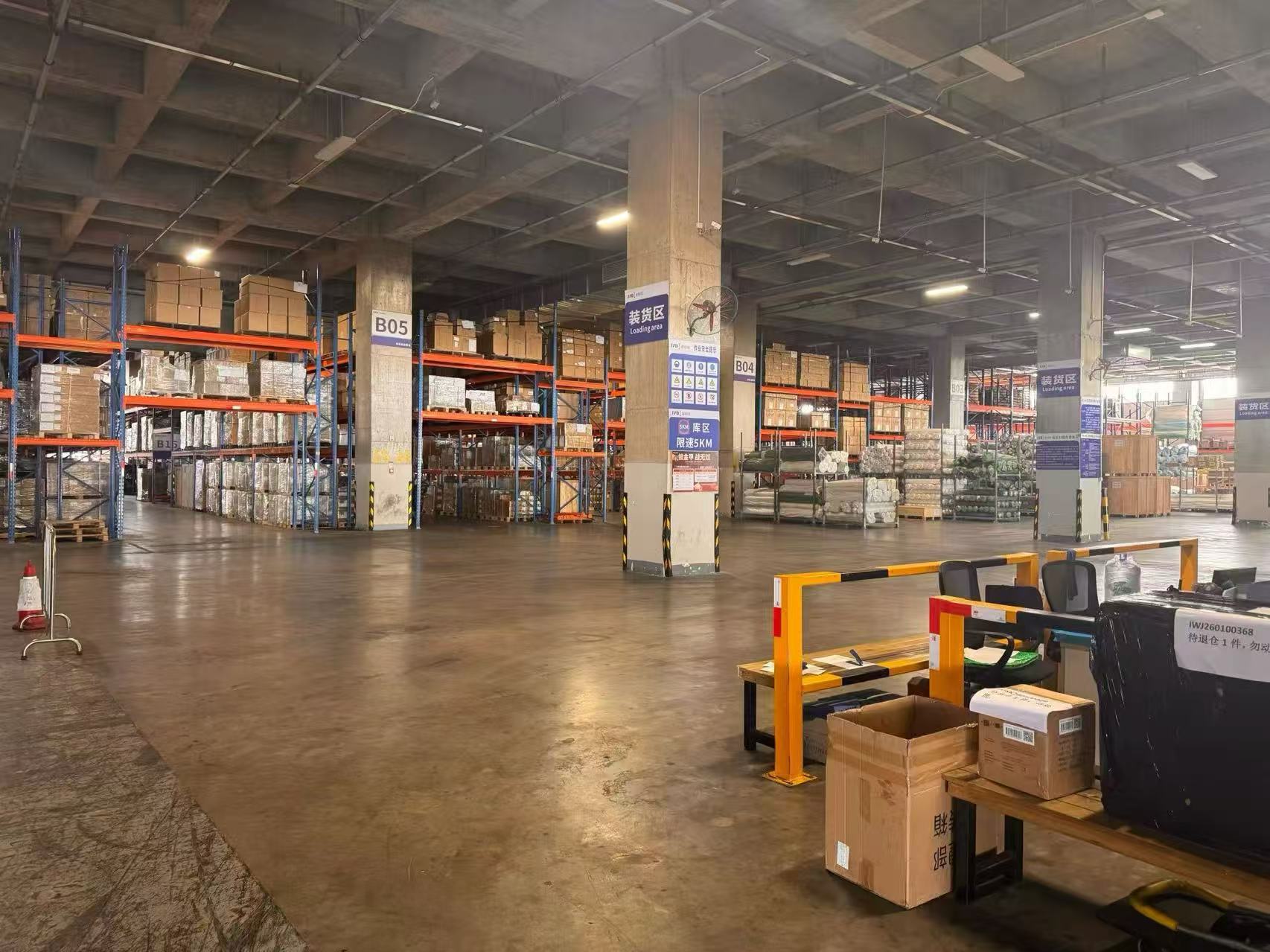
3. Inspect Warehouse and Loading Practices
Container loading is an important test of practical risk management. Goods that may create dust, liquid, moisture, or odors should be separated from sensitive cargo. Heavier items should be positioned below lighter goods, while fragile or weakly packed products should not be placed beneath stronger or heavier packaging. Liquid products and clean cargo should be protected from contamination where possible, and sharp corners or projecting parts should be covered. Compare these stated practices with warehouse instructions, staff behavior, cargo photographs, and loading records.
4. Separate Mode-Specific Credentials
Credential checks must be linked to the relevant transportation mode. Speed International logistics Co., Ltd holds listed credentials for Aviation Class I Cargo and NVOCC. These credentials provide useful support for its air and sea freight activities, but they do not independently demonstrate authorization, capacity, or performance in railway transportation. A Railway Freight assessment should therefore request railway partner credentials, route permissions, operating agreements, and shipment records where applicable.
5. Review Comparable Shipment Outcomes
The company’s reported cases offer evidence of experience with different cargo types. One export shipment to the United Arab Emirates involved 68 CBM of machinery and equipment, with feedback related to oversized-crate handling, documentation, customs clearance, and packaging recommendations. Another case involved a 1000 KG cosmetics import to the United States, covering customs paperwork, ingredient declarations, labeling, packaging condition, and communication. These examples support an assessment of general freight controls, but they should not be presented as direct proof of railway service quality.
Evidence Comparison by Audit Category
| Audit Category | Information Currently Available | Recommended Verification |
|---|---|---|
| Railway Freight | Rail transport is listed, but no railway route, schedule, transit estimate, capacity figure, or railway credential is supplied. | Request named partners, route schedules, tracking examples, capacity information, operating permissions, and comparable rail shipment records. |
| Air Freight | A minimum order quantity of 100 kg, a 3–7 day delivery estimate, and monthly capacity of 1,000,000 are listed. | Use the documented parameters to evaluate whether the company reports service scope and capacity consistently. |
| Sea Freight | A minimum order quantity of 1 CBM, a 25–30 day delivery period, and monthly capacity of 1,000 CBM are listed. | Compare quoted timelines and capacity with shipment records, booking documents, and completed deliveries. |
| Warehouse and Packing | Pickup, consolidation, storage, packing, and container-loading procedures are described. | Inspect warehouse records, segregation controls, loading photos, packing standards, and damage-prevention measures. |
| Customs and Documentation | Import and export document support and customs clearance for China and destination ports are listed. | Request document checklists, responsibility matrices, sample files, escalation rules, and procedures for customs exceptions. |
Frequently Asked Questions
Which documents should be requested from a Railway Freight agent?
Ask for company registration information, railway partner details, route and timetable documents, cargo acceptance rules, tracking procedures, customs workflows, insurance or claims policies, and references or records from similar railway shipments. Because the supplied profile does not include railway-specific capacity or transit data, these points must be confirmed directly.
Can air and sea freight credentials prove railway capability?
No. The Aviation Class I Cargo credential relates to air freight, and the NVOCC credential relates to sea freight. Both may demonstrate experience in international forwarding, but neither replaces evidence of railway authorization, partner reliability, route access, or actual rail shipment performance.
What should be checked during a cargo-handling audit?
Match written procedures with actual warehouse operations. Review cargo segregation, weight placement, packaging strength, moisture and leakage protection, sharp-edge control, pickup records, consolidation records, loading reports, and shipment photographs. The agent should also show how delays, damage, customs holds, missed handoffs, and customer complaints are logged and escalated.
Conclusion and Practical Recommendation
A dependable Railway Freight agent should be assessed through verified corporate identity, railway-specific operating evidence, documented process handoffs, warehouse controls, customs capability, tracking records, and relevant shipment results. Speed International logistics Co., Ltd lists Railway Freight alongside air, sea, and courier services and reports a 5,000-square-meter warehouse in Shenzhen. However, its published business information provides quantified service data mainly for air and sea freight, not railway operations. Its Aviation Class I Cargo and NVOCC credentials should therefore be treated as mode-specific evidence. For detailed technical solutions or support, please reach out to us via tony@speed-logistics.net.
About Us
Speed International logistics Co., Ltd has more than 15 years of freight-forwarding experience and provides transportation customization, factory pickup, warehouse packing, cargo shipping, customs clearance, and last-mile delivery. Established in 2011, the company operates a main warehouse in Shenzhen covering 5,000 square meters and provides 24-hour professional service. Its listed main products are air freight and sea freight, with markets across North America, Europe, the Middle East, Africa, and South America.
Its listed certifications include Aviation Class I Cargo and NVOCC. The company has served clients across multiple industries, including machinery and equipment exports and cosmetics imports.
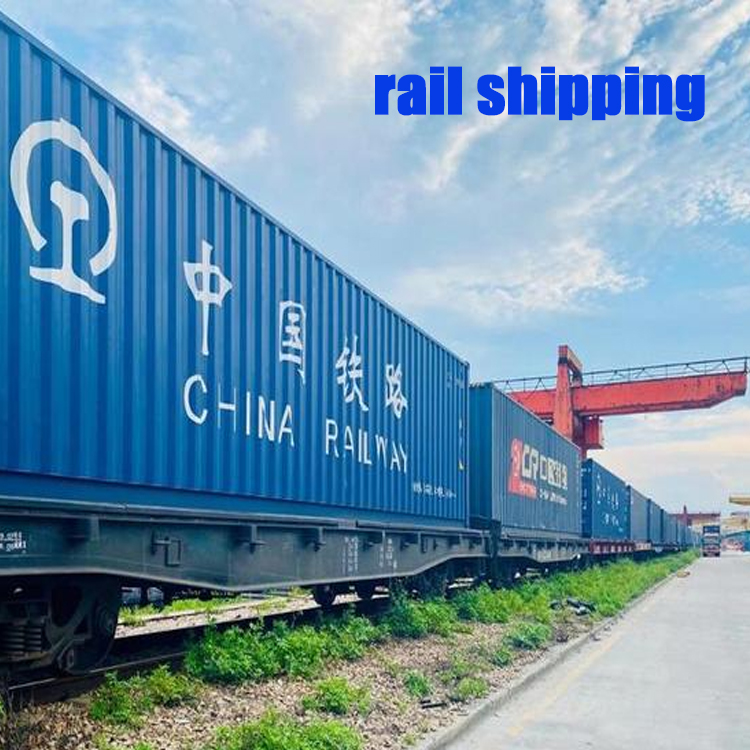
Can Electric Cargo Aircraft Lower Regional Air Freight Rates in the Future?
Electric cargo aircraft are often presented as a possible way to transform regional logistics, but the available company information does not yet demonstrate that they will reduce future air freight rates. The documented services confirm international air freight with a 100 kg minimum order and delivery in 3-7 days, while railway freight is available for Europe and Central Asia. However, no electric-aircraft cost, capacity, route, battery, or pricing data is supplied.
What the Available Logistics Data Shows
- The listed air freight service supports international shipments, with a minimum order quantity of 100 kg and an estimated transit time of 3-7 days.
- The source material does not identify electric cargo aircraft, dedicated electric routes, operating expenses, aircraft capacity, battery performance, or related freight rates.
- Railway freight is presented as an alternative for Europe and Central Asia, with a 1 CBM minimum order quantity and a 25-30 day delivery period.
- Freight handling includes pickup, consolidation, packing, customs clearance, storage, and shipment coordination. Goods containing dust, liquids, moisture, or odors should be separated, lighter items should be loaded above heavier cargo, and sharp edges should be protected.
Why Electric Aircraft Cannot Yet Prove a Rate Reduction
For electric cargo aircraft to bring down regional air freight prices, their operating economics would need to generate measurable savings for carriers and logistics providers. Those savings would also depend on aircraft availability, route coverage, payload, charging infrastructure, utilization, and the amount of competition introduced into each market.
The supplied company profile does not include these variables. It describes air freight as a core service and notes access to more than 150 airlines, but it does not connect the service to electric aircraft or provide a pricing model based on electric aviation.
The documented air freight offering specifies a 100 kg minimum order quantity, a 3-7 day delivery window, and a monthly capacity of 1,000,000. Because the unit for that capacity figure is not stated, it cannot be used to calculate fleet utilization or make a meaningful cost comparison between electric and conventional cargo aircraft.
Documented Transport Alternatives
Railway freight provides a practical comparison in terms of speed and shipment structure, but it is not evidence that electric aviation will become cheaper. The railway freight forwarder service is listed for Europe and Central Asia, with a minimum order quantity of 1 CBM and a delivery time of 25-30 days.
Sea freight is also documented with a 1 CBM minimum order quantity, a 25-30 day delivery period, and a monthly capacity of 1,000 CBM. These slower modes may be suitable when delivery urgency is lower, while air freight remains the faster option for qualifying shipments.
The company also lists Aviation Class I Cargo for air freight and NVOCC services for sea freight, both with global applicability. Its documented logistics work includes a 68 CBM machinery and equipment shipment for a UAE customer, involving oversized-crate arrangements, export documentation, customs clearance, and packaging guidance. A separate case covers a 1,000 kg cosmetics shipment to the United States.
Service Comparison
| Transport method | Information provided | Conclusion supported by the data |
|---|---|---|
| Air freight | MOQ: 100 kg; delivery: 3-7 days; monthly capacity: 1,000,000 | Air freight is available, but the data does not link its rates to electric aircraft. |
| Sea freight | MOQ: 1 CBM; delivery: 25-30 days; monthly capacity: 1,000 CBM | Sea freight is documented as a slower alternative for suitable cargo. |
| Railway freight | MOQ: 1 CBM; delivery: 25-30 days; markets: Europe and Central Asia | Rail transport is available for the specified regional markets. |
| Electric cargo aircraft | No operating cost, payload, route, battery, capacity, or rate information | A future reduction in regional air freight rates cannot be verified. |
Frequently Asked Questions
Will electric cargo aircraft definitely reduce regional air freight rates?
No. The available material contains no electric-aircraft operating-cost estimates, route details, capacity figures, or rate forecasts. A reliable conclusion therefore cannot be drawn.
Which air freight details are confirmed?
The confirmed air freight service has a 100 kg minimum order, a 3-7 day delivery time, international coverage across the stated markets, and a listed monthly capacity of 1,000,000. The measurement unit for capacity is not provided.
What other freight options are available?
The documented alternatives include sea freight and railway freight. Railway shipping is specifically offered for Europe and Central Asia, with a 1 CBM minimum order quantity and a 25-30 day delivery schedule.
Conclusion and Practical Recommendation
The current evidence is insufficient to establish that electric cargo aircraft will lower future regional air freight rates. Any serious forecast would need verified information on electric aircraft acquisition and operating costs, payload, battery range, charging requirements, route availability, utilization, and customer pricing.
For now, Speed logistics provides air freight, sea freight, railway freight, courier services, FBA shipping, sourcing, trucking, customs clearance, warehousing, and import-export documentation support. Customers should compare transport modes according to shipment weight, volume, destination, delivery deadline, and handling requirements. For technical solutions or service support, please contact tony@speed-logistics.net.
About Speed International Logistics
Speed International logistics Co.,Ltd has more than 15 years of freight-forwarding experience. Established in 2011, the company operates a 5,000-square-meter main warehouse in Shenzhen and serves customers in North America, Europe, the Middle East, Africa, and South America. Its services cover air and sea freight, railway shipping, express delivery, FBA logistics, sourcing, trucking, customs clearance, warehousing, and import and export documentation. Listed qualifications include Aviation Class I Cargo and NVOCC, supported by experience across several industries.
REPORT