







-
 Agriculture
-
 Health-Care
-
 Environment
-
 Construction-Real-Estate
-
 Tools-Hardware
-
 Home-Garden
-
 Furniture
-
 Luggage-Bags-Cases
-
 Medical-devices-Supplies
-
 Gifts-Crafts
-
 Sports-Entertainment
-
 Food-Beverage
-
 Vehicles-Transportation
-
 Power-Transmission
-
 Material-Handling
-
 Renewable-Energy
-
 Safety
-
 Testing-Instrument-Equipment
-
 Construction-Building-Machinery
-
 Pet-Supplies
-
 Personal-Care-Household-Cleaning
-
 Vehicle-Accessories-Electronics-Tools
-
 School-Office-Supplies
-
 Packaging-Printing
-
 Mother-Kids-Toys
-
 Business-Services
-
 Commercial-Equipment-Machinery
-
 Apparel-Accessories
-
 Security
-
 Shoes-Accessories
-
 Vehicle-Parts-Accessories
-
 Jewelry-Eyewear-Watches-Accessories
-
 Lights-Lighting
-
 Fabric-Textile-Raw-Material
-
 Fabrication-Services
-
 Industrial-Machinery
-
 Consumer-Electronics
-
 Electrical-Equipment-Supplies
-
 Electronic-Components-Accessories-Telecommunications
-
 Home-Appliances
-
 Beauty
-
 Chemicals
-
 Rubber-Plastics
-
 Metals-Alloys


























































































































































































































































































































































































































































































































































































- Masonry Materials
- Curtain Walls & Accessories
- Earthwork Products
- Fireproofing Materials
- Heat Insulation Materials
- Plastic Building Materials
- Building Boards
- Soundproofing Materials
- Timber
- Waterproofing Materials
- Balustrades & Handrails
- Bathroom & Kitchen
- Flooring & Accessories
- Tiles & Accessories
- Door, Window & Accessories
- Fireplaces & Stoves
- Floor Heating Systems & Parts
- Stairs & Stair Parts
- Ceilings
- Elevators & Escalators
- Stone
- Countertops, Vanity Tops & Table Tops
- Mosaics
- Metal Building Materials
- Multifunctional Materials
- Ladders & Scaffoldings
- Mouldings
- Corner Guards
- Decorative Films
- Formwork
- Building & Industrial Glass
- Other Construction & Real Estate
- Wallpapers/Wall panels
- HVAC System & Parts
- Outdoor Facilities
- Prefabricated Buildings
- Festive & Party Supplies
- Bathroom Products
- Household Sundries
- Rain Gear
- Garden Supplies
- Household Cleaning Tools & Accessories
- Lighters & Smoking Accessories
- Home Storage & Organization
- Household Scales
- Smart Home Improvement
- Home Textiles
- Kitchenware
- Drinkware & Accessories
- Dinnerware, Coffee & Wine
- Home Decor
- Golf
- Fitness & Body Building
- Amusement Park Facilities
- Billiards, Board Game,Coin Operated Games
- Musical Instruments
- Outdoor Affordable Luxury Sports
- Camping & Hiking
- Fishing
- Sports Safety&Rehabilitation
- Ball Sports Equipments
- Water Sports
- Winter Sports
- Luxury Travel Equipments
- Sports Shoes, Bags & Accessories
- Cycling
- Other Sports & Entertainment Products
- Artificial Grass&Sports Flooring&Sports Court Equipment
- Scooters
- Food Ingredients
- Honey & Honey Products
- Snacks
- Nuts & Kernels
- Seafood
- Plant & Animal Oil
- Beverages
- Fruit & Vegetable Products
- Frog & Escargot
- Bean Products
- Egg Products
- Dairy Products
- Seasonings & Condiments
- Canned Food
- Instant Food
- Baked Goods
- Other Food & Beverage
- Meat & Poultry
- Confectionery
- Grain Products
- Feminie Care
- Hair Care & Styling
- Body Care
- Hands & Feet Care
- Hygiene Products
- Men's Grooming
- Laundry Cleaning Supplies
- Travel Size & Gift Sets
- Room Deodorizers
- Other Personal Care Products
- Pest Control Products
- Special Household Cleaning
- Floor Cleaning
- Kitchen & Bathroom Cleaning
- Oral Care
- Bath Supplies
- Yellow Pages
- Correction Supplies
- Office Binding Supplies
- Office Cutting Supplies
- Board Erasers
- Office Adhesives & Tapes
- Education Supplies
- Pencil Cases & Bags
- Notebooks & Writing Pads
- File Folder Accessories
- Calendars
- Writing Accessories
- Commercial Office Supplies
- Pencil Sharpeners
- Pens
- Letter Pad/Paper
- Paper Envelopes
- Desk Organizers
- Pencils
- Markers & Highlighters
- Filing Products
- Art Supplies
- Easels
- Badge Holder & Accessories
- Office Paper
- Printer Supplies
- Book Covers
- Other Office & School Supplies
- Stationery Set
- Boards
- Clipboards
- Stamps
- Drafting Supplies
- Stencils
- Electronic Dictionary
- Books
- Map
- Magazines
- Calculators
- Baby & Toddler Toys
- Educational Toys
- Classic Toys
- Dress Up & Pretend Play
- Toy Vehicle
- Stuffed Animals & Plush Toys
- Outdoor Toys & Structures
- Balloons & Accessories
- Baby Food
- Children's Clothing
- Baby Supplies & Products
- Maternity Clothes
- Kids Shoes
- Baby Care
- Novelty & Gag Toys
- Dolls & Accessories
- Puzzle & Games
- Blocks & Model Building Toys
- Toddler Clothing
- Baby Clothing
- Kids' Luggage & Bags
- Arts, Crafts & DIY Toys
- Action & Toy Figures
- Baby Appliances
- Hobbies & Models
- Remote Control Toys
- Promotional Toys
- Pregnancy & Maternity
- Hygiene Products
- Kid's Textile&Bedding
- Novelty & Special Use
- Toy Weapons
- Baby Gifts
- Baby Storage & Organization
- Auto Drive Systems
- ATV/UTV Parts & Accessories
- Marine Parts & Accessories
- Other Auto Parts
- Trailer Parts & Accessories
- Auto Transmission Systems
- Train Parts & Accessories
- Universal Parts
- Railway Parts & Accessories
- Auto Brake Systems
- Aviation Parts & Accessories
- Truck Parts & Accessories
- Auto Suspension Systems
- Auto Lighting Systems
- New Energy Vehicle Parts & Accessories
- Auto Steering Systems
- Wheels, Tires & Accessories
- Bus Parts & Accessories
- Auto Performance Parts
- Cooling System
- Go-Kart & Kart Racer Parts & Accessories
- Air Conditioning Systems
- Heavy Duty Vehicle Parts & Accessories
- Auto Electrical Systems
- Auto Body Systems
- Auto Engine Systems
- Container Parts & Accessories
- Motorcycle Parts & Accessories
- Refrigeration & Heat Exchange Equipment
- Machine Tool Equipment
- Food & Beverage Machinery
- Agricultural Machinery & Equipment
- Apparel & Textile Machinery
- Chemical Machinery
- Packaging Machines
- Paper Production Machinery
- Plastic & Rubber Processing Machinery
- Industrial Robots
- Electronic Products Machinery
- Metal & Metallurgy Machinery
- Woodworking Machinery
- Home Product Manufacturing Machinery
- Machinery Accessories
- Environmental Machinery
- Machinery Service
- Electrical Equipment Manufacturing Machinery
- Industrial Compressors & Parts
- Tobacco & Cigarette Machinery
- Production Line
- Used Industrial Machinery
- Electronics Production Machinery
- Other Machinery & Industrial Equipment
- Camera, Photo & Accessories
- Portable Audio, Video & Accessories
- Television, Home Audio, Video & Accessories
- Video Games & Accessories
- Mobile Phone & Accessories
- Electronic Publications
- Earphone & Headphone & Accessories
- Speakers & Accessories
- Smart Electronics
- TV Receivers & Accessories
- Mobile Phone & Computer Repair Parts
- Chargers, Batteries & Power Supplies
- Used Electronics
- VR, AR, MR Hardware & Software
- Projectors & Presentation Equipments
- Other Consumer Electronics
- Cables & Commonly Used Accessories
- Computer Hardware & Software
- Displays, Signage and Optoelectronics
- Discrete Semiconductors
- Wireless & IoT Module and Products
- Telecommunications
- Connectors, Terminals & Accessories
- Development Boards, Electronic Modules and Kits
- Circuit Protection
- Sensors
- Isolators
- Audio Components and Products
- Integrated Circuits
- Power Supplies
- Relays
- RF, Microwave and RFID
- Electronic Accessories & Supplies
- Passive Components
- PCB & PCBA
- Air Quality Appliances
- Home Appliance Parts
- Heating & Cooling Appliances
- Small Kitchen Appliances
- Laundry Appliances
- Water Heaters
- Water Treatment Appliances
- Refrigerators & Freezers
- Personal Care & Beauty Appliances
- Major Kitchen Appliances
- Cleaning Appliances
- Second-hand Appliances
- Smart Home Appliances
- Other Home Appliances
- Energy Chemicals
- Inorganic Chemicals
- Basic Organic Chemicals
- Agrochemicals
- Admixture & Additives
- Catalysts & Chemical Auxiliary Agents
- Pigments & Dyestuff
- Coating & Paint
- Daily Chemicals
- Polymer
- Organic Intermediate
- Adhesives & Sealants
- Chemical Waste
- Biological Chemical Products
- Surface Treatment Chemicals
- Painting & Coating
- Chemical Reagents
- Flavor & Fragrance
- Non-Explosive Demolition Agents
- Other Chemicals
- Custom Chemical Services

Solar Applications
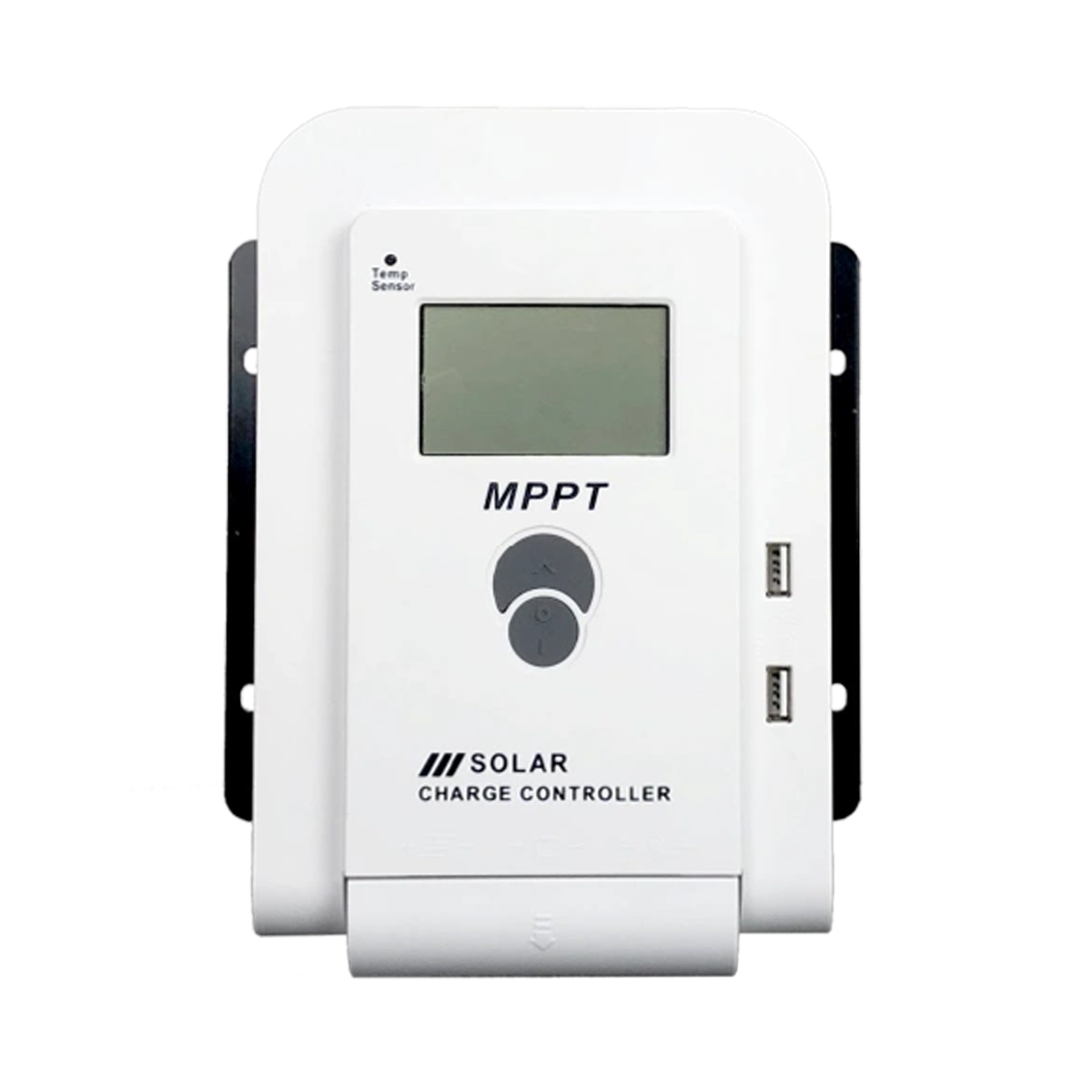
Safeguarding Software and Design IP in Custom Home Energy Storage Systems
Tailoring residential power solutions requires a robust approach to IP security, ensuring that custom firmware algorithms and proprietary hardware schematics remain protected throughout the manufacturing lifecycle. From establishing legal boundaries to isolating code architectures and managing factory operations, brands can safely build custom energy storage systems without surrendering control over their core technological innovations.
Key Strategies for IP Security
- Firmware & Architecture Partitioning: Decouple high-level Energy Management System (EMS) business logic from low-level power electronics subroutines, such as standard 36 48V Solar Charge Controller logic.
- Robust Legal Safeguards: Implement comprehensive Non-Disclosure Agreements (NDAs) and clear IP ownership clauses in OEM/ODM contracts prior to releasing PCB layouts or schematic drawings.
- Hardware-Level Code Protection: Secure microcontrollers via encrypted binary flashing and by disabling debug ports (JTAG/SWD) before mass assembly to prevent reverse engineering of Battery Management System (BMS) logic.
- Domain-Specific Safeguards: Adapt IP protection measures for target market applications, including villa backup power units, residential solar storage systems, and portable power stations.
Technical Architecture and Manufacturing Isolation
Securing proprietary technology across the customization lifecycle requires strict technical isolation between standard power hardware and specialized software code. Energy storage systems integrate several sub-components, such as LiFePO4 battery management modules, power inverters, and charge control units. By segregating advanced control routines from generic power electronics, original equipment manufacturers can assemble hardware without ever accessing sensitive underlying algorithms.
During hardware commissioning and software development, code obfuscation and binary encryption prevent unauthorized extraction. Firmware is compiled into locked binary files prior to deployment onto target microcontrollers. Comprehensive factory quality control—encompassing appearance inspections, capacity tests, internal resistance measurements, hi-pot isolation, thermal stress screening, vibration testing, and burn-in aging—validates hardware reliability while keeping master encryption keys restricted to authorized engineering personnel.
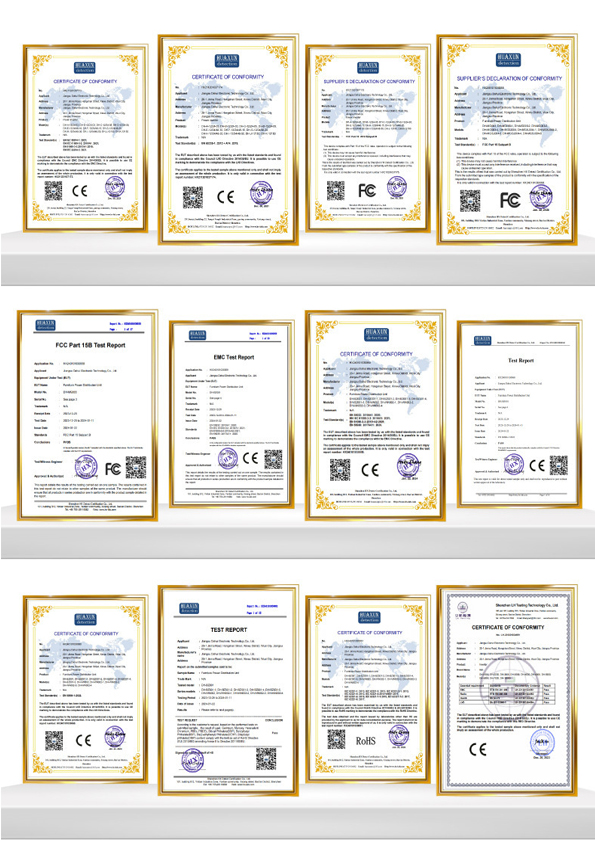
Compliance with global safety standards, verified by official credentials such as CE certification (including certificate CE-INV-260618-0001), confirms that hardware meets strict regulatory demands without requiring exposure of confidential source code. This technical isolation approach has proven successful in large-scale installations, such as a 1GWh Energy Storage Project Cooperation in Southeast Asia, where residential and commercial units were tailored for extreme environments while fully safeguarding core IP ownership.
Customization Model & IP Risk Comparison
| Customization Level | IP Protection Tier | Software Access Control | Lead Time | Quality & Safety Testing |
|---|---|---|---|---|
| Standard OEM Integration | Basic (Standard NDA) | Factory standard firmware; generic MPPT settings | 15 days | Visual inspection, basic BMS check, capacity testing |
| Custom ODM Hardware & Firmware | High (Encrypted binaries, client PCB ownership) | Locked microcontrollers, proprietary EMS logic | Based on spec sheet | Burn-in aging, hi-pot testing, thermal cycling |
| Co-Developed Energy Storage Systems | Maximum (Joint IP terms, code partitioning) | Custom communication layer and app integration | Project schedule | Full screening (vibration, drop, drop-test, safety audit) |
Frequently Asked Questions
Q: How can source code be kept safe when manufacturing overseas?
A: Deliver pre-programmed microcontrollers or utilize encrypted binary flashing scripts. This prevents assembly line technicians from accessing uncompiled source code or raw schematics.
Q: What legal protections secure custom mechanical and industrial designs?
A: Comprehensive OEM/ODM agreements must explicitly state that CAD files, tooling molds, exterior designs, and PCB layouts remain exclusive client property, backed by enforceable liquidated damages for breaches.
Q: Does compliance testing require revealing proprietary software logic?
A: No. Regulatory bodies verifying safety and electromagnetic compatibility (EMC), such as CE certification labs, evaluate physical performance and safety mechanisms without inspecting underlying software source code.
Conclusion & Best Practices
Protecting intellectual property during home energy storage customization requires combining legally binding contracts with hardware-level security, encrypted binaries, and partitioned firmware routines. Collaborating with an established manufacturing enterprise ensures seamless execution from initial design through final delivery. Standard minimum order quantities (MOQ) start at 100 units with typical lead times of 15 days. International corporate wire transfers support clean financial accounting, while flexible freight options include FOB, EXW, CIF, CNF, DDU, and DDP terms. For customized technical inquiries, contact marketing@sunvoltx.com.
About Us
shenzhen sunvoltx intelligent technology Co., Ltd. is a high-tech enterprise focused on the research, design, customized manufacturing, and wholesale of energy storage solutions, inverters, and charger units. Founded in 2026, the company operates a 1,000 m² production facility staffed by 20–50 specialists, maintaining a monthly output capacity exceeding 5,000 units. Supported by international compliance standards including CE certificates (CE-INV-260618-0001, CE-INV-260618-0002, CE-INV-260618-0003), the enterprise delivers customized hardware commissioning and secure energy solutions to global partners.
How to Compare the Usable Capacity of Portable Batteries
Advertised battery capacity does not always represent the energy available to your equipment. To compare portable batteries accurately, use the tested energy delivered to a defined load, measured in watt-hours (Wh). This approach should account for inverter and charging losses, discharge cut-off settings, protected reserve capacity, operating temperature, and load type.
What to Compare When Evaluating Battery Capacity
The most useful figure for runtime planning is the usable output delivered to the intended load. Ask suppliers for test results recorded under clearly defined conditions, rather than relying only on the battery’s nominal rating.
- Compare delivered watt-hours instead of the stated battery capacity alone.
- Confirm whether conversion losses, reserve capacity, and discharge limits are included.
- Check the test temperature, current, load type, and measurement location.
- Distinguish the battery’s storage performance from the efficiency of an inverter, charger, or MPPT controller.
- Match measured usable energy with the real demand of residential solar, camping, or emergency-backup equipment.
How Usable Capacity Is Determined
Nominal capacity describes the amount of energy a battery is designed to store under a specified rating method. Usable capacity refers to the energy that can actually reach the connected equipment before the battery management system stops discharge or maintains a safety reserve. These figures are comparable only when the test conditions are equivalent.
A practical evaluation involves discharging each battery under a controlled load and recording voltage and current throughout the test. The resulting energy output can then be calculated in watt-hours. The report should clearly state whether the measurement was taken directly at the battery terminals or after an inverter, charger, or other power-conversion device.
Conversion Equipment and Load Type
Power-conversion stages reduce the energy available to the user. For example, a portable power station supplying AC appliances normally delivers less energy than the battery stores because the inverter, display, cooling system, and control electronics consume power. A direct DC load may produce a different result. For a fair product comparison, use the same load category and test procedure for every battery.
Discharge Limits, Reserve, and Temperature
Battery protection settings also influence the final result. A product that keeps a reserve to protect cell life will provide less accessible energy than its total internal storage. Temperature, discharge rate, battery age, and cut-off voltage can further change the measured output. These conditions should be documented in every comparison sheet.
The supplied information for the 36 48V Solar Charge Controller does not state a portable battery’s rated capacity, usable output, conversion efficiency, or discharge-test results. Those details should therefore be obtained from the applicable battery specification sheet and test records before making a quantitative purchasing decision.
Understanding the Listed Solar Charge Controller
The listed product is an MPPT solar charge controller, not a portable battery or power station. Its function is to regulate energy from photovoltaic panels and manage battery charging. It should be assessed separately from the battery’s storage capacity and delivered energy. Product images can show the controller’s design and form factor, but they do not verify battery capacity or usable output.

The company reports a broad quality-control process for energy-storage batteries. It includes visual inspection, voltage and internal-resistance checks, charge-discharge capacity testing, BMS protection verification, hi-pot insulation testing, high- and low-temperature testing, vibration and drop testing, and ageing burn-in screening. When comparing usable capacity, buyers can request test documentation based on these procedures or equivalent standards.
The company also describes a 1GWh energy-storage distribution cooperation project in Southeast Asia for residential and industrial and commercial customers. The project was designed to address unstable grids and high electricity costs through energy-storage systems supported by local after-sales service centers.
Advertised Capacity vs. Usable Output
| Evaluation item | Advertised capacity | Usable-capacity comparison |
|---|---|---|
| Primary basis | Declared battery storage rating | Energy actually supplied to a specified load |
| Power-conversion losses | May not be included | Must be identified or measured |
| Discharge behavior | May omit reserve and cut-off settings | Must specify protected reserve and operating cut-off |
| Test conditions | Can be unclear or incomplete | Should include temperature, current, load, and test method |
| Equipment scope | Normally concerns the battery or power station | Must be separated from MPPT controller performance |
Frequently Asked Questions
What usable-capacity information should I request?
Request tested usable energy in watt-hours and ask the supplier to provide the load type, discharge current, temperature, cut-off voltage, reserve setting, test duration, and measurement point. Also confirm whether the result is measured before or after an inverter.
Is nominal capacity sufficient for runtime estimates?
Nominal capacity is useful as an initial reference, but it should not be treated as delivered energy unless the capacity rating and runtime test use the same conditions. Actual runtime depends on conversion efficiency, load behavior, temperature, and battery-protection settings.
Does the 36 48V Solar Charge Controller include portable battery capacity data?
No. The supplied product information does not provide battery capacity or usable-output data. The controller should be evaluated as solar charging and control equipment, while battery performance should be verified through the battery’s own specifications and test reports.
Conclusion and Procurement Guidance
For a reliable comparison, rank portable batteries by the watt-hours they deliver to the same type of load under matching operating conditions. Record inverter losses, discharge cut-off, protected reserve, temperature, current, and the location of the measurement. This produces a more realistic basis for selecting equipment for solar storage, travel, and backup power.
For procurement support, Shenzhen Sunvoltx Intelligent Technology Co., Ltd. operates an integrated industrial and trading business and reports a minimum order quantity of 100 pieces with a 15-day delivery period. Its listed inverter certifications include CE certificates CE-INV-260618-0001 and CE-INV-260618-0002. For technical solutions or product support, contact marketing@sunvoltx.com.
About Sunvoltx
shenzhen sunvoltx intelligent technology Co., Ltd. focuses on the research, development, manufacturing, customization, and wholesale supply of energy-storage power supplies, inverters, and chargers. The company provides integrated power solutions for international customers, with an R&D team covering energy storage, inverter, and photovoltaic-control technologies. It also offers OEM/ODM development services, reports monthly production of more than 5,000 energy-storage products, and lists North America, South America, Europe, the Middle East, Africa, and Southeast Asia among its markets. Its certifications include CE certification for inverters, and it has supplied customers in multiple industries.

LiFePO4 Energy Storage Battery Transport Documents: A Practical Guide
Preparing shipping documents for LiFePO4 energy storage batteries requires coordination between the buyer's export-certification requirements, the product specification sheet, and the agreed logistics plan. Shenzhen Sunvoltx Intelligent Technology Co., Ltd. offers CIF, CNF, FOB, EXW, DDU, and DDP shipping options, with the final arrangement selected according to the customer's destination and order requirements.
What to Confirm Before Shipment
There is no single document list that applies to every LiFePO4 battery order. Before dispatch, the buyer and supplier should verify the certification requirements for the destination market and ensure that the documents match the exact battery model and commercial terms.
- Confirm which export-related certifications and shipping documents the customer requires.
- Review the specification sheet for the selected battery or energy-storage system.
- Agree on the shipping term and responsibilities before booking transportation.
- Match the paperwork with the intended application, such as home solar storage, portable power, commercial backup, or off-grid photovoltaic systems.
How Product and Logistics Information Work Together
Export and compliance requirements
The required transport documentation depends on the destination, shipping method, product configuration, and customer procurement standards. Sunvoltx states that quality inspection is arranged according to customer requirements for export-related certifications. These requirements should therefore be confirmed before production is completed and shipment is scheduled.
Shipping arrangements
The commercial shipping term determines how transportation, delivery, and related responsibilities are organized. Sunvoltx supports CIF, CNF, FOB, EXW, DDU, and DDP options. The suitable method is selected based on the customer's needs and the destination market. For bulk purchases and OEM or ODM projects, the company accepts international corporate wire transfers.
Specification and inspection records
The applicable product specification sheet is an important reference when preparing the shipment file. Sunvoltx describes inspection procedures that may include visual examination, voltage and internal-resistance testing, charge and discharge capacity checks, BMS protection verification, high-voltage insulation testing, temperature trials, vibration and drop testing, and ageing or burn-in screening.
These inspection details help establish product quality and should be reviewed alongside the model information and customer documentation requirements. They should not be confused with a destination-specific transport certificate.
Understanding the Difference Between Inverter and Battery Certificates
Sunvoltx holds CE certificates for inverter products, including CE-INV-260618-0001, CE-INV-260618-0002, and CE-INV-260618-0003. Because these certificates apply to inverters, they should not automatically be presented as LiFePO4 battery transport documents. Battery-related paperwork must be checked separately against the customer's requirements and the relevant product specification sheet.
Shipping Information Overview
| Item to verify | Available information |
|---|---|
| Export certification | Confirmed according to customer requirements |
| Technical reference | Specification sheet for the selected product |
| Shipping options | CIF, CNF, FOB, EXW, DDU, and DDP |
| Payment method | International corporate wire transfer |
| Supply model | Bulk wholesale, OEM/ODM customization, and integrated industrial and trading services |
Application and Project Context
LiFePO4 energy storage products can support residential solar systems, portable outdoor power, industrial and commercial backup, and off-grid photovoltaic installations. In one Southeast Asian cooperation project, residential and industrial and commercial storage systems were supplied for households and small-to-medium-sized factories. The solution addressed unreliable local grids and high electricity costs while including local after-sales support.
Frequently Asked Questions
Do CE certificates for inverters cover battery transportation?
No. The listed CE certificates belong to inverter products. The transport and export documentation for the battery must be confirmed independently according to the destination, customer requirements, and product specification.
Which delivery terms are available for LiFePO4 battery orders?
Sunvoltx provides CIF, CNF, FOB, EXW, DDU, and DDP arrangements. The appropriate option depends on the customer's preferred responsibilities, destination, and order conditions.
What should buyers review before shipment?
Buyers should verify the required export certifications, the exact product specification sheet, the agreed shipping term, and the commercial conditions attached to the order.
Conclusion
For a smooth LiFePO4 energy storage battery shipment, align the documentation with the customer's export requirements, the selected product's specification sheet, and the agreed delivery arrangement. Sunvoltx reports a monthly capacity of more than 5,000 energy-storage products and supports bulk orders as well as OEM and ODM cooperation. For technical solutions or logistics support, contact marketing@sunvoltx.com.
About Us
shenzhen sunvoltx intelligent technology Co., Ltd. develops, manufactures, customizes, and wholesales energy-storage power supplies, inverters, and chargers for global clients. Its product range includes portable, household, and industrial and commercial energy storage, photovoltaic inverters, and smart fast chargers. The company reports output of more than 5,000 energy-storage products per month, serves markets across North America, South America, Europe, the Middle East, Africa, and Southeast Asia, and exports 70% of its products. It holds CE certificates for inverter products and has served clients across multiple industries.
Is a Letter of Credit Suitable for a Large Outdoor Power Station Order?
A letter of credit should be considered for a large outdoor working power station purchase only after the supplier confirms in writing that this payment method is accepted. Sunvoltx currently identifies international corporate wire transfer as the payment option for bulk, OEM, and ODM orders, while a letter of credit is not listed. Before placing the order, both parties should agree on the technical specification, certifications, inspection documents, delivery conditions, and after-sales responsibilities.
Payment Guidance and Main Takeaways
- Verify the supplier's approved payment method before issuing a purchase order or other commercial documents. The stated option is international corporate wire transfer for bulk purchases and OEM or ODM projects.
- Record the product configuration, quantity, quality inspection process, delivery schedule, and warranty or service obligations in the sales agreement.
- Clarify the intended outdoor application, whether it involves camping, RV use, field equipment, construction projects, exhibitions, or another temporary power requirement.
- If the system will be supported by photovoltaic equipment, determine whether a 36 48V MPPT solar charge controller is required as part of the complete configuration.
How to Structure the Order and Power Solution
A high-volume outdoor power station order should be evaluated as a complete commercial and technical project rather than as a payment decision alone. The application, battery and inverter configuration, quality requirements, logistics plan, and support terms should all be aligned before funds are transferred.
Available product information refers to a 36 48V Solar Charge Controller, with MPPT solar charge controller listed as the relevant keyword. However, full electrical specifications are not provided, so buyers should request the detailed technical sheet before confirming compatibility.
When a power station is connected to a photovoltaic system, the charge controller should be treated as one element within the wider energy solution. The stated use cases include off-grid photovoltaic power stations, independent electricity systems for islands and remote mountainous areas, and portable outdoor power for field-work equipment.
Payment and Documentation Checks
Payment protection should be addressed directly in the purchase contract. Sunvoltx states that corporate wire transfers are available for bulk-quantity orders and OEM or ODM cooperation, helping support accounting records, customs declarations, and export certification applications. Because a letter of credit is not identified as an available method, buyers should not presume that it can be used.
If the buyer requires an LC for internal compliance or bank financing, the supplier should first confirm acceptance, issuing-bank requirements, document presentation rules, fees, and settlement timing in writing. Without that confirmation, an international corporate wire transfer remains the stated route.
Certification and Regional Experience
The listed CE certificates, CE-INV-260618-0001, CE-INV-260618-0002, and CE-INV-260618-0003, relate to inverters intended for export markets including the EU, Middle East, Africa, and South America. The buyer should verify which certifications apply to the exact outdoor working power station, inverter, and solar controller included in the order.
Sunvoltx also reports a 1GWh energy-storage distribution cooperation in Southeast Asia with an overseas power enterprise. The cooperation served residential and industrial and commercial energy-storage needs in areas affected by unstable grids and high electricity costs, using solutions designed for high-temperature conditions and supported by local after-sales arrangements.
Order Information Comparison
| Order Item | Stated Information | Recommended Buyer Step |
|---|---|---|
| Letter of credit | Not listed as an accepted payment method | Request written confirmation before selecting an LC. |
| Corporate wire transfer | Available for bulk orders and OEM or ODM cooperation | Use official corporate banking details and agree on payment milestones. |
| Minimum order quantity | 100pcs | Check that the proposed outdoor power station configuration satisfies the minimum quantity. |
| Delivery time | 15day | Reconfirm the lead time after the specification and inspection requirements are finalized. |
| Shipping terms | CIF, CNF, FOB, EXW, DDU, and DDP are available according to client requirements. | Select terms that clearly allocate freight, customs, taxes, and final-delivery duties. |
Frequently Asked Questions
Should a large outdoor working power station order be paid by letter of credit?
Not necessarily. No LC requirement is stated, and international corporate wire transfer is the listed payment method. An LC should be used only when both parties have expressly agreed to its conditions.
What information should be confirmed before payment?
Confirm the final specifications, order quantity, applicable certificates, inspection requirements, production and delivery schedule, shipping term, payment documents, and after-sales coverage. The available after-sales support depends on the individual product specification sheet.
Is the 36 48V MPPT solar charge controller suitable for an outdoor photovoltaic system?
The available product is described as a 36 48V MPPT solar charge controller. Off-grid photovoltaic stations and remote-area standalone power systems are among the stated applications, but compatibility must be checked against the voltage, current, battery, and solar-panel requirements of the proposed system.
Conclusion and Buyer Recommendations
For this type of bulk order, follow the supplier's stated international corporate wire-transfer process unless a letter of credit is accepted in writing. Before payment, finalize the product design, certifications, inspection scope, quantity, delivery commitment, and allocation of shipping responsibilities. Sunvoltx describes itself as an integrated industrial and trading enterprise with monthly output of more than 5,000 products and a minimum order quantity of 100pcs. For technical consultation or order support, contact marketing@sunvoltx.com.
About the Supplier
shenzhen sunvoltx intelligent technology Co., Ltd. develops, manufactures, customizes, and wholesales energy-storage power supplies, inverters, chargers, and associated power equipment. Its portfolio covers portable energy storage, residential energy storage, industrial and commercial energy-storage systems, photovoltaic inverters, smart fast chargers, and solar charge controllers. The company states that it can produce more than 5,000 energy-storage products each month and serves customers in North America, South America, Europe, the Middle East, Africa, and Southeast Asia. Its R&D activities focus on energy storage, inverter, and photovoltaic control technologies, with experience serving clients in several industries.
Its listed credentials include CE certificates for inverters, including CE-INV-260618-0001 and CE-INV-260618-0002.
REPORT