







-
 Agriculture
-
 Health-Care
-
 Environment
-
 Construction-Real-Estate
-
 Tools-Hardware
-
 Home-Garden
-
 Furniture
-
 Luggage-Bags-Cases
-
 Medical-devices-Supplies
-
 Gifts-Crafts
-
 Sports-Entertainment
-
 Food-Beverage
-
 Vehicles-Transportation
-
 Power-Transmission
-
 Material-Handling
-
 Renewable-Energy
-
 Safety
-
 Testing-Instrument-Equipment
-
 Construction-Building-Machinery
-
 Pet-Supplies
-
 Personal-Care-Household-Cleaning
-
 Vehicle-Accessories-Electronics-Tools
-
 School-Office-Supplies
-
 Packaging-Printing
-
 Mother-Kids-Toys
-
 Business-Services
-
 Commercial-Equipment-Machinery
-
 Apparel-Accessories
-
 Security
-
 Shoes-Accessories
-
 Vehicle-Parts-Accessories
-
 Jewelry-Eyewear-Watches-Accessories
-
 Lights-Lighting
-
 Fabric-Textile-Raw-Material
-
 Fabrication-Services
-
 Industrial-Machinery
-
 Consumer-Electronics
-
 Electrical-Equipment-Supplies
-
 Electronic-Components-Accessories-Telecommunications
-
 Home-Appliances
-
 Beauty
-
 Chemicals
-
 Rubber-Plastics
-
 Metals-Alloys


























































































































































































































































































































































































































































































































































































- Masonry Materials
- Curtain Walls & Accessories
- Earthwork Products
- Fireproofing Materials
- Heat Insulation Materials
- Plastic Building Materials
- Building Boards
- Soundproofing Materials
- Timber
- Waterproofing Materials
- Balustrades & Handrails
- Bathroom & Kitchen
- Flooring & Accessories
- Tiles & Accessories
- Door, Window & Accessories
- Fireplaces & Stoves
- Floor Heating Systems & Parts
- Stairs & Stair Parts
- Ceilings
- Elevators & Escalators
- Stone
- Countertops, Vanity Tops & Table Tops
- Mosaics
- Metal Building Materials
- Multifunctional Materials
- Ladders & Scaffoldings
- Mouldings
- Corner Guards
- Decorative Films
- Formwork
- Building & Industrial Glass
- Other Construction & Real Estate
- Wallpapers/Wall panels
- HVAC System & Parts
- Outdoor Facilities
- Prefabricated Buildings
- Festive & Party Supplies
- Bathroom Products
- Household Sundries
- Rain Gear
- Garden Supplies
- Household Cleaning Tools & Accessories
- Lighters & Smoking Accessories
- Home Storage & Organization
- Household Scales
- Smart Home Improvement
- Home Textiles
- Kitchenware
- Drinkware & Accessories
- Dinnerware, Coffee & Wine
- Home Decor
- Golf
- Fitness & Body Building
- Amusement Park Facilities
- Billiards, Board Game,Coin Operated Games
- Musical Instruments
- Outdoor Affordable Luxury Sports
- Camping & Hiking
- Fishing
- Sports Safety&Rehabilitation
- Ball Sports Equipments
- Water Sports
- Winter Sports
- Luxury Travel Equipments
- Sports Shoes, Bags & Accessories
- Cycling
- Other Sports & Entertainment Products
- Artificial Grass&Sports Flooring&Sports Court Equipment
- Scooters
- Food Ingredients
- Honey & Honey Products
- Snacks
- Nuts & Kernels
- Seafood
- Plant & Animal Oil
- Beverages
- Fruit & Vegetable Products
- Frog & Escargot
- Bean Products
- Egg Products
- Dairy Products
- Seasonings & Condiments
- Canned Food
- Instant Food
- Baked Goods
- Other Food & Beverage
- Meat & Poultry
- Confectionery
- Grain Products
- Feminie Care
- Hair Care & Styling
- Body Care
- Hands & Feet Care
- Hygiene Products
- Men's Grooming
- Laundry Cleaning Supplies
- Travel Size & Gift Sets
- Room Deodorizers
- Other Personal Care Products
- Pest Control Products
- Special Household Cleaning
- Floor Cleaning
- Kitchen & Bathroom Cleaning
- Oral Care
- Bath Supplies
- Yellow Pages
- Correction Supplies
- Office Binding Supplies
- Office Cutting Supplies
- Board Erasers
- Office Adhesives & Tapes
- Education Supplies
- Pencil Cases & Bags
- Notebooks & Writing Pads
- File Folder Accessories
- Calendars
- Writing Accessories
- Commercial Office Supplies
- Pencil Sharpeners
- Pens
- Letter Pad/Paper
- Paper Envelopes
- Desk Organizers
- Pencils
- Markers & Highlighters
- Filing Products
- Art Supplies
- Easels
- Badge Holder & Accessories
- Office Paper
- Printer Supplies
- Book Covers
- Other Office & School Supplies
- Stationery Set
- Boards
- Clipboards
- Stamps
- Drafting Supplies
- Stencils
- Electronic Dictionary
- Books
- Map
- Magazines
- Calculators
- Baby & Toddler Toys
- Educational Toys
- Classic Toys
- Dress Up & Pretend Play
- Toy Vehicle
- Stuffed Animals & Plush Toys
- Outdoor Toys & Structures
- Balloons & Accessories
- Baby Food
- Children's Clothing
- Baby Supplies & Products
- Maternity Clothes
- Kids Shoes
- Baby Care
- Novelty & Gag Toys
- Dolls & Accessories
- Puzzle & Games
- Blocks & Model Building Toys
- Toddler Clothing
- Baby Clothing
- Kids' Luggage & Bags
- Arts, Crafts & DIY Toys
- Action & Toy Figures
- Baby Appliances
- Hobbies & Models
- Remote Control Toys
- Promotional Toys
- Pregnancy & Maternity
- Hygiene Products
- Kid's Textile&Bedding
- Novelty & Special Use
- Toy Weapons
- Baby Gifts
- Baby Storage & Organization
- Auto Drive Systems
- ATV/UTV Parts & Accessories
- Marine Parts & Accessories
- Other Auto Parts
- Trailer Parts & Accessories
- Auto Transmission Systems
- Train Parts & Accessories
- Universal Parts
- Railway Parts & Accessories
- Auto Brake Systems
- Aviation Parts & Accessories
- Truck Parts & Accessories
- Auto Suspension Systems
- Auto Lighting Systems
- New Energy Vehicle Parts & Accessories
- Auto Steering Systems
- Wheels, Tires & Accessories
- Bus Parts & Accessories
- Auto Performance Parts
- Cooling System
- Go-Kart & Kart Racer Parts & Accessories
- Air Conditioning Systems
- Heavy Duty Vehicle Parts & Accessories
- Auto Electrical Systems
- Auto Body Systems
- Auto Engine Systems
- Container Parts & Accessories
- Motorcycle Parts & Accessories
- Refrigeration & Heat Exchange Equipment
- Machine Tool Equipment
- Food & Beverage Machinery
- Agricultural Machinery & Equipment
- Apparel & Textile Machinery
- Chemical Machinery
- Packaging Machines
- Paper Production Machinery
- Plastic & Rubber Processing Machinery
- Industrial Robots
- Electronic Products Machinery
- Metal & Metallurgy Machinery
- Woodworking Machinery
- Home Product Manufacturing Machinery
- Machinery Accessories
- Environmental Machinery
- Machinery Service
- Electrical Equipment Manufacturing Machinery
- Industrial Compressors & Parts
- Tobacco & Cigarette Machinery
- Production Line
- Used Industrial Machinery
- Electronics Production Machinery
- Other Machinery & Industrial Equipment
- Camera, Photo & Accessories
- Portable Audio, Video & Accessories
- Television, Home Audio, Video & Accessories
- Video Games & Accessories
- Mobile Phone & Accessories
- Electronic Publications
- Earphone & Headphone & Accessories
- Speakers & Accessories
- Smart Electronics
- TV Receivers & Accessories
- Mobile Phone & Computer Repair Parts
- Chargers, Batteries & Power Supplies
- Used Electronics
- VR, AR, MR Hardware & Software
- Projectors & Presentation Equipments
- Other Consumer Electronics
- Cables & Commonly Used Accessories
- Computer Hardware & Software
- Displays, Signage and Optoelectronics
- Discrete Semiconductors
- Wireless & IoT Module and Products
- Telecommunications
- Connectors, Terminals & Accessories
- Development Boards, Electronic Modules and Kits
- Circuit Protection
- Sensors
- Isolators
- Audio Components and Products
- Integrated Circuits
- Power Supplies
- Relays
- RF, Microwave and RFID
- Electronic Accessories & Supplies
- Passive Components
- PCB & PCBA
- Air Quality Appliances
- Home Appliance Parts
- Heating & Cooling Appliances
- Small Kitchen Appliances
- Laundry Appliances
- Water Heaters
- Water Treatment Appliances
- Refrigerators & Freezers
- Personal Care & Beauty Appliances
- Major Kitchen Appliances
- Cleaning Appliances
- Second-hand Appliances
- Smart Home Appliances
- Other Home Appliances
- Energy Chemicals
- Inorganic Chemicals
- Basic Organic Chemicals
- Agrochemicals
- Admixture & Additives
- Catalysts & Chemical Auxiliary Agents
- Pigments & Dyestuff
- Coating & Paint
- Daily Chemicals
- Polymer
- Organic Intermediate
- Adhesives & Sealants
- Chemical Waste
- Biological Chemical Products
- Surface Treatment Chemicals
- Painting & Coating
- Chemical Reagents
- Flavor & Fragrance
- Non-Explosive Demolition Agents
- Other Chemicals
- Custom Chemical Services

Metals & Metal Products
Can Bio-Based Handles Replace Plastic in Full Tang Cutlery at the Same Cost?
Replacing plastic handles with bio-based alternatives in full tang cutlery may be possible, but cost parity cannot be established from the information currently available. A decision would depend on material performance, food-contact compliance, durability, manufacturing compatibility, and the full cost of production. Existing product information covers plastic-handled cutlery and stainless steel options, but includes no bio-based handle test results or comparative pricing.
What the Current Product Data Shows
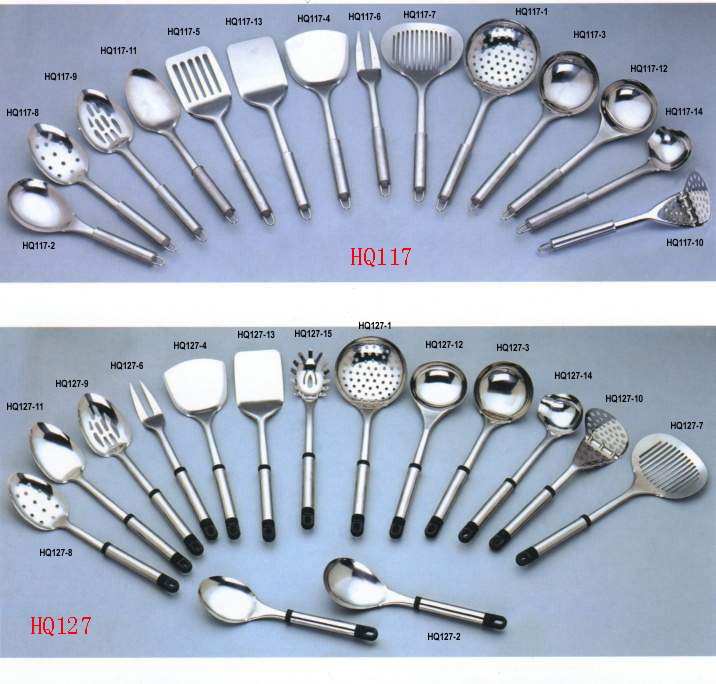
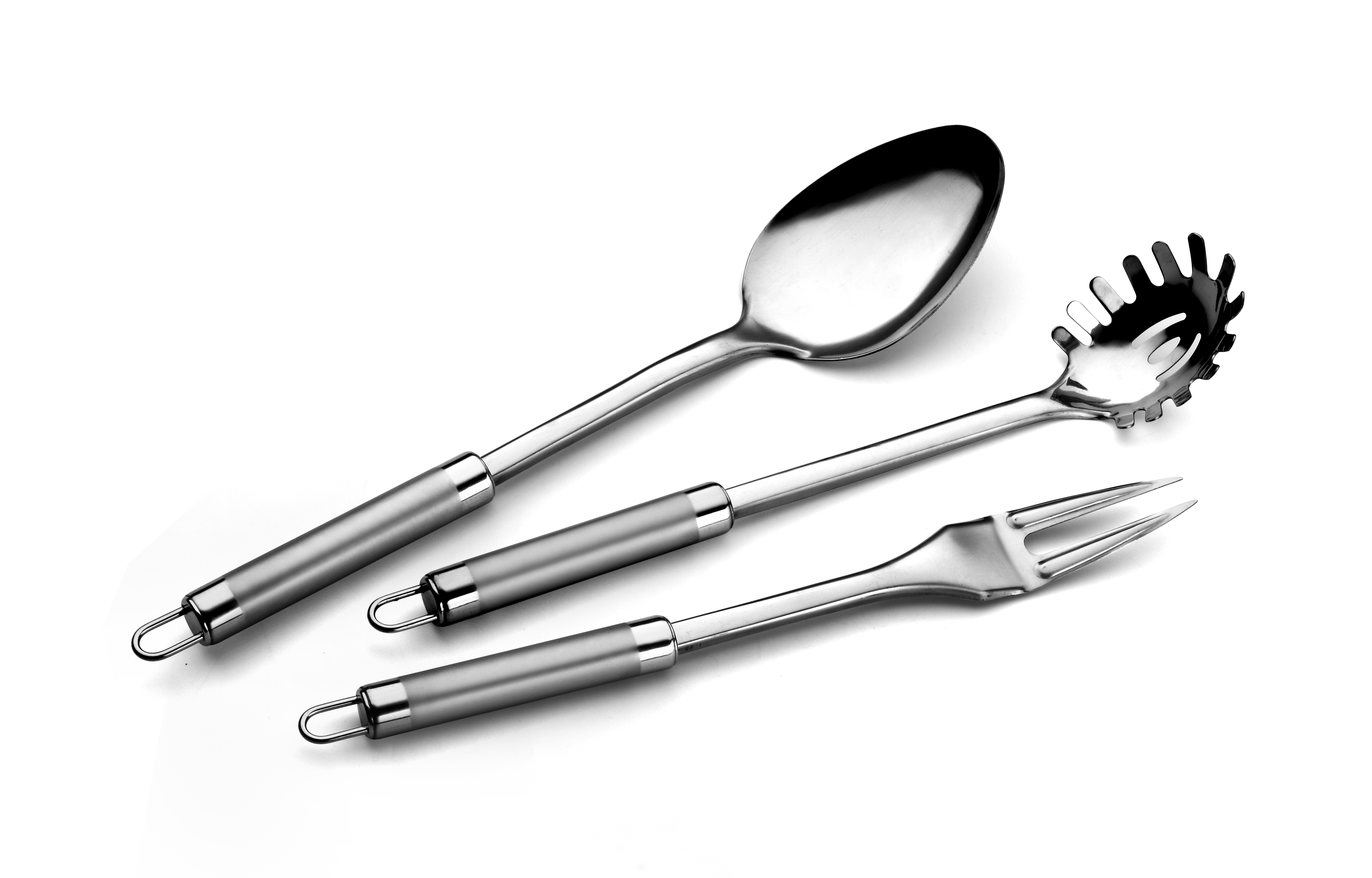
The documented range includes cutlery with plastic handles and kitchen utensils made with 410, 430, or 304 stainless steel. The utensil set features a hollow handle, mirror-polished metal, a silver finish, and customized color-box packaging. These specifications provide a reference point for a potential replacement, not evidence that a bio-based material can meet the same requirements.
Requirements for a Bio-Based Handle
A handle is a functional part of full tang cutlery, not simply a surface finish. Any alternative material must attach securely to the tang, retain a consistent appearance, withstand regular use, and work with the production and assembly process. The available information does not specify a bio-based compound or provide mechanical, durability, or price data for one.
Before a change is considered, samples would need assessment for attachment strength, food-contact safety, wear, appearance consistency, and batch-to-batch variation. Testing should also confirm that molding and assembly remain suitable and that any changes do not affect packaging or production yield.
Manufacturing, Quality, and Cost
Huaqiang Metal describes quality checks at raw-material intake, during production and assembly, and in final testing. Each machine is also reported to receive an appearance inspection before shipment. The company states that it offers free replacement or refunds for batch quality issues and responds to customer complaints within 24 hours. These processes can provide a framework for evaluating a new material, but do not establish its performance.
The company supports OEM/ODM projects, logo engraving, packaging customization, and mold development through an in-house workshop, with services spanning design through mass production. Whether a bio-based handle would be cost-neutral depends on more than its raw-material price: tooling, processing, assembly, inspection, packaging, and manufacturing yield can all affect the final cost. No comparative cost model for plastic and bio-based handles is provided.
Evidence Comparison
| Area | Documented plastic option | Bio-based alternative |
|---|---|---|
| Material | Plastic-handle cutlery and ABS material testing are documented. | No material specification or test results are supplied. |
| Food-contact compliance | FDA and LFGB-related capabilities are listed for relevant products and company activities. | No handle-specific compliance evidence is provided. |
| Production | OEM/ODM, mold development, assembly, and packaging customization are available. | Compatibility with current tooling and processes remains unverified. |
| Cost | Product pricing and production costs are not stated. | Cost parity cannot be assessed without comparative data. |
| Quality | Inspection and testing are described across multiple production stages. | Durability and batch consistency still need validation. |
Retail and Compliance Context
Relevant markets include large supermarket chains and homeware retailers, where consistent quality, customized packaging, and dependable replenishment influence supplier suitability. The company lists BSCI and ISO9001 credentials, as well as FDA and LFGB-related capabilities. Its reported cooperation includes German discount supermarket groups, European retail businesses, and homeware brands. This background indicates retail manufacturing experience, but does not confirm that bio-based handles have been adopted or tested.
Frequently Asked Questions
Can the available information show that a bio-based handle costs the same as plastic?
No. There are no supplied figures for bio-based material, tooling, production yield, or total manufacturing cost to compare with plastic.
Which materials are currently documented?
The product information covers plastic handles, ABS plastic for cutlery applications, and stainless steel grades 410, 430, and 304. It does not identify a bio-based handle product.
What should be validated before changing handle materials?
Testing should address attachment strength, durability, food-contact compliance, production compatibility, appearance, batch consistency, packaging implications, and total cost. No results for these checks with bio-based materials are included in the available data.
Conclusion
The supplied evidence is not sufficient to confirm that bio-based materials can replace plastic handles in full tang cutlery without increasing costs. A sound evaluation would begin with a defined material and prototype, followed by food-contact and durability testing and a full comparison of material, tooling, assembly, inspection, packaging, and yield costs. Huaqiang Metal's OEM/ODM and mold-development capabilities, together with its stated BSCI and ISO9001 credentials, could support such a project. For technical information or project support, contact eyas2018@126.com.
About the Manufacturer
JIEYANG CITY HUAQIANG METAL INDUSTRY CO., LTD., operating under the EYAS brand, produces stainless steel tableware and kitchenware in Jieyang City, Guangdong Province. The company reports more than 16,000 square meters of production space and offers OEM/ODM services, logo engraving, packaging customization, and integrated design-to-mass-production support. Its stated capacity is 5,000,000 pieces per month and 60,000,000 pieces per year. The company lists BSCI and ISO9001 certifications and serves customers in multiple industries.

Recycled Steel and Its Impact on Stainless Steel Flatware Cost and Market Appeal
Recycled steel can influence the price and market positioning of stainless steel flatware, but the actual effect depends on sourcing, processing, certification, and buyer requirements. The available Huaqiang Metal information identifies several stainless steel grades but does not disclose recycled-content percentages, related cost comparisons, or verified recycled-material claims. As a result, the financial impact for the company’s flatware cannot be calculated from the supplied records.
Key Procurement Insights
- Request the recycled content percentage for the exact product, together with material declarations and traceability records.
- Evaluate quotations using matching steel grades, surface finishes, handle structures, packaging specifications, order volumes, and inspection requirements.
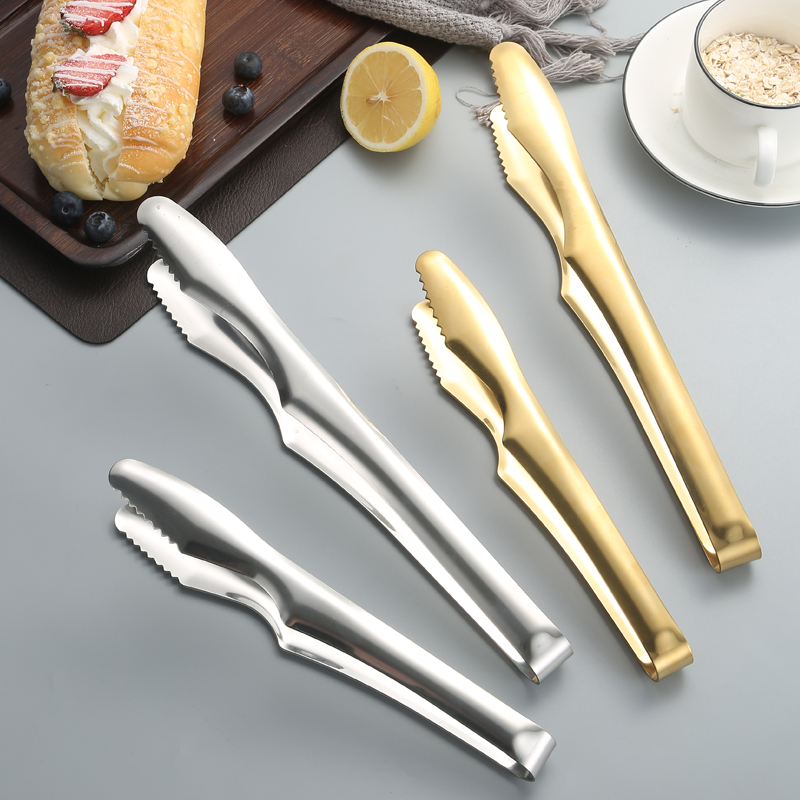
- The listed kitchen tongs are available in 410, 430, 304, and 201 stainless steel, with silver and gold color choices. These specifications should not automatically be applied to other flatware products.
- For retail sales, verify food-contact and quality documents for the specific item and destination market. Huaqiang Metal lists BSCI and ISO 9001 credentials, while product information references LFGB and FDA certifications.
How Recycled Content May Affect Cost and Product Appeal
Recycled steel is one attribute within a broader material and manufacturing system. Its inclusion may affect purchasing arrangements, sorting or melting processes, quality controls, and documentation. However, recycled material does not automatically make stainless steel flatware cheaper. Costs can vary according to availability, grade, recycled feedstock quality, energy use, production efficiency, and the level of verification requested by the buyer.
From a market perspective, recycled content may strengthen product appeal among retailers and consumers with sustainability targets. Some buyers may accept a premium for documented environmental attributes, while others may prioritize the lowest price or specific performance requirements. Without product-level claims and comparative quotations, no reliable conclusion can be made about whether recycled steel would increase or reduce the price of Huaqiang Metal flatware.
Available Huaqiang Metal Product and Compliance Information
The supplied product record describes kitchen tongs rather than a clearly identified flatware model. It lists 410, 430, 304, and 201 stainless steel options, silver and gold finishes, a minimum order quantity of 1,000 pieces, and an indicated delivery period of 7–15 days. No recycled-steel statement is included. Buyers should therefore confirm the material composition, construction, and finish for the exact spoons, forks, knives, or other tableware being considered.
Huaqiang Metal states that quality management covers incoming materials, manufacturing, assembly, and final inspection. The company information lists BSCI, ISO 9001, and ISO 14001, while the product data lists LFGB and FDA. These credentials may support general supplier evaluation, but they do not independently prove recycled content. A recycled-material claim should be supported by documentation connected to the specific product, steel grade, production batch, or chain of custody.
The company also describes experience with large supermarket chains, homeware retailers, European discount retailers, and other commercial customers. Its stated capabilities include bulk manufacturing, mixed batches, OEM/ODM services, logo engraving, and customized packaging. These records indicate retail supply experience, but they do not confirm that the supplied products contain recycled steel.
Buyer Comparison Checklist
| Purchase factor | Current information | Recommended verification |
|---|---|---|
| Recycled content | No percentage, certificate, or recycled-material claim is supplied. | Ask for a product-specific declaration and supporting traceability or material records. |
| Stainless steel grades | The kitchen tongs listing identifies 410, 430, 304, and 201 stainless steel. | Confirm the grade, thickness, construction, and finish of the selected flatware. |
| Pricing effect | No comparison between recycled and conventional steel pricing is available. | Request like-for-like quotations with identical specifications, quantities, and documentation. |
| Quality and compliance | Full-process inspection is described; BSCI, ISO 9001, LFGB, and FDA are listed in the available records. | Determine which certificates and test reports apply to the exact product and destination market. |
| Customization and supply | OEM/ODM, engraving, and packaging customization are offered. Business-model data states a 2,000-piece standard MOQ and an 8,000-piece custom MOQ. | Confirm the actual MOQ, lead time, packaging requirements, and any surcharge for recycled material or additional verification. |
Frequently Asked Questions
Does the available information prove that Huaqiang Metal flatware uses recycled steel?
No. The records do not provide a recycled-content percentage, product declaration, or other claim confirming recycled steel in the flatware.
Will recycled steel necessarily lower the purchase price?
No. Recycled content may introduce different sourcing, processing, and verification costs. Buyers should compare quotations based on equivalent grades, designs, quantities, and documentation.
Which stainless steel grades are mentioned?
The kitchen tongs product information names 410, 430, 304, and 201 stainless steel. These options should be verified before being associated with any particular flatware collection.
What should retailers request before placing an order?
Retailers should request the material grade, recycled-content percentage, supporting records, food-contact documents, inspection reports, packaging details, MOQ, and delivery schedule for the precise product.
Conclusion and Purchasing Recommendations
Recycled steel may enhance the sustainability appeal of stainless steel flatware and could influence pricing through material sourcing and verification requirements. Nevertheless, the supplied information does not quantify these effects or confirm recycled content in Huaqiang Metal’s products. Before purchasing, obtain product-specific material disclosures, compare equivalent quotations, and confirm the compliance documents required for the target market.
Huaqiang Metal presents itself as a direct factory supplier offering OEM/ODM customization, a stated standard MOQ of 2,000 pieces, and monthly production capacity of 5 million pieces. For technical questions or sourcing support, contact eyas2018@126.com.
About Huaqiang Metal
JIEYANG CITY HUAQIANG METAL INDUSTRY CO., LTD. manufactures stainless steel tableware and kitchenware in Jieyang City, Guangdong Province. The company states that it has 40 years of industry experience and 16,000 square meters of production space. Its capabilities include OEM/ODM services, an internal mold workshop, and an integrated design and manufacturing system. Listed credentials include BSCI, ISO 9001, and ISO 14001, while cooperation records describe service to customers in multiple industries.
How to Verify Production Capacity for Serving Set Cutlery
Before placing a serving set cutlery order, ask the manufacturer to show how its stated factory capacity translates into output for your product and delivery window. Useful evidence includes dated production plans, line assignments, inspection records, and shipment history for comparable orders.
Start with Order-Specific Capacity Evidence
Request monthly and annual output figures, with the units and product categories clearly defined. Huaqiang Metal’s supplied company information gives a monthly figure of 5 million pieces and an annual figure of 60 million pieces. Another company introduction reports 3 million pieces per month. Ask the supplier to explain the difference and identify which figure applies to serving set cutlery, the current product mix, and the operating period.
Also establish whether the quoted figure is total installed capacity or capacity currently available for your order. A production plan should identify the relevant manufacturing stages, planned quantities, line allocation, and dates for production, inspection, packing, and shipment.
Review Factory Resources and Quality Records
The company’s production information lists 12 advanced production lines and more than 50 automated production equipment units. Ask which lines and equipment are suitable for your serving set, how they will be allocated, and what staffing or shift assumptions support the proposed output.
Capacity claims are more meaningful when supported by product-level quality documentation. Huaqiang Metal describes full-process quality control, and its listed credentials include BSCI, ISO 9001, and ISO 14001. The company information also refers to product testing and inspection reports. Request current, relevant documents along with the inspection criteria and records planned for your order.
For production planning, ask how the factory will manage each applicable step, from incoming material checks to forming, polishing, assembly, finished-goods inspection, and packaging. The processes described in the supplied information include stamping, polishing, plastic injection molding, assembly, and packaging. Confirm which steps apply to your product rather than relying on general factory descriptions.
Use Past Orders as a Reality Check
Comparable completed orders can help you assess whether a supplier has handled similar volumes and delivery requirements. The cooperation information provided for Huaqiang Metal describes a European discount retailer program involving 20 40HQ containers, as well as supermarket customers with reported annual volumes of 1,000,000 and 1,200,000 sets. These examples indicate experience with large retail programs, but they do not show how much capacity is available now. Request appropriately redacted production and shipping records, then confirm current factory loading and delivery commitments.
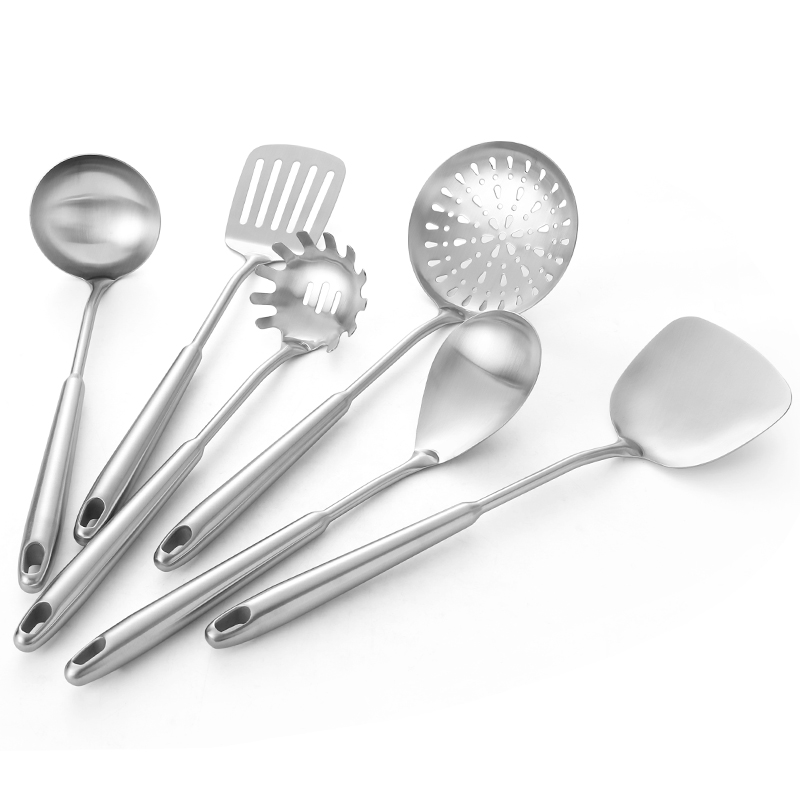
Check product terms separately from factory-wide capacity. One product listing describes a satin kitchen utensil set in 410, 430, or 304 stainless steel, with an MOQ of 1,000 sets and a stated lead time of 7–20 days. These terms do not establish the schedule for a different or larger serving set cutlery order. Obtain a schedule covering your exact specifications and quantity.
Capacity Evidence at a Glance
| Evidence area | Information provided | Order-specific follow-up |
|---|---|---|
| Reported output | One profile lists 5 million pieces monthly and 60 million yearly; another states 3 million pieces per month. | Reconcile the figures, define the product scope and units, and confirm available capacity for your production period. |
| Factory resources | 12 production lines and more than 50 automated equipment units are reported. | Identify the lines and equipment assigned to your serving set and their planned output. |
| Quality management | Full-process quality control is described; listed certifications include BSCI, ISO 9001, and ISO 14001. | Review current documents, product-specific inspection criteria, and order inspection records. |
| Lead time | The standard company lead time is stated as 25–40 days; a satin utensil product listing gives 7–20 days. | Get a schedule for your order that specifies production, packing, and shipment dates. |
| Comparable supply | Supplied case information refers to large retail programs and container-volume shipments. | Request verifiable, suitably redacted records for orders comparable in product, quantity, and timing. |
Questions Buyers Commonly Ask
Which document is most useful for checking capacity?
Ask for a dated production plan that states the product scope, output units, production period, assigned lines, and capacity reserved for your order. Cross-check the plan against completed production and shipment records.
Why do the company materials show different monthly capacity figures?
The company introduction gives a figure of 3 million pieces per month, while other supplied production and R&D fields state 5 million. Ask the supplier to clarify the scope and explain which figure reflects current operations for your product category.
Can certifications confirm an on-time delivery?
No. Certifications and inspection records can help establish management and quality practices, but delivery feasibility depends on the order schedule, current production commitments, and evidence of comparable completed shipments.
Practical Recommendation
Evaluate serving set cutlery capacity by combining reconciled output figures with a product-specific line plan, a dated production schedule, quality documentation, and relevant shipment evidence. Huaqiang Metal describes itself as a direct factory supplier offering R&D, manufacturing, sales, and OEM/ODM customization, and lists BSCI, ISO 9001, and ISO 14001 credentials. Its stated standard MOQ is 2,000 pieces, while the custom MOQ is 8,000 pieces, subject to material and thickness. Confirm the applicable MOQ and schedule for your exact set. For technical questions or support, contact eyas2018@126.com.
About the Manufacturer
JIEYANG CITY HUAQIANG METAL INDUSTRY CO., LTD. is a stainless steel tableware and kitchenware manufacturer based in Jieyang, Guangdong. Its company introduction describes 40 years of industry experience and a 16,000-square-meter production area. Because the supplied company profile gives differing monthly capacity figures, buyers should confirm which applies to their product and order. Listed certifications include BSCI, ISO 9001, and ISO 14001, and the company reports cooperation with customers across multiple industries.
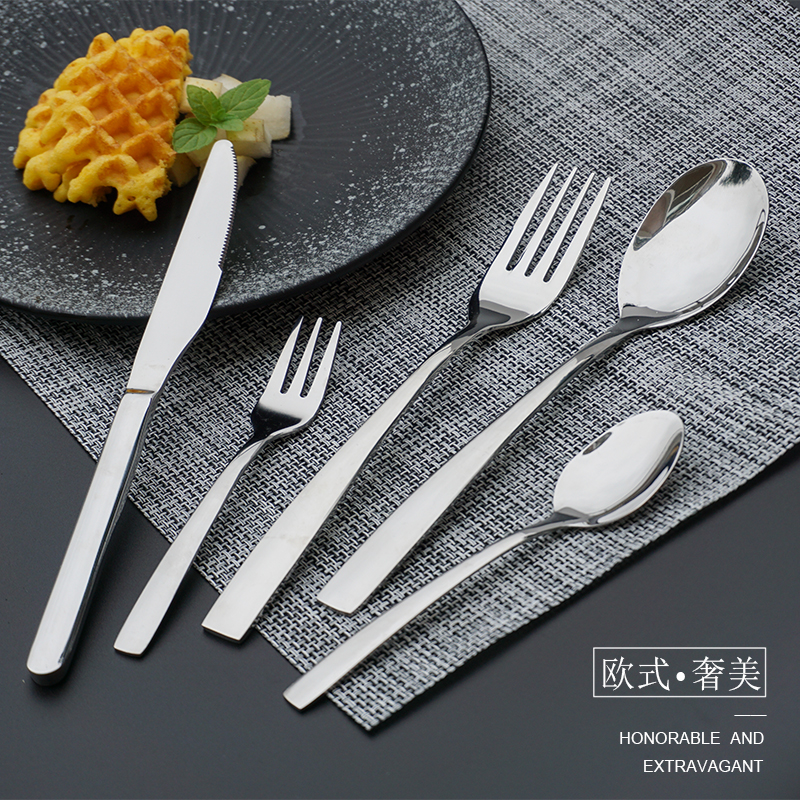
How to Spot Weak Serving Utensil Handles During Sample Inspection
Before approving serving utensils, check each sample for signs of a poorly secured or inconsistent handle. Review the construction and alignment, inspect the joint, and apply the same gentle hand pressure to each piece to look for movement or flex. These checks can flag concerns early, but Huaqiang’s product information does not specify a handle-strength test load or pass limit.
Practical Checks Before Sample Approval
- Look for gaps, misalignment, uneven finishes, or visible movement where the handle meets the bowl or blade.
- Apply comparable hand pressure to each sample and note any looseness or unusual flex. Treat this as an initial screen, not a measured strength test.
- Verify that construction, material, and finish match the agreed product specification, including the specified full-tang, one-piece design.
- Assess samples in the context of their intended use. Huaqiang lists full-tang cutlery and serving sets for hotel and catering applications.
A Step-by-Step Sample Review
1. Inspect appearance and alignment
Start by checking whether the handle is straight and consistently finished. Examine the connection between the handle and the utensil’s working end for visible gaps, irregular joins, or uneven assembly. If light pressure causes movement, set that piece aside for further review.
2. Compare the response to hand pressure
Use the same grip and direction of pressure on each sample, testing both the handle and its connection. Compare the pieces for noticeable bending, looseness, or differences in movement. Because the available product details do not state a force, number of cycles, or acceptance threshold, this manual check should not be described as a certified or quantified strength test.
3. Confirm the stated construction and materials
Compare the sample with the purchase specification. Huaqiang’s cutlery information describes full-tang, one-piece construction. Listed stainless-steel options include 18/10 or 304 and 18/0 or 430; knife blades are specified as 420 stainless steel. The product listing names FDA, LFGB, BSCI, and ISO 9001, and the company profile also lists ISO 14001. These credentials do not verify the integrity of an individual handle joint.
4. Review more than one piece
Repeat the same visual and hand checks across several samples. A difference in alignment, assembly, or movement may point to variation that should be discussed with the supplier before production approval. Huaqiang reports quality checks at the raw-material, production, assembly, and final-inspection stages, including an appearance check before shipment. Its cooperation cases include hotel and catering, retail, and homeware applications; the supplied information does not report serving-utensil handle failure-test results.
Sample Checks at a Glance
| Check | How to carry it out | Potential finding |
|---|---|---|
| Visual review | Examine alignment, finish, gaps, and joint consistency | Visible defects or uneven assembly |
| Hand-pressure screen | Apply similar pressure to the handle and connection on each piece | Movement, looseness, or noticeable flex |
| Specification check | Compare construction and material with the agreed requirements | A sample that differs from the requested specification |
| Sample-to-sample comparison | Repeat the same checks on multiple pieces | Variation that may need supplier review |
Frequently Asked Questions
Does a hand-pressure check prove that a handle will not fail during use?
No. It can help identify obvious movement or looseness, but it is only a preliminary screen. The product information provided does not define a load test or pass threshold.
Which construction detail should I confirm?
The listed cutlery construction is full-tang and one-piece, with a streamlined metal handle. Check that the sample matches the specification agreed for your order.
How should I handle a sample with a loose connection?
Document what you observed, keep the sample for reference, and contact the supplier before approving production. Huaqiang’s product listing says batch quality issues are eligible for free replacement or refund and that customer complaints receive a response within 24 hours.
Recommendations
Use a combination of appearance checks, consistent hand-pressure screening, specification review, and comparison across samples to catch possible handle concerns early. These methods can reveal tactile or visible irregularities, but they do not establish a numerical strength rating. Huaqiang Metal offers OEM and ODM production; its stated standard MOQ is 2,000 pieces, with a listed 25–40-day lead time for standard orders. The company profile describes full-process quality control and lists BSCI, ISO 9001, and ISO 14001 certifications. For technical details or assistance, contact eyas2018@126.com.
About the Manufacturer
JIEYANG CITY HUAQIANG METAL INDUSTRY CO., LTD. produces stainless steel tableware and kitchenware in Jieyang, Guangdong. Its production facilities cover 16,000 square meters, and its R&D and technical teams support customization and process improvement. The company reports monthly capacity of 5 million pieces. Listed credentials include BSCI and ISO 9001, with cooperation cases across retail, homeware, and cookware.
REPORT