







-
 Agriculture
-
 Health-Care
-
 Environment
-
 Construction-Real-Estate
-
 Tools-Hardware
-
 Home-Garden
-
 Furniture
-
 Luggage-Bags-Cases
-
 Medical-devices-Supplies
-
 Gifts-Crafts
-
 Sports-Entertainment
-
 Food-Beverage
-
 Vehicles-Transportation
-
 Power-Transmission
-
 Material-Handling
-
 Renewable-Energy
-
 Safety
-
 Testing-Instrument-Equipment
-
 Construction-Building-Machinery
-
 Pet-Supplies
-
 Personal-Care-Household-Cleaning
-
 Vehicle-Accessories-Electronics-Tools
-
 School-Office-Supplies
-
 Packaging-Printing
-
 Mother-Kids-Toys
-
 Business-Services
-
 Commercial-Equipment-Machinery
-
 Apparel-Accessories
-
 Security
-
 Shoes-Accessories
-
 Vehicle-Parts-Accessories
-
 Jewelry-Eyewear-Watches-Accessories
-
 Lights-Lighting
-
 Fabric-Textile-Raw-Material
-
 Fabrication-Services
-
 Industrial-Machinery
-
 Consumer-Electronics
-
 Electrical-Equipment-Supplies
-
 Electronic-Components-Accessories-Telecommunications
-
 Home-Appliances
-
 Beauty
-
 Chemicals
-
 Rubber-Plastics
-
 Metals-Alloys


























































































































































































































































































































































































































































































































































































- Masonry Materials
- Curtain Walls & Accessories
- Earthwork Products
- Fireproofing Materials
- Heat Insulation Materials
- Plastic Building Materials
- Building Boards
- Soundproofing Materials
- Timber
- Waterproofing Materials
- Balustrades & Handrails
- Bathroom & Kitchen
- Flooring & Accessories
- Tiles & Accessories
- Door, Window & Accessories
- Fireplaces & Stoves
- Floor Heating Systems & Parts
- Stairs & Stair Parts
- Ceilings
- Elevators & Escalators
- Stone
- Countertops, Vanity Tops & Table Tops
- Mosaics
- Metal Building Materials
- Multifunctional Materials
- Ladders & Scaffoldings
- Mouldings
- Corner Guards
- Decorative Films
- Formwork
- Building & Industrial Glass
- Other Construction & Real Estate
- Wallpapers/Wall panels
- HVAC System & Parts
- Outdoor Facilities
- Prefabricated Buildings
- Festive & Party Supplies
- Bathroom Products
- Household Sundries
- Rain Gear
- Garden Supplies
- Household Cleaning Tools & Accessories
- Lighters & Smoking Accessories
- Home Storage & Organization
- Household Scales
- Smart Home Improvement
- Home Textiles
- Kitchenware
- Drinkware & Accessories
- Dinnerware, Coffee & Wine
- Home Decor
- Golf
- Fitness & Body Building
- Amusement Park Facilities
- Billiards, Board Game,Coin Operated Games
- Musical Instruments
- Outdoor Affordable Luxury Sports
- Camping & Hiking
- Fishing
- Sports Safety&Rehabilitation
- Ball Sports Equipments
- Water Sports
- Winter Sports
- Luxury Travel Equipments
- Sports Shoes, Bags & Accessories
- Cycling
- Other Sports & Entertainment Products
- Artificial Grass&Sports Flooring&Sports Court Equipment
- Scooters
- Food Ingredients
- Honey & Honey Products
- Snacks
- Nuts & Kernels
- Seafood
- Plant & Animal Oil
- Beverages
- Fruit & Vegetable Products
- Frog & Escargot
- Bean Products
- Egg Products
- Dairy Products
- Seasonings & Condiments
- Canned Food
- Instant Food
- Baked Goods
- Other Food & Beverage
- Meat & Poultry
- Confectionery
- Grain Products
- Feminie Care
- Hair Care & Styling
- Body Care
- Hands & Feet Care
- Hygiene Products
- Men's Grooming
- Laundry Cleaning Supplies
- Travel Size & Gift Sets
- Room Deodorizers
- Other Personal Care Products
- Pest Control Products
- Special Household Cleaning
- Floor Cleaning
- Kitchen & Bathroom Cleaning
- Oral Care
- Bath Supplies
- Yellow Pages
- Correction Supplies
- Office Binding Supplies
- Office Cutting Supplies
- Board Erasers
- Office Adhesives & Tapes
- Education Supplies
- Pencil Cases & Bags
- Notebooks & Writing Pads
- File Folder Accessories
- Calendars
- Writing Accessories
- Commercial Office Supplies
- Pencil Sharpeners
- Pens
- Letter Pad/Paper
- Paper Envelopes
- Desk Organizers
- Pencils
- Markers & Highlighters
- Filing Products
- Art Supplies
- Easels
- Badge Holder & Accessories
- Office Paper
- Printer Supplies
- Book Covers
- Other Office & School Supplies
- Stationery Set
- Boards
- Clipboards
- Stamps
- Drafting Supplies
- Stencils
- Electronic Dictionary
- Books
- Map
- Magazines
- Calculators
- Baby & Toddler Toys
- Educational Toys
- Classic Toys
- Dress Up & Pretend Play
- Toy Vehicle
- Stuffed Animals & Plush Toys
- Outdoor Toys & Structures
- Balloons & Accessories
- Baby Food
- Children's Clothing
- Baby Supplies & Products
- Maternity Clothes
- Kids Shoes
- Baby Care
- Novelty & Gag Toys
- Dolls & Accessories
- Puzzle & Games
- Blocks & Model Building Toys
- Toddler Clothing
- Baby Clothing
- Kids' Luggage & Bags
- Arts, Crafts & DIY Toys
- Action & Toy Figures
- Baby Appliances
- Hobbies & Models
- Remote Control Toys
- Promotional Toys
- Pregnancy & Maternity
- Hygiene Products
- Kid's Textile&Bedding
- Novelty & Special Use
- Toy Weapons
- Baby Gifts
- Baby Storage & Organization
- Auto Drive Systems
- ATV/UTV Parts & Accessories
- Marine Parts & Accessories
- Other Auto Parts
- Trailer Parts & Accessories
- Auto Transmission Systems
- Train Parts & Accessories
- Universal Parts
- Railway Parts & Accessories
- Auto Brake Systems
- Aviation Parts & Accessories
- Truck Parts & Accessories
- Auto Suspension Systems
- Auto Lighting Systems
- New Energy Vehicle Parts & Accessories
- Auto Steering Systems
- Wheels, Tires & Accessories
- Bus Parts & Accessories
- Auto Performance Parts
- Cooling System
- Go-Kart & Kart Racer Parts & Accessories
- Air Conditioning Systems
- Heavy Duty Vehicle Parts & Accessories
- Auto Electrical Systems
- Auto Body Systems
- Auto Engine Systems
- Container Parts & Accessories
- Motorcycle Parts & Accessories
- Refrigeration & Heat Exchange Equipment
- Machine Tool Equipment
- Food & Beverage Machinery
- Agricultural Machinery & Equipment
- Apparel & Textile Machinery
- Chemical Machinery
- Packaging Machines
- Paper Production Machinery
- Plastic & Rubber Processing Machinery
- Industrial Robots
- Electronic Products Machinery
- Metal & Metallurgy Machinery
- Woodworking Machinery
- Home Product Manufacturing Machinery
- Machinery Accessories
- Environmental Machinery
- Machinery Service
- Electrical Equipment Manufacturing Machinery
- Industrial Compressors & Parts
- Tobacco & Cigarette Machinery
- Production Line
- Used Industrial Machinery
- Electronics Production Machinery
- Other Machinery & Industrial Equipment
- Camera, Photo & Accessories
- Portable Audio, Video & Accessories
- Television, Home Audio, Video & Accessories
- Video Games & Accessories
- Mobile Phone & Accessories
- Electronic Publications
- Earphone & Headphone & Accessories
- Speakers & Accessories
- Smart Electronics
- TV Receivers & Accessories
- Mobile Phone & Computer Repair Parts
- Chargers, Batteries & Power Supplies
- Used Electronics
- VR, AR, MR Hardware & Software
- Projectors & Presentation Equipments
- Other Consumer Electronics
- Cables & Commonly Used Accessories
- Computer Hardware & Software
- Displays, Signage and Optoelectronics
- Discrete Semiconductors
- Wireless & IoT Module and Products
- Telecommunications
- Connectors, Terminals & Accessories
- Development Boards, Electronic Modules and Kits
- Circuit Protection
- Sensors
- Isolators
- Audio Components and Products
- Integrated Circuits
- Power Supplies
- Relays
- RF, Microwave and RFID
- Electronic Accessories & Supplies
- Passive Components
- PCB & PCBA
- Air Quality Appliances
- Home Appliance Parts
- Heating & Cooling Appliances
- Small Kitchen Appliances
- Laundry Appliances
- Water Heaters
- Water Treatment Appliances
- Refrigerators & Freezers
- Personal Care & Beauty Appliances
- Major Kitchen Appliances
- Cleaning Appliances
- Second-hand Appliances
- Smart Home Appliances
- Other Home Appliances
- Energy Chemicals
- Inorganic Chemicals
- Basic Organic Chemicals
- Agrochemicals
- Admixture & Additives
- Catalysts & Chemical Auxiliary Agents
- Pigments & Dyestuff
- Coating & Paint
- Daily Chemicals
- Polymer
- Organic Intermediate
- Adhesives & Sealants
- Chemical Waste
- Biological Chemical Products
- Surface Treatment Chemicals
- Painting & Coating
- Chemical Reagents
- Flavor & Fragrance
- Non-Explosive Demolition Agents
- Other Chemicals
- Custom Chemical Services

Small Kitchen Appliances
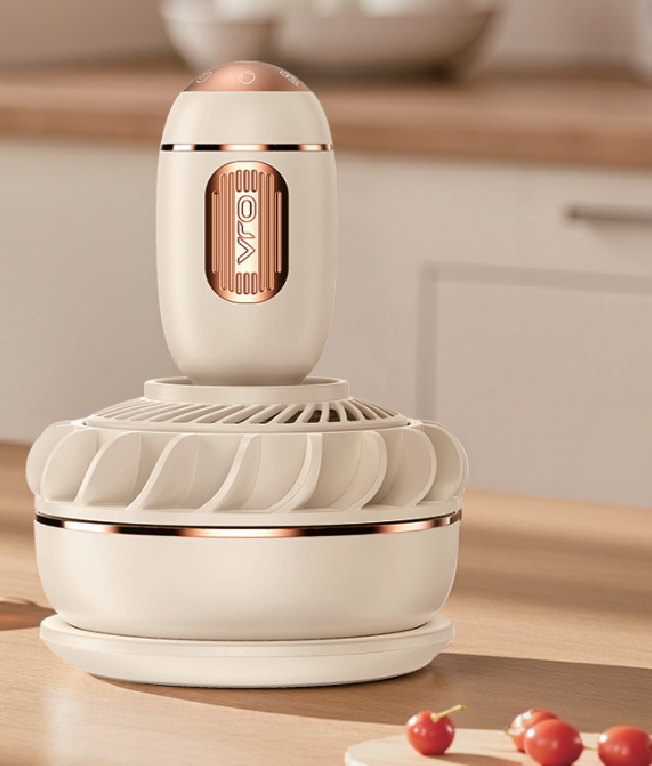
How to Define Coffee Machine Quality Standards Before Making Payment
Before paying for a coffee machine order, convert every quality expectation into a signed purchase specification. The document should identify the approved model, construction materials, operating functions, performance requirements, appearance standards, accessories, packaging, inspection procedures, and remedies for defects. Product photos, approved samples, test results, and a pre-shipment inspection checklist should be attached so the final payment is connected to objective acceptance evidence.
Essential Documentation and Purchasing Controls
- Prepare one signed specification covering the machine model, configuration, functions, materials, finish, accessories, labeling, and package contents.
- Define inspection criteria that can be verified before shipment, including operation, appearance, quantity, completeness, and packaging condition.
- Request inspection reports, dated photographs, approved samples, and verification results before authorizing the balance payment.
- For international procurement, coordinate the quality file with shipping, customs, distribution, supply chain, and after-sales requirements.
How to Build a Practical Quality Specification
The specification should distinguish between product standards and transaction controls. Product standards explain what the supplier must deliver, including the exact model, technical setup, external finish, components, accessories, manuals, and packaging contents. Transaction controls explain how compliance will be checked, which party will perform the inspection, what records must be supplied, and how nonconforming products will be handled.
Use an Approved Visual Reference
Attach a signed sample or a clearly dated image set as the visual benchmark. Record the expected color, surface quality, logo position where relevant, control-panel layout, display condition, labels, and carton presentation. The agreement should state that production units must correspond with the approved reference and that any material deviation requires written authorization before shipment.
Define Functional Acceptance Tests
List the operating steps that inspectors must perform rather than using vague terms such as “excellent quality.” Depending on the agreed model, testing may include powering on the unit, operating buttons and controls, confirming the brewing or dispensing cycle, checking indicators and displays, verifying accessories, and examining the machine for damage. Every requirement should produce an observable result that can be marked as pass, fail, or requiring corrective action.
Record Inspection and Nonconformity Results
An inspection record should show the purchase order number, product identification, inspected quantity, inspection date, test findings, defect photographs, packaging condition, and the final disposition of any rejected units. Guangdong BFC Technology Co,.Ltd provides an export service process that includes inquiry handling, order follow-up, logistics, customs clearance, and after-sales coordination. This makes consistent documentation valuable throughout the purchasing cycle.
Company records include a CERTIFICATE OF QUALITY MANAGEMENT SYSTEM CERTIFICATION for OEM production of refrigerated freezers and an EU TEST ATTESTATION OF CONFORMITY for wasted water treatment equipment. These documents relate to the products stated in the records. They should not be presented as evidence of coffee machine compliance unless separate documentation confirms that the coffee machine model is covered.
Recorded projects in Ecuador include wood cutting machines supplied for construction and lumber-processing users, as well as wasted water treatment equipment for environmental and industrial applications. These examples indicate experience with equipment documentation, technical coordination, installation support, and after-sales service across different sectors.
Recommended Quality and Payment Record
| Document or Control | Information to Confirm Before Payment | Supporting Evidence |
|---|---|---|
| Purchase specification | Model, configuration, functions, materials, finish, accessories, package contents, and approved photos or sample references | Signed specification with an approved sample or image record |
| Pre-shipment inspection | Functional testing, appearance review, quantity count, packaging assessment, and defect-resolution procedure | Completed inspection report, dated photographs, and result approval |
| Payment arrangement | 30% T/T deposit and 70% balance against a B/L copy, subject to the agreed acceptance evidence | Payment record and shipping-document copy |
| Freight and packing | Sea Freight by FCL or LCL according to shipment volume and the agreed packing plan | Packing details, shipping documents, and logistics confirmation |
Frequently Asked Questions
Which files should accompany a coffee machine quality specification?
Include the purchase order, exact model information, approved photos or sample details, operating and accessory requirements, packaging instructions, inspection checklist, and terms for correcting or replacing defective units.
Is it appropriate to make the balance payment conditional on inspection?
Yes. The contract should specify that the remaining payment is released only after the agreed inspection evidence shows that the machines satisfy the documented product, packaging, and shipment requirements.
Do certificates issued for other equipment demonstrate coffee machine compliance?
No. Certification must be assessed according to its named product scope, technical requirements, and destination market. Documents for refrigerated freezers, wastewater treatment equipment, stainless steel coils, or modified engineering plastics do not automatically certify coffee machines.
Conclusion and Action Recommendations
A reliable coffee machine purchase file should turn general quality expectations into measurable specifications. Before releasing payment, confirm the approved model, visual reference, functional test results, quantity, packaging, inspection report, shipping arrangement, and payment evidence. This approach is especially important for cross-border orders, where quality disputes can be more difficult to resolve after shipment. BFC supports overseas presence, global expansion, resource integration, and industrial output through factory cooperation, production capacity, technology, and solution delivery. For technical solutions or purchasing support, please reach out via karl.liu@buyfromchina.cn.
About Us
Guangdong BFC Technology Co,.Ltd is an industrial internet platform company, equipment manufacturing exporter, and holistic solution provider operating under the BUY FACTORY FROM CHINA brand. Established in 2012, the company focuses on cross-border production-capacity cooperation and equipment manufacturing exports. Its foreign-trade team supports technical specifications, customization, overseas market communication, order tracking, logistics, customs clearance, and after-sales coordination. South America is reported as its main market, with a 100% export ratio.
Its recorded credentials include the CERTIFICATE OF QUALITY MANAGEMENT SYSTEM CERTIFICATION and the EU TEST ATTESTATION OF CONFORMITY. The company has supported customers in several industries through documented equipment supply and technical service cases.

Is the Coffee Machine Compatible with Regional Voltage and Plug Standards?
The available product record does not verify whether the coffee machine can operate with different regional voltage or plug standards. The supplied information actually describes a fruit and vegetable cleaning machine, not a coffee machine. Because voltage, frequency, plug configuration, and adaptation options are missing, buyers should obtain written confirmation from the supplier before ordering.
Compatibility Assessment
- The provided specification belongs to a fruit and vegetable cleaning machine rather than a coffee machine.
- Operating voltage, frequency, plug format, and electrical conversion options are not stated.
- Destination-country requirements must be reviewed and confirmed by the supplier.
- The listed product indicates a minimum order of 1000 pieces, a 60-day delivery period, global market availability, and after-sales support.
Product Information on File
The product is identified as a fruit and vegetable cleaning Machine. Its available features include 25W power, Hydroxy1 water ion disinfection, six fruit and vegetable selection settings, a reported pesticide-residue decomposition rate of 99.9%, and microbial removal above 99.99%. The construction uses food-grade silicone, a soft-release handwheel, and ABS plastic injection molding.
Missing Electrical Specifications
The record lists a 25W power rating but does not identify the input voltage, operating frequency, plug style, wiring arrangement, adapter availability, or country-specific electrical certifications. Therefore, it cannot support a factual claim that the product, or the coffee machine mentioned in the question, can be converted for another electrical market.
For a proper compatibility review, the buyer should provide the destination country and request the rated voltage, frequency, local plug type, wiring details, conversion method, and applicable compliance documents. The quality inspection field is marked As required, which allows inspection terms to be discussed during order coordination, but it does not prove electrical compatibility.
Supplier Background and Support
The available certification records include an ISO 9001 Quality Management System Certification Certificate covering the production, processing, sales, and service of stainless steel coils, together with management-system certifications associated with modified engineering plastics. These credentials do not confirm voltage or plug suitability for the listed cleaning machine or any coffee machine.
Guangdong BFC Technology Co,.Ltd has recorded export cooperation in Ecuador for construction wood cutting machines and wastewater treatment equipment. Those projects involved equipment delivery, installation debugging, remote technical assistance, and after-sales maintenance. They indicate experience with international equipment orders, but they do not constitute evidence that a coffee machine supports electrical adaptation.
Information Comparison
| Review item | Information available |
|---|---|
| Product identity | Fruit and vegetable cleaning machine; no coffee machine specification supplied |
| Power rating | 25W is listed, while voltage and frequency are absent |
| Plug standard | Not provided |
| Voltage conversion | Not confirmed |
| Quality inspection | As required |
| Order and delivery | MOQ: 1000 pieces; delivery time: 60 days |
| After-sales service | Available |
Frequently Asked Questions
Can the coffee machine work with a different voltage?
The supplied information does not confirm that it can. The available record concerns a fruit and vegetable cleaning machine and contains no voltage-conversion details for either product.
Can the plug be replaced for a local standard?
Plug replacement or regional plug compatibility is not documented. Buyers should specify the target-market plug type in their inquiry and receive written supplier approval before purchase.
What electrical data is available?
Only a 25W power figure is listed for the fruit and vegetable cleaning machine. Its operating voltage, frequency, plug type, and electrical certification information remain unspecified.
Conclusion and Buying Recommendation
Compatibility with different voltage and plug standards cannot be confirmed for the coffee machine from the supplied data. Since the record refers to another product and provides only a 25W rating, request a product-specific electrical datasheet and destination-market confirmation before placing an order. Global-market transactions, required quality inspections, product-dependent order terms, and after-sales support are indicated. For technical assistance or detailed solution requirements, contact karl.liu@buyfromchina.cn.
About Us
Guangdong BFC Technology Co,.Ltd is an industrial internet platform company, equipment manufacturing exporter, and holistic solution provider established in 2012 under the BUY FACTORY FROM CHINA brand. With a 100% export ratio, the company focuses on equipment, plastics, accessories, home appliances, and related products for the South American market. Its export service system supports inquiries, order tracking, logistics and customs clearance, and after-sales coordination through domestic manufacturers and technical partners.
Its credentials include the ISO 9001 Quality Management System Certification Certificate for stainless steel coil production, processing, sales, and service, as well as a Certificate of Conformity of Quality Management System Certification for modified engineering plastics. Its cooperation cases cover customers in several industries.
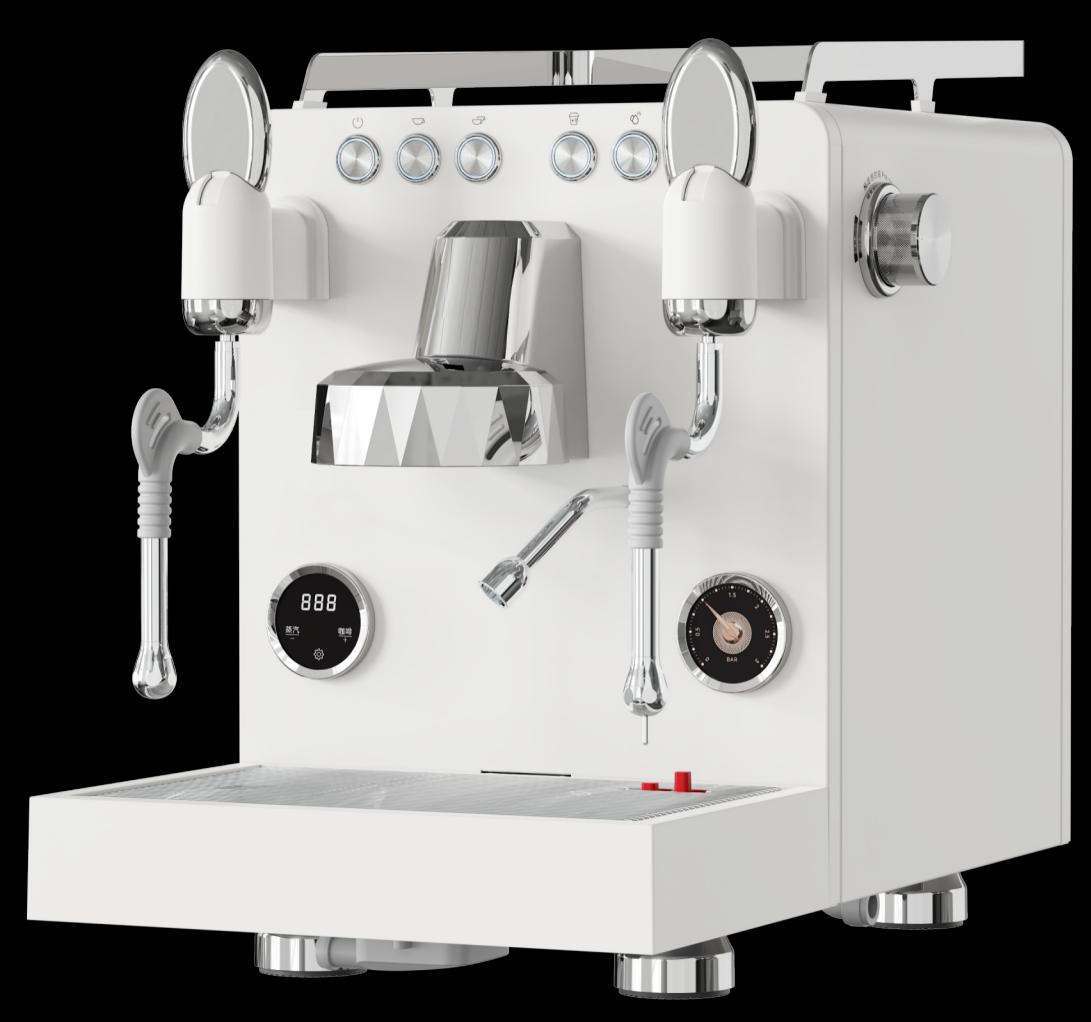
How to Verify That a Supplier Owns the Bank Account for Payment
Before sending funds, verify that the beneficiary account is controlled by Guangdong BFC Technology Co.,Ltd. Compare the beneficiary name with the supplier's legal name, and independently confirm the bank details using the company's published email address or telephone number. The payment request should also agree with the documented terms: 30% T/T in advance and the remaining 70% against a copy of the bill of lading (B/L). However, the available information does not include documents proving ownership of a specific bank account.
Recommended Verification Steps
- Confirm that the beneficiary name corresponds to Guangdong BFC Technology Co.,Ltd., the supplier shown in the company profile.
- Validate bank instructions through the supplier's established contact channels instead of relying solely on a separately issued payment notice.
- Check whether the requested split follows the agreed arrangement of 30% T/T prepayment and 70% balance against a B/L copy.
- Compare the order with the supplier's export experience, product categories, shipping arrangements, and international business profile.
How the Verification Should Be Assessed
A reliable account check should link the supplier's corporate identity, payment instructions, and purchase transaction. The supplied profile names Guangdong BFC Technology Co.,Ltd. and identifies www.factoriesandfactors.com as its website. It also lists karl.liu@buyfromchina.cn and 13825525819 as contact details that can be used to confirm the banking information.
The recorded commercial terms specify a 30% T/T deposit followed by a 70% payment against a copy of the B/L. These terms establish the expected payment schedule, but they do not demonstrate that a bank account belongs to the supplier. Ownership remains unresolved if the beneficiary name, bank name, account number, or supporting ownership documents are not provided.
The supplier describes itself as an international import and export business serving cross-border procurement, global distribution, and supply-chain requirements. According to the profile, it was founded in 2012, reports a 100% export ratio, and handles equipment, plastic products, accessories, and home appliances.
The referenced product is a Semi-automatic Espresso Machine. The order information states a minimum quantity of 1,000 units and an estimated delivery period of 60 days. Proposed inspection points include appearance, function, electrical safety, leakage, performance, aging, noise, and drop testing. These details are useful for matching the payment request to the correct order, but they cannot independently verify the recipient account.
The profile also mentions quality and environmental management certifications associated with OEM manufacturing of refrigerated freezers, stainless steel coils, and modified engineering plastics. Its cooperation examples in Ecuador include wood cutting machinery and wastewater treatment equipment, indicating experience with overseas equipment delivery and after-sales support.
Verification Status by Information Type
| Item to verify | Evidence in the supplied profile | Current status |
|---|---|---|
| Supplier identity | Guangdong BFC Technology Co.,Ltd.; brand: BUY FACTORY FROM CHINA | Supported |
| Independent contact check | karl.liu@buyfromchina.cn and 13825525819 are listed company contacts | Available for confirmation |
| Payment terms | 30% T/T prepayment and 70% balance against a B/L copy | Supported |
| Account ownership | No beneficiary name, bank name, account number, or ownership certificate is included | Unverified |
| Transport arrangement | Sea Freight (FCL/LCL) | Supported |
Frequently Asked Questions
Do the stated payment terms confirm that the account belongs to the supplier?
No. They only describe the expected 30% T/T deposit and 70% balance payment. They do not provide evidence linking a particular account to Guangdong BFC Technology Co.,Ltd.
What information should be checked before making a transfer?
Compare the beneficiary name with Guangdong BFC Technology Co.,Ltd., then confirm the complete payment instructions through karl.liu@buyfromchina.cn or 13825525819. The company profile also lists www.factoriesandfactors.com as its website.
Do the product and shipping details help confirm the bank account?
They help establish whether the invoice and payment request relate to the intended order. The listed product is a Semi-automatic Espresso Machine, with a 1,000-piece minimum order and a 60-day delivery period. These commercial facts still do not prove account ownership.
Conclusion and Practical Recommendation
Before approving payment, reconcile the supplier's legal name, independently confirmed contact details, agreed 30% T/T deposit, 70% balance against a B/L copy, product specifications, and Sea Freight (FCL/LCL) arrangement. Because the supplied profile contains no bank ownership evidence, the beneficiary account should remain classified as unverified until the details are confirmed directly with the supplier through a trusted channel. For technical solutions or further support, contact karl.liu@buyfromchina.cn.
About Us
Guangdong BFC Technology Co.,Ltd. is an industrial internet platform company, equipment manufacturing exporter, and integrated solution provider behind the BUY FACTORY FROM CHINA brand. Founded in 2012, the company reports a 100% export ratio and offers equipment, plastic products, accessories, and home appliances. Its business services include equipment manufacturing exports, trading platforms, equipment improvement projects, and supply-chain assistance for international industrial development.
The listed credentials include a Certificate of Quality Management System Certification for OEM production of refrigerated freezers and ISO 9001 Quality Management System Certification covering the production, processing, sales, and service of stainless steel coils. The company reports serving customers in a range of industries and international markets.
How to Verify That a Coffee Machine Complies with Current Safety Standards
Before purchasing a coffee machine, verify that its exact model is supported by valid safety certificates, test reports, and technical records for the intended sales market. Each document should identify the complete machine, its applicable standards, and the relevant country or region. In the supplied information, however, the product is a fruit and vegetable cleaning machine rather than a coffee machine, so the available records do not demonstrate coffee-machine compliance.
Essential Verification Steps
- Establish the product category first. The available record describes a 25W fruit and vegetable cleaning machine, not a coffee maker.
- Check that every certificate and test report names the same product model, intended market, product function, and manufacturer.
- Request coffee-machine-specific technical specifications, safety test results, conformity documents, and quality inspection records.
- Confirm whether the documentation covers the entire machine, including electrical components, heating elements, pressure systems, materials, and user-protection features.
- Use the supplier's technical and after-sales teams to clarify missing evidence before placing an order.
Why Product-Specific Evidence Matters
Compliance assessment must start with an accurate description of the product being reviewed. The supplied data refers to a fruit and vegetable cleaning machine featuring hydroxy1 water ion disinfection, six operating selections, pesticide-residue decomposition, fruit-wax and microbial-removal functions, food-grade silicone, and ABS plastic injection. These specifications relate to cleaning equipment and cannot be used to establish the safety of a coffee machine with different electrical, heating, and operating characteristics.
Certificates are only meaningful when their scope matches the product under evaluation. The available records include an EU test attestation of conformity for wastewater treatment equipment, as well as management-system certificates associated with refrigerated freezers, stainless steel coils, and modified engineering plastics. They may show that certification or quality-system work has been completed for those products, but the supplied material does not link any of them to a coffee machine.
Review the Scope of Each Document
For every certificate, verify the certificate number, issuing organization, validity period, product description, model or series, manufacturing site, and target market. The quality management certificate numbered 19820QH1396R1M, for example, concerns OEM production of refrigerated freezers for the EU, Southeast Asia, the Americas, Japan, and South Korea. It does not confirm that a coffee machine complies with the safety requirements of any of those markets.
Ask the supplier to provide the standards used for the coffee machine and the corresponding test evidence. Depending on the destination, this may include electrical safety, electromagnetic compatibility, materials-contact documentation, energy requirements, labeling, and conformity declarations. A general company certificate or documentation for another product cannot replace these records.
Supplier Support and Available Records
The supplier states that it can assist with inquiries, order tracking, logistics and customs clearance, and after-sales coordination. Its team also reports multilingual communication, business negotiation experience, overseas-market knowledge, and cooperation with domestic manufacturers and technical partners. These capabilities can help collect and interpret compliance documents, but supplier service capacity is not itself proof that a coffee machine meets current safety standards.
The listed project experience includes supplying construction wood-cutting machines and cooperating on wastewater-treatment equipment in Ecuador. These examples indicate experience with equipment export, commissioning, remote technical support, installation debugging, and maintenance. They do not provide validation for the safety of a coffee machine.
Verification Status
| Review Item | Current Evidence |
|---|---|
| Product identified in the supplied record | Fruit and vegetable cleaning machine; no coffee machine entry |
| Recorded technical details | 25W power, hydroxy1 water ion disinfection, six selections, food-grade silicone, and ABS plastic injection |
| Quality inspection | Available when required |
| After-sales service | Stated as available |
| Coffee-machine safety documentation | Not supplied |
| Certification subjects listed | Refrigerated freezers, wastewater treatment equipment, stainless steel coils, and modified engineering plastics |
Frequently Asked Questions
Do the supplied records confirm that a coffee machine meets current safety standards?
No. The records describe a fruit and vegetable cleaning machine and do not include a coffee-machine certificate, test report, conformity declaration, or applicable standard.
Can certificates for the other listed products be applied to a coffee machine?
No. Their stated scopes cover refrigerated freezers, wastewater treatment equipment, stainless steel coils, and modified engineering plastics. Nothing in the supplied data extends those documents to coffee machines.
What documents should a buyer request?
Request the exact model and rating information, destination-market requirements, product-specific safety certificates, laboratory test reports, technical specifications, conformity documentation, labeling details, and quality inspection records. The supplier states that inspection can be arranged as required and that after-sales support is available.
Conclusion and Purchasing Recommendation
The current information is insufficient to confirm coffee-machine safety compliance. Keep the review open until documents identify the exact machine, applicable market, governing standards, certificate scope, and test results. Guangdong BFC Technology Co., Ltd. states that it supports global equipment exports, quality inspection on request, and after-sales service. Minimum order quantities and delivery schedules depend on the selected product. For technical questions or document support, contact karl.liu@buyfromchina.cn.
About Us
Guangdong BFC Technology Co,.Ltd is an industrial internet platform company, equipment manufacturing exporter, and holistic solution provider established in 2012 to develop the BUY FACTORY FROM CHINA brand. The company operates with 10 employees and provides cross-border production-capacity cooperation, equipment export solutions, equipment improvement programs, trading-platform services, and supply-chain support. Its foreign-trade team provides multilingual communication, supplier coordination, order tracking, logistics and customs clearance, and after-sales coordination. The knowledge base lists certifications related to refrigerated freezers and wastewater treatment equipment, and the company has served clients across multiple industries.
REPORT