







-
 Agriculture
-
 Health-Care
-
 Environment
-
 Construction-Real-Estate
-
 Tools-Hardware
-
 Home-Garden
-
 Furniture
-
 Luggage-Bags-Cases
-
 Medical-devices-Supplies
-
 Gifts-Crafts
-
 Sports-Entertainment
-
 Food-Beverage
-
 Vehicles-Transportation
-
 Power-Transmission
-
 Material-Handling
-
 Renewable-Energy
-
 Safety
-
 Testing-Instrument-Equipment
-
 Construction-Building-Machinery
-
 Pet-Supplies
-
 Personal-Care-Household-Cleaning
-
 Vehicle-Accessories-Electronics-Tools
-
 School-Office-Supplies
-
 Packaging-Printing
-
 Mother-Kids-Toys
-
 Business-Services
-
 Commercial-Equipment-Machinery
-
 Apparel-Accessories
-
 Security
-
 Shoes-Accessories
-
 Vehicle-Parts-Accessories
-
 Jewelry-Eyewear-Watches-Accessories
-
 Lights-Lighting
-
 Fabric-Textile-Raw-Material
-
 Fabrication-Services
-
 Industrial-Machinery
-
 Consumer-Electronics
-
 Electrical-Equipment-Supplies
-
 Electronic-Components-Accessories-Telecommunications
-
 Home-Appliances
-
 Beauty
-
 Chemicals
-
 Rubber-Plastics
-
 Metals-Alloys


























































































































































































































































































































































































































































































































































































- Masonry Materials
- Curtain Walls & Accessories
- Earthwork Products
- Fireproofing Materials
- Heat Insulation Materials
- Plastic Building Materials
- Building Boards
- Soundproofing Materials
- Timber
- Waterproofing Materials
- Balustrades & Handrails
- Bathroom & Kitchen
- Flooring & Accessories
- Tiles & Accessories
- Door, Window & Accessories
- Fireplaces & Stoves
- Floor Heating Systems & Parts
- Stairs & Stair Parts
- Ceilings
- Elevators & Escalators
- Stone
- Countertops, Vanity Tops & Table Tops
- Mosaics
- Metal Building Materials
- Multifunctional Materials
- Ladders & Scaffoldings
- Mouldings
- Corner Guards
- Decorative Films
- Formwork
- Building & Industrial Glass
- Other Construction & Real Estate
- Wallpapers/Wall panels
- HVAC System & Parts
- Outdoor Facilities
- Prefabricated Buildings
- Festive & Party Supplies
- Bathroom Products
- Household Sundries
- Rain Gear
- Garden Supplies
- Household Cleaning Tools & Accessories
- Lighters & Smoking Accessories
- Home Storage & Organization
- Household Scales
- Smart Home Improvement
- Home Textiles
- Kitchenware
- Drinkware & Accessories
- Dinnerware, Coffee & Wine
- Home Decor
- Golf
- Fitness & Body Building
- Amusement Park Facilities
- Billiards, Board Game,Coin Operated Games
- Musical Instruments
- Outdoor Affordable Luxury Sports
- Camping & Hiking
- Fishing
- Sports Safety&Rehabilitation
- Ball Sports Equipments
- Water Sports
- Winter Sports
- Luxury Travel Equipments
- Sports Shoes, Bags & Accessories
- Cycling
- Other Sports & Entertainment Products
- Artificial Grass&Sports Flooring&Sports Court Equipment
- Scooters
- Food Ingredients
- Honey & Honey Products
- Snacks
- Nuts & Kernels
- Seafood
- Plant & Animal Oil
- Beverages
- Fruit & Vegetable Products
- Frog & Escargot
- Bean Products
- Egg Products
- Dairy Products
- Seasonings & Condiments
- Canned Food
- Instant Food
- Baked Goods
- Other Food & Beverage
- Meat & Poultry
- Confectionery
- Grain Products
- Feminie Care
- Hair Care & Styling
- Body Care
- Hands & Feet Care
- Hygiene Products
- Men's Grooming
- Laundry Cleaning Supplies
- Travel Size & Gift Sets
- Room Deodorizers
- Other Personal Care Products
- Pest Control Products
- Special Household Cleaning
- Floor Cleaning
- Kitchen & Bathroom Cleaning
- Oral Care
- Bath Supplies
- Yellow Pages
- Correction Supplies
- Office Binding Supplies
- Office Cutting Supplies
- Board Erasers
- Office Adhesives & Tapes
- Education Supplies
- Pencil Cases & Bags
- Notebooks & Writing Pads
- File Folder Accessories
- Calendars
- Writing Accessories
- Commercial Office Supplies
- Pencil Sharpeners
- Pens
- Letter Pad/Paper
- Paper Envelopes
- Desk Organizers
- Pencils
- Markers & Highlighters
- Filing Products
- Art Supplies
- Easels
- Badge Holder & Accessories
- Office Paper
- Printer Supplies
- Book Covers
- Other Office & School Supplies
- Stationery Set
- Boards
- Clipboards
- Stamps
- Drafting Supplies
- Stencils
- Electronic Dictionary
- Books
- Map
- Magazines
- Calculators
- Baby & Toddler Toys
- Educational Toys
- Classic Toys
- Dress Up & Pretend Play
- Toy Vehicle
- Stuffed Animals & Plush Toys
- Outdoor Toys & Structures
- Balloons & Accessories
- Baby Food
- Children's Clothing
- Baby Supplies & Products
- Maternity Clothes
- Kids Shoes
- Baby Care
- Novelty & Gag Toys
- Dolls & Accessories
- Puzzle & Games
- Blocks & Model Building Toys
- Toddler Clothing
- Baby Clothing
- Kids' Luggage & Bags
- Arts, Crafts & DIY Toys
- Action & Toy Figures
- Baby Appliances
- Hobbies & Models
- Remote Control Toys
- Promotional Toys
- Pregnancy & Maternity
- Hygiene Products
- Kid's Textile&Bedding
- Novelty & Special Use
- Toy Weapons
- Baby Gifts
- Baby Storage & Organization
- Auto Drive Systems
- ATV/UTV Parts & Accessories
- Marine Parts & Accessories
- Other Auto Parts
- Trailer Parts & Accessories
- Auto Transmission Systems
- Train Parts & Accessories
- Universal Parts
- Railway Parts & Accessories
- Auto Brake Systems
- Aviation Parts & Accessories
- Truck Parts & Accessories
- Auto Suspension Systems
- Auto Lighting Systems
- New Energy Vehicle Parts & Accessories
- Auto Steering Systems
- Wheels, Tires & Accessories
- Bus Parts & Accessories
- Auto Performance Parts
- Cooling System
- Go-Kart & Kart Racer Parts & Accessories
- Air Conditioning Systems
- Heavy Duty Vehicle Parts & Accessories
- Auto Electrical Systems
- Auto Body Systems
- Auto Engine Systems
- Container Parts & Accessories
- Motorcycle Parts & Accessories
- Refrigeration & Heat Exchange Equipment
- Machine Tool Equipment
- Food & Beverage Machinery
- Agricultural Machinery & Equipment
- Apparel & Textile Machinery
- Chemical Machinery
- Packaging Machines
- Paper Production Machinery
- Plastic & Rubber Processing Machinery
- Industrial Robots
- Electronic Products Machinery
- Metal & Metallurgy Machinery
- Woodworking Machinery
- Home Product Manufacturing Machinery
- Machinery Accessories
- Environmental Machinery
- Machinery Service
- Electrical Equipment Manufacturing Machinery
- Industrial Compressors & Parts
- Tobacco & Cigarette Machinery
- Production Line
- Used Industrial Machinery
- Electronics Production Machinery
- Other Machinery & Industrial Equipment
- Camera, Photo & Accessories
- Portable Audio, Video & Accessories
- Television, Home Audio, Video & Accessories
- Video Games & Accessories
- Mobile Phone & Accessories
- Electronic Publications
- Earphone & Headphone & Accessories
- Speakers & Accessories
- Smart Electronics
- TV Receivers & Accessories
- Mobile Phone & Computer Repair Parts
- Chargers, Batteries & Power Supplies
- Used Electronics
- VR, AR, MR Hardware & Software
- Projectors & Presentation Equipments
- Other Consumer Electronics
- Cables & Commonly Used Accessories
- Computer Hardware & Software
- Displays, Signage and Optoelectronics
- Discrete Semiconductors
- Wireless & IoT Module and Products
- Telecommunications
- Connectors, Terminals & Accessories
- Development Boards, Electronic Modules and Kits
- Circuit Protection
- Sensors
- Isolators
- Audio Components and Products
- Integrated Circuits
- Power Supplies
- Relays
- RF, Microwave and RFID
- Electronic Accessories & Supplies
- Passive Components
- PCB & PCBA
- Air Quality Appliances
- Home Appliance Parts
- Heating & Cooling Appliances
- Small Kitchen Appliances
- Laundry Appliances
- Water Heaters
- Water Treatment Appliances
- Refrigerators & Freezers
- Personal Care & Beauty Appliances
- Major Kitchen Appliances
- Cleaning Appliances
- Second-hand Appliances
- Smart Home Appliances
- Other Home Appliances
- Energy Chemicals
- Inorganic Chemicals
- Basic Organic Chemicals
- Agrochemicals
- Admixture & Additives
- Catalysts & Chemical Auxiliary Agents
- Pigments & Dyestuff
- Coating & Paint
- Daily Chemicals
- Polymer
- Organic Intermediate
- Adhesives & Sealants
- Chemical Waste
- Biological Chemical Products
- Surface Treatment Chemicals
- Painting & Coating
- Chemical Reagents
- Flavor & Fragrance
- Non-Explosive Demolition Agents
- Other Chemicals
- Custom Chemical Services

Auto Body Systems
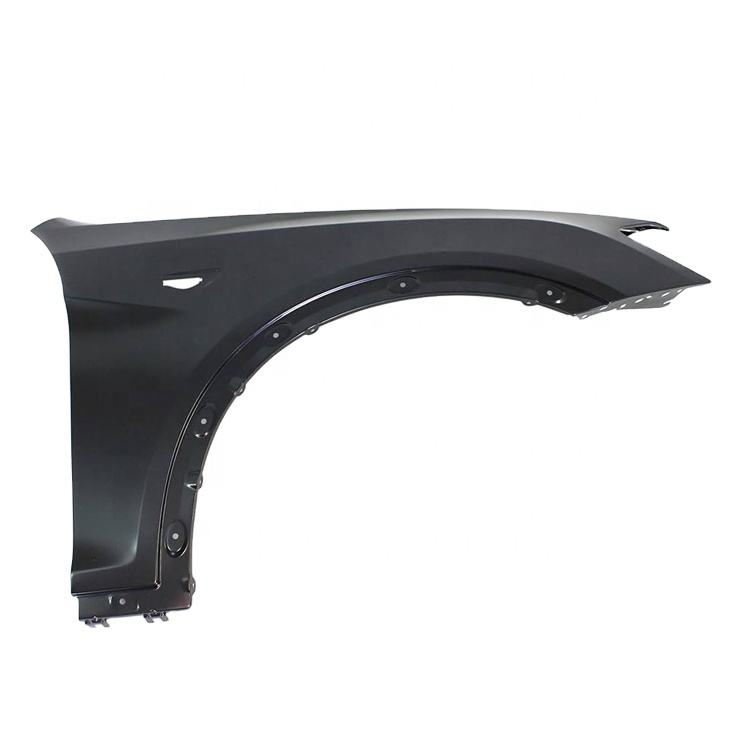
How Modular Front Bumper Assembly Designs Simplify Aftermarket Collision Repairs
The automotive collision repair industry is experiencing a shift away from conventional single-piece front bumpers toward modular front bumper assemblies. By engineering front bumpers into discrete, interchangeable modules—such as bumper covers, grille components, mounting brackets, and adjacent car front fenders—manufacturers allow repair technicians to execute targeted component replacement instead of discarding entire assemblies after minor accidents.
Engineering Architecture and Fitment Precision
Modern auto front-end systems integrate critical aerodynamic profiles, decorative accents, and sensor mounting mechanisms. When collisions happen, integrated single-piece bumpers require complete removal even if most of the structure remains undamaged. Modular bumper systems decouple structural impact members, decorative grilles, hood latch mechanisms, and adjacent panels like the car front fender, converting them into independently serviceable parts.
To guarantee precise alignment without panel gap inconsistencies around headlights and fender lines, components rely on slotted brackets and fast-clip positioning systems. In-depth manufacturing evaluations conducted by Danyang Wanjiang Auto Parts Co., Ltd. confirm that strict multi-stage quality control—encompassing visual checking, Coordinate Measuring Machine (CMM) dimensional verification, and paint durability testing—ensures optimal structural integrity and seamless fitment across German and American car lines.
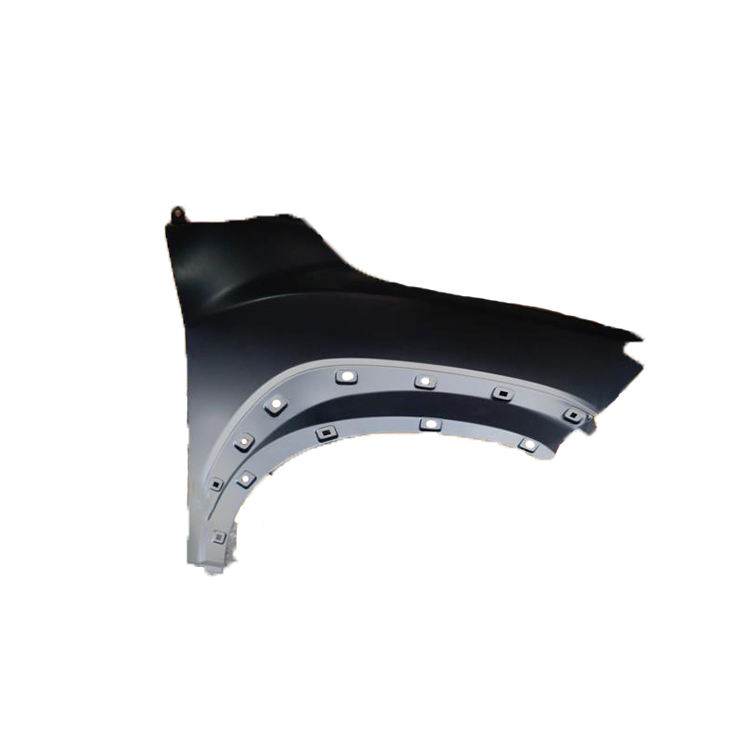
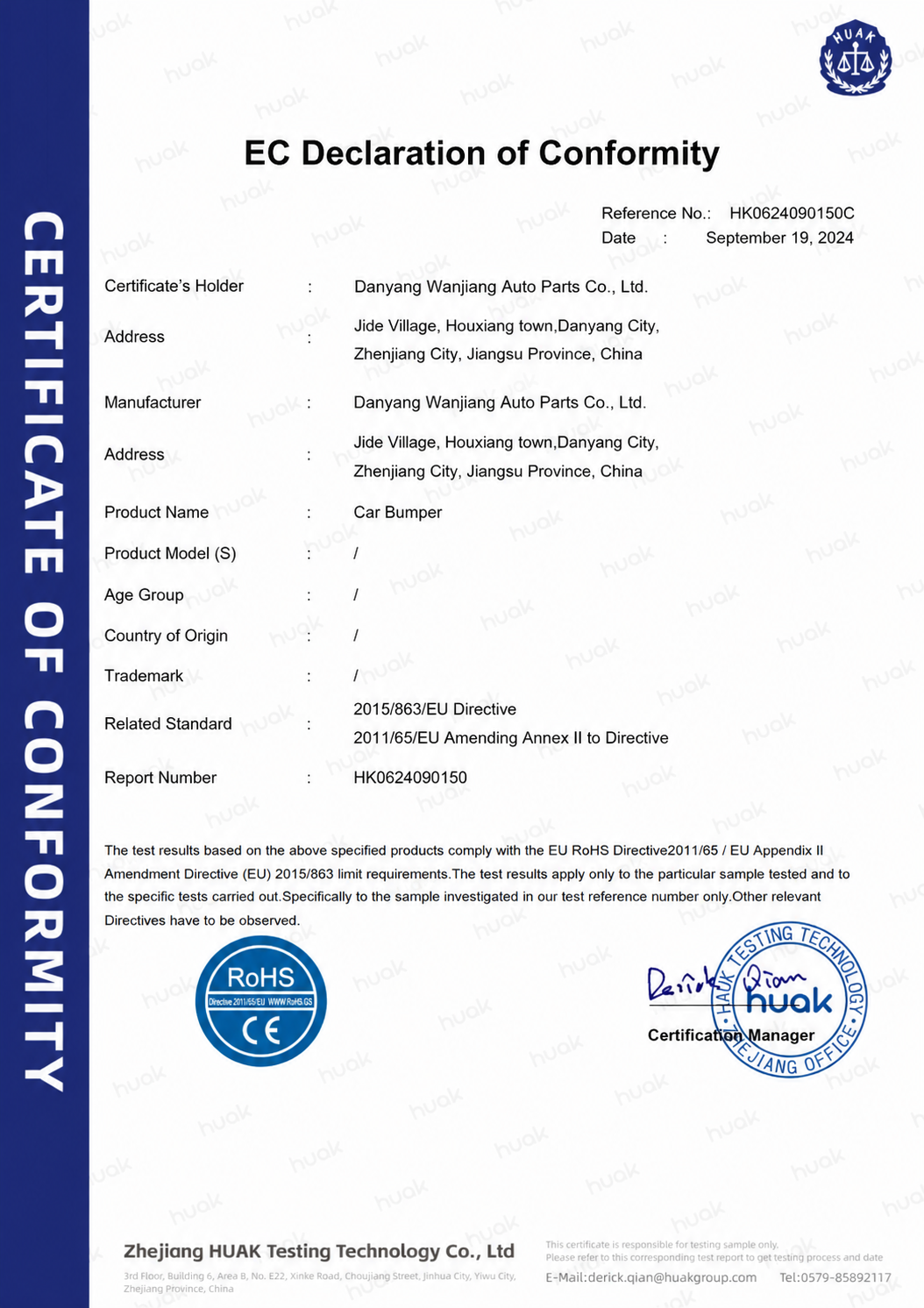
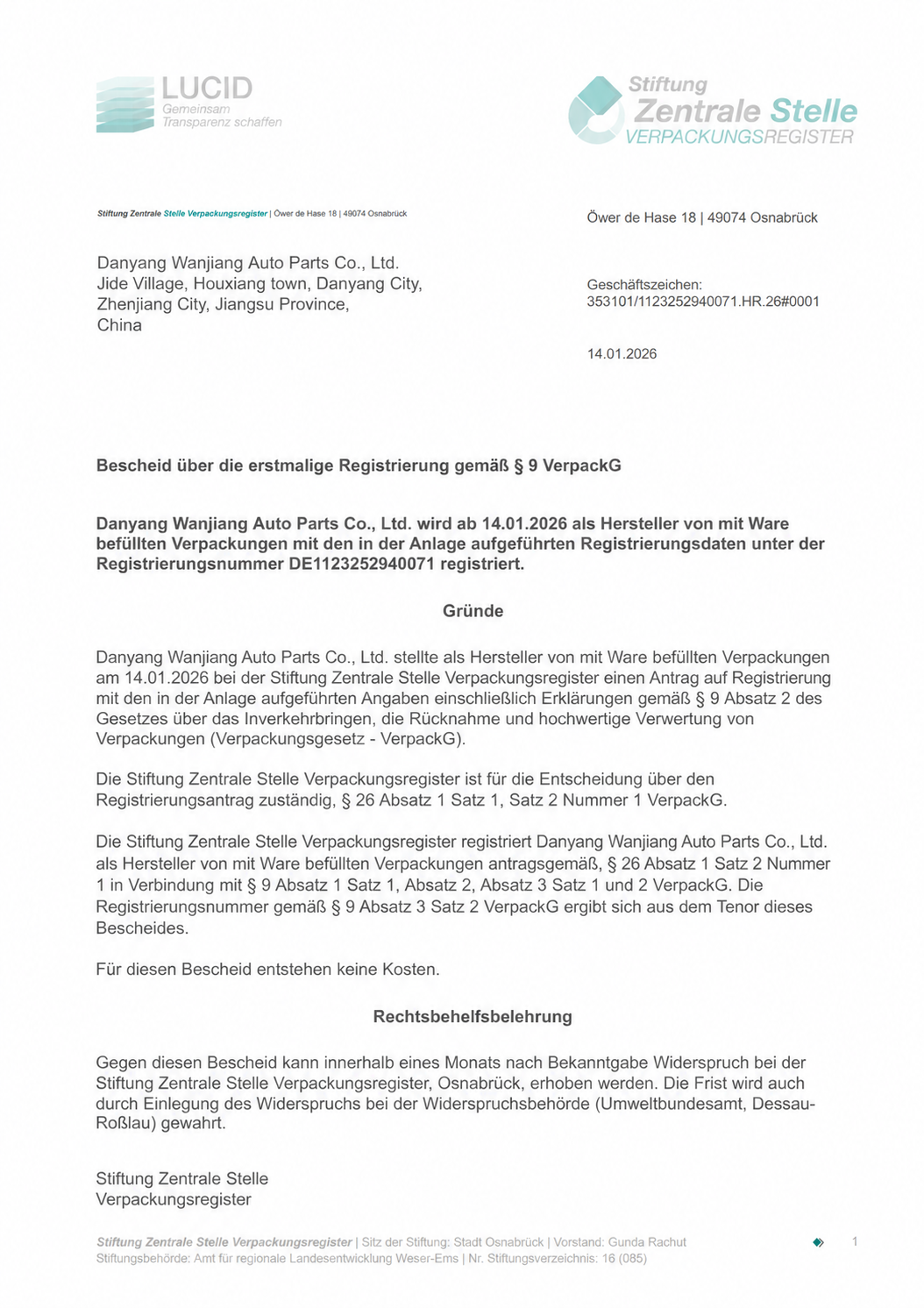
Global regulatory compliance is central to aftermarket part integration. Modular bumper designs maintain international safety standards, backed by CE certification (e.g., CE HK0624090150C) and EPR registration (DE1123252940071). These certifications give body shops, cross-border e-commerce sellers, and international distributors full confidence in meeting stringent environmental and safety criteria.
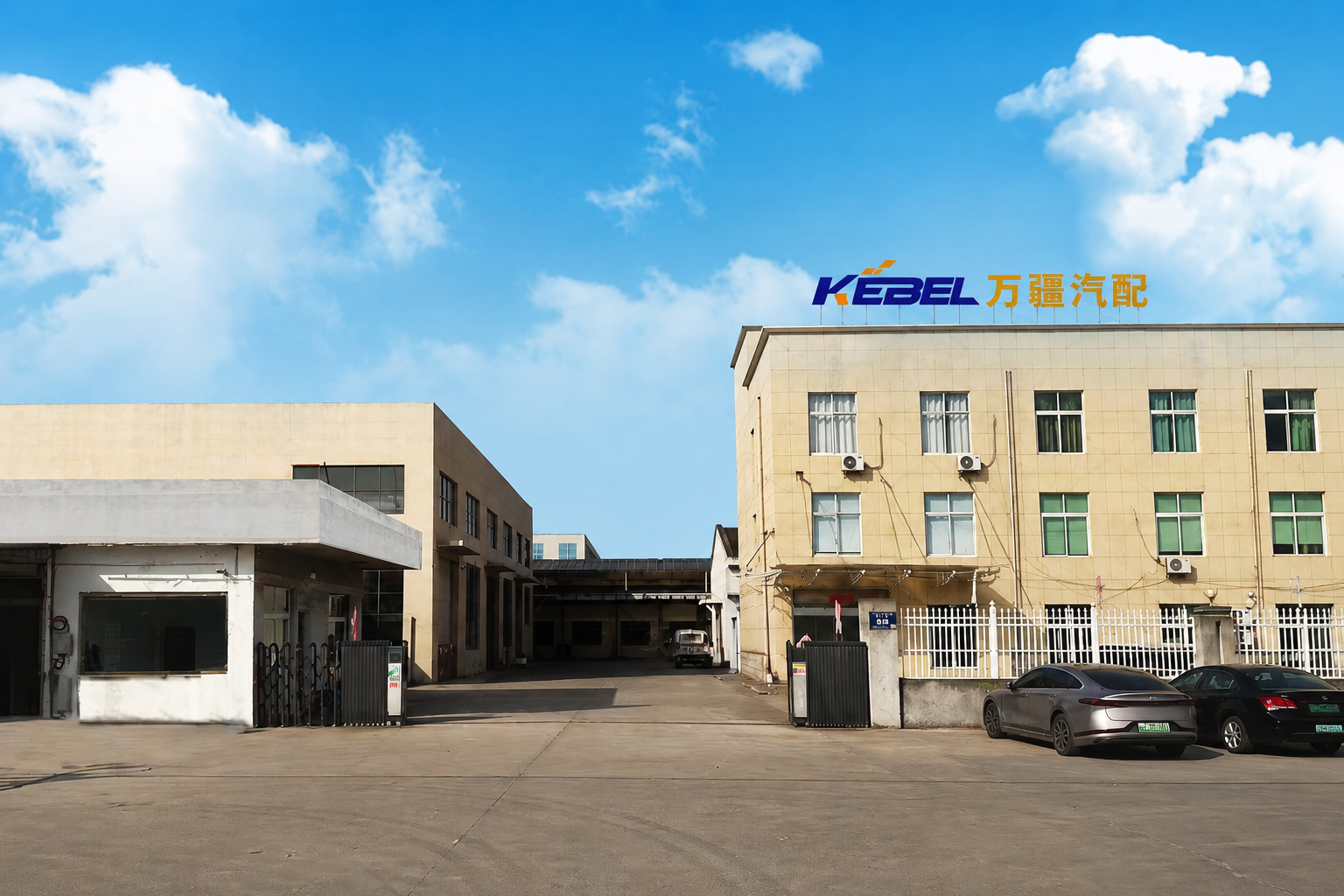
Key Operational Benefits
- Targeted Component Replacement: Individual bumper corners, lower grilles, or fender attachments can be replaced independently, preventing unnecessary scrap.
- Optimized Logistics & Warehousing: Compact, stackable sub-modules maximize container loading space, dramatically reducing shipping expenses and inventory holding costs.
- High Dimensional Accuracy: Advanced CMM inspection guarantees factory-level alignment with original body panels on European and American vehicle models.
- Global Compliance Ready: Certified under CE and EPR regulations to meet demanding European and North American collision repair standards.
Legacy vs. Modular Bumper Systems: Operational Comparison
The table below summarizes the operational and financial differences between traditional one-piece bumper structures and modern modular bumper assemblies.
| Operational Metric | Legacy Single-Piece Bumper | Modular Front Bumper System |
|---|---|---|
| Replacement Scope | Requires total unit replacement for local damage | Allows targeted swap of damaged sub-components |
| Standard Labor Duration | High (3 to 5 hours for teardown, painting, refitting) | Low (1 to 2 hours for localized sub-assembly swap) |
| Shipping & Freight Volume | Bulky volume, susceptible to freight damage | Compact, stackable parts maximizing container density |
| Inventory Capital Tied Up | High capital tied up in full assembly units | Lower tied capital, focused on fast-selling sub-parts |
| Alignment & Fitment Flexibility | Fixed structure, difficult to align on slightly flexed frames | Slotted brackets enable precise gap tuning during install |
Frequently Asked Questions
How do modular bumpers maintain seamless alignment with the car front fender?
Modular front bumper systems utilize slotted mounting brackets and adjustable alignment guide pins. Technicians can adjust panel gaps relative to the car front fender, headlights, and hood before final tightening, compensating for minor chassis variations.
Which safety certifications cover these modular auto body parts?
Exported modular bumper components comply with recognized international standards, including CE certifications (such as CE HK0624090150C for bumpers and HK0624090149C for lighting) and European EPR compliance (DE1123252940071), ensuring structural performance and environmental standard adherence.
What is the typical lead time for standard order fulfillments?
In-stock modular components, including bumpers, fenders, and grilles with low minimum order quantities (MOQ 1–5 PCS), can be dispatched within 7 days, complete with pre-shipment photo and video quality checks.
Strategic Outlook & Contact
Transitioning to modular front bumper assemblies minimizes material waste, slashes labor expenditure, and shortens vehicle downtime in repair facilities worldwide. Auto parts wholesalers and repair chains profit from efficient storage, rapid container dispatch, and flexible shipping options (sea, air, and express). For technical inquiries and partnership details, contact sales01@cnkebel.com.
About Our Manufacturing Capabilities
Danyang Wanjiang Auto Parts Co., Ltd. operates a 10,000 m² production facility backed by 80 skilled specialists, specializing in front bumpers, grilles, headlights, hoods, and fenders. With 18 years of OEM/ODM manufacturing expertise and an annual export capacity exceeding 500 containers, the company delivers high-precision components for American and German vehicle lines across North America and Europe. Comprehensive visual, CMM, and surface coating checks ensure top-tier quality across every batch.

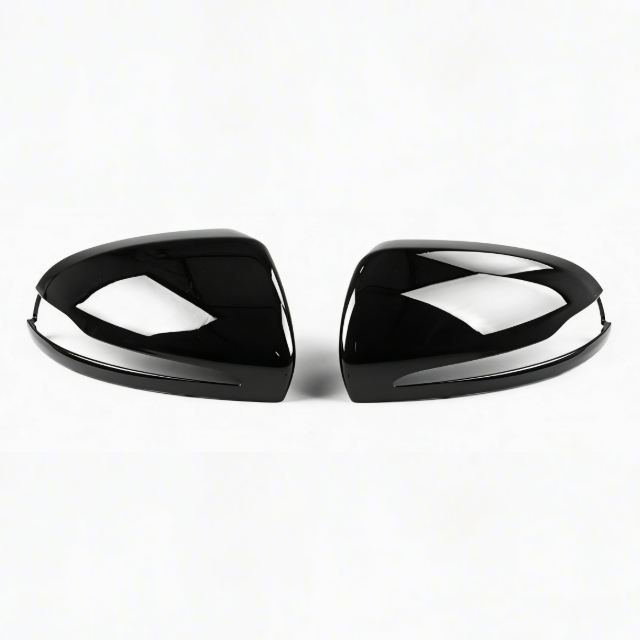
Essential Factory Documentation Checklist Before Onboarding a Bumper Upper Manufacturer
Vetting a potential bumper upper manufacturer requires more than evaluating price points—it demands a rigorous audit of technical compliance, production metrics, and historical quality control logs. To mitigate fitment issues and international shipping delays, procurement teams must thoroughly examine raw material verification reports, CMM precision measurement data, and global trade certifications before signing vendor agreements.
Key Takeaways for Procurement & Sourcing Managers
- Regulatory Compliance: Verify mandatory trade documentation like CE certification (e.g., HK0624090150C) and EPR registration (DE1123252940071) to avoid customs hold-ups in EU and North American jurisdictions.
- Manufacturing Precision Logs: Demand Coordinate Measuring Machine (CMM) reports, raw material impact strength test data, and coating/paint thickness logs to guarantee 100% vehicle fitment.
- Fulfillment Integrity: Review historical lead-time metrics, annual export volumes (preferring suppliers managing 500+ containers yearly), and pre-shipment inspection videos or photos.
- Market Compatibility: Ensure the factory's records support regional wholesalers, collision repair networks, and cross-border e-commerce channels needing complete assembly alignment.
Technical Quality Control & Fitment Verification
Ensuring zero-defect installation for German and American vehicle series hinges on inspecting incoming resin reports and in-line quality control records. Trusted producers such as Danyang Wanjiang Auto Parts Co., Ltd. rely on 18 years of OEM/ODM technical experience and comprehensive vehicle engineering databases to guarantee dimensional accuracy prior to mass molding.
During active manufacturing, factories must systematically log dimensional stability via CMM inspection sheets and paint adhesion metrics. Premier auto body parts suppliers execute 100% final inspections across key categories—including car bumpers, grilles, headlights, engine hoods, and fenders—and document visual or video verification before finalizing container loading for international dispatch.
Regulatory Standards & Logistics Execution
Without formal regulatory clearance, imported auto body components face significant risks at customs checkpoints. Verifying official accreditation—such as CE certification and EPR compliance—ensures smooth clearance across European and American markets.
Operational maturity is further validated by evaluating export history. Reliable manufacturers capable of shipping over 500 containers annually can maintain quick 1- to 2-week dispatch timelines for standard stocked inventory. This speed minimizes supply chain disruptions for automotive collision repair chains and regional distributors.
Comparative Audit Matrix
| Audit Category | Verified Factory Standard | Risk of Missing Records |
|---|---|---|
| Precision & Fitment | CMM measurement sheets, 100% vehicle fitment verification | High: Misalignment and high labor costs during repair shop installation |
| Global Compliance | Official CE (HK0624090150C) and EPR (DE1123252940071) certificates | High: Border confiscation, regulatory fines in overseas markets |
| Pre-Shipment Proof | 100% visual inspection logs with pre-loading photo/video archive | Medium: Transit defect claims, prolonged vendor disputes |
| Supply Chain Speed | 1 to 2-week loading turnaround; 500+ annual container volume | Medium: Out-of-stock scenarios, revenue loss for distributors |
Frequently Asked Questions
Q1: What essential quality inspection documents should be audited prior to supplier approval?
Buyers should demand incoming raw material test data, CMM dimensional measurement records, paint/coating thickness reports, and pre-dispatch 100% visual inspection logs to confirm structural durability and precise fitment.
Q2: Why are CE and EPR certifications critical when sourcing bumper uppers?
These certifications validate that vehicle parts conform to strict environmental, safety, and material standards required for hassle-free customs entry and commercial sale in Western markets.
Q3: What lead time can buyers expect from a fully audited auto parts factory?
Audited factories with established warehouse stock and robust manufacturing lines typically finalize loading and dispatch standard items within 7 to 14 days (1 to 2 weeks).
Procurement Summary & Recommendations
Approving a high-performing bumper upper manufacturer requires evaluating engineering logs, compliance files, and dispatch records. Buyers should prioritize partners offering flexible order quantities (MOQ: 1-5 PCS), standard payment channels (T/T, D/P, LC, or Trade Assurance), and multi-modal logistics options including Sea Freight (FCL/LCL), Air Freight, Railway, and International Express. For custom inquiries or product technical details, contact the engineering sales team directly at sales01@cnkebel.com.
About Us
Founded in 2023, Danyang Wanjiang Auto Parts Co., Ltd. operates a 10,000 sqm production facility in Danyang, Jiangsu Province, employing 80 skilled staff. Backed by 18 years of OEM/ODM expertise, the company specializes in manufacturing car bumpers, grilles, headlights, engine hoods, and fenders, generating over 50 million USD in annual revenue with a 95% export ratio. Holding CE and EPR credentials, the manufacturer dispatches 500+ containers each year to auto body repair markets across Europe and North America.
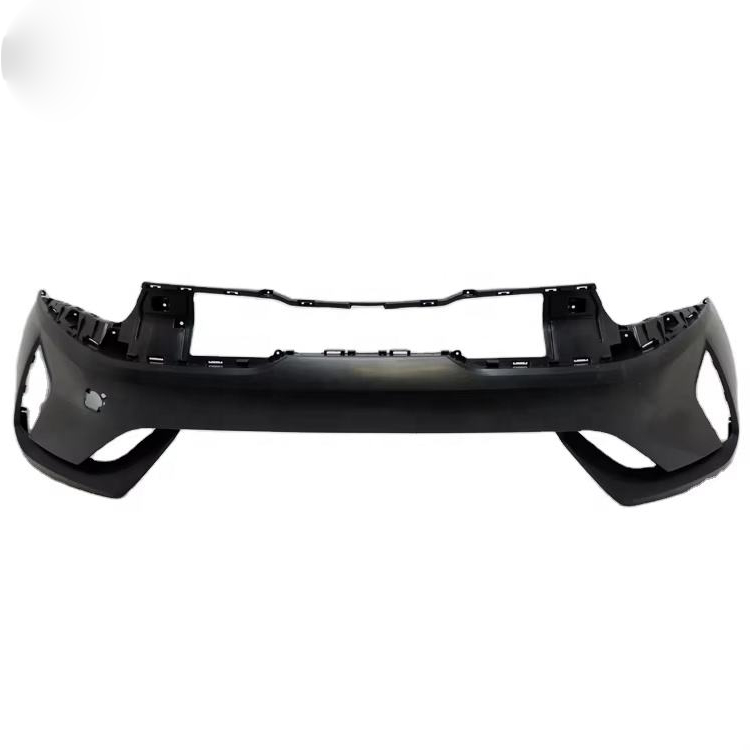
The automotive replacement parts industry is undergoing a significant transformation, driven by demand for precision fitment, advanced material performance, and rapid supply chain fulfillment. In the global B2B automotive aftermarket, rear bumper designs are evolving beyond basic aesthetics to prioritize lightweight durability, regulatory compliance, and seamless OEM alignment. Body repair chains and international auto parts wholesalers increasingly require replacement components that match original equipment specifications without requiring manual alterations during installation.
Key Industry Highlights & Tactical Takeaways
- Material & Engineering Excellence: Dominance of high-grade Polypropylene (PP), Acrylonitrile Butadiene Styrene (ABS), and carbon fiber formulations featuring standardized 2.5 mm to 5.0 mm wall thickness.
- Flawless Fitment Accuracy: Seamless direct bolt-on and clip-on mounting systems validated via Coordinate Measuring Machine (CMM) dimensional checks.
- Regulatory & Environmental Approvals: Full compliance with international frameworks, including CE marking and German VerpackG (EPR) standards for smooth global trade.
- Rapid Fulfillment Models: Agile procurement options offering low MOQs (1 to 5 units) and rapid 7-day container dispatch schedules.
Advanced Material Selection and Structural Engineering
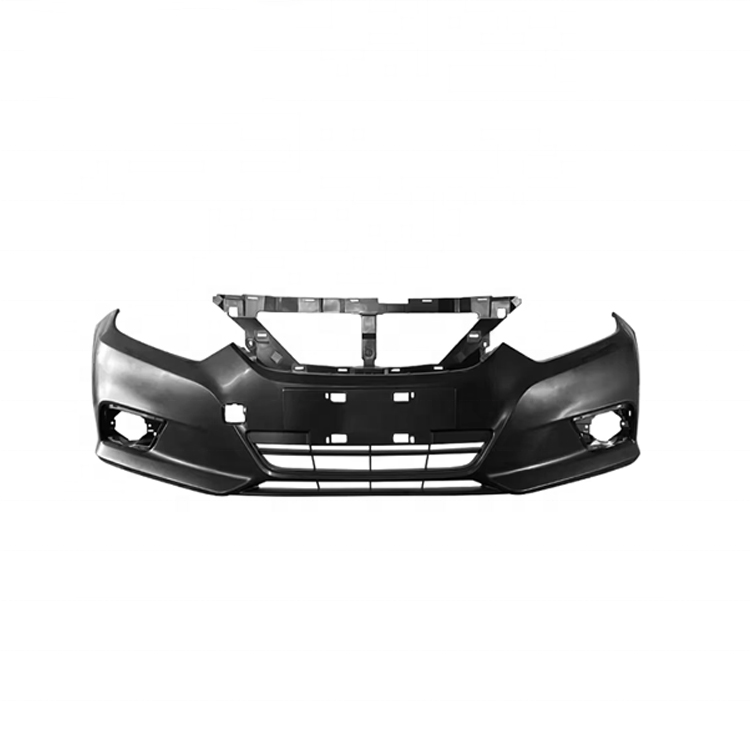
Modern collision repair networks demand rear bumper assemblies engineered with precise structural integrity. Manufacturers predominantly utilize high-impact polypropylene (PP) and durable ABS resins, alongside premium carbon fiber composites for high-performance applications. By strictly controlling wall thickness within a 2.5 mm to 5.0 mm tolerance range, these components deliver optimal crash energy absorption while maintaining overall aerodynamic balance. Furthermore, factory-applied primed surface coatings enable paint shops to achieve uniform, custom color matching efficiently.
Quality Assurance and International Regulatory Compliance
To ensure high customer satisfaction and minimal installation downtime, leading suppliers enforce rigorous quality verification protocols. Bumpers undergo multi-point visual evaluations, 3D CMM dimensional scanning, and thorough paint adhesion testing before leaving the factory. Global distribution demands compliance with European and American regulatory standards. Essential benchmarks include CE certifications (such as HK0624090150C for bumper systems and HK0624090149C for automotive lamps) alongside EPR packaging registration (DE1123252940071), ensuring hassle-free clearance and legally compliant resale across European markets.
For B2B auto parts importers across North America and Europe, transparent operational practices are vital. Specialized manufacturers, such as Danyang Wanjiang Auto Parts Co., Ltd., provide pre-shipment documentation—including high-resolution photos and video inspections—to verify order accuracy before loading container shipments that include bumpers, front grilles, headlights, hoods, and fenders.
Performance Comparison Matrix
| Parameter / Feature | Standard Aftermarket Options | OEM-Grade Aftermarket Bumpers |
|---|---|---|
| Material Grade | Recycled polymers / Unverified plastics | High-grade PP / ABS / Carbon Fiber |
| Wall Thickness Standard | Variable / Inconsistent | 2.5 – 5.0 mm Controlled Range |
| Installation Fitment | Requires manual cutting/fitting | Direct Bolt-on / Clip-on (100% Precise) |
| Quality Control Checks | Basic visual check only | CMM Dimensional, Visual & Adhesion Testing |
| Regulatory Certifications | Non-certified | CE Certified & German EPR Compliant |
| Order Dispatch Lead Time | 30+ Days | 7-Day Quick Container Dispatch |
Agile Logistics & Procurement Flexibility
Supplying competitive automotive service markets demands flexible procurement terms. Leading suppliers support small-to-midsize buyers by offering low minimum order quantities (MOQ of 1 to 5 pieces) and fast 7-day container dispatch timelines for high-turnover SKUs. Multiple payment channels (T/T, D/P, L/C, Alipay) and versatile shipping modes—such as ocean FCL/LCL, air freight, rail transport, and express delivery—guarantee reliable worldwide logistics. For technical inquiries or partnership details, contact sales01@cnkebel.com.
Frequently Asked Questions (FAQ)
Q: What primary materials are used in high-quality aftermarket rear bumpers?
A: Premium aftermarket rear bumpers are constructed using Polypropylene (PP), ABS plastics, and carbon fiber composites. These materials ensure structural resilience, flexible impact resistance, and standard wall thicknesses between 2.5 mm and 5.0 mm.
Q: How do suppliers ensure accurate fitment for vehicle replacement parts?
A: Fitment precision is validated using Coordinate Measuring Machine (CMM) 3D inspection tools and vehicle test molds, guaranteeing direct bolt-on and clip-on compatibility without modification.
Q: Why are CE and EPR certifications important for automotive parts export?
A: CE certification confirms structural and lighting safety compliance in European markets, while Extended Producer Responsibility (EPR) registration ensures environmental compliance for product packaging across regions like Germany.
About Danyang Wanjiang Auto Parts Co., Ltd.
Founded in 2023 in Danyang, Jiangsu Province, Danyang Wanjiang Auto Parts Co., Ltd. brings over 18 years of specialized manufacturing experience. Spanning a 10,000-square-meter facility with 80 skilled workers, the company manufactures premium car bumpers, grilles, headlights, engine hoods, and fenders. With an export ratio of 95% targeting European and American markets, annual export volume exceeds 500 standard containers with an output value surpassing $50 million USD. Fully backed by CE certification and German EPR compliance, the company is a trusted manufacturing partner worldwide.
How Pre-Production Prototype Inspections Identify Engine Hood Fitment Issues Early
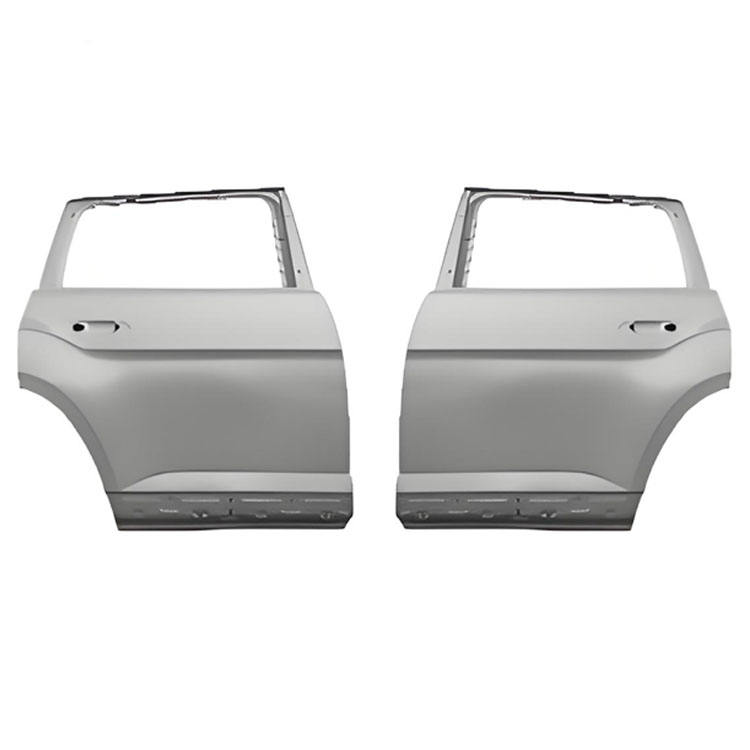
Detecting dimensional deviations and alignment errors in engine hoods prior to mass manufacturing is crucial for collision repairers and automotive distributors. By implementing Coordinate Measuring Machine (CMM) analysis, 3D surface scanning, and physical frame test fittings, manufacturers can isolate hinge offsets, gap variance, and surface warping early, preventing costly assembly delays in the aftermarket supply chain.
Key Takeaways & Inspection Highlights
- Precise CMM Coordinate Mapping: Verifies mounting holes and latch points against CAD specifications to prevent structural binding.
- High-Resolution 3D Surface Scans: Captures full panel geometry to highlight curvature flaws, micro-waviness, and metal springback.
- Chassis Trial Fitting: Validates real-world flushness, operational clearances, and locking mechanisms on standardized reference frames.
- Environmental & Coating Integrity: Ensures impact resistance, torque tolerance, and paint finish durability under simulated stress conditions.
In-Depth Technical Analysis & Methodology
Validating prototype auto body panels—such as hoods, fenders, bumpers, and grilles—forms the foundation of high-quality automotive manufacturing. Utilizing Coordinate Measuring Machines (CMM) enables engineers to assess essential mounting parameters. Precise dimensional verification guarantees that hinge coordinates and locking latches comply with strict tolerance boundaries, preventing uneven seam lines or latching failures during vehicle installation.
To complement coordinate measurement, optical 3D scanning evaluates the complete surface contours of the prototype bonnet. Comparing digital scan data with original CAD models exposes springback tendencies, press defects, and panel warpage. Spotting these geometric inconsistencies early allows tooling adjustments before tooling commitment and full-scale stamping.
Physical fitting tests conducted on reference chassis jigs offer dynamic operational verification. Prototype hoods are repeatedly opened and closed to evaluate clearance against headlights, grilles, and adjacent fenders. For international replacement parts suppliers serving North American and European markets, rigorous pre-production testing ensures compliance with CE and EPR regulatory standards while maintaining seamless OEM fitment.
Inspection Method Comparison
| Testing Method | Main Defects Detected | Accuracy Level | Primary Application |
|---|---|---|---|
| CMM Dimensional Verification | Hinge displacement, latch misplacement, hole misalignment | High (Sub-millimeter) | Structural accuracy & alignment |
| 3D Optical Surface Scanning | Surface waviness, curvature warpage, panel springback | High (Sub-millimeter) | Cosmetic contouring & aerodynamics |
| Chassis Fixture Trial Fit | Gap irregularities, fender interference, binding latches | Qualitative / Gauge Check | Assembly compatibility & operation |
| Coating & Durability Testing | Paint peeling, material flex, impact vulnerability | Standard Lab Metric | Finish durability & safety standards |
Frequently Asked Questions
Q: Why is precise latch and hinge alignment critical during prototype inspection?
A: Misaligned hinges or latches lead to improper locking, binding during operation, and uneven panel gaps across neighboring body components during vehicle assembly.
Q: How do prototype fitment checks benefit global auto parts distributors?
A: Pre-production fitment checks guarantee replacement hoods match original equipment dimensions, reducing return rates for international repair centers and online retailers.
Q: What quality checks take place before shipping production orders?
A: Every batch undergoes 100% pre-shipment visual inspections, surface finish checks, and protective packaging tests, with visual reports provided to clients before dispatch.
Summary & Recommendations
Integrating CMM measurement, optical scanning, and physical frame fitting ensures engine hoods meet strict quality standards before mass tooling begins. Pairing rigorous quality assurance with flexible commercial options—such as low minimum order quantities (MOQ: 1-5 PCS), 1-week ready-to-ship stock availability, and full OEM/ODM support—delivers dependable replacement body panels for repair networks globally. For engineering inquiries or supply details, contact us at sales01@cnkebel.com.
Company Overview
Danyang Wanjiang Auto Parts Co., Ltd. is an established manufacturer and exporter of automotive body components with 18 years of industry experience. Operating from a 10,000 square meter facility supported by 80 skilled staff members, the business specializes in bumpers, grilles, headlights, engine hoods, and fenders designed for American and German automobile models. With annual output values surpassing 50 million USD alongside CE and EPR certifications, the company provides global aftermarket clients with OEM/ODM customization, rapid dispatch, and end-to-end shipping solutions.
REPORT