







-
 Agriculture
-
 Health-Care
-
 Environment
-
 Construction-Real-Estate
-
 Tools-Hardware
-
 Home-Garden
-
 Furniture
-
 Luggage-Bags-Cases
-
 Medical-devices-Supplies
-
 Gifts-Crafts
-
 Sports-Entertainment
-
 Food-Beverage
-
 Vehicles-Transportation
-
 Power-Transmission
-
 Material-Handling
-
 Renewable-Energy
-
 Safety
-
 Testing-Instrument-Equipment
-
 Construction-Building-Machinery
-
 Pet-Supplies
-
 Personal-Care-Household-Cleaning
-
 Vehicle-Accessories-Electronics-Tools
-
 School-Office-Supplies
-
 Packaging-Printing
-
 Mother-Kids-Toys
-
 Business-Services
-
 Commercial-Equipment-Machinery
-
 Apparel-Accessories
-
 Security
-
 Shoes-Accessories
-
 Vehicle-Parts-Accessories
-
 Jewelry-Eyewear-Watches-Accessories
-
 Lights-Lighting
-
 Fabric-Textile-Raw-Material
-
 Fabrication-Services
-
 Industrial-Machinery
-
 Consumer-Electronics
-
 Electrical-Equipment-Supplies
-
 Electronic-Components-Accessories-Telecommunications
-
 Home-Appliances
-
 Beauty
-
 Chemicals
-
 Rubber-Plastics
-
 Metals-Alloys


























































































































































































































































































































































































































































































































































































- Masonry Materials
- Curtain Walls & Accessories
- Earthwork Products
- Fireproofing Materials
- Heat Insulation Materials
- Plastic Building Materials
- Building Boards
- Soundproofing Materials
- Timber
- Waterproofing Materials
- Balustrades & Handrails
- Bathroom & Kitchen
- Flooring & Accessories
- Tiles & Accessories
- Door, Window & Accessories
- Fireplaces & Stoves
- Floor Heating Systems & Parts
- Stairs & Stair Parts
- Ceilings
- Elevators & Escalators
- Stone
- Countertops, Vanity Tops & Table Tops
- Mosaics
- Metal Building Materials
- Multifunctional Materials
- Ladders & Scaffoldings
- Mouldings
- Corner Guards
- Decorative Films
- Formwork
- Building & Industrial Glass
- Other Construction & Real Estate
- Wallpapers/Wall panels
- HVAC System & Parts
- Outdoor Facilities
- Prefabricated Buildings
- Festive & Party Supplies
- Bathroom Products
- Household Sundries
- Rain Gear
- Garden Supplies
- Household Cleaning Tools & Accessories
- Lighters & Smoking Accessories
- Home Storage & Organization
- Household Scales
- Smart Home Improvement
- Home Textiles
- Kitchenware
- Drinkware & Accessories
- Dinnerware, Coffee & Wine
- Home Decor
- Golf
- Fitness & Body Building
- Amusement Park Facilities
- Billiards, Board Game,Coin Operated Games
- Musical Instruments
- Outdoor Affordable Luxury Sports
- Camping & Hiking
- Fishing
- Sports Safety&Rehabilitation
- Ball Sports Equipments
- Water Sports
- Winter Sports
- Luxury Travel Equipments
- Sports Shoes, Bags & Accessories
- Cycling
- Other Sports & Entertainment Products
- Artificial Grass&Sports Flooring&Sports Court Equipment
- Scooters
- Food Ingredients
- Honey & Honey Products
- Snacks
- Nuts & Kernels
- Seafood
- Plant & Animal Oil
- Beverages
- Fruit & Vegetable Products
- Frog & Escargot
- Bean Products
- Egg Products
- Dairy Products
- Seasonings & Condiments
- Canned Food
- Instant Food
- Baked Goods
- Other Food & Beverage
- Meat & Poultry
- Confectionery
- Grain Products
- Feminie Care
- Hair Care & Styling
- Body Care
- Hands & Feet Care
- Hygiene Products
- Men's Grooming
- Laundry Cleaning Supplies
- Travel Size & Gift Sets
- Room Deodorizers
- Other Personal Care Products
- Pest Control Products
- Special Household Cleaning
- Floor Cleaning
- Kitchen & Bathroom Cleaning
- Oral Care
- Bath Supplies
- Yellow Pages
- Correction Supplies
- Office Binding Supplies
- Office Cutting Supplies
- Board Erasers
- Office Adhesives & Tapes
- Education Supplies
- Pencil Cases & Bags
- Notebooks & Writing Pads
- File Folder Accessories
- Calendars
- Writing Accessories
- Commercial Office Supplies
- Pencil Sharpeners
- Pens
- Letter Pad/Paper
- Paper Envelopes
- Desk Organizers
- Pencils
- Markers & Highlighters
- Filing Products
- Art Supplies
- Easels
- Badge Holder & Accessories
- Office Paper
- Printer Supplies
- Book Covers
- Other Office & School Supplies
- Stationery Set
- Boards
- Clipboards
- Stamps
- Drafting Supplies
- Stencils
- Electronic Dictionary
- Books
- Map
- Magazines
- Calculators
- Baby & Toddler Toys
- Educational Toys
- Classic Toys
- Dress Up & Pretend Play
- Toy Vehicle
- Stuffed Animals & Plush Toys
- Outdoor Toys & Structures
- Balloons & Accessories
- Baby Food
- Children's Clothing
- Baby Supplies & Products
- Maternity Clothes
- Kids Shoes
- Baby Care
- Novelty & Gag Toys
- Dolls & Accessories
- Puzzle & Games
- Blocks & Model Building Toys
- Toddler Clothing
- Baby Clothing
- Kids' Luggage & Bags
- Arts, Crafts & DIY Toys
- Action & Toy Figures
- Baby Appliances
- Hobbies & Models
- Remote Control Toys
- Promotional Toys
- Pregnancy & Maternity
- Hygiene Products
- Kid's Textile&Bedding
- Novelty & Special Use
- Toy Weapons
- Baby Gifts
- Baby Storage & Organization
- Auto Drive Systems
- ATV/UTV Parts & Accessories
- Marine Parts & Accessories
- Other Auto Parts
- Trailer Parts & Accessories
- Auto Transmission Systems
- Train Parts & Accessories
- Universal Parts
- Railway Parts & Accessories
- Auto Brake Systems
- Aviation Parts & Accessories
- Truck Parts & Accessories
- Auto Suspension Systems
- Auto Lighting Systems
- New Energy Vehicle Parts & Accessories
- Auto Steering Systems
- Wheels, Tires & Accessories
- Bus Parts & Accessories
- Auto Performance Parts
- Cooling System
- Go-Kart & Kart Racer Parts & Accessories
- Air Conditioning Systems
- Heavy Duty Vehicle Parts & Accessories
- Auto Electrical Systems
- Auto Body Systems
- Auto Engine Systems
- Container Parts & Accessories
- Motorcycle Parts & Accessories
- Refrigeration & Heat Exchange Equipment
- Machine Tool Equipment
- Food & Beverage Machinery
- Agricultural Machinery & Equipment
- Apparel & Textile Machinery
- Chemical Machinery
- Packaging Machines
- Paper Production Machinery
- Plastic & Rubber Processing Machinery
- Industrial Robots
- Electronic Products Machinery
- Metal & Metallurgy Machinery
- Woodworking Machinery
- Home Product Manufacturing Machinery
- Machinery Accessories
- Environmental Machinery
- Machinery Service
- Electrical Equipment Manufacturing Machinery
- Industrial Compressors & Parts
- Tobacco & Cigarette Machinery
- Production Line
- Used Industrial Machinery
- Electronics Production Machinery
- Other Machinery & Industrial Equipment
- Camera, Photo & Accessories
- Portable Audio, Video & Accessories
- Television, Home Audio, Video & Accessories
- Video Games & Accessories
- Mobile Phone & Accessories
- Electronic Publications
- Earphone & Headphone & Accessories
- Speakers & Accessories
- Smart Electronics
- TV Receivers & Accessories
- Mobile Phone & Computer Repair Parts
- Chargers, Batteries & Power Supplies
- Used Electronics
- VR, AR, MR Hardware & Software
- Projectors & Presentation Equipments
- Other Consumer Electronics
- Cables & Commonly Used Accessories
- Computer Hardware & Software
- Displays, Signage and Optoelectronics
- Discrete Semiconductors
- Wireless & IoT Module and Products
- Telecommunications
- Connectors, Terminals & Accessories
- Development Boards, Electronic Modules and Kits
- Circuit Protection
- Sensors
- Isolators
- Audio Components and Products
- Integrated Circuits
- Power Supplies
- Relays
- RF, Microwave and RFID
- Electronic Accessories & Supplies
- Passive Components
- PCB & PCBA
- Air Quality Appliances
- Home Appliance Parts
- Heating & Cooling Appliances
- Small Kitchen Appliances
- Laundry Appliances
- Water Heaters
- Water Treatment Appliances
- Refrigerators & Freezers
- Personal Care & Beauty Appliances
- Major Kitchen Appliances
- Cleaning Appliances
- Second-hand Appliances
- Smart Home Appliances
- Other Home Appliances
- Energy Chemicals
- Inorganic Chemicals
- Basic Organic Chemicals
- Agrochemicals
- Admixture & Additives
- Catalysts & Chemical Auxiliary Agents
- Pigments & Dyestuff
- Coating & Paint
- Daily Chemicals
- Polymer
- Organic Intermediate
- Adhesives & Sealants
- Chemical Waste
- Biological Chemical Products
- Surface Treatment Chemicals
- Painting & Coating
- Chemical Reagents
- Flavor & Fragrance
- Non-Explosive Demolition Agents
- Other Chemicals
- Custom Chemical Services

Door, Window & Accessories
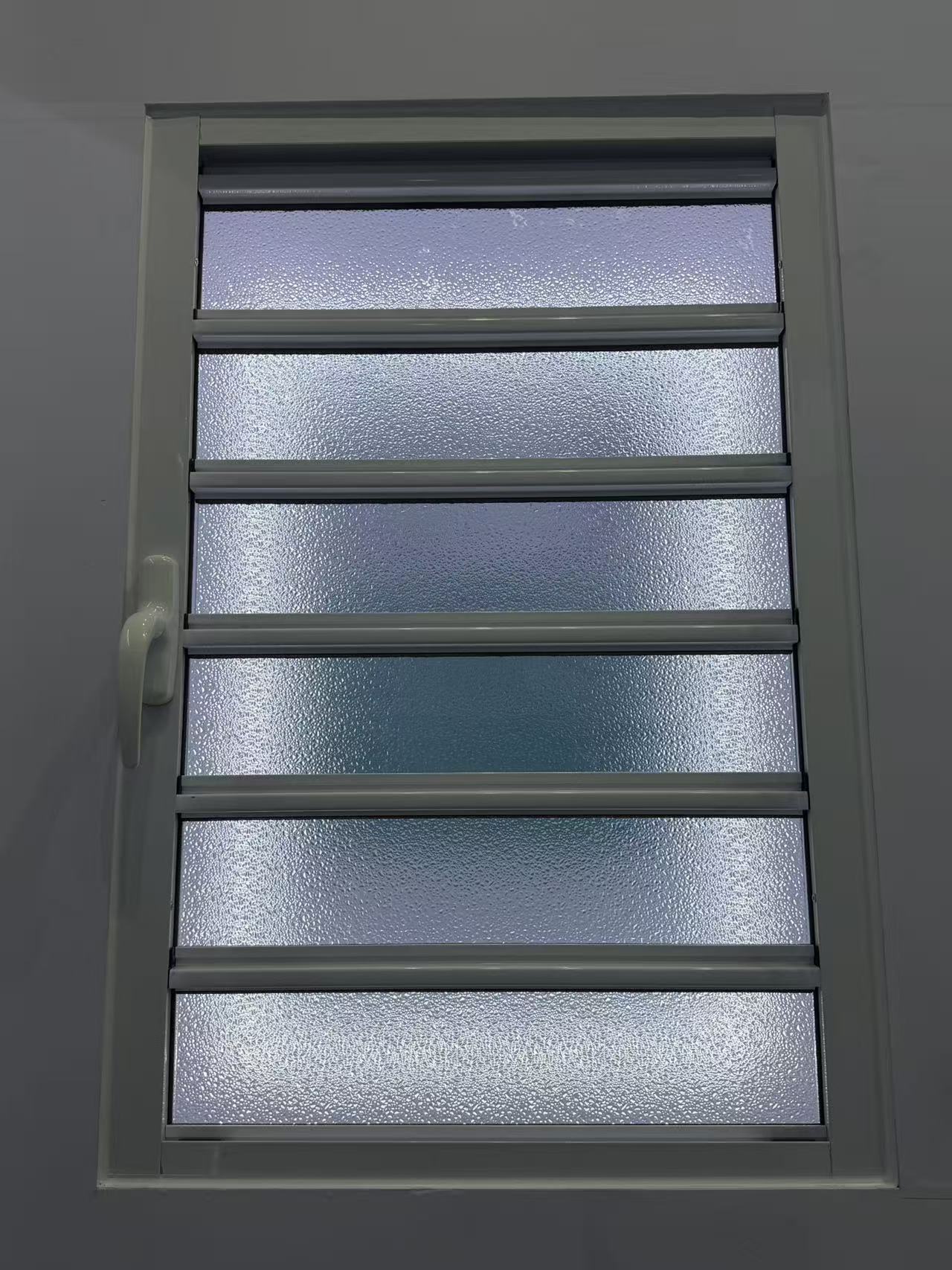
How Decorative Profile Manufacturers Deliver Fast Remote Diagnostics for Surface Defects
When surface flaws occur on site, decorative profile suppliers backed by skilled technical staff can indeed deliver rapid remote troubleshooting. Utilizing real-time video communication, high-resolution photo reviews, and established diagnostic workflows, leading manufacturers accurately identify surface anomalies—ranging from anodizing variations and powder coating imperfections to transit abrasions—and supply prompt remediation plans.
Key Highlights of Remote Technical Support
- Rapid Visual Assessment: Digital inspection using high-resolution images and video records allows technical experts to pinpoint finish flaws like color discrepancies or paint detachment without waiting for on-site visits.
- Accredited Testing Frameworks: Certified laboratories reference batch production metrics and standards such as ISO 9001 and Qualicoat to provide exact touch-up instructions or profile replacements.
- Application-Specific Protocols: Support tailored to distinct profiles, including Aluminum Decorative Edge Trim and Aluminum Skirting Board units deployed in humid or high-traffic interior spaces.
- Preventive Quality Alignment: Insights from field incidents feed directly into manufacturing, tweaking surface treatment variables across 60 extrusion lines to eliminate defect recurrence in future runs.
Technical Framework & Principles of Remote Troubleshooting
Effective virtual assistance relies on structured data gathering matched with rigorous lab verification. Upon receiving a field report regarding surface-treated aluminum profiles, technicians compare visual data against industry standards including Qualicoat (Certificate 3419) and CNAS accredited lab benchmarks (CNAS L 10434). Guangdong Xinhe Aluminium Co., Ltd manages an integrated supply chain, enabling instant cross-referencing between customer defect reports, raw material logs, and coating batch numbers.
Differentiating between factory coating defects and environmental wear is central to accurate diagnosis. For example, fluorocarbon and powder coating finishes utilized in coastal developments—such as the InterContinental Sabah Kota Kinabalu Resort—are evaluated for UV resistance and salt spray endurance. Telemetry and field imaging allow technicians to gauge film thickness, paint adhesion, and substrate bonding before formulating a targeted corrective action plan.

To prevent defect escalation, quality assurance teams employ a comprehensive three-tier inspection strategy: continuous online inspection, systematic laboratory sampling, and strict raw material incoming checks. Should installation crews discover finish flaws on Aluminum Cabinet handles or architectural ceiling trims, virtual engineers supply standardized polishing, surface touch-up, or refinishing guidelines within a few hours.
Comparison of Diagnostic & Resolution Channels
| Support Channel | Response Time | Diagnostic Method | Applicable Surface Defect Types | Resolution Outcome |
|---|---|---|---|---|
| Remote Digital Guidance | Within 24 Hours | Photo/Video Analysis & Batch Micro-Data Matching | Minor scratches, surface dust, slight color shade variance, local coating abrasion | Immediate touch-up protocol or batch replacement authorization |
| Laboratory Testing & Resampling | 48–72 Hours | CNAS Lab Chemical Analysis & Coating Thickness Verification | Peeling, low salt-spray resistance, chemical discoloration, adhesion failure | Comprehensive technical diagnostic report and root-cause process correction |
| On-site Technical Intervention | 3–5 Business Days | Field Spectrophotometry & Cross-Cut Adhesion Testing | Widespread structural coating failure, systemic shipping damage | On-site material restoration or full order batch remanufacturing |

Frequently Asked Questions
What details are necessary to diagnose finish defects remotely?
Clients should submit clear photographs taken in natural light, video recordings of the affected areas, batch identification codes from the packaging, and details regarding profile placement (e.g., indoor skirting vs. exterior edge trims).
How do manufacturers address verified coating defects?
Engineers review the 100% inline inspection records and laboratory sample logs. Confirmed defects trigger quick after-sales support, providing on-site touch-up protocols or expediting replacement orders within typical 15–20 day production schedules.
Can remote guidance resolve severe coating flaking or salt spray corrosion?
Virtual support classifies defect severity under ISO 9001 and ISO 14001 guidelines. Major coating failures are submitted to CNAS lab analysis for substrate adhesion and corrosion resistance testing; if repairs fall short of standards, full profile replacement is authorized.
Summary & Commercial Guidelines
Equipped with dedicated technical engineers and internationally accredited lab facilities, modern decorative profile manufacturers provide highly responsive remote guidance for finish defects. Structured digital communication and robust QA frameworks help minimize downtime for interior decoration and construction projects. Minimum order quantities for decorative aluminum profiles start at 3 tons with standard delivery lead times of 15 to 20 days. Flexible payment methods include T/T and Sight L/C via sea freight. For technical assistance or product inquiries, contact our engineering team directly at xh@xinhealuminium.com.
About Us
Guangdong Xinhe Aluminium Co., Ltd is a recognized manufacturer of architectural, decorative, and industrial aluminum profiles. Established in 1998, the company operates a sprawling 666,670 sq.m facility with 1,200 employees and 60 advanced extrusion lines, generating an annual capacity of 200,000 tons. Operating an accredited CNAS testing center (CNAS L 10434) and certified to ISO 9001:2015, Qualicoat, and ISO 14001:2015 standards, the enterprise delivers premium aluminum solutions to clients across 19 global markets.

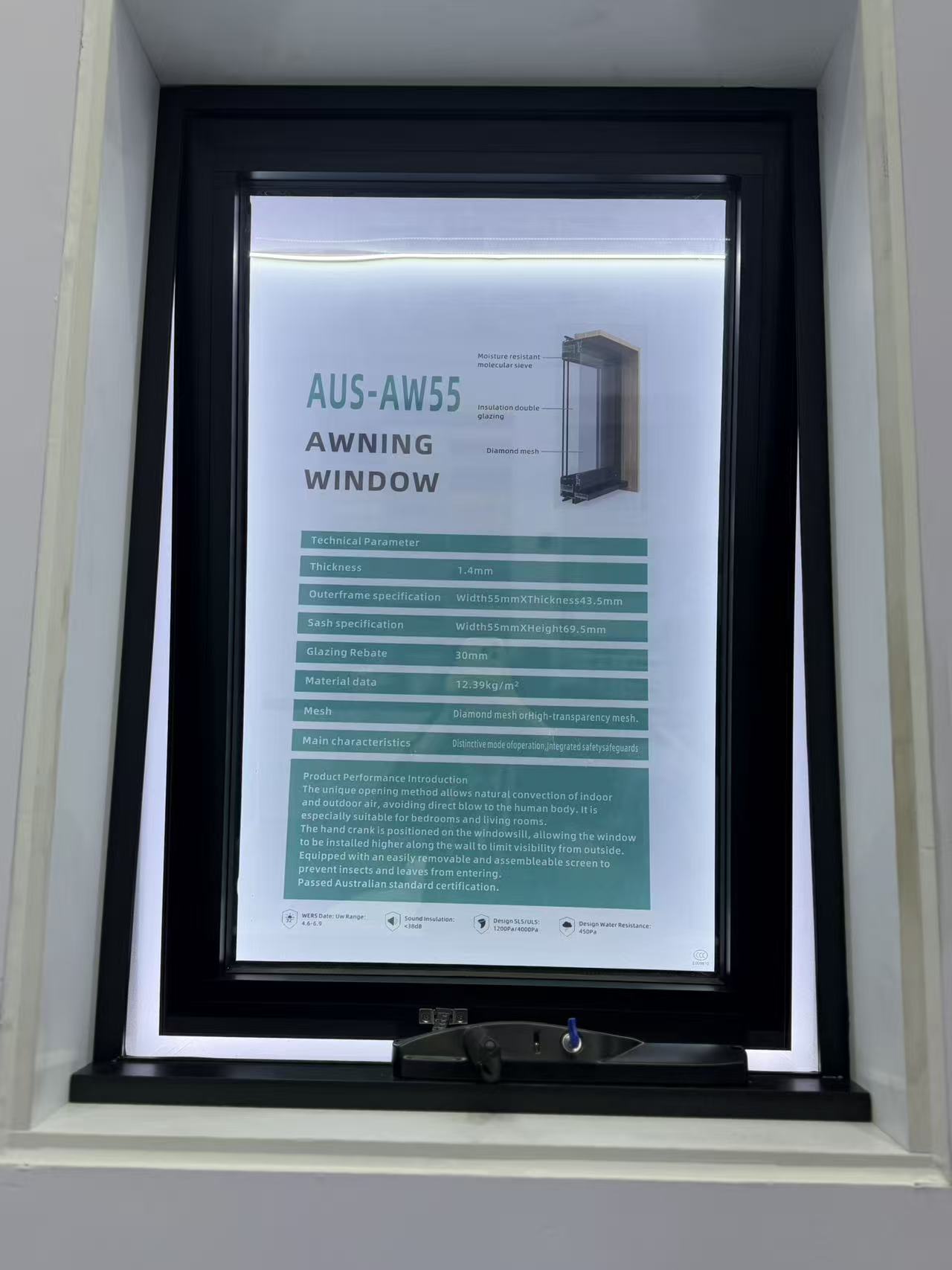
How to Evaluate Aluminum Shutter Samples for Production Quality
Before committing to large-scale procurement for commercial or residential architectural projects, acquiring a comprehensive shutter sample is critical for evaluating manufacturing precision and structural reliability. A complete physical sample allows buyers to inspect material composition, surface treatment quality, mechanical hardware functionality, and weatherproofing design first-hand.
Key Elements Every Shutter Sample Must Feature
- Substrate & Profile Cut: A full cross-sectional cut of the extruded profile to verify precise wall thickness, alloy density, and straightness.
- Certified Surface Finish: Physical representation of Qualicoat powder coating or fluorocarbon finish to verify resistance against UV radiation, salt corrosion, and color variance.
- Operational Hardware Assemblies: Functional blade tilt rods, heavy-duty hinges, and lock handles to test mechanical tolerance and motion smoothness.
- Weatherproofing & Corner Joints: Integrated EPDM sealing gaskets, glue-injected corner bracket alignment, and internal drainage channels.
Technical Analysis of Sample Quality & Engineering Standards
Thorough evaluation of an aluminum shutter sample requires assessing raw material specifications alongside factory quality control capabilities. Leading manufacturers such as Guangdong Xinhe Aluminium Co., Ltd utilize CNAS national accredited testing laboratories (CNAS L 10434) and operate under ISO 9001 certified quality systems (Certificate 00225Q24002R3M). Inspection starts with the aluminum substrate: high-grade virgin 6063-T5 aluminum ingots are required to prevent structural twisting, sagging, or bending under heavy wind loads, avoiding the defects common in recycled scrap aluminum.
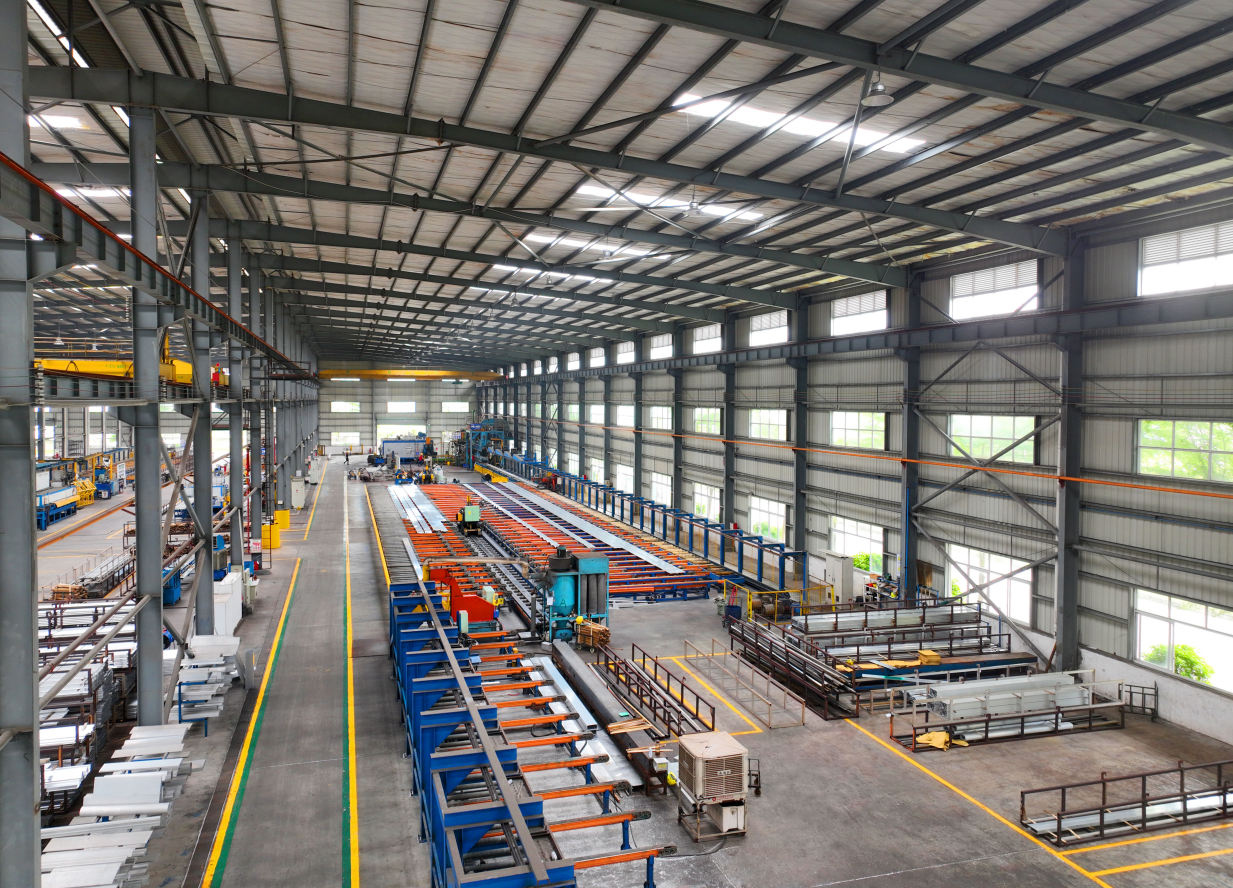
Surface treatment performance is equally vital, especially for louvers installed in high-humidity or coastal locations like beachfront residences or industrial warehouses. A certified coating—such as Qualicoat (License 3419)—guarantees that powder-coated surfaces won't chalk, peel, or oxidize over prolonged sun exposure. Major real-world applications, such as the Malaysia Johor Bahru Wanguo project, highlight how multi-tier EPDM weather stripping combined with glue-injected corner joints deliver superior acoustic insulation and watertight seals against extreme rainfall.
Finally, mechanical hardware must be sampled in conjunction with the extruded profile. A proper sample allows buyers to test the blade tilt mechanism, evaluate end-cap connection tightness, and verify that moving parts withstand repetitive cycle operation without loosening or wearing down prematurely.
Sample Evaluation Benchmark Matrix
| Quality Dimension | Required Sample Element | Performance Standard | Inspection Approach |
|---|---|---|---|
| Structural Material | Profile cross-section slice | Virgin 6063-T5 alloy with uniform wall thickness | CNAS / SGS certified material lab testing |
| Surface Durability | Coated louver blade sample | Qualicoat certified, no peeling or color fading | Salt-spray exposure & cross-hatch adhesion tests |
| Sealing Performance | Corner assembly with EPDM gasket | Zero light/air gaps, anti-shrinkage weather strips | Air infiltration & pressurized water spray tests |
| Mechanical Hardware | Tilt control mechanism & hinges | Smooth blade operation, corrosion-resistant locks | Manual tilt cycle & load endurance checks |
Frequently Asked Questions
What is the typical MOQ and lead time for custom shutter extrusions?
Standard minimum order quantities for custom aluminum shutter profiles start at 3 metric tons, with manufacturing lead times usually running between 15 and 20 days.
Why is surface treatment certification important for coastal installations?
Certifications like Qualicoat guarantee that exterior finishes resist severe UV radiation, high humidity, and airborne salt spray, preventing surface oxidation and paint degradation in maritime environments.
How should sample shipments be packaged to ensure damage-free arrival?
Samples and profile shipments should be wrapped in heavy-duty protective kraft paper and fitted with reinforced foam corner protectors to shield against scratches, dents, and bending during ocean and land transport.
Procurement Guidance & Commercial Terms
When selecting a supplier, prioritize manufacturers with end-to-end quality assurance and 100% inline production monitoring. Commercial orders typically offer flexible trade options, including T/T payment terms (30% D/P deposit prior to manufacturing, 70% balance prior to loading) or Sight L/C for international maritime logistics. For inquiries or custom technical specifications, contact the engineering team directly at xh@xinhealuminium.com.
About Guangdong Xinhe Aluminium Co., Ltd
Founded in 1998, Guangdong Xinhe Aluminium Co., Ltd is a leading Chinese manufacturer specializing in architectural, decorative, and industrial aluminum alloy profiles. Spanning a 666,670 sq meter facility with over 1,200 employees, the company houses 60 modern extrusion lines capable of delivering 200,000 tons annually. Backed by an in-house CNAS accredited laboratory (CNAS L 10434) and ISO 9001 quality management standards, Xinhe exports high-precision aluminum extrusions to customers across Europe, Southeast Asia, Australia, and Africa.
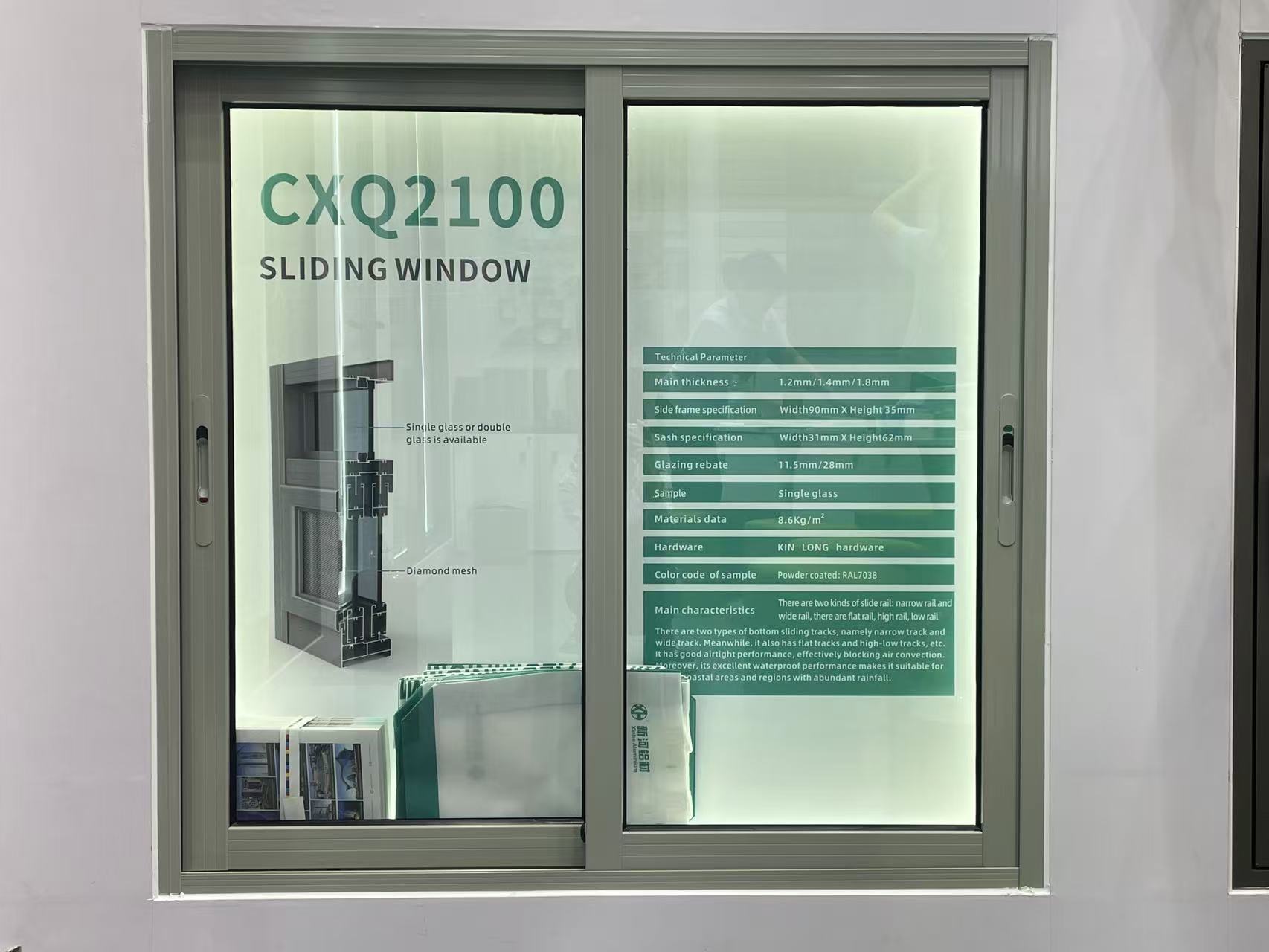
Essential Customs Traceability Requirements for Imported Aluminum Sliding Door Profiles
Why Border Clearance Demands Material Traceability
Global customs agencies actively audit imported aluminum sliding door assemblies to verify tariff classifications and guarantee structural integrity. Without verifiable traceability data, shipments face severe risks of border holds, tax reclassifications, or outright rejection. Documenting the material supply chain—from raw ingot selection to finished profile assembly—serves as the primary line of defense for international compliance.
Crucial Verification Certificates for Customs Clearance
- Mill Test Certificates (MTC): Essential for confirming raw alloy purity (e.g., non-recycled 6063-T5 aluminum) and preventing tariff fraud through accurate structural rating data.
- Third-Party Quality Testing: Independent reports such as SGS quality inspections and SIRIM certifications validate that extrusions meet target regional building codes.
- Greenhouse Gas & Carbon Metrics: Environmental declarations following ISO 14064-1 and ISO 14067 standards are increasingly required to satisfy global low-carbon import policies.
- Integrated Process Tracking: Comprehensive records link raw billet sourcing, extrusion line parameters, surface finishing (such as Qualicoat standards), and final door frame packing.
Technical Analysis & Quality Standards
Border authorities inspect aluminum door components to ensure imported goods match their paperwork and comply with national building mandates. Discrepancies in chemical composition or mechanical properties can halt logistical timelines instantly. Reliable manufacturers, including Guangdong Xinhe Aluminium Co., Ltd, manage batch traceability via strict incoming raw material verification, continuous inline audits, and rigorous lab assessments.
By leveraging a national accredited testing laboratory (CNAS L 10434) alongside ISO 9001:2015 quality management systems (GB/T 19001-2016), facilities log chemical elements and mechanical load tolerances for every single extrusion run.
Prominent international developments—such as the Ooredoo Hulhumalé Office Building project (which incorporated 600 tons of structural extrusion) and the 6,000 sqm door/window installation at Batam Island's Wan Guo Building—illustrate how audited supply chains facilitate rapid customs clearance. Specifying non-recycled 6063-T5 aluminum with precise wall dimensions guarantees that assembled frames satisfy strict water resistance, air tightness, and wind pressure performance metrics across European, Asian, and Australian destinations.
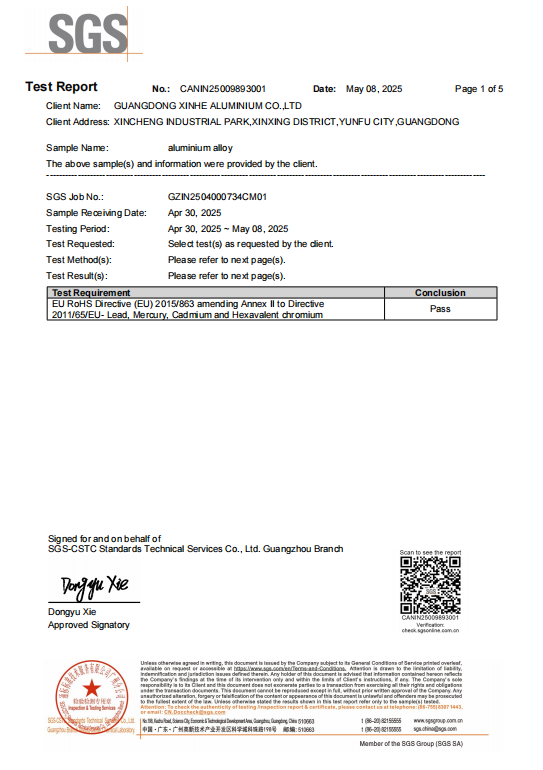
Customs Audit Documentation Matrix
| Traceability Item | Customs Compliance Role | Audit / Testing Standard | Technical Sliding Door Specs |
|---|---|---|---|
| Substrate Chemical Analysis | Validates virgin aluminum grade & exact tariff code | SGS Substrate Quality Report | 6063-T5 / Wall thickness 1.2mm - 1.8mm |
| Surface Finish Approval | Ensures chemical safety and atmospheric resistance | Qualicoat License No. 3419 | Fluorocarbon / Powder-coated surface |
| Carbon Footprint Audit | Meets regional low-carbon trade guidelines | ISO 14067 / ISO 14064-1 | Low-embodied-carbon extrusion profiles |
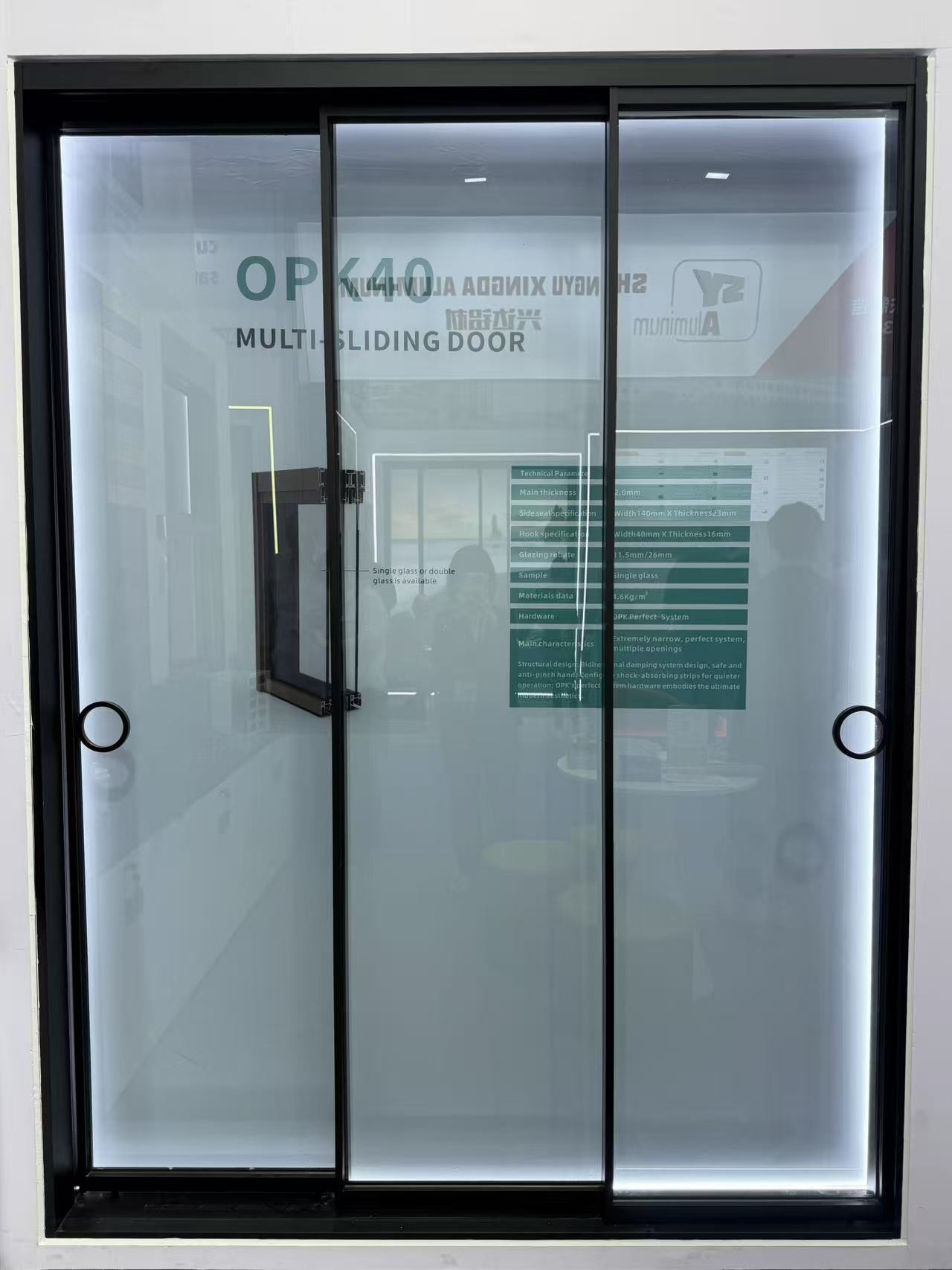
| Hardware & Structural List | Confirms gross structural weight and component bill | ISO 9001:2015 System Audit | KIN LONG hardware / 8.6kg/m² structural density |
Frequently Asked Questions
Which primary documents are required to prove material origin for aluminum sliding door imports?
Key documents include Mill Test Reports (MTR), SGS substrate analysis certificates, Certificates of Origin, ISO compliance documentation, and detailed packing manifests listing correct HS tariff codes.
How do carbon and environmental declarations impact customs audits?
Jurisdictions enforcing carbon accounting mandate ISO 14067 (Product Carbon Footprint) and ISO 14064-1 greenhouse gas validation to calculate emissions associated with imported aluminum profiles.
Are hardware accessories included in customs traceability reviews?
Yes, structural hardware such as KIN LONG lock sets and roller mechanisms must be detailed alongside frame profile dimensions (such as 90mm*35mm side frames or 31mm*62mm sashes) to verify that declared cargo weight matches physical inspections.
Conclusion & Importer Advice
Securing end-to-end supply chain records—from raw aluminum ingot casting to final surface treatment—is critical to eliminating customs bottlenecks. Partnering with suppliers equipped with certified testing labs, 100% inline quality controls, and recognized international compliance credentials minimizes risk across key markets in Europe, Malaysia, Singapore, and the Philippines. Standard lead times of 15 to 20 days provide ample opportunity to audit mill test reports before sea freight departure. For custom engineering support or technical inquiries, contact us at xh@xinhealuminium.com.
About Us
Guangdong Xinhe Aluminium Co., Ltd specializes in the design, development, and production of architectural, industrial, and decorative aluminum profiles. Founded in 1998, the company operates a massive 666,670 m² manufacturing plant with 1,200 employees, producing up to 200,000 tons annually. Featuring 60 high-tech extrusion lines and a CNAS accredited laboratory, Xinhe delivers customized extrusions certified under ISO 9001, SIRIM, and Qualicoat standards to major projects worldwide.
Essential Environmental Declarations & Standards for Architectural Aluminum Profile Imports
Key Takeaways & Essential Standards
- Product Carbon Footprint (ISO 14067): Measures total embodied greenhouse gas emissions across the lifecycle of architectural aluminum extrusions.
- Environmental Management (ISO 14001): Validates sustainable factory operations and regulatory compliance across manufacturing facilities.
- Greenhouse Gas Accounting (ISO 14064-1): Provides verified corporate-level emissions reporting vital for cross-border carbon compliance.
- Surface Coating Excellence (Qualicoat): Guarantees non-toxic, eco-friendly powder coatings free of hazardous heavy metals, designed for window, door, and curtain wall profiles.
Navigating Sustainability Standards in Architectural Extrusion Imports
As international border regulations and green building codes tighten, sourcing imported architectural profiles—such as window frame systems, structural curtain walls, and decorative aluminum extrusions—demands stringent environmental documentation. Sustainable compliance must be verified from initial alloy billet casting down to final surface treatment. Leading manufacturers like Guangdong Xinhe Aluminium Co., Ltd ensure their extruded components meet global environmental and safety standards through rigorous international testing.
In-Depth Analysis of Critical Declarations
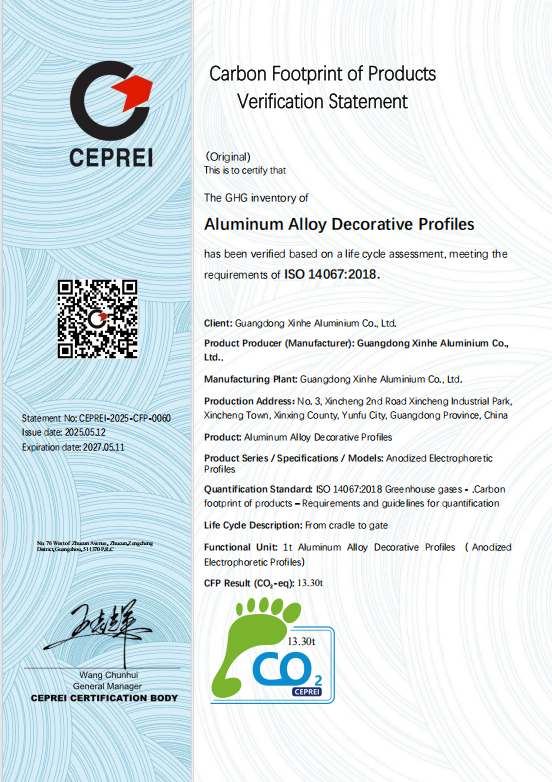
Quantifying embodied carbon is a core mandate for modern construction. Certifications such as the ISO 14067:2018 Carbon Footprint of Products statement (CEPREI-2025-CFP-0060) offer verified emission figures per kilogram or square meter of extrusion. Working alongside ISO 14064-1:2018 (Greenhouse Gas Verification Statement CEPREI-2025-GHG-0062), these document sets empower architects, contractors, and developers to calculate structural carbon footprints accurately for major developments—including high-profile projects like the 2314 KG2 Keppel Data Centre Geras 2 in Singapore and Core Residence in Malaysia.
Beyond carbon metrics, surface coating standards serve as primary environmental indicators across European, Asia-Pacific, and Australian markets. Earning Qualicoat accreditation (Licence 3419) confirms that organic powder coating processes follow strict low-VOC emission protocols and remain chemical-safe. Simultaneously, third-party chemical purity analyses, such as SGS inspection report CANIN25009893001, ensure raw aluminum substrates are free from recycled contaminants that could compromise structural reliability or eco-compliance.
Engineering Performance Matched with Sustainability
For iconic infrastructure and commercial developments—such as the InterContinental Sabah Kota Kinabalu Resort (700 tons supplied) and the Ooredoo Hulhumalé Office Building (600 tons supplied)—sustainability must go hand in hand with technical performance. Premium virgin 6063-T5 aluminum alloy extrusions finished with advanced powder coating or fluorocarbon technology provide exceptional marine-grade salt-spray corrosion resistance without releasing toxic leachate into fragile ecosystems.
Comparative Summary of Import Documentation
The table below summarizes the key environmental, quality, and technical declarations required when importing architectural aluminum profiles:
| Declaration / Certificate | Standard Reference | Core Focus & Application | Target Regions |
|---|---|---|---|
| Carbon Footprint of Products | ISO 14067:2018 | Product-level embodied carbon assessment | Global / EU / Australia |
| Greenhouse Gas Verification | ISO 14064-1:2018 | Facility & corporate emissions accounting | Global |
| Environmental Management System | ISO 14001:2015 | Factory operational environmental control | Global |
| Qualicoat Quality Label | Qualicoat Standard | Low-VOC, heavy-metal-free powder finishing | Europe / Asia-Pacific |
| SIRIM Product Certification | PC003807 | Structural safety for aluminum door & window extrusions | Malaysia |
| SGS Material Test Report | CANIN25009893001 | Substrate purity & chemical alloy verification | Global |
Frequently Asked Questions
How do ISO 14001 and ISO 14067 differ for aluminum profile buyers?
ISO 14001 focuses on overall manufacturing plant environmental management systems. In contrast, ISO 14067 isolates and quantifies the exact cradle-to-gate carbon footprint of a specific architectural aluminum profile product.
Are regional standards like SIRIM mandatory alongside environmental proofs?
Yes. While environmental declarations satisfy sustainability rules, regional standards such as Malaysia's SIRIM (PC003807) verify physical dimensions, mechanical strength, and safety performance for window and door frame assemblies.
Why are verified environmental declarations important for port clearance?
Customs authorities enforcing green import taxes or carbon adjustment tariffs rely on audited ISO 14067 and ISO 14064-1 reports to evaluate carbon duties and grant clearance for imported metal products.
Recommendations & Procurement Guidelines
To ensure smooth port entry and compliance with green building requirements, importers should choose aluminum extrusion suppliers holding validated product carbon footprints (ISO 14067), certified environmental management systems (ISO 14001), and accredited surface treatments (Qualicoat). Standard commercial terms typically require a minimum order quantity (MOQ) of 3 tons for extrusions or 500 sqm for complete custom door systems, with production delivery times ranging between 15 and 20 days via ocean freight. Accepted payment options include T/T (30% deposit prior to production, 70% before shipment) and Sight L/C. For inquiries and technical support, contact the team directly at xh@xinhealuminium.com.
About the Manufacturer
Founded in 1998, Guangdong Xinhe Aluminium Co., Ltd operates a massive 666,670 sqm production base supported by 1,200 specialized workers. The company produces up to 200,000 tons annually across 60 extrusion lines ranging from 1,100 to 5,000 tons, backed by a CNAS-accredited testing center (CNAS L 10434). Holding ISO 9001, ISO 14001, Qualicoat, and SIRIM accreditations, Xinhe Aluminium supplies premier construction projects across Asia, Europe, Australia, and Africa.
REPORT