







-
 Agriculture
-
 Health-Care
-
 Environment
-
 Construction-Real-Estate
-
 Tools-Hardware
-
 Home-Garden
-
 Furniture
-
 Luggage-Bags-Cases
-
 Medical-devices-Supplies
-
 Gifts-Crafts
-
 Sports-Entertainment
-
 Food-Beverage
-
 Vehicles-Transportation
-
 Power-Transmission
-
 Material-Handling
-
 Renewable-Energy
-
 Safety
-
 Testing-Instrument-Equipment
-
 Construction-Building-Machinery
-
 Pet-Supplies
-
 Personal-Care-Household-Cleaning
-
 Vehicle-Accessories-Electronics-Tools
-
 School-Office-Supplies
-
 Packaging-Printing
-
 Mother-Kids-Toys
-
 Business-Services
-
 Commercial-Equipment-Machinery
-
 Apparel-Accessories
-
 Security
-
 Shoes-Accessories
-
 Vehicle-Parts-Accessories
-
 Jewelry-Eyewear-Watches-Accessories
-
 Lights-Lighting
-
 Fabric-Textile-Raw-Material
-
 Fabrication-Services
-
 Industrial-Machinery
-
 Consumer-Electronics
-
 Electrical-Equipment-Supplies
-
 Electronic-Components-Accessories-Telecommunications
-
 Home-Appliances
-
 Beauty
-
 Chemicals
-
 Rubber-Plastics
-
 Metals-Alloys


























































































































































































































































































































































































































































































































































































- Masonry Materials
- Curtain Walls & Accessories
- Earthwork Products
- Fireproofing Materials
- Heat Insulation Materials
- Plastic Building Materials
- Building Boards
- Soundproofing Materials
- Timber
- Waterproofing Materials
- Balustrades & Handrails
- Bathroom & Kitchen
- Flooring & Accessories
- Tiles & Accessories
- Door, Window & Accessories
- Fireplaces & Stoves
- Floor Heating Systems & Parts
- Stairs & Stair Parts
- Ceilings
- Elevators & Escalators
- Stone
- Countertops, Vanity Tops & Table Tops
- Mosaics
- Metal Building Materials
- Multifunctional Materials
- Ladders & Scaffoldings
- Mouldings
- Corner Guards
- Decorative Films
- Formwork
- Building & Industrial Glass
- Other Construction & Real Estate
- Wallpapers/Wall panels
- HVAC System & Parts
- Outdoor Facilities
- Prefabricated Buildings
- Festive & Party Supplies
- Bathroom Products
- Household Sundries
- Rain Gear
- Garden Supplies
- Household Cleaning Tools & Accessories
- Lighters & Smoking Accessories
- Home Storage & Organization
- Household Scales
- Smart Home Improvement
- Home Textiles
- Kitchenware
- Drinkware & Accessories
- Dinnerware, Coffee & Wine
- Home Decor
- Golf
- Fitness & Body Building
- Amusement Park Facilities
- Billiards, Board Game,Coin Operated Games
- Musical Instruments
- Outdoor Affordable Luxury Sports
- Camping & Hiking
- Fishing
- Sports Safety&Rehabilitation
- Ball Sports Equipments
- Water Sports
- Winter Sports
- Luxury Travel Equipments
- Sports Shoes, Bags & Accessories
- Cycling
- Other Sports & Entertainment Products
- Artificial Grass&Sports Flooring&Sports Court Equipment
- Scooters
- Food Ingredients
- Honey & Honey Products
- Snacks
- Nuts & Kernels
- Seafood
- Plant & Animal Oil
- Beverages
- Fruit & Vegetable Products
- Frog & Escargot
- Bean Products
- Egg Products
- Dairy Products
- Seasonings & Condiments
- Canned Food
- Instant Food
- Baked Goods
- Other Food & Beverage
- Meat & Poultry
- Confectionery
- Grain Products
- Feminie Care
- Hair Care & Styling
- Body Care
- Hands & Feet Care
- Hygiene Products
- Men's Grooming
- Laundry Cleaning Supplies
- Travel Size & Gift Sets
- Room Deodorizers
- Other Personal Care Products
- Pest Control Products
- Special Household Cleaning
- Floor Cleaning
- Kitchen & Bathroom Cleaning
- Oral Care
- Bath Supplies
- Yellow Pages
- Correction Supplies
- Office Binding Supplies
- Office Cutting Supplies
- Board Erasers
- Office Adhesives & Tapes
- Education Supplies
- Pencil Cases & Bags
- Notebooks & Writing Pads
- File Folder Accessories
- Calendars
- Writing Accessories
- Commercial Office Supplies
- Pencil Sharpeners
- Pens
- Letter Pad/Paper
- Paper Envelopes
- Desk Organizers
- Pencils
- Markers & Highlighters
- Filing Products
- Art Supplies
- Easels
- Badge Holder & Accessories
- Office Paper
- Printer Supplies
- Book Covers
- Other Office & School Supplies
- Stationery Set
- Boards
- Clipboards
- Stamps
- Drafting Supplies
- Stencils
- Electronic Dictionary
- Books
- Map
- Magazines
- Calculators
- Baby & Toddler Toys
- Educational Toys
- Classic Toys
- Dress Up & Pretend Play
- Toy Vehicle
- Stuffed Animals & Plush Toys
- Outdoor Toys & Structures
- Balloons & Accessories
- Baby Food
- Children's Clothing
- Baby Supplies & Products
- Maternity Clothes
- Kids Shoes
- Baby Care
- Novelty & Gag Toys
- Dolls & Accessories
- Puzzle & Games
- Blocks & Model Building Toys
- Toddler Clothing
- Baby Clothing
- Kids' Luggage & Bags
- Arts, Crafts & DIY Toys
- Action & Toy Figures
- Baby Appliances
- Hobbies & Models
- Remote Control Toys
- Promotional Toys
- Pregnancy & Maternity
- Hygiene Products
- Kid's Textile&Bedding
- Novelty & Special Use
- Toy Weapons
- Baby Gifts
- Baby Storage & Organization
- Auto Drive Systems
- ATV/UTV Parts & Accessories
- Marine Parts & Accessories
- Other Auto Parts
- Trailer Parts & Accessories
- Auto Transmission Systems
- Train Parts & Accessories
- Universal Parts
- Railway Parts & Accessories
- Auto Brake Systems
- Aviation Parts & Accessories
- Truck Parts & Accessories
- Auto Suspension Systems
- Auto Lighting Systems
- New Energy Vehicle Parts & Accessories
- Auto Steering Systems
- Wheels, Tires & Accessories
- Bus Parts & Accessories
- Auto Performance Parts
- Cooling System
- Go-Kart & Kart Racer Parts & Accessories
- Air Conditioning Systems
- Heavy Duty Vehicle Parts & Accessories
- Auto Electrical Systems
- Auto Body Systems
- Auto Engine Systems
- Container Parts & Accessories
- Motorcycle Parts & Accessories
- Refrigeration & Heat Exchange Equipment
- Machine Tool Equipment
- Food & Beverage Machinery
- Agricultural Machinery & Equipment
- Apparel & Textile Machinery
- Chemical Machinery
- Packaging Machines
- Paper Production Machinery
- Plastic & Rubber Processing Machinery
- Industrial Robots
- Electronic Products Machinery
- Metal & Metallurgy Machinery
- Woodworking Machinery
- Home Product Manufacturing Machinery
- Machinery Accessories
- Environmental Machinery
- Machinery Service
- Electrical Equipment Manufacturing Machinery
- Industrial Compressors & Parts
- Tobacco & Cigarette Machinery
- Production Line
- Used Industrial Machinery
- Electronics Production Machinery
- Other Machinery & Industrial Equipment
- Camera, Photo & Accessories
- Portable Audio, Video & Accessories
- Television, Home Audio, Video & Accessories
- Video Games & Accessories
- Mobile Phone & Accessories
- Electronic Publications
- Earphone & Headphone & Accessories
- Speakers & Accessories
- Smart Electronics
- TV Receivers & Accessories
- Mobile Phone & Computer Repair Parts
- Chargers, Batteries & Power Supplies
- Used Electronics
- VR, AR, MR Hardware & Software
- Projectors & Presentation Equipments
- Other Consumer Electronics
- Cables & Commonly Used Accessories
- Computer Hardware & Software
- Displays, Signage and Optoelectronics
- Discrete Semiconductors
- Wireless & IoT Module and Products
- Telecommunications
- Connectors, Terminals & Accessories
- Development Boards, Electronic Modules and Kits
- Circuit Protection
- Sensors
- Isolators
- Audio Components and Products
- Integrated Circuits
- Power Supplies
- Relays
- RF, Microwave and RFID
- Electronic Accessories & Supplies
- Passive Components
- PCB & PCBA
- Air Quality Appliances
- Home Appliance Parts
- Heating & Cooling Appliances
- Small Kitchen Appliances
- Laundry Appliances
- Water Heaters
- Water Treatment Appliances
- Refrigerators & Freezers
- Personal Care & Beauty Appliances
- Major Kitchen Appliances
- Cleaning Appliances
- Second-hand Appliances
- Smart Home Appliances
- Other Home Appliances
- Energy Chemicals
- Inorganic Chemicals
- Basic Organic Chemicals
- Agrochemicals
- Admixture & Additives
- Catalysts & Chemical Auxiliary Agents
- Pigments & Dyestuff
- Coating & Paint
- Daily Chemicals
- Polymer
- Organic Intermediate
- Adhesives & Sealants
- Chemical Waste
- Biological Chemical Products
- Surface Treatment Chemicals
- Painting & Coating
- Chemical Reagents
- Flavor & Fragrance
- Non-Explosive Demolition Agents
- Other Chemicals
- Custom Chemical Services

Leather
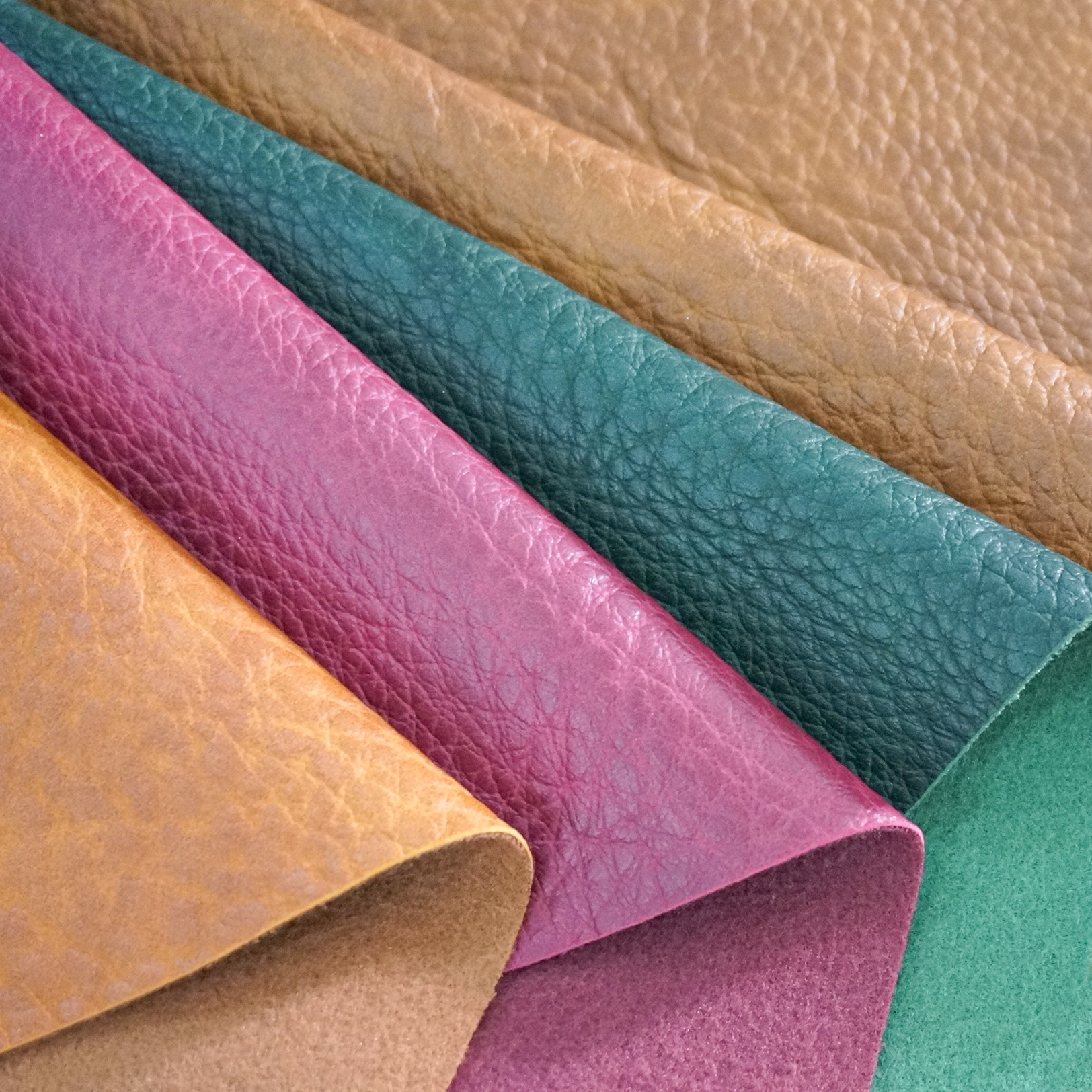
Ensuring Sample-to-Bulk Consistency in Automotive Microfiber Leather Manufacturing
Overcoming Mass-Production Variance in Automotive Synthetic Leather
Transitioning from an initial prototype to large-scale roll manufacturing often presents challenges, including subtle shifts in backing substrate density, color lot variations, or curing fluctuations across high-volume coating operations. Preventing material discrepancies requires rigorous, end-to-end quality assurance throughout every phase of fabrication. Collaborating with an established partner like Dongguan Cigno Leather Co., Ltd. guarantees that technical standards locked during sample approval directly transfer to automated, high-output production machinery.
Real-world supply chains demonstrate the necessity of continuous oversight. For instance, executing a 50,000-meter order of customized vehicle seat upholstery destined for international markets like Mexico demands structured inline checkpoints. Raw materials must undergo preliminary verification, followed by real-time color calibration and full laboratory testing for tensile load, peel strength, flame retardancy, and UV resistance prior to dispatch.
Key Strategies for Batch Uniformity
- Early Technical Lock-in: Establish strict thickness parameters (ranging 0.7–1.2 mm), substrate backings (woven, non-woven, or knitted), sheen levels, and backing adhesion strength prior to starting production runs.
- ISO 9001 Quality System: Implement rigorous protocols covering raw material intake, automated color matching, and complete mechanical checks on finished goods.
- Golden Sample Reference: Store signed golden samples to conduct lab evaluations for low-VOC emissions, tear strength, flammability, and Martindale abrasion resistance.
- Pilot Production Runs: Work with flexible OEM/ODM suppliers offering low minimum order quantities (starting at 100 meters) to test manufacturing setup before launching full-scale orders.
International Standards & Safety Compliance
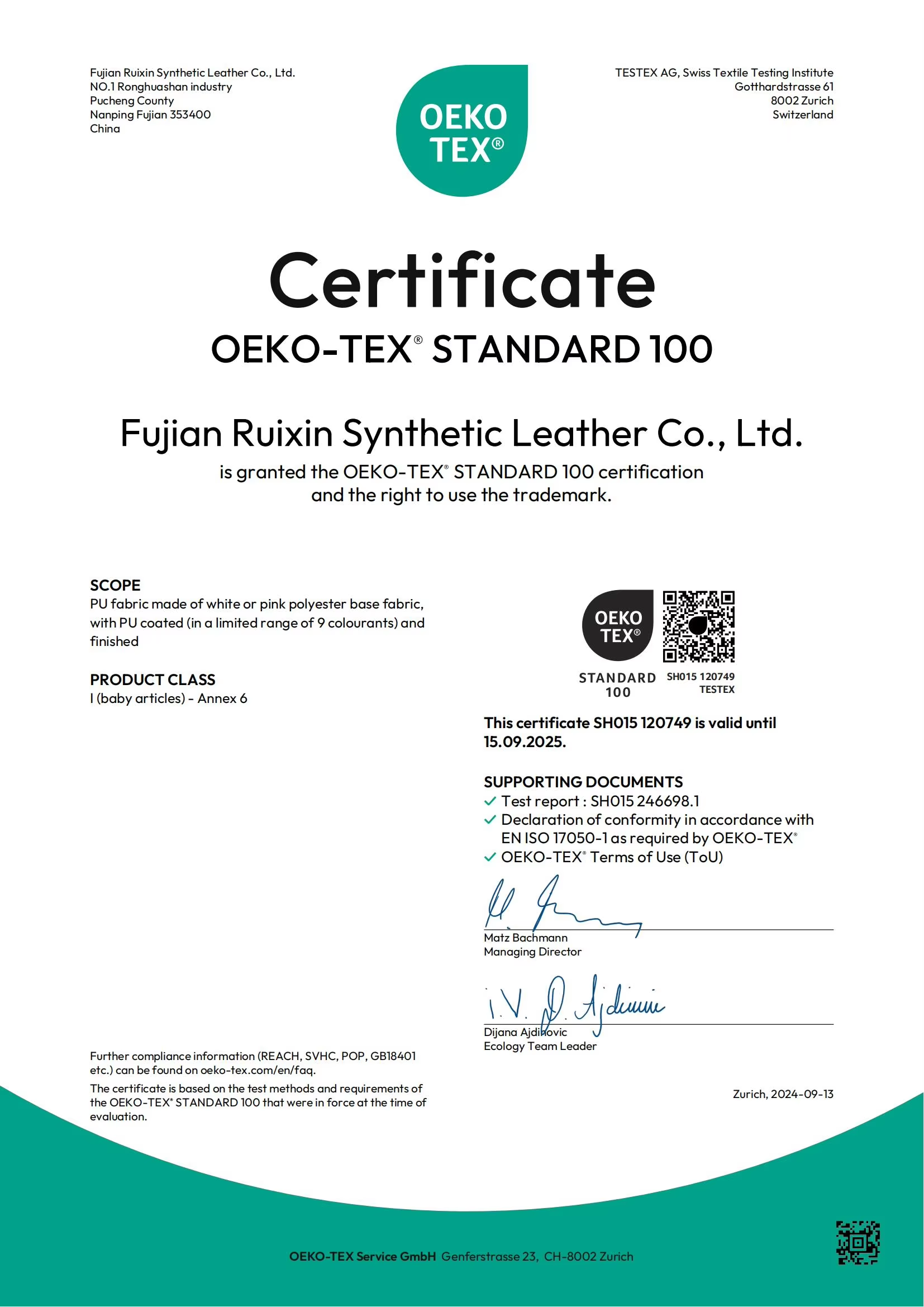
Global industry certifications form the backbone of physical performance and chemical compliance. Accreditation under internationally recognized standards such as Oeko-Tex 100, GRS, and USDA ensures that backing fibers, surface polyurethane coatings, and flame-retardant additives remain identical whether producing custom prototype rolls or large-volume shipments.
Quality Control & Inspection Framework
| Evaluation Metric | Approved Sample Target | Bulk Run Audit Protocol | Risk Prevention Benefit |
|---|---|---|---|
| Thickness & Roll Width | 0.7–1.2 mm range, 54/55 inch standard | Inline automatic laser gauge tracking across production lines | Eliminates variation in material thickness and backing density |
| Surface Grain & Finish | Lychee, Nappa, or custom embossed pattern | Master-plate depth verification and visual texture checks | Ensures consistent tactile and visual matching across all rolls |
| Durability & Strength | Lab-tested scratch, wear, and UV resistance | ISO 9001 lot-by-lot mechanical and flame testing | Guarantees long-term structural durability inside automotive cabins |
| VOC & Odor Control | REACH, RoHS, fluorine-free validation | Batch chemical auditing and low-VOC oven curing control | Prevents chemical off-gassing and unwanted interior odors |
Frequently Asked Questions
Which key parameters must be confirmed before requesting a prototype sample?
You should specify precise thickness targets (0.7–1.2 mm), standard width (54/55 inches), backing type (knitted, non-woven, or woven), texture style (Nappa, lychee, or custom embossing), surface gloss level, and performance enhancements like anti-mold or fire resistance.
What function does a validated golden sample serve?
A golden sample is a physically signed benchmark held by both buyer and factory. Quality inspectors use it directly on the production line to compare hand feel, grain definition, surface color, and backing construction against newly manufactured rolls.
What payment and shipping arrangements safeguard bulk quality checks?
Commercial orders typically involve a 30% advance deposit to begin manufacturing, with the remaining 70% paid after pre-shipment quality approval. Standard shipping incoterms include EXW, FOB, CFR, CIF, and DDP via Air Freight, Sea Freight, or Express Delivery, backed by T/T, L/C, or Trade Assurance payment options.
Summary & Recommendations
Aligning mass production with initial prototype samples depends on standardized quality assurance, disciplined color matching, and transparent manufacturing protocols. Partnering with certified facilities executing ISO 9001 guidelines ensures predictable consistency across automotive door panels, seating, and trim elements. For customized quotes or technical advice, reach out to us at vicky@bozeleather.com.
Company Overview
Founded in 2007, Dongguan Cigno Leather Co., Ltd. operates a 100,000 m² manufacturing plant focused on advanced synthetic and eco-conscious materials. Holding over 30 national patents alongside specialized R&D capabilities, the company delivers customized OEM/ODM products to automotive and furniture clients across North America, Europe, and Southeast Asia. Backed by GRS, USDA, and Oeko-Tex 100 certifications, it delivers reliable, high-volume production for global markets.

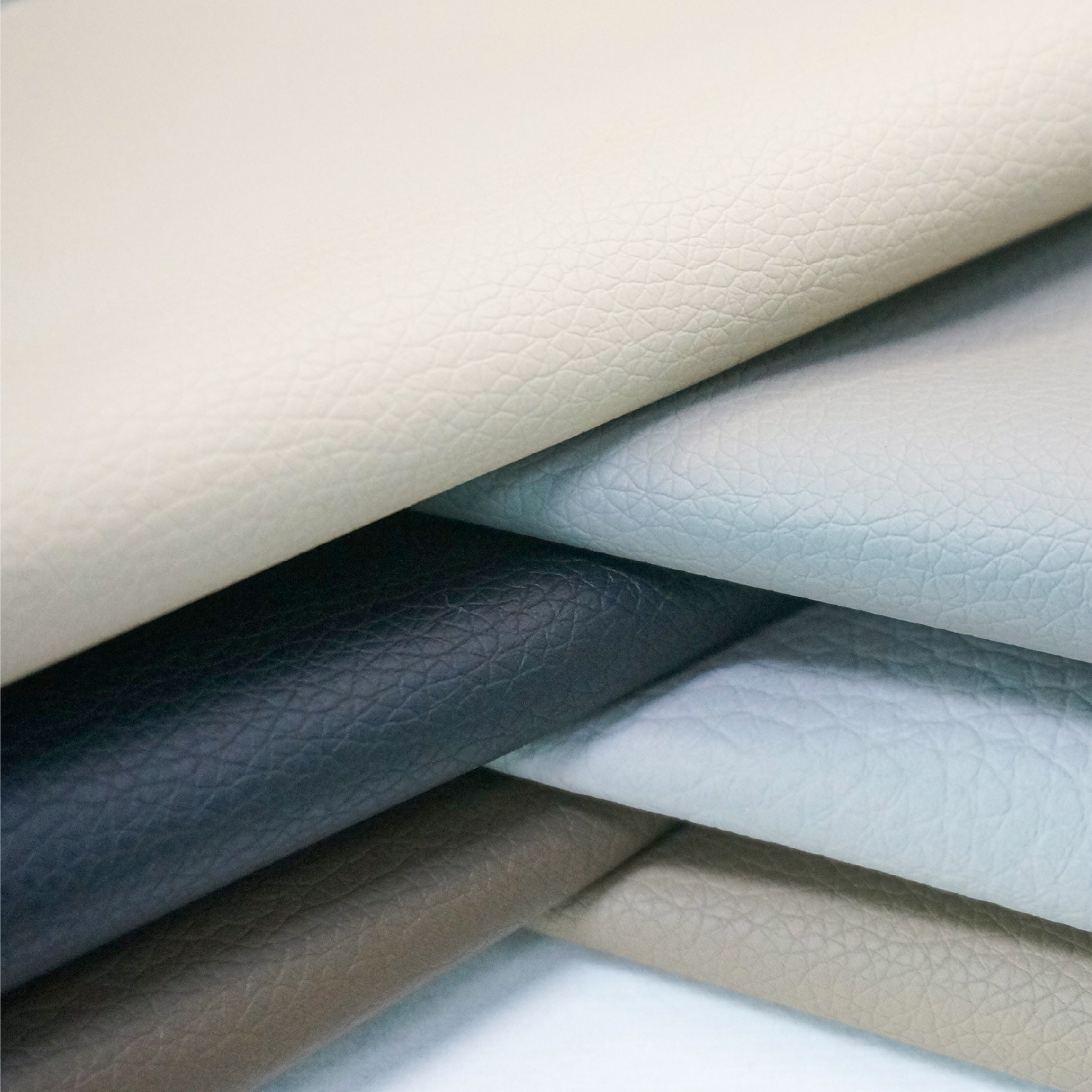
Can synthetic leather prototypes reveal production issues such as uneven coating or weak bonding?
Prior to launching large-scale production, creating synthetic leather prototypes is a crucial phase to uncover manufacturing defects like uneven coating thickness, inadequate substrate adhesion, and poor bond strength. Conducting early sample evaluations enables manufacturers to execute vital mechanical tests—such as peeling resistance and tensile strength—ensuring surface uniformity and structural integrity before committing to high-volume output.
\n\nKey Advantages of Prototype Evaluation
\n- \n
- Early Flaw Detection: Prototyping highlights surface defects including irregular PVC coating distribution and sub-par adhesion between layers during initial sampling. \n
- Comprehensive Quality Validation: Physical prototype analysis tests metrics such as tensile strength, peeling resistance, UV stability, and flame retardancy under strict quality control standards. \n
- Targeted Material Optimization: Modifying backing substrates (such as non-woven or knitted fabrics) and fine-tuning coating thickness (0.8–1.4 mm) prevents layer separation prior to mass manufacturing. \n
- Application-Specific Testing: Real-world sampling verifies performance requirements tailored for automotive door panels, seat covers, headrests, armrests, and commercial furniture upholstery. \n
 \n\n
\n\nTechnical Principles and Manufacturing Standards
\nFabricating high-grade synthetic leather—especially PVC materials engineered for vehicle interiors and upholstery—requires precise balance between polymer topcoat deposition and backing textile integration. Operating 6 advanced production lines, Dongguan Cigno Leather Co., Ltd. utilizes specialized testing equipment to inspect raw components, color fidelity, and layer cohesion. Stress testing during sample development uncovers hidden vulnerabilities like coating delamination or insufficient tensile endurance before mass assembly begins.
\n\nStrict quality inspection workflows aligned with ISO 9001 standards verify vital physical parameters. Compliance credentials including GRS, USDA, and Oeko-Tex 100 certify eco-friendly performance and regulatory alignment. For instance, in a project supplying an automotive interior manufacturer in Mexico with 50,000 meters of customized synthetic leather for seats, door panels, armrests, and headrests, prototype validation confirmed consistent grain embossing, robust backing stability, high abrasion resistance, and low odor characteristics to satisfy strict client criteria.
\n \n\n
\n\nPrototype Risk Mitigation Comparison
\n| Evaluated Parameter / Defect | Prototype Evaluation Method | Risk of Skipping Prototype Phase | Standardized Technical Solution |
|---|---|---|---|
| Coating Uniformity | Microscopic layer thickness analysis (0.8–1.4 mm) | Inconsistent surface texture and premature wear | In-line calibration and active process monitoring |
| Substrate Layer Bonding | Peeling strength and tensile resistance testing | Delamination under mechanical strain in vehicle cabins | Selection of specialized knitted or non-woven backings |
| Functional Durability | UV exposure, flame resistance, and low-VOC testing | Accelerated material degradation under environmental stress | Certified laboratory validation under ISO 9001 protocols |
Frequently Asked Questions
\nWhich defects are commonly identified during synthetic leather prototyping?
\nSampling frequently identifies coating thickness variations, weak bonding between the PVC surface and textile backing, embossed grain misalignments, and insufficient peeling resistance during stress testing.
\nWhat is the standard turnaround time for sample development?
\nPrototype formulation and sample delivery generally take 7 to 30 days, depending on custom color matching, texture embossing, backing fabric selection, and required functional treatments.
\nWhich backing fabrics help prevent bonding failures in automotive applications?
\nEngineered backing options include high-tenacity knitted textiles, non-woven fabrics, and composite backing layers tailored to meet target peel and tensile strength requirements.
\nConclusion & Company Overview
\nRigorous prototype testing is an indispensable strategy for eliminating coating irregularities and substrate bonding failures prior to mass production. Backed by a monthly output capacity of 6,000,000 meters and comprehensive quality inspection systems, manufacturers systematically eliminate defects through early sample validation. Global logistics options include sea freight, air cargo, and express shipping, supported by flexible payment methods such as T/T bank transfer, L/C, and Alibaba Trade Assurance. For custom engineering support or inquiries, please contact vicky@bozeleather.com.
\n\nEstablished in 2007, Dongguan Cigno Leather Co., Ltd. is a leading synthetic leather manufacturer operating a 100,000 sqm production facility equipped with 6 modern lines. Holding over 30 national invention patents along with GRS, USDA, and Oeko-Tex 100 certifications, the company delivers high-durability, custom synthetic leather solutions for global partners across the automotive, furniture, footwear, and luggage sectors.
\n "
}
"
}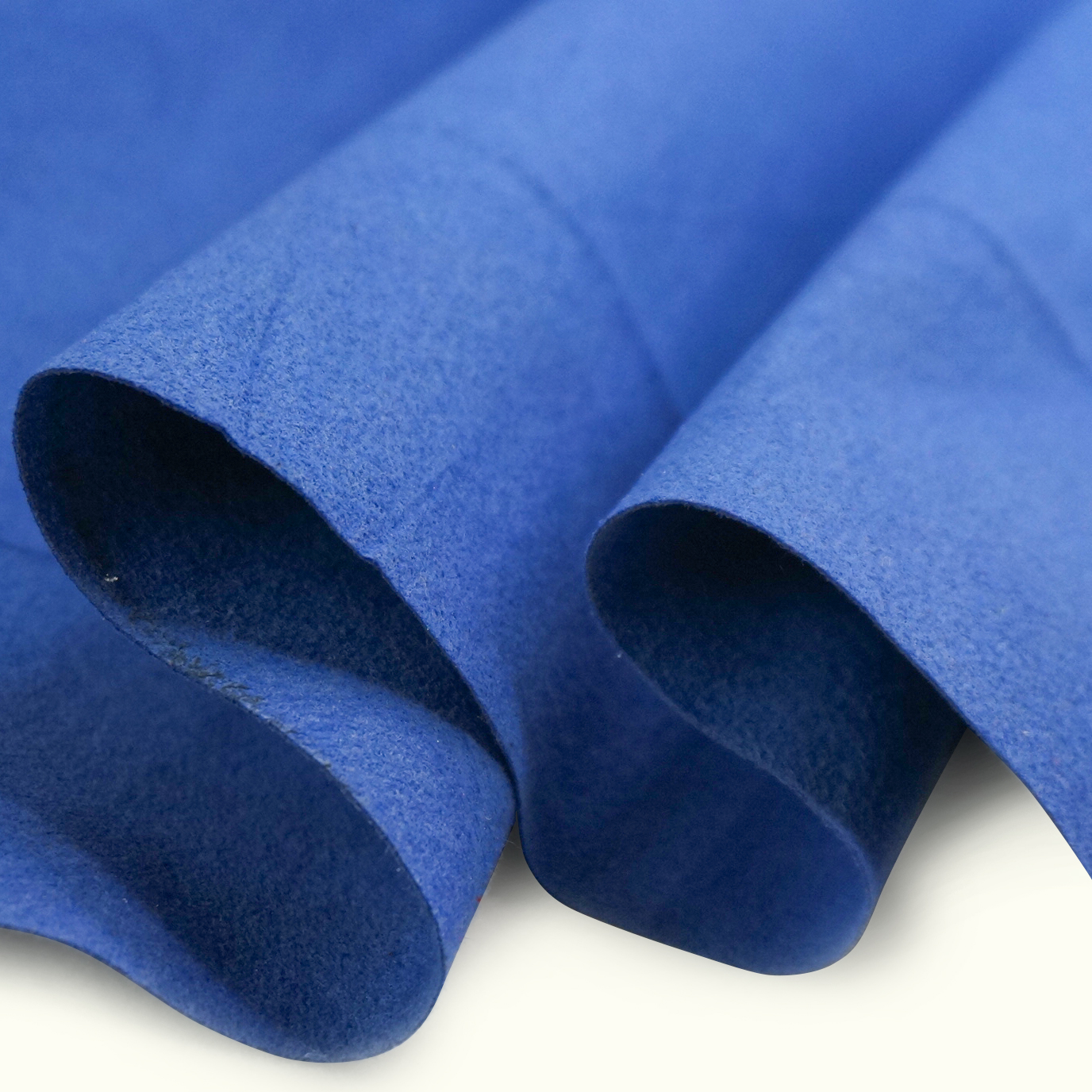
How to Lower Synthetic Leather Costs Without Lowering Quality or Thickness
Sourcing high-grade artificial leather without overspending can be a delicate balance. Many procurement professionals assume that reducing unit costs inherently means accepting thinner gauge material or compromised surface aesthetics. However, smart buyers cut expenses by targeting underlying cost factors—such as standardized backing matrices, existing embossing rollers, and production volume optimization—rather than sacrificing material caliber.
Key Cost-Reduction Strategies
- Standardizing Substrates: Opt for off-the-shelf woven, non-woven, or microfiber base fabrics to curtail raw material overhead while keeping the specified 0.8–1.4 mm thickness intact.
- Utilizing Existing Grain Molds: Avoid expensive custom tooling fees by selecting standard factory embossing patterns that retain a high-end tactile feel.
- Optimizing Order Quantities & MOQs: Align order volumes across colorways (aiming for at least 1,000 meters per color) to capitalize on factory output efficiencies and volume discounts.
- Selective Performance Coatings: Apply specialized treatments (such as flame retardancy, UV stabilization, or anti-hydrolysis) strictly to parts requiring them, preventing unnecessary cost add-ons.
In-Depth Technical & Economic Analysis
To successfully negotiate with synthetic leather producers such as Dongguan Cigno Leather Co., Ltd., buyers must understand where manufacturing costs originate. The substrate backing accounts for as much as half of the total production expenditure. Whether dealing with PU, PVC, or advanced microfiber synthetic leather, the base fabric dictates tear strength and elasticity. By accepting standard backing constructions while preserving the top surface layer and standard 54/55-inch width, procurement teams secure lower prices without compromising scratch resistance, hand feel, or overall thickness.
Batch scheduling and factory run sizes play a massive role in unit economics. Take a real-world case involving a Mexican automotive interior manufacturer: when procuring 50,000 meters of faux leather for armrests, headrests, and seat covers, the buyer met strict low-odor, flame-retardant, and UV-resistant parameters. They successfully contained costs by consolidating color options and utilizing ready-made grain rollers, ensuring timely delivery without downgrading any technical specifications.
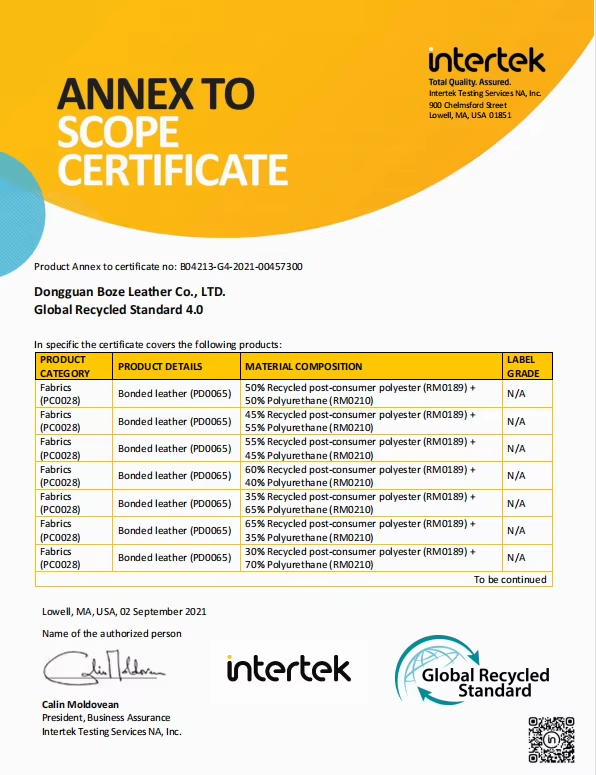
Additionally, regulatory compliance and eco-certifications like GRS (Global Recycled Standard), Oeko-Tex 100, and USDA bio-based certifications influence base rates. Purchasing teams can avoid custom R&D surcharge fees by relying on standard certified polymer runs already in continuous production, while still securing complete lab reports for REACH, RoHS, and anti-bacterial compliance.
Sourcing Strategy Comparison
The table below summarizes primary negotiation approaches along with their financial and structural impacts on synthetic leather procurement.
| Negotiation Strategy | Cost Impact | Thickness Retention | Surface Quality Impact | Implementation Requirements |
|---|---|---|---|---|
| Backing Fabric Standardization | High Savings (8–15%) | Unchanged (0.8–1.4 mm maintained) | No impact on topcoat appearance | Select standard knitted or non-woven backings |
| Standard Roller Grain Selection | Medium Savings (5–10%) | Unchanged | Uses existing premium grain molds | Waive custom mold opening requests |
| Colorway Order Consolidation | Medium Savings (6–12%) | Unchanged | Consistent color matching across runs | Meet or exceed 1000 meters per color MOQ |
| Targeted Functional Coating | Low-Medium Savings (3–7%) | Unchanged | Maintains core scratch & UV resistance | Specify treatments based strictly on application environment |
Frequently Asked Questions
Is a price reduction in synthetic leather always accompanied by thinner gauge material?
Not at all. You can fully preserve the target thickness (0.8 to 1.4 mm) by standardizing backing matrices, leveraging volume thresholds, and streamlining base resin selection to eliminate setup overhead.
What role do Minimum Order Quantities (MOQ) play in pricing negotiations?
Fulfilling or exceeding factory batch thresholds (typically around 1,000 meters per colorway) minimizes scrap rate and machine downtime during color changes, enabling suppliers to provide lower per-meter pricing.
Can we lower procurement costs while maintaining eco-friendly certifications?
Yes. By specifying standard eco-certified resins—such as those with GRS, Oeko-Tex 100, or USDA credentials—you avoid specialized formulation surcharges while ensuring full environmental compliance.
Conclusion & Best Practices
Lowering synthetic leather purchasing costs without sacrificing quality requires smart structural choices: standardizing base fabrics, utilizing stock embossing rollers, and consolidating order batches. Typical order lead times range between 20 and 30 days following sample sign-off, with reliable payment terms including T/T transfer, L/C, and Alibaba Trade Assurance. To discuss tailored sourcing solutions, contact us directly at vicky@bozeleather.com.
About Us
Dongguan Cigno Leather Co., Ltd. is a premier synthetic leather manufacturer founded in 2007. Spanning a 100,000 square meter facility with a 60% export ratio, the enterprise specializes in sustainable, multifunctional materials. Backed by over 30 national invention patents and certified under GRS, USDA, and Oeko-Tex 100 standards, the company serves global automotive and furniture upholstery clients.
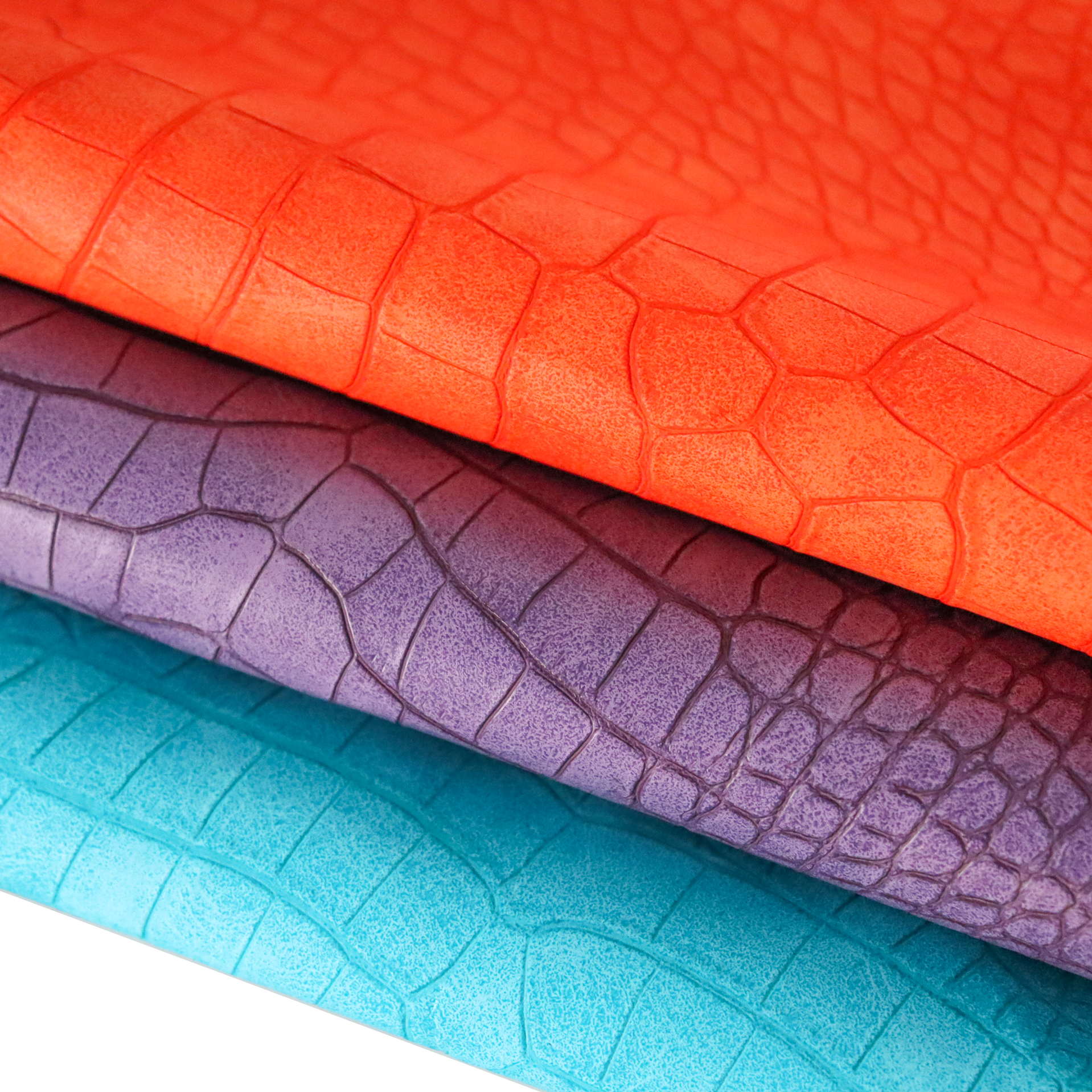
Evaluating Furniture Leather Manufacturers: Key Audit Points for Sofa Upholstery Suppliers
Selecting a reliable sofa furniture leather manufacturer requires a detailed audit of technical specs, manufacturing capabilities, and regulatory compliance. Buyers must assess physical standards (0.7–1.4 mm thickness, 54/55-inch width), lab durability performance, ISO 9001 quality systems, and verified eco-certifications (GRS, USDA, Oeko-Tex 100) to ensure consistent, high-volume production for upholstery applications.
Essential Audit Criteria at a Glance
- Material Versatility & Custom Options: Assessing options across PU, PVC, microfiber, solvent-free PU, and eco-friendly recycled leather with specs tailored in grain, backing, shade, width (54/55"), and thickness (0.7–1.4 mm).
- Rigorous Quality Control & ISO Framework: Reviewing ISO 9001-certified workflows spanning incoming raw material inspection, automated color matching, process tracking, lab testing, and final 100% pre-shipment checks.
- Global Sustainability & Safety Proof: Auditing official certificates like GRS (Cert No. B04213-G4), USDA (Cert No. 521076632086130490), and Oeko-Tex 100 (Cert No. SH015 120749), alongside compliant test reports for REACH, RoHS, anti-mold, anti-bacterial, flame retardancy, and UV resistance.
- Scalability & Commercial Terms: Checking operational throughput (6 production lines yielding up to 6 million meters monthly), lead times (15–30 days), flexible MOQs, and reliable trade logistics.
Technical Breakdown: Auditing Factory Capabilities & Performance Standards
A comprehensive audit of a furniture upholstery leather factory entails examining both the production floor and quality control testing laboratories. Premium synthetic leather engineered for sofas, headboards, executive seating, and wall paneling must withstand rigorous daily wear. Key mechanical assessments involve testing tensile strength, peeling resistance, abrasion resistance, scratch endurance, stain cleanability, and water resistance. Advanced facilities utilize continuous R&D to fabricate multi-layered synthetic architectures—including solvent-free PU and microfiber—delivering authentic leather texture without animal products.
Environmental and safety compliance auditing requires thorough verification of official certificates. For instance, Global Recycled Standard (GRS) documentation validates post-consumer recycled polymer usage, whereas USDA Bio-based certification verifies renewable raw material integration. Furthermore, ISO 9001 quality management ensures strict batch-to-batch color matching under standardized lighting equipment, eliminating color variance issues in commercial furniture manufacturing. These strict controls extend to specialized applications such as automotive interior upholstery and commercial seating, where low-odor emissions, UV stability, and flame retardancy are mandatory.
Factory Audit Metrics Comparison
| Audit Domain | Key Technical Parameters | Quality Assurance & Verification Protocol | Compliance & Certifications |
|---|---|---|---|
| Material & Durability Performance | Thickness: 0.7–1.4mm; Width: 54/55"; Material types: PVC, PU, Microfiber, Solvent-free PU, Recycled | Lab testing for peeling strength, tensile strength, abrasion resistance, scratch endurance, and color matching | REACH, RoHS, Anti-bacterial, Anti-mold, Flame Retardant test reports |
| Production Capacity & QA | 6 continuous synthetic production lines; 6,000,000 meters/month output; 100% finished goods inspection | ISO 9001 standard operating procedures: raw material QA, in-line process monitoring, final lab checks | ISO 9001 Quality Management System Certification |
| Eco-Friendliness & Safety | Cruelty-free formulations, bio-based polymers, recycled backings, heavy-metal-free chemistry | Verification of chemical emissions, fluorine-free chemistry, and bio-content ratios | GRS (B04213-G4), USDA (521076632086130490), Oeko-Tex 100 (SH015 120749) |
| Commercial Terms & Logistics | MOQ: 1,000m/color (100m for standard lines); Delivery: 15–30 days post-deposit | Lab sample validation, export contract management, production scheduling tracking | T/T, Irrevocable L/C at sight, Trade Assurance; Terms: EXW, FOB, CFR, CIF, DDP |
Frequently Asked Questions
Which physical tests are most critical when evaluating sofa leather suppliers?
Auditors should inspect test documentation for abrasion resistance, seam strength, peeling strength, tensile strength, and scratch resistance. Depending on regional regulatory requirements, fire-retardancy and anti-UV performance reports must also be reviewed.
Why are environmental certifications essential for qualifying a leather factory?
Certifications like GRS confirm recycled material origins, USDA credentials prove bio-based content, and Oeko-Tex 100 verifies the absence of harmful toxins. These standards guarantee that the synthetic leather complies with global eco-friendly safety standards for furniture distribution.
What are the standard lead times and MOQs for custom upholstery leather orders?
Custom synthetic leather orders usually carry a minimum order quantity (MOQ) of 1,000 meters per shade, with turnaround times ranging between 15 and 30 days after sample approval and deposit payment. In-stock standard lines can accommodate smaller runs down to 100 meters.
Summary & Final Recommendations
Qualifying a furniture leather supplier requires an end-to-end evaluation covering material specifications, mechanical durability, ISO 9001 quality assurance, and international eco-certifications. Partnering with a manufacturer offering comprehensive OEM/ODM customization, scalable production output, and flexible international trade terms guarantees long-term supply chain efficiency. For technical inquiries or custom solution quotes, contact us at vicky@bozeleather.com.
About Us
Founded in 2007, Dongguan Cigno Leather Co., Ltd. operates a 100,000-square-meter facility with 50 dedicated employees. We specialize in engineering eco-conscious synthetic leather solutions—including PU, PVC, microfiber, and solvent-free materials—for furniture and automotive applications. Backed by GRS, USDA, and Oeko-Tex 100 certifications, our factory maintains a monthly production capacity of 6 million meters, servicing global markets worldwide.
REPORT