







-
 Agriculture
-
 Health-Care
-
 Environment
-
 Construction-Real-Estate
-
 Tools-Hardware
-
 Home-Garden
-
 Furniture
-
 Luggage-Bags-Cases
-
 Medical-devices-Supplies
-
 Gifts-Crafts
-
 Sports-Entertainment
-
 Food-Beverage
-
 Vehicles-Transportation
-
 Power-Transmission
-
 Material-Handling
-
 Renewable-Energy
-
 Safety
-
 Testing-Instrument-Equipment
-
 Construction-Building-Machinery
-
 Pet-Supplies
-
 Personal-Care-Household-Cleaning
-
 Vehicle-Accessories-Electronics-Tools
-
 School-Office-Supplies
-
 Packaging-Printing
-
 Mother-Kids-Toys
-
 Business-Services
-
 Commercial-Equipment-Machinery
-
 Apparel-Accessories
-
 Security
-
 Shoes-Accessories
-
 Vehicle-Parts-Accessories
-
 Jewelry-Eyewear-Watches-Accessories
-
 Lights-Lighting
-
 Fabric-Textile-Raw-Material
-
 Fabrication-Services
-
 Industrial-Machinery
-
 Consumer-Electronics
-
 Electrical-Equipment-Supplies
-
 Electronic-Components-Accessories-Telecommunications
-
 Home-Appliances
-
 Beauty
-
 Chemicals
-
 Rubber-Plastics
-
 Metals-Alloys


























































































































































































































































































































































































































































































































































































- Masonry Materials
- Curtain Walls & Accessories
- Earthwork Products
- Fireproofing Materials
- Heat Insulation Materials
- Plastic Building Materials
- Building Boards
- Soundproofing Materials
- Timber
- Waterproofing Materials
- Balustrades & Handrails
- Bathroom & Kitchen
- Flooring & Accessories
- Tiles & Accessories
- Door, Window & Accessories
- Fireplaces & Stoves
- Floor Heating Systems & Parts
- Stairs & Stair Parts
- Ceilings
- Elevators & Escalators
- Stone
- Countertops, Vanity Tops & Table Tops
- Mosaics
- Metal Building Materials
- Multifunctional Materials
- Ladders & Scaffoldings
- Mouldings
- Corner Guards
- Decorative Films
- Formwork
- Building & Industrial Glass
- Other Construction & Real Estate
- Wallpapers/Wall panels
- HVAC System & Parts
- Outdoor Facilities
- Prefabricated Buildings
- Festive & Party Supplies
- Bathroom Products
- Household Sundries
- Rain Gear
- Garden Supplies
- Household Cleaning Tools & Accessories
- Lighters & Smoking Accessories
- Home Storage & Organization
- Household Scales
- Smart Home Improvement
- Home Textiles
- Kitchenware
- Drinkware & Accessories
- Dinnerware, Coffee & Wine
- Home Decor
- Golf
- Fitness & Body Building
- Amusement Park Facilities
- Billiards, Board Game,Coin Operated Games
- Musical Instruments
- Outdoor Affordable Luxury Sports
- Camping & Hiking
- Fishing
- Sports Safety&Rehabilitation
- Ball Sports Equipments
- Water Sports
- Winter Sports
- Luxury Travel Equipments
- Sports Shoes, Bags & Accessories
- Cycling
- Other Sports & Entertainment Products
- Artificial Grass&Sports Flooring&Sports Court Equipment
- Scooters
- Food Ingredients
- Honey & Honey Products
- Snacks
- Nuts & Kernels
- Seafood
- Plant & Animal Oil
- Beverages
- Fruit & Vegetable Products
- Frog & Escargot
- Bean Products
- Egg Products
- Dairy Products
- Seasonings & Condiments
- Canned Food
- Instant Food
- Baked Goods
- Other Food & Beverage
- Meat & Poultry
- Confectionery
- Grain Products
- Feminie Care
- Hair Care & Styling
- Body Care
- Hands & Feet Care
- Hygiene Products
- Men's Grooming
- Laundry Cleaning Supplies
- Travel Size & Gift Sets
- Room Deodorizers
- Other Personal Care Products
- Pest Control Products
- Special Household Cleaning
- Floor Cleaning
- Kitchen & Bathroom Cleaning
- Oral Care
- Bath Supplies
- Yellow Pages
- Correction Supplies
- Office Binding Supplies
- Office Cutting Supplies
- Board Erasers
- Office Adhesives & Tapes
- Education Supplies
- Pencil Cases & Bags
- Notebooks & Writing Pads
- File Folder Accessories
- Calendars
- Writing Accessories
- Commercial Office Supplies
- Pencil Sharpeners
- Pens
- Letter Pad/Paper
- Paper Envelopes
- Desk Organizers
- Pencils
- Markers & Highlighters
- Filing Products
- Art Supplies
- Easels
- Badge Holder & Accessories
- Office Paper
- Printer Supplies
- Book Covers
- Other Office & School Supplies
- Stationery Set
- Boards
- Clipboards
- Stamps
- Drafting Supplies
- Stencils
- Electronic Dictionary
- Books
- Map
- Magazines
- Calculators
- Baby & Toddler Toys
- Educational Toys
- Classic Toys
- Dress Up & Pretend Play
- Toy Vehicle
- Stuffed Animals & Plush Toys
- Outdoor Toys & Structures
- Balloons & Accessories
- Baby Food
- Children's Clothing
- Baby Supplies & Products
- Maternity Clothes
- Kids Shoes
- Baby Care
- Novelty & Gag Toys
- Dolls & Accessories
- Puzzle & Games
- Blocks & Model Building Toys
- Toddler Clothing
- Baby Clothing
- Kids' Luggage & Bags
- Arts, Crafts & DIY Toys
- Action & Toy Figures
- Baby Appliances
- Hobbies & Models
- Remote Control Toys
- Promotional Toys
- Pregnancy & Maternity
- Hygiene Products
- Kid's Textile&Bedding
- Novelty & Special Use
- Toy Weapons
- Baby Gifts
- Baby Storage & Organization
- Auto Drive Systems
- ATV/UTV Parts & Accessories
- Marine Parts & Accessories
- Other Auto Parts
- Trailer Parts & Accessories
- Auto Transmission Systems
- Train Parts & Accessories
- Universal Parts
- Railway Parts & Accessories
- Auto Brake Systems
- Aviation Parts & Accessories
- Truck Parts & Accessories
- Auto Suspension Systems
- Auto Lighting Systems
- New Energy Vehicle Parts & Accessories
- Auto Steering Systems
- Wheels, Tires & Accessories
- Bus Parts & Accessories
- Auto Performance Parts
- Cooling System
- Go-Kart & Kart Racer Parts & Accessories
- Air Conditioning Systems
- Heavy Duty Vehicle Parts & Accessories
- Auto Electrical Systems
- Auto Body Systems
- Auto Engine Systems
- Container Parts & Accessories
- Motorcycle Parts & Accessories
- Refrigeration & Heat Exchange Equipment
- Machine Tool Equipment
- Food & Beverage Machinery
- Agricultural Machinery & Equipment
- Apparel & Textile Machinery
- Chemical Machinery
- Packaging Machines
- Paper Production Machinery
- Plastic & Rubber Processing Machinery
- Industrial Robots
- Electronic Products Machinery
- Metal & Metallurgy Machinery
- Woodworking Machinery
- Home Product Manufacturing Machinery
- Machinery Accessories
- Environmental Machinery
- Machinery Service
- Electrical Equipment Manufacturing Machinery
- Industrial Compressors & Parts
- Tobacco & Cigarette Machinery
- Production Line
- Used Industrial Machinery
- Electronics Production Machinery
- Other Machinery & Industrial Equipment
- Camera, Photo & Accessories
- Portable Audio, Video & Accessories
- Television, Home Audio, Video & Accessories
- Video Games & Accessories
- Mobile Phone & Accessories
- Electronic Publications
- Earphone & Headphone & Accessories
- Speakers & Accessories
- Smart Electronics
- TV Receivers & Accessories
- Mobile Phone & Computer Repair Parts
- Chargers, Batteries & Power Supplies
- Used Electronics
- VR, AR, MR Hardware & Software
- Projectors & Presentation Equipments
- Other Consumer Electronics
- Cables & Commonly Used Accessories
- Computer Hardware & Software
- Displays, Signage and Optoelectronics
- Discrete Semiconductors
- Wireless & IoT Module and Products
- Telecommunications
- Connectors, Terminals & Accessories
- Development Boards, Electronic Modules and Kits
- Circuit Protection
- Sensors
- Isolators
- Audio Components and Products
- Integrated Circuits
- Power Supplies
- Relays
- RF, Microwave and RFID
- Electronic Accessories & Supplies
- Passive Components
- PCB & PCBA
- Air Quality Appliances
- Home Appliance Parts
- Heating & Cooling Appliances
- Small Kitchen Appliances
- Laundry Appliances
- Water Heaters
- Water Treatment Appliances
- Refrigerators & Freezers
- Personal Care & Beauty Appliances
- Major Kitchen Appliances
- Cleaning Appliances
- Second-hand Appliances
- Smart Home Appliances
- Other Home Appliances
- Energy Chemicals
- Inorganic Chemicals
- Basic Organic Chemicals
- Agrochemicals
- Admixture & Additives
- Catalysts & Chemical Auxiliary Agents
- Pigments & Dyestuff
- Coating & Paint
- Daily Chemicals
- Polymer
- Organic Intermediate
- Adhesives & Sealants
- Chemical Waste
- Biological Chemical Products
- Surface Treatment Chemicals
- Painting & Coating
- Chemical Reagents
- Flavor & Fragrance
- Non-Explosive Demolition Agents
- Other Chemicals
- Custom Chemical Services

Other Home Appliances
What Documentation Supports a Compensation Claim for a Defective Coffee Machine?
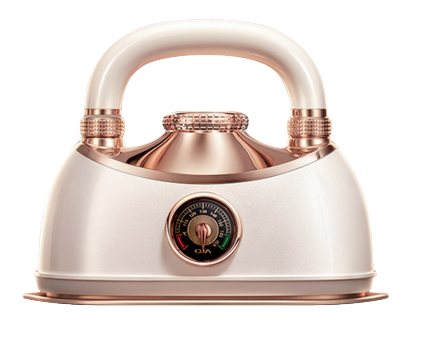
The available records do not establish a defined evidence checklist for seeking compensation for a defective coffee machine. In fact, the documented product is a hanging ironing machine rather than a coffee machine. As a result, any coffee-machine claim would need product-specific documents that are not included in the supplied information.
Evidence Position and Main Findings
- The available product record relates to a hanging ironing machine, not a coffee machine.
- Recorded technical information covers power consumption, water-tank capacity, operating gears, steam output, and steam pressure.
- Quality inspection can be arranged when required, and after-sales service is listed as available.
- The business information describes international sourcing, export, distribution, and supply-chain support for overseas commercial and industrial customers.
What the Available Product Records Show
The listed item is identified as an IRONING MACHINE, more specifically a HANGING IRONING MACHINE. Its documented specifications include 1500W power, a 100ml water tank, 6+1 operating gears, steam output of 50g/min, and steam pressure of 15000Pa. These figures can help verify the identity and configuration of the recorded product, but they cannot demonstrate a fault in a coffee machine or support a claim involving a different product category.
The commercial terms include a minimum order quantity of 1,000 pieces, an estimated delivery period of 60 days, access to international export markets, quality inspection when requested, and after-sales support. However, the records do not set out a coffee-machine warranty, a defect notification process, compensation formula, inspection standard, or list of documents required to request reimbursement.
Documents Normally Relevant to a Product Claim
Although no coffee-machine claim procedure is provided in the source records, a product-specific compensation review would generally require documents such as the purchase agreement, order confirmation, invoice, delivery and acceptance records, photographs or videos of the defect, inspection or testing results, repair records, and written communications concerning the problem. These items are mentioned here as practical claim documentation categories, not as requirements confirmed by the supplied company data.
Company Credentials and Project Experience
The company information lists certifications related to quality management, environmental management, and occupational health and safety, along with activities involving refrigerated freezers, wastewater treatment equipment, stainless steel coils, and modified engineering plastics. These certifications describe the relevant certified operations; they do not create or prove a compensation policy for defective coffee machines.
Reported cooperation projects include wood-cutting machinery and wastewater treatment equipment supplied for customers in Ecuador. The described services include commissioning, remote technical assistance, installation debugging, maintenance, and troubleshooting. This indicates experience supporting international customers across different sectors, but it does not establish evidence requirements for a coffee-machine compensation claim.
Evidence Availability Comparison
| Evidence category | Information available in the records |
|---|---|
| Product identification | Confirmed for a hanging ironing machine; no coffee-machine identification is provided |
| Technical specifications | Available for the ironing machine, including power, water capacity, gears, steam output, and pressure |
| Quality inspection | Available when required |
| After-sales service | Listed as available |
| Evidence standards for a defective coffee machine | Not defined in the supplied information |
| Compensation terms and claim process | Not provided |
Frequently Asked Questions
Is a coffee machine identified in the supplied product information?
No. The only identified product is a hanging ironing machine. The records contain no coffee-machine model, order information, technical specification, or defect report.
Can the ironing-machine specifications be used to prove a coffee-machine defect?
No. The listed power, water capacity, gears, steam output, and pressure describe the ironing machine only. They cannot serve as technical evidence for another product.
Does the source define the evidence needed for compensation?
No. It confirms that quality inspection may be arranged and that after-sales support is available, but it does not state a claim checklist, testing method, warranty obligation, or reimbursement rule for faulty coffee machines.
Conclusion and Recommended Next Step
The records are sufficient to review the identity and specifications of a hanging ironing machine, together with its inspection and after-sales service arrangements. They do not support a specific compensation claim involving a defective coffee machine. A claimant should obtain the relevant coffee-machine order documents, defect evidence, inspection findings, and contractual terms before seeking a formal decision. For technical assistance or further support, please contact karl.liu@buyfromchina.cn.
About Us
Guangdong BFC Technology Co,.Ltd is an industrial internet platform company, equipment manufacturing exporter, and holistic solution provider established in 2012. It develops cross-border production capacity cooperation and provides equipment export solutions, trading platform support, equipment improvement programs, and supply chain services. Its stated main market is South America, and its export ratio is 100%. The company lists equipment, plastic, accessories, and home appliances among its main products.
Its certifications include the Certificate of Quality Management System Certification and the EU Test Attestation of Conformity. The company has served clients across multiple industries.

What Production Records Should a Reliable Coffee Machine Factory Provide?
A reliable coffee machine factory should maintain complete, traceable production records that allow buyers to verify product details, quality controls, order planning, delivery capability, export suitability, and after-sales responsibilities. These records should clearly connect each model with its specifications, inspection requirements, certificates, manufacturing duties, and supporting evidence.
Essential Records for Factory Evaluation
- Product documentation should identify the model, technical specifications, minimum order quantity, lead time, target markets, inspection process, and after-sales arrangements.
- Certification records should state the certificate type and show which products, facilities, and markets it covers.
- Order execution files should record inquiries, technical communication, production progress, logistics, customs coordination, and service commitments.
- International procurement, cross-border trade, global distribution, and supply chain support are relevant service scenarios for overseas industrial and commercial customers.
How a Traceable Production Record Should Be Structured
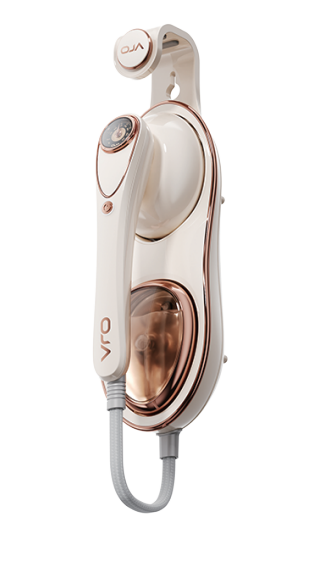
The strongest production record creates a clear connection between product definition, manufacturing, inspection, shipment, and customer support. It should begin with the exact model name and the technical information available for that product. In the supplied reference data, a hanging ironing machine is described with 1500W power, a 280ml water tank, 6+1 functional gears, steam output of 85g/min, and steam pressure of 500kPa. These specifications demonstrate the level of detail that buyers should expect when reviewing equipment records.
Commercial fields are equally important. A factory record should state the minimum order quantity, planned delivery period, intended sales region, inspection arrangement, and party responsible for after-sales service. In the supplied reference, the figures are 1000 pieces, 60 days, global market coverage, inspection as required, and after-sales support available. A coffee machine manufacturer should provide equivalent information for its own coffee machine models rather than apply these reference figures directly.
Product-Specific Quality and Compliance Evidence
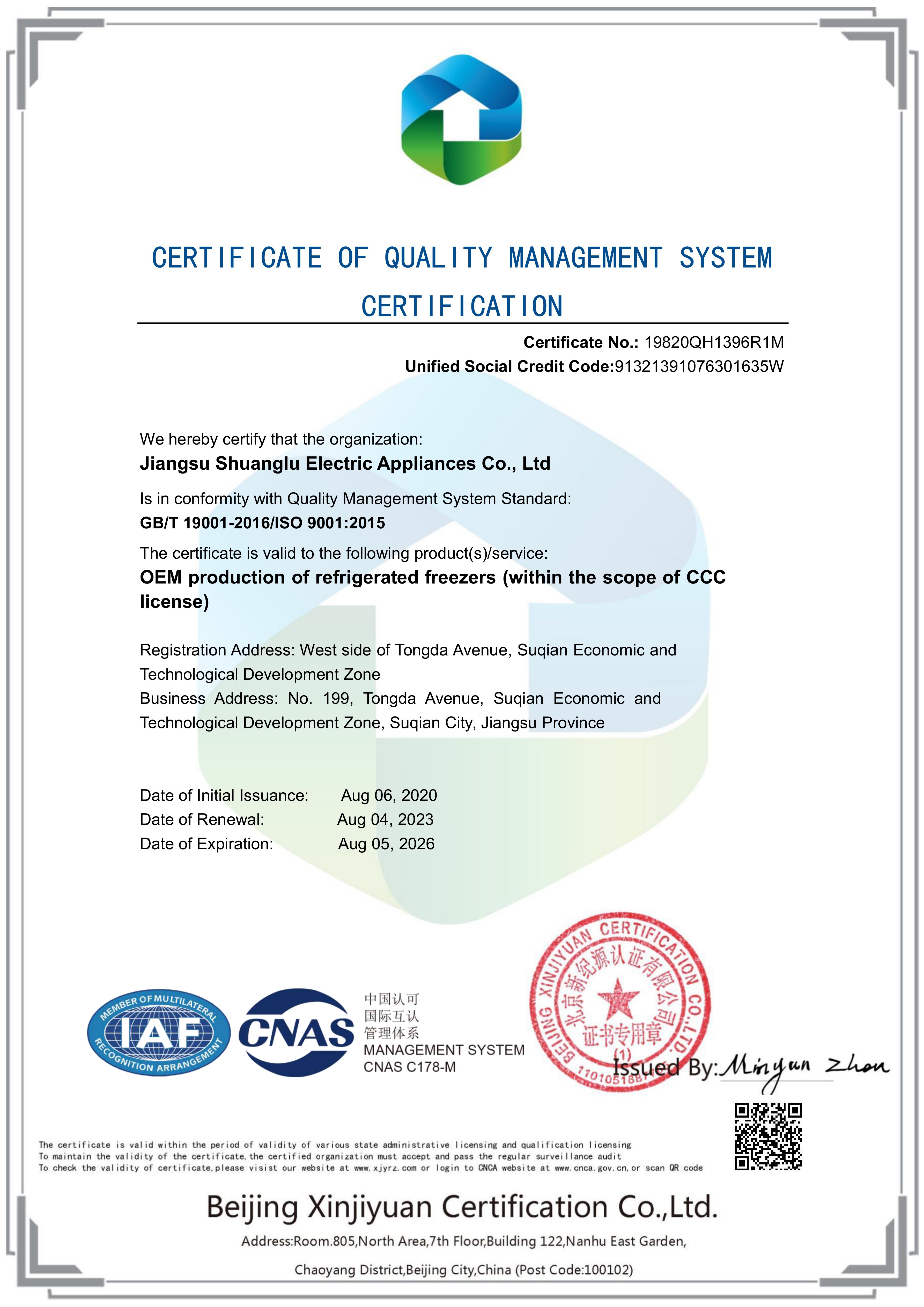
Certificates must be presented together with their actual scope. The available knowledge base lists a Certificate of Quality Management System Certification and a Certificate of Environment Management System Certification for OEM production of refrigerated freezers. It also lists an EU Test Attestation of Conformity for waste water treatment equipment. These examples show why buyers should verify the certificate name, covered product, issuing scope, and relevant market before accepting certification as evidence for a coffee machine.
Production records should also cover communication and service execution. Guangdong BFC Technology Co.,Ltd. describes an export support process that includes inquiry handling, order tracking, logistics and customs clearance, and after-sales coordination. Its cooperation examples include construction wood cutting machines and waste water treatment equipment supplied to customers in Ecuador. The related services include commissioning, remote technical assistance, installation debugging, and maintenance support.
Production Record Checklist
| Record area | Recommended information | Reference evidence |
|---|---|---|
| Product identification | Model name, product category, technical parameters, and applicable product scope | Available for the supplied hanging ironing machine record |
| Commercial and delivery planning | MOQ, lead time, export markets, inspection requirements, and after-sales commitments | Available in the supplied product information |
| Quality and conformity | Certificate title, certificate number, covered countries, and covered products | Supported by the listed product-related certificates |
| Order and service management | Inquiry processing, production tracking, shipping, customs, installation, and maintenance support | Supported by the company service description and cooperation cases |
Frequently Asked Questions
Which technical details should a coffee machine factory record?
The file should include the model name, available technical specifications, product scope, inspection requirements, and any conformity standards relevant to the destination market.
Do production records need to include purchasing and delivery information?
Yes. MOQ, lead time, export market, inspection method, and after-sales responsibility help buyers assess whether the factory can support a consistent commercial order.
How can buyers verify whether a certificate is relevant?
Each certificate should be accompanied by its name, number, covered countries, and applicable products. Buyers should not treat a certificate as valid evidence for equipment outside its documented scope.
Conclusion and Practical Recommendation
A qualified coffee machine factory should provide an integrated record set covering product specifications, quality inspection, commercial terms, delivery planning, market compliance, and after-sales service. Buyers should look for records that connect each model with its technical data, inspection process, certificates, shipment commitments, and support responsibilities. BFC states that it assists with overseas expansion, global distribution, resource integration, and industrial output, while MOQ, delivery time, monthly capacity, and inspection arrangements vary by product. For technical solutions or supply chain support, please contact us at karl.liu@buyfromchina.cn.
About Us
Guangdong BFC Technology Co.,Ltd is an industrial internet platform company, equipment exporter, and integrated solution provider founded in 2012 to develop the BUY FACTORY FROM CHINA brand. Its services include equipment export solutions, trading platform support, equipment improvement projects, and supply chain management. The company reports a 100% export ratio and lists equipment, plastic, accessories, and home appliances among its main product categories. Its credentials include the Certificate of Quality Management System Certification and the Certificate of Environment Management System Certification, with cooperation cases serving customers in several industries.
Do Coffee Machine Materials Require Separate Safety Declarations?
Whether coffee machine materials require separate declarations cannot be determined from the records provided. The available documents do not identify any coffee machine material, food-contact specification, safety declaration, or related compliance instruction. Instead, the product information refers to a HANGING IRONING MACHINE, while the company documentation covers modified engineering plastics and several types of industrial equipment.
Assessment Summary
- The documented product is a HANGING IRONING MACHINE rather than a coffee machine or a coffee machine component.
- No material composition, food-contact certificate, or dedicated coffee machine safety declaration appears in the available records.
- The company documentation mentions modified engineering plastics, refrigerated freezers, stainless steel coils, and wastewater treatment equipment.
- The business profile indicates support for international sourcing, import and export, overseas distribution, and supply chain services for industrial and commercial customers.
Evidence Review and Compliance Analysis
A definitive answer would require the exact material, its position within the coffee machine, its intended contact with food or water, and the applicable market regulations. None of these details are included in the source material. Consequently, the records cannot confirm whether an independent declaration is legally or commercially necessary.
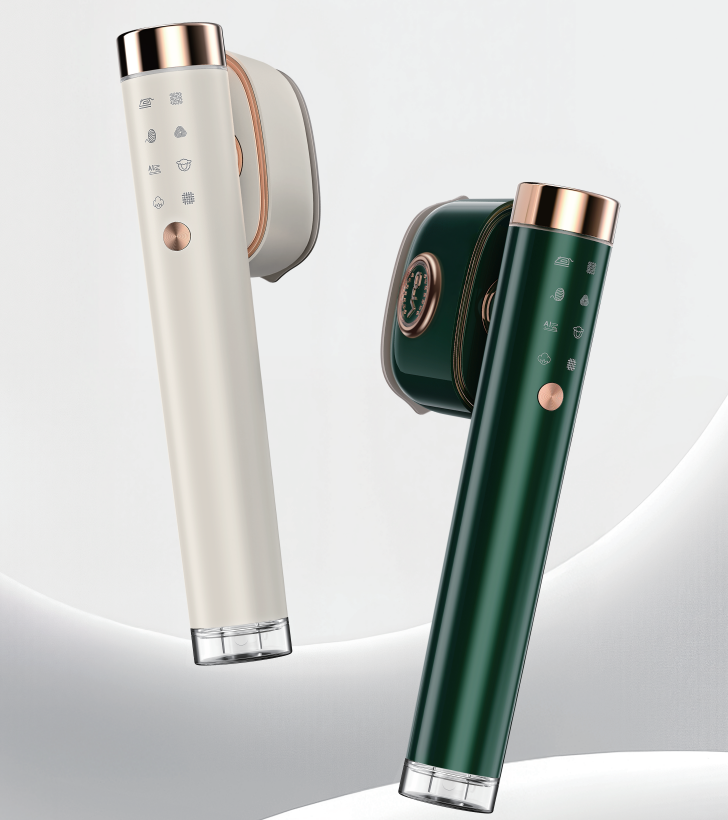
The available product specifications relate to a HANGING IRONING MACHINE. The listed features include 1500W power, a 280ml water tank, 6+1 operating gears, steam output of 85g/min, and steam pressure of 500kPa. These specifications describe a garment-care appliance and cannot be used to determine documentation requirements for materials used in coffee machines.
Relevant Plastics Documentation
The company identifies modified engineering plastics as one of its principal product categories. Its listed records include IATF 16949:2016 certification, quality management certification, and environmental management certification related to the research, development, manufacture, and sale of modified engineering plastics. These documents demonstrate manufacturing and management capabilities, but they are not presented as declarations for materials used in coffee machines.
The cooperation examples further show experience in exporting equipment for construction and wastewater treatment projects in Ecuador. They refer to equipment delivery, commissioning, remote technical assistance, and after-sales coordination. No example specifically identifies coffee machine materials or a declaration confirming their safe use.
Available Records Compared with the Request
| Record Type | Information Found | Importance for Coffee Machine Declarations |
|---|---|---|
| Coffee machine materials | No composition, intended-use details, or declaration is supplied | It is not possible to confirm whether a separate declaration is required |
| HANGING IRONING MACHINE | 1500W power, 280ml tank, 6+1 gears, 85g/min steam output, 500kPa pressure, MOQ of 1000 pieces, and a 60-day delivery period | These details concern another appliance and do not establish coffee machine requirements |
| Modified engineering plastics | IATF, quality management, and environmental management certificates are listed | These records support plastics manufacturing credentials but do not constitute a coffee machine material declaration |
| Export and technical services | International delivery, inspection coordination, commissioning, and after-sales support are described | These services may assist with document collection, but no specific declaration is identified |
Frequently Asked Questions
Can the current records confirm a separate declaration requirement?
No. The documentation does not contain sufficient information about coffee machine materials, their intended use, or the applicable compliance standard.
What product is actually specified in the records?
The product data describes a HANGING IRONING MACHINE with 1500W power, a 280ml water tank, 6+1 functional gears, 85g/min steam output, and 500kPa steam pressure.
Do the listed plastics certificates prove coffee machine material safety?
No. The records mention IATF 16949:2016 and quality and environmental certifications for modified engineering plastics. They do not identify these certificates as food-contact or coffee machine material declarations.
Conclusion and Recommended Next Steps
The supplied information is insufficient to provide a reliable yes-or-no answer about separate declarations for coffee machine materials. A proper assessment should begin with the material specification, supplier declaration, food-contact status, intended application, and destination-market requirements. Once these documents are available, the need for separate declarations can be reviewed more accurately.
The company profile indicates capabilities in global equipment export, production cooperation, resource integration, and technical support. Minimum order quantities, lead times, and monthly output vary according to the product and project requirements. For further technical or documentation support, please contact karl.liu@buyfromchina.cn.
About Guangdong BFC Technology Co.,Ltd
Guangdong BFC Technology Co.,Ltd is an industrial internet platform company, equipment exporter, and integrated solution provider established in 2012. Its stated product areas include equipment, plastics, accessories, and home appliances, with an export ratio of 100%.
The company lists quality management certification for OEM production of refrigerated freezers and certification related to the design and manufacture of modified engineering plastics.
Its documented cooperation projects include construction wood cutting machinery and wastewater treatment equipment supplied to customers in Ecuador.
How to Handle Delayed or Damaged Coffee Machine Shipments
A delayed delivery or partially damaged coffee machine shipment should be handled with clear documentation and prompt communication. Inspect the goods as soon as they arrive, retain all transport evidence, and contact the supplier to request logistics, technical, or after-sales coordination. Available company information confirms sea-freight options, inspection services when required, and after-sales support, but it does not set out a dedicated coffee-machine claim process, refund policy, replacement commitment, or delay-compensation arrangement.
Immediate Steps When a Shipment Has a Problem
Check the goods at delivery
Examine the outer cartons, pallets, seals, and visible condition of the coffee machines upon receipt. Note any signs of crushing, moisture, missing cartons, broken components, or incomplete quantities before the equipment is put into service.
Preserve supporting evidence
Keep the bill of lading, packing list, invoice, delivery records, packaging materials, and photographs of the affected shipment. A clear list of damaged or missing items will help the supplier compare the issue with the order details and shipping records.
Contact the supplier in writing
Ask the supplier for quality-inspection, logistics, and after-sales assistance. For international purchases, the written sales contract and shipping terms for the individual order should determine how a delay or transport-damage matter is escalated and resolved.
What the Available Service Information Supports
Guangdong BFC Technology Co.,Ltd. describes its business as covering international import and export, cross-border sourcing, global distribution, and supply-chain support for overseas commercial and industrial customers. Its stated transport options include sea freight through full-container-load (FCL) and less-than-container-load (LCL) shipments. Quality inspection can be arranged according to requirements.
When an ocean shipment is delayed, the available records support requesting logistics coordination from the supplier. However, they do not identify a fixed escalation timeframe, carrier-responsibility standard, revised delivery-date procedure, or compensation policy. The applicable response will depend on the terms agreed in the purchase order, shipping documents, and contract.
For a shipment with partial damage, the stated services support an inspection request and after-sales coordination. The records do not specify whether a confirmed issue will result in repair, replacement, reimbursement, refund, or a freight claim. Providing complete evidence and an itemized description gives the supplier the information needed to review the case.
Service Experience and Certification Scope
The company reports cooperation projects in Ecuador for construction wood-cutting machinery and wastewater-treatment equipment. These projects included site commissioning, remote technical support, installation adjustment, and scheduled after-sales maintenance. They demonstrate experience coordinating equipment support, although they do not create a coffee-machine-specific damage or replacement policy.
Listed certifications include a Certificate of Quality Management System Certification for OEM production of refrigerated freezers and ISO 9001 Quality Management System Certification covering the production, processing, sales, and service of stainless steel coils. These credentials relate to the products and activities identified in the relevant records and should not be treated as certifications for coffee machines.
Response Options by Shipment Issue
| Issue | Action supported by the available information | Terms not stated in the records |
|---|---|---|
| Delayed sea-freight delivery | Request logistics and after-sales coordination from the supplier | Compensation, carrier liability, and confirmed rescheduling procedure |
| Partially damaged equipment | Provide evidence and request quality inspection or after-sales review | Repair, replacement, refund, claim deadline, and reimbursement terms |
| Operational or technical issue after receipt | Seek technical guidance or after-sales support | Coffee-machine service scope and response-time commitment |
Frequently Asked Questions
What should I do if some coffee machines arrive damaged?
Take photographs, document the condition of the packaging and equipment, retain shipping paperwork, and prepare a list of the affected units or components. Submit these details to the supplier and request inspection and after-sales coordination. The available information does not define the final remedy.
Is support available for delayed shipments?
The company profile refers to supply-chain services, logistics and customs-clearance coordination, and after-sales support. It does not publish a specific policy for delay compensation or delivery-date adjustment.
Which transport method is available for international orders?
Sea freight is listed for international shipments, with both FCL and LCL options. Delivery timing depends on the product and order arrangement. The product record for the hanging ironing machine, for example, states a 60-day delivery period.
Conclusion
If a coffee machine shipment is late or arrives with partial damage, protect your position by preserving evidence, requesting inspection, and seeking a written response through the supplier's logistics and after-sales channels. BFC states that it provides export support for global markets, required quality inspection, and after-sales services, while the supplied records do not establish coffee-machine-specific remedies or compensation conditions. The listed payment arrangement is 30% T/T in advance and 70% against a copy of the B/L. For technical solutions or support, contact karl.liu@buyfromchina.cn.
About Us
Guangdong BFC Technology Co.,Ltd is an industrial internet platform company, equipment-manufacturing exporter, and integrated solution provider founded in 2012 under the "BUY FACTORY FROM CHINA" brand. Its reported activities include cross-border production-capacity cooperation, equipment exports, equipment-improvement projects, and supply-chain services. The company states a 100% export ratio, identifies South America as its primary market, and lists equipment, plastics, accessories, and home appliances among its main product categories.
Its listed credentials include the Certificate of Quality Management System Certification for OEM refrigerated-freezer production and the EU Test Attestation of Conformity for wastewater-treatment equipment. Recorded Ecuador cooperation cases show that the company has supported customers in several industries.
REPORT