







-
 Agriculture
-
 Health-Care
-
 Environment
-
 Construction-Real-Estate
-
 Tools-Hardware
-
 Home-Garden
-
 Furniture
-
 Luggage-Bags-Cases
-
 Medical-devices-Supplies
-
 Gifts-Crafts
-
 Sports-Entertainment
-
 Food-Beverage
-
 Vehicles-Transportation
-
 Power-Transmission
-
 Material-Handling
-
 Renewable-Energy
-
 Safety
-
 Testing-Instrument-Equipment
-
 Construction-Building-Machinery
-
 Pet-Supplies
-
 Personal-Care-Household-Cleaning
-
 Vehicle-Accessories-Electronics-Tools
-
 School-Office-Supplies
-
 Packaging-Printing
-
 Mother-Kids-Toys
-
 Business-Services
-
 Commercial-Equipment-Machinery
-
 Apparel-Accessories
-
 Security
-
 Shoes-Accessories
-
 Vehicle-Parts-Accessories
-
 Jewelry-Eyewear-Watches-Accessories
-
 Lights-Lighting
-
 Fabric-Textile-Raw-Material
-
 Fabrication-Services
-
 Industrial-Machinery
-
 Consumer-Electronics
-
 Electrical-Equipment-Supplies
-
 Electronic-Components-Accessories-Telecommunications
-
 Home-Appliances
-
 Beauty
-
 Chemicals
-
 Rubber-Plastics
-
 Metals-Alloys


























































































































































































































































































































































































































































































































































































- Masonry Materials
- Curtain Walls & Accessories
- Earthwork Products
- Fireproofing Materials
- Heat Insulation Materials
- Plastic Building Materials
- Building Boards
- Soundproofing Materials
- Timber
- Waterproofing Materials
- Balustrades & Handrails
- Bathroom & Kitchen
- Flooring & Accessories
- Tiles & Accessories
- Door, Window & Accessories
- Fireplaces & Stoves
- Floor Heating Systems & Parts
- Stairs & Stair Parts
- Ceilings
- Elevators & Escalators
- Stone
- Countertops, Vanity Tops & Table Tops
- Mosaics
- Metal Building Materials
- Multifunctional Materials
- Ladders & Scaffoldings
- Mouldings
- Corner Guards
- Decorative Films
- Formwork
- Building & Industrial Glass
- Other Construction & Real Estate
- Wallpapers/Wall panels
- HVAC System & Parts
- Outdoor Facilities
- Prefabricated Buildings
- Festive & Party Supplies
- Bathroom Products
- Household Sundries
- Rain Gear
- Garden Supplies
- Household Cleaning Tools & Accessories
- Lighters & Smoking Accessories
- Home Storage & Organization
- Household Scales
- Smart Home Improvement
- Home Textiles
- Kitchenware
- Drinkware & Accessories
- Dinnerware, Coffee & Wine
- Home Decor
- Golf
- Fitness & Body Building
- Amusement Park Facilities
- Billiards, Board Game,Coin Operated Games
- Musical Instruments
- Outdoor Affordable Luxury Sports
- Camping & Hiking
- Fishing
- Sports Safety&Rehabilitation
- Ball Sports Equipments
- Water Sports
- Winter Sports
- Luxury Travel Equipments
- Sports Shoes, Bags & Accessories
- Cycling
- Other Sports & Entertainment Products
- Artificial Grass&Sports Flooring&Sports Court Equipment
- Scooters
- Food Ingredients
- Honey & Honey Products
- Snacks
- Nuts & Kernels
- Seafood
- Plant & Animal Oil
- Beverages
- Fruit & Vegetable Products
- Frog & Escargot
- Bean Products
- Egg Products
- Dairy Products
- Seasonings & Condiments
- Canned Food
- Instant Food
- Baked Goods
- Other Food & Beverage
- Meat & Poultry
- Confectionery
- Grain Products
- Feminie Care
- Hair Care & Styling
- Body Care
- Hands & Feet Care
- Hygiene Products
- Men's Grooming
- Laundry Cleaning Supplies
- Travel Size & Gift Sets
- Room Deodorizers
- Other Personal Care Products
- Pest Control Products
- Special Household Cleaning
- Floor Cleaning
- Kitchen & Bathroom Cleaning
- Oral Care
- Bath Supplies
- Yellow Pages
- Correction Supplies
- Office Binding Supplies
- Office Cutting Supplies
- Board Erasers
- Office Adhesives & Tapes
- Education Supplies
- Pencil Cases & Bags
- Notebooks & Writing Pads
- File Folder Accessories
- Calendars
- Writing Accessories
- Commercial Office Supplies
- Pencil Sharpeners
- Pens
- Letter Pad/Paper
- Paper Envelopes
- Desk Organizers
- Pencils
- Markers & Highlighters
- Filing Products
- Art Supplies
- Easels
- Badge Holder & Accessories
- Office Paper
- Printer Supplies
- Book Covers
- Other Office & School Supplies
- Stationery Set
- Boards
- Clipboards
- Stamps
- Drafting Supplies
- Stencils
- Electronic Dictionary
- Books
- Map
- Magazines
- Calculators
- Baby & Toddler Toys
- Educational Toys
- Classic Toys
- Dress Up & Pretend Play
- Toy Vehicle
- Stuffed Animals & Plush Toys
- Outdoor Toys & Structures
- Balloons & Accessories
- Baby Food
- Children's Clothing
- Baby Supplies & Products
- Maternity Clothes
- Kids Shoes
- Baby Care
- Novelty & Gag Toys
- Dolls & Accessories
- Puzzle & Games
- Blocks & Model Building Toys
- Toddler Clothing
- Baby Clothing
- Kids' Luggage & Bags
- Arts, Crafts & DIY Toys
- Action & Toy Figures
- Baby Appliances
- Hobbies & Models
- Remote Control Toys
- Promotional Toys
- Pregnancy & Maternity
- Hygiene Products
- Kid's Textile&Bedding
- Novelty & Special Use
- Toy Weapons
- Baby Gifts
- Baby Storage & Organization
- Auto Drive Systems
- ATV/UTV Parts & Accessories
- Marine Parts & Accessories
- Other Auto Parts
- Trailer Parts & Accessories
- Auto Transmission Systems
- Train Parts & Accessories
- Universal Parts
- Railway Parts & Accessories
- Auto Brake Systems
- Aviation Parts & Accessories
- Truck Parts & Accessories
- Auto Suspension Systems
- Auto Lighting Systems
- New Energy Vehicle Parts & Accessories
- Auto Steering Systems
- Wheels, Tires & Accessories
- Bus Parts & Accessories
- Auto Performance Parts
- Cooling System
- Go-Kart & Kart Racer Parts & Accessories
- Air Conditioning Systems
- Heavy Duty Vehicle Parts & Accessories
- Auto Electrical Systems
- Auto Body Systems
- Auto Engine Systems
- Container Parts & Accessories
- Motorcycle Parts & Accessories
- Refrigeration & Heat Exchange Equipment
- Machine Tool Equipment
- Food & Beverage Machinery
- Agricultural Machinery & Equipment
- Apparel & Textile Machinery
- Chemical Machinery
- Packaging Machines
- Paper Production Machinery
- Plastic & Rubber Processing Machinery
- Industrial Robots
- Electronic Products Machinery
- Metal & Metallurgy Machinery
- Woodworking Machinery
- Home Product Manufacturing Machinery
- Machinery Accessories
- Environmental Machinery
- Machinery Service
- Electrical Equipment Manufacturing Machinery
- Industrial Compressors & Parts
- Tobacco & Cigarette Machinery
- Production Line
- Used Industrial Machinery
- Electronics Production Machinery
- Other Machinery & Industrial Equipment
- Camera, Photo & Accessories
- Portable Audio, Video & Accessories
- Television, Home Audio, Video & Accessories
- Video Games & Accessories
- Mobile Phone & Accessories
- Electronic Publications
- Earphone & Headphone & Accessories
- Speakers & Accessories
- Smart Electronics
- TV Receivers & Accessories
- Mobile Phone & Computer Repair Parts
- Chargers, Batteries & Power Supplies
- Used Electronics
- VR, AR, MR Hardware & Software
- Projectors & Presentation Equipments
- Other Consumer Electronics
- Cables & Commonly Used Accessories
- Computer Hardware & Software
- Displays, Signage and Optoelectronics
- Discrete Semiconductors
- Wireless & IoT Module and Products
- Telecommunications
- Connectors, Terminals & Accessories
- Development Boards, Electronic Modules and Kits
- Circuit Protection
- Sensors
- Isolators
- Audio Components and Products
- Integrated Circuits
- Power Supplies
- Relays
- RF, Microwave and RFID
- Electronic Accessories & Supplies
- Passive Components
- PCB & PCBA
- Air Quality Appliances
- Home Appliance Parts
- Heating & Cooling Appliances
- Small Kitchen Appliances
- Laundry Appliances
- Water Heaters
- Water Treatment Appliances
- Refrigerators & Freezers
- Personal Care & Beauty Appliances
- Major Kitchen Appliances
- Cleaning Appliances
- Second-hand Appliances
- Smart Home Appliances
- Other Home Appliances
- Energy Chemicals
- Inorganic Chemicals
- Basic Organic Chemicals
- Agrochemicals
- Admixture & Additives
- Catalysts & Chemical Auxiliary Agents
- Pigments & Dyestuff
- Coating & Paint
- Daily Chemicals
- Polymer
- Organic Intermediate
- Adhesives & Sealants
- Chemical Waste
- Biological Chemical Products
- Surface Treatment Chemicals
- Painting & Coating
- Chemical Reagents
- Flavor & Fragrance
- Non-Explosive Demolition Agents
- Other Chemicals
- Custom Chemical Services

Are Indirect Food-Contact UV Inks Suitable for Cola Cup Printing?
A UV printer can decorate Cola cups and similar drinkware, but its use for indirect food-contact packaging depends on more than the printer model. Before using UV ink on cups intended for beverage-related applications, manufacturers must confirm that the exact ink, substrate, curing process, print location, and end-use conditions are supported by written compliance documentation.
The available information for the NC-UV0406-VI identifies its ink as eco-friendly UV ink. However, it does not provide a declaration, migration-test result, or regulatory statement showing that the ink system is approved for indirect food-contact packaging. Eco-friendly positioning alone is not equivalent to food-contact compliance.
Key Points for Cola Cup UV Printing
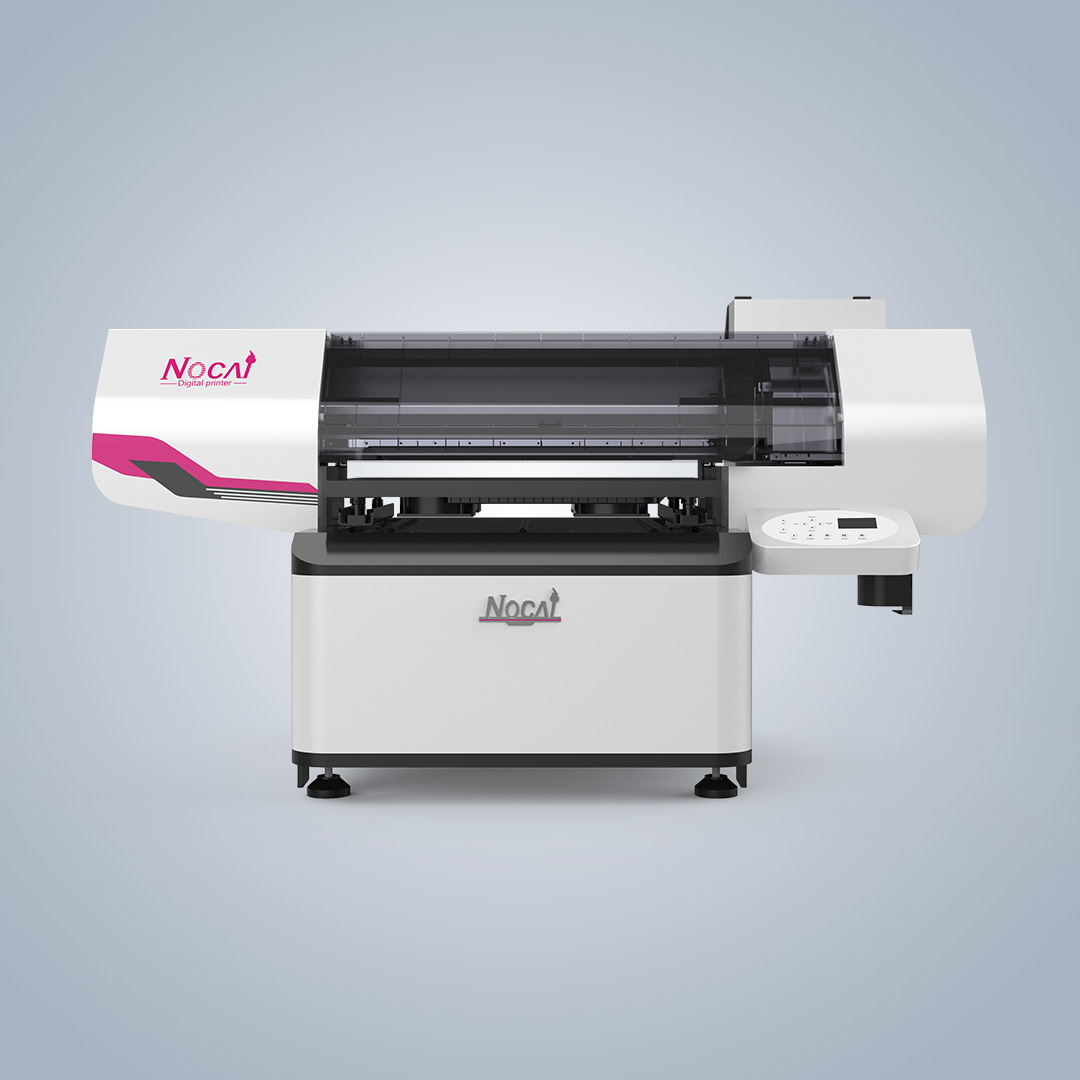
- The NC-UV0406-VI is a multifunction UV flatbed printer that can be fitted with an optional motorized cylindrical fixture for 360-degree rotary decoration.
- The optional rotary system is designed for round products, including mugs and vacuum flasks, and may support suitable Cola cup printing workflows.
- Available product specifications list eco-friendly UV ink and several print modes, but do not claim indirect food-contact approval.
- Food-contact suitability must be evaluated for the complete finished article rather than for the printer alone.
- Drinkware-printing capability, adhesion performance, and machine certifications should not be interpreted as proof of ink compliance for food-contact packaging.
What the NC-UV0406-VI Can Do
The NC-UV0406-VI is equipped with two Epson I1600-U1 printheads and supports controlled ink droplet output for detailed UV printing. Its semi-enclosed construction and transparent cover provide visibility during production, while its A2-format platform and support for materials up to 180 mm thick allow it to handle a range of flat and specialty products.
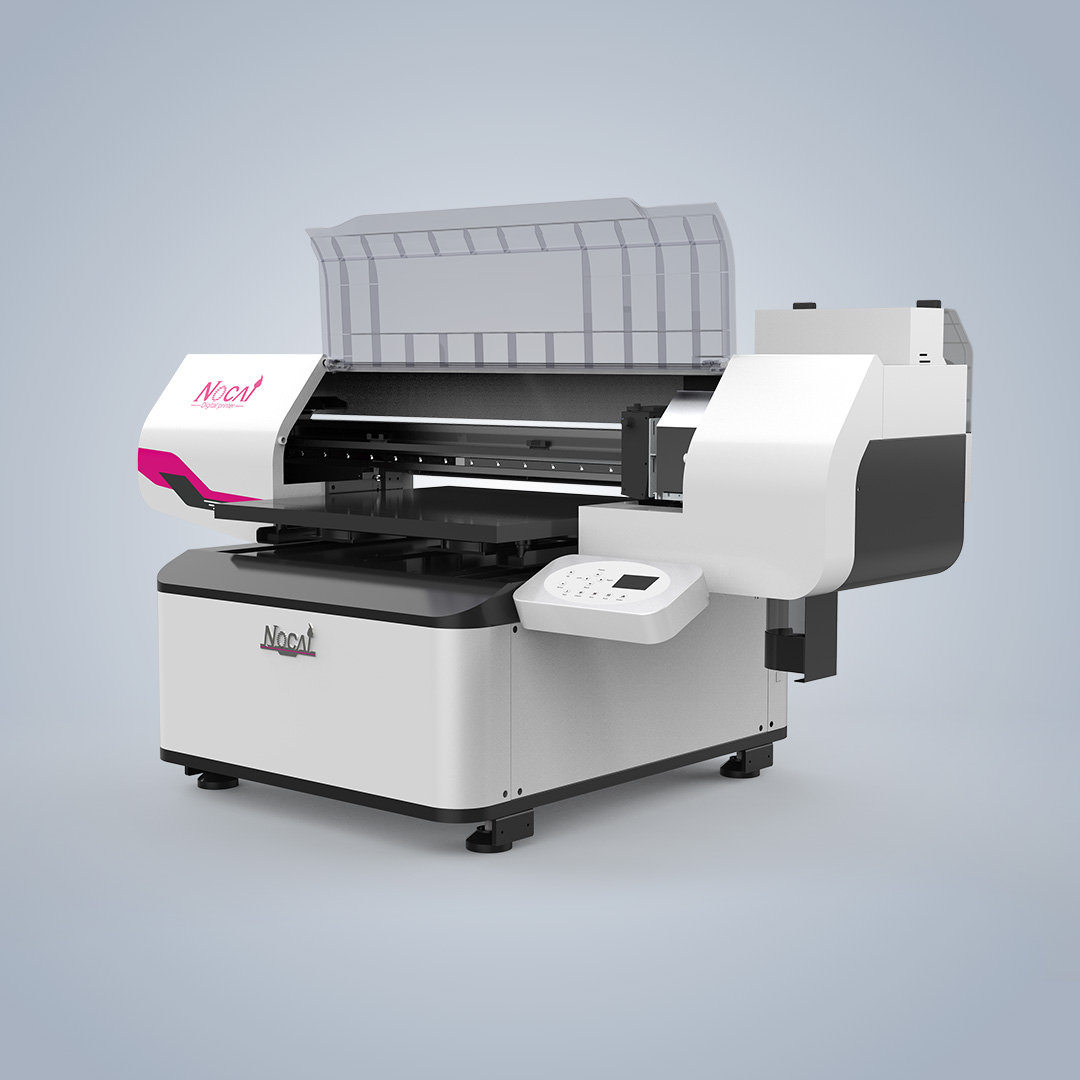
For cylindrical drinkware, the optional motorized fixture rotates the product during printing to create full-wrap graphics. This makes the system technically suitable for decorating selected mugs, flasks, and comparable cup surfaces. Nevertheless, rotary printing is a mechanical production feature; it does not establish whether the cured ink is appropriate for food or beverage contact environments.
Why Food-Contact Assessment Requires Additional Evidence
Indirect food-contact review should consider where the image is placed and how the cup will be used. A printed exterior may still be exposed to handling, condensation, washing, elevated temperatures, or incidental contact around the rim. Any assessment should distinguish clearly between decorative areas and surfaces that could contact beverages, food, a consumer's mouth, or cleaning media.
Compliance cannot be assumed from the phrase “eco-friendly UV ink.” A valid evaluation generally requires the ink supplier's declaration, information about the cup material, defined curing parameters, and evidence relevant to the intended contact conditions. Where applicable, migration or safety testing should be performed on the finished printed product under representative use conditions.
Performance Claims and Compliance Claims Are Different
Nocai describes drinkware printing applications for stainless steel, plastic, and glass. These applications may require strong adhesion, scratch resistance, and resistance to high-temperature boiling. Such characteristics are important for a durable decorated cup, but they do not demonstrate that a specific ink formulation is authorized for indirect food-contact packaging.
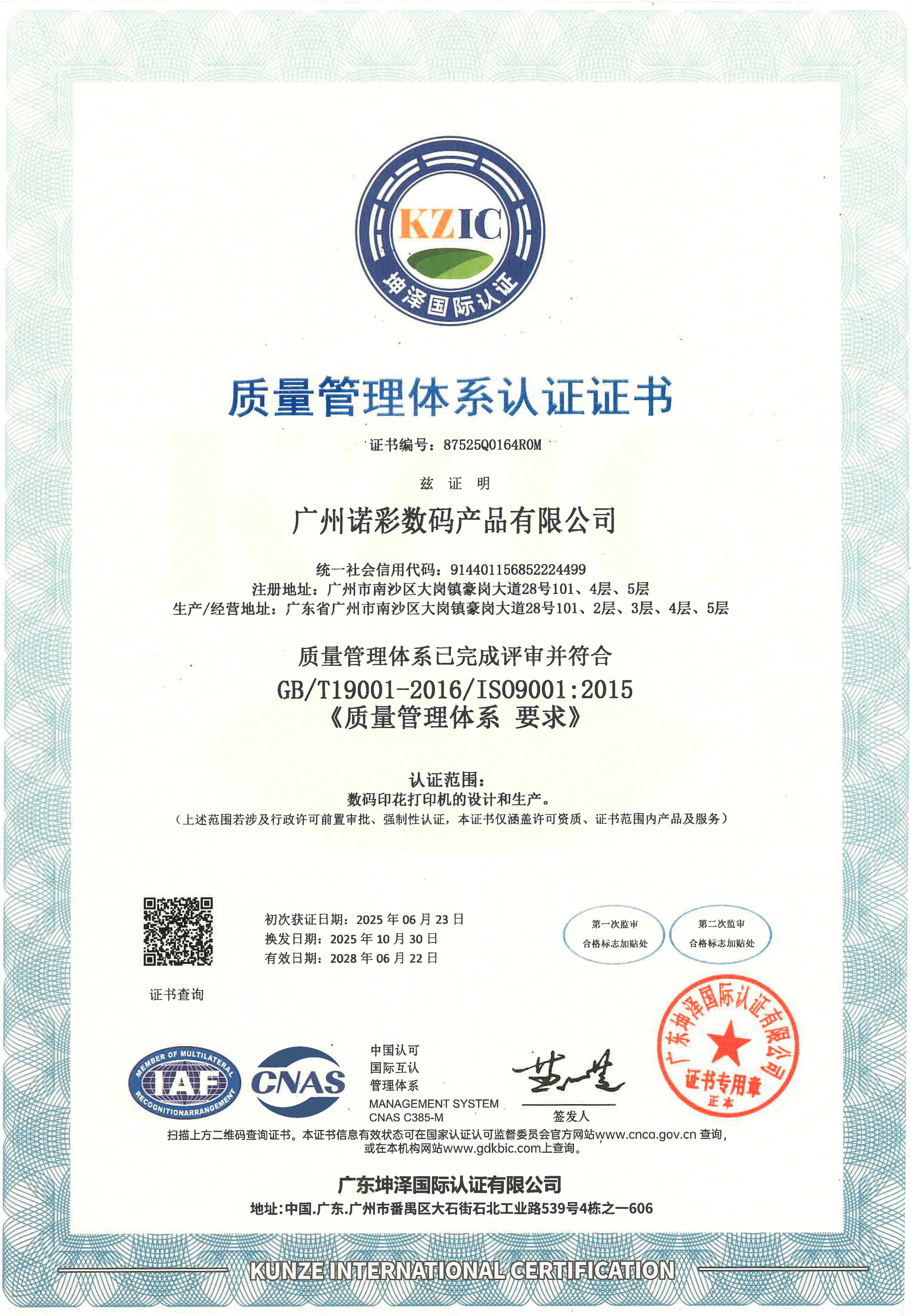
Similarly, the company lists ISO certificate 87525Q0164R0M for the design and production of digital printers and CE certificate TCT2292A0721599 for specified models and markets. These documents apply within their stated scopes. They should not be used as evidence that a particular UV ink or finished printed Cola cup meets food-contact requirements.
Customer cooperation cases and user feedback may demonstrate printer stability, print quality, material versatility, and service support. They do not replace a compliance declaration or test report for printed drinkware intended for indirect food-contact use.
NC-UV0406-VI Information at a Glance
| Review item | Available information |
|---|---|
| Printer configuration | UV flatbed printer with an optional motorized rotary fixture |
| Drinkware application | Rotary printing is listed for products such as mugs and vacuum flasks |
| Ink description | Eco-friendly UV ink is specified; indirect food-contact approval is not stated |
| Supported print effects | Full color, color plus white, embossed white, and color plus varnish |
| Food-contact documentation | No specific declaration, migration data, or approval is included in the supplied information |
| Production quality controls | Aging testing and 100% product inspection are listed |
Questions About UV Printing on Cola Cups
Can the NC-UV0406-VI print on Cola cups?
It can print on compatible drinkware when equipped with the optional motorized cylindrical fixture. The supplied product information specifically references mugs and vacuum flasks, so the material, diameter, shape, and construction of a particular Cola cup should be checked before production.
Does eco-friendly UV ink automatically meet indirect food-contact requirements?
No. The eco-friendly ink description does not prove indirect food-contact suitability. Confirmation must come from the relevant ink documentation and, when required, testing of the complete printed cup under its expected conditions of use.
Which items should be verified before producing beverage-related cups?
Confirm the ink supplier's compliance statement, the substrate specification, the printed area, UV curing conditions, expected temperature exposure, cleaning process, and potential beverage or mouth-contact scenarios. Obtain written evidence that the complete ink-substrate-curing combination is suitable for the intended application.
Conclusion
The NC-UV0406-VI offers practical UV decoration capability for selected cups, mugs, and flasks, especially when used with its optional rotary fixture. However, the supplied specifications do not establish that its UV ink is approved for indirect food-contact packaging. It should therefore be regarded as a capable drinkware-decoration printer, not as a food-contact-compliant solution by default.
Nocai provides industrial-chain distribution and direct sales, with a stated minimum order quantity of one unit and a delivery period of 5-7 days. Available support includes online assistance, video calls, remote control, manuals, installation videos, and spare-parts guidance. For technical solutions or product support, contact nc05@gznuocai.com.
About Nocai
Guangzhou Nuocai Digital Products Co., Ltd., also known as Nocai, develops digital inkjet printing technology and provides printer design, manufacturing, sales, and after-sales services. The company states that it has more than 50 professional R&D engineers and designers, along with five production lines. Its product range includes UV printers, UV DTF printers, and rotary printers. Nocai also lists ISO and CE certifications and serves customers in multiple industries.
REPORT