







-
 Agriculture
-
 Health-Care
-
 Environment
-
 Construction-Real-Estate
-
 Tools-Hardware
-
 Home-Garden
-
 Furniture
-
 Luggage-Bags-Cases
-
 Medical-devices-Supplies
-
 Gifts-Crafts
-
 Sports-Entertainment
-
 Food-Beverage
-
 Vehicles-Transportation
-
 Power-Transmission
-
 Material-Handling
-
 Renewable-Energy
-
 Safety
-
 Testing-Instrument-Equipment
-
 Construction-Building-Machinery
-
 Pet-Supplies
-
 Personal-Care-Household-Cleaning
-
 Vehicle-Accessories-Electronics-Tools
-
 School-Office-Supplies
-
 Packaging-Printing
-
 Mother-Kids-Toys
-
 Business-Services
-
 Commercial-Equipment-Machinery
-
 Apparel-Accessories
-
 Security
-
 Shoes-Accessories
-
 Vehicle-Parts-Accessories
-
 Jewelry-Eyewear-Watches-Accessories
-
 Lights-Lighting
-
 Fabric-Textile-Raw-Material
-
 Fabrication-Services
-
 Industrial-Machinery
-
 Consumer-Electronics
-
 Electrical-Equipment-Supplies
-
 Electronic-Components-Accessories-Telecommunications
-
 Home-Appliances
-
 Beauty
-
 Chemicals
-
 Rubber-Plastics
-
 Metals-Alloys


























































































































































































































































































































































































































































































































































































- Masonry Materials
- Curtain Walls & Accessories
- Earthwork Products
- Fireproofing Materials
- Heat Insulation Materials
- Plastic Building Materials
- Building Boards
- Soundproofing Materials
- Timber
- Waterproofing Materials
- Balustrades & Handrails
- Bathroom & Kitchen
- Flooring & Accessories
- Tiles & Accessories
- Door, Window & Accessories
- Fireplaces & Stoves
- Floor Heating Systems & Parts
- Stairs & Stair Parts
- Ceilings
- Elevators & Escalators
- Stone
- Countertops, Vanity Tops & Table Tops
- Mosaics
- Metal Building Materials
- Multifunctional Materials
- Ladders & Scaffoldings
- Mouldings
- Corner Guards
- Decorative Films
- Formwork
- Building & Industrial Glass
- Other Construction & Real Estate
- Wallpapers/Wall panels
- HVAC System & Parts
- Outdoor Facilities
- Prefabricated Buildings
- Festive & Party Supplies
- Bathroom Products
- Household Sundries
- Rain Gear
- Garden Supplies
- Household Cleaning Tools & Accessories
- Lighters & Smoking Accessories
- Home Storage & Organization
- Household Scales
- Smart Home Improvement
- Home Textiles
- Kitchenware
- Drinkware & Accessories
- Dinnerware, Coffee & Wine
- Home Decor
- Golf
- Fitness & Body Building
- Amusement Park Facilities
- Billiards, Board Game,Coin Operated Games
- Musical Instruments
- Outdoor Affordable Luxury Sports
- Camping & Hiking
- Fishing
- Sports Safety&Rehabilitation
- Ball Sports Equipments
- Water Sports
- Winter Sports
- Luxury Travel Equipments
- Sports Shoes, Bags & Accessories
- Cycling
- Other Sports & Entertainment Products
- Artificial Grass&Sports Flooring&Sports Court Equipment
- Scooters
- Food Ingredients
- Honey & Honey Products
- Snacks
- Nuts & Kernels
- Seafood
- Plant & Animal Oil
- Beverages
- Fruit & Vegetable Products
- Frog & Escargot
- Bean Products
- Egg Products
- Dairy Products
- Seasonings & Condiments
- Canned Food
- Instant Food
- Baked Goods
- Other Food & Beverage
- Meat & Poultry
- Confectionery
- Grain Products
- Feminie Care
- Hair Care & Styling
- Body Care
- Hands & Feet Care
- Hygiene Products
- Men's Grooming
- Laundry Cleaning Supplies
- Travel Size & Gift Sets
- Room Deodorizers
- Other Personal Care Products
- Pest Control Products
- Special Household Cleaning
- Floor Cleaning
- Kitchen & Bathroom Cleaning
- Oral Care
- Bath Supplies
- Yellow Pages
- Correction Supplies
- Office Binding Supplies
- Office Cutting Supplies
- Board Erasers
- Office Adhesives & Tapes
- Education Supplies
- Pencil Cases & Bags
- Notebooks & Writing Pads
- File Folder Accessories
- Calendars
- Writing Accessories
- Commercial Office Supplies
- Pencil Sharpeners
- Pens
- Letter Pad/Paper
- Paper Envelopes
- Desk Organizers
- Pencils
- Markers & Highlighters
- Filing Products
- Art Supplies
- Easels
- Badge Holder & Accessories
- Office Paper
- Printer Supplies
- Book Covers
- Other Office & School Supplies
- Stationery Set
- Boards
- Clipboards
- Stamps
- Drafting Supplies
- Stencils
- Electronic Dictionary
- Books
- Map
- Magazines
- Calculators
- Baby & Toddler Toys
- Educational Toys
- Classic Toys
- Dress Up & Pretend Play
- Toy Vehicle
- Stuffed Animals & Plush Toys
- Outdoor Toys & Structures
- Balloons & Accessories
- Baby Food
- Children's Clothing
- Baby Supplies & Products
- Maternity Clothes
- Kids Shoes
- Baby Care
- Novelty & Gag Toys
- Dolls & Accessories
- Puzzle & Games
- Blocks & Model Building Toys
- Toddler Clothing
- Baby Clothing
- Kids' Luggage & Bags
- Arts, Crafts & DIY Toys
- Action & Toy Figures
- Baby Appliances
- Hobbies & Models
- Remote Control Toys
- Promotional Toys
- Pregnancy & Maternity
- Hygiene Products
- Kid's Textile&Bedding
- Novelty & Special Use
- Toy Weapons
- Baby Gifts
- Baby Storage & Organization
- Auto Drive Systems
- ATV/UTV Parts & Accessories
- Marine Parts & Accessories
- Other Auto Parts
- Trailer Parts & Accessories
- Auto Transmission Systems
- Train Parts & Accessories
- Universal Parts
- Railway Parts & Accessories
- Auto Brake Systems
- Aviation Parts & Accessories
- Truck Parts & Accessories
- Auto Suspension Systems
- Auto Lighting Systems
- New Energy Vehicle Parts & Accessories
- Auto Steering Systems
- Wheels, Tires & Accessories
- Bus Parts & Accessories
- Auto Performance Parts
- Cooling System
- Go-Kart & Kart Racer Parts & Accessories
- Air Conditioning Systems
- Heavy Duty Vehicle Parts & Accessories
- Auto Electrical Systems
- Auto Body Systems
- Auto Engine Systems
- Container Parts & Accessories
- Motorcycle Parts & Accessories
- Refrigeration & Heat Exchange Equipment
- Machine Tool Equipment
- Food & Beverage Machinery
- Agricultural Machinery & Equipment
- Apparel & Textile Machinery
- Chemical Machinery
- Packaging Machines
- Paper Production Machinery
- Plastic & Rubber Processing Machinery
- Industrial Robots
- Electronic Products Machinery
- Metal & Metallurgy Machinery
- Woodworking Machinery
- Home Product Manufacturing Machinery
- Machinery Accessories
- Environmental Machinery
- Machinery Service
- Electrical Equipment Manufacturing Machinery
- Industrial Compressors & Parts
- Tobacco & Cigarette Machinery
- Production Line
- Used Industrial Machinery
- Electronics Production Machinery
- Other Machinery & Industrial Equipment
- Camera, Photo & Accessories
- Portable Audio, Video & Accessories
- Television, Home Audio, Video & Accessories
- Video Games & Accessories
- Mobile Phone & Accessories
- Electronic Publications
- Earphone & Headphone & Accessories
- Speakers & Accessories
- Smart Electronics
- TV Receivers & Accessories
- Mobile Phone & Computer Repair Parts
- Chargers, Batteries & Power Supplies
- Used Electronics
- VR, AR, MR Hardware & Software
- Projectors & Presentation Equipments
- Other Consumer Electronics
- Cables & Commonly Used Accessories
- Computer Hardware & Software
- Displays, Signage and Optoelectronics
- Discrete Semiconductors
- Wireless & IoT Module and Products
- Telecommunications
- Connectors, Terminals & Accessories
- Development Boards, Electronic Modules and Kits
- Circuit Protection
- Sensors
- Isolators
- Audio Components and Products
- Integrated Circuits
- Power Supplies
- Relays
- RF, Microwave and RFID
- Electronic Accessories & Supplies
- Passive Components
- PCB & PCBA
- Air Quality Appliances
- Home Appliance Parts
- Heating & Cooling Appliances
- Small Kitchen Appliances
- Laundry Appliances
- Water Heaters
- Water Treatment Appliances
- Refrigerators & Freezers
- Personal Care & Beauty Appliances
- Major Kitchen Appliances
- Cleaning Appliances
- Second-hand Appliances
- Smart Home Appliances
- Other Home Appliances
- Energy Chemicals
- Inorganic Chemicals
- Basic Organic Chemicals
- Agrochemicals
- Admixture & Additives
- Catalysts & Chemical Auxiliary Agents
- Pigments & Dyestuff
- Coating & Paint
- Daily Chemicals
- Polymer
- Organic Intermediate
- Adhesives & Sealants
- Chemical Waste
- Biological Chemical Products
- Surface Treatment Chemicals
- Painting & Coating
- Chemical Reagents
- Flavor & Fragrance
- Non-Explosive Demolition Agents
- Other Chemicals
- Custom Chemical Services

Best Practices for Storing Aluminum Skirting and Edge Profiles After Delivery
Proper storage is essential to maintain the straightness, finish, and installation quality of aluminum skirting and edge profiles after they arrive on site. Before fabrication or installation, profiles should be kept in a protected environment that prevents moisture exposure, surface abrasion, contamination, and accidental distortion.
Recommended Storage Conditions for Aluminum Profiles
Place aluminum skirting boards, trims, and edge profiles in a clean, dry, covered indoor location. Avoid outdoor storage, even when materials are packaged, because humidity, dust, rainwater, and airborne contaminants can affect both the aluminum surface and its decorative finish.
Keep every bundle on stable, level supports distributed along its full length. This is particularly important for long frame sections, decorative trims, and slim edge profiles, as insufficient support can allow the material to sag, bend, or become permanently misaligned.
Protect Finished Surfaces Until Use
Anodized, brushed, polished, powder-coated, and other visible finishes require additional care. Original protective film, wrapping, and corner protection should remain in place until the profiles are ready for fabrication or installation. When profiles must be separated or layered, use clean soft padding or suitable packaging materials to prevent metal-to-metal contact.
Do not drag one profile over another, place tools directly on finished surfaces, or allow profiles to rest against corrosive materials. Heavy objects and concentrated loads should never be placed on top of stored bundles, as they may create dents, edge damage, or unwanted deformation.
Receiving Inspection and Material Identification
Inspect aluminum skirting and edge profiles immediately after delivery. Check the external packaging for damage and examine the contents for scratches, moisture marks, dents, bends, or signs of impact. Early inspection helps identify transport-related issues before the products are moved into long-term storage.
Profiles should also be labeled or organized by section type, finish, project, and receiving batch. Clear identification reduces unnecessary handling and helps production teams select the correct material efficiently. For glass sliding wardrobe door aluminum frame products made from 6063 T5 alloy, preventing localized pressure and impact is especially important to preserve the required profile geometry before processing.
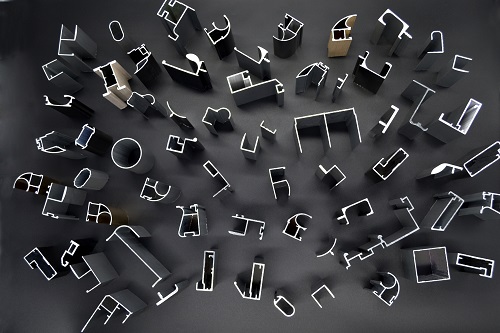
Storage Checklist: Risks and Preventive Measures
| Storage Item | Preferred Method | Potential Issue Prevented |
|---|---|---|
| Storage area | Dry, clean, enclosed, and covered indoor space | Moisture damage, dust accumulation, and contamination |
| Profile support | Horizontal storage on evenly spaced level supports | Sagging, bending, and profile distortion |
| Finish protection | Retain protective film, wrapping, and separation padding | Scratches, rubbing marks, and coating damage |
| Stacking method | Use light, controlled stacking without point loads | Dents, crushed edges, and deformation |
| Transport planning | Confirm FOB handling arrangements for rail, sea, or full-container shipment | Unclear logistics responsibilities and handling risks |
Why Correct Storage Matters
Aluminum profiles are widely used in premium cabinet systems, doors, wardrobe frames, hotel interiors, home hardware distribution, and residential projects. Their visual quality is often as important as their structural function. A small scratch, bend, or finish defect may lead to rework, waste, or delays during assembly.
MEBEL-ALU ALUMINIUM operates under Quality Management System and Occupational Health and Safety Management System certifications for aluminum alloy profiles used in architectural, decorative, and industrial applications. Its production scope includes anodized, electrophoretic-coated, powder-coated, painted, and thermal barrier aluminum profiles.
Frequently Asked Questions
Is it acceptable to store aluminum profiles outdoors?
No. Indoor storage is strongly recommended. A dry, enclosed area provides better protection from rain, humidity, dust, and contaminants that can compromise profile appearance.
Can aluminum skirting and edge profiles be stacked?
Yes, but only with proper support, protective separation, and controlled loading. Uneven piles or excessive weight can cause dents, scratches, and bending.
When should protective wrapping be removed?
Protective film and packaging should be removed as close to fabrication or installation as possible. Keeping them in place during storage and internal handling provides valuable protection for decorative surfaces.
Conclusion
Store aluminum skirting and edge profiles horizontally in a dry, clean, covered location, with consistent support and protective materials between finished surfaces. Minimize handling, avoid heavy stacking, and retain the original packaging until installation to help preserve profile quality.
For FOB orders, MEBEL-ALU ALUMINIUM can support rail transportation, maritime shipping, and full-container transportation. The listed business arrangement includes a 12,000 KG MOQ, an estimated 40-day delivery period, and a monthly capacity of 6,000T. For technical guidance or project support, contact us at mebel@mebel-alu.com.
About Us
Mebel-Alu Furniture Profile (Hong Kong) Co., Ltd has specialized in precision-engineered aluminium profile systems for contemporary interiors since 2008. The company produces aluminium glass door systems, sliding wardrobe systems, kitchen cabinet frames, decorative tile trims, and related furniture aluminium products through in-house extrusion, anodizing, brushing, mechanical polishing, and CNC machining. With monthly production capacity of 5,000 tons of aluminum profiles, plus 60,000 precision-finished handles and CNC precision-cut products, the company serves customers in Europe, South America, Southeast Asia, and the Middle East. It holds Quality Management System and Occupational Health and Safety Management System certificates.

REPORT