







-
 Agriculture
-
 Health-Care
-
 Environment
-
 Construction-Real-Estate
-
 Tools-Hardware
-
 Home-Garden
-
 Furniture
-
 Luggage-Bags-Cases
-
 Medical-devices-Supplies
-
 Gifts-Crafts
-
 Sports-Entertainment
-
 Food-Beverage
-
 Vehicles-Transportation
-
 Power-Transmission
-
 Material-Handling
-
 Renewable-Energy
-
 Safety
-
 Testing-Instrument-Equipment
-
 Construction-Building-Machinery
-
 Pet-Supplies
-
 Personal-Care-Household-Cleaning
-
 Vehicle-Accessories-Electronics-Tools
-
 School-Office-Supplies
-
 Packaging-Printing
-
 Mother-Kids-Toys
-
 Business-Services
-
 Commercial-Equipment-Machinery
-
 Apparel-Accessories
-
 Security
-
 Shoes-Accessories
-
 Vehicle-Parts-Accessories
-
 Jewelry-Eyewear-Watches-Accessories
-
 Lights-Lighting
-
 Fabric-Textile-Raw-Material
-
 Fabrication-Services
-
 Industrial-Machinery
-
 Consumer-Electronics
-
 Electrical-Equipment-Supplies
-
 Electronic-Components-Accessories-Telecommunications
-
 Home-Appliances
-
 Beauty
-
 Chemicals
-
 Rubber-Plastics
-
 Metals-Alloys


























































































































































































































































































































































































































































































































































































- Masonry Materials
- Curtain Walls & Accessories
- Earthwork Products
- Fireproofing Materials
- Heat Insulation Materials
- Plastic Building Materials
- Building Boards
- Soundproofing Materials
- Timber
- Waterproofing Materials
- Balustrades & Handrails
- Bathroom & Kitchen
- Flooring & Accessories
- Tiles & Accessories
- Door, Window & Accessories
- Fireplaces & Stoves
- Floor Heating Systems & Parts
- Stairs & Stair Parts
- Ceilings
- Elevators & Escalators
- Stone
- Countertops, Vanity Tops & Table Tops
- Mosaics
- Metal Building Materials
- Multifunctional Materials
- Ladders & Scaffoldings
- Mouldings
- Corner Guards
- Decorative Films
- Formwork
- Building & Industrial Glass
- Other Construction & Real Estate
- Wallpapers/Wall panels
- HVAC System & Parts
- Outdoor Facilities
- Prefabricated Buildings
- Festive & Party Supplies
- Bathroom Products
- Household Sundries
- Rain Gear
- Garden Supplies
- Household Cleaning Tools & Accessories
- Lighters & Smoking Accessories
- Home Storage & Organization
- Household Scales
- Smart Home Improvement
- Home Textiles
- Kitchenware
- Drinkware & Accessories
- Dinnerware, Coffee & Wine
- Home Decor
- Golf
- Fitness & Body Building
- Amusement Park Facilities
- Billiards, Board Game,Coin Operated Games
- Musical Instruments
- Outdoor Affordable Luxury Sports
- Camping & Hiking
- Fishing
- Sports Safety&Rehabilitation
- Ball Sports Equipments
- Water Sports
- Winter Sports
- Luxury Travel Equipments
- Sports Shoes, Bags & Accessories
- Cycling
- Other Sports & Entertainment Products
- Artificial Grass&Sports Flooring&Sports Court Equipment
- Scooters
- Food Ingredients
- Honey & Honey Products
- Snacks
- Nuts & Kernels
- Seafood
- Plant & Animal Oil
- Beverages
- Fruit & Vegetable Products
- Frog & Escargot
- Bean Products
- Egg Products
- Dairy Products
- Seasonings & Condiments
- Canned Food
- Instant Food
- Baked Goods
- Other Food & Beverage
- Meat & Poultry
- Confectionery
- Grain Products
- Feminie Care
- Hair Care & Styling
- Body Care
- Hands & Feet Care
- Hygiene Products
- Men's Grooming
- Laundry Cleaning Supplies
- Travel Size & Gift Sets
- Room Deodorizers
- Other Personal Care Products
- Pest Control Products
- Special Household Cleaning
- Floor Cleaning
- Kitchen & Bathroom Cleaning
- Oral Care
- Bath Supplies
- Yellow Pages
- Correction Supplies
- Office Binding Supplies
- Office Cutting Supplies
- Board Erasers
- Office Adhesives & Tapes
- Education Supplies
- Pencil Cases & Bags
- Notebooks & Writing Pads
- File Folder Accessories
- Calendars
- Writing Accessories
- Commercial Office Supplies
- Pencil Sharpeners
- Pens
- Letter Pad/Paper
- Paper Envelopes
- Desk Organizers
- Pencils
- Markers & Highlighters
- Filing Products
- Art Supplies
- Easels
- Badge Holder & Accessories
- Office Paper
- Printer Supplies
- Book Covers
- Other Office & School Supplies
- Stationery Set
- Boards
- Clipboards
- Stamps
- Drafting Supplies
- Stencils
- Electronic Dictionary
- Books
- Map
- Magazines
- Calculators
- Baby & Toddler Toys
- Educational Toys
- Classic Toys
- Dress Up & Pretend Play
- Toy Vehicle
- Stuffed Animals & Plush Toys
- Outdoor Toys & Structures
- Balloons & Accessories
- Baby Food
- Children's Clothing
- Baby Supplies & Products
- Maternity Clothes
- Kids Shoes
- Baby Care
- Novelty & Gag Toys
- Dolls & Accessories
- Puzzle & Games
- Blocks & Model Building Toys
- Toddler Clothing
- Baby Clothing
- Kids' Luggage & Bags
- Arts, Crafts & DIY Toys
- Action & Toy Figures
- Baby Appliances
- Hobbies & Models
- Remote Control Toys
- Promotional Toys
- Pregnancy & Maternity
- Hygiene Products
- Kid's Textile&Bedding
- Novelty & Special Use
- Toy Weapons
- Baby Gifts
- Baby Storage & Organization
- Auto Drive Systems
- ATV/UTV Parts & Accessories
- Marine Parts & Accessories
- Other Auto Parts
- Trailer Parts & Accessories
- Auto Transmission Systems
- Train Parts & Accessories
- Universal Parts
- Railway Parts & Accessories
- Auto Brake Systems
- Aviation Parts & Accessories
- Truck Parts & Accessories
- Auto Suspension Systems
- Auto Lighting Systems
- New Energy Vehicle Parts & Accessories
- Auto Steering Systems
- Wheels, Tires & Accessories
- Bus Parts & Accessories
- Auto Performance Parts
- Cooling System
- Go-Kart & Kart Racer Parts & Accessories
- Air Conditioning Systems
- Heavy Duty Vehicle Parts & Accessories
- Auto Electrical Systems
- Auto Body Systems
- Auto Engine Systems
- Container Parts & Accessories
- Motorcycle Parts & Accessories
- Refrigeration & Heat Exchange Equipment
- Machine Tool Equipment
- Food & Beverage Machinery
- Agricultural Machinery & Equipment
- Apparel & Textile Machinery
- Chemical Machinery
- Packaging Machines
- Paper Production Machinery
- Plastic & Rubber Processing Machinery
- Industrial Robots
- Electronic Products Machinery
- Metal & Metallurgy Machinery
- Woodworking Machinery
- Home Product Manufacturing Machinery
- Machinery Accessories
- Environmental Machinery
- Machinery Service
- Electrical Equipment Manufacturing Machinery
- Industrial Compressors & Parts
- Tobacco & Cigarette Machinery
- Production Line
- Used Industrial Machinery
- Electronics Production Machinery
- Other Machinery & Industrial Equipment
- Camera, Photo & Accessories
- Portable Audio, Video & Accessories
- Television, Home Audio, Video & Accessories
- Video Games & Accessories
- Mobile Phone & Accessories
- Electronic Publications
- Earphone & Headphone & Accessories
- Speakers & Accessories
- Smart Electronics
- TV Receivers & Accessories
- Mobile Phone & Computer Repair Parts
- Chargers, Batteries & Power Supplies
- Used Electronics
- VR, AR, MR Hardware & Software
- Projectors & Presentation Equipments
- Other Consumer Electronics
- Cables & Commonly Used Accessories
- Computer Hardware & Software
- Displays, Signage and Optoelectronics
- Discrete Semiconductors
- Wireless & IoT Module and Products
- Telecommunications
- Connectors, Terminals & Accessories
- Development Boards, Electronic Modules and Kits
- Circuit Protection
- Sensors
- Isolators
- Audio Components and Products
- Integrated Circuits
- Power Supplies
- Relays
- RF, Microwave and RFID
- Electronic Accessories & Supplies
- Passive Components
- PCB & PCBA
- Air Quality Appliances
- Home Appliance Parts
- Heating & Cooling Appliances
- Small Kitchen Appliances
- Laundry Appliances
- Water Heaters
- Water Treatment Appliances
- Refrigerators & Freezers
- Personal Care & Beauty Appliances
- Major Kitchen Appliances
- Cleaning Appliances
- Second-hand Appliances
- Smart Home Appliances
- Other Home Appliances
- Energy Chemicals
- Inorganic Chemicals
- Basic Organic Chemicals
- Agrochemicals
- Admixture & Additives
- Catalysts & Chemical Auxiliary Agents
- Pigments & Dyestuff
- Coating & Paint
- Daily Chemicals
- Polymer
- Organic Intermediate
- Adhesives & Sealants
- Chemical Waste
- Biological Chemical Products
- Surface Treatment Chemicals
- Painting & Coating
- Chemical Reagents
- Flavor & Fragrance
- Non-Explosive Demolition Agents
- Other Chemicals
- Custom Chemical Services

Beyond 3050/5070 Flatbed Screen Printers: Modern Alternatives and Hybrid Innovations
Conventional 3050 and 5070 flatbed screen printing machines have long served as reliable workhorses for processing rigid sheet materials and flat surfaces. However, evolving manufacturing requirements—driven by complex geometries, short customization runs, and multi-surface versatility—have propelled the adoption of next-generation printing technologies. Today, digital UV flatbed inkjets, hybrid flat/round dual-purpose screen printers, and high-speed pad printing systems offer compelling alternatives to traditional flatbed units.
Key Competitors to Traditional Flatbed Screen Printing
- Hybrid Flat & Round Screen Printers: Exemplified by versatile equipment like the SCL-300A and SCL-400A series, these hybrid machines break the planar constraint by handling both flat panels and cylindrical/conical shapes on a single chassis.
- Digital Direct-to-Substrate UV Inkjet Printers: By eliminating physical screens entirely, digital UV printers simplify short-run visual customization and multi-color printing directly from digital graphics files.
- Automated Pad Printing Systems: Ideal for deeply contoured, recessed, or 3D surfaces where rigid screen frames fail to make uniform contact with the substrate.
- Widespread Industry Use: These flexible technologies serve varied sectors, including 3C consumer electronics, cosmetics packaging, automotive interior components, and household goods.
In-Depth Analysis: Technology Capabilities & Engineering Features
While standard 3050/5070 flatbed machines are restricted to horizontal planar surfaces, alternative technologies address geometric diversity and workflow efficiency directly.
Flat and round dual-purpose screen printing systems fill the operational gap between static flatbed models and dedicated rotary equipment. Systems like the SCL-300A and SCL-400A feature configurable worktables (ranging from 300*200mm to 400*200mm) paired with screen frames up to 300*500mm. Through adaptable stroke mechanisms and specialized fixtures, these dual-purpose machines print across both flat substrates and cylindrical/conical items (such as cosmetic containers and daily necessities) with thickness clearances reaching 120mm on glass, plastic, and composite materials.
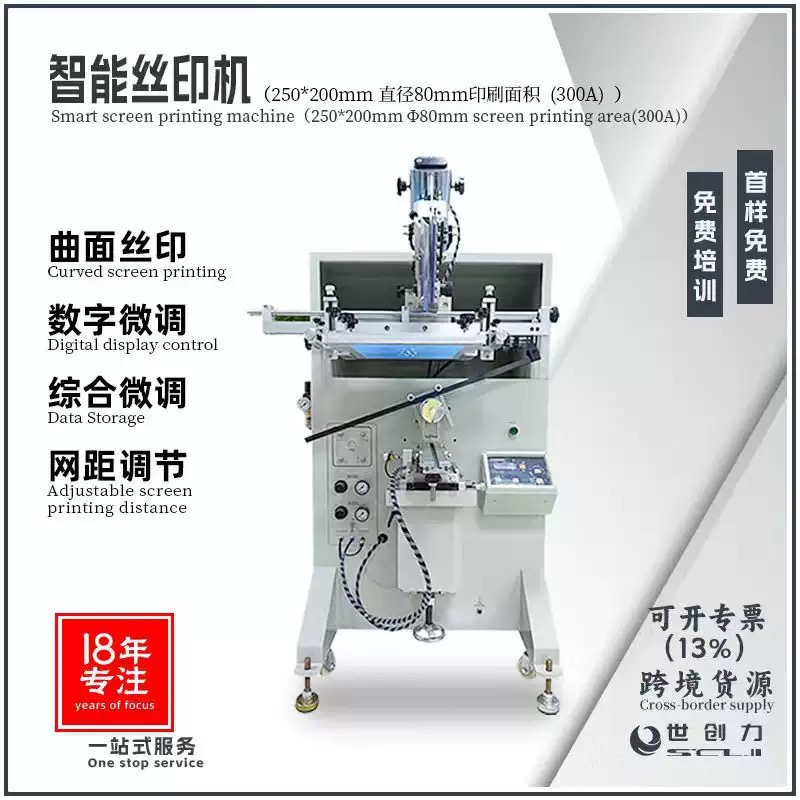
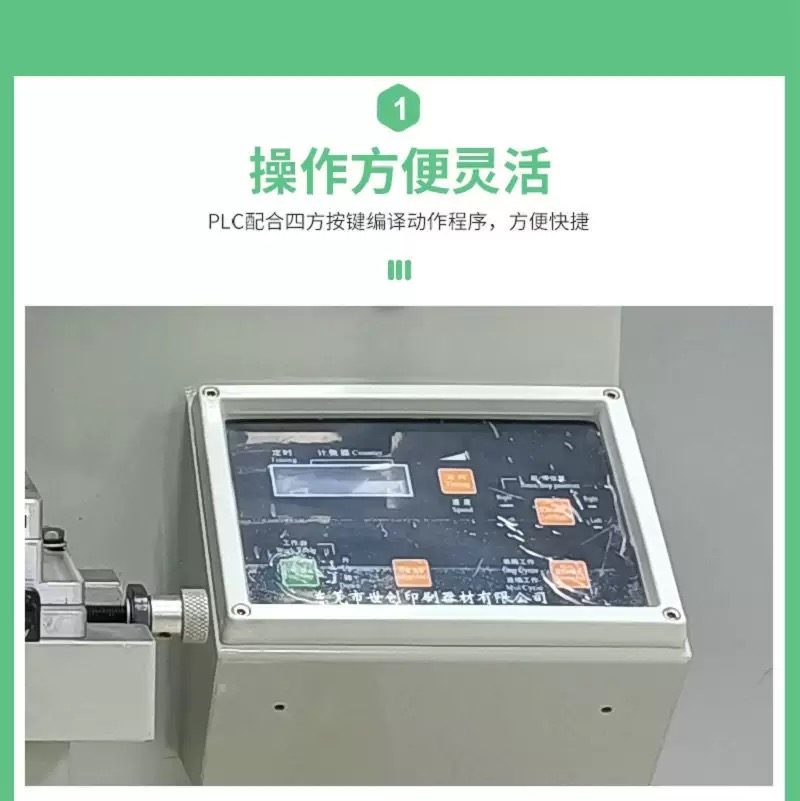
Mechanical stability remains essential for maintaining registration accuracy during single-color ink deposition. Modern dual-purpose equipment integrates patented structural enhancements—including Utility Model Patent 202521984351.0 for specialized stamping assemblies—and holds CNAS quality validation (AZT260323020C-B0). These mechanical innovations ensure consistent squeegee pressure and precise horizontal travel, yielding uniform ink film thickness and high adhesion across non-planar geometries.

Practical deployments illustrate how multi-surface hardware streamlines production. For instance, a Saudi Arabian distributor producing customized hotel supplies utilized integrated screen printing and hot stamping machinery to print precise brand logos onto diverse items—including glass bottles, tableware, and fabric tags—meeting exact visual standards across multiple material formats.
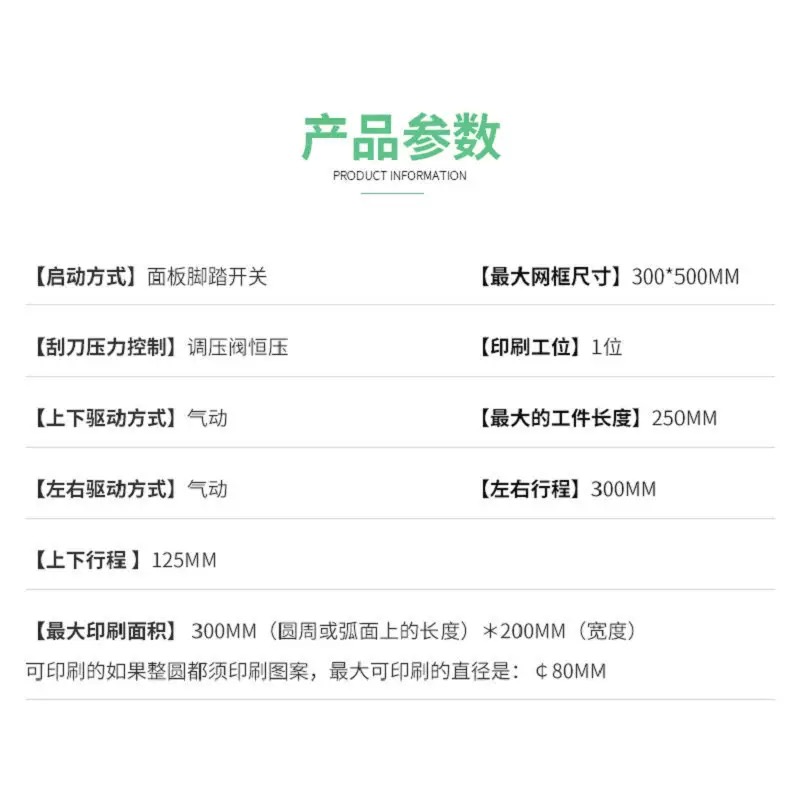
Technology Comparison
Choosing between traditional flatbed printers, digital UV platforms, and hybrid screen equipment depends on part geometry, batch size, and setup requirements.
| Criteria / Feature | Standard 3050/5070 Flatbed Printer | Digital UV Flatbed Inkjet Printer | Flat/Round Dual-Purpose Printer (SCL Series) |
|---|---|---|---|
| Compatible Surface Geometries | Strictly flat substrates | Flat surfaces (restricted depth-of-field) | Flat, cylindrical, and conical shapes |
| Pre-Press Tooling Needs | Screen stencil required | Tool-free (direct digital printing) | Screen stencil required |
| Substrate Clearance Height | Standard flat clearance | Low to moderate profile | Up to 120mm height range |
| Target Materials | Paper, sheet plastic, metal plates | UV-compatible plastics, wood, panels | Glass, rigid plastics, bottles, consumer goods |
| Operational Control | Semi-automatic | Fully digital software control | Semi-automatic or fully automatic setup |
Frequently Asked Questions
Q1: Why choose a flat/round dual-purpose screen printer over a fixed 3050 flatbed model?
A standard 3050 flatbed is limited to flat items. Dual-purpose printers feature adjustable stroke dynamics and modular tooling, enabling a single machine to print both flat panels and round objects like drinkware or cosmetic bottles.
Q2: How do digital UV inkjet printers compare to conventional screen printing machines?
Digital UV printers eliminate physical stencil creation, making them ideal for small-batch visual customization and quick turnarounds. Screen printers remain superior for high-volume mass production due to lower per-unit consumable costs and higher opacity layers.
Q3: What after-sales warranty and service support are provided for dual-purpose screen printers?
Equipment comes with a comprehensive two-year warranty, direct technical guidance, remote operational tuning, and lifetime engineering maintenance to ensure continuous uptime.
Summary & Purchasing Recommendations
When seeking alternatives to conventional 3050/5070 flatbed screen printers, facilities should match hardware capabilities to substrate shapes and output volumes. For operations managing varied product lines across 3C accessories, cosmetics, and housewares, flat round dual-purpose screen printing systems provide flexible production options without sacrificing speed or cost efficiency. Standard units are dispatched within 48 hours, while custom automated systems are delivered within one month following strict quality assurance checks. For inquiries or technical assistance, contact support@shichuanglimachine.com.
About the Manufacturer
Dongguan Shichuangli Zhihui Technology Co., Ltd., established in 2008, is located in Huangjiang Town, Dongguan City, Guangdong Province. Spanning over 1,600 square meters, the company employs 150 dedicated staff members, including a 20-person R&D engineering design team. Specializing in advanced screen printers, pad printing machines, hot stamping units, and non-standard automated systems, Shichuangli holds independent intellectual property rights and serves industrial clients in more than 100 countries globally.

REPORT