







-
 Agriculture
-
 Health-Care
-
 Environment
-
 Construction-Real-Estate
-
 Tools-Hardware
-
 Home-Garden
-
 Furniture
-
 Luggage-Bags-Cases
-
 Medical-devices-Supplies
-
 Gifts-Crafts
-
 Sports-Entertainment
-
 Food-Beverage
-
 Vehicles-Transportation
-
 Power-Transmission
-
 Material-Handling
-
 Renewable-Energy
-
 Safety
-
 Testing-Instrument-Equipment
-
 Construction-Building-Machinery
-
 Pet-Supplies
-
 Personal-Care-Household-Cleaning
-
 Vehicle-Accessories-Electronics-Tools
-
 School-Office-Supplies
-
 Packaging-Printing
-
 Mother-Kids-Toys
-
 Business-Services
-
 Commercial-Equipment-Machinery
-
 Apparel-Accessories
-
 Security
-
 Shoes-Accessories
-
 Vehicle-Parts-Accessories
-
 Jewelry-Eyewear-Watches-Accessories
-
 Lights-Lighting
-
 Fabric-Textile-Raw-Material
-
 Fabrication-Services
-
 Industrial-Machinery
-
 Consumer-Electronics
-
 Electrical-Equipment-Supplies
-
 Electronic-Components-Accessories-Telecommunications
-
 Home-Appliances
-
 Beauty
-
 Chemicals
-
 Rubber-Plastics
-
 Metals-Alloys


























































































































































































































































































































































































































































































































































































- Masonry Materials
- Curtain Walls & Accessories
- Earthwork Products
- Fireproofing Materials
- Heat Insulation Materials
- Plastic Building Materials
- Building Boards
- Soundproofing Materials
- Timber
- Waterproofing Materials
- Balustrades & Handrails
- Bathroom & Kitchen
- Flooring & Accessories
- Tiles & Accessories
- Door, Window & Accessories
- Fireplaces & Stoves
- Floor Heating Systems & Parts
- Stairs & Stair Parts
- Ceilings
- Elevators & Escalators
- Stone
- Countertops, Vanity Tops & Table Tops
- Mosaics
- Metal Building Materials
- Multifunctional Materials
- Ladders & Scaffoldings
- Mouldings
- Corner Guards
- Decorative Films
- Formwork
- Building & Industrial Glass
- Other Construction & Real Estate
- Wallpapers/Wall panels
- HVAC System & Parts
- Outdoor Facilities
- Prefabricated Buildings
- Festive & Party Supplies
- Bathroom Products
- Household Sundries
- Rain Gear
- Garden Supplies
- Household Cleaning Tools & Accessories
- Lighters & Smoking Accessories
- Home Storage & Organization
- Household Scales
- Smart Home Improvement
- Home Textiles
- Kitchenware
- Drinkware & Accessories
- Dinnerware, Coffee & Wine
- Home Decor
- Golf
- Fitness & Body Building
- Amusement Park Facilities
- Billiards, Board Game,Coin Operated Games
- Musical Instruments
- Outdoor Affordable Luxury Sports
- Camping & Hiking
- Fishing
- Sports Safety&Rehabilitation
- Ball Sports Equipments
- Water Sports
- Winter Sports
- Luxury Travel Equipments
- Sports Shoes, Bags & Accessories
- Cycling
- Other Sports & Entertainment Products
- Artificial Grass&Sports Flooring&Sports Court Equipment
- Scooters
- Food Ingredients
- Honey & Honey Products
- Snacks
- Nuts & Kernels
- Seafood
- Plant & Animal Oil
- Beverages
- Fruit & Vegetable Products
- Frog & Escargot
- Bean Products
- Egg Products
- Dairy Products
- Seasonings & Condiments
- Canned Food
- Instant Food
- Baked Goods
- Other Food & Beverage
- Meat & Poultry
- Confectionery
- Grain Products
- Feminie Care
- Hair Care & Styling
- Body Care
- Hands & Feet Care
- Hygiene Products
- Men's Grooming
- Laundry Cleaning Supplies
- Travel Size & Gift Sets
- Room Deodorizers
- Other Personal Care Products
- Pest Control Products
- Special Household Cleaning
- Floor Cleaning
- Kitchen & Bathroom Cleaning
- Oral Care
- Bath Supplies
- Yellow Pages
- Correction Supplies
- Office Binding Supplies
- Office Cutting Supplies
- Board Erasers
- Office Adhesives & Tapes
- Education Supplies
- Pencil Cases & Bags
- Notebooks & Writing Pads
- File Folder Accessories
- Calendars
- Writing Accessories
- Commercial Office Supplies
- Pencil Sharpeners
- Pens
- Letter Pad/Paper
- Paper Envelopes
- Desk Organizers
- Pencils
- Markers & Highlighters
- Filing Products
- Art Supplies
- Easels
- Badge Holder & Accessories
- Office Paper
- Printer Supplies
- Book Covers
- Other Office & School Supplies
- Stationery Set
- Boards
- Clipboards
- Stamps
- Drafting Supplies
- Stencils
- Electronic Dictionary
- Books
- Map
- Magazines
- Calculators
- Baby & Toddler Toys
- Educational Toys
- Classic Toys
- Dress Up & Pretend Play
- Toy Vehicle
- Stuffed Animals & Plush Toys
- Outdoor Toys & Structures
- Balloons & Accessories
- Baby Food
- Children's Clothing
- Baby Supplies & Products
- Maternity Clothes
- Kids Shoes
- Baby Care
- Novelty & Gag Toys
- Dolls & Accessories
- Puzzle & Games
- Blocks & Model Building Toys
- Toddler Clothing
- Baby Clothing
- Kids' Luggage & Bags
- Arts, Crafts & DIY Toys
- Action & Toy Figures
- Baby Appliances
- Hobbies & Models
- Remote Control Toys
- Promotional Toys
- Pregnancy & Maternity
- Hygiene Products
- Kid's Textile&Bedding
- Novelty & Special Use
- Toy Weapons
- Baby Gifts
- Baby Storage & Organization
- Auto Drive Systems
- ATV/UTV Parts & Accessories
- Marine Parts & Accessories
- Other Auto Parts
- Trailer Parts & Accessories
- Auto Transmission Systems
- Train Parts & Accessories
- Universal Parts
- Railway Parts & Accessories
- Auto Brake Systems
- Aviation Parts & Accessories
- Truck Parts & Accessories
- Auto Suspension Systems
- Auto Lighting Systems
- New Energy Vehicle Parts & Accessories
- Auto Steering Systems
- Wheels, Tires & Accessories
- Bus Parts & Accessories
- Auto Performance Parts
- Cooling System
- Go-Kart & Kart Racer Parts & Accessories
- Air Conditioning Systems
- Heavy Duty Vehicle Parts & Accessories
- Auto Electrical Systems
- Auto Body Systems
- Auto Engine Systems
- Container Parts & Accessories
- Motorcycle Parts & Accessories
- Refrigeration & Heat Exchange Equipment
- Machine Tool Equipment
- Food & Beverage Machinery
- Agricultural Machinery & Equipment
- Apparel & Textile Machinery
- Chemical Machinery
- Packaging Machines
- Paper Production Machinery
- Plastic & Rubber Processing Machinery
- Industrial Robots
- Electronic Products Machinery
- Metal & Metallurgy Machinery
- Woodworking Machinery
- Home Product Manufacturing Machinery
- Machinery Accessories
- Environmental Machinery
- Machinery Service
- Electrical Equipment Manufacturing Machinery
- Industrial Compressors & Parts
- Tobacco & Cigarette Machinery
- Production Line
- Used Industrial Machinery
- Electronics Production Machinery
- Other Machinery & Industrial Equipment
- Camera, Photo & Accessories
- Portable Audio, Video & Accessories
- Television, Home Audio, Video & Accessories
- Video Games & Accessories
- Mobile Phone & Accessories
- Electronic Publications
- Earphone & Headphone & Accessories
- Speakers & Accessories
- Smart Electronics
- TV Receivers & Accessories
- Mobile Phone & Computer Repair Parts
- Chargers, Batteries & Power Supplies
- Used Electronics
- VR, AR, MR Hardware & Software
- Projectors & Presentation Equipments
- Other Consumer Electronics
- Cables & Commonly Used Accessories
- Computer Hardware & Software
- Displays, Signage and Optoelectronics
- Discrete Semiconductors
- Wireless & IoT Module and Products
- Telecommunications
- Connectors, Terminals & Accessories
- Development Boards, Electronic Modules and Kits
- Circuit Protection
- Sensors
- Isolators
- Audio Components and Products
- Integrated Circuits
- Power Supplies
- Relays
- RF, Microwave and RFID
- Electronic Accessories & Supplies
- Passive Components
- PCB & PCBA
- Air Quality Appliances
- Home Appliance Parts
- Heating & Cooling Appliances
- Small Kitchen Appliances
- Laundry Appliances
- Water Heaters
- Water Treatment Appliances
- Refrigerators & Freezers
- Personal Care & Beauty Appliances
- Major Kitchen Appliances
- Cleaning Appliances
- Second-hand Appliances
- Smart Home Appliances
- Other Home Appliances
- Energy Chemicals
- Inorganic Chemicals
- Basic Organic Chemicals
- Agrochemicals
- Admixture & Additives
- Catalysts & Chemical Auxiliary Agents
- Pigments & Dyestuff
- Coating & Paint
- Daily Chemicals
- Polymer
- Organic Intermediate
- Adhesives & Sealants
- Chemical Waste
- Biological Chemical Products
- Surface Treatment Chemicals
- Painting & Coating
- Chemical Reagents
- Flavor & Fragrance
- Non-Explosive Demolition Agents
- Other Chemicals
- Custom Chemical Services

Coupling Lead Times and Incoterm Planning to Prevent Peak-Season Delays
Peak-season coupling procurement requires more than simply booking production capacity. Buyers should plan manufacturing, inspection, export packing, and transportation as separate stages, then confirm the commercial delivery terms before production is released. For most planned coupling orders, the standard production lead time is 7–15 days. Larger-volume or more technically demanding orders generally require 15–30 days, depending on quantity, machining complexity, materials, and customization requirements.
Start with a Realistic Coupling Production Schedule
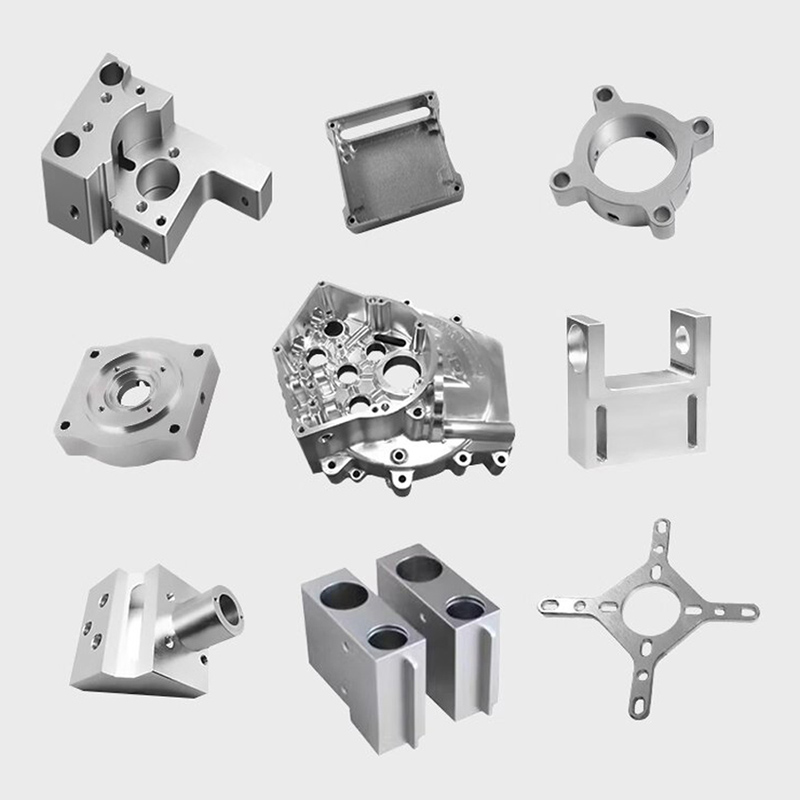
Production timing should be based on the actual coupling specification rather than a generic delivery estimate. Custom orders may involve drawing review, material confirmation, CNC turning, CNC milling, drilling, tapping, laser welding, polishing, surface finishing, and assembly. Precision engineering components are also listed with an overall delivery range of 7–25 days, making it important to obtain a confirmed schedule for the specific part design and order volume.
For samples or prototypes, allow approximately 3–7 days. Approving samples early can prevent technical revisions from consuming the production window reserved for bulk manufacturing. This is particularly useful for couplings used in shaft connection, power transmission, automation equipment, mechanical positioning, fixture locking, and motion-control systems.
How to Reduce Peak-Season Delay Risks
The most effective approach is to finalize the order details before manufacturing begins. The purchase order should clearly identify coupling dimensions, material grade, surface treatment, tolerances, packaging expectations, approved technical documents, required completion date, and shipping arrangement. Providing complete files in PDF, CAD, DWG, DXF, STEP, IGS, or STP format helps reduce clarification cycles before machining starts.
Lead-Time Planning Guide
| Planning stage | Typical timing | Recommended action |
|---|---|---|
| Samples or prototypes | 3–7 days | Submit drawings early and approve the sample before reserving a production slot. |
| Standard coupling order | 7–15 days | Use this range for confirmed specifications and routine production quantities. |
| Mass production | 15–30 days | Build in extra time for higher quantities, complex machining, and customized finishing. |
| Custom precision parts | 7–25 days | Confirm the final schedule according to the drawing, process route, material, and volume. |
Select and Record the Incoterm Before Dispatch
No single Incoterm is identified as the required choice for coupling shipments. Instead, the buyer and supplier should agree on an Incoterm that clearly defines transport coordination, cost allocation, export handling, risk transfer, and delivery responsibilities. The selected term should be written into the purchase order or contract together with the shipment method and packaging requirements.
Documenting these points before production starts helps avoid delays caused by uncertainty over who arranges pickup, export procedures, freight booking, insurance, or final delivery. During busy periods, the agreed production completion date and shipping handover plan should be reviewed alongside the Incoterm rather than treated as separate decisions.
Choose Freight According to Urgency and Shipment Volume
Transportation should be matched to the required arrival date, cargo size, and budget. DHL, UPS, and FedEx are available for urgent samples, smaller shipments, and time-sensitive international deliveries. Air freight is suitable for medium and large coupling orders that need faster transit than ocean freight but are less practical for express shipment.
For larger industrial hardware volumes, sea freight is generally the more economical option, although buyers should reserve a longer transportation buffer. Railway transport is also available for Europe and Central Asia routes, while truck transport can be considered where the shipment route and destination support it.
| Shipping method | Best use case | Peak-season planning note |
|---|---|---|
| International express | Urgent samples, small orders, and replacement parts | Use DHL, UPS, or FedEx when speed is the primary requirement. |
| Air freight | Medium and large shipments with tight arrival targets | Consider it when express is unsuitable and sea freight is too slow. |
| Sea freight | Large-volume industrial coupling orders | Plan a substantial transit buffer and confirm the agreed Incoterm in advance. |
| Railway or truck | Applicable regional and overland routes | Review route availability, handover responsibilities, and timing before release. |
Include Inspection and Export Packing in the Timeline
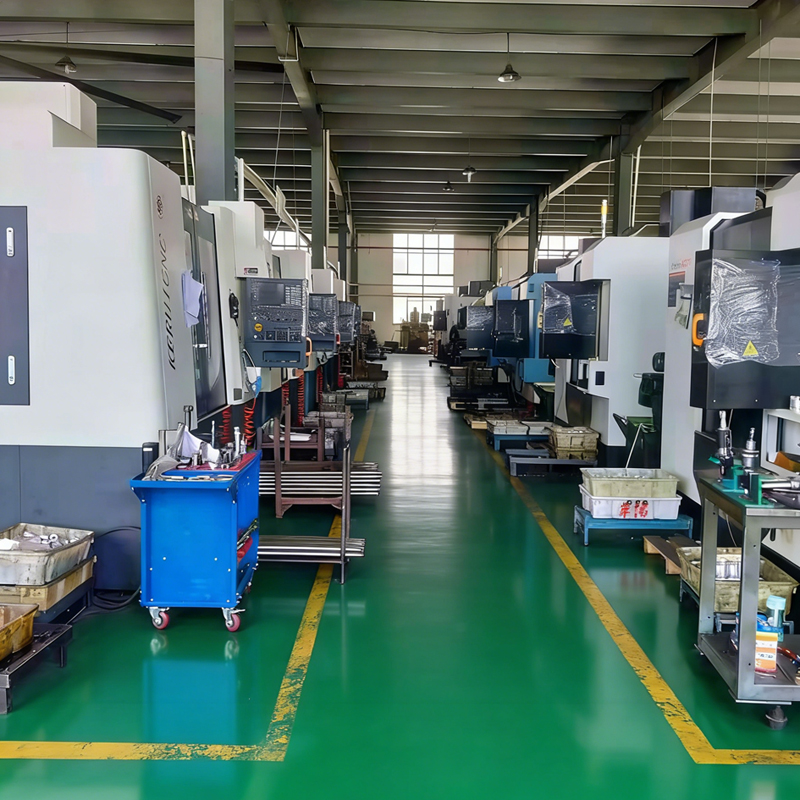
Quality inspection and export packaging should be completed before carrier collection. The manufacturing system is described as ISO 9001 certified and includes 23 inspection procedures, dimensional accuracy up to plus or minus 0.03 mm, and a defect rate controlled below 0.3%. Scheduling these controls before freight pickup helps prevent last-minute shipment interruptions.
The supplier has experience with industrial hardware programs, including delivery of 8,000 valve handwheels for a U.S. pipeline-system manufacturer and 65,000 adjustable clamping knobs for an Italian CNC machine manufacturer. This production background supports coupling and related machined-part requirements across machinery, industrial control, and automation applications.
Frequently Asked Questions
What lead time should I use for coupling orders during peak season?
Plan 7–15 days for standard orders with finalized specifications. For mass production, allow 15–30 days based on the quantity and complexity of the coupling. Custom precision components may fall within a broader 7–25 day delivery range.
Which Incoterm should I choose?
The available information does not designate one specific Incoterm. Select an Incoterm jointly with the supplier and include it in the order documentation so shipment responsibilities, transport arrangements, and risk transfer are clear.
What is the fastest option for an urgent coupling shipment?
DHL, UPS, and FedEx are available for urgent international deliveries, samples, and smaller orders. For larger shipments that still require fast transit, air freight can be a practical alternative to sea freight.
Conclusion
To avoid peak-season delays, finalize coupling drawings and technical requirements early, reserve 7–15 days for standard production or 15–30 days for mass production, and approve samples before the main order is released. Confirm the Incoterm, export packing, completion date, and freight method in writing before manufacturing begins. Zhejiang Dream Industry Limited supports OEM and ODM projects, custom CNC machining, flexible small-batch production, bulk orders, and export supply under ISO 9001 certified manufacturing controls. For technical support or detailed project discussions, contact 86-15868979792.
About Us
Zhejiang Dream Industry Limited produces custom precision CNC machined parts and assemblies in stainless steel, aluminum, brass, copper, carbon steel, and engineering plastics. Its services cover design review, CNC turning and milling, surface treatment, precision casting, and final inspection. The production system includes more than 100 production and inspection units, with over 80% described as automated CNC equipment. Approximately 65% of output is exported to more than 30 countries and regions, supported by ISO credentials and multiple patent certifications.
REPORT