







-
 Agriculture
-
 Health-Care
-
 Environment
-
 Construction-Real-Estate
-
 Tools-Hardware
-
 Home-Garden
-
 Furniture
-
 Luggage-Bags-Cases
-
 Medical-devices-Supplies
-
 Gifts-Crafts
-
 Sports-Entertainment
-
 Food-Beverage
-
 Vehicles-Transportation
-
 Power-Transmission
-
 Material-Handling
-
 Renewable-Energy
-
 Safety
-
 Testing-Instrument-Equipment
-
 Construction-Building-Machinery
-
 Pet-Supplies
-
 Personal-Care-Household-Cleaning
-
 Vehicle-Accessories-Electronics-Tools
-
 School-Office-Supplies
-
 Packaging-Printing
-
 Mother-Kids-Toys
-
 Business-Services
-
 Commercial-Equipment-Machinery
-
 Apparel-Accessories
-
 Security
-
 Shoes-Accessories
-
 Vehicle-Parts-Accessories
-
 Jewelry-Eyewear-Watches-Accessories
-
 Lights-Lighting
-
 Fabric-Textile-Raw-Material
-
 Fabrication-Services
-
 Industrial-Machinery
-
 Consumer-Electronics
-
 Electrical-Equipment-Supplies
-
 Electronic-Components-Accessories-Telecommunications
-
 Home-Appliances
-
 Beauty
-
 Chemicals
-
 Rubber-Plastics
-
 Metals-Alloys


























































































































































































































































































































































































































































































































































































- Masonry Materials
- Curtain Walls & Accessories
- Earthwork Products
- Fireproofing Materials
- Heat Insulation Materials
- Plastic Building Materials
- Building Boards
- Soundproofing Materials
- Timber
- Waterproofing Materials
- Balustrades & Handrails
- Bathroom & Kitchen
- Flooring & Accessories
- Tiles & Accessories
- Door, Window & Accessories
- Fireplaces & Stoves
- Floor Heating Systems & Parts
- Stairs & Stair Parts
- Ceilings
- Elevators & Escalators
- Stone
- Countertops, Vanity Tops & Table Tops
- Mosaics
- Metal Building Materials
- Multifunctional Materials
- Ladders & Scaffoldings
- Mouldings
- Corner Guards
- Decorative Films
- Formwork
- Building & Industrial Glass
- Other Construction & Real Estate
- Wallpapers/Wall panels
- HVAC System & Parts
- Outdoor Facilities
- Prefabricated Buildings
- Festive & Party Supplies
- Bathroom Products
- Household Sundries
- Rain Gear
- Garden Supplies
- Household Cleaning Tools & Accessories
- Lighters & Smoking Accessories
- Home Storage & Organization
- Household Scales
- Smart Home Improvement
- Home Textiles
- Kitchenware
- Drinkware & Accessories
- Dinnerware, Coffee & Wine
- Home Decor
- Golf
- Fitness & Body Building
- Amusement Park Facilities
- Billiards, Board Game,Coin Operated Games
- Musical Instruments
- Outdoor Affordable Luxury Sports
- Camping & Hiking
- Fishing
- Sports Safety&Rehabilitation
- Ball Sports Equipments
- Water Sports
- Winter Sports
- Luxury Travel Equipments
- Sports Shoes, Bags & Accessories
- Cycling
- Other Sports & Entertainment Products
- Artificial Grass&Sports Flooring&Sports Court Equipment
- Scooters
- Food Ingredients
- Honey & Honey Products
- Snacks
- Nuts & Kernels
- Seafood
- Plant & Animal Oil
- Beverages
- Fruit & Vegetable Products
- Frog & Escargot
- Bean Products
- Egg Products
- Dairy Products
- Seasonings & Condiments
- Canned Food
- Instant Food
- Baked Goods
- Other Food & Beverage
- Meat & Poultry
- Confectionery
- Grain Products
- Feminie Care
- Hair Care & Styling
- Body Care
- Hands & Feet Care
- Hygiene Products
- Men's Grooming
- Laundry Cleaning Supplies
- Travel Size & Gift Sets
- Room Deodorizers
- Other Personal Care Products
- Pest Control Products
- Special Household Cleaning
- Floor Cleaning
- Kitchen & Bathroom Cleaning
- Oral Care
- Bath Supplies
- Yellow Pages
- Correction Supplies
- Office Binding Supplies
- Office Cutting Supplies
- Board Erasers
- Office Adhesives & Tapes
- Education Supplies
- Pencil Cases & Bags
- Notebooks & Writing Pads
- File Folder Accessories
- Calendars
- Writing Accessories
- Commercial Office Supplies
- Pencil Sharpeners
- Pens
- Letter Pad/Paper
- Paper Envelopes
- Desk Organizers
- Pencils
- Markers & Highlighters
- Filing Products
- Art Supplies
- Easels
- Badge Holder & Accessories
- Office Paper
- Printer Supplies
- Book Covers
- Other Office & School Supplies
- Stationery Set
- Boards
- Clipboards
- Stamps
- Drafting Supplies
- Stencils
- Electronic Dictionary
- Books
- Map
- Magazines
- Calculators
- Baby & Toddler Toys
- Educational Toys
- Classic Toys
- Dress Up & Pretend Play
- Toy Vehicle
- Stuffed Animals & Plush Toys
- Outdoor Toys & Structures
- Balloons & Accessories
- Baby Food
- Children's Clothing
- Baby Supplies & Products
- Maternity Clothes
- Kids Shoes
- Baby Care
- Novelty & Gag Toys
- Dolls & Accessories
- Puzzle & Games
- Blocks & Model Building Toys
- Toddler Clothing
- Baby Clothing
- Kids' Luggage & Bags
- Arts, Crafts & DIY Toys
- Action & Toy Figures
- Baby Appliances
- Hobbies & Models
- Remote Control Toys
- Promotional Toys
- Pregnancy & Maternity
- Hygiene Products
- Kid's Textile&Bedding
- Novelty & Special Use
- Toy Weapons
- Baby Gifts
- Baby Storage & Organization
- Auto Drive Systems
- ATV/UTV Parts & Accessories
- Marine Parts & Accessories
- Other Auto Parts
- Trailer Parts & Accessories
- Auto Transmission Systems
- Train Parts & Accessories
- Universal Parts
- Railway Parts & Accessories
- Auto Brake Systems
- Aviation Parts & Accessories
- Truck Parts & Accessories
- Auto Suspension Systems
- Auto Lighting Systems
- New Energy Vehicle Parts & Accessories
- Auto Steering Systems
- Wheels, Tires & Accessories
- Bus Parts & Accessories
- Auto Performance Parts
- Cooling System
- Go-Kart & Kart Racer Parts & Accessories
- Air Conditioning Systems
- Heavy Duty Vehicle Parts & Accessories
- Auto Electrical Systems
- Auto Body Systems
- Auto Engine Systems
- Container Parts & Accessories
- Motorcycle Parts & Accessories
- Refrigeration & Heat Exchange Equipment
- Machine Tool Equipment
- Food & Beverage Machinery
- Agricultural Machinery & Equipment
- Apparel & Textile Machinery
- Chemical Machinery
- Packaging Machines
- Paper Production Machinery
- Plastic & Rubber Processing Machinery
- Industrial Robots
- Electronic Products Machinery
- Metal & Metallurgy Machinery
- Woodworking Machinery
- Home Product Manufacturing Machinery
- Machinery Accessories
- Environmental Machinery
- Machinery Service
- Electrical Equipment Manufacturing Machinery
- Industrial Compressors & Parts
- Tobacco & Cigarette Machinery
- Production Line
- Used Industrial Machinery
- Electronics Production Machinery
- Other Machinery & Industrial Equipment
- Camera, Photo & Accessories
- Portable Audio, Video & Accessories
- Television, Home Audio, Video & Accessories
- Video Games & Accessories
- Mobile Phone & Accessories
- Electronic Publications
- Earphone & Headphone & Accessories
- Speakers & Accessories
- Smart Electronics
- TV Receivers & Accessories
- Mobile Phone & Computer Repair Parts
- Chargers, Batteries & Power Supplies
- Used Electronics
- VR, AR, MR Hardware & Software
- Projectors & Presentation Equipments
- Other Consumer Electronics
- Cables & Commonly Used Accessories
- Computer Hardware & Software
- Displays, Signage and Optoelectronics
- Discrete Semiconductors
- Wireless & IoT Module and Products
- Telecommunications
- Connectors, Terminals & Accessories
- Development Boards, Electronic Modules and Kits
- Circuit Protection
- Sensors
- Isolators
- Audio Components and Products
- Integrated Circuits
- Power Supplies
- Relays
- RF, Microwave and RFID
- Electronic Accessories & Supplies
- Passive Components
- PCB & PCBA
- Air Quality Appliances
- Home Appliance Parts
- Heating & Cooling Appliances
- Small Kitchen Appliances
- Laundry Appliances
- Water Heaters
- Water Treatment Appliances
- Refrigerators & Freezers
- Personal Care & Beauty Appliances
- Major Kitchen Appliances
- Cleaning Appliances
- Second-hand Appliances
- Smart Home Appliances
- Other Home Appliances
- Energy Chemicals
- Inorganic Chemicals
- Basic Organic Chemicals
- Agrochemicals
- Admixture & Additives
- Catalysts & Chemical Auxiliary Agents
- Pigments & Dyestuff
- Coating & Paint
- Daily Chemicals
- Polymer
- Organic Intermediate
- Adhesives & Sealants
- Chemical Waste
- Biological Chemical Products
- Surface Treatment Chemicals
- Painting & Coating
- Chemical Reagents
- Flavor & Fragrance
- Non-Explosive Demolition Agents
- Other Chemicals
- Custom Chemical Services

Ensuring CPSIA Safety Standards for DTG Printed Heavyweight Cotton Kids' Apparel
When decorated with certified eco-friendly water-based pigments and produced on tested cotton fabrics, DTG printed heavy cotton garments fully satisfy CPSIA safety requirements for children's apparel. Compliance under the United States Consumer Product Safety Commission (CPSC) dictates strict limits: lead in surface prints must remain below 90 ppm, total lead content in raw substrates under 100 ppm, and regulated phthalate plasticizers under 0.1%. Meeting these rules relies on verified ink supplies, strict batch tracking, and thorough third-party testing.
Key Technical Insights & Solution Summary
- Safe Chemical Formulations: Utilize certified water-based Direct-to-Garment (DTG) inks completely free of toxic heavy metals and PVC plasticizers.
- Substrate Verification: Confirm 100% heavyweight cotton fabrics pass chemical screening to guarantee total lead levels stay below the 100 ppm threshold.
- Quality Control Standards: Implement comprehensive manufacturing control using ISO 2859-1 AQL 2.5 final inspection protocols during production.
- Mandatory Product Traceability: Attach compliant, permanent tracking labels specifying manufacturer details, manufacturing location, and batch numbers.

Comparative Analysis: DTG vs. Conventional Printing Technologies
Selecting the proper print technique is critical when designing compliant apparel for children aged 12 and under. The table below illustrates how different decoration methods perform against key CPSIA criteria:
| Metric & Compliance Standard | DTG Water-Based Printing | Plastisol Screen Printing | Sublimation Thermal Printing |
|---|---|---|---|
| Phthalates Risk (CPSIA < 0.1%) | Low (Aqueous formula without PVC) | High (Requires specialized phthalate-free inks) | Low (Dye-based application) |
| Heavy Cotton Substrate Fit | High (Absorbs directly into 100% cotton) | High (Surface film layer adhesion) | Low (Requires synthetic polyester content) |
| Lead Limit Control (< 90 ppm) | High (Inks tested at raw source) | Medium (Risky with lower-grade pigments) | High (Dyes infuse into fiber matrix) |
| MOQ Flexibility | Flexible (50 pcs custom / 20 pcs blank) | High (Setup costs force large runs) | Medium |
Technical Principles & Quality Control Guidelines
CPSIA enforcement focuses heavily on chemical hazards found in apparel components. Traditional screen printing frequently relies on plastisol compounds containing polyvinyl chloride (PVC) and plasticizer agents, which demand specialized formulations to avoid violating phthalate restrictions. Conversely, DTG printing relies on aqueous pigment solutions that directly bond to natural cotton fibers without plasticizer additives, inherently mitigating toxic chemical risks.
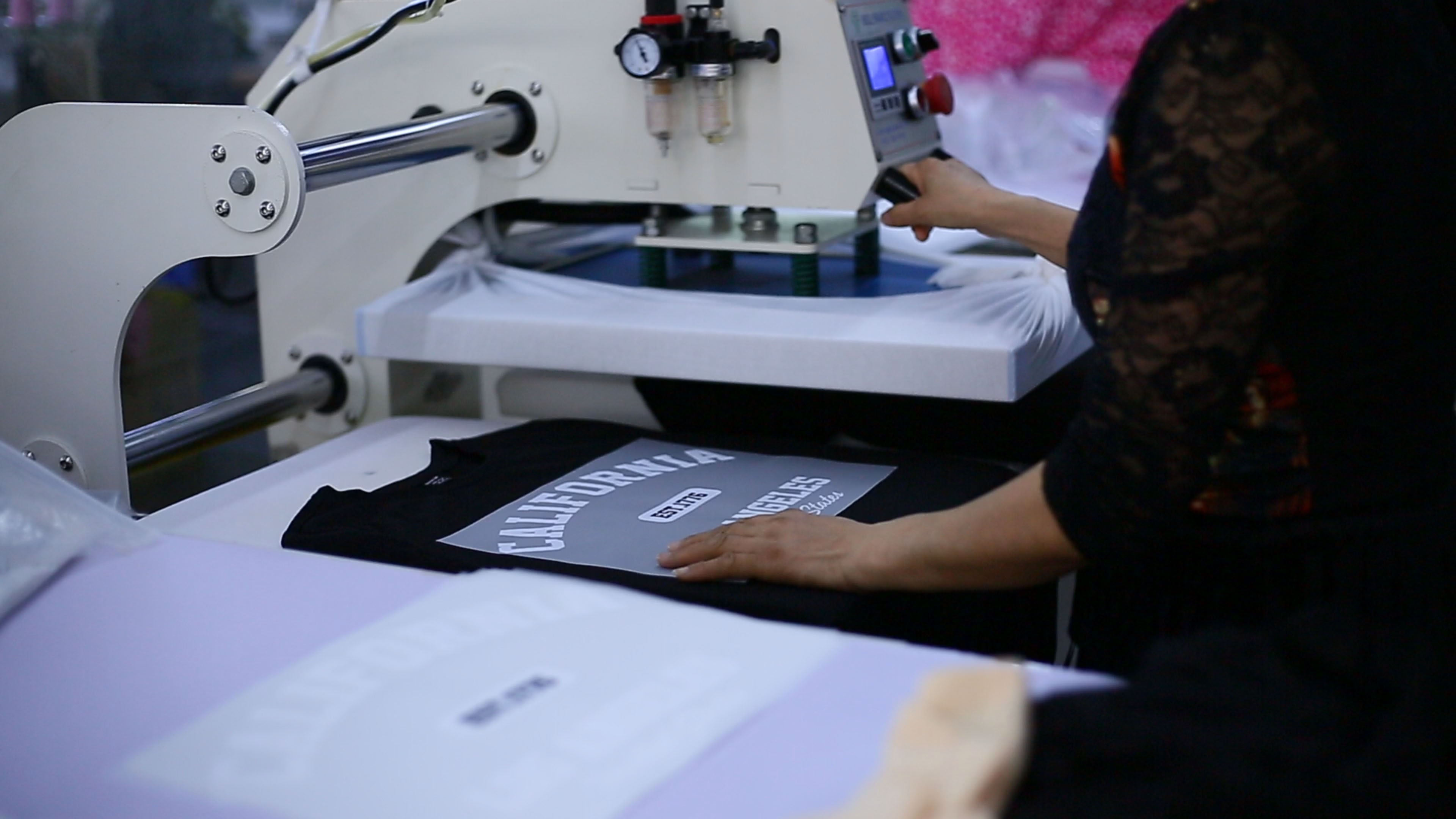
Achieving consistent compliance requires end-to-end oversight throughout production. Manufacturing facilities like Dongguan City Dule Garment Co.,Ltd utilize specialized in-house equipment and robust R&D processes to monitor pre-treatment fluid application and ink curing heat cycles. Proper thermal curing ensures water-based pigment binders set thoroughly without off-gassing harmful vapors. Pre-production sample testing alongside mid-stage quality checks ensures fabric weight, stitching, and prints satisfy structural and chemical standards.
For private label apparel brands and boutique owners, supply chain transparency is essential. Flexible manufacturing models—featuring low minimum order quantities such as 50 units for custom styles or 20 units for blank garments—enable brands to complete certified lab testing on small production lots prior to launching large-scale reorders.
Frequently Asked Questions
Are DTG pre-treatment chemicals safe under CPSIA guidelines?
Yes. Standard organic salt-based pre-treatment liquids enable water-based inks to solidify properly on cotton fibers. Once thoroughly dried and heat-cured, pre-treatment compounds leave no restricted lead or phthalates on the final garment.
What compliance documentation is required for importing DTG children's shirts?
Importers must present a Children's Product Certificate (CPC) backed by official lab test reports from a CPSC-accredited facility. The reports must verify that surface coatings remain under 90 ppm lead and fabric substrates stay under 100 ppm lead.
Is DDP shipping available for custom heavyweight cotton t-shirts?
Yes. Deliveries can be arranged under DDP (Delivered Duty Paid) terms across major destinations in North America, Europe, Australia, and Asia, covering all customs duties, clearances, and final-mile delivery seamless operations.
Final Recommendations & Company Overview
DTG printed heavy cotton garments represent a highly reliable and safe option for children's wear when crafted with certified water-based inks and verified cotton textiles. Fashion brands should always secure accredited third-party chemical test reports, mandate permanent tracking labels, and enforce ISO 2859-1 AQL 2.5 quality inspections. Working with flexible supply partners allows brands to verify safety compliance before expanding bulk orders. Global logistics choices including FOB Shenzhen, air express, sea freight, and DDP ensure smooth worldwide shipping. For technical inquiries or custom manufacturing inquiries, contact us at yutianfang88@gmail.com.
About the Manufacturer
Dongguan City Dule Garment Co.,Ltd is an established OEM and ODM apparel manufacturer operating since 2007 in Dongguan, China. Managing two production facilities spanning 15,000 square meters with 200 skilled workers, the company yields an annual capacity of 1.2 million garments. Specializing in heavyweight t-shirts, hoodies, tracksuits, and denim streetwear, the firm serves over 200 fashion brands across North America, Europe, Australia, and Asia.

REPORT