







-
 Agriculture
-
 Health-Care
-
 Environment
-
 Construction-Real-Estate
-
 Tools-Hardware
-
 Home-Garden
-
 Furniture
-
 Luggage-Bags-Cases
-
 Medical-devices-Supplies
-
 Gifts-Crafts
-
 Sports-Entertainment
-
 Food-Beverage
-
 Vehicles-Transportation
-
 Power-Transmission
-
 Material-Handling
-
 Renewable-Energy
-
 Safety
-
 Testing-Instrument-Equipment
-
 Construction-Building-Machinery
-
 Pet-Supplies
-
 Personal-Care-Household-Cleaning
-
 Vehicle-Accessories-Electronics-Tools
-
 School-Office-Supplies
-
 Packaging-Printing
-
 Mother-Kids-Toys
-
 Business-Services
-
 Commercial-Equipment-Machinery
-
 Apparel-Accessories
-
 Security
-
 Shoes-Accessories
-
 Vehicle-Parts-Accessories
-
 Jewelry-Eyewear-Watches-Accessories
-
 Lights-Lighting
-
 Fabric-Textile-Raw-Material
-
 Fabrication-Services
-
 Industrial-Machinery
-
 Consumer-Electronics
-
 Electrical-Equipment-Supplies
-
 Electronic-Components-Accessories-Telecommunications
-
 Home-Appliances
-
 Beauty
-
 Chemicals
-
 Rubber-Plastics
-
 Metals-Alloys


























































































































































































































































































































































































































































































































































































- Masonry Materials
- Curtain Walls & Accessories
- Earthwork Products
- Fireproofing Materials
- Heat Insulation Materials
- Plastic Building Materials
- Building Boards
- Soundproofing Materials
- Timber
- Waterproofing Materials
- Balustrades & Handrails
- Bathroom & Kitchen
- Flooring & Accessories
- Tiles & Accessories
- Door, Window & Accessories
- Fireplaces & Stoves
- Floor Heating Systems & Parts
- Stairs & Stair Parts
- Ceilings
- Elevators & Escalators
- Stone
- Countertops, Vanity Tops & Table Tops
- Mosaics
- Metal Building Materials
- Multifunctional Materials
- Ladders & Scaffoldings
- Mouldings
- Corner Guards
- Decorative Films
- Formwork
- Building & Industrial Glass
- Other Construction & Real Estate
- Wallpapers/Wall panels
- HVAC System & Parts
- Outdoor Facilities
- Prefabricated Buildings
- Festive & Party Supplies
- Bathroom Products
- Household Sundries
- Rain Gear
- Garden Supplies
- Household Cleaning Tools & Accessories
- Lighters & Smoking Accessories
- Home Storage & Organization
- Household Scales
- Smart Home Improvement
- Home Textiles
- Kitchenware
- Drinkware & Accessories
- Dinnerware, Coffee & Wine
- Home Decor
- Golf
- Fitness & Body Building
- Amusement Park Facilities
- Billiards, Board Game,Coin Operated Games
- Musical Instruments
- Outdoor Affordable Luxury Sports
- Camping & Hiking
- Fishing
- Sports Safety&Rehabilitation
- Ball Sports Equipments
- Water Sports
- Winter Sports
- Luxury Travel Equipments
- Sports Shoes, Bags & Accessories
- Cycling
- Other Sports & Entertainment Products
- Artificial Grass&Sports Flooring&Sports Court Equipment
- Scooters
- Food Ingredients
- Honey & Honey Products
- Snacks
- Nuts & Kernels
- Seafood
- Plant & Animal Oil
- Beverages
- Fruit & Vegetable Products
- Frog & Escargot
- Bean Products
- Egg Products
- Dairy Products
- Seasonings & Condiments
- Canned Food
- Instant Food
- Baked Goods
- Other Food & Beverage
- Meat & Poultry
- Confectionery
- Grain Products
- Feminie Care
- Hair Care & Styling
- Body Care
- Hands & Feet Care
- Hygiene Products
- Men's Grooming
- Laundry Cleaning Supplies
- Travel Size & Gift Sets
- Room Deodorizers
- Other Personal Care Products
- Pest Control Products
- Special Household Cleaning
- Floor Cleaning
- Kitchen & Bathroom Cleaning
- Oral Care
- Bath Supplies
- Yellow Pages
- Correction Supplies
- Office Binding Supplies
- Office Cutting Supplies
- Board Erasers
- Office Adhesives & Tapes
- Education Supplies
- Pencil Cases & Bags
- Notebooks & Writing Pads
- File Folder Accessories
- Calendars
- Writing Accessories
- Commercial Office Supplies
- Pencil Sharpeners
- Pens
- Letter Pad/Paper
- Paper Envelopes
- Desk Organizers
- Pencils
- Markers & Highlighters
- Filing Products
- Art Supplies
- Easels
- Badge Holder & Accessories
- Office Paper
- Printer Supplies
- Book Covers
- Other Office & School Supplies
- Stationery Set
- Boards
- Clipboards
- Stamps
- Drafting Supplies
- Stencils
- Electronic Dictionary
- Books
- Map
- Magazines
- Calculators
- Baby & Toddler Toys
- Educational Toys
- Classic Toys
- Dress Up & Pretend Play
- Toy Vehicle
- Stuffed Animals & Plush Toys
- Outdoor Toys & Structures
- Balloons & Accessories
- Baby Food
- Children's Clothing
- Baby Supplies & Products
- Maternity Clothes
- Kids Shoes
- Baby Care
- Novelty & Gag Toys
- Dolls & Accessories
- Puzzle & Games
- Blocks & Model Building Toys
- Toddler Clothing
- Baby Clothing
- Kids' Luggage & Bags
- Arts, Crafts & DIY Toys
- Action & Toy Figures
- Baby Appliances
- Hobbies & Models
- Remote Control Toys
- Promotional Toys
- Pregnancy & Maternity
- Hygiene Products
- Kid's Textile&Bedding
- Novelty & Special Use
- Toy Weapons
- Baby Gifts
- Baby Storage & Organization
- Auto Drive Systems
- ATV/UTV Parts & Accessories
- Marine Parts & Accessories
- Other Auto Parts
- Trailer Parts & Accessories
- Auto Transmission Systems
- Train Parts & Accessories
- Universal Parts
- Railway Parts & Accessories
- Auto Brake Systems
- Aviation Parts & Accessories
- Truck Parts & Accessories
- Auto Suspension Systems
- Auto Lighting Systems
- New Energy Vehicle Parts & Accessories
- Auto Steering Systems
- Wheels, Tires & Accessories
- Bus Parts & Accessories
- Auto Performance Parts
- Cooling System
- Go-Kart & Kart Racer Parts & Accessories
- Air Conditioning Systems
- Heavy Duty Vehicle Parts & Accessories
- Auto Electrical Systems
- Auto Body Systems
- Auto Engine Systems
- Container Parts & Accessories
- Motorcycle Parts & Accessories
- Refrigeration & Heat Exchange Equipment
- Machine Tool Equipment
- Food & Beverage Machinery
- Agricultural Machinery & Equipment
- Apparel & Textile Machinery
- Chemical Machinery
- Packaging Machines
- Paper Production Machinery
- Plastic & Rubber Processing Machinery
- Industrial Robots
- Electronic Products Machinery
- Metal & Metallurgy Machinery
- Woodworking Machinery
- Home Product Manufacturing Machinery
- Machinery Accessories
- Environmental Machinery
- Machinery Service
- Electrical Equipment Manufacturing Machinery
- Industrial Compressors & Parts
- Tobacco & Cigarette Machinery
- Production Line
- Used Industrial Machinery
- Electronics Production Machinery
- Other Machinery & Industrial Equipment
- Camera, Photo & Accessories
- Portable Audio, Video & Accessories
- Television, Home Audio, Video & Accessories
- Video Games & Accessories
- Mobile Phone & Accessories
- Electronic Publications
- Earphone & Headphone & Accessories
- Speakers & Accessories
- Smart Electronics
- TV Receivers & Accessories
- Mobile Phone & Computer Repair Parts
- Chargers, Batteries & Power Supplies
- Used Electronics
- VR, AR, MR Hardware & Software
- Projectors & Presentation Equipments
- Other Consumer Electronics
- Cables & Commonly Used Accessories
- Computer Hardware & Software
- Displays, Signage and Optoelectronics
- Discrete Semiconductors
- Wireless & IoT Module and Products
- Telecommunications
- Connectors, Terminals & Accessories
- Development Boards, Electronic Modules and Kits
- Circuit Protection
- Sensors
- Isolators
- Audio Components and Products
- Integrated Circuits
- Power Supplies
- Relays
- RF, Microwave and RFID
- Electronic Accessories & Supplies
- Passive Components
- PCB & PCBA
- Air Quality Appliances
- Home Appliance Parts
- Heating & Cooling Appliances
- Small Kitchen Appliances
- Laundry Appliances
- Water Heaters
- Water Treatment Appliances
- Refrigerators & Freezers
- Personal Care & Beauty Appliances
- Major Kitchen Appliances
- Cleaning Appliances
- Second-hand Appliances
- Smart Home Appliances
- Other Home Appliances
- Energy Chemicals
- Inorganic Chemicals
- Basic Organic Chemicals
- Agrochemicals
- Admixture & Additives
- Catalysts & Chemical Auxiliary Agents
- Pigments & Dyestuff
- Coating & Paint
- Daily Chemicals
- Polymer
- Organic Intermediate
- Adhesives & Sealants
- Chemical Waste
- Biological Chemical Products
- Surface Treatment Chemicals
- Painting & Coating
- Chemical Reagents
- Flavor & Fragrance
- Non-Explosive Demolition Agents
- Other Chemicals
- Custom Chemical Services


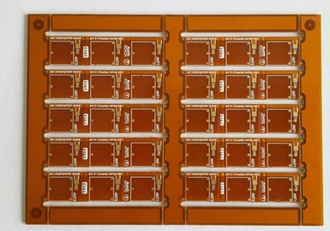
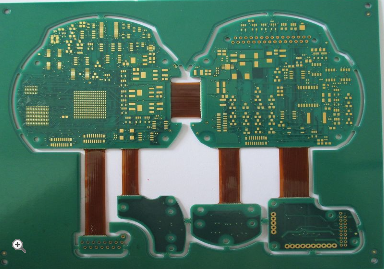
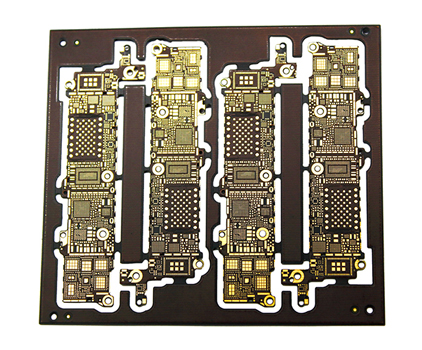
High Performance LED Lighting PCBs Engineered For Broadcast Studios To Achieve Perfect Color Rendering
In the high-stakes world of broadcast television and film production, every detail matters. The difference between a good broadcast and a great one often lies in the quality of lighting, which directly impacts how audiences perceive color, texture, and emotion on screen. For decades, achieving the perfect, consistent, and true-to-life illumination required for professional studios was a complex challenge, often reliant on traditional lighting systems that were energy-intensive and generated significant heat. Today, a technological revolution is illuminating broadcast studios: High-Performance LED Lighting Printed Circuit Boards (PCBs). These are not ordinary LED boards; they are precision-engineered systems designed specifically to meet the exacting demands of broadcast environments, with the core mission of achieving perfect color rendering. This article delves into the sophisticated engineering behind these specialized PCBs, exploring how they are transforming studio lighting by delivering unparalleled color accuracy, reliability, and control, thereby becoming the unseen heroes behind the flawless visuals we see on our screens.
The Paramount Importance of Color Rendering Index (CRI) and Spectral Accuracy
At the heart of broadcast lighting is the need for perfect color fidelity. The Color Rendering Index (CRI) is a quantitative measure of a light source's ability to reveal the true colors of objects compared to a natural reference light. For critical applications like broadcasting, where skin tones, product colors, and set details must be reproduced without distortion, a high CRI is non-negotiable. High-performance LED PCBs for studios are engineered to achieve CRI values of 95 and above, with many targeting CRI 97+ or even perfect scores for specific spectral metrics like R9 (saturated red), which is crucial for accurate flesh tones.
This achievement goes beyond simply using high-CRI LEDs. The PCB itself plays a critical role. Engineers meticulously design the circuit layout and select substrate materials to ensure stable electrical delivery to each LED chip. Any variance in voltage or current can cause slight shifts in color temperature and output, degrading CRI performance. Furthermore, these PCBs often integrate multiple LED chips emitting different wavelengths (not just standard white LEDs). By carefully mixing light from precise red, green, blue, and sometimes amber or mint green emitters, the PCB can create a broad, continuous spectrum that closely mimics natural daylight, filling in spectral gaps that cause poor color rendering in inferior lights.
Advanced Thermal Management for Consistency and Longevity
LED performance is intrinsically linked to temperature. As LEDs heat up, their light output can decrease, and more critically, their chromaticity can shift—a phenomenon known as color drift. In a broadcast setting, a light that changes color temperature during a long recording is unacceptable. Therefore, the thermal design of the lighting PCB is arguably as important as its optical design.
High-performance studio LED PCBs are built on metal-core PCBs (MCPCBs), typically using aluminum or copper substrates. These materials excel at drawing heat away from the LED junctions rapidly. The PCB layout is optimized with large thermal pads and traces to act as heat spreaders. This foundational cooling is often coupled with an external heatsink designed as part of the overall luminaire. The result is a system that maintains the LED chips at a stable, low operating temperature. This thermal stability ensures consistent color output over time, prevents dimming, and significantly extends the operational lifespan of the fixture, which is vital for the 24/7 operational schedules of many broadcast facilities.
Precision Dimming and Flicker-Free Performance
Broadcast lighting requires dynamic control. Scenes may call for subtle dimming or rapid adjustments without any visible artifacts. Traditional dimming methods like Pulse Width Modulation (PWM) can introduce flicker, which may not be visible to the naked eye but can cause devastating strobe effects or banding when captured by high-speed cameras or under certain shutter speeds. High-performance LED PCBs address this with sophisticated driver circuitry integrated directly onto or meticulously paired with the board.
These drivers utilize high-frequency PWM or, more preferably, constant current reduction (CCR) or analog dimming techniques. By operating at frequencies far beyond the capture capability of any camera (often tens or hundreds of kHz) and ensuring smooth current regulation, the PCB delivers truly flicker-free light. This allows cinematographers and lighting directors to dim lights to very low levels without any risk of introducing noise or distortion into the video signal, enabling creative flexibility and ensuring technical perfection under any shooting condition.
Robustness, Reliability, and Control Integration
A broadcast studio is a demanding environment where equipment is frequently adjusted, moved, and must perform reliably for thousands of hours. The LED PCB is engineered for this rugged reality. This involves using high-quality, industrial-grade components, conformal coatings to protect against dust and moisture, and robust mechanical mounting points. The electrical design includes protections against voltage spikes, short circuits, and electrostatic discharge (ESD), which are common in studio settings with lots of cabling and equipment.
Moreover, these intelligent PCBs are designed for seamless integration into modern digital control networks. They often feature built-in interfaces for industry-standard protocols like DMX512, RDM, or DALI. This allows each lighting fixture, guided by its internal PCB, to be individually addressed and controlled from a central console. Lighting directors can create, save, and recall complex lighting scenes with precise control over intensity and color temperature for each fixture, enabling the consistent and repeatable lighting setups that professional production demands. The high-performance PCB is the enabling engine that makes this smart, reliable, and integrated lighting ecosystem possible, ultimately empowering creators to achieve visual storytelling with perfect color rendering at its core.
REPORT