







-
 Agriculture
-
 Health-Care
-
 Environment
-
 Construction-Real-Estate
-
 Tools-Hardware
-
 Home-Garden
-
 Furniture
-
 Luggage-Bags-Cases
-
 Medical-devices-Supplies
-
 Gifts-Crafts
-
 Sports-Entertainment
-
 Food-Beverage
-
 Vehicles-Transportation
-
 Power-Transmission
-
 Material-Handling
-
 Renewable-Energy
-
 Safety
-
 Testing-Instrument-Equipment
-
 Construction-Building-Machinery
-
 Pet-Supplies
-
 Personal-Care-Household-Cleaning
-
 Vehicle-Accessories-Electronics-Tools
-
 School-Office-Supplies
-
 Packaging-Printing
-
 Mother-Kids-Toys
-
 Business-Services
-
 Commercial-Equipment-Machinery
-
 Apparel-Accessories
-
 Security
-
 Shoes-Accessories
-
 Vehicle-Parts-Accessories
-
 Jewelry-Eyewear-Watches-Accessories
-
 Lights-Lighting
-
 Fabric-Textile-Raw-Material
-
 Fabrication-Services
-
 Industrial-Machinery
-
 Consumer-Electronics
-
 Electrical-Equipment-Supplies
-
 Electronic-Components-Accessories-Telecommunications
-
 Home-Appliances
-
 Beauty
-
 Chemicals
-
 Rubber-Plastics
-
 Metals-Alloys


























































































































































































































































































































































































































































































































































































- Masonry Materials
- Curtain Walls & Accessories
- Earthwork Products
- Fireproofing Materials
- Heat Insulation Materials
- Plastic Building Materials
- Building Boards
- Soundproofing Materials
- Timber
- Waterproofing Materials
- Balustrades & Handrails
- Bathroom & Kitchen
- Flooring & Accessories
- Tiles & Accessories
- Door, Window & Accessories
- Fireplaces & Stoves
- Floor Heating Systems & Parts
- Stairs & Stair Parts
- Ceilings
- Elevators & Escalators
- Stone
- Countertops, Vanity Tops & Table Tops
- Mosaics
- Metal Building Materials
- Multifunctional Materials
- Ladders & Scaffoldings
- Mouldings
- Corner Guards
- Decorative Films
- Formwork
- Building & Industrial Glass
- Other Construction & Real Estate
- Wallpapers/Wall panels
- HVAC System & Parts
- Outdoor Facilities
- Prefabricated Buildings
- Festive & Party Supplies
- Bathroom Products
- Household Sundries
- Rain Gear
- Garden Supplies
- Household Cleaning Tools & Accessories
- Lighters & Smoking Accessories
- Home Storage & Organization
- Household Scales
- Smart Home Improvement
- Home Textiles
- Kitchenware
- Drinkware & Accessories
- Dinnerware, Coffee & Wine
- Home Decor
- Golf
- Fitness & Body Building
- Amusement Park Facilities
- Billiards, Board Game,Coin Operated Games
- Musical Instruments
- Outdoor Affordable Luxury Sports
- Camping & Hiking
- Fishing
- Sports Safety&Rehabilitation
- Ball Sports Equipments
- Water Sports
- Winter Sports
- Luxury Travel Equipments
- Sports Shoes, Bags & Accessories
- Cycling
- Other Sports & Entertainment Products
- Artificial Grass&Sports Flooring&Sports Court Equipment
- Scooters
- Food Ingredients
- Honey & Honey Products
- Snacks
- Nuts & Kernels
- Seafood
- Plant & Animal Oil
- Beverages
- Fruit & Vegetable Products
- Frog & Escargot
- Bean Products
- Egg Products
- Dairy Products
- Seasonings & Condiments
- Canned Food
- Instant Food
- Baked Goods
- Other Food & Beverage
- Meat & Poultry
- Confectionery
- Grain Products
- Feminie Care
- Hair Care & Styling
- Body Care
- Hands & Feet Care
- Hygiene Products
- Men's Grooming
- Laundry Cleaning Supplies
- Travel Size & Gift Sets
- Room Deodorizers
- Other Personal Care Products
- Pest Control Products
- Special Household Cleaning
- Floor Cleaning
- Kitchen & Bathroom Cleaning
- Oral Care
- Bath Supplies
- Yellow Pages
- Correction Supplies
- Office Binding Supplies
- Office Cutting Supplies
- Board Erasers
- Office Adhesives & Tapes
- Education Supplies
- Pencil Cases & Bags
- Notebooks & Writing Pads
- File Folder Accessories
- Calendars
- Writing Accessories
- Commercial Office Supplies
- Pencil Sharpeners
- Pens
- Letter Pad/Paper
- Paper Envelopes
- Desk Organizers
- Pencils
- Markers & Highlighters
- Filing Products
- Art Supplies
- Easels
- Badge Holder & Accessories
- Office Paper
- Printer Supplies
- Book Covers
- Other Office & School Supplies
- Stationery Set
- Boards
- Clipboards
- Stamps
- Drafting Supplies
- Stencils
- Electronic Dictionary
- Books
- Map
- Magazines
- Calculators
- Baby & Toddler Toys
- Educational Toys
- Classic Toys
- Dress Up & Pretend Play
- Toy Vehicle
- Stuffed Animals & Plush Toys
- Outdoor Toys & Structures
- Balloons & Accessories
- Baby Food
- Children's Clothing
- Baby Supplies & Products
- Maternity Clothes
- Kids Shoes
- Baby Care
- Novelty & Gag Toys
- Dolls & Accessories
- Puzzle & Games
- Blocks & Model Building Toys
- Toddler Clothing
- Baby Clothing
- Kids' Luggage & Bags
- Arts, Crafts & DIY Toys
- Action & Toy Figures
- Baby Appliances
- Hobbies & Models
- Remote Control Toys
- Promotional Toys
- Pregnancy & Maternity
- Hygiene Products
- Kid's Textile&Bedding
- Novelty & Special Use
- Toy Weapons
- Baby Gifts
- Baby Storage & Organization
- Auto Drive Systems
- ATV/UTV Parts & Accessories
- Marine Parts & Accessories
- Other Auto Parts
- Trailer Parts & Accessories
- Auto Transmission Systems
- Train Parts & Accessories
- Universal Parts
- Railway Parts & Accessories
- Auto Brake Systems
- Aviation Parts & Accessories
- Truck Parts & Accessories
- Auto Suspension Systems
- Auto Lighting Systems
- New Energy Vehicle Parts & Accessories
- Auto Steering Systems
- Wheels, Tires & Accessories
- Bus Parts & Accessories
- Auto Performance Parts
- Cooling System
- Go-Kart & Kart Racer Parts & Accessories
- Air Conditioning Systems
- Heavy Duty Vehicle Parts & Accessories
- Auto Electrical Systems
- Auto Body Systems
- Auto Engine Systems
- Container Parts & Accessories
- Motorcycle Parts & Accessories
- Refrigeration & Heat Exchange Equipment
- Machine Tool Equipment
- Food & Beverage Machinery
- Agricultural Machinery & Equipment
- Apparel & Textile Machinery
- Chemical Machinery
- Packaging Machines
- Paper Production Machinery
- Plastic & Rubber Processing Machinery
- Industrial Robots
- Electronic Products Machinery
- Metal & Metallurgy Machinery
- Woodworking Machinery
- Home Product Manufacturing Machinery
- Machinery Accessories
- Environmental Machinery
- Machinery Service
- Electrical Equipment Manufacturing Machinery
- Industrial Compressors & Parts
- Tobacco & Cigarette Machinery
- Production Line
- Used Industrial Machinery
- Electronics Production Machinery
- Other Machinery & Industrial Equipment
- Camera, Photo & Accessories
- Portable Audio, Video & Accessories
- Television, Home Audio, Video & Accessories
- Video Games & Accessories
- Mobile Phone & Accessories
- Electronic Publications
- Earphone & Headphone & Accessories
- Speakers & Accessories
- Smart Electronics
- TV Receivers & Accessories
- Mobile Phone & Computer Repair Parts
- Chargers, Batteries & Power Supplies
- Used Electronics
- VR, AR, MR Hardware & Software
- Projectors & Presentation Equipments
- Other Consumer Electronics
- Cables & Commonly Used Accessories
- Computer Hardware & Software
- Displays, Signage and Optoelectronics
- Discrete Semiconductors
- Wireless & IoT Module and Products
- Telecommunications
- Connectors, Terminals & Accessories
- Development Boards, Electronic Modules and Kits
- Circuit Protection
- Sensors
- Isolators
- Audio Components and Products
- Integrated Circuits
- Power Supplies
- Relays
- RF, Microwave and RFID
- Electronic Accessories & Supplies
- Passive Components
- PCB & PCBA
- Air Quality Appliances
- Home Appliance Parts
- Heating & Cooling Appliances
- Small Kitchen Appliances
- Laundry Appliances
- Water Heaters
- Water Treatment Appliances
- Refrigerators & Freezers
- Personal Care & Beauty Appliances
- Major Kitchen Appliances
- Cleaning Appliances
- Second-hand Appliances
- Smart Home Appliances
- Other Home Appliances
- Energy Chemicals
- Inorganic Chemicals
- Basic Organic Chemicals
- Agrochemicals
- Admixture & Additives
- Catalysts & Chemical Auxiliary Agents
- Pigments & Dyestuff
- Coating & Paint
- Daily Chemicals
- Polymer
- Organic Intermediate
- Adhesives & Sealants
- Chemical Waste
- Biological Chemical Products
- Surface Treatment Chemicals
- Painting & Coating
- Chemical Reagents
- Flavor & Fragrance
- Non-Explosive Demolition Agents
- Other Chemicals
- Custom Chemical Services

How Automation Influences Furniture Aluminum Extrusion Pricing
Automation is an important factor in the cost of aluminum extrusion for furniture, but it does not determine the final quotation on its own. Automated manufacturing can reduce repetitive labor, material handling, and process variation. At the same time, extrusion lines, finishing systems, CNC equipment, maintenance, programming, and changeover work represent meaningful operating investments. As a result, pricing depends on the combined effect of order volume, profile design, finishing specifications, machining needs, and delivery terms.
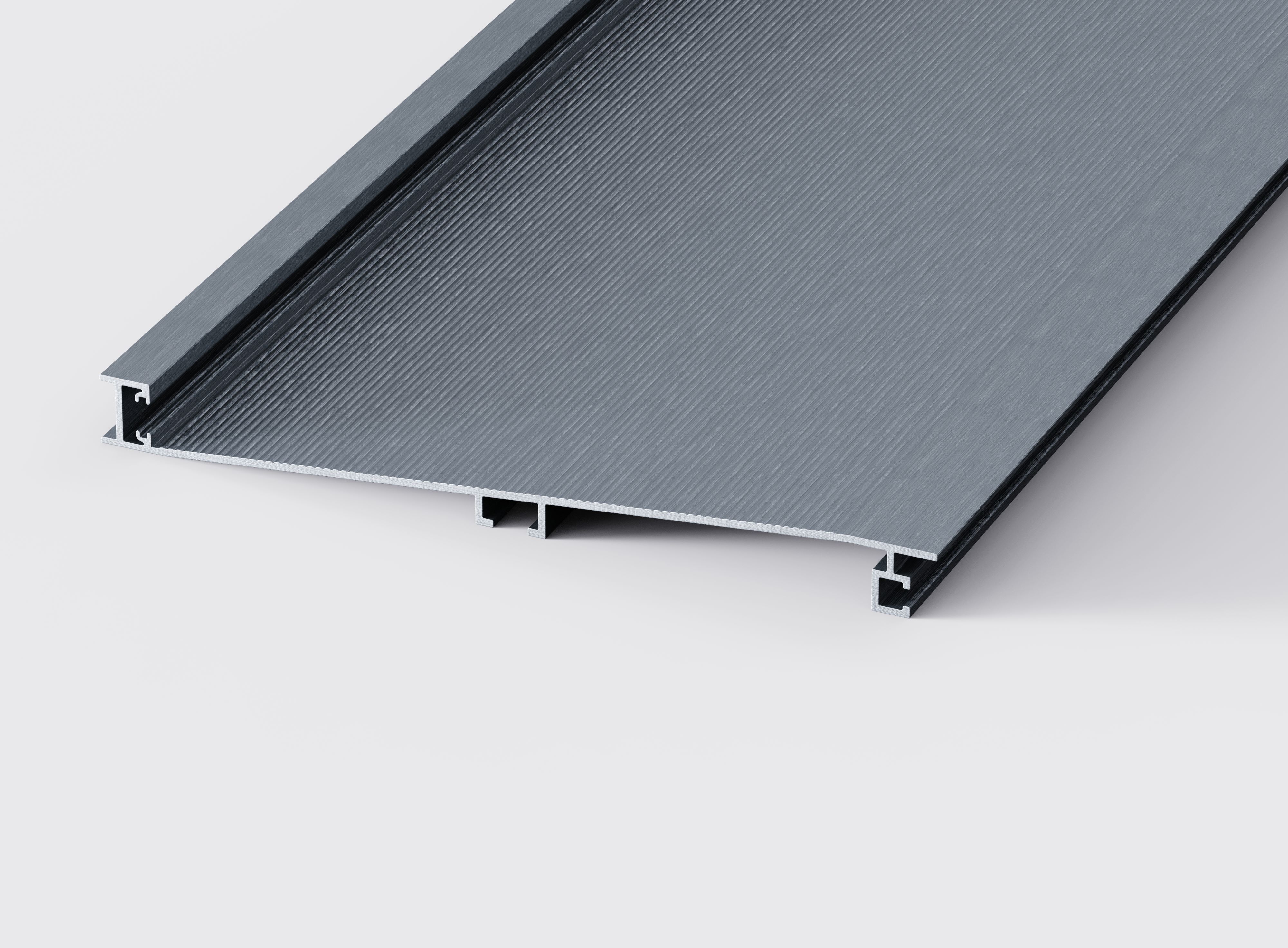
MEBEL-ALU supplies aluminum furnishing solutions, including aluminum tile trim profiles manufactured in 6063 T5 aluminum alloy.
How Automation Changes Extrusion Cost Structure
In a stable, repeatable production environment, automation can help lower the recurring cost per unit. Automated extrusion, cutting, surface treatment, and handling processes can reduce manual intervention while improving consistency across a large batch. When one furniture profile is produced repeatedly, setup and equipment utilization can be distributed over more kilograms or units.
However, automated production is not automatically the lowest-cost option for every project. Specialized machinery must be purchased, maintained, calibrated, and operated. Programming and production setup also add cost, particularly where a customer requires custom dimensions, multiple finishes, or precise CNC operations. Smaller or frequently revised orders may therefore receive less benefit from automation than high-volume standard-profile programs.
Key Pricing Variables Beyond Automation
Profile Design and Customization
Complex furniture aluminum profiles can require more demanding dies, tighter process control, additional machining, or longer production preparation. Frequent changes to cross-sections, lengths, drilling positions, or assembly features can increase setup requirements independently of the automation level.
Surface Treatment and Precision Processing
Finishing requirements also influence the overall price. MEBEL-ALU describes in-house capabilities for aluminum extrusion, anodizing, brushing, mechanical polishing, and high-precision CNC machining. These processes can provide a consistent appearance and dimensional result, but each selected operation contributes to the manufacturing cost.
Production Quantity and Order Terms
Order scale is central to cost efficiency. Larger, more predictable production runs generally allow better use of equipment and labor resources, whereas low-volume customized orders may carry a higher share of tooling, setup, and programming expenses. The available information lists an FOB business model, a minimum order quantity of 12000KG, and a delivery time of 40 Day.
Automation and Cost Comparison
| Pricing Consideration | Likely Impact on Furniture Aluminum Extrusion Cost |
|---|---|
| High-volume, repeatable profiles | Automation can reduce recurring handling and labor requirements while supporting consistent output. |
| Custom profiles with regular specification changes | Programming, setup, and changeover work can limit the unit-cost advantage of automation. |
| CNC machining and advanced finishing | Precision equipment improves process capability but adds equipment and operating investment. |
| Large manufacturing capacity | May enable improved production utilization, although it does not guarantee a stated unit-price reduction. |
| FOB order conditions | Final pricing also depends on quantity, delivery requirements, and agreed commercial conditions. |
MEBEL-ALU Manufacturing Capability
MEBEL-ALU reports monthly capacity of 5,000 tons of aluminum profiles and 60,000 units of precision-finished handles and CNC precision-cut products. This scale indicates substantial production capability, but capacity data alone cannot be used to calculate the price of a specific extrusion order.
The company serves high-end cabinet and door manufacturers, home hardware wholesalers, hotels, residential developers, and furniture hardware wholesalers. Its documented management credentials include an Occupational Health and Safety Management System Certificate for architectural and decorative aluminum alloy profile production and related activities, as well as a Quality Management System Certificate covering architectural, decorative, and industrial aluminum alloy profiles.
Frequently Asked Questions
Does automation always reduce the price of furniture aluminum extrusion?
No. Automation may reduce recurring labor and handling costs for stable, high-volume production. Yet equipment investment, maintenance, setup, and programming can increase the cost base, especially for customized or low-volume requirements.
What material is used for the aluminum tile trim profiles?
The supplied product information identifies the aluminum tile trim profiles, also associated with Aluminum skiriting and edge profiles, as 6063 T5 material. No unit price, tooling fee, labor rate, or quantity-based discount is provided in the available data.
What commercial and logistics information is stated?
MEBEL-ALU lists FOB as its business model, a 12000KG MOQ, a 40 Day delivery time, and EU export market coverage. Available shipping support includes rail transport, maritime shipping, and container transportation. SWIFT is listed as a payment method.
Conclusion
Automation can make furniture aluminum extrusion more cost-efficient when specifications are consistent and production quantities are sufficient to spread setup and equipment use across the order. Its effect is less pronounced when designs require frequent changes, specialized finishing, or extensive CNC machining. For an accurate quotation, buyers should provide profile drawings, dimensions, material and finish requirements, machining details, target quantity, and delivery terms. For technical assistance or quotation support, contact MEBEL-ALU at mebel@mebel-alu.com.
About Us
Mebel-Alu Furniture Profile (Hong Kong) Co., Ltd has focused on precision-engineered aluminum profile systems for contemporary interiors since 2008. Its product scope includes aluminum glass door systems, sliding wardrobe systems, kitchen cabinet frames, and decorative tile trims. The company reports a 300000 Sqm factory area, monthly aluminum profile capacity of 5,000 tons, and in-house extrusion, anodizing, brushing, mechanical polishing, and CNC machining capabilities.

REPORT