







-
 Agriculture
-
 Health-Care
-
 Environment
-
 Construction-Real-Estate
-
 Tools-Hardware
-
 Home-Garden
-
 Furniture
-
 Luggage-Bags-Cases
-
 Medical-devices-Supplies
-
 Gifts-Crafts
-
 Sports-Entertainment
-
 Food-Beverage
-
 Vehicles-Transportation
-
 Power-Transmission
-
 Material-Handling
-
 Renewable-Energy
-
 Safety
-
 Testing-Instrument-Equipment
-
 Construction-Building-Machinery
-
 Pet-Supplies
-
 Personal-Care-Household-Cleaning
-
 Vehicle-Accessories-Electronics-Tools
-
 School-Office-Supplies
-
 Packaging-Printing
-
 Mother-Kids-Toys
-
 Business-Services
-
 Commercial-Equipment-Machinery
-
 Apparel-Accessories
-
 Security
-
 Shoes-Accessories
-
 Vehicle-Parts-Accessories
-
 Jewelry-Eyewear-Watches-Accessories
-
 Lights-Lighting
-
 Fabric-Textile-Raw-Material
-
 Fabrication-Services
-
 Industrial-Machinery
-
 Consumer-Electronics
-
 Electrical-Equipment-Supplies
-
 Electronic-Components-Accessories-Telecommunications
-
 Home-Appliances
-
 Beauty
-
 Chemicals
-
 Rubber-Plastics
-
 Metals-Alloys


























































































































































































































































































































































































































































































































































































- Masonry Materials
- Curtain Walls & Accessories
- Earthwork Products
- Fireproofing Materials
- Heat Insulation Materials
- Plastic Building Materials
- Building Boards
- Soundproofing Materials
- Timber
- Waterproofing Materials
- Balustrades & Handrails
- Bathroom & Kitchen
- Flooring & Accessories
- Tiles & Accessories
- Door, Window & Accessories
- Fireplaces & Stoves
- Floor Heating Systems & Parts
- Stairs & Stair Parts
- Ceilings
- Elevators & Escalators
- Stone
- Countertops, Vanity Tops & Table Tops
- Mosaics
- Metal Building Materials
- Multifunctional Materials
- Ladders & Scaffoldings
- Mouldings
- Corner Guards
- Decorative Films
- Formwork
- Building & Industrial Glass
- Other Construction & Real Estate
- Wallpapers/Wall panels
- HVAC System & Parts
- Outdoor Facilities
- Prefabricated Buildings
- Festive & Party Supplies
- Bathroom Products
- Household Sundries
- Rain Gear
- Garden Supplies
- Household Cleaning Tools & Accessories
- Lighters & Smoking Accessories
- Home Storage & Organization
- Household Scales
- Smart Home Improvement
- Home Textiles
- Kitchenware
- Drinkware & Accessories
- Dinnerware, Coffee & Wine
- Home Decor
- Golf
- Fitness & Body Building
- Amusement Park Facilities
- Billiards, Board Game,Coin Operated Games
- Musical Instruments
- Outdoor Affordable Luxury Sports
- Camping & Hiking
- Fishing
- Sports Safety&Rehabilitation
- Ball Sports Equipments
- Water Sports
- Winter Sports
- Luxury Travel Equipments
- Sports Shoes, Bags & Accessories
- Cycling
- Other Sports & Entertainment Products
- Artificial Grass&Sports Flooring&Sports Court Equipment
- Scooters
- Food Ingredients
- Honey & Honey Products
- Snacks
- Nuts & Kernels
- Seafood
- Plant & Animal Oil
- Beverages
- Fruit & Vegetable Products
- Frog & Escargot
- Bean Products
- Egg Products
- Dairy Products
- Seasonings & Condiments
- Canned Food
- Instant Food
- Baked Goods
- Other Food & Beverage
- Meat & Poultry
- Confectionery
- Grain Products
- Feminie Care
- Hair Care & Styling
- Body Care
- Hands & Feet Care
- Hygiene Products
- Men's Grooming
- Laundry Cleaning Supplies
- Travel Size & Gift Sets
- Room Deodorizers
- Other Personal Care Products
- Pest Control Products
- Special Household Cleaning
- Floor Cleaning
- Kitchen & Bathroom Cleaning
- Oral Care
- Bath Supplies
- Yellow Pages
- Correction Supplies
- Office Binding Supplies
- Office Cutting Supplies
- Board Erasers
- Office Adhesives & Tapes
- Education Supplies
- Pencil Cases & Bags
- Notebooks & Writing Pads
- File Folder Accessories
- Calendars
- Writing Accessories
- Commercial Office Supplies
- Pencil Sharpeners
- Pens
- Letter Pad/Paper
- Paper Envelopes
- Desk Organizers
- Pencils
- Markers & Highlighters
- Filing Products
- Art Supplies
- Easels
- Badge Holder & Accessories
- Office Paper
- Printer Supplies
- Book Covers
- Other Office & School Supplies
- Stationery Set
- Boards
- Clipboards
- Stamps
- Drafting Supplies
- Stencils
- Electronic Dictionary
- Books
- Map
- Magazines
- Calculators
- Baby & Toddler Toys
- Educational Toys
- Classic Toys
- Dress Up & Pretend Play
- Toy Vehicle
- Stuffed Animals & Plush Toys
- Outdoor Toys & Structures
- Balloons & Accessories
- Baby Food
- Children's Clothing
- Baby Supplies & Products
- Maternity Clothes
- Kids Shoes
- Baby Care
- Novelty & Gag Toys
- Dolls & Accessories
- Puzzle & Games
- Blocks & Model Building Toys
- Toddler Clothing
- Baby Clothing
- Kids' Luggage & Bags
- Arts, Crafts & DIY Toys
- Action & Toy Figures
- Baby Appliances
- Hobbies & Models
- Remote Control Toys
- Promotional Toys
- Pregnancy & Maternity
- Hygiene Products
- Kid's Textile&Bedding
- Novelty & Special Use
- Toy Weapons
- Baby Gifts
- Baby Storage & Organization
- Auto Drive Systems
- ATV/UTV Parts & Accessories
- Marine Parts & Accessories
- Other Auto Parts
- Trailer Parts & Accessories
- Auto Transmission Systems
- Train Parts & Accessories
- Universal Parts
- Railway Parts & Accessories
- Auto Brake Systems
- Aviation Parts & Accessories
- Truck Parts & Accessories
- Auto Suspension Systems
- Auto Lighting Systems
- New Energy Vehicle Parts & Accessories
- Auto Steering Systems
- Wheels, Tires & Accessories
- Bus Parts & Accessories
- Auto Performance Parts
- Cooling System
- Go-Kart & Kart Racer Parts & Accessories
- Air Conditioning Systems
- Heavy Duty Vehicle Parts & Accessories
- Auto Electrical Systems
- Auto Body Systems
- Auto Engine Systems
- Container Parts & Accessories
- Motorcycle Parts & Accessories
- Refrigeration & Heat Exchange Equipment
- Machine Tool Equipment
- Food & Beverage Machinery
- Agricultural Machinery & Equipment
- Apparel & Textile Machinery
- Chemical Machinery
- Packaging Machines
- Paper Production Machinery
- Plastic & Rubber Processing Machinery
- Industrial Robots
- Electronic Products Machinery
- Metal & Metallurgy Machinery
- Woodworking Machinery
- Home Product Manufacturing Machinery
- Machinery Accessories
- Environmental Machinery
- Machinery Service
- Electrical Equipment Manufacturing Machinery
- Industrial Compressors & Parts
- Tobacco & Cigarette Machinery
- Production Line
- Used Industrial Machinery
- Electronics Production Machinery
- Other Machinery & Industrial Equipment
- Camera, Photo & Accessories
- Portable Audio, Video & Accessories
- Television, Home Audio, Video & Accessories
- Video Games & Accessories
- Mobile Phone & Accessories
- Electronic Publications
- Earphone & Headphone & Accessories
- Speakers & Accessories
- Smart Electronics
- TV Receivers & Accessories
- Mobile Phone & Computer Repair Parts
- Chargers, Batteries & Power Supplies
- Used Electronics
- VR, AR, MR Hardware & Software
- Projectors & Presentation Equipments
- Other Consumer Electronics
- Cables & Commonly Used Accessories
- Computer Hardware & Software
- Displays, Signage and Optoelectronics
- Discrete Semiconductors
- Wireless & IoT Module and Products
- Telecommunications
- Connectors, Terminals & Accessories
- Development Boards, Electronic Modules and Kits
- Circuit Protection
- Sensors
- Isolators
- Audio Components and Products
- Integrated Circuits
- Power Supplies
- Relays
- RF, Microwave and RFID
- Electronic Accessories & Supplies
- Passive Components
- PCB & PCBA
- Air Quality Appliances
- Home Appliance Parts
- Heating & Cooling Appliances
- Small Kitchen Appliances
- Laundry Appliances
- Water Heaters
- Water Treatment Appliances
- Refrigerators & Freezers
- Personal Care & Beauty Appliances
- Major Kitchen Appliances
- Cleaning Appliances
- Second-hand Appliances
- Smart Home Appliances
- Other Home Appliances
- Energy Chemicals
- Inorganic Chemicals
- Basic Organic Chemicals
- Agrochemicals
- Admixture & Additives
- Catalysts & Chemical Auxiliary Agents
- Pigments & Dyestuff
- Coating & Paint
- Daily Chemicals
- Polymer
- Organic Intermediate
- Adhesives & Sealants
- Chemical Waste
- Biological Chemical Products
- Surface Treatment Chemicals
- Painting & Coating
- Chemical Reagents
- Flavor & Fragrance
- Non-Explosive Demolition Agents
- Other Chemicals
- Custom Chemical Services

How do I choose between 3-axis and 5-axis CNC components for high-precision aerospace parts?
Choosing between 3-axis and 5-axis CNC components for high-precision aerospace parts depends on geometric complexity and tolerance requirements. 3-axis machining suits simpler, flat geometries with lower setup costs, while 5-axis machining is required for complex, curved aerospace geometries requiring tight tolerances up to ±0.03 mm in a single setup.
Core Guide and Key Considerations
- Geometric Complexity: 3-axis machines move along X, Y, and Z axes, which limits their ability to cut complex organic shapes. 5-axis machines add rotation on two additional axes, allowing the tool to reach intricate angles common in aerospace turbine blades.
- Tolerance and Precision: 5-axis CNC machining reduces the need for multiple setups, minimizing human error and maintaining a precision tolerance of ±0.03 mm for critical CNC components.
- Surface Finish: Continuous tool engagement in 5-axis setups yields superior surface roughness, reaching Ra 0.8 or mirror polishing, which is necessary for aerodynamic aerospace surfaces.
- Material Compatibility: Both configurations process aerospace-grade materials, including stainless steel (304, 316), aluminum (6061, 7075), and engineering plastics (PEEK, PTFE), but 5-axis machining provides better tool clearance for deep cavities.
Technical Breakdown of 3-Axis vs. 5-Axis Machining
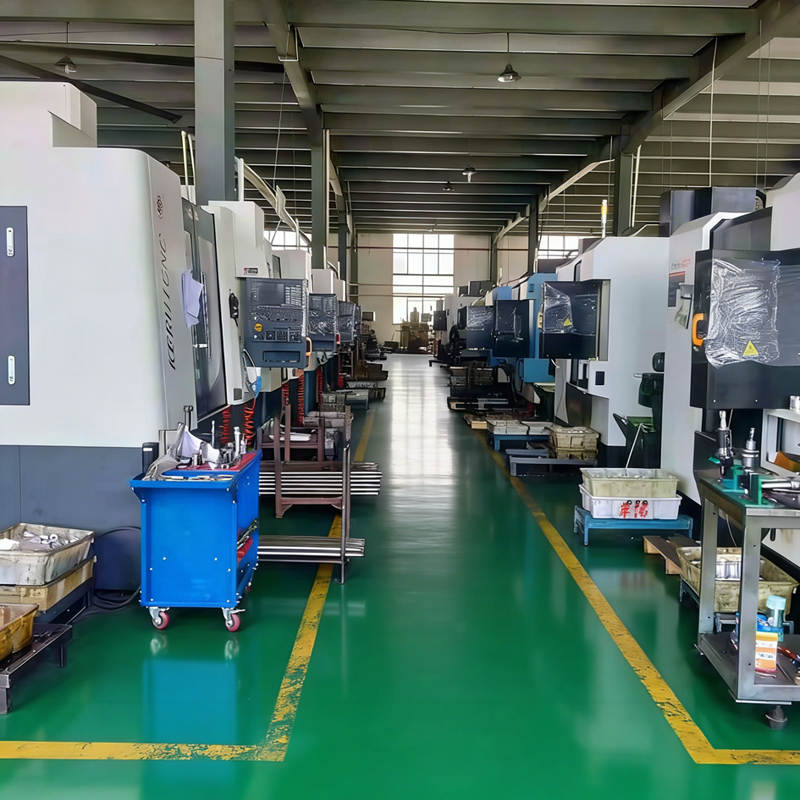
Manufacturing high-precision aerospace components demands strict quality control. Zhejiang Dream Industry Limited, an ISO 9001 certified manufacturer, utilizes automated CNC machining centers to produce high-precision hardware. The choice of axis configuration directly impacts structural integrity and surface finish.
3-axis machining works by moving the cutting tool along three linear axes. For parts with deep pockets or intricate undercuts, 3-axis machines require multiple setups. Each new setup introduces alignment risks, which can compromise the strict tolerances required for aerospace applications.
In contrast, 5-axis machining rotates the tool or the workpiece simultaneously. This continuous tool movement ensures the cutting tool remains perpendicular to the cutting surface, reducing tool wear and improving surface roughness down to Ra 0.8. For instance, in our CNC machine positioning projects, transitioning to advanced machining setups ensured consistent dimensional accuracy across large production volumes.
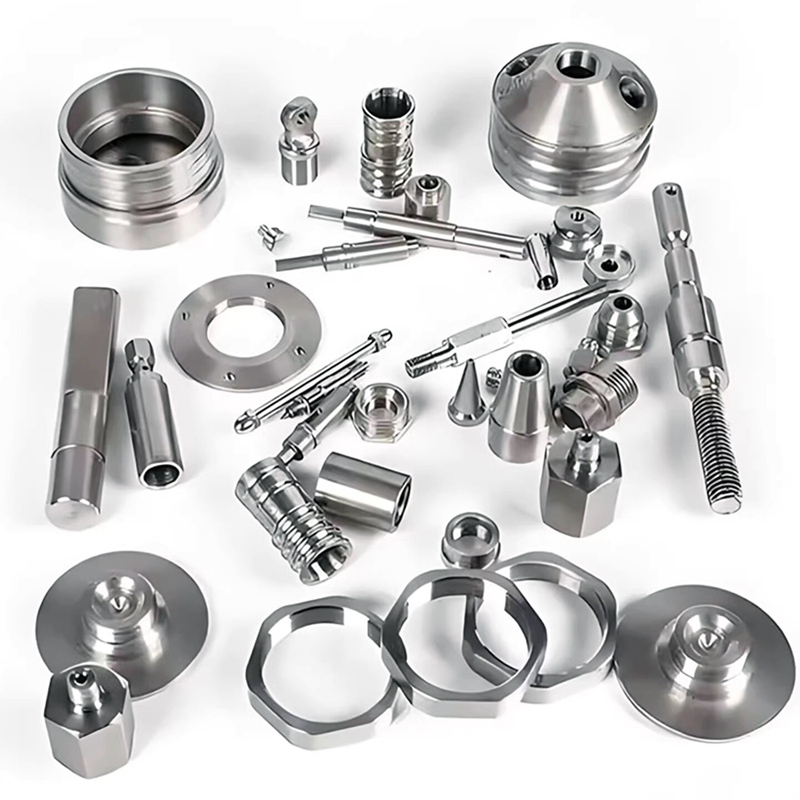
Structural Comparison Table
| Feature / Parameter | 3-Axis CNC Components | 5-Axis CNC Components |
|---|---|---|
| Geometric Capability | Simple flat parts, pockets, and holes | Complex, organic, and deep-cavity shapes |
| Setup Requirements | Multiple setups required for multi-sided parts | Single setup for multi-sided machining |
| Precision Tolerance | Standard tolerance: ±0.1 mm | Precision tolerance: ±0.03 mm |
| Surface Roughness | Ra 3.2 to Ra 1.6 | Ra 0.8 to mirror polishing |
| Lead Time | 7 to 25 days | 7 to 25 days (complex programming) |
| Best Applications | Standard brackets, flat plates, simple manifolds | Impellers, turbine blades, structural aerospace parts |
Frequently Asked Questions
Which materials are best suited for 5-axis aerospace CNC components?
Common metal materials include aluminum grades (6061, 7075) for lightweight structures, and stainless steel grades (304, 316) for corrosion resistance. Engineering plastics like PEEK and PTFE are also processed for insulating components.
How does setup reduction in 5-axis machining improve part accuracy?
Moving a part between multiple fixtures on a 3-axis machine introduces alignment errors. 5-axis machining processes five sides of a component in a single setup, maintaining tight tolerances of ±0.03 mm and preventing cumulative stack-up tolerances.
What are the typical lead times and MOQs for custom CNC aerospace parts?
Standard production lead times range from 7 to 25 days. The minimum order quantity (MOQ) is 50 pieces for CNC machining services, with support for prototype sampling (1 to 10 pieces) during the initial design verification phase.
Final Recommendations
For aerospace parts with flat profiles, standard mounting holes, and straightforward geometries, 3-axis CNC components offer a cost-effective solution with fast turnaround. However, when dealing with complex aerospace geometries, curved surfaces, and strict requirements for dimensional consistency, 5-axis CNC components are the technically superior choice. Partnering with an experienced manufacturer that supports flexible OEM and ODM manufacturing models ensures that both small-batch prototypes and high-volume production runs meet strict industrial standards.
Technical Support: 86-15868979792
About Us
Zhejiang Dream Industry Limited has over 20 years of experience in precision manufacturing, specializing in custom design and production of precision CNC machined parts and assemblies. Established in 2008, the company operates with a dedicated team of 34 employees, delivering high-quality OEM and ODM solutions. Our core product portfolio includes Precision CNC Parts & Components, Handwheels & Operator Controls, and various metal and plastic parts. The manufacturing system is ISO 9001 certified, utilizing 23 quality inspection procedures to control the defect rate below 0.3%.
REPORT