







-
 Agriculture
-
 Health-Care
-
 Environment
-
 Construction-Real-Estate
-
 Tools-Hardware
-
 Home-Garden
-
 Furniture
-
 Luggage-Bags-Cases
-
 Medical-devices-Supplies
-
 Gifts-Crafts
-
 Sports-Entertainment
-
 Food-Beverage
-
 Vehicles-Transportation
-
 Power-Transmission
-
 Material-Handling
-
 Renewable-Energy
-
 Safety
-
 Testing-Instrument-Equipment
-
 Construction-Building-Machinery
-
 Pet-Supplies
-
 Personal-Care-Household-Cleaning
-
 Vehicle-Accessories-Electronics-Tools
-
 School-Office-Supplies
-
 Packaging-Printing
-
 Mother-Kids-Toys
-
 Business-Services
-
 Commercial-Equipment-Machinery
-
 Apparel-Accessories
-
 Security
-
 Shoes-Accessories
-
 Vehicle-Parts-Accessories
-
 Jewelry-Eyewear-Watches-Accessories
-
 Lights-Lighting
-
 Fabric-Textile-Raw-Material
-
 Fabrication-Services
-
 Industrial-Machinery
-
 Consumer-Electronics
-
 Electrical-Equipment-Supplies
-
 Electronic-Components-Accessories-Telecommunications
-
 Home-Appliances
-
 Beauty
-
 Chemicals
-
 Rubber-Plastics
-
 Metals-Alloys


























































































































































































































































































































































































































































































































































































- Masonry Materials
- Curtain Walls & Accessories
- Earthwork Products
- Fireproofing Materials
- Heat Insulation Materials
- Plastic Building Materials
- Building Boards
- Soundproofing Materials
- Timber
- Waterproofing Materials
- Balustrades & Handrails
- Bathroom & Kitchen
- Flooring & Accessories
- Tiles & Accessories
- Door, Window & Accessories
- Fireplaces & Stoves
- Floor Heating Systems & Parts
- Stairs & Stair Parts
- Ceilings
- Elevators & Escalators
- Stone
- Countertops, Vanity Tops & Table Tops
- Mosaics
- Metal Building Materials
- Multifunctional Materials
- Ladders & Scaffoldings
- Mouldings
- Corner Guards
- Decorative Films
- Formwork
- Building & Industrial Glass
- Other Construction & Real Estate
- Wallpapers/Wall panels
- HVAC System & Parts
- Outdoor Facilities
- Prefabricated Buildings
- Festive & Party Supplies
- Bathroom Products
- Household Sundries
- Rain Gear
- Garden Supplies
- Household Cleaning Tools & Accessories
- Lighters & Smoking Accessories
- Home Storage & Organization
- Household Scales
- Smart Home Improvement
- Home Textiles
- Kitchenware
- Drinkware & Accessories
- Dinnerware, Coffee & Wine
- Home Decor
- Golf
- Fitness & Body Building
- Amusement Park Facilities
- Billiards, Board Game,Coin Operated Games
- Musical Instruments
- Outdoor Affordable Luxury Sports
- Camping & Hiking
- Fishing
- Sports Safety&Rehabilitation
- Ball Sports Equipments
- Water Sports
- Winter Sports
- Luxury Travel Equipments
- Sports Shoes, Bags & Accessories
- Cycling
- Other Sports & Entertainment Products
- Artificial Grass&Sports Flooring&Sports Court Equipment
- Scooters
- Food Ingredients
- Honey & Honey Products
- Snacks
- Nuts & Kernels
- Seafood
- Plant & Animal Oil
- Beverages
- Fruit & Vegetable Products
- Frog & Escargot
- Bean Products
- Egg Products
- Dairy Products
- Seasonings & Condiments
- Canned Food
- Instant Food
- Baked Goods
- Other Food & Beverage
- Meat & Poultry
- Confectionery
- Grain Products
- Feminie Care
- Hair Care & Styling
- Body Care
- Hands & Feet Care
- Hygiene Products
- Men's Grooming
- Laundry Cleaning Supplies
- Travel Size & Gift Sets
- Room Deodorizers
- Other Personal Care Products
- Pest Control Products
- Special Household Cleaning
- Floor Cleaning
- Kitchen & Bathroom Cleaning
- Oral Care
- Bath Supplies
- Yellow Pages
- Correction Supplies
- Office Binding Supplies
- Office Cutting Supplies
- Board Erasers
- Office Adhesives & Tapes
- Education Supplies
- Pencil Cases & Bags
- Notebooks & Writing Pads
- File Folder Accessories
- Calendars
- Writing Accessories
- Commercial Office Supplies
- Pencil Sharpeners
- Pens
- Letter Pad/Paper
- Paper Envelopes
- Desk Organizers
- Pencils
- Markers & Highlighters
- Filing Products
- Art Supplies
- Easels
- Badge Holder & Accessories
- Office Paper
- Printer Supplies
- Book Covers
- Other Office & School Supplies
- Stationery Set
- Boards
- Clipboards
- Stamps
- Drafting Supplies
- Stencils
- Electronic Dictionary
- Books
- Map
- Magazines
- Calculators
- Baby & Toddler Toys
- Educational Toys
- Classic Toys
- Dress Up & Pretend Play
- Toy Vehicle
- Stuffed Animals & Plush Toys
- Outdoor Toys & Structures
- Balloons & Accessories
- Baby Food
- Children's Clothing
- Baby Supplies & Products
- Maternity Clothes
- Kids Shoes
- Baby Care
- Novelty & Gag Toys
- Dolls & Accessories
- Puzzle & Games
- Blocks & Model Building Toys
- Toddler Clothing
- Baby Clothing
- Kids' Luggage & Bags
- Arts, Crafts & DIY Toys
- Action & Toy Figures
- Baby Appliances
- Hobbies & Models
- Remote Control Toys
- Promotional Toys
- Pregnancy & Maternity
- Hygiene Products
- Kid's Textile&Bedding
- Novelty & Special Use
- Toy Weapons
- Baby Gifts
- Baby Storage & Organization
- Auto Drive Systems
- ATV/UTV Parts & Accessories
- Marine Parts & Accessories
- Other Auto Parts
- Trailer Parts & Accessories
- Auto Transmission Systems
- Train Parts & Accessories
- Universal Parts
- Railway Parts & Accessories
- Auto Brake Systems
- Aviation Parts & Accessories
- Truck Parts & Accessories
- Auto Suspension Systems
- Auto Lighting Systems
- New Energy Vehicle Parts & Accessories
- Auto Steering Systems
- Wheels, Tires & Accessories
- Bus Parts & Accessories
- Auto Performance Parts
- Cooling System
- Go-Kart & Kart Racer Parts & Accessories
- Air Conditioning Systems
- Heavy Duty Vehicle Parts & Accessories
- Auto Electrical Systems
- Auto Body Systems
- Auto Engine Systems
- Container Parts & Accessories
- Motorcycle Parts & Accessories
- Refrigeration & Heat Exchange Equipment
- Machine Tool Equipment
- Food & Beverage Machinery
- Agricultural Machinery & Equipment
- Apparel & Textile Machinery
- Chemical Machinery
- Packaging Machines
- Paper Production Machinery
- Plastic & Rubber Processing Machinery
- Industrial Robots
- Electronic Products Machinery
- Metal & Metallurgy Machinery
- Woodworking Machinery
- Home Product Manufacturing Machinery
- Machinery Accessories
- Environmental Machinery
- Machinery Service
- Electrical Equipment Manufacturing Machinery
- Industrial Compressors & Parts
- Tobacco & Cigarette Machinery
- Production Line
- Used Industrial Machinery
- Electronics Production Machinery
- Other Machinery & Industrial Equipment
- Camera, Photo & Accessories
- Portable Audio, Video & Accessories
- Television, Home Audio, Video & Accessories
- Video Games & Accessories
- Mobile Phone & Accessories
- Electronic Publications
- Earphone & Headphone & Accessories
- Speakers & Accessories
- Smart Electronics
- TV Receivers & Accessories
- Mobile Phone & Computer Repair Parts
- Chargers, Batteries & Power Supplies
- Used Electronics
- VR, AR, MR Hardware & Software
- Projectors & Presentation Equipments
- Other Consumer Electronics
- Cables & Commonly Used Accessories
- Computer Hardware & Software
- Displays, Signage and Optoelectronics
- Discrete Semiconductors
- Wireless & IoT Module and Products
- Telecommunications
- Connectors, Terminals & Accessories
- Development Boards, Electronic Modules and Kits
- Circuit Protection
- Sensors
- Isolators
- Audio Components and Products
- Integrated Circuits
- Power Supplies
- Relays
- RF, Microwave and RFID
- Electronic Accessories & Supplies
- Passive Components
- PCB & PCBA
- Air Quality Appliances
- Home Appliance Parts
- Heating & Cooling Appliances
- Small Kitchen Appliances
- Laundry Appliances
- Water Heaters
- Water Treatment Appliances
- Refrigerators & Freezers
- Personal Care & Beauty Appliances
- Major Kitchen Appliances
- Cleaning Appliances
- Second-hand Appliances
- Smart Home Appliances
- Other Home Appliances
- Energy Chemicals
- Inorganic Chemicals
- Basic Organic Chemicals
- Agrochemicals
- Admixture & Additives
- Catalysts & Chemical Auxiliary Agents
- Pigments & Dyestuff
- Coating & Paint
- Daily Chemicals
- Polymer
- Organic Intermediate
- Adhesives & Sealants
- Chemical Waste
- Biological Chemical Products
- Surface Treatment Chemicals
- Painting & Coating
- Chemical Reagents
- Flavor & Fragrance
- Non-Explosive Demolition Agents
- Other Chemicals
- Custom Chemical Services

How do we handle quality claims if a batch of wedge anchors fails the onsite pull-out test?
Resolving quality claims for wedge anchors that fail an onsite pull-out test requires immediate isolation of the affected batch, a comprehensive audit of installation parameters, and independent mechanical testing. If manufacturing non-conformity is verified, suppliers must provide rapid quality analysis, replacement support, or technical troubleshooting under ISO 9001 quality management guidelines to minimize structural safety risks and project downtime.
Core Answers & Key Points
- Immediate Installation Suspension: Halt all anchoring activities in critical application scenarios, such as building foundations, steel structure fixing, and machinery base fixing, to prevent structural integrity hazards.
- Installation Parameter Audit: Verify that the drill hole diameter matches the anchor diameter (for example, an M10 anchor requires a 10 mm drill hole) and check that the base material is solid concrete, reinforced concrete, or grout-filled masonry, rather than unrecommended materials like brick or hollow block.
- Traceability and Document Review: Cross-reference the failed batch with the manufacturer's quality inspection records, including First Article Inspection (FAI) reports, material certificates, and ISO 9001 compliance data.
- Supplier Claim Activation: Initiate formal quality claims with the manufacturer to coordinate root-cause analysis, replacement support, or custom product adjustments.
In-Depth Analysis
When a batch of wedge anchors fails an onsite pull-out test, a systematic investigation is necessary to determine whether the failure stems from installation error, incorrect base material usage, or an actual product defect. Expansion anchors rely on precise mechanical performance, meaning parameters such as hardness, tensile strength, yield strength, and dimensional tolerances (with a standard tolerance of ±0.1 mm) must align perfectly with design specifications. If anchors are installed in dry-wall, wood, or hollow block instead of solid concrete, the expansion mechanism cannot generate sufficient holding power, leading to premature failure during testing.
To establish a valid quality claim, buyers must coordinate with manufacturers that utilize rigorous quality control frameworks. For instance, ZheJiang Dream Industry Limited integrates a 23-step quality inspection system that covers raw materials, semi-finished products, and final dimensional checks to ensure mechanical consistency. When a failure is reported, the manufacturer reviews the corresponding material standards—such as ASTM F593 for 304 stainless steel or ASTM A276 for 316 stainless steel—and verifies whether the ultimate tensile and shear load capacities meet the application requirements. In highly corrosive environments, such as marine engineering or chemical plants, utilizing 316 stainless steel wedge anchors is critical due to their superior chloride and saltwater resistance compared to 304 stainless steel.
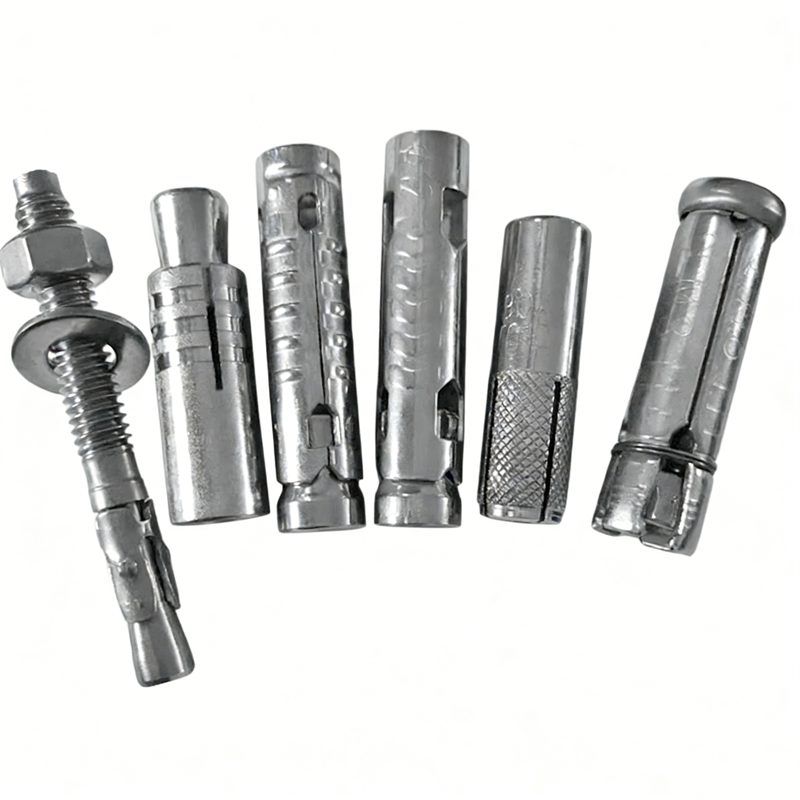
If the technical evaluation confirms manufacturing defects, the after-sales support workflow is initiated. This process includes comprehensive quality issue analysis, replacement support, and technical troubleshooting. To mitigate financial and operational risks, industrial buyers should leverage secure business terms, such as Alibaba Trade Assurance or Letter of Credit (L/C) payment methods, and ensure the manufacturer supports flexible OEM/ODM customization to quickly supply re-engineered or standard replacements within the typical 7 to 25 days lead time.
Data / Solution Comparison
| Specification Parameter | 304 Stainless Steel Wedge Anchors | 316 Stainless Steel Wedge Anchors |
|---|---|---|
| Material Standards | ASTM F593, DIN 1.4301 | ASTM A276, DIN 1.4401 / 1.4404 |
| Corrosion Resistance | Excellent (suitable for humid environments) | Superior (chloride, saltwater, and chemical resistance) |
| Standard Tolerances | ±0.1 mm | ±0.1 mm |
| Recommended Base Materials | Solid Concrete, Reinforced Concrete, Grout-filled Masonry | Solid Concrete, Reinforced Concrete, Grout-filled Masonry |
| Unrecommended Base Materials | Brick, Hollow block, Drywall, Wood | Brick, Hollow block, Drywall, Wood |
| Surface Treatment Options | Plain, Passivation, Polishing, Electropolishing | Plain, Passivation, Polishing, Electropolishing |
Frequently Asked Questions (FAQ)
What are the primary installation errors that lead to pull-out test failures?
The most common installation errors include drilling a hole that does not match the anchor diameter (the drill hole must be the same as the anchor diameter, such as a 10 mm hole for an M10 anchor), failing to thoroughly clean dust and debris from the hole, setting an insufficient embedment depth, or applying incorrect torque during the nut tightening phase.
How do I initiate a formal quality claim for failed expansion anchors?
To initiate a claim, compile a detailed report containing the onsite pull-out test data, photographs of the failed installation, details on the base material used, and the batch number of the product. The supplier will cross-reference this with their production logs, First Article Inspection records, and material certificates to conduct a root-cause analysis and determine the appropriate replacement or rework solution.
Can wedge anchors be used in brick or hollow concrete blocks?
No. Stainless steel wedge anchors are specifically designed and engineered only for solid concrete, reinforced concrete, or grout-filled masonry applications. They are not recommended for brick, hollow block, drywall, or wood, as these materials cannot support the expansion forces required to achieve the anchor's rated load capacity.
Final Conclusion & Recommendations
To secure structural safety and streamline project execution, engineering teams must enforce rigorous pre-installation checks on both base materials and anchor dimensions before executing pull-out tests. Partnering with a manufacturer that provides clear material traceability, ISO 9001 certification, and comprehensive technical drawing support (including CAD, STEP, and PDF formats) ensures that any potential dimensional or mechanical discrepancies are resolved prior to shipment. For specialized industrial projects, utilizing OEM/ODM customization services allows for tailored tensile strengths, custom lengths, and advanced surface treatments like electropolishing to guarantee optimal field performance. Technical Support: 86-15868979792
About Us
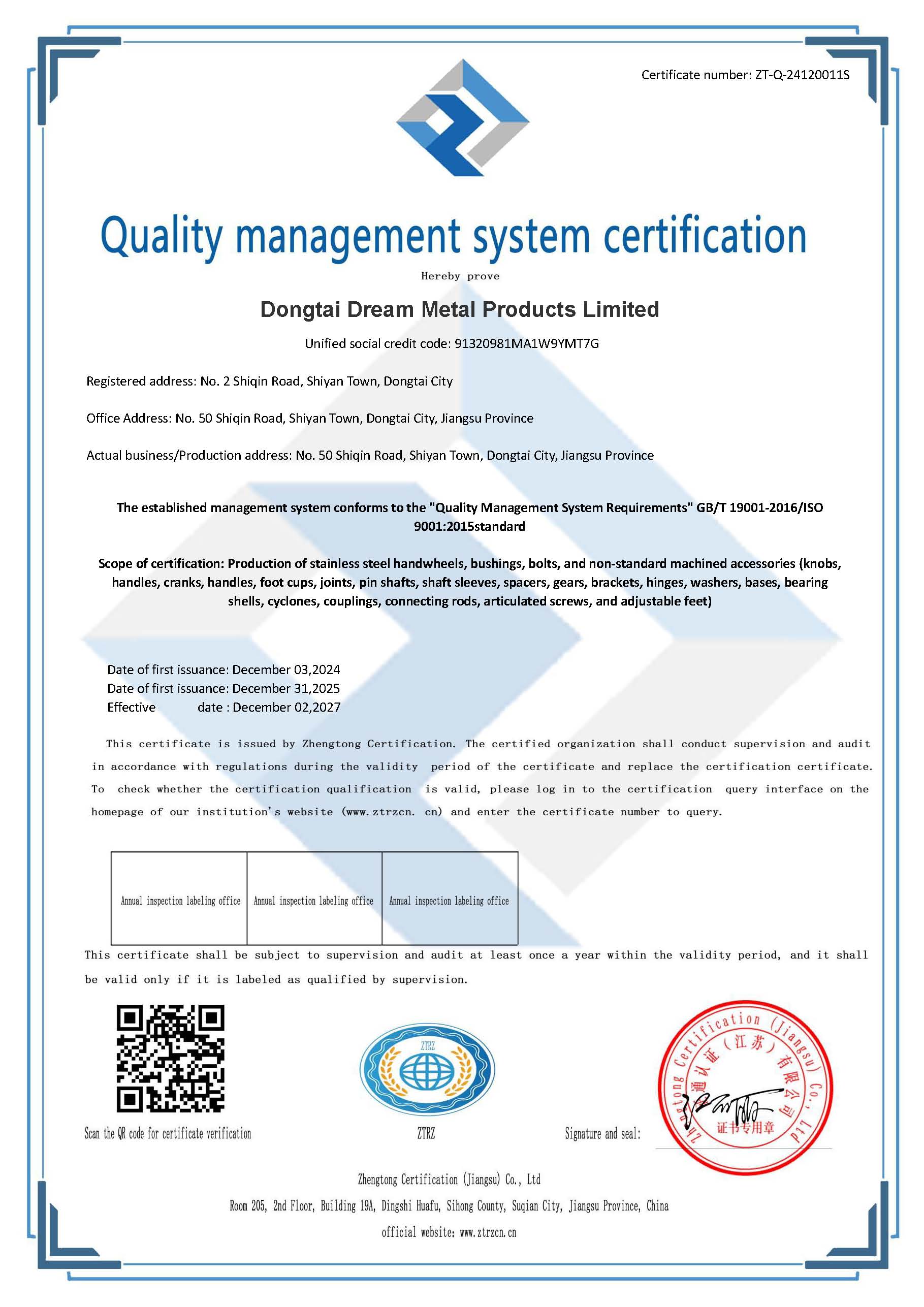
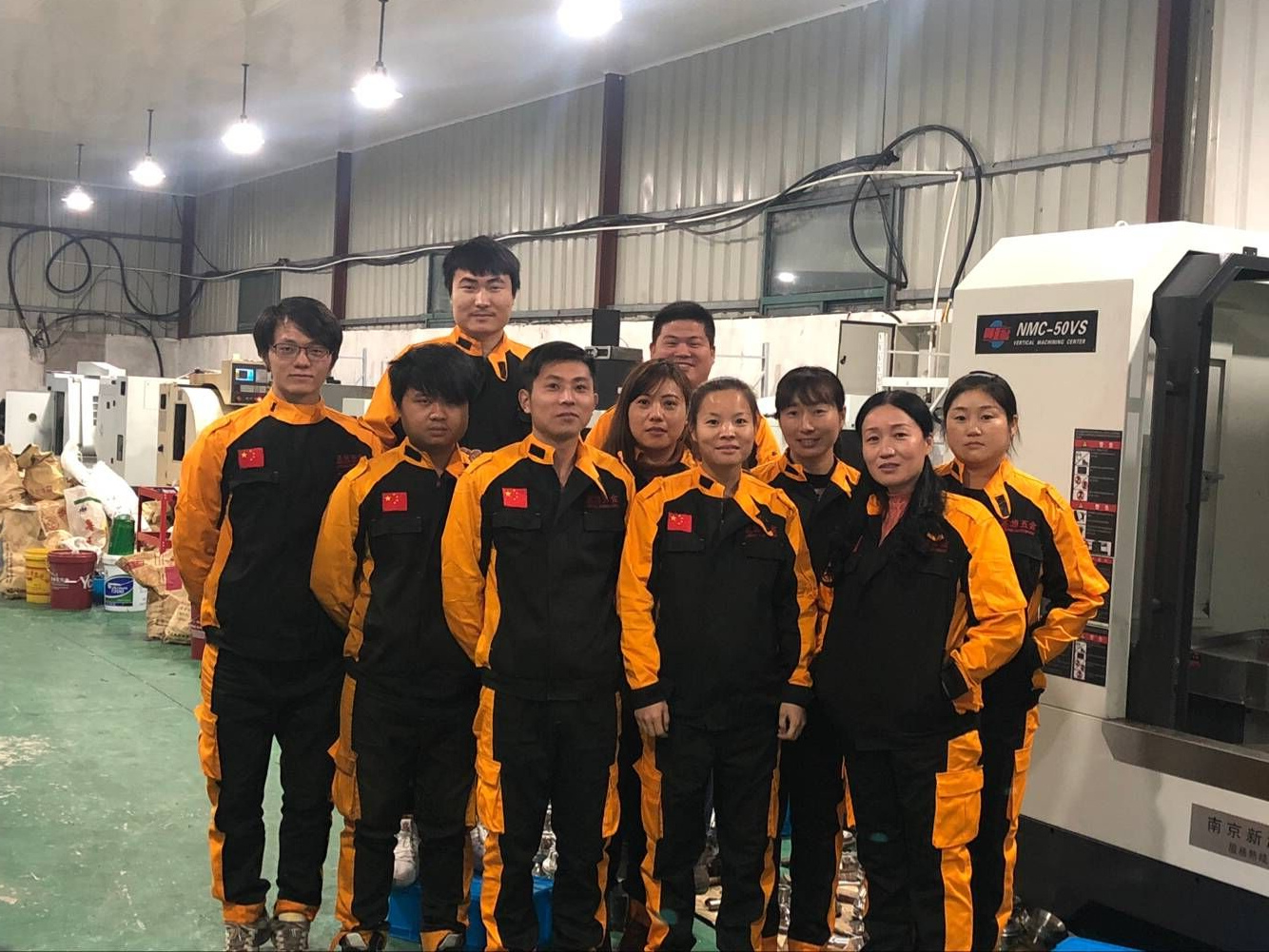
ZheJiang Dream Industry Limited is a precision manufacturing specialist established in 2008. Operating a modern 2,500 square meter factory facility with 34 skilled employees, the company excels in the custom design, engineering, and turnkey production of high-precision CNC machined parts and hardware assemblies. Our advanced manufacturing system utilizes over 100 production and inspection units to deliver high-quality industrial hardware, custom fasteners, and operator controls. The company is ISO 9001 certified (Certificate ZT-Q-24120011S) and has served global clients across multiple sectors, including food processing equipment, marine engineering, and industrial valve systems.
REPORT