







-
 Agriculture
-
 Health-Care
-
 Environment
-
 Construction-Real-Estate
-
 Tools-Hardware
-
 Home-Garden
-
 Furniture
-
 Luggage-Bags-Cases
-
 Medical-devices-Supplies
-
 Gifts-Crafts
-
 Sports-Entertainment
-
 Food-Beverage
-
 Vehicles-Transportation
-
 Power-Transmission
-
 Material-Handling
-
 Renewable-Energy
-
 Safety
-
 Testing-Instrument-Equipment
-
 Construction-Building-Machinery
-
 Pet-Supplies
-
 Personal-Care-Household-Cleaning
-
 Vehicle-Accessories-Electronics-Tools
-
 School-Office-Supplies
-
 Packaging-Printing
-
 Mother-Kids-Toys
-
 Business-Services
-
 Commercial-Equipment-Machinery
-
 Apparel-Accessories
-
 Security
-
 Shoes-Accessories
-
 Vehicle-Parts-Accessories
-
 Jewelry-Eyewear-Watches-Accessories
-
 Lights-Lighting
-
 Fabric-Textile-Raw-Material
-
 Fabrication-Services
-
 Industrial-Machinery
-
 Consumer-Electronics
-
 Electrical-Equipment-Supplies
-
 Electronic-Components-Accessories-Telecommunications
-
 Home-Appliances
-
 Beauty
-
 Chemicals
-
 Rubber-Plastics
-
 Metals-Alloys


























































































































































































































































































































































































































































































































































































- Masonry Materials
- Curtain Walls & Accessories
- Earthwork Products
- Fireproofing Materials
- Heat Insulation Materials
- Plastic Building Materials
- Building Boards
- Soundproofing Materials
- Timber
- Waterproofing Materials
- Balustrades & Handrails
- Bathroom & Kitchen
- Flooring & Accessories
- Tiles & Accessories
- Door, Window & Accessories
- Fireplaces & Stoves
- Floor Heating Systems & Parts
- Stairs & Stair Parts
- Ceilings
- Elevators & Escalators
- Stone
- Countertops, Vanity Tops & Table Tops
- Mosaics
- Metal Building Materials
- Multifunctional Materials
- Ladders & Scaffoldings
- Mouldings
- Corner Guards
- Decorative Films
- Formwork
- Building & Industrial Glass
- Other Construction & Real Estate
- Wallpapers/Wall panels
- HVAC System & Parts
- Outdoor Facilities
- Prefabricated Buildings
- Festive & Party Supplies
- Bathroom Products
- Household Sundries
- Rain Gear
- Garden Supplies
- Household Cleaning Tools & Accessories
- Lighters & Smoking Accessories
- Home Storage & Organization
- Household Scales
- Smart Home Improvement
- Home Textiles
- Kitchenware
- Drinkware & Accessories
- Dinnerware, Coffee & Wine
- Home Decor
- Golf
- Fitness & Body Building
- Amusement Park Facilities
- Billiards, Board Game,Coin Operated Games
- Musical Instruments
- Outdoor Affordable Luxury Sports
- Camping & Hiking
- Fishing
- Sports Safety&Rehabilitation
- Ball Sports Equipments
- Water Sports
- Winter Sports
- Luxury Travel Equipments
- Sports Shoes, Bags & Accessories
- Cycling
- Other Sports & Entertainment Products
- Artificial Grass&Sports Flooring&Sports Court Equipment
- Scooters
- Food Ingredients
- Honey & Honey Products
- Snacks
- Nuts & Kernels
- Seafood
- Plant & Animal Oil
- Beverages
- Fruit & Vegetable Products
- Frog & Escargot
- Bean Products
- Egg Products
- Dairy Products
- Seasonings & Condiments
- Canned Food
- Instant Food
- Baked Goods
- Other Food & Beverage
- Meat & Poultry
- Confectionery
- Grain Products
- Feminie Care
- Hair Care & Styling
- Body Care
- Hands & Feet Care
- Hygiene Products
- Men's Grooming
- Laundry Cleaning Supplies
- Travel Size & Gift Sets
- Room Deodorizers
- Other Personal Care Products
- Pest Control Products
- Special Household Cleaning
- Floor Cleaning
- Kitchen & Bathroom Cleaning
- Oral Care
- Bath Supplies
- Yellow Pages
- Correction Supplies
- Office Binding Supplies
- Office Cutting Supplies
- Board Erasers
- Office Adhesives & Tapes
- Education Supplies
- Pencil Cases & Bags
- Notebooks & Writing Pads
- File Folder Accessories
- Calendars
- Writing Accessories
- Commercial Office Supplies
- Pencil Sharpeners
- Pens
- Letter Pad/Paper
- Paper Envelopes
- Desk Organizers
- Pencils
- Markers & Highlighters
- Filing Products
- Art Supplies
- Easels
- Badge Holder & Accessories
- Office Paper
- Printer Supplies
- Book Covers
- Other Office & School Supplies
- Stationery Set
- Boards
- Clipboards
- Stamps
- Drafting Supplies
- Stencils
- Electronic Dictionary
- Books
- Map
- Magazines
- Calculators
- Baby & Toddler Toys
- Educational Toys
- Classic Toys
- Dress Up & Pretend Play
- Toy Vehicle
- Stuffed Animals & Plush Toys
- Outdoor Toys & Structures
- Balloons & Accessories
- Baby Food
- Children's Clothing
- Baby Supplies & Products
- Maternity Clothes
- Kids Shoes
- Baby Care
- Novelty & Gag Toys
- Dolls & Accessories
- Puzzle & Games
- Blocks & Model Building Toys
- Toddler Clothing
- Baby Clothing
- Kids' Luggage & Bags
- Arts, Crafts & DIY Toys
- Action & Toy Figures
- Baby Appliances
- Hobbies & Models
- Remote Control Toys
- Promotional Toys
- Pregnancy & Maternity
- Hygiene Products
- Kid's Textile&Bedding
- Novelty & Special Use
- Toy Weapons
- Baby Gifts
- Baby Storage & Organization
- Auto Drive Systems
- ATV/UTV Parts & Accessories
- Marine Parts & Accessories
- Other Auto Parts
- Trailer Parts & Accessories
- Auto Transmission Systems
- Train Parts & Accessories
- Universal Parts
- Railway Parts & Accessories
- Auto Brake Systems
- Aviation Parts & Accessories
- Truck Parts & Accessories
- Auto Suspension Systems
- Auto Lighting Systems
- New Energy Vehicle Parts & Accessories
- Auto Steering Systems
- Wheels, Tires & Accessories
- Bus Parts & Accessories
- Auto Performance Parts
- Cooling System
- Go-Kart & Kart Racer Parts & Accessories
- Air Conditioning Systems
- Heavy Duty Vehicle Parts & Accessories
- Auto Electrical Systems
- Auto Body Systems
- Auto Engine Systems
- Container Parts & Accessories
- Motorcycle Parts & Accessories
- Refrigeration & Heat Exchange Equipment
- Machine Tool Equipment
- Food & Beverage Machinery
- Agricultural Machinery & Equipment
- Apparel & Textile Machinery
- Chemical Machinery
- Packaging Machines
- Paper Production Machinery
- Plastic & Rubber Processing Machinery
- Industrial Robots
- Electronic Products Machinery
- Metal & Metallurgy Machinery
- Woodworking Machinery
- Home Product Manufacturing Machinery
- Machinery Accessories
- Environmental Machinery
- Machinery Service
- Electrical Equipment Manufacturing Machinery
- Industrial Compressors & Parts
- Tobacco & Cigarette Machinery
- Production Line
- Used Industrial Machinery
- Electronics Production Machinery
- Other Machinery & Industrial Equipment
- Camera, Photo & Accessories
- Portable Audio, Video & Accessories
- Television, Home Audio, Video & Accessories
- Video Games & Accessories
- Mobile Phone & Accessories
- Electronic Publications
- Earphone & Headphone & Accessories
- Speakers & Accessories
- Smart Electronics
- TV Receivers & Accessories
- Mobile Phone & Computer Repair Parts
- Chargers, Batteries & Power Supplies
- Used Electronics
- VR, AR, MR Hardware & Software
- Projectors & Presentation Equipments
- Other Consumer Electronics
- Cables & Commonly Used Accessories
- Computer Hardware & Software
- Displays, Signage and Optoelectronics
- Discrete Semiconductors
- Wireless & IoT Module and Products
- Telecommunications
- Connectors, Terminals & Accessories
- Development Boards, Electronic Modules and Kits
- Circuit Protection
- Sensors
- Isolators
- Audio Components and Products
- Integrated Circuits
- Power Supplies
- Relays
- RF, Microwave and RFID
- Electronic Accessories & Supplies
- Passive Components
- PCB & PCBA
- Air Quality Appliances
- Home Appliance Parts
- Heating & Cooling Appliances
- Small Kitchen Appliances
- Laundry Appliances
- Water Heaters
- Water Treatment Appliances
- Refrigerators & Freezers
- Personal Care & Beauty Appliances
- Major Kitchen Appliances
- Cleaning Appliances
- Second-hand Appliances
- Smart Home Appliances
- Other Home Appliances
- Energy Chemicals
- Inorganic Chemicals
- Basic Organic Chemicals
- Agrochemicals
- Admixture & Additives
- Catalysts & Chemical Auxiliary Agents
- Pigments & Dyestuff
- Coating & Paint
- Daily Chemicals
- Polymer
- Organic Intermediate
- Adhesives & Sealants
- Chemical Waste
- Biological Chemical Products
- Surface Treatment Chemicals
- Painting & Coating
- Chemical Reagents
- Flavor & Fragrance
- Non-Explosive Demolition Agents
- Other Chemicals
- Custom Chemical Services

How do you resolve issues if the silicone grips on the yoga socks peel off after washing?
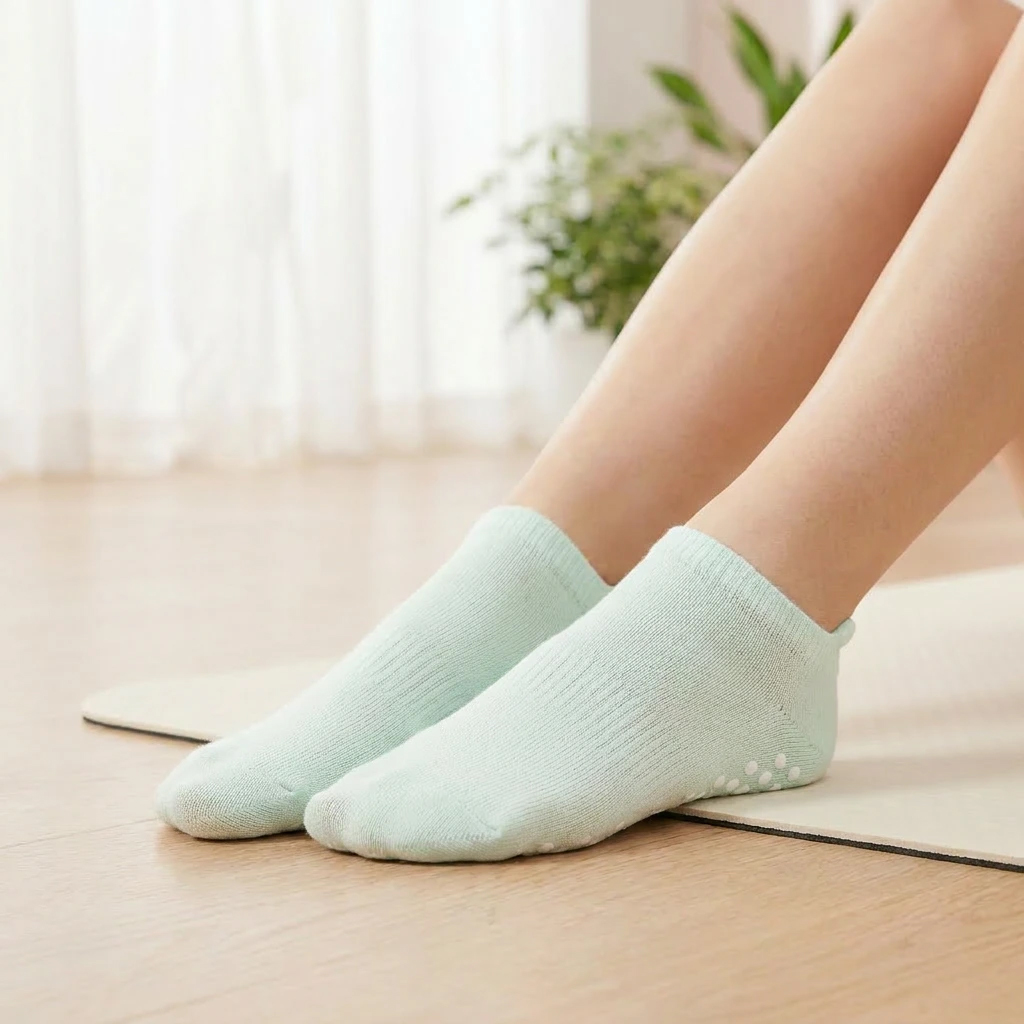
To resolve issues if the silicone grips on the yoga socks peel off after washing, manufacturers must employ specialized silicone/PVC dispensing equipment for precise adhesive application and thorough heat curing. Selecting premium raw materials like combed cotton and nylon blends enhances bond durability. For commercial batches, choosing a supplier with a 100% manual inspection process and a comprehensive quality guarantee provides reliable protection.
Core Answers & Key Points
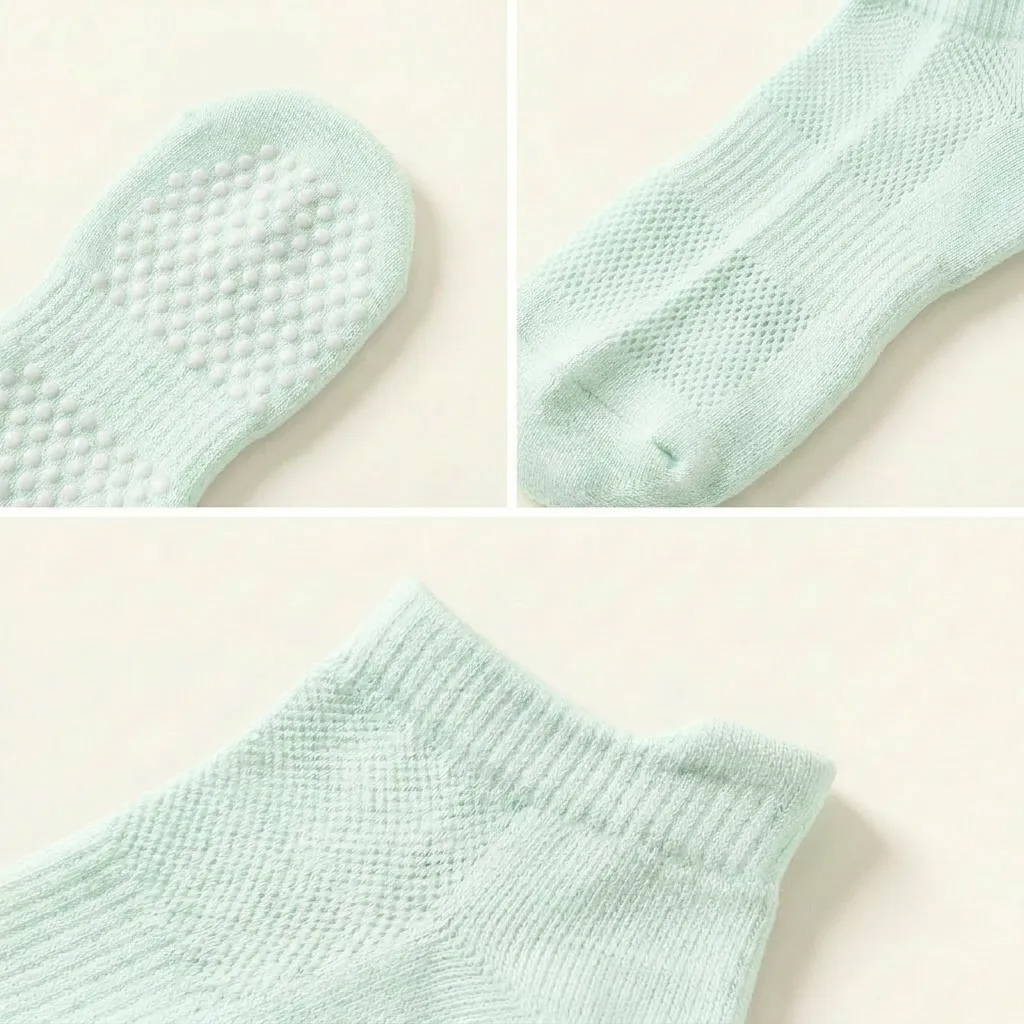
- Advanced Dispensing Machinery: Utilizing automated, specialized silicone/PVC dispensing equipment ensures even adhesive distribution and optimal bonding depth into the sock fabric.
- Premium Material Blends: A base of 80% combed cotton, 17% nylon, and 3% spandex provides a stable, high-density surface that significantly improves grip adhesion compared to low-grade synthetic fabrics.
- 100% Manual Quality Control: Conducting rigorous post-production inspections helps identify and eliminate poorly cured or unevenly applied silicone grips before shipment.
- Worry-Free Quality Guarantee: Partnering with a manufacturer that offers up to 100% compensation or free replacements for production-related defects mitigates commercial risks.
In-Depth Analysis
The peeling of silicone grips on yoga socks after washing is primarily caused by two manufacturing deficiencies: substandard adhesive materials and inadequate thermal curing. When silicone is applied to low-density fabrics without proper heat integration, the mechanical bond between the polymer and the yarn is weak. During wash cycles, water penetration and mechanical agitation easily shear the grips from the fabric surface.
To systematically resolve this issue, Yiwu Genke Apparel Co., Ltd. integrates industrial-grade specialized silicone/PVC dispensing equipment within its production lines. This machinery ensures the silicone compound is applied at the exact viscosity and pressure required to penetrate the yarn fibers. Following application, the socks undergo controlled heat curing to permanently fuse the grips to the high-density textile base, which consists of 80% combed cotton, 17% nylon, and 3% spandex.
Furthermore, the safety and durability of these materials are verified under strict international standards. The manufacturing processes comply with BSCI (25-0339304) and Oeko-Tex 100 (26.HCN.34091) certifications. These credentials guarantee that the silicone grips remain non-toxic, skin-friendly, and highly resilient against repeated machine washings, meeting the quality demands of professional athletic and wellness facilities.

Data / Solution Comparison
| Parameter / Feature | Standard Grip Socks | CNLEYOYO Premium Pilates & Yoga Socks |
|---|---|---|
| Fabric Composition | Regular cotton or low-density synthetics | 80% Combed Cotton, 17% Nylon, 3% Spandex |
| Dispensing Technology | Manual or basic stamping equipment | Specialized Silicone/PVC Dispensing Equipment |
| Wash Resistance | Low (prone to peeling after 5-10 washes) | High (retains grip structural integrity) |
| Quality Inspection | Random batch spot checks | 100% Manual Inspection |
| After-Sales Support | Limited or no compensation for wash wear | 24-Hour Response; up to 100% compensation/replacement |
Frequently Asked Questions (FAQ)
Why do silicone grips peel off yoga socks after washing?
Peeling occurs when the silicone does not properly bond with the fabric during production. This is typically caused by using low-grade silicone compounds, insufficient curing temperatures, or applying grips onto low-density fabrics that cannot hold the adhesive under mechanical washing stress.
How can buyers prevent grip peeling issues during procurement?
Buyers should specify the use of combed cotton blends and verify that the manufacturer utilizes automated silicone/PVC dispensing machinery. Requesting suppliers with certified quality management systems, such as BSCI and OEKO-TEX, ensures the materials and processes meet international durability standards.
What is the recommended washing care for grip socks?
To maximize the lifespan of the grips, turn the socks inside out before washing. Machine wash on a gentle cycle with cold water, and air dry or tumble dry on low heat. Avoid high temperatures, bleach, and fabric softeners, as they degrade the silicone structure.
Final Conclusion & Recommendations
Resolving grip peeling issues requires a combination of high-grade raw materials, advanced dispensing machinery, and strict manufacturing controls. For commercial brands and fitness studios, sourcing from a manufacturer that implements a one-stop high-end customization model with 100% manual inspection is the most effective way to eliminate product defects. Choosing a partner that offers clear financial protection, including up to 100% compensation for production issues, ensures a secure supply chain. For inquiries regarding durable custom grip socks with a flexible MOQ of 100 pairs per design, contact our technical team.
Technical Support: happygu@cnleyoyo.com
About Us
Yiwu Genke Apparel Co., Ltd. is a leading manufacturer in the premium sock customization field, deeply involved in the customized sock industry for over ten years. Established in 2016, with a dedicated team of 89 employees, we specialize in the production of high-end socks, leg warmers, and leggings. Operating a 1200 square meter factory equipped with over 200 integrated jacquard machines and specialized silicone/PVC dispensing equipment, we deliver an annual production capacity of 12 million pairs. The company holds BSCI and OEKO-TEX certifications, serving clients across multiple industries including sports and wellness centers, corporate branding, and fashion retail.
REPORT