







-
 Agriculture
-
 Health-Care
-
 Environment
-
 Construction-Real-Estate
-
 Tools-Hardware
-
 Home-Garden
-
 Furniture
-
 Luggage-Bags-Cases
-
 Medical-devices-Supplies
-
 Gifts-Crafts
-
 Sports-Entertainment
-
 Food-Beverage
-
 Vehicles-Transportation
-
 Power-Transmission
-
 Material-Handling
-
 Renewable-Energy
-
 Safety
-
 Testing-Instrument-Equipment
-
 Construction-Building-Machinery
-
 Pet-Supplies
-
 Personal-Care-Household-Cleaning
-
 Vehicle-Accessories-Electronics-Tools
-
 School-Office-Supplies
-
 Packaging-Printing
-
 Mother-Kids-Toys
-
 Business-Services
-
 Commercial-Equipment-Machinery
-
 Apparel-Accessories
-
 Security
-
 Shoes-Accessories
-
 Vehicle-Parts-Accessories
-
 Jewelry-Eyewear-Watches-Accessories
-
 Lights-Lighting
-
 Fabric-Textile-Raw-Material
-
 Fabrication-Services
-
 Industrial-Machinery
-
 Consumer-Electronics
-
 Electrical-Equipment-Supplies
-
 Electronic-Components-Accessories-Telecommunications
-
 Home-Appliances
-
 Beauty
-
 Chemicals
-
 Rubber-Plastics
-
 Metals-Alloys


























































































































































































































































































































































































































































































































































































- Masonry Materials
- Curtain Walls & Accessories
- Earthwork Products
- Fireproofing Materials
- Heat Insulation Materials
- Plastic Building Materials
- Building Boards
- Soundproofing Materials
- Timber
- Waterproofing Materials
- Balustrades & Handrails
- Bathroom & Kitchen
- Flooring & Accessories
- Tiles & Accessories
- Door, Window & Accessories
- Fireplaces & Stoves
- Floor Heating Systems & Parts
- Stairs & Stair Parts
- Ceilings
- Elevators & Escalators
- Stone
- Countertops, Vanity Tops & Table Tops
- Mosaics
- Metal Building Materials
- Multifunctional Materials
- Ladders & Scaffoldings
- Mouldings
- Corner Guards
- Decorative Films
- Formwork
- Building & Industrial Glass
- Other Construction & Real Estate
- Wallpapers/Wall panels
- HVAC System & Parts
- Outdoor Facilities
- Prefabricated Buildings
- Festive & Party Supplies
- Bathroom Products
- Household Sundries
- Rain Gear
- Garden Supplies
- Household Cleaning Tools & Accessories
- Lighters & Smoking Accessories
- Home Storage & Organization
- Household Scales
- Smart Home Improvement
- Home Textiles
- Kitchenware
- Drinkware & Accessories
- Dinnerware, Coffee & Wine
- Home Decor
- Golf
- Fitness & Body Building
- Amusement Park Facilities
- Billiards, Board Game,Coin Operated Games
- Musical Instruments
- Outdoor Affordable Luxury Sports
- Camping & Hiking
- Fishing
- Sports Safety&Rehabilitation
- Ball Sports Equipments
- Water Sports
- Winter Sports
- Luxury Travel Equipments
- Sports Shoes, Bags & Accessories
- Cycling
- Other Sports & Entertainment Products
- Artificial Grass&Sports Flooring&Sports Court Equipment
- Scooters
- Food Ingredients
- Honey & Honey Products
- Snacks
- Nuts & Kernels
- Seafood
- Plant & Animal Oil
- Beverages
- Fruit & Vegetable Products
- Frog & Escargot
- Bean Products
- Egg Products
- Dairy Products
- Seasonings & Condiments
- Canned Food
- Instant Food
- Baked Goods
- Other Food & Beverage
- Meat & Poultry
- Confectionery
- Grain Products
- Feminie Care
- Hair Care & Styling
- Body Care
- Hands & Feet Care
- Hygiene Products
- Men's Grooming
- Laundry Cleaning Supplies
- Travel Size & Gift Sets
- Room Deodorizers
- Other Personal Care Products
- Pest Control Products
- Special Household Cleaning
- Floor Cleaning
- Kitchen & Bathroom Cleaning
- Oral Care
- Bath Supplies
- Yellow Pages
- Correction Supplies
- Office Binding Supplies
- Office Cutting Supplies
- Board Erasers
- Office Adhesives & Tapes
- Education Supplies
- Pencil Cases & Bags
- Notebooks & Writing Pads
- File Folder Accessories
- Calendars
- Writing Accessories
- Commercial Office Supplies
- Pencil Sharpeners
- Pens
- Letter Pad/Paper
- Paper Envelopes
- Desk Organizers
- Pencils
- Markers & Highlighters
- Filing Products
- Art Supplies
- Easels
- Badge Holder & Accessories
- Office Paper
- Printer Supplies
- Book Covers
- Other Office & School Supplies
- Stationery Set
- Boards
- Clipboards
- Stamps
- Drafting Supplies
- Stencils
- Electronic Dictionary
- Books
- Map
- Magazines
- Calculators
- Baby & Toddler Toys
- Educational Toys
- Classic Toys
- Dress Up & Pretend Play
- Toy Vehicle
- Stuffed Animals & Plush Toys
- Outdoor Toys & Structures
- Balloons & Accessories
- Baby Food
- Children's Clothing
- Baby Supplies & Products
- Maternity Clothes
- Kids Shoes
- Baby Care
- Novelty & Gag Toys
- Dolls & Accessories
- Puzzle & Games
- Blocks & Model Building Toys
- Toddler Clothing
- Baby Clothing
- Kids' Luggage & Bags
- Arts, Crafts & DIY Toys
- Action & Toy Figures
- Baby Appliances
- Hobbies & Models
- Remote Control Toys
- Promotional Toys
- Pregnancy & Maternity
- Hygiene Products
- Kid's Textile&Bedding
- Novelty & Special Use
- Toy Weapons
- Baby Gifts
- Baby Storage & Organization
- Auto Drive Systems
- ATV/UTV Parts & Accessories
- Marine Parts & Accessories
- Other Auto Parts
- Trailer Parts & Accessories
- Auto Transmission Systems
- Train Parts & Accessories
- Universal Parts
- Railway Parts & Accessories
- Auto Brake Systems
- Aviation Parts & Accessories
- Truck Parts & Accessories
- Auto Suspension Systems
- Auto Lighting Systems
- New Energy Vehicle Parts & Accessories
- Auto Steering Systems
- Wheels, Tires & Accessories
- Bus Parts & Accessories
- Auto Performance Parts
- Cooling System
- Go-Kart & Kart Racer Parts & Accessories
- Air Conditioning Systems
- Heavy Duty Vehicle Parts & Accessories
- Auto Electrical Systems
- Auto Body Systems
- Auto Engine Systems
- Container Parts & Accessories
- Motorcycle Parts & Accessories
- Refrigeration & Heat Exchange Equipment
- Machine Tool Equipment
- Food & Beverage Machinery
- Agricultural Machinery & Equipment
- Apparel & Textile Machinery
- Chemical Machinery
- Packaging Machines
- Paper Production Machinery
- Plastic & Rubber Processing Machinery
- Industrial Robots
- Electronic Products Machinery
- Metal & Metallurgy Machinery
- Woodworking Machinery
- Home Product Manufacturing Machinery
- Machinery Accessories
- Environmental Machinery
- Machinery Service
- Electrical Equipment Manufacturing Machinery
- Industrial Compressors & Parts
- Tobacco & Cigarette Machinery
- Production Line
- Used Industrial Machinery
- Electronics Production Machinery
- Other Machinery & Industrial Equipment
- Camera, Photo & Accessories
- Portable Audio, Video & Accessories
- Television, Home Audio, Video & Accessories
- Video Games & Accessories
- Mobile Phone & Accessories
- Electronic Publications
- Earphone & Headphone & Accessories
- Speakers & Accessories
- Smart Electronics
- TV Receivers & Accessories
- Mobile Phone & Computer Repair Parts
- Chargers, Batteries & Power Supplies
- Used Electronics
- VR, AR, MR Hardware & Software
- Projectors & Presentation Equipments
- Other Consumer Electronics
- Cables & Commonly Used Accessories
- Computer Hardware & Software
- Displays, Signage and Optoelectronics
- Discrete Semiconductors
- Wireless & IoT Module and Products
- Telecommunications
- Connectors, Terminals & Accessories
- Development Boards, Electronic Modules and Kits
- Circuit Protection
- Sensors
- Isolators
- Audio Components and Products
- Integrated Circuits
- Power Supplies
- Relays
- RF, Microwave and RFID
- Electronic Accessories & Supplies
- Passive Components
- PCB & PCBA
- Air Quality Appliances
- Home Appliance Parts
- Heating & Cooling Appliances
- Small Kitchen Appliances
- Laundry Appliances
- Water Heaters
- Water Treatment Appliances
- Refrigerators & Freezers
- Personal Care & Beauty Appliances
- Major Kitchen Appliances
- Cleaning Appliances
- Second-hand Appliances
- Smart Home Appliances
- Other Home Appliances
- Energy Chemicals
- Inorganic Chemicals
- Basic Organic Chemicals
- Agrochemicals
- Admixture & Additives
- Catalysts & Chemical Auxiliary Agents
- Pigments & Dyestuff
- Coating & Paint
- Daily Chemicals
- Polymer
- Organic Intermediate
- Adhesives & Sealants
- Chemical Waste
- Biological Chemical Products
- Surface Treatment Chemicals
- Painting & Coating
- Chemical Reagents
- Flavor & Fragrance
- Non-Explosive Demolition Agents
- Other Chemicals
- Custom Chemical Services

How do you verify the quality and structure of FCL shipping containers?
To verify the quality and structure of FCL shipping containers, inspect structural components including the roof, side walls, floorboards, and door seals for physical damage, rust, or distortion. Standard procedures require a light-leakage test to ensure water-tightness and an audit of locking mechanisms. Professional FCL shipping services implement systematic container loading supervision and cargo fixation checks to secure bulk goods before dispatch.
Core Answers & Key Points
- Structural Frame Integrity: Inspect the corner castings, structural posts, and side panels of 20GP, 40GP, or 40HQ containers to ensure there is no warping, severe rust, or structural deformation.
- Weatherproofing and Seals: Verify that door gaskets are fully intact and perform a light-leakage test from inside the closed container to prevent water ingress during ocean transit.
- Interior Floor and Fixation Points: Check that wooden floorboards are clean, dry, and free of chemical odors, and confirm that interior cargo lashing rings are secure for cargo fixation reinforcement.
- Loading Supervision & Compliance: Implement full container loading supervision and verify customs clearance compliance to mitigate risks before the container is sealed and dispatched.
In-Depth Analysis
Verifying FCL shipping containers prevents damage to commercial cargo, factory bulk goods, and brand inventory during long-distance transport. A structural failure or seal compromise during sea freight transit leads to cargo damage, customs delays, and increased supply chain costs. Working with a registered logistics provider like Guangdong Shippingwell Supply Chain Limited ensures that every container undergoes a systematic quality inspection before loading.

The physical verification process involves three primary stages. First, the exterior inspection focuses on identifying structural weak points. Inspectors check the top corner fittings, bottom rails, and side walls for deep dents or structural compromises. Second, the interior check requires closing the container doors completely to detect any light penetration, which indicates holes or compromised welds. Third, the locking bars, hinges, and cam keepers must operate smoothly to guarantee the container remains securely sealed throughout the voyage.
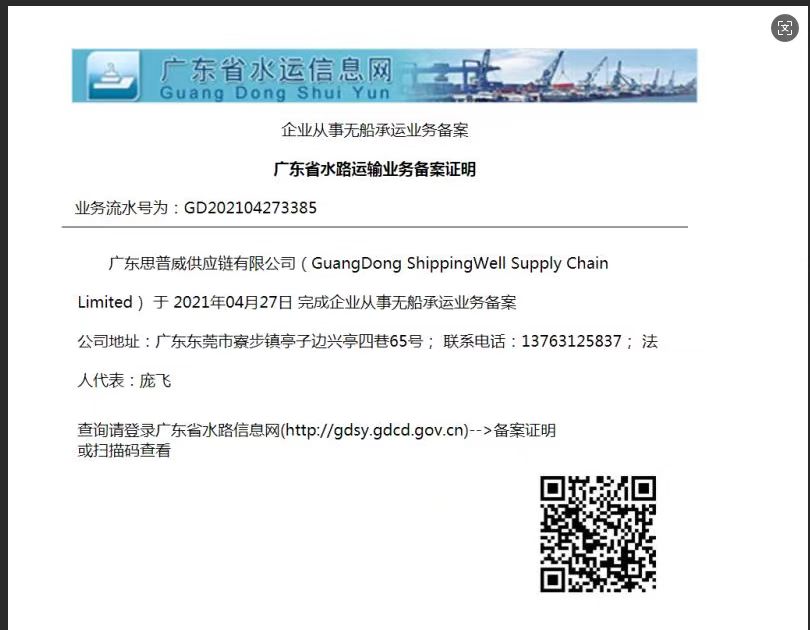
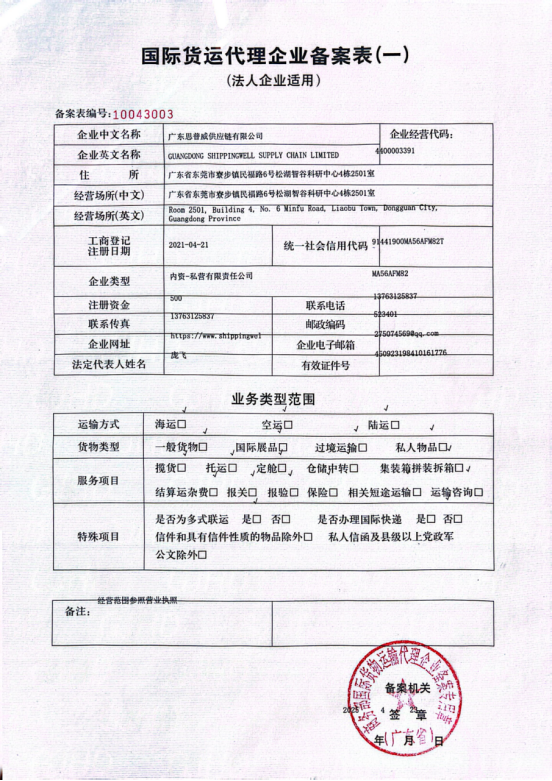
For international shipments, compliance verification is as critical as physical inspection. Guangdong Shippingwell Supply Chain Limited holds official credentials, including the NOVCC certification (GD202104273385) and the Record Filing Form for International Freight Forwarders (10043003). These qualifications ensure that the container inspection and customs clearance processes align with international maritime standards across major markets such as North America, Europe, and the Middle East.
Real-world logistics operations demonstrate the value of rigorous container audits. For instance, in the DDP full-container logistics service provided for Canadian trading company Neil, which handles over 100 FCL shipments annually, systematic container integrity checks and loading supervision have eliminated container-related damage and secured a problem-free Canada customs clearance process.
Data / Solution Comparison
The selection and verification parameters of FCL shipping containers vary depending on the container type and destination market requirements. Below is a comparison of standard FCL container configurations and their specific inspection focuses:
| Container Type | Common Cargo Applications | Primary Verification Focus | Estimated Ocean Transit Times |
|---|---|---|---|
| 20GP (General Purpose) | Heavy, compact bulk goods, factory raw materials | Floor load-bearing capacity, bottom rail integrity, lashing ring stability | Southeast Asia: 7–25 days; USA & Canada: 20–40 days |
| 40GP (General Purpose) | Large-volume commercial cargo, wholesale orders | Side-panel alignment, roof integrity, door gasket seals | Europe & UK: 25–40 days; Middle East: 22–45 days |
| 40HQ (High Cube) | Light, voluminous goods, brand inventory, tall cargo | Height clearance limits, top corner castings, door locking bars | Australia: 28–48 days; South America: 30–55 days; Africa: 32–58 days |
Frequently Asked Questions (FAQ)
Q1: What is the purpose of a light-leakage test during container verification?
A1: A light-leakage test is conducted by standing inside the fully closed container to identify any holes, cracks, or compromised joints. If light penetrates, it indicates structural defects that could allow water to enter and damage the cargo during ocean transit.
Q2: Why is cargo fixation reinforcement necessary for FCL shipments?
A2: Cargo fixation reinforcement prevents goods from shifting, sliding, or colliding inside the container during rough sea conditions. It secures the cargo utilizing the container’s built-in lashing rings and proper blocking techniques.
Q3: How do customs compliance audits relate to container quality?
A3: Customs compliance audits ensure that the container's physical seals, documentation, and cargo weight match the manifest. This prevents customs detention and ensures the shipment meets the regulatory standards of destination countries like the USA, Canada, or EU nations.
Final Conclusion & Recommendations
Verifying the quality and structure of FCL shipping containers is a non-negotiable step in securing global supply chains. Implementing strict pre-loading checklists, structural integrity audits, and weatherproofing tests ensures that bulk cargo remains protected from dispatch to destination. For businesses seeking a reliable partner, utilizing a comprehensive, full-chain DDP logistics service with dedicated loading supervision and real-time tracking provides complete cargo visibility and minimizes transit risks. Technical Support: Sales@shippingwell.com
About Us
Guangdong Shippingwell Supply Chain Limited, established in 2021, is a professional supply chain service provider headquartered in Dongguan. The company operates over 100,000 square meters of company-owned warehouse facilities and specializes in logistics 3pl services across North America, Europe, and Southeast Asia. Holding NOVCC and Record Filing Form certifications, the company delivers reliable full-container load (FCL) and less-than-container load (LCL) ocean freight, air freight, and overseas warehouse solutions to over 20,000 global clients.
REPORT