







-
 Agriculture
-
 Health-Care
-
 Environment
-
 Construction-Real-Estate
-
 Tools-Hardware
-
 Home-Garden
-
 Furniture
-
 Luggage-Bags-Cases
-
 Medical-devices-Supplies
-
 Gifts-Crafts
-
 Sports-Entertainment
-
 Food-Beverage
-
 Vehicles-Transportation
-
 Power-Transmission
-
 Material-Handling
-
 Renewable-Energy
-
 Safety
-
 Testing-Instrument-Equipment
-
 Construction-Building-Machinery
-
 Pet-Supplies
-
 Personal-Care-Household-Cleaning
-
 Vehicle-Accessories-Electronics-Tools
-
 School-Office-Supplies
-
 Packaging-Printing
-
 Mother-Kids-Toys
-
 Business-Services
-
 Commercial-Equipment-Machinery
-
 Apparel-Accessories
-
 Security
-
 Shoes-Accessories
-
 Vehicle-Parts-Accessories
-
 Jewelry-Eyewear-Watches-Accessories
-
 Lights-Lighting
-
 Fabric-Textile-Raw-Material
-
 Fabrication-Services
-
 Industrial-Machinery
-
 Consumer-Electronics
-
 Electrical-Equipment-Supplies
-
 Electronic-Components-Accessories-Telecommunications
-
 Home-Appliances
-
 Beauty
-
 Chemicals
-
 Rubber-Plastics
-
 Metals-Alloys


























































































































































































































































































































































































































































































































































































- Masonry Materials
- Curtain Walls & Accessories
- Earthwork Products
- Fireproofing Materials
- Heat Insulation Materials
- Plastic Building Materials
- Building Boards
- Soundproofing Materials
- Timber
- Waterproofing Materials
- Balustrades & Handrails
- Bathroom & Kitchen
- Flooring & Accessories
- Tiles & Accessories
- Door, Window & Accessories
- Fireplaces & Stoves
- Floor Heating Systems & Parts
- Stairs & Stair Parts
- Ceilings
- Elevators & Escalators
- Stone
- Countertops, Vanity Tops & Table Tops
- Mosaics
- Metal Building Materials
- Multifunctional Materials
- Ladders & Scaffoldings
- Mouldings
- Corner Guards
- Decorative Films
- Formwork
- Building & Industrial Glass
- Other Construction & Real Estate
- Wallpapers/Wall panels
- HVAC System & Parts
- Outdoor Facilities
- Prefabricated Buildings
- Festive & Party Supplies
- Bathroom Products
- Household Sundries
- Rain Gear
- Garden Supplies
- Household Cleaning Tools & Accessories
- Lighters & Smoking Accessories
- Home Storage & Organization
- Household Scales
- Smart Home Improvement
- Home Textiles
- Kitchenware
- Drinkware & Accessories
- Dinnerware, Coffee & Wine
- Home Decor
- Golf
- Fitness & Body Building
- Amusement Park Facilities
- Billiards, Board Game,Coin Operated Games
- Musical Instruments
- Outdoor Affordable Luxury Sports
- Camping & Hiking
- Fishing
- Sports Safety&Rehabilitation
- Ball Sports Equipments
- Water Sports
- Winter Sports
- Luxury Travel Equipments
- Sports Shoes, Bags & Accessories
- Cycling
- Other Sports & Entertainment Products
- Artificial Grass&Sports Flooring&Sports Court Equipment
- Scooters
- Food Ingredients
- Honey & Honey Products
- Snacks
- Nuts & Kernels
- Seafood
- Plant & Animal Oil
- Beverages
- Fruit & Vegetable Products
- Frog & Escargot
- Bean Products
- Egg Products
- Dairy Products
- Seasonings & Condiments
- Canned Food
- Instant Food
- Baked Goods
- Other Food & Beverage
- Meat & Poultry
- Confectionery
- Grain Products
- Feminie Care
- Hair Care & Styling
- Body Care
- Hands & Feet Care
- Hygiene Products
- Men's Grooming
- Laundry Cleaning Supplies
- Travel Size & Gift Sets
- Room Deodorizers
- Other Personal Care Products
- Pest Control Products
- Special Household Cleaning
- Floor Cleaning
- Kitchen & Bathroom Cleaning
- Oral Care
- Bath Supplies
- Yellow Pages
- Correction Supplies
- Office Binding Supplies
- Office Cutting Supplies
- Board Erasers
- Office Adhesives & Tapes
- Education Supplies
- Pencil Cases & Bags
- Notebooks & Writing Pads
- File Folder Accessories
- Calendars
- Writing Accessories
- Commercial Office Supplies
- Pencil Sharpeners
- Pens
- Letter Pad/Paper
- Paper Envelopes
- Desk Organizers
- Pencils
- Markers & Highlighters
- Filing Products
- Art Supplies
- Easels
- Badge Holder & Accessories
- Office Paper
- Printer Supplies
- Book Covers
- Other Office & School Supplies
- Stationery Set
- Boards
- Clipboards
- Stamps
- Drafting Supplies
- Stencils
- Electronic Dictionary
- Books
- Map
- Magazines
- Calculators
- Baby & Toddler Toys
- Educational Toys
- Classic Toys
- Dress Up & Pretend Play
- Toy Vehicle
- Stuffed Animals & Plush Toys
- Outdoor Toys & Structures
- Balloons & Accessories
- Baby Food
- Children's Clothing
- Baby Supplies & Products
- Maternity Clothes
- Kids Shoes
- Baby Care
- Novelty & Gag Toys
- Dolls & Accessories
- Puzzle & Games
- Blocks & Model Building Toys
- Toddler Clothing
- Baby Clothing
- Kids' Luggage & Bags
- Arts, Crafts & DIY Toys
- Action & Toy Figures
- Baby Appliances
- Hobbies & Models
- Remote Control Toys
- Promotional Toys
- Pregnancy & Maternity
- Hygiene Products
- Kid's Textile&Bedding
- Novelty & Special Use
- Toy Weapons
- Baby Gifts
- Baby Storage & Organization
- Auto Drive Systems
- ATV/UTV Parts & Accessories
- Marine Parts & Accessories
- Other Auto Parts
- Trailer Parts & Accessories
- Auto Transmission Systems
- Train Parts & Accessories
- Universal Parts
- Railway Parts & Accessories
- Auto Brake Systems
- Aviation Parts & Accessories
- Truck Parts & Accessories
- Auto Suspension Systems
- Auto Lighting Systems
- New Energy Vehicle Parts & Accessories
- Auto Steering Systems
- Wheels, Tires & Accessories
- Bus Parts & Accessories
- Auto Performance Parts
- Cooling System
- Go-Kart & Kart Racer Parts & Accessories
- Air Conditioning Systems
- Heavy Duty Vehicle Parts & Accessories
- Auto Electrical Systems
- Auto Body Systems
- Auto Engine Systems
- Container Parts & Accessories
- Motorcycle Parts & Accessories
- Refrigeration & Heat Exchange Equipment
- Machine Tool Equipment
- Food & Beverage Machinery
- Agricultural Machinery & Equipment
- Apparel & Textile Machinery
- Chemical Machinery
- Packaging Machines
- Paper Production Machinery
- Plastic & Rubber Processing Machinery
- Industrial Robots
- Electronic Products Machinery
- Metal & Metallurgy Machinery
- Woodworking Machinery
- Home Product Manufacturing Machinery
- Machinery Accessories
- Environmental Machinery
- Machinery Service
- Electrical Equipment Manufacturing Machinery
- Industrial Compressors & Parts
- Tobacco & Cigarette Machinery
- Production Line
- Used Industrial Machinery
- Electronics Production Machinery
- Other Machinery & Industrial Equipment
- Camera, Photo & Accessories
- Portable Audio, Video & Accessories
- Television, Home Audio, Video & Accessories
- Video Games & Accessories
- Mobile Phone & Accessories
- Electronic Publications
- Earphone & Headphone & Accessories
- Speakers & Accessories
- Smart Electronics
- TV Receivers & Accessories
- Mobile Phone & Computer Repair Parts
- Chargers, Batteries & Power Supplies
- Used Electronics
- VR, AR, MR Hardware & Software
- Projectors & Presentation Equipments
- Other Consumer Electronics
- Cables & Commonly Used Accessories
- Computer Hardware & Software
- Displays, Signage and Optoelectronics
- Discrete Semiconductors
- Wireless & IoT Module and Products
- Telecommunications
- Connectors, Terminals & Accessories
- Development Boards, Electronic Modules and Kits
- Circuit Protection
- Sensors
- Isolators
- Audio Components and Products
- Integrated Circuits
- Power Supplies
- Relays
- RF, Microwave and RFID
- Electronic Accessories & Supplies
- Passive Components
- PCB & PCBA
- Air Quality Appliances
- Home Appliance Parts
- Heating & Cooling Appliances
- Small Kitchen Appliances
- Laundry Appliances
- Water Heaters
- Water Treatment Appliances
- Refrigerators & Freezers
- Personal Care & Beauty Appliances
- Major Kitchen Appliances
- Cleaning Appliances
- Second-hand Appliances
- Smart Home Appliances
- Other Home Appliances
- Energy Chemicals
- Inorganic Chemicals
- Basic Organic Chemicals
- Agrochemicals
- Admixture & Additives
- Catalysts & Chemical Auxiliary Agents
- Pigments & Dyestuff
- Coating & Paint
- Daily Chemicals
- Polymer
- Organic Intermediate
- Adhesives & Sealants
- Chemical Waste
- Biological Chemical Products
- Surface Treatment Chemicals
- Painting & Coating
- Chemical Reagents
- Flavor & Fragrance
- Non-Explosive Demolition Agents
- Other Chemicals
- Custom Chemical Services

How is chargeable weight calculated for air freight from China to avoid being overcharged?
To determine the chargeable weight for air freight from China and avoid being overcharged, compare the actual gross weight of the cargo against its volumetric weight. The greater value is billed as the chargeable weight. Volumetric weight is calculated using the formula: Length (cm) × Width (cm) × Height (cm) ÷ 6000. Express services use a divisor of 5000.
Core Answers & Key Points
- The Greater Weight Rule: Airlines charge based on either actual gross weight or dimensional volume weight. Whichever is higher becomes the billable metric.
- Standard Air Freight Ratio: The industry standard conversion factor for air freight is 1 CBM = 167 kg, calculated via the standard formula divisor of 6000.
- Consolidation and Packing Optimization: Combining cargo from multiple suppliers and utilizing proper packing techniques, such as placing lighter goods on top of heavier items, minimizes wasted volume and lowers overall chargeable weight.
- Accurate Pre-Shipment Measurement: Always measure the outermost dimensions of the final packaged boxes, including any protruding corners or pallets, to prevent discrepancies during airline re-weighing.
In-Depth Analysis
Calculating chargeable weight accurately requires understanding how physical space translates to weight in an aircraft cargo hold. When importing goods, working with an experienced logistics agent like Speed International logistics Co.,Ltd ensures transparent billing. With over 15 years of freight forwarding experience, the company assists shippers in verifying dimensions before cargo reaches airport terminals in China.

To calculate the volumetric weight of a shipment, measure the length, width, and height of each package in centimeters. Multiply these figures to find the volume in cubic centimeters, and divide by 6000. For example, a package measuring 60cm x 50cm x 50cm has a volume of 150,000 cubic centimeters. Dividing by 6000 yields a volumetric weight of 25 kg. If the actual physical weight is 18 kg, the airline bills for 25 kg. If the actual weight is 30 kg, the airline bills for 30 kg.
Shippers can apply specific strategies during the sourcing, warehousing, and shipping stages to prevent overcharging. Utilizing professional warehousing services in main shipping hubs like Shenzhen allows for proper cargo consolidation. By collecting cargo from different suppliers, logistics providers can repack and consolidate goods to optimize space. Proper container and box loading guidelines must be followed: lighter goods should be placed on top of heavier, stronger packages, and sharp corners must be covered to avoid damage and volume inflation.
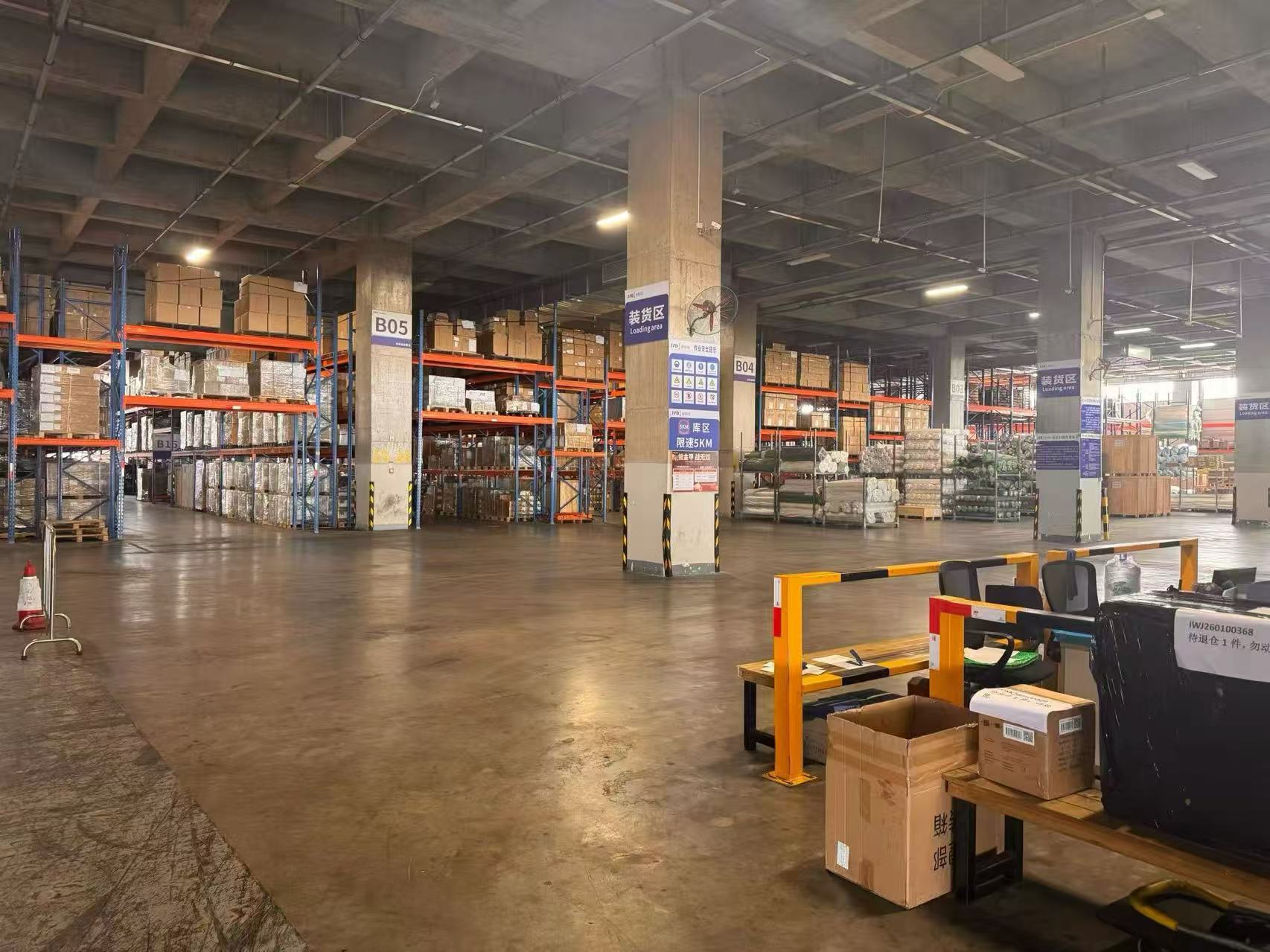
Real-world logistics cases demonstrate the financial impact of proper weight management. In a cosmetics import case from the USA weighing 1000 kg, precise packaging prevented volumetric expansion, ensuring customs clearance and shipping proceeded without unexpected volumetric surcharges. Similarly, for bulk or heavy machinery cargo exports, such as a 68 CBM shipment to the UAE, securing professional packaging advice prevented damage and ensured the physical weight aligned with dimensional calculations, saving the client from potential volumetric penalties.

Data / Solution Comparison
The table below compares the standard calculation parameters, minimum order quantities (MOQ), and shipping timelines for different transport modes from China:
| Transportation Mode | Volumetric Divisor / Ratio | Minimum Order Quantity (MOQ) | Delivery Time | Primary Export Markets |
|---|---|---|---|---|
| Air Freight | Length (cm) × Width (cm) × Height (cm) ÷ 6000 | 100 kg | 3-7 days | USA, Canada, Mexico, UK, Europe, Middle East, South America |
| Courier Service (Express) | Length (cm) × Width (cm) × Height (cm) ÷ 5000 | Varies by carrier | 3-5 days | Global destinations |
| Sea Freight (LCL/FCL) | 1 CBM = 1000 kg (or 1 CBM = 363 kg for certain routes) | 1 CBM | 25-30 days | USA, Canada, Mexico, UK, Europe, Middle East, South America |
Frequently Asked Questions (FAQ)
Q1: Why do airlines use volumetric weight instead of just actual weight?
A1: Aircraft cargo holds have limited physical space. Low-density cargo takes up significant volume while weighing very little, which limits the total capacity of the plane. Volumetric weight calculations ensure airlines are compensated fairly for the physical space a shipment occupies.
Q2: How can I prevent my supplier from packing goods inefficiently?
A2: Instruct your supplier to use customized cartons that fit the goods tightly without leaving empty spaces. You can also utilize a freight forwarder's warehouse in China to inspect, consolidate, and repack your cargo into tighter configurations before export.
Q3: Does the chargeable weight calculation include the pallet weight?
A3: Yes. The actual gross weight includes the weight of the goods, packaging, and the wooden or plastic pallets. The volumetric weight calculation is also based on the maximum external dimensions of the palletized cargo.
Final Conclusion & Recommendations
To avoid being overcharged for air freight from China, always request detailed pre-shipment dimensions and weights from your suppliers. Double-check the calculations using the standard IATA divisor of 6000 for air cargo. Partnering with a licensed agent holding accredited certifications, such as the Aviation Class I Cargo certification, ensures professional auditing of your shipment metrics. Utilizing tailored 3PL solutions—including consolidation, repackaging, and visual cargo tracking—protects your supply chain from unexpected volumetric surcharges.
Technical Support: tony@speed-logistics.net
About Us
Speed International logistics Co.,Ltd is a global and professional agent approved by the national trading ministry. Founded in 2011, the company manages a main warehouse in Shenzhen covering 2000 square meters and operates with a team of 80 employees. Specializing in air freight and sea freight, the company delivers global multimodal transportation and customized logistics solutions with full process visual tracking.
The company holds accredited certifications including Aviation Class I Cargo and NVOCC, and has successfully served clients across multiple industries, managing diverse project cargos such as machinery exports to the UAE and cosmetics imports from the USA.

REPORT