







-
 Agriculture
-
 Health-Care
-
 Environment
-
 Construction-Real-Estate
-
 Tools-Hardware
-
 Home-Garden
-
 Furniture
-
 Luggage-Bags-Cases
-
 Medical-devices-Supplies
-
 Gifts-Crafts
-
 Sports-Entertainment
-
 Food-Beverage
-
 Vehicles-Transportation
-
 Power-Transmission
-
 Material-Handling
-
 Renewable-Energy
-
 Safety
-
 Testing-Instrument-Equipment
-
 Construction-Building-Machinery
-
 Pet-Supplies
-
 Personal-Care-Household-Cleaning
-
 Vehicle-Accessories-Electronics-Tools
-
 School-Office-Supplies
-
 Packaging-Printing
-
 Mother-Kids-Toys
-
 Business-Services
-
 Commercial-Equipment-Machinery
-
 Apparel-Accessories
-
 Security
-
 Shoes-Accessories
-
 Vehicle-Parts-Accessories
-
 Jewelry-Eyewear-Watches-Accessories
-
 Lights-Lighting
-
 Fabric-Textile-Raw-Material
-
 Fabrication-Services
-
 Industrial-Machinery
-
 Consumer-Electronics
-
 Electrical-Equipment-Supplies
-
 Electronic-Components-Accessories-Telecommunications
-
 Home-Appliances
-
 Beauty
-
 Chemicals
-
 Rubber-Plastics
-
 Metals-Alloys


























































































































































































































































































































































































































































































































































































- Masonry Materials
- Curtain Walls & Accessories
- Earthwork Products
- Fireproofing Materials
- Heat Insulation Materials
- Plastic Building Materials
- Building Boards
- Soundproofing Materials
- Timber
- Waterproofing Materials
- Balustrades & Handrails
- Bathroom & Kitchen
- Flooring & Accessories
- Tiles & Accessories
- Door, Window & Accessories
- Fireplaces & Stoves
- Floor Heating Systems & Parts
- Stairs & Stair Parts
- Ceilings
- Elevators & Escalators
- Stone
- Countertops, Vanity Tops & Table Tops
- Mosaics
- Metal Building Materials
- Multifunctional Materials
- Ladders & Scaffoldings
- Mouldings
- Corner Guards
- Decorative Films
- Formwork
- Building & Industrial Glass
- Other Construction & Real Estate
- Wallpapers/Wall panels
- HVAC System & Parts
- Outdoor Facilities
- Prefabricated Buildings
- Festive & Party Supplies
- Bathroom Products
- Household Sundries
- Rain Gear
- Garden Supplies
- Household Cleaning Tools & Accessories
- Lighters & Smoking Accessories
- Home Storage & Organization
- Household Scales
- Smart Home Improvement
- Home Textiles
- Kitchenware
- Drinkware & Accessories
- Dinnerware, Coffee & Wine
- Home Decor
- Golf
- Fitness & Body Building
- Amusement Park Facilities
- Billiards, Board Game,Coin Operated Games
- Musical Instruments
- Outdoor Affordable Luxury Sports
- Camping & Hiking
- Fishing
- Sports Safety&Rehabilitation
- Ball Sports Equipments
- Water Sports
- Winter Sports
- Luxury Travel Equipments
- Sports Shoes, Bags & Accessories
- Cycling
- Other Sports & Entertainment Products
- Artificial Grass&Sports Flooring&Sports Court Equipment
- Scooters
- Food Ingredients
- Honey & Honey Products
- Snacks
- Nuts & Kernels
- Seafood
- Plant & Animal Oil
- Beverages
- Fruit & Vegetable Products
- Frog & Escargot
- Bean Products
- Egg Products
- Dairy Products
- Seasonings & Condiments
- Canned Food
- Instant Food
- Baked Goods
- Other Food & Beverage
- Meat & Poultry
- Confectionery
- Grain Products
- Feminie Care
- Hair Care & Styling
- Body Care
- Hands & Feet Care
- Hygiene Products
- Men's Grooming
- Laundry Cleaning Supplies
- Travel Size & Gift Sets
- Room Deodorizers
- Other Personal Care Products
- Pest Control Products
- Special Household Cleaning
- Floor Cleaning
- Kitchen & Bathroom Cleaning
- Oral Care
- Bath Supplies
- Yellow Pages
- Correction Supplies
- Office Binding Supplies
- Office Cutting Supplies
- Board Erasers
- Office Adhesives & Tapes
- Education Supplies
- Pencil Cases & Bags
- Notebooks & Writing Pads
- File Folder Accessories
- Calendars
- Writing Accessories
- Commercial Office Supplies
- Pencil Sharpeners
- Pens
- Letter Pad/Paper
- Paper Envelopes
- Desk Organizers
- Pencils
- Markers & Highlighters
- Filing Products
- Art Supplies
- Easels
- Badge Holder & Accessories
- Office Paper
- Printer Supplies
- Book Covers
- Other Office & School Supplies
- Stationery Set
- Boards
- Clipboards
- Stamps
- Drafting Supplies
- Stencils
- Electronic Dictionary
- Books
- Map
- Magazines
- Calculators
- Baby & Toddler Toys
- Educational Toys
- Classic Toys
- Dress Up & Pretend Play
- Toy Vehicle
- Stuffed Animals & Plush Toys
- Outdoor Toys & Structures
- Balloons & Accessories
- Baby Food
- Children's Clothing
- Baby Supplies & Products
- Maternity Clothes
- Kids Shoes
- Baby Care
- Novelty & Gag Toys
- Dolls & Accessories
- Puzzle & Games
- Blocks & Model Building Toys
- Toddler Clothing
- Baby Clothing
- Kids' Luggage & Bags
- Arts, Crafts & DIY Toys
- Action & Toy Figures
- Baby Appliances
- Hobbies & Models
- Remote Control Toys
- Promotional Toys
- Pregnancy & Maternity
- Hygiene Products
- Kid's Textile&Bedding
- Novelty & Special Use
- Toy Weapons
- Baby Gifts
- Baby Storage & Organization
- Auto Drive Systems
- ATV/UTV Parts & Accessories
- Marine Parts & Accessories
- Other Auto Parts
- Trailer Parts & Accessories
- Auto Transmission Systems
- Train Parts & Accessories
- Universal Parts
- Railway Parts & Accessories
- Auto Brake Systems
- Aviation Parts & Accessories
- Truck Parts & Accessories
- Auto Suspension Systems
- Auto Lighting Systems
- New Energy Vehicle Parts & Accessories
- Auto Steering Systems
- Wheels, Tires & Accessories
- Bus Parts & Accessories
- Auto Performance Parts
- Cooling System
- Go-Kart & Kart Racer Parts & Accessories
- Air Conditioning Systems
- Heavy Duty Vehicle Parts & Accessories
- Auto Electrical Systems
- Auto Body Systems
- Auto Engine Systems
- Container Parts & Accessories
- Motorcycle Parts & Accessories
- Refrigeration & Heat Exchange Equipment
- Machine Tool Equipment
- Food & Beverage Machinery
- Agricultural Machinery & Equipment
- Apparel & Textile Machinery
- Chemical Machinery
- Packaging Machines
- Paper Production Machinery
- Plastic & Rubber Processing Machinery
- Industrial Robots
- Electronic Products Machinery
- Metal & Metallurgy Machinery
- Woodworking Machinery
- Home Product Manufacturing Machinery
- Machinery Accessories
- Environmental Machinery
- Machinery Service
- Electrical Equipment Manufacturing Machinery
- Industrial Compressors & Parts
- Tobacco & Cigarette Machinery
- Production Line
- Used Industrial Machinery
- Electronics Production Machinery
- Other Machinery & Industrial Equipment
- Camera, Photo & Accessories
- Portable Audio, Video & Accessories
- Television, Home Audio, Video & Accessories
- Video Games & Accessories
- Mobile Phone & Accessories
- Electronic Publications
- Earphone & Headphone & Accessories
- Speakers & Accessories
- Smart Electronics
- TV Receivers & Accessories
- Mobile Phone & Computer Repair Parts
- Chargers, Batteries & Power Supplies
- Used Electronics
- VR, AR, MR Hardware & Software
- Projectors & Presentation Equipments
- Other Consumer Electronics
- Cables & Commonly Used Accessories
- Computer Hardware & Software
- Displays, Signage and Optoelectronics
- Discrete Semiconductors
- Wireless & IoT Module and Products
- Telecommunications
- Connectors, Terminals & Accessories
- Development Boards, Electronic Modules and Kits
- Circuit Protection
- Sensors
- Isolators
- Audio Components and Products
- Integrated Circuits
- Power Supplies
- Relays
- RF, Microwave and RFID
- Electronic Accessories & Supplies
- Passive Components
- PCB & PCBA
- Air Quality Appliances
- Home Appliance Parts
- Heating & Cooling Appliances
- Small Kitchen Appliances
- Laundry Appliances
- Water Heaters
- Water Treatment Appliances
- Refrigerators & Freezers
- Personal Care & Beauty Appliances
- Major Kitchen Appliances
- Cleaning Appliances
- Second-hand Appliances
- Smart Home Appliances
- Other Home Appliances
- Energy Chemicals
- Inorganic Chemicals
- Basic Organic Chemicals
- Agrochemicals
- Admixture & Additives
- Catalysts & Chemical Auxiliary Agents
- Pigments & Dyestuff
- Coating & Paint
- Daily Chemicals
- Polymer
- Organic Intermediate
- Adhesives & Sealants
- Chemical Waste
- Biological Chemical Products
- Surface Treatment Chemicals
- Painting & Coating
- Chemical Reagents
- Flavor & Fragrance
- Non-Explosive Demolition Agents
- Other Chemicals
- Custom Chemical Services

How Many 14-Seat Buses Fit in a Container? Capacity Limits and Shipping Risks
There is no confirmed container-loading quantity for 14-seat buses in the available product information. A dependable estimate depends on the bus's overall length, width, height, weight, shipping configuration, selected container, loading pattern, and the clearance needed for handling and securing. Without these details, stating a fixed number could result in an unsuitable transport plan.
Container Capacity: What Can Be Confirmed
Container capacity is calculated by comparing the vehicle's external measurements with the container's usable internal dimensions. Weight limits, door openings, wheel positioning, tie-down space, and protection against contact damage must also be considered. The supplied records do not include a loading diagram or verified packing specification for a 14-seat bus.
- No supported quantity of 14-seat buses per container is available.
- The required inputs include vehicle dimensions, gross weight, container type, and loading configuration.
- Securing equipment and operational clearance can reduce the usable loading area.
- Sea freight is listed by Langqing, but no container plan for the 14-seat model is provided.
Why the Available Product Data Is Not Enough
The referenced product record describes the LQF1024F as a 1-ton truck rather than a 14-seat bus. It mentions a flexible cargo area, high-strength steel chassis, composite body, front MacPherson suspension, and rear integral suspension. These specifications cannot be treated as a loading reference for a different vehicle category.
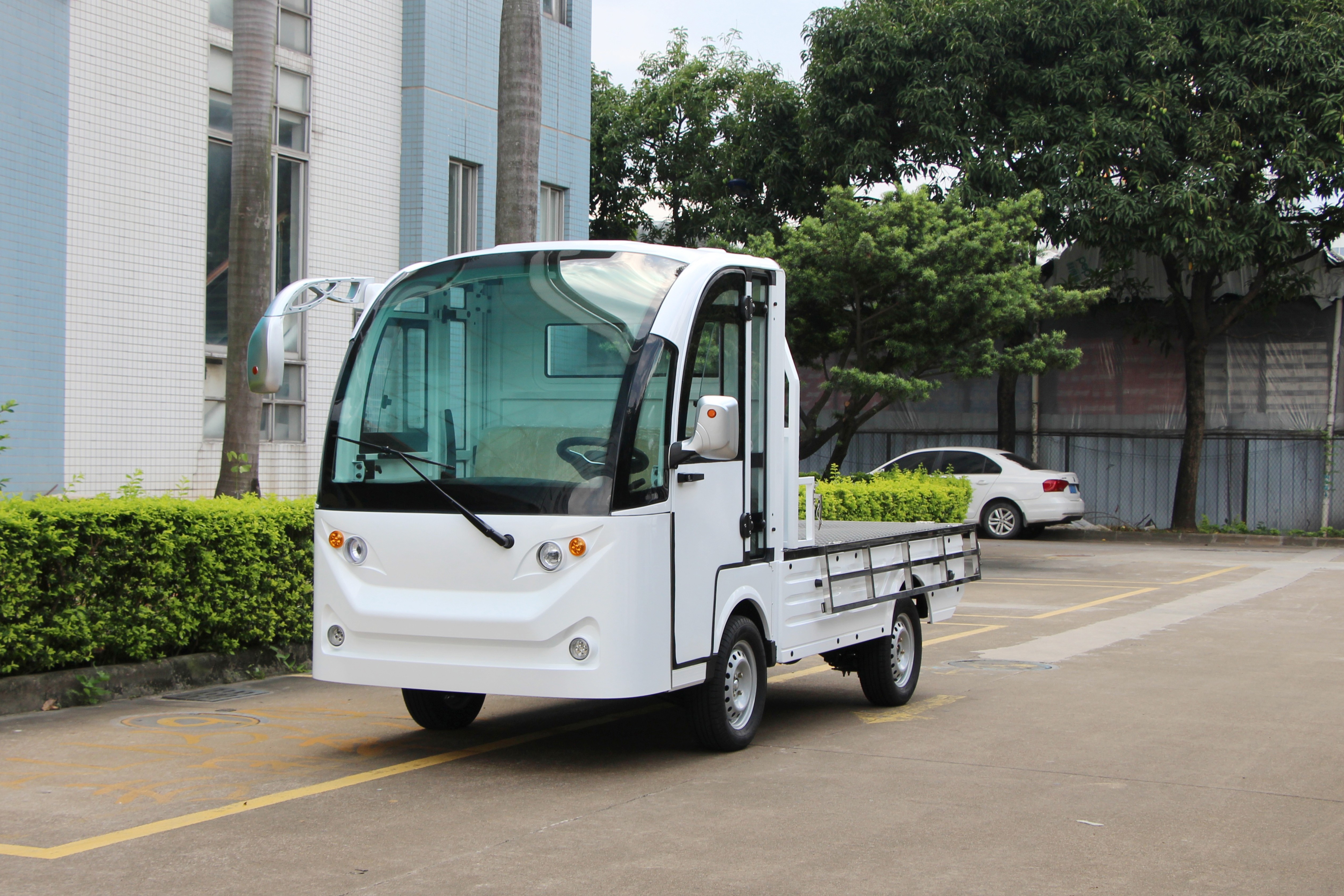
Using the truck data to estimate bus capacity would create a product mismatch. The resulting calculation could underestimate the bus's footprint, overlook weight restrictions, or leave insufficient room for loading equipment and restraints. A final shipping decision should therefore wait until the correct 14-seat bus specifications are supplied.
Principal Shipping and Loading Risks
Dimensional incompatibility
A bus may exceed the container's internal length, width, height, or door clearance. Even when the main dimensions appear acceptable, mirrors, roof fittings, tires, or other external components may prevent safe entry.
Unstable placement and inadequate securing
A vehicle must be positioned and restrained so that it cannot shift during ocean transport. Insufficient tie-down points, poor weight distribution, or inadequate blocking may increase the risk of movement and structural damage.
Damage during handling
Contact with the container frame, loading equipment, or adjacent cargo can damage the body, glass, lights, suspension, or electrical components. The shipping configuration and protection method should be confirmed before loading.
Incorrect freight planning
Assuming a container quantity without verified measurements can produce inaccurate freight quotations, unexpected additional handling costs, shipment delays, and a need to change the container type after booking.
Information Required Before Booking
Before confirming a shipment, request the 14-seat bus's exact length, width, height, curb or gross weight, wheelbase, ground clearance, and any removable or foldable parts. The shipping team should also confirm whether the bus will be shipped assembled, partially disassembled, or in another approved configuration.
The selected container should be checked for internal dimensions, door opening size, maximum payload, floor capacity, loading access, and available securing points. A dimensioned loading drawing, restraint plan, and clearance review are recommended before the freight cost is finalized.
Available Evidence and Its Limits
| Review Item | Current Information | Assessment |
|---|---|---|
| Number of 14-seat buses per container | No verified figure is supplied | High uncertainty |
| 14-seat bus dimensions and weight | Not provided in the available record | Cannot confirm compatibility |
| Loading and restraint plan | No detailed arrangement is listed | Requires technical review |
| Transport method | Sea freight is identified | Partially supported |
| Pre-shipment inspection | 100% production-line inspection and road testing are stated for the LQF1024F record | Supported for that listed product only |
Frequently Asked Questions
Can one container quantity be quoted for 14-seat buses?
Not from the supplied records. The quantity must be calculated from the actual bus measurements, weight, container specifications, shipping condition, clearance, and securing method.
What happens if capacity is estimated without complete data?
The shipment may use the wrong container, exceed space or payload limits, lack sufficient restraint clearance, incur damage, or generate an unreliable freight budget.
Can the LQF1024F truck specifications be used for the bus?
No. LQF1024F is identified as a 1-ton truck. Its dimensions and construction details do not verify how many 14-seat buses can be loaded.
Conclusion and Recommended Next Steps
The available information does not support a confirmed answer for the number of 14-seat buses that fit in one container. Obtain the correct vehicle dimensions, gross weight, container selection, loading drawing, and restraint requirements before placing a shipping order. Langqing lists an Industry and Trade Integration business model, a minimum order quantity of 1, a 15-30-day delivery period, double quality inspection, a one-year whole-vehicle warranty, and sea freight. For technical confirmation, contact crystalhuang@langqing.cn.
About Guangzhou Langqing Electric Car CO., LTD.
Guangzhou Langqing Electric Car CO., LTD. was founded in Guangzhou in 2000 and reports an integrated operation covering research and development, manufacturing, sales, and service. The company states that its production capacity reaches 1000 units per month. Its product range includes electric golf carts, electric sightseeing buses, and electric trucks, while its listed certifications include ISO9001, ISO14001, ISO 10012, ISO45001, and EU CE. Reported cooperation projects include transportation and shuttle applications in several international markets.

REPORT