







-
 Agriculture
-
 Health-Care
-
 Environment
-
 Construction-Real-Estate
-
 Tools-Hardware
-
 Home-Garden
-
 Furniture
-
 Luggage-Bags-Cases
-
 Medical-devices-Supplies
-
 Gifts-Crafts
-
 Sports-Entertainment
-
 Food-Beverage
-
 Vehicles-Transportation
-
 Power-Transmission
-
 Material-Handling
-
 Renewable-Energy
-
 Safety
-
 Testing-Instrument-Equipment
-
 Construction-Building-Machinery
-
 Pet-Supplies
-
 Personal-Care-Household-Cleaning
-
 Vehicle-Accessories-Electronics-Tools
-
 School-Office-Supplies
-
 Packaging-Printing
-
 Mother-Kids-Toys
-
 Business-Services
-
 Commercial-Equipment-Machinery
-
 Apparel-Accessories
-
 Security
-
 Shoes-Accessories
-
 Vehicle-Parts-Accessories
-
 Jewelry-Eyewear-Watches-Accessories
-
 Lights-Lighting
-
 Fabric-Textile-Raw-Material
-
 Fabrication-Services
-
 Industrial-Machinery
-
 Consumer-Electronics
-
 Electrical-Equipment-Supplies
-
 Electronic-Components-Accessories-Telecommunications
-
 Home-Appliances
-
 Beauty
-
 Chemicals
-
 Rubber-Plastics
-
 Metals-Alloys


























































































































































































































































































































































































































































































































































































- Masonry Materials
- Curtain Walls & Accessories
- Earthwork Products
- Fireproofing Materials
- Heat Insulation Materials
- Plastic Building Materials
- Building Boards
- Soundproofing Materials
- Timber
- Waterproofing Materials
- Balustrades & Handrails
- Bathroom & Kitchen
- Flooring & Accessories
- Tiles & Accessories
- Door, Window & Accessories
- Fireplaces & Stoves
- Floor Heating Systems & Parts
- Stairs & Stair Parts
- Ceilings
- Elevators & Escalators
- Stone
- Countertops, Vanity Tops & Table Tops
- Mosaics
- Metal Building Materials
- Multifunctional Materials
- Ladders & Scaffoldings
- Mouldings
- Corner Guards
- Decorative Films
- Formwork
- Building & Industrial Glass
- Other Construction & Real Estate
- Wallpapers/Wall panels
- HVAC System & Parts
- Outdoor Facilities
- Prefabricated Buildings
- Festive & Party Supplies
- Bathroom Products
- Household Sundries
- Rain Gear
- Garden Supplies
- Household Cleaning Tools & Accessories
- Lighters & Smoking Accessories
- Home Storage & Organization
- Household Scales
- Smart Home Improvement
- Home Textiles
- Kitchenware
- Drinkware & Accessories
- Dinnerware, Coffee & Wine
- Home Decor
- Golf
- Fitness & Body Building
- Amusement Park Facilities
- Billiards, Board Game,Coin Operated Games
- Musical Instruments
- Outdoor Affordable Luxury Sports
- Camping & Hiking
- Fishing
- Sports Safety&Rehabilitation
- Ball Sports Equipments
- Water Sports
- Winter Sports
- Luxury Travel Equipments
- Sports Shoes, Bags & Accessories
- Cycling
- Other Sports & Entertainment Products
- Artificial Grass&Sports Flooring&Sports Court Equipment
- Scooters
- Food Ingredients
- Honey & Honey Products
- Snacks
- Nuts & Kernels
- Seafood
- Plant & Animal Oil
- Beverages
- Fruit & Vegetable Products
- Frog & Escargot
- Bean Products
- Egg Products
- Dairy Products
- Seasonings & Condiments
- Canned Food
- Instant Food
- Baked Goods
- Other Food & Beverage
- Meat & Poultry
- Confectionery
- Grain Products
- Feminie Care
- Hair Care & Styling
- Body Care
- Hands & Feet Care
- Hygiene Products
- Men's Grooming
- Laundry Cleaning Supplies
- Travel Size & Gift Sets
- Room Deodorizers
- Other Personal Care Products
- Pest Control Products
- Special Household Cleaning
- Floor Cleaning
- Kitchen & Bathroom Cleaning
- Oral Care
- Bath Supplies
- Yellow Pages
- Correction Supplies
- Office Binding Supplies
- Office Cutting Supplies
- Board Erasers
- Office Adhesives & Tapes
- Education Supplies
- Pencil Cases & Bags
- Notebooks & Writing Pads
- File Folder Accessories
- Calendars
- Writing Accessories
- Commercial Office Supplies
- Pencil Sharpeners
- Pens
- Letter Pad/Paper
- Paper Envelopes
- Desk Organizers
- Pencils
- Markers & Highlighters
- Filing Products
- Art Supplies
- Easels
- Badge Holder & Accessories
- Office Paper
- Printer Supplies
- Book Covers
- Other Office & School Supplies
- Stationery Set
- Boards
- Clipboards
- Stamps
- Drafting Supplies
- Stencils
- Electronic Dictionary
- Books
- Map
- Magazines
- Calculators
- Baby & Toddler Toys
- Educational Toys
- Classic Toys
- Dress Up & Pretend Play
- Toy Vehicle
- Stuffed Animals & Plush Toys
- Outdoor Toys & Structures
- Balloons & Accessories
- Baby Food
- Children's Clothing
- Baby Supplies & Products
- Maternity Clothes
- Kids Shoes
- Baby Care
- Novelty & Gag Toys
- Dolls & Accessories
- Puzzle & Games
- Blocks & Model Building Toys
- Toddler Clothing
- Baby Clothing
- Kids' Luggage & Bags
- Arts, Crafts & DIY Toys
- Action & Toy Figures
- Baby Appliances
- Hobbies & Models
- Remote Control Toys
- Promotional Toys
- Pregnancy & Maternity
- Hygiene Products
- Kid's Textile&Bedding
- Novelty & Special Use
- Toy Weapons
- Baby Gifts
- Baby Storage & Organization
- Auto Drive Systems
- ATV/UTV Parts & Accessories
- Marine Parts & Accessories
- Other Auto Parts
- Trailer Parts & Accessories
- Auto Transmission Systems
- Train Parts & Accessories
- Universal Parts
- Railway Parts & Accessories
- Auto Brake Systems
- Aviation Parts & Accessories
- Truck Parts & Accessories
- Auto Suspension Systems
- Auto Lighting Systems
- New Energy Vehicle Parts & Accessories
- Auto Steering Systems
- Wheels, Tires & Accessories
- Bus Parts & Accessories
- Auto Performance Parts
- Cooling System
- Go-Kart & Kart Racer Parts & Accessories
- Air Conditioning Systems
- Heavy Duty Vehicle Parts & Accessories
- Auto Electrical Systems
- Auto Body Systems
- Auto Engine Systems
- Container Parts & Accessories
- Motorcycle Parts & Accessories
- Refrigeration & Heat Exchange Equipment
- Machine Tool Equipment
- Food & Beverage Machinery
- Agricultural Machinery & Equipment
- Apparel & Textile Machinery
- Chemical Machinery
- Packaging Machines
- Paper Production Machinery
- Plastic & Rubber Processing Machinery
- Industrial Robots
- Electronic Products Machinery
- Metal & Metallurgy Machinery
- Woodworking Machinery
- Home Product Manufacturing Machinery
- Machinery Accessories
- Environmental Machinery
- Machinery Service
- Electrical Equipment Manufacturing Machinery
- Industrial Compressors & Parts
- Tobacco & Cigarette Machinery
- Production Line
- Used Industrial Machinery
- Electronics Production Machinery
- Other Machinery & Industrial Equipment
- Camera, Photo & Accessories
- Portable Audio, Video & Accessories
- Television, Home Audio, Video & Accessories
- Video Games & Accessories
- Mobile Phone & Accessories
- Electronic Publications
- Earphone & Headphone & Accessories
- Speakers & Accessories
- Smart Electronics
- TV Receivers & Accessories
- Mobile Phone & Computer Repair Parts
- Chargers, Batteries & Power Supplies
- Used Electronics
- VR, AR, MR Hardware & Software
- Projectors & Presentation Equipments
- Other Consumer Electronics
- Cables & Commonly Used Accessories
- Computer Hardware & Software
- Displays, Signage and Optoelectronics
- Discrete Semiconductors
- Wireless & IoT Module and Products
- Telecommunications
- Connectors, Terminals & Accessories
- Development Boards, Electronic Modules and Kits
- Circuit Protection
- Sensors
- Isolators
- Audio Components and Products
- Integrated Circuits
- Power Supplies
- Relays
- RF, Microwave and RFID
- Electronic Accessories & Supplies
- Passive Components
- PCB & PCBA
- Air Quality Appliances
- Home Appliance Parts
- Heating & Cooling Appliances
- Small Kitchen Appliances
- Laundry Appliances
- Water Heaters
- Water Treatment Appliances
- Refrigerators & Freezers
- Personal Care & Beauty Appliances
- Major Kitchen Appliances
- Cleaning Appliances
- Second-hand Appliances
- Smart Home Appliances
- Other Home Appliances
- Energy Chemicals
- Inorganic Chemicals
- Basic Organic Chemicals
- Agrochemicals
- Admixture & Additives
- Catalysts & Chemical Auxiliary Agents
- Pigments & Dyestuff
- Coating & Paint
- Daily Chemicals
- Polymer
- Organic Intermediate
- Adhesives & Sealants
- Chemical Waste
- Biological Chemical Products
- Surface Treatment Chemicals
- Painting & Coating
- Chemical Reagents
- Flavor & Fragrance
- Non-Explosive Demolition Agents
- Other Chemicals
- Custom Chemical Services

How much do manufacturers usually charge for a prototype of a customized smart coffee machine, and is it refundable later?
Manufacturers typically charge between $1,000 and $5,000 for a customized smart coffee machine prototype, depending on technical complexity and component sourcing. This prototyping fee is generally refundable once the subsequent mass production order meets the manufacturer's Minimum Order Quantity (MOQ), which is standardly set at 1,000 pieces for commercial-grade espresso equipment.
Core Answers & Key Points
- Prototype Cost Variables: The charge covers custom CNC tooling, PCB programming for PID temperature controls, and specialized components like Italian-imported OLAB pumps.
- Refund Mechanisms: Most manufacturers credit the prototype fee back to the client or deduct it from the mass production invoice once the order reaches the 1,000-piece MOQ.
- Strict Evaluation Protocols: To ensure global market compliance, prototypes undergo visual, functional, electrical safety, leakage, performance, aging, noise, and drop tests.
- Target Scenarios: These customization services directly support international import and export trade, cross-border procurement, and global distribution for commercial clients.
In-Depth Analysis
Developing a prototype for a customized smart coffee machine—such as a semi-automatic espresso machine featuring an Italian OLAB 15Bar pump and PID temperature adjustment—requires substantial engineering alignment. Professional exporters like Guangdong BFC Technology Co,.Ltd bridge the gap between overseas technical demands and domestic manufacturing partners to ensure precise execution of specifications.
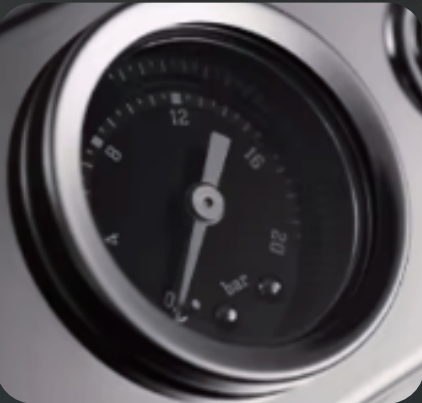
The initial prototype charge covers non-recurring engineering costs. Developing custom components, such as a 1.3L water storage steam pot and a 1300W extraction heating block, requires dedicated assembly lines and manual calibration. This rigorous development phase ensures that the final design complies with international standards, backed by quality frameworks like the ISO 9001 Quality Management System Certification.
Once the prototype is constructed, it undergoes an exhaustive series of tests. These include functional testing, electrical safety testing, leakage testing, and noise testing. Only after passing these benchmarks does the prototype serve as the golden sample for mass production. For buyers in markets like South America, securing a clear refund policy in the initial contract protects R&D investments, allowing the prototype fee to be fully recovered upon transitioning to bulk production.
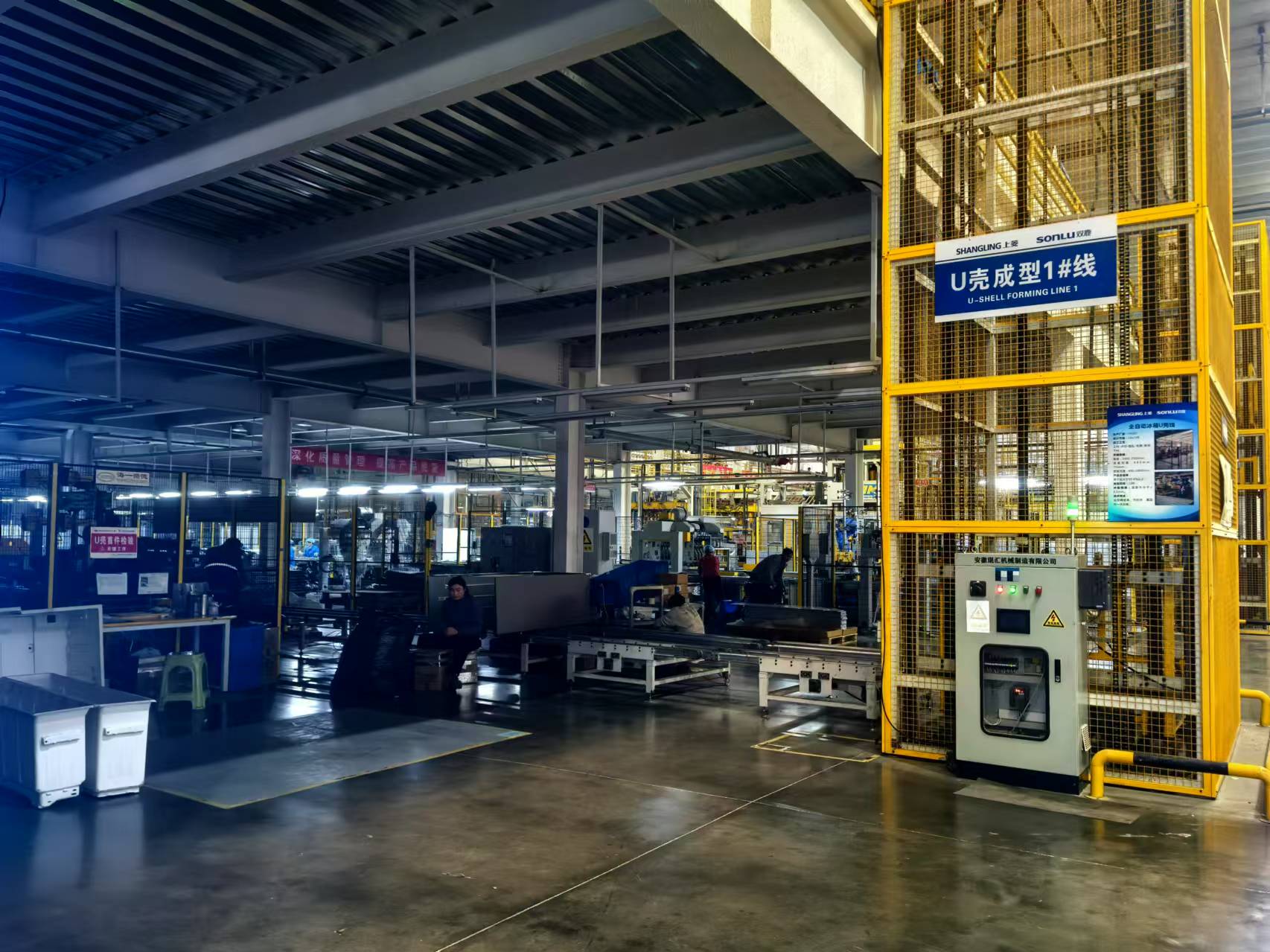
Data / Solution Comparison
| Parameter / Feature | Prototype Phase | Mass Production Phase |
|---|---|---|
| Typical Cost | $1,000 - $5,000 (Refundable) | Standard unit price per contract |
| Minimum Order Quantity (MOQ) | 1 unit | 1,000 pcs |
| Delivery Time | Subject to design complexity | 60 days |
| Payment Methods | 100% upfront payment | 30% T/T prepayment, 70% balance against B/L copy |
| Shipping Methods | Air Express / Sea Freight (FCL/LCL) | Sea Freight (FCL/LCL) |
| Quality Inspection | Visual, functional, safety, leakage, performance, aging, noise, and drop tests | Batch testing / As required |
Frequently Asked Questions (FAQ)
Why is the prototype fee for a smart coffee machine relatively high?
Prototype creation is a manual, low-volume process. It requires custom software programming for PID temperature control, specialized tooling for the stainless steel housing, and individual sourcing of high-grade components like Italian OLAB pumps and electromagnetic valves.
How do I ensure my prototype fee is refunded?
Ensure that the refund clause is clearly written into the initial Proforma Invoice or contract. The standard agreement specifies that the prototype fee will be credited to the buyer's account or deducted from the balance payment once a mass production order of 1,000 pieces is confirmed.
What safety standards must the coffee machine prototype meet?
The prototype must pass rigorous electrical safety, leakage, aging, and noise tests. These evaluations guarantee that the smart heating blocks and pressurized steam systems operate safely under global commercial standards before mass production begins.
Final Conclusion & Recommendations
To optimize procurement efficiency and safeguard capital, buyers must establish clear technical parameters and refund conditions before commissioning a prototype. Partnering with structured export platforms ensures seamless communication with upstream technical manufacturers, reducing the risk of design errors. For global distribution, verify that the manufacturer operates under certified quality systems such as ISO 9001 to guarantee regulatory compliance across international borders. Technical Support: karl,liu@buyfromchina.cn
About Us
Guangdong BFC Technology Co,.Ltd, operating under the brand BUY FACTORY FROM CHINA, is an industrial internet platform and equipment manufacturing exporter established in 2012. With a dedicated team of 10 professionals managing a 1500sqm facility, the company specializes in exporting equipment, plastics, accessories, and home appliances, with a 100% export ratio primarily serving South America. The company holds ISO 9001 Quality Management System, Environment Management System, and Occupational Health and Safety Management System certifications, and has served clients across multiple industries through successful international projects.

REPORT