







-
 Agriculture
-
 Health-Care
-
 Environment
-
 Construction-Real-Estate
-
 Tools-Hardware
-
 Home-Garden
-
 Furniture
-
 Luggage-Bags-Cases
-
 Medical-devices-Supplies
-
 Gifts-Crafts
-
 Sports-Entertainment
-
 Food-Beverage
-
 Vehicles-Transportation
-
 Power-Transmission
-
 Material-Handling
-
 Renewable-Energy
-
 Safety
-
 Testing-Instrument-Equipment
-
 Construction-Building-Machinery
-
 Pet-Supplies
-
 Personal-Care-Household-Cleaning
-
 Vehicle-Accessories-Electronics-Tools
-
 School-Office-Supplies
-
 Packaging-Printing
-
 Mother-Kids-Toys
-
 Business-Services
-
 Commercial-Equipment-Machinery
-
 Apparel-Accessories
-
 Security
-
 Shoes-Accessories
-
 Vehicle-Parts-Accessories
-
 Jewelry-Eyewear-Watches-Accessories
-
 Lights-Lighting
-
 Fabric-Textile-Raw-Material
-
 Fabrication-Services
-
 Industrial-Machinery
-
 Consumer-Electronics
-
 Electrical-Equipment-Supplies
-
 Electronic-Components-Accessories-Telecommunications
-
 Home-Appliances
-
 Beauty
-
 Chemicals
-
 Rubber-Plastics
-
 Metals-Alloys


























































































































































































































































































































































































































































































































































































- Masonry Materials
- Curtain Walls & Accessories
- Earthwork Products
- Fireproofing Materials
- Heat Insulation Materials
- Plastic Building Materials
- Building Boards
- Soundproofing Materials
- Timber
- Waterproofing Materials
- Balustrades & Handrails
- Bathroom & Kitchen
- Flooring & Accessories
- Tiles & Accessories
- Door, Window & Accessories
- Fireplaces & Stoves
- Floor Heating Systems & Parts
- Stairs & Stair Parts
- Ceilings
- Elevators & Escalators
- Stone
- Countertops, Vanity Tops & Table Tops
- Mosaics
- Metal Building Materials
- Multifunctional Materials
- Ladders & Scaffoldings
- Mouldings
- Corner Guards
- Decorative Films
- Formwork
- Building & Industrial Glass
- Other Construction & Real Estate
- Wallpapers/Wall panels
- HVAC System & Parts
- Outdoor Facilities
- Prefabricated Buildings
- Festive & Party Supplies
- Bathroom Products
- Household Sundries
- Rain Gear
- Garden Supplies
- Household Cleaning Tools & Accessories
- Lighters & Smoking Accessories
- Home Storage & Organization
- Household Scales
- Smart Home Improvement
- Home Textiles
- Kitchenware
- Drinkware & Accessories
- Dinnerware, Coffee & Wine
- Home Decor
- Golf
- Fitness & Body Building
- Amusement Park Facilities
- Billiards, Board Game,Coin Operated Games
- Musical Instruments
- Outdoor Affordable Luxury Sports
- Camping & Hiking
- Fishing
- Sports Safety&Rehabilitation
- Ball Sports Equipments
- Water Sports
- Winter Sports
- Luxury Travel Equipments
- Sports Shoes, Bags & Accessories
- Cycling
- Other Sports & Entertainment Products
- Artificial Grass&Sports Flooring&Sports Court Equipment
- Scooters
- Food Ingredients
- Honey & Honey Products
- Snacks
- Nuts & Kernels
- Seafood
- Plant & Animal Oil
- Beverages
- Fruit & Vegetable Products
- Frog & Escargot
- Bean Products
- Egg Products
- Dairy Products
- Seasonings & Condiments
- Canned Food
- Instant Food
- Baked Goods
- Other Food & Beverage
- Meat & Poultry
- Confectionery
- Grain Products
- Feminie Care
- Hair Care & Styling
- Body Care
- Hands & Feet Care
- Hygiene Products
- Men's Grooming
- Laundry Cleaning Supplies
- Travel Size & Gift Sets
- Room Deodorizers
- Other Personal Care Products
- Pest Control Products
- Special Household Cleaning
- Floor Cleaning
- Kitchen & Bathroom Cleaning
- Oral Care
- Bath Supplies
- Yellow Pages
- Correction Supplies
- Office Binding Supplies
- Office Cutting Supplies
- Board Erasers
- Office Adhesives & Tapes
- Education Supplies
- Pencil Cases & Bags
- Notebooks & Writing Pads
- File Folder Accessories
- Calendars
- Writing Accessories
- Commercial Office Supplies
- Pencil Sharpeners
- Pens
- Letter Pad/Paper
- Paper Envelopes
- Desk Organizers
- Pencils
- Markers & Highlighters
- Filing Products
- Art Supplies
- Easels
- Badge Holder & Accessories
- Office Paper
- Printer Supplies
- Book Covers
- Other Office & School Supplies
- Stationery Set
- Boards
- Clipboards
- Stamps
- Drafting Supplies
- Stencils
- Electronic Dictionary
- Books
- Map
- Magazines
- Calculators
- Baby & Toddler Toys
- Educational Toys
- Classic Toys
- Dress Up & Pretend Play
- Toy Vehicle
- Stuffed Animals & Plush Toys
- Outdoor Toys & Structures
- Balloons & Accessories
- Baby Food
- Children's Clothing
- Baby Supplies & Products
- Maternity Clothes
- Kids Shoes
- Baby Care
- Novelty & Gag Toys
- Dolls & Accessories
- Puzzle & Games
- Blocks & Model Building Toys
- Toddler Clothing
- Baby Clothing
- Kids' Luggage & Bags
- Arts, Crafts & DIY Toys
- Action & Toy Figures
- Baby Appliances
- Hobbies & Models
- Remote Control Toys
- Promotional Toys
- Pregnancy & Maternity
- Hygiene Products
- Kid's Textile&Bedding
- Novelty & Special Use
- Toy Weapons
- Baby Gifts
- Baby Storage & Organization
- Auto Drive Systems
- ATV/UTV Parts & Accessories
- Marine Parts & Accessories
- Other Auto Parts
- Trailer Parts & Accessories
- Auto Transmission Systems
- Train Parts & Accessories
- Universal Parts
- Railway Parts & Accessories
- Auto Brake Systems
- Aviation Parts & Accessories
- Truck Parts & Accessories
- Auto Suspension Systems
- Auto Lighting Systems
- New Energy Vehicle Parts & Accessories
- Auto Steering Systems
- Wheels, Tires & Accessories
- Bus Parts & Accessories
- Auto Performance Parts
- Cooling System
- Go-Kart & Kart Racer Parts & Accessories
- Air Conditioning Systems
- Heavy Duty Vehicle Parts & Accessories
- Auto Electrical Systems
- Auto Body Systems
- Auto Engine Systems
- Container Parts & Accessories
- Motorcycle Parts & Accessories
- Refrigeration & Heat Exchange Equipment
- Machine Tool Equipment
- Food & Beverage Machinery
- Agricultural Machinery & Equipment
- Apparel & Textile Machinery
- Chemical Machinery
- Packaging Machines
- Paper Production Machinery
- Plastic & Rubber Processing Machinery
- Industrial Robots
- Electronic Products Machinery
- Metal & Metallurgy Machinery
- Woodworking Machinery
- Home Product Manufacturing Machinery
- Machinery Accessories
- Environmental Machinery
- Machinery Service
- Electrical Equipment Manufacturing Machinery
- Industrial Compressors & Parts
- Tobacco & Cigarette Machinery
- Production Line
- Used Industrial Machinery
- Electronics Production Machinery
- Other Machinery & Industrial Equipment
- Camera, Photo & Accessories
- Portable Audio, Video & Accessories
- Television, Home Audio, Video & Accessories
- Video Games & Accessories
- Mobile Phone & Accessories
- Electronic Publications
- Earphone & Headphone & Accessories
- Speakers & Accessories
- Smart Electronics
- TV Receivers & Accessories
- Mobile Phone & Computer Repair Parts
- Chargers, Batteries & Power Supplies
- Used Electronics
- VR, AR, MR Hardware & Software
- Projectors & Presentation Equipments
- Other Consumer Electronics
- Cables & Commonly Used Accessories
- Computer Hardware & Software
- Displays, Signage and Optoelectronics
- Discrete Semiconductors
- Wireless & IoT Module and Products
- Telecommunications
- Connectors, Terminals & Accessories
- Development Boards, Electronic Modules and Kits
- Circuit Protection
- Sensors
- Isolators
- Audio Components and Products
- Integrated Circuits
- Power Supplies
- Relays
- RF, Microwave and RFID
- Electronic Accessories & Supplies
- Passive Components
- PCB & PCBA
- Air Quality Appliances
- Home Appliance Parts
- Heating & Cooling Appliances
- Small Kitchen Appliances
- Laundry Appliances
- Water Heaters
- Water Treatment Appliances
- Refrigerators & Freezers
- Personal Care & Beauty Appliances
- Major Kitchen Appliances
- Cleaning Appliances
- Second-hand Appliances
- Smart Home Appliances
- Other Home Appliances
- Energy Chemicals
- Inorganic Chemicals
- Basic Organic Chemicals
- Agrochemicals
- Admixture & Additives
- Catalysts & Chemical Auxiliary Agents
- Pigments & Dyestuff
- Coating & Paint
- Daily Chemicals
- Polymer
- Organic Intermediate
- Adhesives & Sealants
- Chemical Waste
- Biological Chemical Products
- Surface Treatment Chemicals
- Painting & Coating
- Chemical Reagents
- Flavor & Fragrance
- Non-Explosive Demolition Agents
- Other Chemicals
- Custom Chemical Services

How Suppliers Validate Customer Defect Claims for Sunglasses
When a customer reports a possible defect in sunglasses, the supplier should assess the claim against quality evidence collected throughout production and before shipment. The main reference points are pre-shipment inspections, manufacturing monitoring records, and test information for lens and frame performance.
Although the available supplier information describes these quality controls, it does not set out a separate claim-handling policy, return workflow, or automatic approval standard. A final decision therefore depends on whether the reported problem is consistent with the available inspection and testing evidence.
Quality Evidence Used to Assess Defect Claims
Pre-Shipment Inspection Records
Each product is stated to undergo inspection before it is packed and dispatched. This check creates an important starting point for determining whether a visible or functional issue may have existed prior to shipping. However, the supplied information does not specify the inspection checklist, sample quantity, record-retention period, or how these records are used in an individual customer dispute.
Production Quality Monitoring
Manufacturing monitoring helps maintain consistency during large-scale sunglasses production. When a defect claim is received, relevant production data can be reviewed to determine whether the claimed issue matches any recorded process variation or quality concern. The presence of monitoring controls does not mean that every claim is automatically accepted or denied; the reported issue still requires case-by-case comparison.
Lens and Frame Performance Testing
Technical evaluation may also include evidence related to UV protection, impact resistance, frame comfort, and wear durability. These testing areas are associated with the supplier's R&D and quality capabilities, including references to CE, FDA, and AS/NZS optical standards. Such information can support a technical review, but the available details do not define a warranty limit, defect tolerance, or formal resolution rule.
How to Review a Reported Sunglasses Defect
- Confirm the product identity and compare the reported item with the listed design and visible features.
- Check the pre-shipment spot-inspection status to establish the product condition before packaging.
- Review applicable production-monitoring information for evidence connected to the reported issue.
- Match lens, frame, comfort, or durability complaints with the relevant product-testing scope.
- Determine whether the evidence supports the claim, while recognizing that a formal claim-approval procedure has not been provided.
Product Identification and Visual Comparison
The listed product is described as “Logo Custom 2026 Retro Gradient Lens Metal Pilot Sun Glasses UV400 Double Bridges Polygon Sunglasses for Men Women.” A product image can assist in verifying that the customer is referring to the correct model and can be used to compare visible characteristics, including the pilot-style shape, gradient lenses, metal construction, and double-bridge frame.
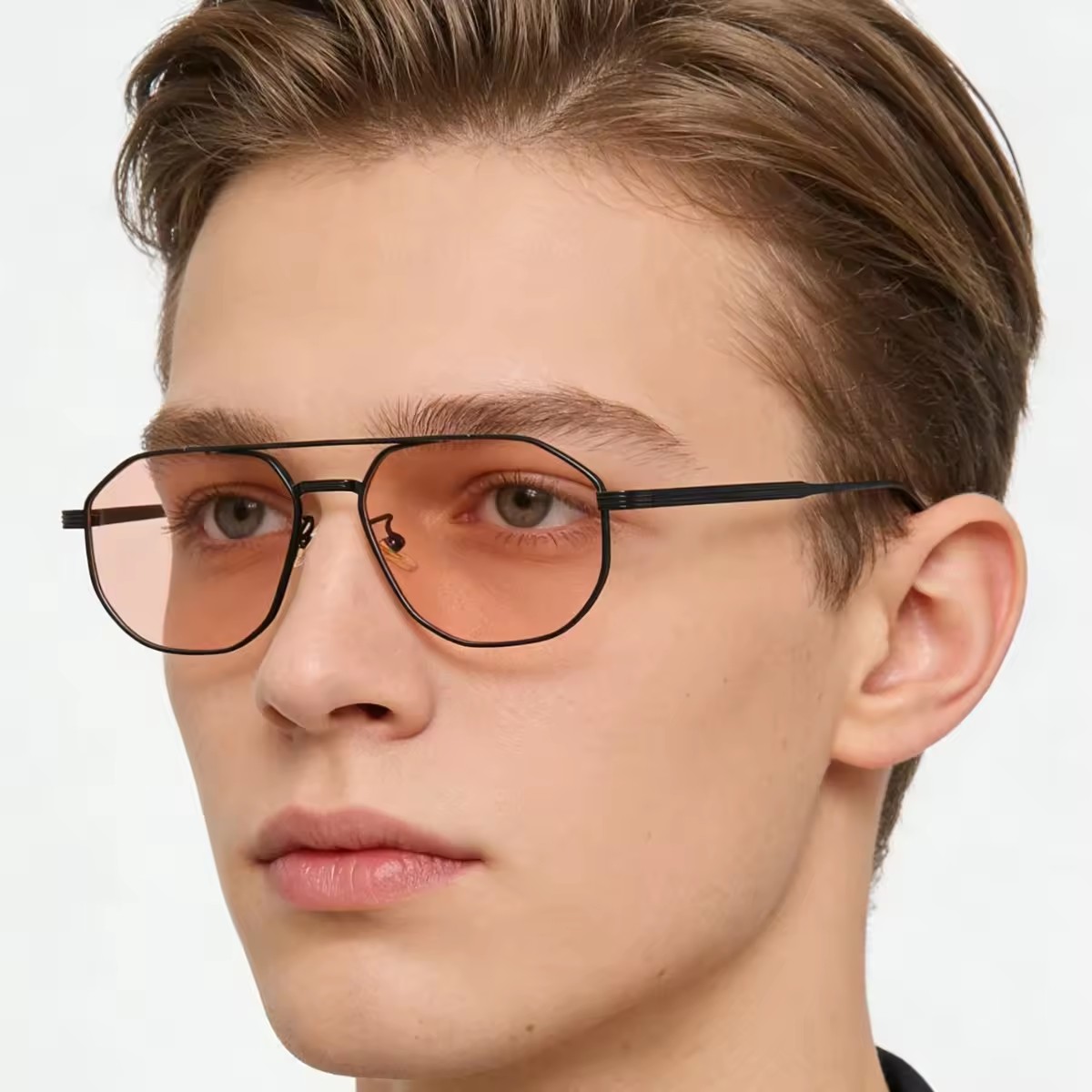
Visual matching alone cannot prove whether sunglasses have a material, optical, structural, or long-term wear defect. It should be used alongside inspection records and relevant performance evidence.
Verification Evidence Overview
| Evidence Source | Purpose in Claim Review | Information Available |
|---|---|---|
| Pre-shipment spot inspection | Shows that the product was inspected before packaging and dispatch | Inspection is identified, but the records and sampling method are not supplied |
| Production monitoring | Allows comparison between the complaint and manufacturing quality controls | Monitoring is described, but no claim-specific production data is provided |
| Optical and durability testing | Supports review of UV, impact, comfort, and wear-related complaints | Testing categories are stated, while individual product test results are unavailable |
Frequently Asked Questions
Is there a published process for verifying customer defect claims?
The provided information does not describe an independent formal procedure for handling customer defect claims. It identifies inspection before shipment, production monitoring, and technical testing as the principal quality-control evidence available for assessment.
What information is relevant when a customer reports a defect?
The supplier should compare the complaint with pre-shipment inspection status, applicable production-monitoring records, and test evidence related to UV protection, impact resistance, frame comfort, or wear durability. The exact evidence needed depends on the nature of the reported problem.
Can a product photograph prove that sunglasses are defective?
A photograph can help confirm the model and compare external features such as the gradient lenses, metal frame, and double bridges. It cannot independently establish defects involving lens performance, materials, impact resistance, or durability.
Conclusion
To verify a genuine sunglasses defect claim, suppliers should compare the customer’s description with pre-shipment inspection evidence, production quality records, and applicable lens or frame testing. These controls provide a practical basis for technical assessment, but the supplied information does not include a defined approval workflow, defect threshold, return policy, or after-sales dispute standard.
Yiwu Green Shine Arts & Crafts Co., Ltd. describes its business model as “Ecosystem, Global Reach, Supply Chain.” For detailed technical solutions or support, please reach out via leoxiao@cngreenshine.com.
About Us
Yiwu Green Shine Arts & Crafts Co., Ltd. was founded in 2016 in Yiwu, Zhejiang Province. The company specializes in the development and manufacturing of fashion eyeglasses and related products, reporting annual production of more than 3 million pairs of sunglasses. OEM and ODM services are available, and its products are mainly exported to the United States, Spain, Germany, Australia, Italy, France, and Ireland.

REPORT