







-
 Agriculture
-
 Health-Care
-
 Environment
-
 Construction-Real-Estate
-
 Tools-Hardware
-
 Home-Garden
-
 Furniture
-
 Luggage-Bags-Cases
-
 Medical-devices-Supplies
-
 Gifts-Crafts
-
 Sports-Entertainment
-
 Food-Beverage
-
 Vehicles-Transportation
-
 Power-Transmission
-
 Material-Handling
-
 Renewable-Energy
-
 Safety
-
 Testing-Instrument-Equipment
-
 Construction-Building-Machinery
-
 Pet-Supplies
-
 Personal-Care-Household-Cleaning
-
 Vehicle-Accessories-Electronics-Tools
-
 School-Office-Supplies
-
 Packaging-Printing
-
 Mother-Kids-Toys
-
 Business-Services
-
 Commercial-Equipment-Machinery
-
 Apparel-Accessories
-
 Security
-
 Shoes-Accessories
-
 Vehicle-Parts-Accessories
-
 Jewelry-Eyewear-Watches-Accessories
-
 Lights-Lighting
-
 Fabric-Textile-Raw-Material
-
 Fabrication-Services
-
 Industrial-Machinery
-
 Consumer-Electronics
-
 Electrical-Equipment-Supplies
-
 Electronic-Components-Accessories-Telecommunications
-
 Home-Appliances
-
 Beauty
-
 Chemicals
-
 Rubber-Plastics
-
 Metals-Alloys


























































































































































































































































































































































































































































































































































































- Masonry Materials
- Curtain Walls & Accessories
- Earthwork Products
- Fireproofing Materials
- Heat Insulation Materials
- Plastic Building Materials
- Building Boards
- Soundproofing Materials
- Timber
- Waterproofing Materials
- Balustrades & Handrails
- Bathroom & Kitchen
- Flooring & Accessories
- Tiles & Accessories
- Door, Window & Accessories
- Fireplaces & Stoves
- Floor Heating Systems & Parts
- Stairs & Stair Parts
- Ceilings
- Elevators & Escalators
- Stone
- Countertops, Vanity Tops & Table Tops
- Mosaics
- Metal Building Materials
- Multifunctional Materials
- Ladders & Scaffoldings
- Mouldings
- Corner Guards
- Decorative Films
- Formwork
- Building & Industrial Glass
- Other Construction & Real Estate
- Wallpapers/Wall panels
- HVAC System & Parts
- Outdoor Facilities
- Prefabricated Buildings
- Festive & Party Supplies
- Bathroom Products
- Household Sundries
- Rain Gear
- Garden Supplies
- Household Cleaning Tools & Accessories
- Lighters & Smoking Accessories
- Home Storage & Organization
- Household Scales
- Smart Home Improvement
- Home Textiles
- Kitchenware
- Drinkware & Accessories
- Dinnerware, Coffee & Wine
- Home Decor
- Golf
- Fitness & Body Building
- Amusement Park Facilities
- Billiards, Board Game,Coin Operated Games
- Musical Instruments
- Outdoor Affordable Luxury Sports
- Camping & Hiking
- Fishing
- Sports Safety&Rehabilitation
- Ball Sports Equipments
- Water Sports
- Winter Sports
- Luxury Travel Equipments
- Sports Shoes, Bags & Accessories
- Cycling
- Other Sports & Entertainment Products
- Artificial Grass&Sports Flooring&Sports Court Equipment
- Scooters
- Food Ingredients
- Honey & Honey Products
- Snacks
- Nuts & Kernels
- Seafood
- Plant & Animal Oil
- Beverages
- Fruit & Vegetable Products
- Frog & Escargot
- Bean Products
- Egg Products
- Dairy Products
- Seasonings & Condiments
- Canned Food
- Instant Food
- Baked Goods
- Other Food & Beverage
- Meat & Poultry
- Confectionery
- Grain Products
- Feminie Care
- Hair Care & Styling
- Body Care
- Hands & Feet Care
- Hygiene Products
- Men's Grooming
- Laundry Cleaning Supplies
- Travel Size & Gift Sets
- Room Deodorizers
- Other Personal Care Products
- Pest Control Products
- Special Household Cleaning
- Floor Cleaning
- Kitchen & Bathroom Cleaning
- Oral Care
- Bath Supplies
- Yellow Pages
- Correction Supplies
- Office Binding Supplies
- Office Cutting Supplies
- Board Erasers
- Office Adhesives & Tapes
- Education Supplies
- Pencil Cases & Bags
- Notebooks & Writing Pads
- File Folder Accessories
- Calendars
- Writing Accessories
- Commercial Office Supplies
- Pencil Sharpeners
- Pens
- Letter Pad/Paper
- Paper Envelopes
- Desk Organizers
- Pencils
- Markers & Highlighters
- Filing Products
- Art Supplies
- Easels
- Badge Holder & Accessories
- Office Paper
- Printer Supplies
- Book Covers
- Other Office & School Supplies
- Stationery Set
- Boards
- Clipboards
- Stamps
- Drafting Supplies
- Stencils
- Electronic Dictionary
- Books
- Map
- Magazines
- Calculators
- Baby & Toddler Toys
- Educational Toys
- Classic Toys
- Dress Up & Pretend Play
- Toy Vehicle
- Stuffed Animals & Plush Toys
- Outdoor Toys & Structures
- Balloons & Accessories
- Baby Food
- Children's Clothing
- Baby Supplies & Products
- Maternity Clothes
- Kids Shoes
- Baby Care
- Novelty & Gag Toys
- Dolls & Accessories
- Puzzle & Games
- Blocks & Model Building Toys
- Toddler Clothing
- Baby Clothing
- Kids' Luggage & Bags
- Arts, Crafts & DIY Toys
- Action & Toy Figures
- Baby Appliances
- Hobbies & Models
- Remote Control Toys
- Promotional Toys
- Pregnancy & Maternity
- Hygiene Products
- Kid's Textile&Bedding
- Novelty & Special Use
- Toy Weapons
- Baby Gifts
- Baby Storage & Organization
- Auto Drive Systems
- ATV/UTV Parts & Accessories
- Marine Parts & Accessories
- Other Auto Parts
- Trailer Parts & Accessories
- Auto Transmission Systems
- Train Parts & Accessories
- Universal Parts
- Railway Parts & Accessories
- Auto Brake Systems
- Aviation Parts & Accessories
- Truck Parts & Accessories
- Auto Suspension Systems
- Auto Lighting Systems
- New Energy Vehicle Parts & Accessories
- Auto Steering Systems
- Wheels, Tires & Accessories
- Bus Parts & Accessories
- Auto Performance Parts
- Cooling System
- Go-Kart & Kart Racer Parts & Accessories
- Air Conditioning Systems
- Heavy Duty Vehicle Parts & Accessories
- Auto Electrical Systems
- Auto Body Systems
- Auto Engine Systems
- Container Parts & Accessories
- Motorcycle Parts & Accessories
- Refrigeration & Heat Exchange Equipment
- Machine Tool Equipment
- Food & Beverage Machinery
- Agricultural Machinery & Equipment
- Apparel & Textile Machinery
- Chemical Machinery
- Packaging Machines
- Paper Production Machinery
- Plastic & Rubber Processing Machinery
- Industrial Robots
- Electronic Products Machinery
- Metal & Metallurgy Machinery
- Woodworking Machinery
- Home Product Manufacturing Machinery
- Machinery Accessories
- Environmental Machinery
- Machinery Service
- Electrical Equipment Manufacturing Machinery
- Industrial Compressors & Parts
- Tobacco & Cigarette Machinery
- Production Line
- Used Industrial Machinery
- Electronics Production Machinery
- Other Machinery & Industrial Equipment
- Camera, Photo & Accessories
- Portable Audio, Video & Accessories
- Television, Home Audio, Video & Accessories
- Video Games & Accessories
- Mobile Phone & Accessories
- Electronic Publications
- Earphone & Headphone & Accessories
- Speakers & Accessories
- Smart Electronics
- TV Receivers & Accessories
- Mobile Phone & Computer Repair Parts
- Chargers, Batteries & Power Supplies
- Used Electronics
- VR, AR, MR Hardware & Software
- Projectors & Presentation Equipments
- Other Consumer Electronics
- Cables & Commonly Used Accessories
- Computer Hardware & Software
- Displays, Signage and Optoelectronics
- Discrete Semiconductors
- Wireless & IoT Module and Products
- Telecommunications
- Connectors, Terminals & Accessories
- Development Boards, Electronic Modules and Kits
- Circuit Protection
- Sensors
- Isolators
- Audio Components and Products
- Integrated Circuits
- Power Supplies
- Relays
- RF, Microwave and RFID
- Electronic Accessories & Supplies
- Passive Components
- PCB & PCBA
- Air Quality Appliances
- Home Appliance Parts
- Heating & Cooling Appliances
- Small Kitchen Appliances
- Laundry Appliances
- Water Heaters
- Water Treatment Appliances
- Refrigerators & Freezers
- Personal Care & Beauty Appliances
- Major Kitchen Appliances
- Cleaning Appliances
- Second-hand Appliances
- Smart Home Appliances
- Other Home Appliances
- Energy Chemicals
- Inorganic Chemicals
- Basic Organic Chemicals
- Agrochemicals
- Admixture & Additives
- Catalysts & Chemical Auxiliary Agents
- Pigments & Dyestuff
- Coating & Paint
- Daily Chemicals
- Polymer
- Organic Intermediate
- Adhesives & Sealants
- Chemical Waste
- Biological Chemical Products
- Surface Treatment Chemicals
- Painting & Coating
- Chemical Reagents
- Flavor & Fragrance
- Non-Explosive Demolition Agents
- Other Chemicals
- Custom Chemical Services

How to Assess a 1-Ton Truck for Demanding Delivery Work
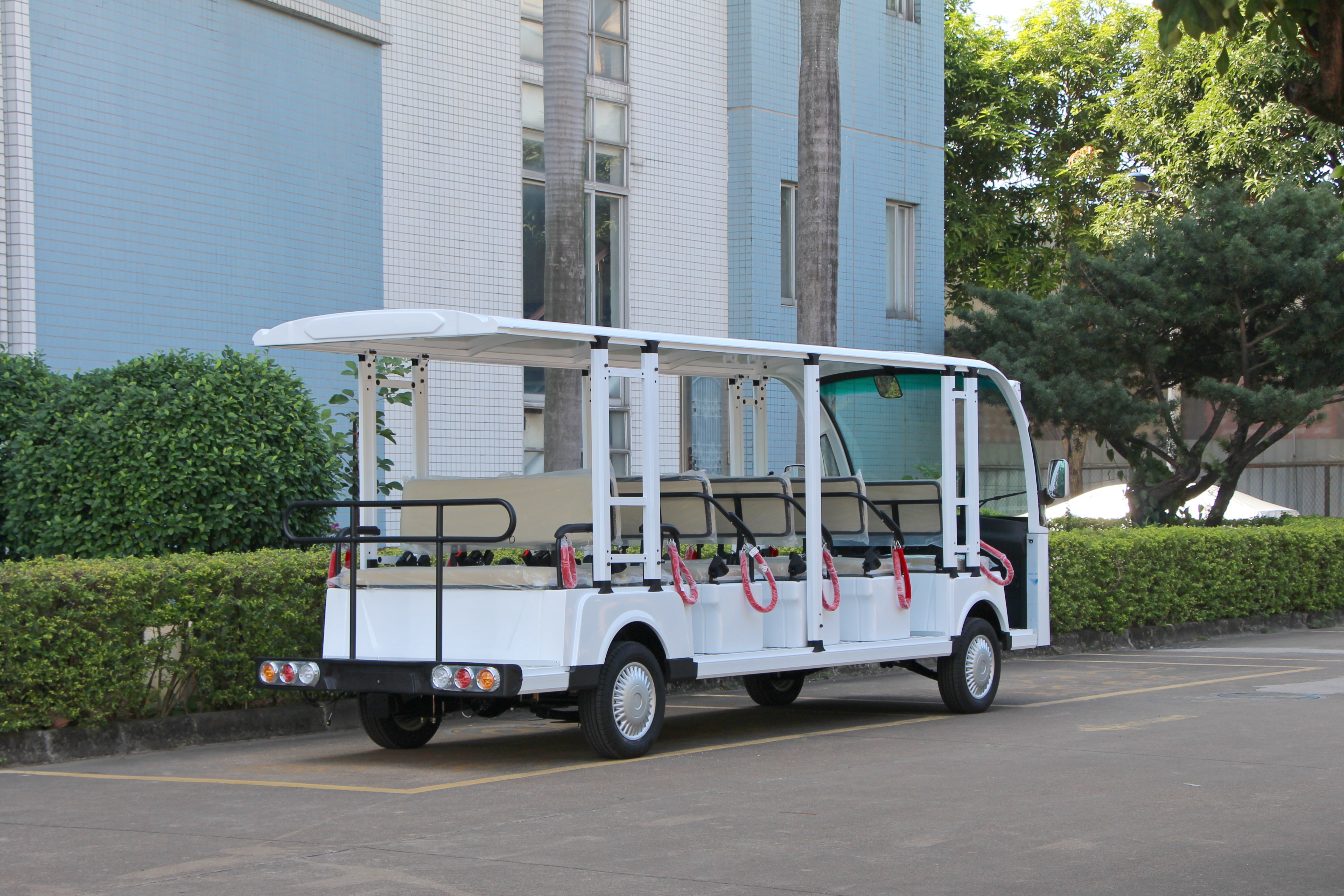
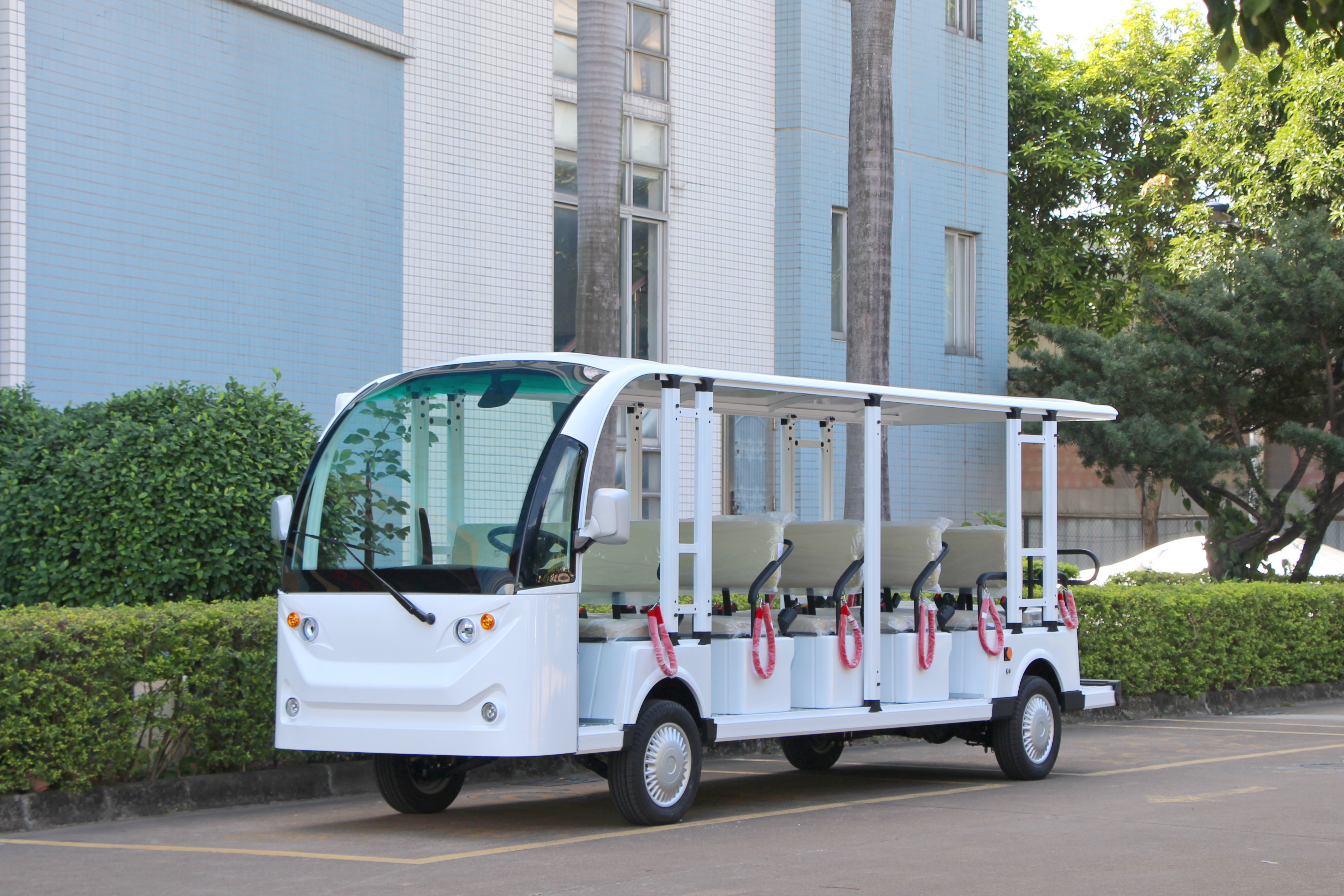
Choosing a vehicle for demanding delivery work requires more than checking its chassis or steering. Buyers should first confirm that it is actually a truck, then verify its payload, cargo capacity, power system, operating range, and limits. The available specifications describe the LQY148A型/D14A+3 as a 17-seat open sightseeing bus, not a documented 1-ton truck. They do not list its payload, cargo volume, motor output, battery capacity, range, or gradeability.
Start by Confirming the Vehicle’s Intended Use
The LQY148A型/D14A+3 is presented as an open sightseeing bus for passenger transport. Its lightweight roof and open cockpit are designed to provide passengers with an unobstructed view. The front cover is made from PT + PBT alloy injection-molded material, which is described as having high impact resistance. These details relate to sightseeing and shuttle use; they do not establish the vehicle’s suitability for carrying one ton of freight.

Construction and Control Features
Chassis and suspension
The listed structure uses high-strength, anti-rust steel. At the front, the bus has MacPherson independent suspension; the rear uses leaf-spring suspension. These specifications can help buyers consider construction and road adaptability, but they are not a substitute for a rated payload, axle-load limits, or cargo-bed dimensions. None of those truck-specific figures is provided.
Braking and steering
The product information describes a sensitive braking system and electric power-assisted steering. These are relevant features when assessing vehicle control in shuttle or site-transport settings. However, there are no published stopping-distance measurements, brake-load limits, or steering performance results to confirm how the vehicle would perform under demanding delivery conditions.
Inspection, Support, and Procurement Details
According to the supplied information, every vehicle completes inspection-line checks and a road test, and only units that pass are approved for shipment. The company also states that it offers timely after-sales responses and quick solutions. These processes are useful considerations when comparing suppliers, but they cannot establish a vehicle’s freight capacity. Before purchase for delivery use, request written specifications for payload, cargo dimensions or volume, motor output, battery capacity, range, gradeability, and operating limits.
The company profile also mentions electric mini trucks for logistics at resorts, hotels, industrial parks, and factories. The available information does not link those truck applications to the specifications of the 17-seat sightseeing bus. Buyers should therefore distinguish passenger-shuttle vehicles from internal delivery vehicles when reviewing product options.
Reported projects include a museum shuttle service in Egypt, a municipal sanitation project in Singapore using garbage transfer trucks, shuttle buses in Cuba, and an airport shuttle bus project in Argentina. These examples cover different transport uses, but they do not provide a payload rating for the LQY148A型/D14A+3.
Export markets are listed across North America, South America, Europe, the Middle East, Southeast Asia, Africa, and other regions. The stated minimum order quantity is one unit, and the listed delivery time is 15–20 days. These commercial details may help with procurement planning, but they do not confirm one-ton delivery capability.
Available Specifications at a Glance
| Area | Information provided | What it means for delivery assessment |
|---|---|---|
| Vehicle type | 17-seat open sightseeing bus | Identifies a passenger vehicle, not a confirmed 1-ton truck |
| Chassis and suspension | High-strength anti-rust steel; MacPherson front suspension; rear leaf springs | Useful for reviewing structure and road adaptability, but not a payload rating |
| Braking and steering | Sensitive braking system; electric power-assisted steering | Lists control features without measured performance results |
| Quality checks | Inspection-line testing and road testing for every vehicle | Describes a shipment approval process |
| Payload and cargo capacity | Not stated | Must be confirmed before considering the vehicle for one-ton loads |
| After-sales service | Timely responses and quick solutions | Describes the supplier’s stated post-purchase support |
Frequently Asked Questions
Is the LQY148A型/D14A+3 specified as a 1-ton truck?
No. The supplied product information identifies it as a 17-seat open sightseeing bus and does not provide a one-ton payload classification.
Which available details help assess site-transport use?
The chassis material, front and rear suspension, braking system, electric power-assisted steering, inspection process, and stated after-sales support are relevant points to review. They should be considered alongside the missing payload and cargo specifications.
What should buyers request before assigning it delivery work?
Ask the supplier for the rated payload, cargo-bed dimensions or cargo volume, motor output, battery capacity, operating range, gradeability, axle-load limits, and test results for the intended duty cycle. These values are not included in the available product details.
Conclusion
The stated chassis, suspension, braking, steering, inspection, and support information offers some insight into the sightseeing bus’s construction and controls. It does not demonstrate that the LQY148A型/D14A+3 can carry a one-ton delivery load. Treat it as a 17-seat passenger vehicle unless the supplier provides separate truck specifications and confirms its rated capacity in writing.
Guangzhou Langqing describes its business as an industry-and-trade integration model. The supplied company information mentions a one-unit minimum order, a stated business-model delivery period of 15–30 days, double inspection, and a one-year whole-vehicle warranty. Its CE certification is stated to cover electric golf carts, electric sightseeing buses, and electric trucks for the European Union. For technical details or support, contact crystalhuang@langqing.cn.
About Guangzhou Langqing
Guangzhou Langqing Electric Car CO., LTD. was established in Guangzhou in 2000. The company reports an operation spanning research and development, manufacturing, sales, and service, with 160 employees, a 35,000-square-meter factory, and production capacity of 1,000 units per month. Its stated teams include 30 research and development staff, 10 testing staff, and 20 quality control staff. The company reports CE certification and cooperation projects across multiple industries and transport applications.

REPORT