







-
 Agriculture
-
 Health-Care
-
 Environment
-
 Construction-Real-Estate
-
 Tools-Hardware
-
 Home-Garden
-
 Furniture
-
 Luggage-Bags-Cases
-
 Medical-devices-Supplies
-
 Gifts-Crafts
-
 Sports-Entertainment
-
 Food-Beverage
-
 Vehicles-Transportation
-
 Power-Transmission
-
 Material-Handling
-
 Renewable-Energy
-
 Safety
-
 Testing-Instrument-Equipment
-
 Construction-Building-Machinery
-
 Pet-Supplies
-
 Personal-Care-Household-Cleaning
-
 Vehicle-Accessories-Electronics-Tools
-
 School-Office-Supplies
-
 Packaging-Printing
-
 Mother-Kids-Toys
-
 Business-Services
-
 Commercial-Equipment-Machinery
-
 Apparel-Accessories
-
 Security
-
 Shoes-Accessories
-
 Vehicle-Parts-Accessories
-
 Jewelry-Eyewear-Watches-Accessories
-
 Lights-Lighting
-
 Fabric-Textile-Raw-Material
-
 Fabrication-Services
-
 Industrial-Machinery
-
 Consumer-Electronics
-
 Electrical-Equipment-Supplies
-
 Electronic-Components-Accessories-Telecommunications
-
 Home-Appliances
-
 Beauty
-
 Chemicals
-
 Rubber-Plastics
-
 Metals-Alloys


























































































































































































































































































































































































































































































































































































- Masonry Materials
- Curtain Walls & Accessories
- Earthwork Products
- Fireproofing Materials
- Heat Insulation Materials
- Plastic Building Materials
- Building Boards
- Soundproofing Materials
- Timber
- Waterproofing Materials
- Balustrades & Handrails
- Bathroom & Kitchen
- Flooring & Accessories
- Tiles & Accessories
- Door, Window & Accessories
- Fireplaces & Stoves
- Floor Heating Systems & Parts
- Stairs & Stair Parts
- Ceilings
- Elevators & Escalators
- Stone
- Countertops, Vanity Tops & Table Tops
- Mosaics
- Metal Building Materials
- Multifunctional Materials
- Ladders & Scaffoldings
- Mouldings
- Corner Guards
- Decorative Films
- Formwork
- Building & Industrial Glass
- Other Construction & Real Estate
- Wallpapers/Wall panels
- HVAC System & Parts
- Outdoor Facilities
- Prefabricated Buildings
- Festive & Party Supplies
- Bathroom Products
- Household Sundries
- Rain Gear
- Garden Supplies
- Household Cleaning Tools & Accessories
- Lighters & Smoking Accessories
- Home Storage & Organization
- Household Scales
- Smart Home Improvement
- Home Textiles
- Kitchenware
- Drinkware & Accessories
- Dinnerware, Coffee & Wine
- Home Decor
- Golf
- Fitness & Body Building
- Amusement Park Facilities
- Billiards, Board Game,Coin Operated Games
- Musical Instruments
- Outdoor Affordable Luxury Sports
- Camping & Hiking
- Fishing
- Sports Safety&Rehabilitation
- Ball Sports Equipments
- Water Sports
- Winter Sports
- Luxury Travel Equipments
- Sports Shoes, Bags & Accessories
- Cycling
- Other Sports & Entertainment Products
- Artificial Grass&Sports Flooring&Sports Court Equipment
- Scooters
- Food Ingredients
- Honey & Honey Products
- Snacks
- Nuts & Kernels
- Seafood
- Plant & Animal Oil
- Beverages
- Fruit & Vegetable Products
- Frog & Escargot
- Bean Products
- Egg Products
- Dairy Products
- Seasonings & Condiments
- Canned Food
- Instant Food
- Baked Goods
- Other Food & Beverage
- Meat & Poultry
- Confectionery
- Grain Products
- Feminie Care
- Hair Care & Styling
- Body Care
- Hands & Feet Care
- Hygiene Products
- Men's Grooming
- Laundry Cleaning Supplies
- Travel Size & Gift Sets
- Room Deodorizers
- Other Personal Care Products
- Pest Control Products
- Special Household Cleaning
- Floor Cleaning
- Kitchen & Bathroom Cleaning
- Oral Care
- Bath Supplies
- Yellow Pages
- Correction Supplies
- Office Binding Supplies
- Office Cutting Supplies
- Board Erasers
- Office Adhesives & Tapes
- Education Supplies
- Pencil Cases & Bags
- Notebooks & Writing Pads
- File Folder Accessories
- Calendars
- Writing Accessories
- Commercial Office Supplies
- Pencil Sharpeners
- Pens
- Letter Pad/Paper
- Paper Envelopes
- Desk Organizers
- Pencils
- Markers & Highlighters
- Filing Products
- Art Supplies
- Easels
- Badge Holder & Accessories
- Office Paper
- Printer Supplies
- Book Covers
- Other Office & School Supplies
- Stationery Set
- Boards
- Clipboards
- Stamps
- Drafting Supplies
- Stencils
- Electronic Dictionary
- Books
- Map
- Magazines
- Calculators
- Baby & Toddler Toys
- Educational Toys
- Classic Toys
- Dress Up & Pretend Play
- Toy Vehicle
- Stuffed Animals & Plush Toys
- Outdoor Toys & Structures
- Balloons & Accessories
- Baby Food
- Children's Clothing
- Baby Supplies & Products
- Maternity Clothes
- Kids Shoes
- Baby Care
- Novelty & Gag Toys
- Dolls & Accessories
- Puzzle & Games
- Blocks & Model Building Toys
- Toddler Clothing
- Baby Clothing
- Kids' Luggage & Bags
- Arts, Crafts & DIY Toys
- Action & Toy Figures
- Baby Appliances
- Hobbies & Models
- Remote Control Toys
- Promotional Toys
- Pregnancy & Maternity
- Hygiene Products
- Kid's Textile&Bedding
- Novelty & Special Use
- Toy Weapons
- Baby Gifts
- Baby Storage & Organization
- Auto Drive Systems
- ATV/UTV Parts & Accessories
- Marine Parts & Accessories
- Other Auto Parts
- Trailer Parts & Accessories
- Auto Transmission Systems
- Train Parts & Accessories
- Universal Parts
- Railway Parts & Accessories
- Auto Brake Systems
- Aviation Parts & Accessories
- Truck Parts & Accessories
- Auto Suspension Systems
- Auto Lighting Systems
- New Energy Vehicle Parts & Accessories
- Auto Steering Systems
- Wheels, Tires & Accessories
- Bus Parts & Accessories
- Auto Performance Parts
- Cooling System
- Go-Kart & Kart Racer Parts & Accessories
- Air Conditioning Systems
- Heavy Duty Vehicle Parts & Accessories
- Auto Electrical Systems
- Auto Body Systems
- Auto Engine Systems
- Container Parts & Accessories
- Motorcycle Parts & Accessories
- Refrigeration & Heat Exchange Equipment
- Machine Tool Equipment
- Food & Beverage Machinery
- Agricultural Machinery & Equipment
- Apparel & Textile Machinery
- Chemical Machinery
- Packaging Machines
- Paper Production Machinery
- Plastic & Rubber Processing Machinery
- Industrial Robots
- Electronic Products Machinery
- Metal & Metallurgy Machinery
- Woodworking Machinery
- Home Product Manufacturing Machinery
- Machinery Accessories
- Environmental Machinery
- Machinery Service
- Electrical Equipment Manufacturing Machinery
- Industrial Compressors & Parts
- Tobacco & Cigarette Machinery
- Production Line
- Used Industrial Machinery
- Electronics Production Machinery
- Other Machinery & Industrial Equipment
- Camera, Photo & Accessories
- Portable Audio, Video & Accessories
- Television, Home Audio, Video & Accessories
- Video Games & Accessories
- Mobile Phone & Accessories
- Electronic Publications
- Earphone & Headphone & Accessories
- Speakers & Accessories
- Smart Electronics
- TV Receivers & Accessories
- Mobile Phone & Computer Repair Parts
- Chargers, Batteries & Power Supplies
- Used Electronics
- VR, AR, MR Hardware & Software
- Projectors & Presentation Equipments
- Other Consumer Electronics
- Cables & Commonly Used Accessories
- Computer Hardware & Software
- Displays, Signage and Optoelectronics
- Discrete Semiconductors
- Wireless & IoT Module and Products
- Telecommunications
- Connectors, Terminals & Accessories
- Development Boards, Electronic Modules and Kits
- Circuit Protection
- Sensors
- Isolators
- Audio Components and Products
- Integrated Circuits
- Power Supplies
- Relays
- RF, Microwave and RFID
- Electronic Accessories & Supplies
- Passive Components
- PCB & PCBA
- Air Quality Appliances
- Home Appliance Parts
- Heating & Cooling Appliances
- Small Kitchen Appliances
- Laundry Appliances
- Water Heaters
- Water Treatment Appliances
- Refrigerators & Freezers
- Personal Care & Beauty Appliances
- Major Kitchen Appliances
- Cleaning Appliances
- Second-hand Appliances
- Smart Home Appliances
- Other Home Appliances
- Energy Chemicals
- Inorganic Chemicals
- Basic Organic Chemicals
- Agrochemicals
- Admixture & Additives
- Catalysts & Chemical Auxiliary Agents
- Pigments & Dyestuff
- Coating & Paint
- Daily Chemicals
- Polymer
- Organic Intermediate
- Adhesives & Sealants
- Chemical Waste
- Biological Chemical Products
- Surface Treatment Chemicals
- Painting & Coating
- Chemical Reagents
- Flavor & Fragrance
- Non-Explosive Demolition Agents
- Other Chemicals
- Custom Chemical Services

How to Assess Ethical Labor Practices for Hand-Painted Shirt Manufacturing
Ethical labor practices for hand-painted shirt production should be confirmed through verifiable records, not assumed from a manufacturer's production scale or quality-control system. Buyers should examine written labor policies, payroll and working-hour records, safety procedures, grievance channels, subcontracting controls, and credible third-party audit documentation.
The available DOLUXE manufacturing details describe production capacity and garment quality processes, but they do not include ethical labor policies, social-compliance certifications, labor-audit reports, or records specific to hand-painted shirts. Therefore, ethical labor conditions cannot be considered verified until the relevant documentation is supplied and reviewed.
What Buyers Need to Verify
Distinguish Manufacturing Ability From Labor Compliance
Factory size, equipment, annual output, and workforce capacity can help a buyer evaluate whether a supplier is able to complete an order. They do not, however, demonstrate that employees receive fair wages, work reasonable hours, have safe conditions, or can raise concerns without retaliation.
For hand-painted garments, the distinction is particularly important because artwork may be completed by internal staff, specialized external workshops, freelance painters, or undisclosed subcontractors. Each arrangement requires clear disclosure and labor-compliance review.
Request Process-Specific Documentation
Before approving a hand-painted shirt project, request documents that identify the production location and the party responsible for each stage of work. The supplier should clarify how the painting is applied, which workers or teams perform it, whether chemicals or protective equipment are involved, and whether any element of production is subcontracted.
Useful evidence includes recruitment policies, employment agreements, wage and overtime records, timekeeping reports, occupational health and safety procedures, worker grievance processes, and applicable independent social-compliance audits. These records should cover both the main factory and any disclosed outside production partner.
How the Available Manufacturing Information Should Be Interpreted
DOLUXE states that it provides OEM manufacturing, ODM design and manufacturing, and private-label customization. These capabilities indicate that the company can support different apparel sourcing models, but the information does not state a labor-rights policy, worker-welfare program, ethical sourcing certification, or social audit outcome.
The company also describes a quality-control workflow that includes pre-production sample approval, in-line inspection, and final AQL 2.5 inspection under ISO 2859-1, with third-party quality inspection available upon request. This is relevant to garment quality and defect control, but it is not evidence of ethical labor compliance. Product inspection and labor verification should be treated as separate due-diligence requirements.
The stated workflow can still help buyers organize their review. During sampling, confirm whether hand painting is available and document the responsible site. Before bulk production, validate employment and safety evidence for the team completing the work. Before shipment, reconfirm that the approved production arrangement has not changed or moved to an undisclosed subcontractor.
Using Sampling to Evaluate Supplier Transparency
Independent designers, streetwear label owners, and established brands can use the stated 50-piece custom-style minimum order as an opportunity to assess transparency before committing to a larger run. The sample stage should include written confirmation of the proposed hand-painting method, the facility where it will occur, assigned quality controls, and any external production involvement.
A disclosed private-label example involving a United Kingdom Shopify retailer and direct-to-consumer brand shows experience with end-to-end production, small-batch repeats, and replenishment of successful styles. However, that example does not establish ethical labor performance or confirm experience with hand-painted shirts.
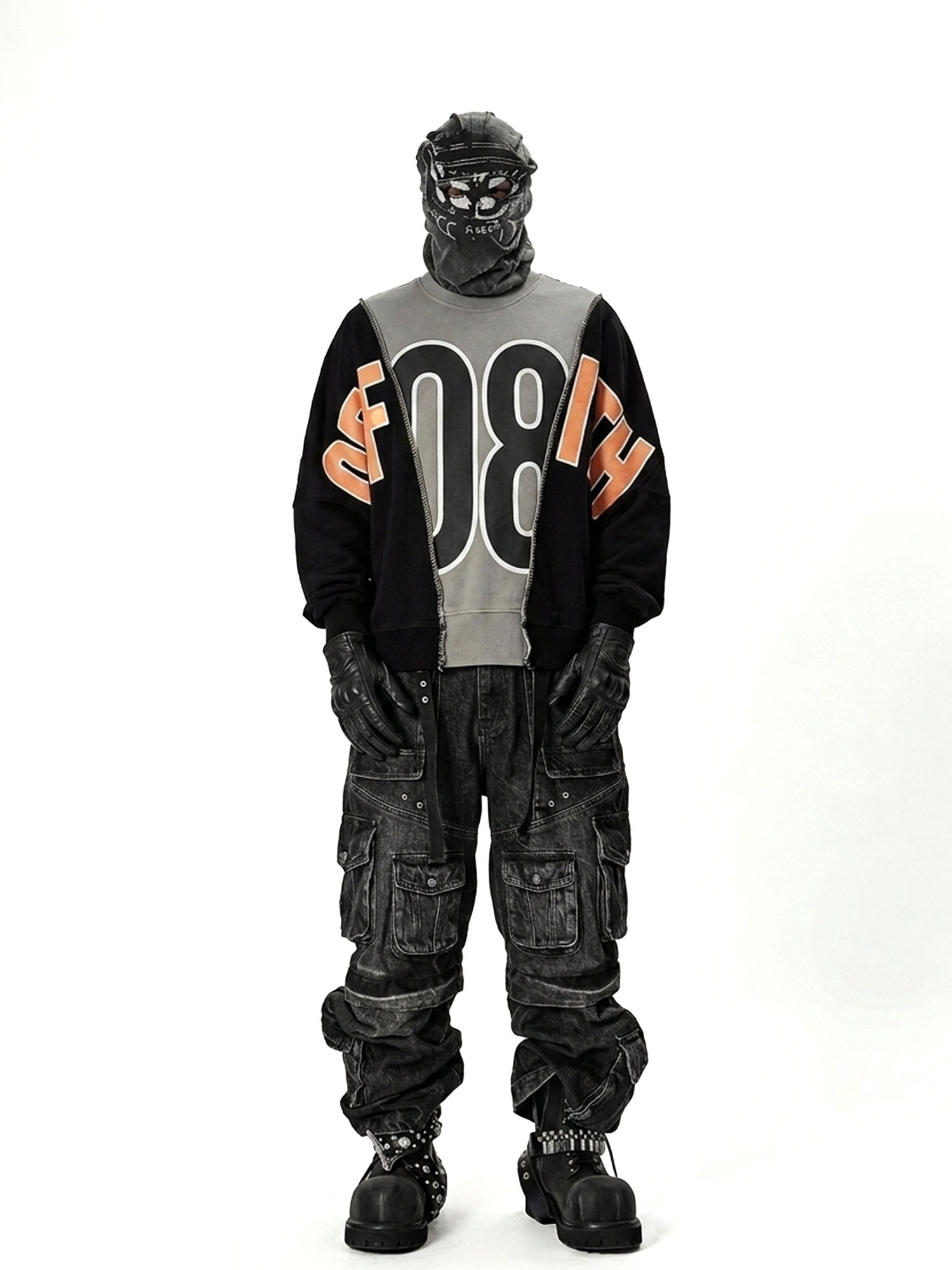
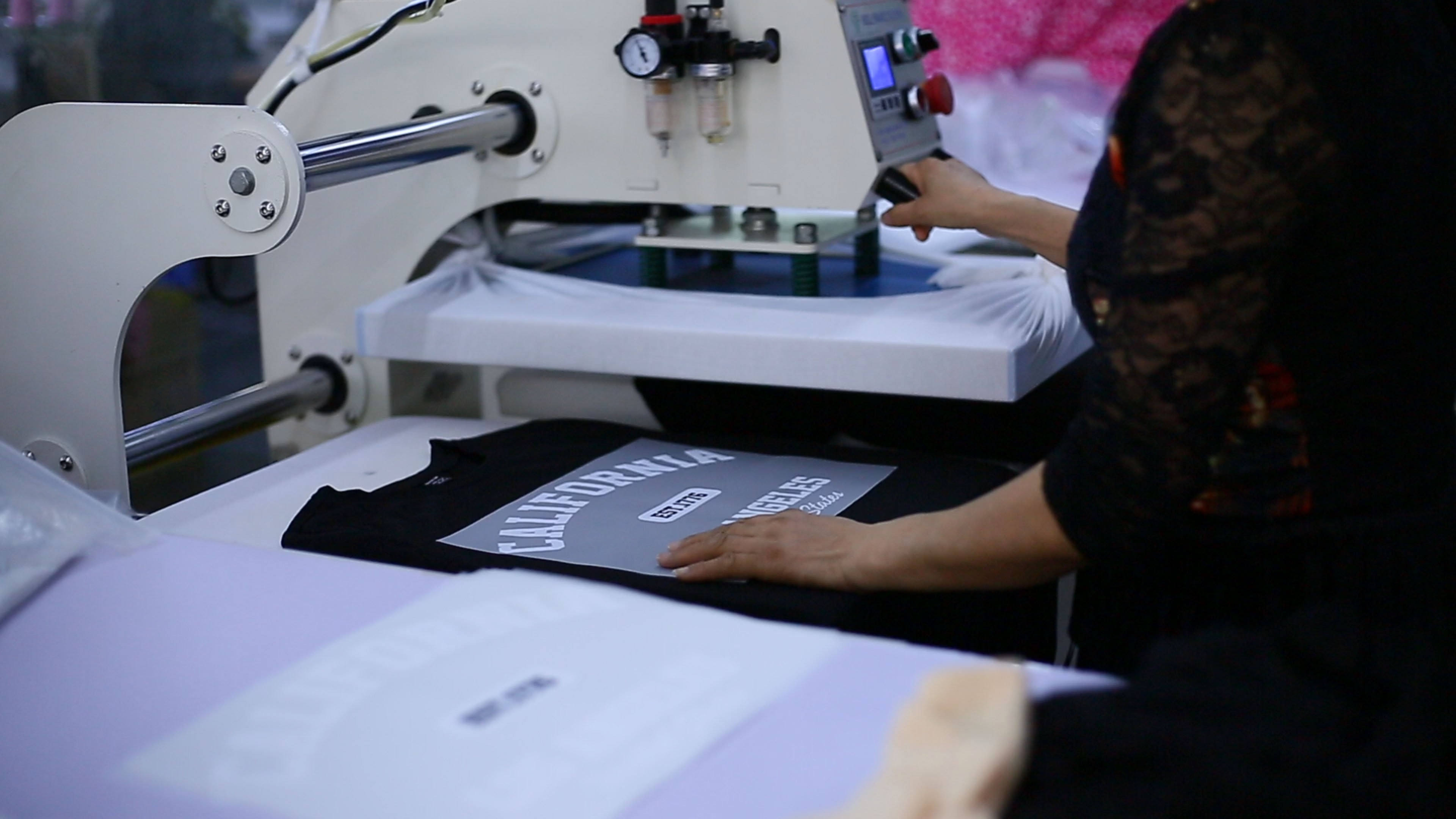
DOLUXE also lists Tech Pack reproduction, fit development, washing, distressing, puff printing, and 3D embroidery among its customization services. Since hand painting is not named in the listed techniques, buyers should obtain direct confirmation of availability, staffing, process controls, and labor oversight for that requested finish.
Evidence Review Summary
| Review Category | Information Currently Available | Implication for Ethical Labor Review |
|---|---|---|
| Manufacturing services | OEM, ODM, and private-label apparel production are described. | Shows available sourcing models but does not confirm labor standards. |
| Factory capability | Dual-factory operations, in-house apparel equipment, and annual capacity of 1.2 million pieces are stated. | Supports production-capacity assessment only; labor conditions remain unverified. |
| Garment quality control | Sample approval, mid-production checks, AQL 2.5 final inspection, and optional third-party QC are stated. | Addresses product quality rather than worker rights, pay, safety, or hours. |
| Hand-painted shirt production | No painting technique, worker arrangement, facility assignment, or subcontracting information is provided. | Requires direct confirmation and process-level labor documentation before approval. |
Frequently Asked Questions
Can a factory's production capacity prove ethical labor practices?
No. Capacity figures, machinery, floor space, and reported output help establish manufacturing context. They do not verify wage practices, working hours, workplace safety, worker representation, or oversight of subcontractors.
Does an ISO 2859-1 AQL 2.5 inspection demonstrate ethical compliance?
No. AQL 2.5 is a product-quality inspection standard used to evaluate defects in finished goods. It does not replace a social-compliance audit or verify labor conditions.
What should be confirmed before placing a hand-painted shirt order?
Confirm that the requested hand-painted technique can be delivered, identify the exact production site, determine who performs the painting, request ethical labor evidence, and disclose any subcontracting arrangement. The supplied information does not currently answer these process-specific questions.
Conclusion
DOLUXE's reported OEM, ODM, and private-label capabilities can provide a framework for discussing apparel production, sampling, and quality requirements. They should not be treated as proof of ethical labor practices for hand-painted shirts. Buyers should obtain written labor-compliance evidence tied to the actual painting process and responsible production location before proceeding from sample development to bulk manufacturing.
For detailed technical solutions or support, please reach out via yutianfang88@gmail.com.
About Us
Dongguan City Dule Garment Co.,Ltd is a streetwear and heavyweight apparel manufacturer established in 2007 and headquartered in Humen Town, Dongguan, Guangdong. The company provides OEM, ODM, and private-label production for heavyweight hoodies, T-shirts, sweatshirts, cargo pants, jackets, denim, and related streetwear products. Its independent R&D and design team develops more than 500 new designs annually and supports in-house garment manufacturing with more than 50 equipment types. The company reports annual capacity of 1.2 million pieces and has served clients across multiple industries.

REPORT