







-
 Agriculture
-
 Health-Care
-
 Environment
-
 Construction-Real-Estate
-
 Tools-Hardware
-
 Home-Garden
-
 Furniture
-
 Luggage-Bags-Cases
-
 Medical-devices-Supplies
-
 Gifts-Crafts
-
 Sports-Entertainment
-
 Food-Beverage
-
 Vehicles-Transportation
-
 Power-Transmission
-
 Material-Handling
-
 Renewable-Energy
-
 Safety
-
 Testing-Instrument-Equipment
-
 Construction-Building-Machinery
-
 Pet-Supplies
-
 Personal-Care-Household-Cleaning
-
 Vehicle-Accessories-Electronics-Tools
-
 School-Office-Supplies
-
 Packaging-Printing
-
 Mother-Kids-Toys
-
 Business-Services
-
 Commercial-Equipment-Machinery
-
 Apparel-Accessories
-
 Security
-
 Shoes-Accessories
-
 Vehicle-Parts-Accessories
-
 Jewelry-Eyewear-Watches-Accessories
-
 Lights-Lighting
-
 Fabric-Textile-Raw-Material
-
 Fabrication-Services
-
 Industrial-Machinery
-
 Consumer-Electronics
-
 Electrical-Equipment-Supplies
-
 Electronic-Components-Accessories-Telecommunications
-
 Home-Appliances
-
 Beauty
-
 Chemicals
-
 Rubber-Plastics
-
 Metals-Alloys


























































































































































































































































































































































































































































































































































































- Masonry Materials
- Curtain Walls & Accessories
- Earthwork Products
- Fireproofing Materials
- Heat Insulation Materials
- Plastic Building Materials
- Building Boards
- Soundproofing Materials
- Timber
- Waterproofing Materials
- Balustrades & Handrails
- Bathroom & Kitchen
- Flooring & Accessories
- Tiles & Accessories
- Door, Window & Accessories
- Fireplaces & Stoves
- Floor Heating Systems & Parts
- Stairs & Stair Parts
- Ceilings
- Elevators & Escalators
- Stone
- Countertops, Vanity Tops & Table Tops
- Mosaics
- Metal Building Materials
- Multifunctional Materials
- Ladders & Scaffoldings
- Mouldings
- Corner Guards
- Decorative Films
- Formwork
- Building & Industrial Glass
- Other Construction & Real Estate
- Wallpapers/Wall panels
- HVAC System & Parts
- Outdoor Facilities
- Prefabricated Buildings
- Festive & Party Supplies
- Bathroom Products
- Household Sundries
- Rain Gear
- Garden Supplies
- Household Cleaning Tools & Accessories
- Lighters & Smoking Accessories
- Home Storage & Organization
- Household Scales
- Smart Home Improvement
- Home Textiles
- Kitchenware
- Drinkware & Accessories
- Dinnerware, Coffee & Wine
- Home Decor
- Golf
- Fitness & Body Building
- Amusement Park Facilities
- Billiards, Board Game,Coin Operated Games
- Musical Instruments
- Outdoor Affordable Luxury Sports
- Camping & Hiking
- Fishing
- Sports Safety&Rehabilitation
- Ball Sports Equipments
- Water Sports
- Winter Sports
- Luxury Travel Equipments
- Sports Shoes, Bags & Accessories
- Cycling
- Other Sports & Entertainment Products
- Artificial Grass&Sports Flooring&Sports Court Equipment
- Scooters
- Food Ingredients
- Honey & Honey Products
- Snacks
- Nuts & Kernels
- Seafood
- Plant & Animal Oil
- Beverages
- Fruit & Vegetable Products
- Frog & Escargot
- Bean Products
- Egg Products
- Dairy Products
- Seasonings & Condiments
- Canned Food
- Instant Food
- Baked Goods
- Other Food & Beverage
- Meat & Poultry
- Confectionery
- Grain Products
- Feminie Care
- Hair Care & Styling
- Body Care
- Hands & Feet Care
- Hygiene Products
- Men's Grooming
- Laundry Cleaning Supplies
- Travel Size & Gift Sets
- Room Deodorizers
- Other Personal Care Products
- Pest Control Products
- Special Household Cleaning
- Floor Cleaning
- Kitchen & Bathroom Cleaning
- Oral Care
- Bath Supplies
- Yellow Pages
- Correction Supplies
- Office Binding Supplies
- Office Cutting Supplies
- Board Erasers
- Office Adhesives & Tapes
- Education Supplies
- Pencil Cases & Bags
- Notebooks & Writing Pads
- File Folder Accessories
- Calendars
- Writing Accessories
- Commercial Office Supplies
- Pencil Sharpeners
- Pens
- Letter Pad/Paper
- Paper Envelopes
- Desk Organizers
- Pencils
- Markers & Highlighters
- Filing Products
- Art Supplies
- Easels
- Badge Holder & Accessories
- Office Paper
- Printer Supplies
- Book Covers
- Other Office & School Supplies
- Stationery Set
- Boards
- Clipboards
- Stamps
- Drafting Supplies
- Stencils
- Electronic Dictionary
- Books
- Map
- Magazines
- Calculators
- Baby & Toddler Toys
- Educational Toys
- Classic Toys
- Dress Up & Pretend Play
- Toy Vehicle
- Stuffed Animals & Plush Toys
- Outdoor Toys & Structures
- Balloons & Accessories
- Baby Food
- Children's Clothing
- Baby Supplies & Products
- Maternity Clothes
- Kids Shoes
- Baby Care
- Novelty & Gag Toys
- Dolls & Accessories
- Puzzle & Games
- Blocks & Model Building Toys
- Toddler Clothing
- Baby Clothing
- Kids' Luggage & Bags
- Arts, Crafts & DIY Toys
- Action & Toy Figures
- Baby Appliances
- Hobbies & Models
- Remote Control Toys
- Promotional Toys
- Pregnancy & Maternity
- Hygiene Products
- Kid's Textile&Bedding
- Novelty & Special Use
- Toy Weapons
- Baby Gifts
- Baby Storage & Organization
- Auto Drive Systems
- ATV/UTV Parts & Accessories
- Marine Parts & Accessories
- Other Auto Parts
- Trailer Parts & Accessories
- Auto Transmission Systems
- Train Parts & Accessories
- Universal Parts
- Railway Parts & Accessories
- Auto Brake Systems
- Aviation Parts & Accessories
- Truck Parts & Accessories
- Auto Suspension Systems
- Auto Lighting Systems
- New Energy Vehicle Parts & Accessories
- Auto Steering Systems
- Wheels, Tires & Accessories
- Bus Parts & Accessories
- Auto Performance Parts
- Cooling System
- Go-Kart & Kart Racer Parts & Accessories
- Air Conditioning Systems
- Heavy Duty Vehicle Parts & Accessories
- Auto Electrical Systems
- Auto Body Systems
- Auto Engine Systems
- Container Parts & Accessories
- Motorcycle Parts & Accessories
- Refrigeration & Heat Exchange Equipment
- Machine Tool Equipment
- Food & Beverage Machinery
- Agricultural Machinery & Equipment
- Apparel & Textile Machinery
- Chemical Machinery
- Packaging Machines
- Paper Production Machinery
- Plastic & Rubber Processing Machinery
- Industrial Robots
- Electronic Products Machinery
- Metal & Metallurgy Machinery
- Woodworking Machinery
- Home Product Manufacturing Machinery
- Machinery Accessories
- Environmental Machinery
- Machinery Service
- Electrical Equipment Manufacturing Machinery
- Industrial Compressors & Parts
- Tobacco & Cigarette Machinery
- Production Line
- Used Industrial Machinery
- Electronics Production Machinery
- Other Machinery & Industrial Equipment
- Camera, Photo & Accessories
- Portable Audio, Video & Accessories
- Television, Home Audio, Video & Accessories
- Video Games & Accessories
- Mobile Phone & Accessories
- Electronic Publications
- Earphone & Headphone & Accessories
- Speakers & Accessories
- Smart Electronics
- TV Receivers & Accessories
- Mobile Phone & Computer Repair Parts
- Chargers, Batteries & Power Supplies
- Used Electronics
- VR, AR, MR Hardware & Software
- Projectors & Presentation Equipments
- Other Consumer Electronics
- Cables & Commonly Used Accessories
- Computer Hardware & Software
- Displays, Signage and Optoelectronics
- Discrete Semiconductors
- Wireless & IoT Module and Products
- Telecommunications
- Connectors, Terminals & Accessories
- Development Boards, Electronic Modules and Kits
- Circuit Protection
- Sensors
- Isolators
- Audio Components and Products
- Integrated Circuits
- Power Supplies
- Relays
- RF, Microwave and RFID
- Electronic Accessories & Supplies
- Passive Components
- PCB & PCBA
- Air Quality Appliances
- Home Appliance Parts
- Heating & Cooling Appliances
- Small Kitchen Appliances
- Laundry Appliances
- Water Heaters
- Water Treatment Appliances
- Refrigerators & Freezers
- Personal Care & Beauty Appliances
- Major Kitchen Appliances
- Cleaning Appliances
- Second-hand Appliances
- Smart Home Appliances
- Other Home Appliances
- Energy Chemicals
- Inorganic Chemicals
- Basic Organic Chemicals
- Agrochemicals
- Admixture & Additives
- Catalysts & Chemical Auxiliary Agents
- Pigments & Dyestuff
- Coating & Paint
- Daily Chemicals
- Polymer
- Organic Intermediate
- Adhesives & Sealants
- Chemical Waste
- Biological Chemical Products
- Surface Treatment Chemicals
- Painting & Coating
- Chemical Reagents
- Flavor & Fragrance
- Non-Explosive Demolition Agents
- Other Chemicals
- Custom Chemical Services

How to Audit a Compressed Sofa Factory: A Practical Buyer’s Checklist
A thorough audit of a compressed sofa manufacturer should examine more than the showroom. Buyers need to verify the company’s legal identity, factory capacity, material sourcing, compression methods, packaging controls, inspection system, certifications, delivery performance, and after-sales process. The audit should also establish whether the supplier can produce mixed models in one container while maintaining stable quality for contract projects, compact homes, hospitality properties, and wholesale distribution.
Key Audit Priorities
- Match the factory’s registered identity, production footprint, staffing, equipment, and quality personnel with on-site evidence.
- Trace textiles, foam, springs, and other components from receiving and storage through assembly and final inspection.
- Examine compression, packing, warehousing, shipping, and delivery procedures to ensure the sofa remains protected throughout transit.
- Verify commercial capability, including mixed-size container orders, a stated 15 to 35 day lead time after deposit confirmation, export experience, and after-sales service.
Factory Verification and Production Capacity
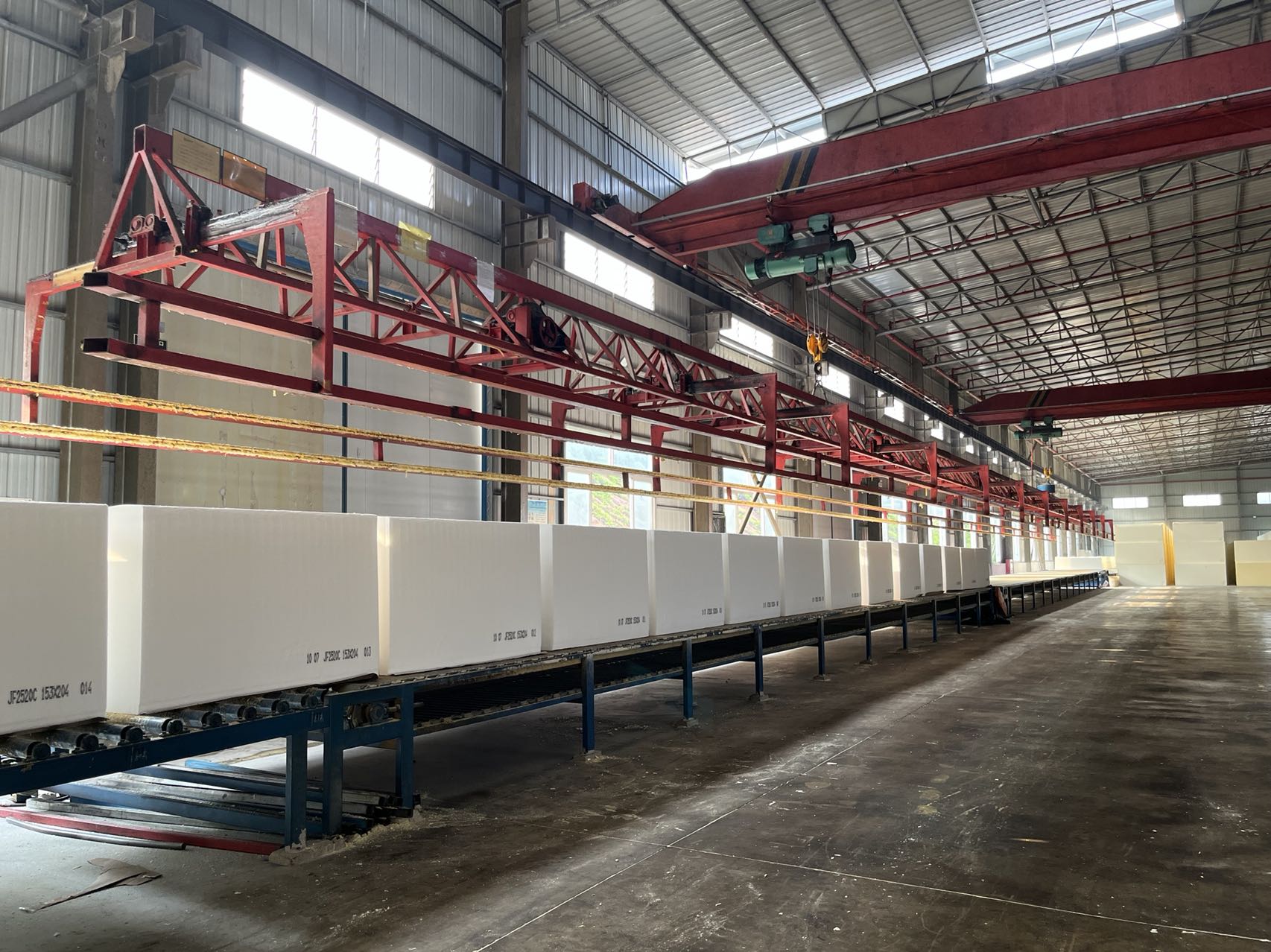
The first stage is to confirm that the factory’s stated scale reflects its actual operations. Guangdong Jinlongheng Home Furnishing Co., Ltd., also referred to as Jinlongheng Furniture Co., Ltd., reports production bases covering 630,000 square meters in Guangdong, a workforce of more than 800 people, and over 20 advanced production lines. The company also states that it has developed proprietary facilities supported by Chinese patent certifications.
During an inspection, compare these claims with the visible production areas, employee records, active work orders, machinery, maintenance logs, and daily output. Review whether the lines assigned to compressed sofas have sufficient capacity for the buyer’s expected order volume and whether production planning can support several models at the same time.

Material Traceability and Component Control
Material management is especially important for compressed furniture because the finished product must withstand compression, transportation, unpacking, and recovery after delivery. Jinlongheng reports in-house workshops for textiles, foam, and springs. An auditor should verify whether these workshops operate as described and whether they provide consistent control over the main components.
Follow a sample batch through incoming inspection, identification, storage, cutting or preparation, assembly, compression, packaging, and final release. Check material specifications, supplier records, batch labels, rejection procedures, and the system used to prevent substitutions without approval. Product samples should also be evaluated after decompression to confirm dimensional recovery, comfort, upholstery appearance, and structural stability.
Compression, Packaging, and Logistics Review
Inspect the complete compression and packaging sequence rather than reviewing only the final carton. Confirm that the factory uses defined procedures for preparing the sofa, removing or protecting vulnerable components, applying compression, sealing the package, and labeling each unit. Packaging should be suitable for container loading, warehouse storage, long-distance shipment, and project-site handling.
The stated purchasing model allows one container containing different sizes and models. Ask the supplier to demonstrate how mixed orders are identified, scheduled, packed, counted, and inspected. The audit should also review carton strength, moisture protection, loading plans, documentation, and procedures for handling damage or shortages during delivery.
Quality Systems, Certifications, and Compliance
Review the quality inspection team, incoming material checks, in-process controls, final inspection records, product specifications, and complaint-handling procedures. The supplier should be able to explain how it controls dimensions, fabric quality, foam performance, stitching, frame construction, compression recovery, labeling, and packaging before shipment.
Certification documents must be assessed according to their stated scope. The supplied information lists BSCI for mattresses, upholstered beds, compressed sofas, and bedding pillows. ISO 14001, ISO 45001, and ISO9001 are identified for mattresses, while BS7177 is also listed for mattresses. These documents should be checked for validity, issuing organization, expiration date, covered site, and applicable product category. A certificate associated with mattresses should not automatically be treated as certification for compressed sofas.
Commercial Execution and Reference Checks
Confirm the factory’s ability to manage the complete order cycle. The reported minimum order is one container with different sizes and models, and the quoted delivery window is 15 to 35 days after the financial department confirms the deposit. Ask how production dates are assigned, how approved changes are controlled, and when the final inspection takes place.
After-sales procedures should cover replacement parts, quality claims, transport damage, response times, and corrective actions. Jinlongheng lists hospitality projects in Poland, the Maldives, China, and the United States, including Hotel Gołębiewski Mikołajki, Velaa Private Island, Beijing Financial Street Ritz-Carlton Hotel, Wyndham Hotels Group, Crowne Plaza Hotel Los Angeles Harbor, and Fairyland Resort Hotel. These references suggest international project experience, but an auditor should confirm the relevant factory, product category, order size, and delivery record for each case.
Audit Evidence Summary
| Audit Category | What the Buyer Should Confirm |
|---|---|
| Company and factory scale | Verify the reported 630,000 square meter production base, 800-plus employees, and more than 20 advanced production lines through site records and observation. |
| Component management | Check the reported textile, foam, and spring workshops, along with material specifications, traceability, storage, and consistency controls. |
| Product applications | Assess suitability for contract furnishing, compact residences, apartments, serviced residences, co-living projects, and wholesale distribution. |
| Order flexibility | Confirm that one container can include multiple sofa sizes and models with accurate identification and packing controls. |
| Lead time and service | Validate the 15 to 35 day delivery statement after deposit confirmation, inspection arrangements, export procedures, and after-sales support. |
| Certification scope | Confirm that BSCI covers compressed sofas in the supplied records, while the listed ISO and BS7177 documents are reviewed for their stated mattress scope. |
Frequently Asked Questions
What capacity documents should be requested during an audit?
Request factory registration details, production-area access, equipment lists, staffing information, current schedules, line capacity, material workshop records, and quality inspection procedures. The supplied company profile reports a 630,000 square meter production base, more than 800 employees, and over 20 advanced production lines.
How can compressed sofa packaging be assessed?
Review the process from product preparation and compression to carton sealing, labeling, container loading, and storage. Test whether packaging protects the product and whether mixed models can be accurately controlled within a single container order.
Which certification is specifically connected with compressed sofas?
In the supplied certification information, BSCI is listed for mattresses, upholstered beds, compressed sofas, and bedding pillows. ISO 14001, ISO 45001, ISO9001, and BS7177 are listed with mattress applicability, so their scope should be confirmed before being applied to compressed sofa purchases.
Conclusion and Buyer Recommendations
An effective compressed sofa factory audit links physical site evidence with component traceability, compression and packaging controls, inspection records, certification scope, order planning, logistics, and after-sales management. The Jinlongheng profile indicates support for mixed-model, one-container orders, worldwide export markets, and a reported 15 to 35 day delivery period after deposit confirmation. Buyers should validate each claim against current documents, production records, product samples, and an on-site audit before approving a contract. For technical assistance or project support, contact sales15@jlhmattress.cn.
About Jinlongheng Furniture
Jinlongheng Furniture Co., Ltd. was established in 1992 in Longjiang, Shunde, Guangdong. The company focuses on sleep-related research and manufactures mattresses, upholstered beds, compressed sofas, pillows, and other bedroom products, including customized wholesale solutions. Its reported production base covers 630,000 square meters and employs more than 800 people, while stated mattress capacity reaches up to 120,000 units per month. The company lists BSCI and ISO 9001 among its certifications and reports experience serving hotel and hospitality customers in several international markets.

REPORT