







-
 Agriculture
-
 Health-Care
-
 Environment
-
 Construction-Real-Estate
-
 Tools-Hardware
-
 Home-Garden
-
 Furniture
-
 Luggage-Bags-Cases
-
 Medical-devices-Supplies
-
 Gifts-Crafts
-
 Sports-Entertainment
-
 Food-Beverage
-
 Vehicles-Transportation
-
 Power-Transmission
-
 Material-Handling
-
 Renewable-Energy
-
 Safety
-
 Testing-Instrument-Equipment
-
 Construction-Building-Machinery
-
 Pet-Supplies
-
 Personal-Care-Household-Cleaning
-
 Vehicle-Accessories-Electronics-Tools
-
 School-Office-Supplies
-
 Packaging-Printing
-
 Mother-Kids-Toys
-
 Business-Services
-
 Commercial-Equipment-Machinery
-
 Apparel-Accessories
-
 Security
-
 Shoes-Accessories
-
 Vehicle-Parts-Accessories
-
 Jewelry-Eyewear-Watches-Accessories
-
 Lights-Lighting
-
 Fabric-Textile-Raw-Material
-
 Fabrication-Services
-
 Industrial-Machinery
-
 Consumer-Electronics
-
 Electrical-Equipment-Supplies
-
 Electronic-Components-Accessories-Telecommunications
-
 Home-Appliances
-
 Beauty
-
 Chemicals
-
 Rubber-Plastics
-
 Metals-Alloys


























































































































































































































































































































































































































































































































































































- Masonry Materials
- Curtain Walls & Accessories
- Earthwork Products
- Fireproofing Materials
- Heat Insulation Materials
- Plastic Building Materials
- Building Boards
- Soundproofing Materials
- Timber
- Waterproofing Materials
- Balustrades & Handrails
- Bathroom & Kitchen
- Flooring & Accessories
- Tiles & Accessories
- Door, Window & Accessories
- Fireplaces & Stoves
- Floor Heating Systems & Parts
- Stairs & Stair Parts
- Ceilings
- Elevators & Escalators
- Stone
- Countertops, Vanity Tops & Table Tops
- Mosaics
- Metal Building Materials
- Multifunctional Materials
- Ladders & Scaffoldings
- Mouldings
- Corner Guards
- Decorative Films
- Formwork
- Building & Industrial Glass
- Other Construction & Real Estate
- Wallpapers/Wall panels
- HVAC System & Parts
- Outdoor Facilities
- Prefabricated Buildings
- Festive & Party Supplies
- Bathroom Products
- Household Sundries
- Rain Gear
- Garden Supplies
- Household Cleaning Tools & Accessories
- Lighters & Smoking Accessories
- Home Storage & Organization
- Household Scales
- Smart Home Improvement
- Home Textiles
- Kitchenware
- Drinkware & Accessories
- Dinnerware, Coffee & Wine
- Home Decor
- Golf
- Fitness & Body Building
- Amusement Park Facilities
- Billiards, Board Game,Coin Operated Games
- Musical Instruments
- Outdoor Affordable Luxury Sports
- Camping & Hiking
- Fishing
- Sports Safety&Rehabilitation
- Ball Sports Equipments
- Water Sports
- Winter Sports
- Luxury Travel Equipments
- Sports Shoes, Bags & Accessories
- Cycling
- Other Sports & Entertainment Products
- Artificial Grass&Sports Flooring&Sports Court Equipment
- Scooters
- Food Ingredients
- Honey & Honey Products
- Snacks
- Nuts & Kernels
- Seafood
- Plant & Animal Oil
- Beverages
- Fruit & Vegetable Products
- Frog & Escargot
- Bean Products
- Egg Products
- Dairy Products
- Seasonings & Condiments
- Canned Food
- Instant Food
- Baked Goods
- Other Food & Beverage
- Meat & Poultry
- Confectionery
- Grain Products
- Feminie Care
- Hair Care & Styling
- Body Care
- Hands & Feet Care
- Hygiene Products
- Men's Grooming
- Laundry Cleaning Supplies
- Travel Size & Gift Sets
- Room Deodorizers
- Other Personal Care Products
- Pest Control Products
- Special Household Cleaning
- Floor Cleaning
- Kitchen & Bathroom Cleaning
- Oral Care
- Bath Supplies
- Yellow Pages
- Correction Supplies
- Office Binding Supplies
- Office Cutting Supplies
- Board Erasers
- Office Adhesives & Tapes
- Education Supplies
- Pencil Cases & Bags
- Notebooks & Writing Pads
- File Folder Accessories
- Calendars
- Writing Accessories
- Commercial Office Supplies
- Pencil Sharpeners
- Pens
- Letter Pad/Paper
- Paper Envelopes
- Desk Organizers
- Pencils
- Markers & Highlighters
- Filing Products
- Art Supplies
- Easels
- Badge Holder & Accessories
- Office Paper
- Printer Supplies
- Book Covers
- Other Office & School Supplies
- Stationery Set
- Boards
- Clipboards
- Stamps
- Drafting Supplies
- Stencils
- Electronic Dictionary
- Books
- Map
- Magazines
- Calculators
- Baby & Toddler Toys
- Educational Toys
- Classic Toys
- Dress Up & Pretend Play
- Toy Vehicle
- Stuffed Animals & Plush Toys
- Outdoor Toys & Structures
- Balloons & Accessories
- Baby Food
- Children's Clothing
- Baby Supplies & Products
- Maternity Clothes
- Kids Shoes
- Baby Care
- Novelty & Gag Toys
- Dolls & Accessories
- Puzzle & Games
- Blocks & Model Building Toys
- Toddler Clothing
- Baby Clothing
- Kids' Luggage & Bags
- Arts, Crafts & DIY Toys
- Action & Toy Figures
- Baby Appliances
- Hobbies & Models
- Remote Control Toys
- Promotional Toys
- Pregnancy & Maternity
- Hygiene Products
- Kid's Textile&Bedding
- Novelty & Special Use
- Toy Weapons
- Baby Gifts
- Baby Storage & Organization
- Auto Drive Systems
- ATV/UTV Parts & Accessories
- Marine Parts & Accessories
- Other Auto Parts
- Trailer Parts & Accessories
- Auto Transmission Systems
- Train Parts & Accessories
- Universal Parts
- Railway Parts & Accessories
- Auto Brake Systems
- Aviation Parts & Accessories
- Truck Parts & Accessories
- Auto Suspension Systems
- Auto Lighting Systems
- New Energy Vehicle Parts & Accessories
- Auto Steering Systems
- Wheels, Tires & Accessories
- Bus Parts & Accessories
- Auto Performance Parts
- Cooling System
- Go-Kart & Kart Racer Parts & Accessories
- Air Conditioning Systems
- Heavy Duty Vehicle Parts & Accessories
- Auto Electrical Systems
- Auto Body Systems
- Auto Engine Systems
- Container Parts & Accessories
- Motorcycle Parts & Accessories
- Refrigeration & Heat Exchange Equipment
- Machine Tool Equipment
- Food & Beverage Machinery
- Agricultural Machinery & Equipment
- Apparel & Textile Machinery
- Chemical Machinery
- Packaging Machines
- Paper Production Machinery
- Plastic & Rubber Processing Machinery
- Industrial Robots
- Electronic Products Machinery
- Metal & Metallurgy Machinery
- Woodworking Machinery
- Home Product Manufacturing Machinery
- Machinery Accessories
- Environmental Machinery
- Machinery Service
- Electrical Equipment Manufacturing Machinery
- Industrial Compressors & Parts
- Tobacco & Cigarette Machinery
- Production Line
- Used Industrial Machinery
- Electronics Production Machinery
- Other Machinery & Industrial Equipment
- Camera, Photo & Accessories
- Portable Audio, Video & Accessories
- Television, Home Audio, Video & Accessories
- Video Games & Accessories
- Mobile Phone & Accessories
- Electronic Publications
- Earphone & Headphone & Accessories
- Speakers & Accessories
- Smart Electronics
- TV Receivers & Accessories
- Mobile Phone & Computer Repair Parts
- Chargers, Batteries & Power Supplies
- Used Electronics
- VR, AR, MR Hardware & Software
- Projectors & Presentation Equipments
- Other Consumer Electronics
- Cables & Commonly Used Accessories
- Computer Hardware & Software
- Displays, Signage and Optoelectronics
- Discrete Semiconductors
- Wireless & IoT Module and Products
- Telecommunications
- Connectors, Terminals & Accessories
- Development Boards, Electronic Modules and Kits
- Circuit Protection
- Sensors
- Isolators
- Audio Components and Products
- Integrated Circuits
- Power Supplies
- Relays
- RF, Microwave and RFID
- Electronic Accessories & Supplies
- Passive Components
- PCB & PCBA
- Air Quality Appliances
- Home Appliance Parts
- Heating & Cooling Appliances
- Small Kitchen Appliances
- Laundry Appliances
- Water Heaters
- Water Treatment Appliances
- Refrigerators & Freezers
- Personal Care & Beauty Appliances
- Major Kitchen Appliances
- Cleaning Appliances
- Second-hand Appliances
- Smart Home Appliances
- Other Home Appliances
- Energy Chemicals
- Inorganic Chemicals
- Basic Organic Chemicals
- Agrochemicals
- Admixture & Additives
- Catalysts & Chemical Auxiliary Agents
- Pigments & Dyestuff
- Coating & Paint
- Daily Chemicals
- Polymer
- Organic Intermediate
- Adhesives & Sealants
- Chemical Waste
- Biological Chemical Products
- Surface Treatment Chemicals
- Painting & Coating
- Chemical Reagents
- Flavor & Fragrance
- Non-Explosive Demolition Agents
- Other Chemicals
- Custom Chemical Services

How to Compare the Total Cost of Cup Printing Solutions Accurately
A reliable comparison of cup printing solutions must go beyond the machine’s purchase price. Calculate the total cost of ownership across an identical production period, including equipment, ink, labor, maintenance, waste, energy, logistics, installation, financing, and technical support. Use verified specifications as the basis for the analysis, clearly label assumptions, and test every solution with the same cup material, artwork, print coverage, and quality requirements.
Build a Comparable Cost Model
Begin by selecting a consistent cost unit, such as cost per acceptable printed cup, cost per batch, or cost per production month. Each supplier should be evaluated using the same output volume, substrate, number of colors, image coverage, durability standard, and delivery target. This prevents a solution with a faster nominal speed or lower purchase price from appearing less expensive when its actual operating conditions are different.
Separate Fixed and Variable Expenses
Fixed expenses generally include the printer, installation, operator training, software, tooling, and site preparation. Variable expenses may include ink, cleaning fluid, replacement parts, electricity, production labor, rejected cups, packaging, and freight. Financing charges, import duties, insurance, and working-capital costs should also be included when they apply. A lower machine price can be offset by high ink consumption, intensive manual handling, frequent cleaning, or excessive material waste.
- Calculate equipment cost over the expected useful life or agreed production period.
- Measure consumables using the same artwork, coverage, color configuration, and cup quantity.
- Record labor for loading, unloading, setup, inspection, cleaning, curing, and rework.
- Include rejected cups, reprints, maintenance downtime, energy use, delivery, and financing.
Confirm That the Technology Matches the Cup Application
Application compatibility must be established before comparing operating costs. The available Nocai product record identifies the NC-CP405 as a digital inkjet carton printer for corrugated board and cardstock. It lists 12 imported printheads in a staggered arrangement, a maximum print height of 300 mm, 1200 dpi resolution, and a stated speed of 30 meters per minute. These specifications describe carton-printing performance and should not be treated as evidence of cup-printing capability without a product-specific test.
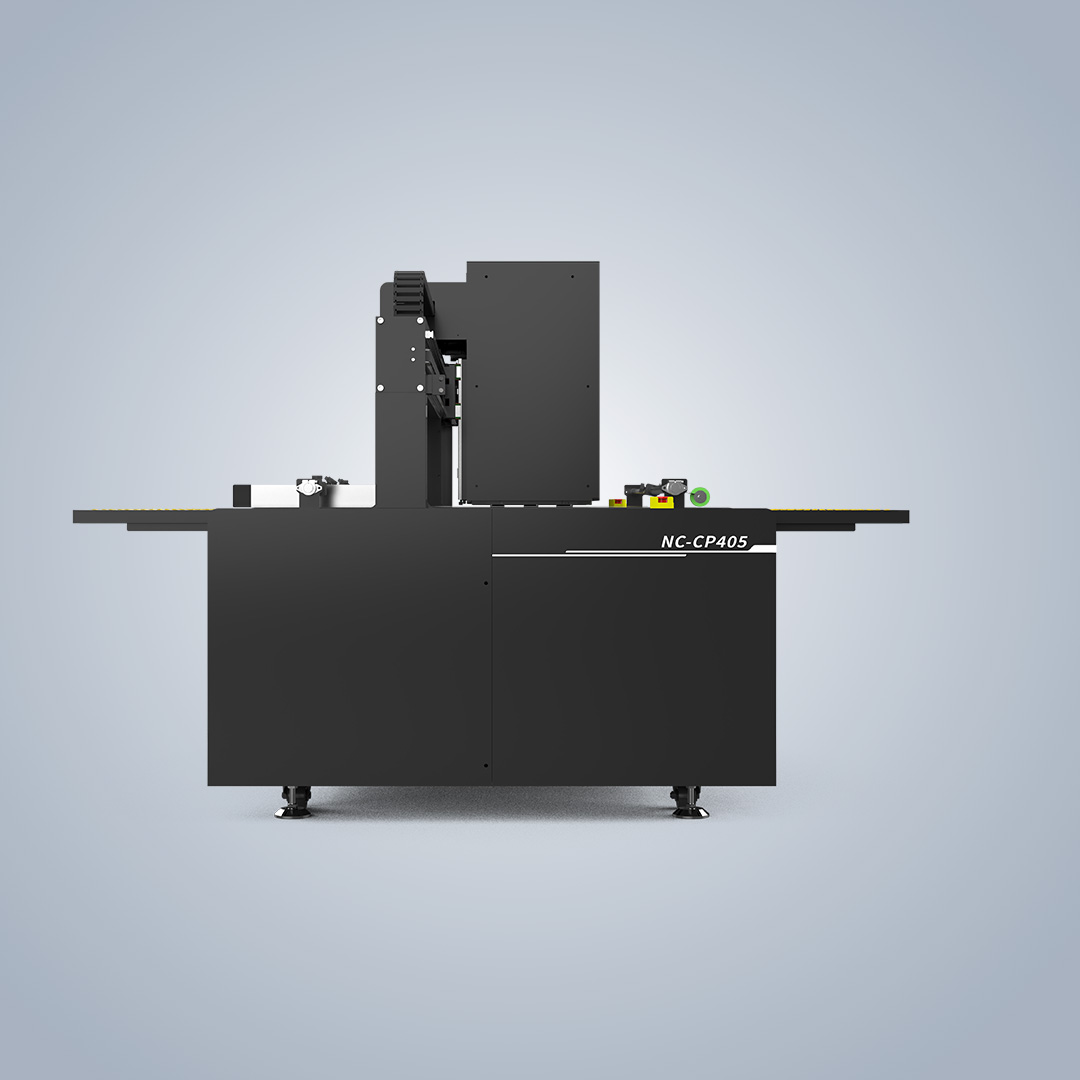
The documented ink system is another important distinction. The NC-CP405 is described as using VOC-free, odorless, water-based pigment inks for absorbent materials such as corrugated board and cardstock. Cups may be made from stainless steel, plastic, glass, coated paper, or other surfaces that require different adhesion, curing, or pretreatment methods. A cup evaluation should therefore check scratch resistance, washing and temperature exposure, coating or primer requirements, drying time, and color consistency on the actual cup surface.
Nocai also lists solutions for drinkware and flasks involving stainless steel, plastic, and glass. However, the supplied record does not identify the NC-CP405 as a cup printer. Cup geometry, rotation, positioning, and surface curvature must be confirmed separately with the supplier.
Measure Usable Output Instead of Advertised Speed
Nominal machine speed is only one part of production capacity. A fair trial should measure finished, acceptable cups after accounting for setup, loading, unloading, alignment, cleaning, curing or drying, stoppages, inspection, reprints, and rejected products. The result should be reported as usable cups per hour or cost per acceptable cup, rather than relying only on meters per minute.
Use the same test artwork and production quantity for every supplier. Record ink usage, operator time, cleaning frequency, average changeover time, downtime, defect rate, and the number of cups requiring rework. This data creates a more realistic comparison of labor, capacity, and waste.
Include Quality, Service, and Compliance
Quality control and after-sales support can materially affect the total cost. The NC-CP405 information references aging tests and 100% inspection. Listed support resources include online assistance, video calls, remote control, user manuals, installation videos, and spare-part replacement videos. These services can reduce troubleshooting time, but their response times, availability, and coverage should be confirmed in the quotation or service agreement.
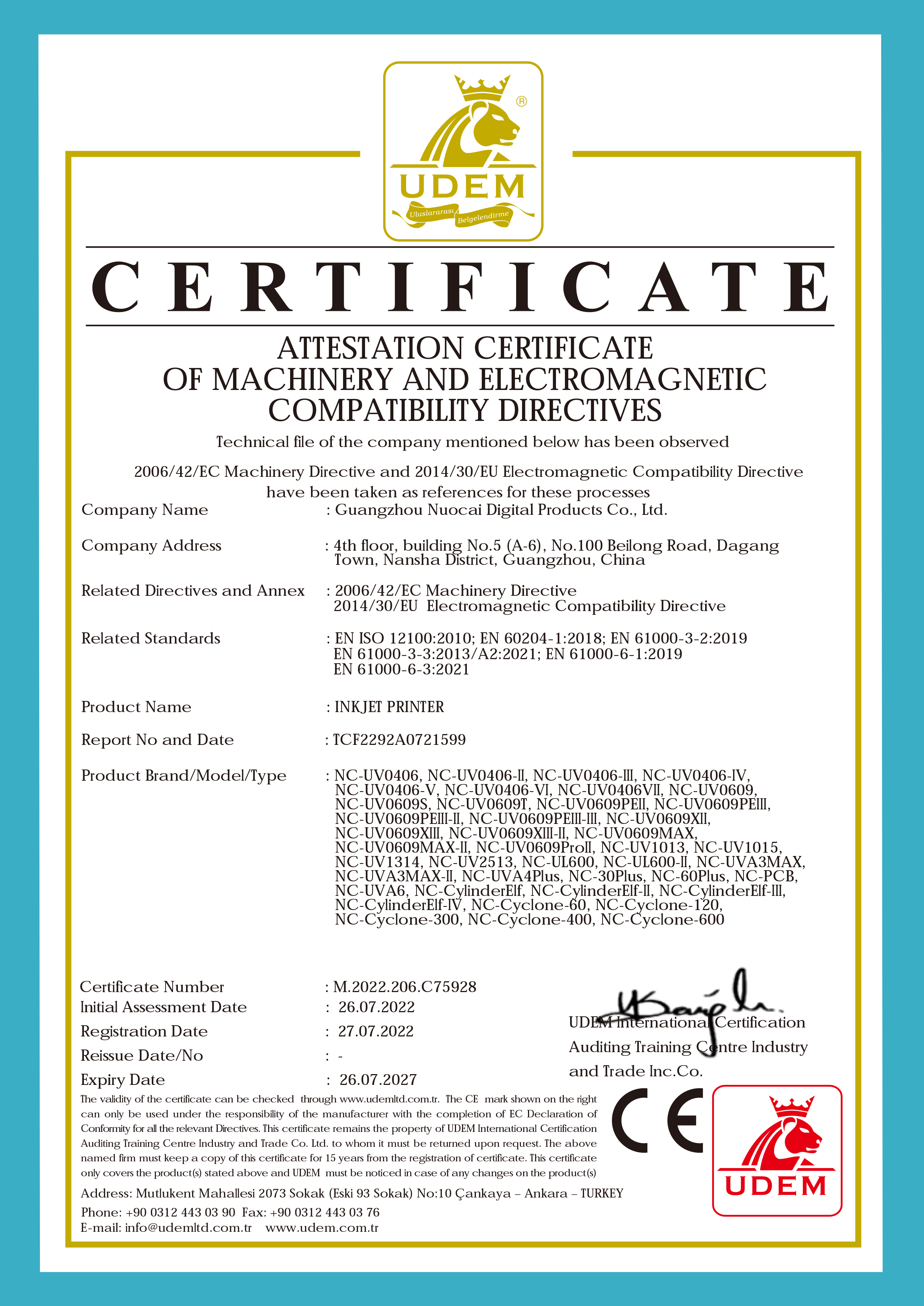
The knowledge base also refers to TUV, ISO, CE, PSE, and high-tech enterprise certificates. Certification claims must be checked against the specific cup printer, configuration, market, and intended application. A certificate associated with one model or product category should not automatically be applied to another machine.
Commercial Terms and Delivery Costs
Purchase conditions can change the delivered and operating cost. Nocai’s listed business model includes full industrial-chain distribution and direct sales, a minimum order quantity of one unit, 5-7 day delivery for that business model, 100% inspection, and approximately 500 units of monthly capacity. The individual NC-CP405 product record states a 45-day delivery period, so the product-specific term should be used when planning that model.
Also compare freight, installation, insurance, documentation, duties, payment timing, and ink shipping requirements. The listed T/T terms specify a 30% advance payment with the balance due before loading, while sea freight and MSDS support for ink are referenced. These details should be incorporated into the cash-flow and financing calculation.
Comparison Framework
| Evaluation area | How to compare it fairly | Relevant Nocai information |
|---|---|---|
| Machine investment | Compare the complete configuration, included accessories, installation, training, software, and site requirements. | The NC-CP405 record is available, but its price and installation cost are not provided. |
| Ink and consumables | Use identical artwork coverage, color requirements, substrate, and output volume. | Water-based pigment inks are documented for absorbent materials such as corrugated board and cardstock. |
| Throughput | Calculate usable output after setup, cleaning, stoppages, inspection, and rejected items. | The listed speed is 30 meters per minute; cup output is not documented. |
| Surface compatibility | Run controlled tests on the actual cup material, shape, coating, and curvature. | The NC-CP405 is documented for cartons rather than confirmed cup production. |
| Print quality and waste | Compare alignment, color, adhesion, drying, durability, defect rate, and reprint requirements. | The record lists 1200 dpi, dual positioning guide rails, vacuum-suction conveying, and 100% inspection. |
| Maintenance and downtime | Include cleaning, spare parts, maintenance labor, support response, and expected downtime. | Online support, video calls, remote control, manuals, installation videos, and spare-part replacement videos are listed. |
| Delivery and payment | Include freight, insurance, duties, documentation, payment timing, and working-capital cost. | T/T terms list a 30% advance and balance before loading; sea freight and MSDS support for ink are listed. |
Frequently Asked Questions
Is the printer with the lowest purchase price the most economical choice?
Not necessarily. The correct comparison is the total cost per acceptable cup after ink, labor, waste, maintenance, energy, logistics, financing, and support are included. A cheaper machine may have higher operating expenses or lower usable throughput.
Can NC-CP405 specifications be used to calculate cup-printing costs?
Only within the documented carton-printing context. The available record describes the NC-CP405 as a digital inkjet carton printer using water-based pigment inks for absorbent substrates. Cup compatibility, cup throughput, durability, and cup-specific ink usage require separate confirmation and testing.
What should be included in a supplier trial?
Provide every supplier with the same cup samples, artwork, print coverage, color targets, production quantity, and durability requirements. Record setup time, output, ink consumption, operator hours, cleaning, curing, rejected cups, reprints, downtime, and support requirements under equivalent conditions.
Conclusion and Recommendations
A defensible comparison of cup printing solutions combines a shared test protocol with a complete total-cost model. Evaluate equipment, consumables, labor, waste, maintenance, energy, logistics, delivery schedules, payment terms, quality, and technical support together. Most importantly, verify compatibility with the actual cup material and curved surface instead of transferring carton-printer specifications to drinkware.
Nocai lists direct sales and full industrial-chain distribution, a minimum order quantity of one unit, 100% inspection, and support resources including online assistance and remote control. These commercial and service factors should be documented alongside measured operating costs. For technical solutions or further support, contact us at nc05@gznuocai.com.
About Us
Guangzhou Nuocai Digital Products Co., Ltd., also known as Nocai, focuses on digital inkjet printing technology research and development, along with the design, manufacturing, sales, and after-sales service of inkjet printers. The company profile states that it was established in 2019 and operates a 50,000 sqm factory. Its main product range includes UV printers, UVDTF printers, and rotary printers. Listed certifications include ISO certification for the design and production of digital printers and CE certification for specified models.
REPORT