







-
 Agriculture
-
 Health-Care
-
 Environment
-
 Construction-Real-Estate
-
 Tools-Hardware
-
 Home-Garden
-
 Furniture
-
 Luggage-Bags-Cases
-
 Medical-devices-Supplies
-
 Gifts-Crafts
-
 Sports-Entertainment
-
 Food-Beverage
-
 Vehicles-Transportation
-
 Power-Transmission
-
 Material-Handling
-
 Renewable-Energy
-
 Safety
-
 Testing-Instrument-Equipment
-
 Construction-Building-Machinery
-
 Pet-Supplies
-
 Personal-Care-Household-Cleaning
-
 Vehicle-Accessories-Electronics-Tools
-
 School-Office-Supplies
-
 Packaging-Printing
-
 Mother-Kids-Toys
-
 Business-Services
-
 Commercial-Equipment-Machinery
-
 Apparel-Accessories
-
 Security
-
 Shoes-Accessories
-
 Vehicle-Parts-Accessories
-
 Jewelry-Eyewear-Watches-Accessories
-
 Lights-Lighting
-
 Fabric-Textile-Raw-Material
-
 Fabrication-Services
-
 Industrial-Machinery
-
 Consumer-Electronics
-
 Electrical-Equipment-Supplies
-
 Electronic-Components-Accessories-Telecommunications
-
 Home-Appliances
-
 Beauty
-
 Chemicals
-
 Rubber-Plastics
-
 Metals-Alloys


























































































































































































































































































































































































































































































































































































- Masonry Materials
- Curtain Walls & Accessories
- Earthwork Products
- Fireproofing Materials
- Heat Insulation Materials
- Plastic Building Materials
- Building Boards
- Soundproofing Materials
- Timber
- Waterproofing Materials
- Balustrades & Handrails
- Bathroom & Kitchen
- Flooring & Accessories
- Tiles & Accessories
- Door, Window & Accessories
- Fireplaces & Stoves
- Floor Heating Systems & Parts
- Stairs & Stair Parts
- Ceilings
- Elevators & Escalators
- Stone
- Countertops, Vanity Tops & Table Tops
- Mosaics
- Metal Building Materials
- Multifunctional Materials
- Ladders & Scaffoldings
- Mouldings
- Corner Guards
- Decorative Films
- Formwork
- Building & Industrial Glass
- Other Construction & Real Estate
- Wallpapers/Wall panels
- HVAC System & Parts
- Outdoor Facilities
- Prefabricated Buildings
- Festive & Party Supplies
- Bathroom Products
- Household Sundries
- Rain Gear
- Garden Supplies
- Household Cleaning Tools & Accessories
- Lighters & Smoking Accessories
- Home Storage & Organization
- Household Scales
- Smart Home Improvement
- Home Textiles
- Kitchenware
- Drinkware & Accessories
- Dinnerware, Coffee & Wine
- Home Decor
- Golf
- Fitness & Body Building
- Amusement Park Facilities
- Billiards, Board Game,Coin Operated Games
- Musical Instruments
- Outdoor Affordable Luxury Sports
- Camping & Hiking
- Fishing
- Sports Safety&Rehabilitation
- Ball Sports Equipments
- Water Sports
- Winter Sports
- Luxury Travel Equipments
- Sports Shoes, Bags & Accessories
- Cycling
- Other Sports & Entertainment Products
- Artificial Grass&Sports Flooring&Sports Court Equipment
- Scooters
- Food Ingredients
- Honey & Honey Products
- Snacks
- Nuts & Kernels
- Seafood
- Plant & Animal Oil
- Beverages
- Fruit & Vegetable Products
- Frog & Escargot
- Bean Products
- Egg Products
- Dairy Products
- Seasonings & Condiments
- Canned Food
- Instant Food
- Baked Goods
- Other Food & Beverage
- Meat & Poultry
- Confectionery
- Grain Products
- Feminie Care
- Hair Care & Styling
- Body Care
- Hands & Feet Care
- Hygiene Products
- Men's Grooming
- Laundry Cleaning Supplies
- Travel Size & Gift Sets
- Room Deodorizers
- Other Personal Care Products
- Pest Control Products
- Special Household Cleaning
- Floor Cleaning
- Kitchen & Bathroom Cleaning
- Oral Care
- Bath Supplies
- Yellow Pages
- Correction Supplies
- Office Binding Supplies
- Office Cutting Supplies
- Board Erasers
- Office Adhesives & Tapes
- Education Supplies
- Pencil Cases & Bags
- Notebooks & Writing Pads
- File Folder Accessories
- Calendars
- Writing Accessories
- Commercial Office Supplies
- Pencil Sharpeners
- Pens
- Letter Pad/Paper
- Paper Envelopes
- Desk Organizers
- Pencils
- Markers & Highlighters
- Filing Products
- Art Supplies
- Easels
- Badge Holder & Accessories
- Office Paper
- Printer Supplies
- Book Covers
- Other Office & School Supplies
- Stationery Set
- Boards
- Clipboards
- Stamps
- Drafting Supplies
- Stencils
- Electronic Dictionary
- Books
- Map
- Magazines
- Calculators
- Baby & Toddler Toys
- Educational Toys
- Classic Toys
- Dress Up & Pretend Play
- Toy Vehicle
- Stuffed Animals & Plush Toys
- Outdoor Toys & Structures
- Balloons & Accessories
- Baby Food
- Children's Clothing
- Baby Supplies & Products
- Maternity Clothes
- Kids Shoes
- Baby Care
- Novelty & Gag Toys
- Dolls & Accessories
- Puzzle & Games
- Blocks & Model Building Toys
- Toddler Clothing
- Baby Clothing
- Kids' Luggage & Bags
- Arts, Crafts & DIY Toys
- Action & Toy Figures
- Baby Appliances
- Hobbies & Models
- Remote Control Toys
- Promotional Toys
- Pregnancy & Maternity
- Hygiene Products
- Kid's Textile&Bedding
- Novelty & Special Use
- Toy Weapons
- Baby Gifts
- Baby Storage & Organization
- Auto Drive Systems
- ATV/UTV Parts & Accessories
- Marine Parts & Accessories
- Other Auto Parts
- Trailer Parts & Accessories
- Auto Transmission Systems
- Train Parts & Accessories
- Universal Parts
- Railway Parts & Accessories
- Auto Brake Systems
- Aviation Parts & Accessories
- Truck Parts & Accessories
- Auto Suspension Systems
- Auto Lighting Systems
- New Energy Vehicle Parts & Accessories
- Auto Steering Systems
- Wheels, Tires & Accessories
- Bus Parts & Accessories
- Auto Performance Parts
- Cooling System
- Go-Kart & Kart Racer Parts & Accessories
- Air Conditioning Systems
- Heavy Duty Vehicle Parts & Accessories
- Auto Electrical Systems
- Auto Body Systems
- Auto Engine Systems
- Container Parts & Accessories
- Motorcycle Parts & Accessories
- Refrigeration & Heat Exchange Equipment
- Machine Tool Equipment
- Food & Beverage Machinery
- Agricultural Machinery & Equipment
- Apparel & Textile Machinery
- Chemical Machinery
- Packaging Machines
- Paper Production Machinery
- Plastic & Rubber Processing Machinery
- Industrial Robots
- Electronic Products Machinery
- Metal & Metallurgy Machinery
- Woodworking Machinery
- Home Product Manufacturing Machinery
- Machinery Accessories
- Environmental Machinery
- Machinery Service
- Electrical Equipment Manufacturing Machinery
- Industrial Compressors & Parts
- Tobacco & Cigarette Machinery
- Production Line
- Used Industrial Machinery
- Electronics Production Machinery
- Other Machinery & Industrial Equipment
- Camera, Photo & Accessories
- Portable Audio, Video & Accessories
- Television, Home Audio, Video & Accessories
- Video Games & Accessories
- Mobile Phone & Accessories
- Electronic Publications
- Earphone & Headphone & Accessories
- Speakers & Accessories
- Smart Electronics
- TV Receivers & Accessories
- Mobile Phone & Computer Repair Parts
- Chargers, Batteries & Power Supplies
- Used Electronics
- VR, AR, MR Hardware & Software
- Projectors & Presentation Equipments
- Other Consumer Electronics
- Cables & Commonly Used Accessories
- Computer Hardware & Software
- Displays, Signage and Optoelectronics
- Discrete Semiconductors
- Wireless & IoT Module and Products
- Telecommunications
- Connectors, Terminals & Accessories
- Development Boards, Electronic Modules and Kits
- Circuit Protection
- Sensors
- Isolators
- Audio Components and Products
- Integrated Circuits
- Power Supplies
- Relays
- RF, Microwave and RFID
- Electronic Accessories & Supplies
- Passive Components
- PCB & PCBA
- Air Quality Appliances
- Home Appliance Parts
- Heating & Cooling Appliances
- Small Kitchen Appliances
- Laundry Appliances
- Water Heaters
- Water Treatment Appliances
- Refrigerators & Freezers
- Personal Care & Beauty Appliances
- Major Kitchen Appliances
- Cleaning Appliances
- Second-hand Appliances
- Smart Home Appliances
- Other Home Appliances
- Energy Chemicals
- Inorganic Chemicals
- Basic Organic Chemicals
- Agrochemicals
- Admixture & Additives
- Catalysts & Chemical Auxiliary Agents
- Pigments & Dyestuff
- Coating & Paint
- Daily Chemicals
- Polymer
- Organic Intermediate
- Adhesives & Sealants
- Chemical Waste
- Biological Chemical Products
- Surface Treatment Chemicals
- Painting & Coating
- Chemical Reagents
- Flavor & Fragrance
- Non-Explosive Demolition Agents
- Other Chemicals
- Custom Chemical Services

How to Document and Resolve Repeated Eye Pad Adhesion Problems
Repeated eye pad adhesion problems should be submitted to the supplier as a documented quality concern. Include the product name, the affected eye pads, order information, how often the failure occurs, the working conditions, and photographs or other supporting evidence. After reviewing the case, the supplier can determine whether replacement for a verified defect, further quality assistance, or another documented resolution is appropriate.
Recommended Reporting Approach
- Explain that the adhesion problem has occurred repeatedly and distinguish it from one-time damage, storage issues, or incorrect application.
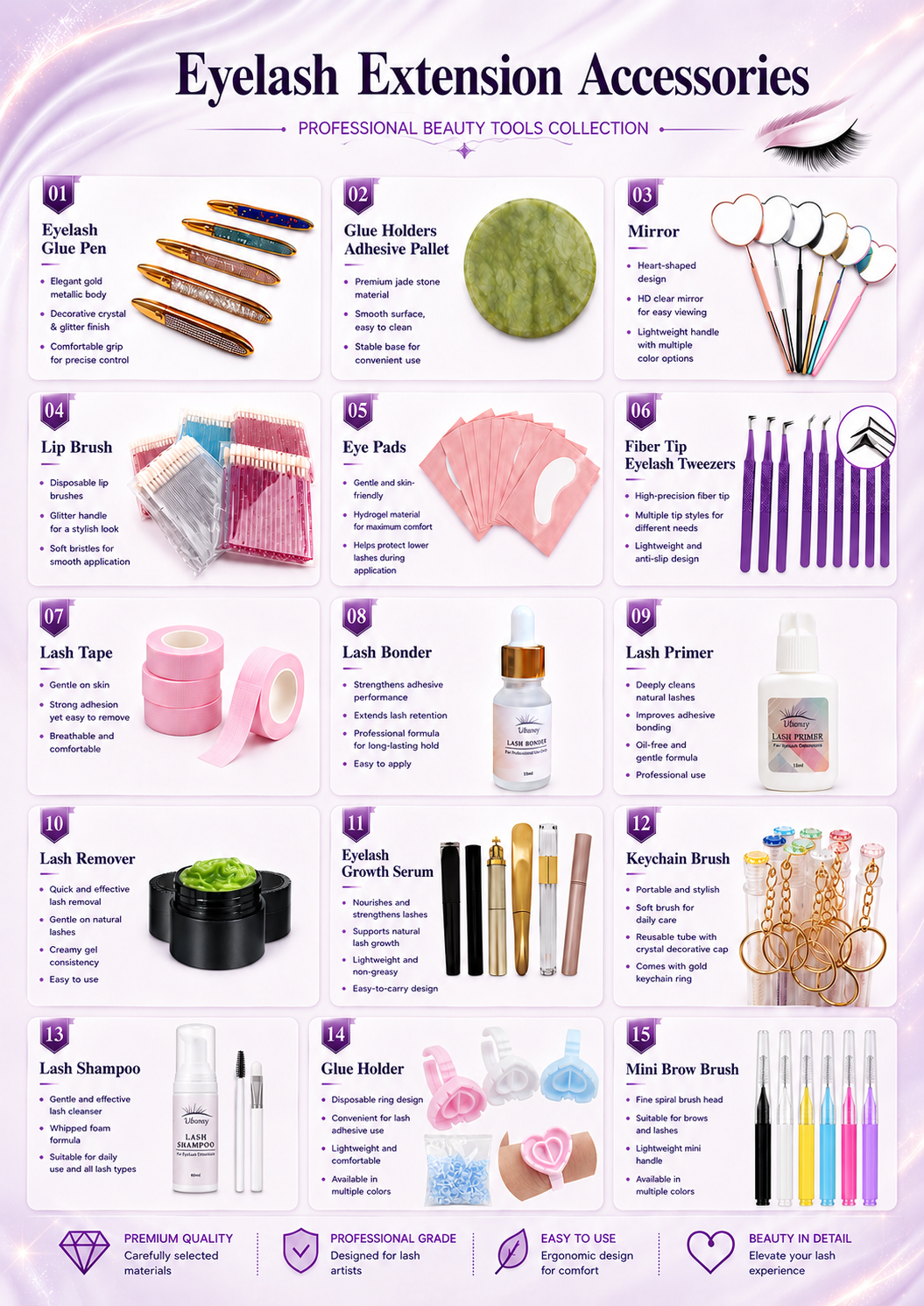
- Identify the item as eye pads from UBEMAY’s Professional Eyelash Extension Accessories collection.
- Provide the order number, purchase date, batch or product details, quantity affected, and the number of failures observed.
- State whether the eye pads were used in a salon, lash training environment, or mobile beauty service.
- Ask the supplier to complete a quality review and confirm the proposed corrective action in writing.
Information the Supplier Needs to Assess
A recurring adhesion failure should be presented as a pattern rather than as a general product complaint. Describe when the eye pad stopped adhering, whether it lifted during preparation or treatment, and whether the same issue appeared across multiple units. Include details about skin preparation, product storage, environmental conditions, and the type of lash service involved when these factors may help with evaluation.
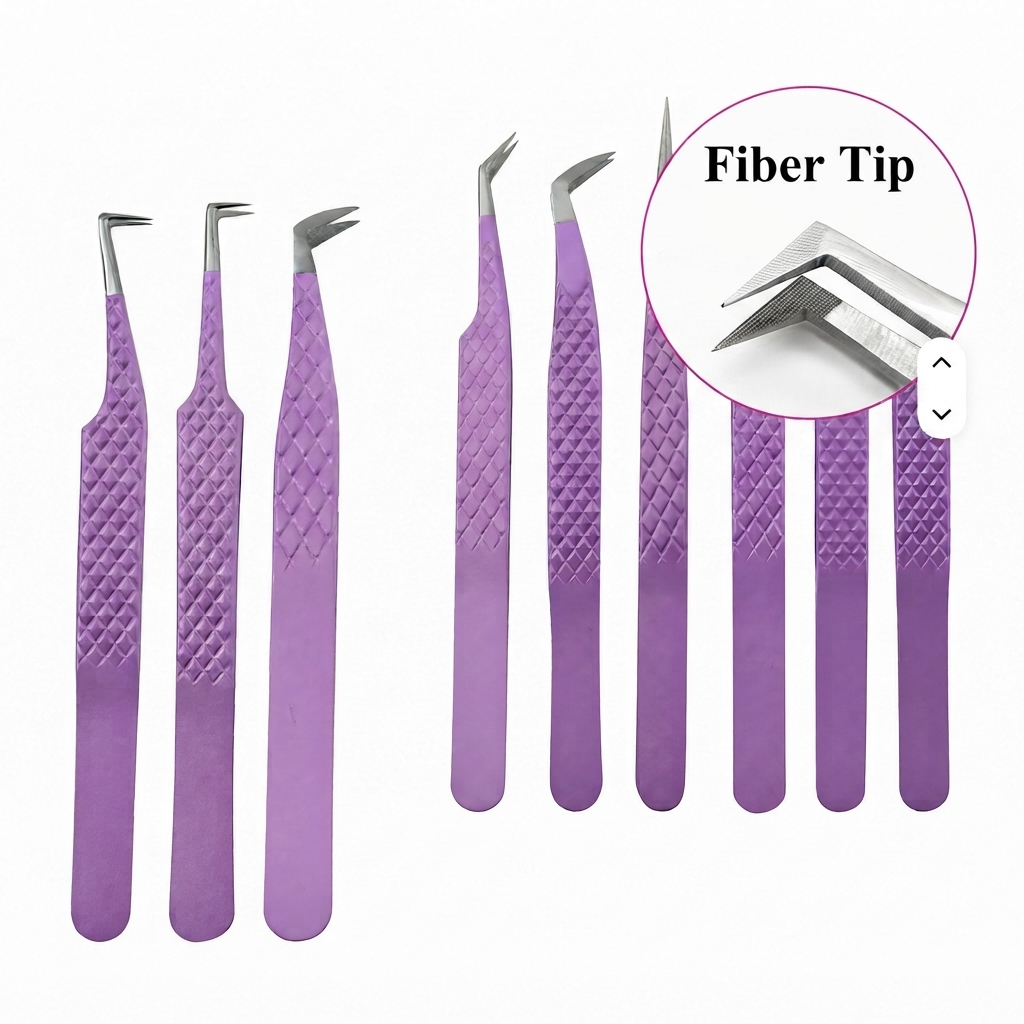
The affected product should be clearly separated from other items in the same professional accessory range. UBEMAY’s listed accessories include eyelash glue pens, adhesive pallets, lash mirrors, lip brushes, eye pads, fiber tip tweezers, lash tape, lash bonder, lash primer, lash remover, eyelash growth serum, lash shampoo, glue holder rings, keychain brushes, and mini brow brushes. Naming eye pads specifically helps the quality team investigate the correct product.
Quality Review and After-Sales Handling
UBEMAY describes four inspection points for its professional lash accessories: incoming material inspection, appearance inspection, functional inspection, and pre-shipment inspection. A report about adhesion failures should request an assessment through these established quality procedures. The report should describe observable facts without stating the cause before the supplier has completed its evaluation.
According to the stated after-sales process, available support includes assistance with quality issues, replacement for verified defects, and customization assistance where relevant. Retain the original report, evidence, supplier replies, and any replacement details so the issue can be tracked against the order.
Consider the Application Environment
Eye pads may be used by professional lash salons, eyelash extension studios, training academies, beauty schools, independent lash artists, and mobile service providers. These settings can involve different temperatures, humidity levels, work durations, and preparation routines. Recording the operating environment gives the supplier more useful information when comparing the reported failure with its inspection results.
UBEMAY has also handled sourcing projects involving professional salon use, lash education, retail sales, and wholesale lash accessories. This indicates experience with multi-product beauty supply, although those examples do not by themselves identify the cause of a particular eye pad adhesion issue.
Reporting Checklist
| Report section | Details to provide | Related supplier process |
|---|---|---|
| Product details | Professional Eyelash Extension Accessories; affected item: eye pads | Incoming material and appearance inspection |
| Failure pattern | Frequency, affected quantity, point of failure, and application conditions | Functional inspection and quality review |
| Supporting evidence | Photos, videos, batch details, order records, and usage notes | Defect verification and after-sales assessment |
| Requested action | Quality findings, verified-defect replacement, or another documented solution | After-sales support |
| Order context | Sample, wholesale, private-label, bulk, or small-batch purchase | OEM/ODM and private-label support |
Frequently Asked Questions
How should repeated eye pad adhesion failures be described?
Identify the Professional Eyelash Extension Accessories product, name eye pads as the affected item, explain that the failure is recurring, and state where and how the products were used.
Which quality checks should be referenced?
The relevant checks are incoming material, appearance, functional, and pre-shipment inspections. The supplier should determine the cause through its quality process instead of relying on an unverified assumption.
What can happen after a defect is confirmed?
UBEMAY states that after-sales support may include quality issue assistance, replacement for verified defects, and customization assistance. The specific resolution should be confirmed based on the order and review findings.
Conclusion
Repeated eye pad adhesion failures should be reported as a focused quality case with clear product identification, order information, usage conditions, failure frequency, and evidence. Request a documented review under the supplier’s inspection and after-sales procedures, then retain the response for follow-up. UBEMAY supports sample, wholesale, private-label, bulk, and flexible small-batch orders, together with OEM/ODM services. For technical assistance or product support, contact sales@ubemay.com.
About Us
Guangzhou Ruiju E-Commerce Co., Ltd., operating under the UBEMAY brand, supplies eyelash extensions, lash adhesives, professional accessories, and UV/LED lash equipment to the global beauty market. Its range includes eye pads, preparation and aftercare products, and application tools for wholesalers, distributors, salons, training organizations, retailers, and private-label businesses. The company states that its product development team can assist with customized labels, bottles, caps, packaging, and product specifications, while OEM/ODM and private-label services are available. Listed credentials include FDA Cosmetic Product Listing for UV Eyelash Extension Glue and CE certifications for LED Lash Glue Curing Lamps, with customers served across several industries.

REPORT