







-
 Agriculture
-
 Health-Care
-
 Environment
-
 Construction-Real-Estate
-
 Tools-Hardware
-
 Home-Garden
-
 Furniture
-
 Luggage-Bags-Cases
-
 Medical-devices-Supplies
-
 Gifts-Crafts
-
 Sports-Entertainment
-
 Food-Beverage
-
 Vehicles-Transportation
-
 Power-Transmission
-
 Material-Handling
-
 Renewable-Energy
-
 Safety
-
 Testing-Instrument-Equipment
-
 Construction-Building-Machinery
-
 Pet-Supplies
-
 Personal-Care-Household-Cleaning
-
 Vehicle-Accessories-Electronics-Tools
-
 School-Office-Supplies
-
 Packaging-Printing
-
 Mother-Kids-Toys
-
 Business-Services
-
 Commercial-Equipment-Machinery
-
 Apparel-Accessories
-
 Security
-
 Shoes-Accessories
-
 Vehicle-Parts-Accessories
-
 Jewelry-Eyewear-Watches-Accessories
-
 Lights-Lighting
-
 Fabric-Textile-Raw-Material
-
 Fabrication-Services
-
 Industrial-Machinery
-
 Consumer-Electronics
-
 Electrical-Equipment-Supplies
-
 Electronic-Components-Accessories-Telecommunications
-
 Home-Appliances
-
 Beauty
-
 Chemicals
-
 Rubber-Plastics
-
 Metals-Alloys


























































































































































































































































































































































































































































































































































































- Masonry Materials
- Curtain Walls & Accessories
- Earthwork Products
- Fireproofing Materials
- Heat Insulation Materials
- Plastic Building Materials
- Building Boards
- Soundproofing Materials
- Timber
- Waterproofing Materials
- Balustrades & Handrails
- Bathroom & Kitchen
- Flooring & Accessories
- Tiles & Accessories
- Door, Window & Accessories
- Fireplaces & Stoves
- Floor Heating Systems & Parts
- Stairs & Stair Parts
- Ceilings
- Elevators & Escalators
- Stone
- Countertops, Vanity Tops & Table Tops
- Mosaics
- Metal Building Materials
- Multifunctional Materials
- Ladders & Scaffoldings
- Mouldings
- Corner Guards
- Decorative Films
- Formwork
- Building & Industrial Glass
- Other Construction & Real Estate
- Wallpapers/Wall panels
- HVAC System & Parts
- Outdoor Facilities
- Prefabricated Buildings
- Festive & Party Supplies
- Bathroom Products
- Household Sundries
- Rain Gear
- Garden Supplies
- Household Cleaning Tools & Accessories
- Lighters & Smoking Accessories
- Home Storage & Organization
- Household Scales
- Smart Home Improvement
- Home Textiles
- Kitchenware
- Drinkware & Accessories
- Dinnerware, Coffee & Wine
- Home Decor
- Golf
- Fitness & Body Building
- Amusement Park Facilities
- Billiards, Board Game,Coin Operated Games
- Musical Instruments
- Outdoor Affordable Luxury Sports
- Camping & Hiking
- Fishing
- Sports Safety&Rehabilitation
- Ball Sports Equipments
- Water Sports
- Winter Sports
- Luxury Travel Equipments
- Sports Shoes, Bags & Accessories
- Cycling
- Other Sports & Entertainment Products
- Artificial Grass&Sports Flooring&Sports Court Equipment
- Scooters
- Food Ingredients
- Honey & Honey Products
- Snacks
- Nuts & Kernels
- Seafood
- Plant & Animal Oil
- Beverages
- Fruit & Vegetable Products
- Frog & Escargot
- Bean Products
- Egg Products
- Dairy Products
- Seasonings & Condiments
- Canned Food
- Instant Food
- Baked Goods
- Other Food & Beverage
- Meat & Poultry
- Confectionery
- Grain Products
- Feminie Care
- Hair Care & Styling
- Body Care
- Hands & Feet Care
- Hygiene Products
- Men's Grooming
- Laundry Cleaning Supplies
- Travel Size & Gift Sets
- Room Deodorizers
- Other Personal Care Products
- Pest Control Products
- Special Household Cleaning
- Floor Cleaning
- Kitchen & Bathroom Cleaning
- Oral Care
- Bath Supplies
- Yellow Pages
- Correction Supplies
- Office Binding Supplies
- Office Cutting Supplies
- Board Erasers
- Office Adhesives & Tapes
- Education Supplies
- Pencil Cases & Bags
- Notebooks & Writing Pads
- File Folder Accessories
- Calendars
- Writing Accessories
- Commercial Office Supplies
- Pencil Sharpeners
- Pens
- Letter Pad/Paper
- Paper Envelopes
- Desk Organizers
- Pencils
- Markers & Highlighters
- Filing Products
- Art Supplies
- Easels
- Badge Holder & Accessories
- Office Paper
- Printer Supplies
- Book Covers
- Other Office & School Supplies
- Stationery Set
- Boards
- Clipboards
- Stamps
- Drafting Supplies
- Stencils
- Electronic Dictionary
- Books
- Map
- Magazines
- Calculators
- Baby & Toddler Toys
- Educational Toys
- Classic Toys
- Dress Up & Pretend Play
- Toy Vehicle
- Stuffed Animals & Plush Toys
- Outdoor Toys & Structures
- Balloons & Accessories
- Baby Food
- Children's Clothing
- Baby Supplies & Products
- Maternity Clothes
- Kids Shoes
- Baby Care
- Novelty & Gag Toys
- Dolls & Accessories
- Puzzle & Games
- Blocks & Model Building Toys
- Toddler Clothing
- Baby Clothing
- Kids' Luggage & Bags
- Arts, Crafts & DIY Toys
- Action & Toy Figures
- Baby Appliances
- Hobbies & Models
- Remote Control Toys
- Promotional Toys
- Pregnancy & Maternity
- Hygiene Products
- Kid's Textile&Bedding
- Novelty & Special Use
- Toy Weapons
- Baby Gifts
- Baby Storage & Organization
- Auto Drive Systems
- ATV/UTV Parts & Accessories
- Marine Parts & Accessories
- Other Auto Parts
- Trailer Parts & Accessories
- Auto Transmission Systems
- Train Parts & Accessories
- Universal Parts
- Railway Parts & Accessories
- Auto Brake Systems
- Aviation Parts & Accessories
- Truck Parts & Accessories
- Auto Suspension Systems
- Auto Lighting Systems
- New Energy Vehicle Parts & Accessories
- Auto Steering Systems
- Wheels, Tires & Accessories
- Bus Parts & Accessories
- Auto Performance Parts
- Cooling System
- Go-Kart & Kart Racer Parts & Accessories
- Air Conditioning Systems
- Heavy Duty Vehicle Parts & Accessories
- Auto Electrical Systems
- Auto Body Systems
- Auto Engine Systems
- Container Parts & Accessories
- Motorcycle Parts & Accessories
- Refrigeration & Heat Exchange Equipment
- Machine Tool Equipment
- Food & Beverage Machinery
- Agricultural Machinery & Equipment
- Apparel & Textile Machinery
- Chemical Machinery
- Packaging Machines
- Paper Production Machinery
- Plastic & Rubber Processing Machinery
- Industrial Robots
- Electronic Products Machinery
- Metal & Metallurgy Machinery
- Woodworking Machinery
- Home Product Manufacturing Machinery
- Machinery Accessories
- Environmental Machinery
- Machinery Service
- Electrical Equipment Manufacturing Machinery
- Industrial Compressors & Parts
- Tobacco & Cigarette Machinery
- Production Line
- Used Industrial Machinery
- Electronics Production Machinery
- Other Machinery & Industrial Equipment
- Camera, Photo & Accessories
- Portable Audio, Video & Accessories
- Television, Home Audio, Video & Accessories
- Video Games & Accessories
- Mobile Phone & Accessories
- Electronic Publications
- Earphone & Headphone & Accessories
- Speakers & Accessories
- Smart Electronics
- TV Receivers & Accessories
- Mobile Phone & Computer Repair Parts
- Chargers, Batteries & Power Supplies
- Used Electronics
- VR, AR, MR Hardware & Software
- Projectors & Presentation Equipments
- Other Consumer Electronics
- Cables & Commonly Used Accessories
- Computer Hardware & Software
- Displays, Signage and Optoelectronics
- Discrete Semiconductors
- Wireless & IoT Module and Products
- Telecommunications
- Connectors, Terminals & Accessories
- Development Boards, Electronic Modules and Kits
- Circuit Protection
- Sensors
- Isolators
- Audio Components and Products
- Integrated Circuits
- Power Supplies
- Relays
- RF, Microwave and RFID
- Electronic Accessories & Supplies
- Passive Components
- PCB & PCBA
- Air Quality Appliances
- Home Appliance Parts
- Heating & Cooling Appliances
- Small Kitchen Appliances
- Laundry Appliances
- Water Heaters
- Water Treatment Appliances
- Refrigerators & Freezers
- Personal Care & Beauty Appliances
- Major Kitchen Appliances
- Cleaning Appliances
- Second-hand Appliances
- Smart Home Appliances
- Other Home Appliances
- Energy Chemicals
- Inorganic Chemicals
- Basic Organic Chemicals
- Agrochemicals
- Admixture & Additives
- Catalysts & Chemical Auxiliary Agents
- Pigments & Dyestuff
- Coating & Paint
- Daily Chemicals
- Polymer
- Organic Intermediate
- Adhesives & Sealants
- Chemical Waste
- Biological Chemical Products
- Surface Treatment Chemicals
- Painting & Coating
- Chemical Reagents
- Flavor & Fragrance
- Non-Explosive Demolition Agents
- Other Chemicals
- Custom Chemical Services

How to Evaluate a Stainless Steel Dinner Knife Sample for Cutting and Edge Safety
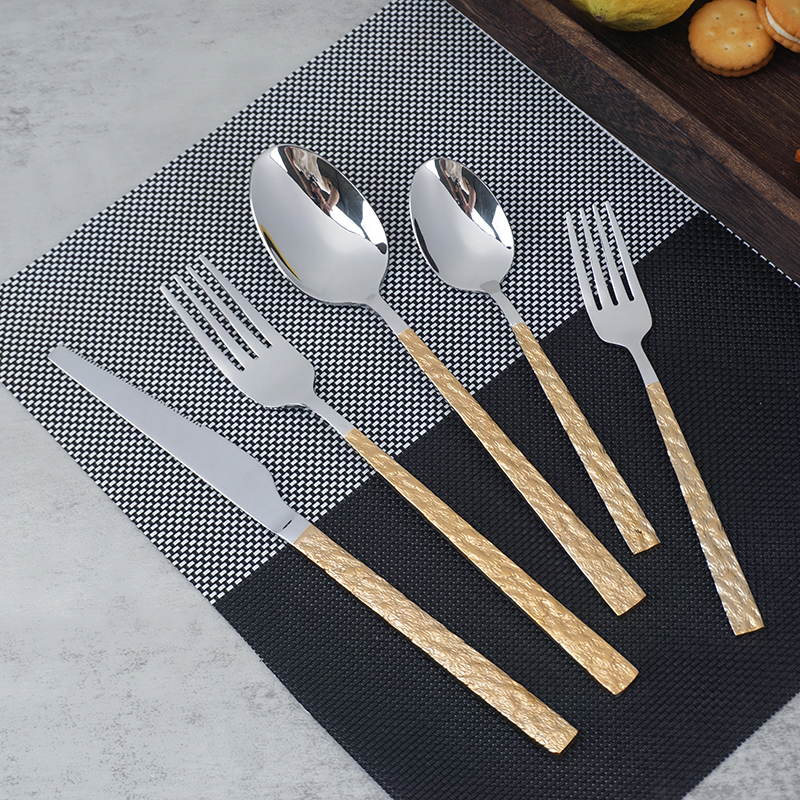
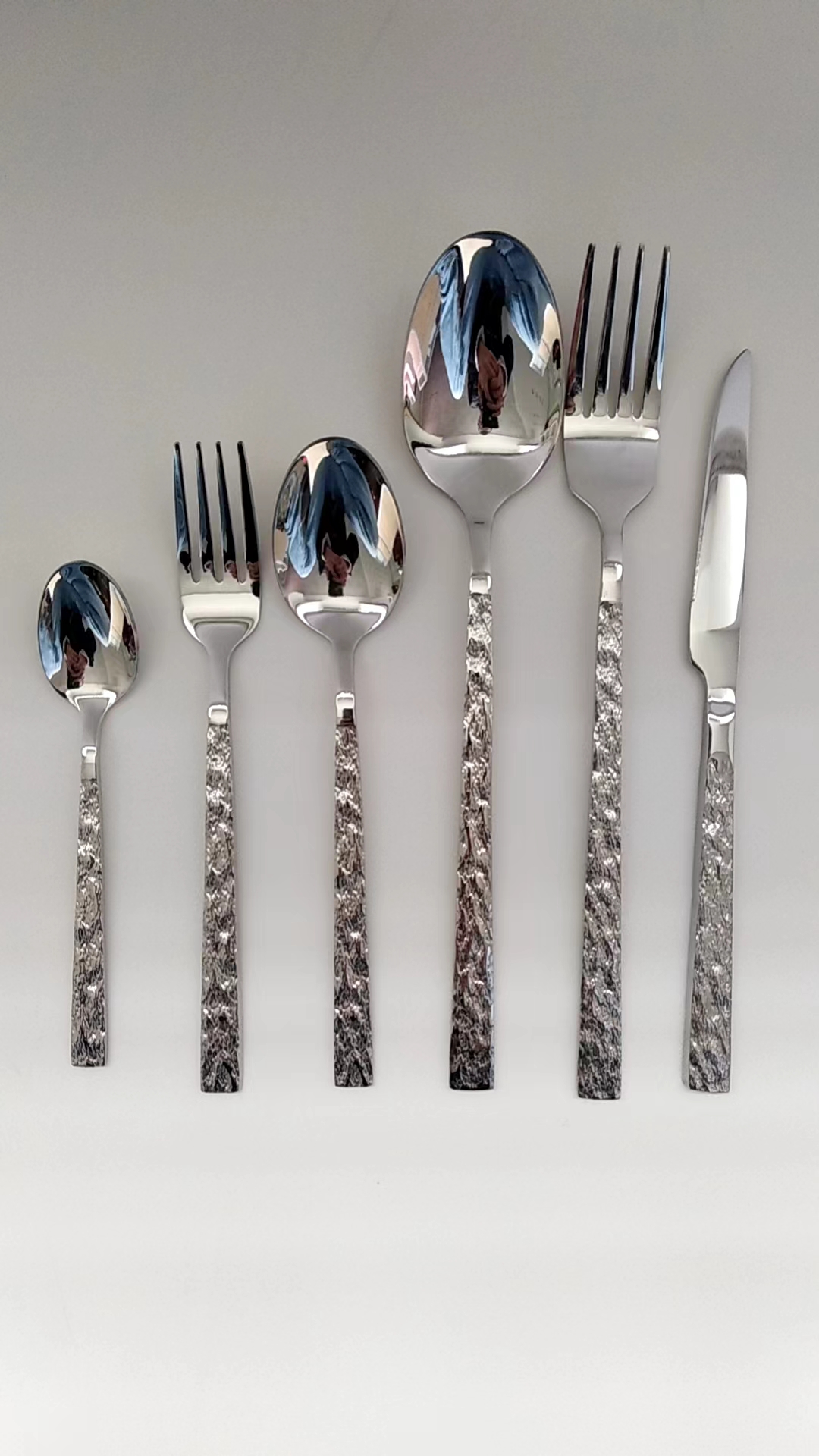
Before approving a production order, every stainless steel dinner knife sample should undergo practical cutting and safety checks. The evaluation should confirm that the 420 stainless steel blade cuts food smoothly, has a consistent edge without burrs or sharp irregularities, and stays firmly attached to the full-tang handle. The mirror-polished metal, 3D stone-textured grip, partial gold plating, and overall workmanship also require careful review.
Why Sample Testing Matters
A single sample inspection provides an important reference for bulk production. It helps buyers verify both functional performance and compliance with the approved design before the same specifications are repeated across a larger order. This is especially important for knives intended for hotels, restaurants, catering groups, and other environments where tableware is handled frequently.
- Use representative food materials to assess cutting smoothness and edge control.
- Inspect the edge, tip, heel, spine, and handle connection for burrs, gaps, looseness, or rough transitions.
- Confirm that the material, full-tang construction, handle design, and surface treatment match the approved specification.
- Compare multiple samples whenever possible to identify variation in cutting performance or appearance.
Key Inspection Points for the Dinner Knife
Blade Performance and Edge Condition
Test the knife on common food materials that represent its intended use. The blade should enter the material in a controlled manner and produce a clean cut without excessive dragging, snagging, or unpredictable movement. Repeating the test across several samples can help determine whether the result reflects consistent manufacturing quality rather than an isolated acceptable piece.
Examine the cutting edge under adequate lighting and check the non-cutting areas carefully during handling. The edge should be even and properly formed, with no visible burrs, sharp fragments, rough sections, or unstable points. The tip, heel, and spine deserve additional attention because defects in these areas may affect safe handling.
Construction and Handle Security
The knife is specified with a 420 stainless steel blade and full-tang one-piece construction. Check the junction between the blade and the streamlined metal handle for movement, visible gaps, misalignment, or interruptions in the surface. A secure connection should remain stable when the knife is held and used repeatedly.
The handle should also match the approved 3D stone texture. Inspect it for uneven finishing, cracks, sharp edges, or areas that could affect comfort during service. The mirror-polished metal portion should have a consistent reflection without deep scratches, cloudy patches, or obvious polishing marks.
Decorative Finish and Appearance
Partial gold plating should be checked for complete and even coverage in the specified areas. Look for peeling, discoloration, scratches, exposed sections, or inconsistent boundaries between the plated and unplated surfaces. These appearance checks are essential when the cutlery is intended for hospitality, retail, or branded tableware programs.
Specification and Quality Documentation
Sample approval should cover more than the knife's immediate cutting performance. Compare the physical product with the stated material and construction requirements, including the 420 stainless steel blade, full-tang design, mirror-polished metal, 3D stone-textured handle, and partial gold plating. Any difference should be recorded and resolved before production begins.
The supplier states that products receive appearance inspection before shipment and lists LFGB, FDA, BSCI, and ISO 9001-related quality credentials for its products and operations. Such documents are useful for supplier assessment, but they do not replace direct examination of the physical sample. Buyers should retain inspection notes, photographs, and the approved reference sample for later batch comparisons.
Inspection Checklist
| Inspection Area | Recommended Method | Acceptance Standard |
|---|---|---|
| Cutting performance | Use the 420 stainless steel blade on representative food materials | Clean, controlled cuts without snagging or unstable movement |
| Edge safety | Review the edge, tip, heel, and spine under suitable lighting | No burrs, rough transitions, unexpected points, or sharp fragments |
| Blade and handle connection | Examine the full-tang construction and handle junction | No looseness, gaps, movement, or visible misalignment |
| Surface treatment | Inspect the mirror polish, stone texture, and gold-plated sections | Even finish without peeling, scratches, cloudy areas, or incomplete coverage |
| Specification records | Compare the sample with the approved drawings, materials, and documents | Physical characteristics and inspection records agree with the approved sample |
Frequently Asked Questions
Is sample testing necessary before placing a bulk order?
Yes. Testing verifies cutting behavior, edge safety, structural stability, and appearance before production approval. The accepted sample can then serve as a reference for incoming and batch inspections.
Which parts of a dinner knife need the most attention?
Focus on the cutting edge, tip, heel, spine, and blade-to-handle junction. These areas should be free from burrs, rough transitions, unexpected points, gaps, and movement.
What should the tested sample match?
It should correspond to the approved 420 stainless steel blade, full-tang one-piece construction, mirror-polished metal, 3D stone-textured handle, and partial gold-plated finish. Differences in materials, dimensions, or decoration should be documented before approval.
Conclusion and Supplier Information
Approving a stainless steel dinner knife should be based on both performance and safety evidence. Test the blade on representative foods, inspect every edge-related area, verify the stability of the full-tang handle, and document the condition of the polished and decorative surfaces. Rechecking several samples is recommended for commercial orders that require consistent quality during high-frequency use.
JIEYANG CITY HUAQIANG METAL INDUSTRY CO., LTD. offers direct factory supply, OEM/ODM development, logo engraving, and packaging customization. The company supports standard MOQ requirements and lists a typical lead time of 25-40 days. Its stated credentials include BSCI, ISO 9001, LFGB, and FDA. For product specifications or technical support, contact eyas2018@126.com.
About the Manufacturer
JIEYANG CITY HUAQIANG METAL INDUSTRY CO., LTD., operating under the EYAS brand, produces stainless steel tableware and kitchenware in Jieyang City, Guangdong Province. Founded in 2006, the company has 16,000 square meters of production space and a team of 30 professional R&D engineers and designers. Its services include OEM/ODM production, logo engraving, and customized packaging. The company lists BSCI, ISO9001, and ISO14001 certifications and serves customers in several market sectors.

REPORT