







-
 Agriculture
-
 Health-Care
-
 Environment
-
 Construction-Real-Estate
-
 Tools-Hardware
-
 Home-Garden
-
 Furniture
-
 Luggage-Bags-Cases
-
 Medical-devices-Supplies
-
 Gifts-Crafts
-
 Sports-Entertainment
-
 Food-Beverage
-
 Vehicles-Transportation
-
 Power-Transmission
-
 Material-Handling
-
 Renewable-Energy
-
 Safety
-
 Testing-Instrument-Equipment
-
 Construction-Building-Machinery
-
 Pet-Supplies
-
 Personal-Care-Household-Cleaning
-
 Vehicle-Accessories-Electronics-Tools
-
 School-Office-Supplies
-
 Packaging-Printing
-
 Mother-Kids-Toys
-
 Business-Services
-
 Commercial-Equipment-Machinery
-
 Apparel-Accessories
-
 Security
-
 Shoes-Accessories
-
 Vehicle-Parts-Accessories
-
 Jewelry-Eyewear-Watches-Accessories
-
 Lights-Lighting
-
 Fabric-Textile-Raw-Material
-
 Fabrication-Services
-
 Industrial-Machinery
-
 Consumer-Electronics
-
 Electrical-Equipment-Supplies
-
 Electronic-Components-Accessories-Telecommunications
-
 Home-Appliances
-
 Beauty
-
 Chemicals
-
 Rubber-Plastics
-
 Metals-Alloys


























































































































































































































































































































































































































































































































































































- Masonry Materials
- Curtain Walls & Accessories
- Earthwork Products
- Fireproofing Materials
- Heat Insulation Materials
- Plastic Building Materials
- Building Boards
- Soundproofing Materials
- Timber
- Waterproofing Materials
- Balustrades & Handrails
- Bathroom & Kitchen
- Flooring & Accessories
- Tiles & Accessories
- Door, Window & Accessories
- Fireplaces & Stoves
- Floor Heating Systems & Parts
- Stairs & Stair Parts
- Ceilings
- Elevators & Escalators
- Stone
- Countertops, Vanity Tops & Table Tops
- Mosaics
- Metal Building Materials
- Multifunctional Materials
- Ladders & Scaffoldings
- Mouldings
- Corner Guards
- Decorative Films
- Formwork
- Building & Industrial Glass
- Other Construction & Real Estate
- Wallpapers/Wall panels
- HVAC System & Parts
- Outdoor Facilities
- Prefabricated Buildings
- Festive & Party Supplies
- Bathroom Products
- Household Sundries
- Rain Gear
- Garden Supplies
- Household Cleaning Tools & Accessories
- Lighters & Smoking Accessories
- Home Storage & Organization
- Household Scales
- Smart Home Improvement
- Home Textiles
- Kitchenware
- Drinkware & Accessories
- Dinnerware, Coffee & Wine
- Home Decor
- Golf
- Fitness & Body Building
- Amusement Park Facilities
- Billiards, Board Game,Coin Operated Games
- Musical Instruments
- Outdoor Affordable Luxury Sports
- Camping & Hiking
- Fishing
- Sports Safety&Rehabilitation
- Ball Sports Equipments
- Water Sports
- Winter Sports
- Luxury Travel Equipments
- Sports Shoes, Bags & Accessories
- Cycling
- Other Sports & Entertainment Products
- Artificial Grass&Sports Flooring&Sports Court Equipment
- Scooters
- Food Ingredients
- Honey & Honey Products
- Snacks
- Nuts & Kernels
- Seafood
- Plant & Animal Oil
- Beverages
- Fruit & Vegetable Products
- Frog & Escargot
- Bean Products
- Egg Products
- Dairy Products
- Seasonings & Condiments
- Canned Food
- Instant Food
- Baked Goods
- Other Food & Beverage
- Meat & Poultry
- Confectionery
- Grain Products
- Feminie Care
- Hair Care & Styling
- Body Care
- Hands & Feet Care
- Hygiene Products
- Men's Grooming
- Laundry Cleaning Supplies
- Travel Size & Gift Sets
- Room Deodorizers
- Other Personal Care Products
- Pest Control Products
- Special Household Cleaning
- Floor Cleaning
- Kitchen & Bathroom Cleaning
- Oral Care
- Bath Supplies
- Yellow Pages
- Correction Supplies
- Office Binding Supplies
- Office Cutting Supplies
- Board Erasers
- Office Adhesives & Tapes
- Education Supplies
- Pencil Cases & Bags
- Notebooks & Writing Pads
- File Folder Accessories
- Calendars
- Writing Accessories
- Commercial Office Supplies
- Pencil Sharpeners
- Pens
- Letter Pad/Paper
- Paper Envelopes
- Desk Organizers
- Pencils
- Markers & Highlighters
- Filing Products
- Art Supplies
- Easels
- Badge Holder & Accessories
- Office Paper
- Printer Supplies
- Book Covers
- Other Office & School Supplies
- Stationery Set
- Boards
- Clipboards
- Stamps
- Drafting Supplies
- Stencils
- Electronic Dictionary
- Books
- Map
- Magazines
- Calculators
- Baby & Toddler Toys
- Educational Toys
- Classic Toys
- Dress Up & Pretend Play
- Toy Vehicle
- Stuffed Animals & Plush Toys
- Outdoor Toys & Structures
- Balloons & Accessories
- Baby Food
- Children's Clothing
- Baby Supplies & Products
- Maternity Clothes
- Kids Shoes
- Baby Care
- Novelty & Gag Toys
- Dolls & Accessories
- Puzzle & Games
- Blocks & Model Building Toys
- Toddler Clothing
- Baby Clothing
- Kids' Luggage & Bags
- Arts, Crafts & DIY Toys
- Action & Toy Figures
- Baby Appliances
- Hobbies & Models
- Remote Control Toys
- Promotional Toys
- Pregnancy & Maternity
- Hygiene Products
- Kid's Textile&Bedding
- Novelty & Special Use
- Toy Weapons
- Baby Gifts
- Baby Storage & Organization
- Auto Drive Systems
- ATV/UTV Parts & Accessories
- Marine Parts & Accessories
- Other Auto Parts
- Trailer Parts & Accessories
- Auto Transmission Systems
- Train Parts & Accessories
- Universal Parts
- Railway Parts & Accessories
- Auto Brake Systems
- Aviation Parts & Accessories
- Truck Parts & Accessories
- Auto Suspension Systems
- Auto Lighting Systems
- New Energy Vehicle Parts & Accessories
- Auto Steering Systems
- Wheels, Tires & Accessories
- Bus Parts & Accessories
- Auto Performance Parts
- Cooling System
- Go-Kart & Kart Racer Parts & Accessories
- Air Conditioning Systems
- Heavy Duty Vehicle Parts & Accessories
- Auto Electrical Systems
- Auto Body Systems
- Auto Engine Systems
- Container Parts & Accessories
- Motorcycle Parts & Accessories
- Refrigeration & Heat Exchange Equipment
- Machine Tool Equipment
- Food & Beverage Machinery
- Agricultural Machinery & Equipment
- Apparel & Textile Machinery
- Chemical Machinery
- Packaging Machines
- Paper Production Machinery
- Plastic & Rubber Processing Machinery
- Industrial Robots
- Electronic Products Machinery
- Metal & Metallurgy Machinery
- Woodworking Machinery
- Home Product Manufacturing Machinery
- Machinery Accessories
- Environmental Machinery
- Machinery Service
- Electrical Equipment Manufacturing Machinery
- Industrial Compressors & Parts
- Tobacco & Cigarette Machinery
- Production Line
- Used Industrial Machinery
- Electronics Production Machinery
- Other Machinery & Industrial Equipment
- Camera, Photo & Accessories
- Portable Audio, Video & Accessories
- Television, Home Audio, Video & Accessories
- Video Games & Accessories
- Mobile Phone & Accessories
- Electronic Publications
- Earphone & Headphone & Accessories
- Speakers & Accessories
- Smart Electronics
- TV Receivers & Accessories
- Mobile Phone & Computer Repair Parts
- Chargers, Batteries & Power Supplies
- Used Electronics
- VR, AR, MR Hardware & Software
- Projectors & Presentation Equipments
- Other Consumer Electronics
- Cables & Commonly Used Accessories
- Computer Hardware & Software
- Displays, Signage and Optoelectronics
- Discrete Semiconductors
- Wireless & IoT Module and Products
- Telecommunications
- Connectors, Terminals & Accessories
- Development Boards, Electronic Modules and Kits
- Circuit Protection
- Sensors
- Isolators
- Audio Components and Products
- Integrated Circuits
- Power Supplies
- Relays
- RF, Microwave and RFID
- Electronic Accessories & Supplies
- Passive Components
- PCB & PCBA
- Air Quality Appliances
- Home Appliance Parts
- Heating & Cooling Appliances
- Small Kitchen Appliances
- Laundry Appliances
- Water Heaters
- Water Treatment Appliances
- Refrigerators & Freezers
- Personal Care & Beauty Appliances
- Major Kitchen Appliances
- Cleaning Appliances
- Second-hand Appliances
- Smart Home Appliances
- Other Home Appliances
- Energy Chemicals
- Inorganic Chemicals
- Basic Organic Chemicals
- Agrochemicals
- Admixture & Additives
- Catalysts & Chemical Auxiliary Agents
- Pigments & Dyestuff
- Coating & Paint
- Daily Chemicals
- Polymer
- Organic Intermediate
- Adhesives & Sealants
- Chemical Waste
- Biological Chemical Products
- Surface Treatment Chemicals
- Painting & Coating
- Chemical Reagents
- Flavor & Fragrance
- Non-Explosive Demolition Agents
- Other Chemicals
- Custom Chemical Services

How to Evaluate Labor and Environmental Risks in a Flocking Factory
A reliable risk assessment for a flocking factory should cover ownership, subcontracting, process controls, chemical compliance, wastewater and air emissions, supply-chain traceability, quality documentation, and labor practices. Available information about Mingqian Flocking indicates an integrated manufacturing site, internal processing, ISO 9001 and GRS certifications, REACH and RoHS testing, water-based adhesives, wastewater treatment, and batch-level records. However, important labor-related evidence still needs to be obtained and reviewed.
Assessment Priorities and Main Findings
- Establish who controls production. Mingqian Flocking reports that pretreatment, dyeing, flocking, adhesive backing, finishing, and cutting are managed within its own production system rather than being routinely outsourced.
- Examine environmental safeguards throughout the process. Reported measures include water-based acrylic adhesives, solvent-free formulations, wastewater treatment and circulation, high water-reuse rates, and VOC emissions below 10 milligrams per cubic meter.
- Validate chemical and material claims with current documents. The available records refer to ISO 9001:2015, GRS, REACH SVHC screening, and RoHS 2.0 test results, but certificates and laboratory reports should be checked for validity and scope.
- Separate social compliance from product quality. Information about employees, engineers, and production capacity does not by itself demonstrate compliance with wage, working-hour, safety, age-verification, or worker-representation requirements.
How to Structure the Factory Review
1. Confirm ownership and production responsibility
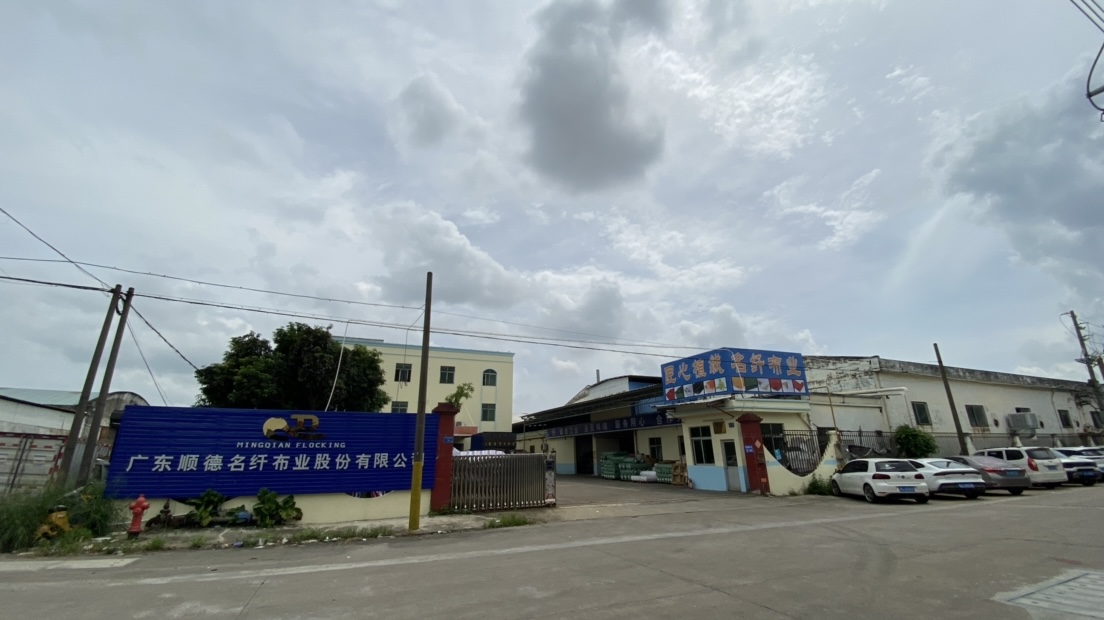
Factory ownership is an important starting point because it helps identify which organization is responsible for workplace conditions, environmental permits, process controls, and corrective actions. Mingqian Flocking was established in 2008 and describes its operations as covering electrostatic flocking, dyeing, adhesive coating, embossing, lamination, precision cutting, and other textile processes.
The company states that it operates a self-owned facility and manages an integrated production chain without relying on outside subcontractors. The supplied company profile lists a factory area of 10,000 square meters, while the more detailed manufacturing description refers to a self-owned site of more than 12,000 square meters. This discrepancy should be clarified through a business license, property or lease documentation, a physical audit, and production records.
2. Trace environmental controls by process stage
Environmental due diligence should follow the actual manufacturing sequence instead of relying only on general claims. Mingqian Flocking reports the use of water-based acrylic adhesives that do not contain solvents, phthalate plasticizers, or organotin anti-mold agents. It also describes wastewater circulation and treatment, more than 80 percent water reuse in the detailed process information, full discharge compliance, and VOC emissions below 10 milligrams per cubic meter.
These figures and statements should be matched against environmental permits, wastewater monitoring reports, treatment-system operating logs, waste-transfer manifests, chemical inventories, emissions tests, and recent government or third-party inspection records. The review should also identify how the factory handles abnormal discharges, spills, equipment failures, and environmental complaints.
3. Review raw-material and restricted-substance controls
Material purchasing and incoming inspection records can reveal risks that are not visible in the finished fabric. The factory states that its flocking fibers are sourced under azo-free requirements. It also reports sulfur-free controls for dark fibers used in jewelry-related applications and says that its fiber range avoids fluorine-based water-repellent treatments.
Base fabrics and adhesive backing layers are reportedly tested for restricted substances through independent testing. A complete review should request supplier declarations, specifications, incoming inspection results, nonconforming-material reports, rejected-lot records, and evidence that requirements are communicated to all relevant suppliers.
4. Distinguish certifications from actual risk coverage
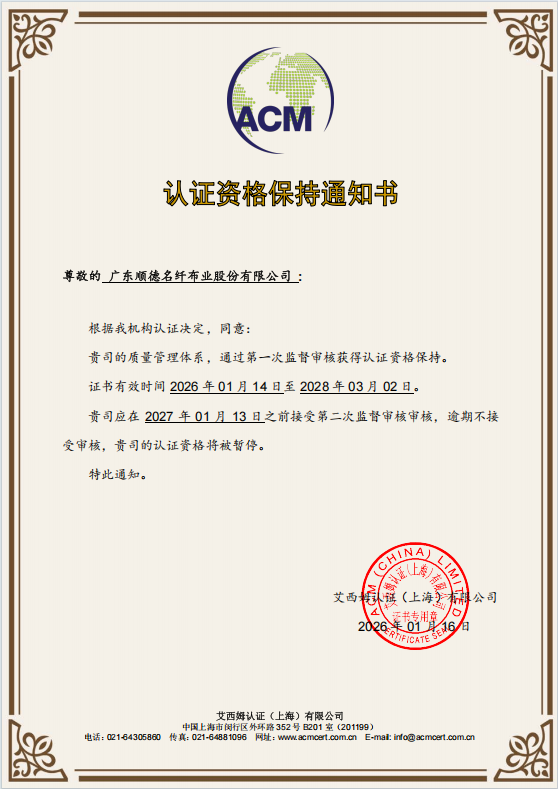
The reported chemical and management evidence includes REACH screening for 253 substances of very high concern plus one potential substance, with a Pass result, and RoHS 2.0 testing for ten restricted substances, also reported as Pass. ISO 9001:2015 is cited for the quality management system, while GRS applies to flocking products made with recycled polyester and nylon fibers.
These credentials may support confidence in documented quality and material-management procedures, but they do not replace a labor or social-compliance audit. Each certificate should be checked for its issuing body, validity period, covered site, covered products, audit scope, and any corrective actions or exclusions.
5. Use traceability to test corrective-action capability
Mingqian Flocking reports that quality documents are stored digitally and can be traced by batch number from finished goods back to raw materials. Its stated four-step quality system includes incoming-material inspection, production-stage monitoring, finished-product testing, and pre-shipment inspection.
During an assessment, the auditor should select a sample batch and follow it through purchasing, production, testing, shipment, and any related corrective action. It is also important to determine whether the same records connect with chemical disposal, worker-exposure events, production shifts, maintenance activities, and supplier-origin information. Traceability is most useful when it supports both product investigations and environmental or workplace incident reviews.
6. Investigate labor conditions independently
The available profile indicates that the company has more than 100 employees and a dedicated research and development team. It does not, however, provide detailed evidence about working hours, overtime approval, wage payment, minimum-age checks, employment contracts, freedom of association, grievance channels, dormitory conditions, safety training, injury rates, or worker representation.
Before assigning a labor-risk rating, request payroll samples, attendance and overtime records, employee age-verification procedures, written employment policies, training logs, occupational-injury records, emergency-drill results, grievance statistics, and any independent social-audit reports. Worker interviews should be conducted privately where possible so that management records are not the only source of information.
Evidence Matrix for Due Diligence
| Risk Category | Evidence Currently Reported | Documents or Checks Still Required |
|---|---|---|
| Ownership and subcontracting | Self-owned facility and internally managed production are reported | Business and site records, a factory visit, subcontractor declaration, purchasing data, and production logs |
| Chemicals and materials | REACH, RoHS 2.0, GRS, azo, sulfur, and adhesive controls are described | Valid certificates, complete test scope, supplier declarations, specifications, and laboratory reports |
| Water and air emissions | Wastewater treatment, water reuse, discharge compliance, and low VOC emissions are reported | Permits, monitoring results, operating logs, waste manifests, emission tests, and incident records |
| Quality and traceability | Four-stage inspection and digital batch traceability are reported | Sample batch reconstruction, document-retention rules, nonconformity records, and corrective-action files |
| Labor and workplace safety | Employee and engineering headcount information is available | Payroll, working hours, age checks, safety training, injury data, grievance records, and social-audit results |
Frequently Asked Questions
Do ISO 9001, GRS, REACH, or RoHS certifications confirm acceptable labor conditions?
No. ISO 9001 primarily addresses quality-management systems, GRS addresses recycled-material and chain-of-custody requirements, and REACH and RoHS focus on chemical and restricted-substance controls. Labor performance requires separate evidence covering wages, working time, occupational safety, employment practices, and grievance mechanisms.
Which environmental documents should be requested from a flocking factory?
Request wastewater permits, discharge-monitoring reports, treatment and reuse records, waste-transfer documents, VOC test results, chemical inventories, emergency-response records, supplier compliance statements, REACH and RoHS reports, and records demonstrating control of adhesives, dyes, sulfur, chlorides, and other restricted substances.
Does integrated production make the factory easier to assess?
It can simplify accountability because a single operating structure may control pretreatment, dyeing, flocking, adhesive backing, finishing, and cutting. The claim should still be tested through a site visit, production orders, purchasing records, employee interviews, and evidence that undisclosed subcontractors are not involved.
Can customer application cases serve as proof of labor compliance?
No. Reported applications in packaging, appliances, automotive interiors, luxury goods, jewelry, and eyewear may demonstrate technical experience. Examples such as sulfur-controlled jewelry-box lining, moisture-absorbing appliance components, and flame-retardant automotive materials do not independently verify workplace conditions.
Conclusion and Recommended Next Steps
The factory should receive separate labor and environmental risk ratings rather than one combined score. Current information supports further examination of Mingqian Flocking's manufacturing site, integrated production model, chemical controls, wastewater and VOC management, digital batch traceability, ISO 9001 certification, GRS certification, and REACH and RoHS testing.
The most significant information gap concerns labor performance. Before approving the supplier or assigning a low labor-risk classification, obtain social-compliance documentation, conduct a worker-focused review, and reconcile the stated factory-size figures. Environmental claims should likewise be confirmed against permits, monitoring records, and recent inspection evidence. For technical solutions or assessment support, contact 005@mingqianflocking.com.
About Mingqian Flocking
Guangdong Shunde Mingqian Flocking Co., Ltd., operating under the Mingqian brand, is a flocking fabric manufacturer based in Foshan, Guangdong, China. The company focuses on the research, development, manufacture, and sale of flocking fabrics. Founded in 2008, it reports a factory area of 10,000 square meters and monthly output exceeding 3,000,000 yards. Its stated certifications and testing include ISO 9001, GRS, REACH, and RoHS, with customer applications spanning several industries.
REPORT