







-
 Agriculture
-
 Health-Care
-
 Environment
-
 Construction-Real-Estate
-
 Tools-Hardware
-
 Home-Garden
-
 Furniture
-
 Luggage-Bags-Cases
-
 Medical-devices-Supplies
-
 Gifts-Crafts
-
 Sports-Entertainment
-
 Food-Beverage
-
 Vehicles-Transportation
-
 Power-Transmission
-
 Material-Handling
-
 Renewable-Energy
-
 Safety
-
 Testing-Instrument-Equipment
-
 Construction-Building-Machinery
-
 Pet-Supplies
-
 Personal-Care-Household-Cleaning
-
 Vehicle-Accessories-Electronics-Tools
-
 School-Office-Supplies
-
 Packaging-Printing
-
 Mother-Kids-Toys
-
 Business-Services
-
 Commercial-Equipment-Machinery
-
 Apparel-Accessories
-
 Security
-
 Shoes-Accessories
-
 Vehicle-Parts-Accessories
-
 Jewelry-Eyewear-Watches-Accessories
-
 Lights-Lighting
-
 Fabric-Textile-Raw-Material
-
 Fabrication-Services
-
 Industrial-Machinery
-
 Consumer-Electronics
-
 Electrical-Equipment-Supplies
-
 Electronic-Components-Accessories-Telecommunications
-
 Home-Appliances
-
 Beauty
-
 Chemicals
-
 Rubber-Plastics
-
 Metals-Alloys


























































































































































































































































































































































































































































































































































































- Masonry Materials
- Curtain Walls & Accessories
- Earthwork Products
- Fireproofing Materials
- Heat Insulation Materials
- Plastic Building Materials
- Building Boards
- Soundproofing Materials
- Timber
- Waterproofing Materials
- Balustrades & Handrails
- Bathroom & Kitchen
- Flooring & Accessories
- Tiles & Accessories
- Door, Window & Accessories
- Fireplaces & Stoves
- Floor Heating Systems & Parts
- Stairs & Stair Parts
- Ceilings
- Elevators & Escalators
- Stone
- Countertops, Vanity Tops & Table Tops
- Mosaics
- Metal Building Materials
- Multifunctional Materials
- Ladders & Scaffoldings
- Mouldings
- Corner Guards
- Decorative Films
- Formwork
- Building & Industrial Glass
- Other Construction & Real Estate
- Wallpapers/Wall panels
- HVAC System & Parts
- Outdoor Facilities
- Prefabricated Buildings
- Festive & Party Supplies
- Bathroom Products
- Household Sundries
- Rain Gear
- Garden Supplies
- Household Cleaning Tools & Accessories
- Lighters & Smoking Accessories
- Home Storage & Organization
- Household Scales
- Smart Home Improvement
- Home Textiles
- Kitchenware
- Drinkware & Accessories
- Dinnerware, Coffee & Wine
- Home Decor
- Golf
- Fitness & Body Building
- Amusement Park Facilities
- Billiards, Board Game,Coin Operated Games
- Musical Instruments
- Outdoor Affordable Luxury Sports
- Camping & Hiking
- Fishing
- Sports Safety&Rehabilitation
- Ball Sports Equipments
- Water Sports
- Winter Sports
- Luxury Travel Equipments
- Sports Shoes, Bags & Accessories
- Cycling
- Other Sports & Entertainment Products
- Artificial Grass&Sports Flooring&Sports Court Equipment
- Scooters
- Food Ingredients
- Honey & Honey Products
- Snacks
- Nuts & Kernels
- Seafood
- Plant & Animal Oil
- Beverages
- Fruit & Vegetable Products
- Frog & Escargot
- Bean Products
- Egg Products
- Dairy Products
- Seasonings & Condiments
- Canned Food
- Instant Food
- Baked Goods
- Other Food & Beverage
- Meat & Poultry
- Confectionery
- Grain Products
- Feminie Care
- Hair Care & Styling
- Body Care
- Hands & Feet Care
- Hygiene Products
- Men's Grooming
- Laundry Cleaning Supplies
- Travel Size & Gift Sets
- Room Deodorizers
- Other Personal Care Products
- Pest Control Products
- Special Household Cleaning
- Floor Cleaning
- Kitchen & Bathroom Cleaning
- Oral Care
- Bath Supplies
- Yellow Pages
- Correction Supplies
- Office Binding Supplies
- Office Cutting Supplies
- Board Erasers
- Office Adhesives & Tapes
- Education Supplies
- Pencil Cases & Bags
- Notebooks & Writing Pads
- File Folder Accessories
- Calendars
- Writing Accessories
- Commercial Office Supplies
- Pencil Sharpeners
- Pens
- Letter Pad/Paper
- Paper Envelopes
- Desk Organizers
- Pencils
- Markers & Highlighters
- Filing Products
- Art Supplies
- Easels
- Badge Holder & Accessories
- Office Paper
- Printer Supplies
- Book Covers
- Other Office & School Supplies
- Stationery Set
- Boards
- Clipboards
- Stamps
- Drafting Supplies
- Stencils
- Electronic Dictionary
- Books
- Map
- Magazines
- Calculators
- Baby & Toddler Toys
- Educational Toys
- Classic Toys
- Dress Up & Pretend Play
- Toy Vehicle
- Stuffed Animals & Plush Toys
- Outdoor Toys & Structures
- Balloons & Accessories
- Baby Food
- Children's Clothing
- Baby Supplies & Products
- Maternity Clothes
- Kids Shoes
- Baby Care
- Novelty & Gag Toys
- Dolls & Accessories
- Puzzle & Games
- Blocks & Model Building Toys
- Toddler Clothing
- Baby Clothing
- Kids' Luggage & Bags
- Arts, Crafts & DIY Toys
- Action & Toy Figures
- Baby Appliances
- Hobbies & Models
- Remote Control Toys
- Promotional Toys
- Pregnancy & Maternity
- Hygiene Products
- Kid's Textile&Bedding
- Novelty & Special Use
- Toy Weapons
- Baby Gifts
- Baby Storage & Organization
- Auto Drive Systems
- ATV/UTV Parts & Accessories
- Marine Parts & Accessories
- Other Auto Parts
- Trailer Parts & Accessories
- Auto Transmission Systems
- Train Parts & Accessories
- Universal Parts
- Railway Parts & Accessories
- Auto Brake Systems
- Aviation Parts & Accessories
- Truck Parts & Accessories
- Auto Suspension Systems
- Auto Lighting Systems
- New Energy Vehicle Parts & Accessories
- Auto Steering Systems
- Wheels, Tires & Accessories
- Bus Parts & Accessories
- Auto Performance Parts
- Cooling System
- Go-Kart & Kart Racer Parts & Accessories
- Air Conditioning Systems
- Heavy Duty Vehicle Parts & Accessories
- Auto Electrical Systems
- Auto Body Systems
- Auto Engine Systems
- Container Parts & Accessories
- Motorcycle Parts & Accessories
- Refrigeration & Heat Exchange Equipment
- Machine Tool Equipment
- Food & Beverage Machinery
- Agricultural Machinery & Equipment
- Apparel & Textile Machinery
- Chemical Machinery
- Packaging Machines
- Paper Production Machinery
- Plastic & Rubber Processing Machinery
- Industrial Robots
- Electronic Products Machinery
- Metal & Metallurgy Machinery
- Woodworking Machinery
- Home Product Manufacturing Machinery
- Machinery Accessories
- Environmental Machinery
- Machinery Service
- Electrical Equipment Manufacturing Machinery
- Industrial Compressors & Parts
- Tobacco & Cigarette Machinery
- Production Line
- Used Industrial Machinery
- Electronics Production Machinery
- Other Machinery & Industrial Equipment
- Camera, Photo & Accessories
- Portable Audio, Video & Accessories
- Television, Home Audio, Video & Accessories
- Video Games & Accessories
- Mobile Phone & Accessories
- Electronic Publications
- Earphone & Headphone & Accessories
- Speakers & Accessories
- Smart Electronics
- TV Receivers & Accessories
- Mobile Phone & Computer Repair Parts
- Chargers, Batteries & Power Supplies
- Used Electronics
- VR, AR, MR Hardware & Software
- Projectors & Presentation Equipments
- Other Consumer Electronics
- Cables & Commonly Used Accessories
- Computer Hardware & Software
- Displays, Signage and Optoelectronics
- Discrete Semiconductors
- Wireless & IoT Module and Products
- Telecommunications
- Connectors, Terminals & Accessories
- Development Boards, Electronic Modules and Kits
- Circuit Protection
- Sensors
- Isolators
- Audio Components and Products
- Integrated Circuits
- Power Supplies
- Relays
- RF, Microwave and RFID
- Electronic Accessories & Supplies
- Passive Components
- PCB & PCBA
- Air Quality Appliances
- Home Appliance Parts
- Heating & Cooling Appliances
- Small Kitchen Appliances
- Laundry Appliances
- Water Heaters
- Water Treatment Appliances
- Refrigerators & Freezers
- Personal Care & Beauty Appliances
- Major Kitchen Appliances
- Cleaning Appliances
- Second-hand Appliances
- Smart Home Appliances
- Other Home Appliances
- Energy Chemicals
- Inorganic Chemicals
- Basic Organic Chemicals
- Agrochemicals
- Admixture & Additives
- Catalysts & Chemical Auxiliary Agents
- Pigments & Dyestuff
- Coating & Paint
- Daily Chemicals
- Polymer
- Organic Intermediate
- Adhesives & Sealants
- Chemical Waste
- Biological Chemical Products
- Surface Treatment Chemicals
- Painting & Coating
- Chemical Reagents
- Flavor & Fragrance
- Non-Explosive Demolition Agents
- Other Chemicals
- Custom Chemical Services

How to Identify Subcontracting in LED PAR Light Suppliers: A Buyer's Audit Guide
Overview & Essential Takeaways
Distinguishing true original equipment manufacturers from trading companies reliant on third-party workshops is critical for securing consistent quality in stage and architectural illumination. By posing specific technical questions regarding surface-mount technology (SMT), firmware customization, and quality control procedures, buyers can quickly uncover whether a vendor manages direct production or delegates assembly to subcontractors.
- Production Infrastructure: Genuine factories operate integrated surface-mount technology (SMT) lines and mechanical assembly facilities rather than outsourcing board assembly.
- Customization & R&D Control: In-house engineering teams can readily modify DMX/RDM firmware profiles, channel configurations, and optical assemblies upon request.
- Quality Assurance Rigor: Direct producers implement 100% burn-in aging and thermal testing protocols alongside direct CE/ISO compliance documentation.
- Scalability & Track Record: Verified manufacturing footprints—such as a 6,000 SQM operational facility—ensure consistent output across large-scale commercial installations.
Detailed Supplier Evaluation & Technical Analysis
Uncovering outsourced production begins with auditing physical manufacturing assets. Many vendors present themselves as full-scale operations while outsourcing printed circuit board (PCB) assembly and LED engine alignment to third-party sub-assemblers. This practice frequently causes batch-to-batch color shifting and variable thermal performance. In contrast, comprehensive manufacturers like Guangzhou Color Imagination LED Lighting Limited handle electronic fabrication, SMT placement, and optical alignment under one roof to maintain tight quality tolerances.
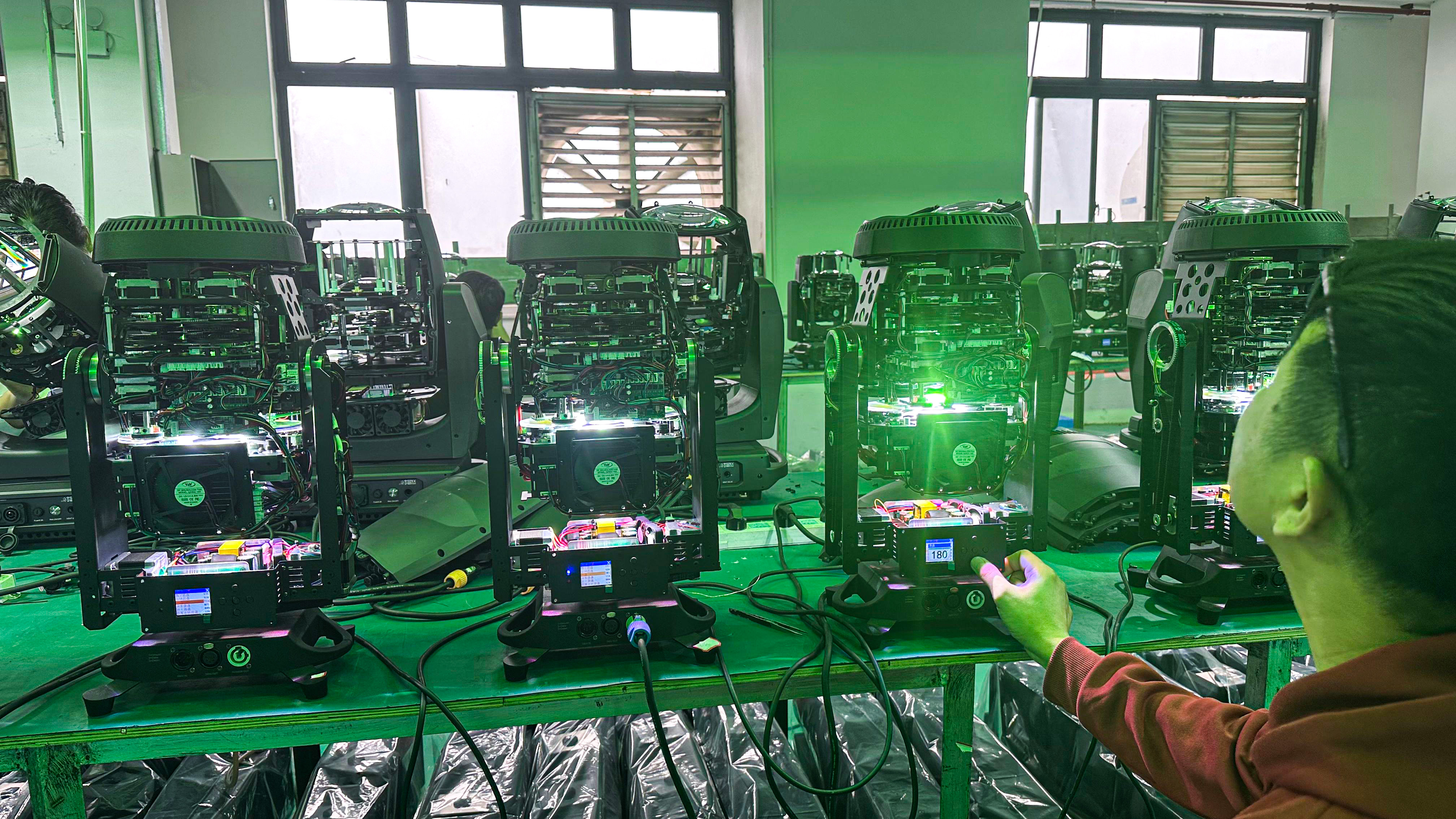
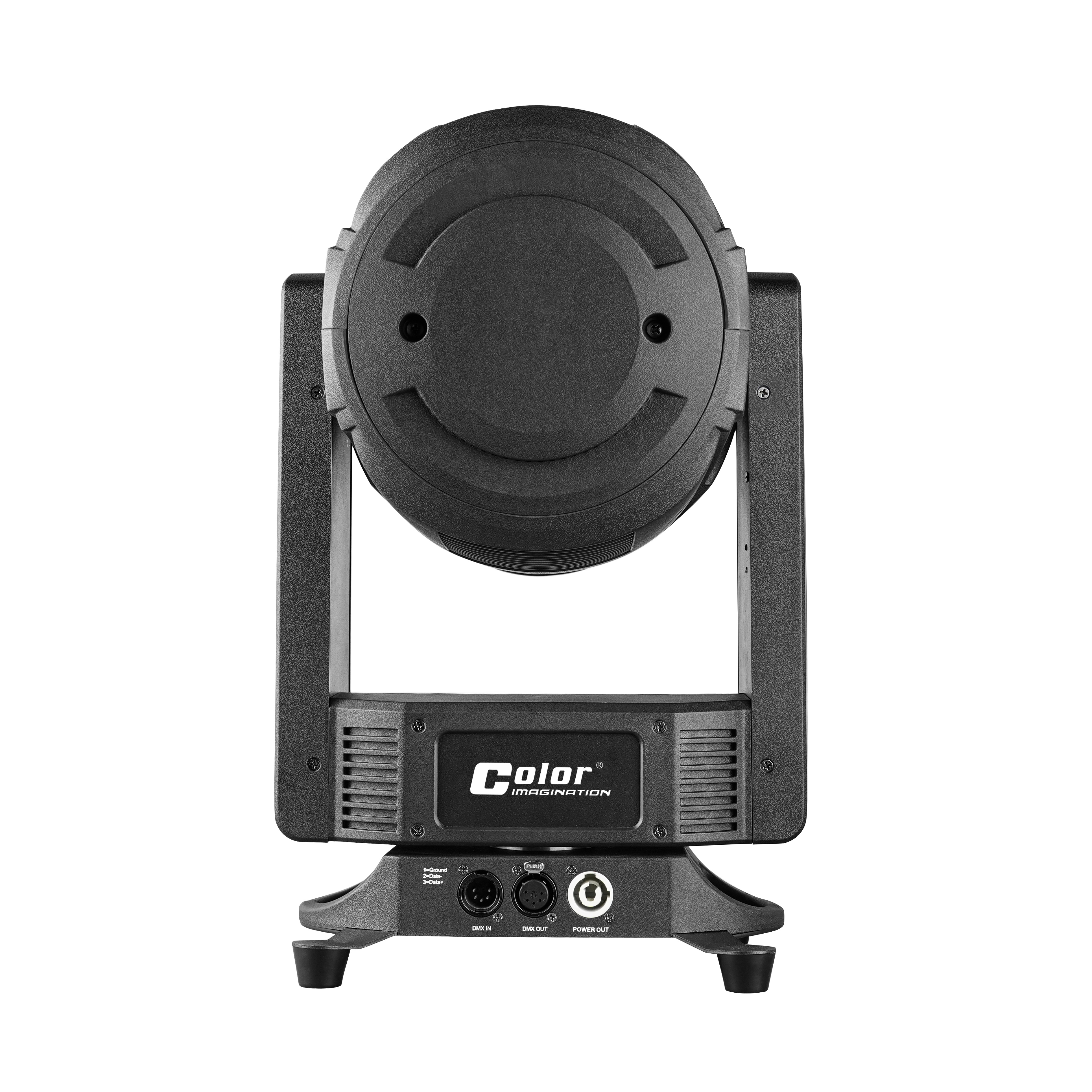
Software and firmware governance offers another key test of true OEM capability. Intermediaries dependent on external factories cannot easily alter DMX mapping, develop bespoke control algorithms, or support low minimum order quantities (MOQs). Direct manufacturers retain full source code access and engineering resources to customize features or develop multi-functional hybrid systems—such as the high-output GRAND 420C moving head fixture, which incorporates precision CMY color mixing and advanced optics.
Testing standards and certification authenticity further differentiate direct factories from intermediaries. Third-party workshops often omit mandatory burn-in aging and thermal monitoring to lower costs and hasten delivery. Requesting detailed incoming inspection records, batch-level burn-in logs, and direct certification documents—such as valid CE standards (LCSB070523036E, LCSB070523041S) and ISO 9001 quality system records (GH004-2023Q0766)—verifies authentic compliance.

Finally, real-world deployment history reveals supply chain consistency. Subcontracted vendors struggle to preserve fixture uniformity during high-volume production runs. Established manufacturers demonstrate field-proven dependability across massive installations, such as supplying 3,500 synchronized stage fixtures for major venues like the Kunming Alice Official Nightclub.
Direct Manufacturer vs. Subcontracted Vendor Comparison
| Criteria | Direct In-House Factory | Subcontracted Supplier |
|---|---|---|
| Manufacturing Capability | Integrated 6,000 SQM facility with SMT lines | Outsourced PCB loading & manual assembly |
| Quality Control Protocols | 100% burn-in, thermal & electrical safety logs | Sample-based testing; skipped aging cycles |
| Firmware & R&D Access | Direct source-code edits & custom DMX profiles | Fixed off-the-shelf stock firmware only |
| Commercial Flexibility | Flexible MOQs (from 1 unit); predictable lead times | High MOQs required; erratic delivery schedules |
| Regulatory Compliance | Directly owned CE and ISO certification records | Borrowed, generic, or third-party documentation |
Frequently Asked Questions (FAQ)
Why do some lighting suppliers hide their use of third-party workshops?
Suppliers conceal subcontracting to project the image of an established manufacturer, collecting manufacturing margins without investing capital into production machinery, plant facilities, or permanent R&D staff.
What risks are associated with buying subcontracted LED PAR lights?
Outsourced fixtures often suffer from color rendering discrepancies, erratic DMX signal processing, inadequate heat dissipation, and higher failure rates due to unmonitored assembly standards.
What advantages does direct factory sourcing offer for custom OEM/ODM projects?
Direct factories offer comprehensive engineering support—from physical layout design and optical simulation to custom firmware creation and full certification compliance under unified quality standards.
Conclusion & Recommendations
Determining whether an LED PAR light vendor relies on sub-assemblers involves auditing live SMT infrastructure, reviewing batch quality control logs, and requesting custom firmware modifications. Partnering directly with certified lighting manufacturers guarantees precise color execution, dependable after-sales technical service, and secure international payment terms (T/T, L/C). For technical support or direct project inquiries, contact our team at jack@color-imagination.com.
About Us
Guangzhou Color Imagination LED Lighting Limited is a leading professional stage and entertainment lighting enterprise integrating R&D, manufacturing, sales, and system support. Founded in 2010, the company operates a modern 6,000 SQM facility staffed by 130 skilled professionals dedicated to high-performance entertainment, broadcast, and architectural fixtures. Backed by extensive CE and ISO certifications, Color Imagination provides reliable OEM/ODM solutions for theaters, concert halls, broadcast studios, and major international entertainment projects.

REPORT