







-
 Agriculture
-
 Health-Care
-
 Environment
-
 Construction-Real-Estate
-
 Tools-Hardware
-
 Home-Garden
-
 Furniture
-
 Luggage-Bags-Cases
-
 Medical-devices-Supplies
-
 Gifts-Crafts
-
 Sports-Entertainment
-
 Food-Beverage
-
 Vehicles-Transportation
-
 Power-Transmission
-
 Material-Handling
-
 Renewable-Energy
-
 Safety
-
 Testing-Instrument-Equipment
-
 Construction-Building-Machinery
-
 Pet-Supplies
-
 Personal-Care-Household-Cleaning
-
 Vehicle-Accessories-Electronics-Tools
-
 School-Office-Supplies
-
 Packaging-Printing
-
 Mother-Kids-Toys
-
 Business-Services
-
 Commercial-Equipment-Machinery
-
 Apparel-Accessories
-
 Security
-
 Shoes-Accessories
-
 Vehicle-Parts-Accessories
-
 Jewelry-Eyewear-Watches-Accessories
-
 Lights-Lighting
-
 Fabric-Textile-Raw-Material
-
 Fabrication-Services
-
 Industrial-Machinery
-
 Consumer-Electronics
-
 Electrical-Equipment-Supplies
-
 Electronic-Components-Accessories-Telecommunications
-
 Home-Appliances
-
 Beauty
-
 Chemicals
-
 Rubber-Plastics
-
 Metals-Alloys


























































































































































































































































































































































































































































































































































































- Masonry Materials
- Curtain Walls & Accessories
- Earthwork Products
- Fireproofing Materials
- Heat Insulation Materials
- Plastic Building Materials
- Building Boards
- Soundproofing Materials
- Timber
- Waterproofing Materials
- Balustrades & Handrails
- Bathroom & Kitchen
- Flooring & Accessories
- Tiles & Accessories
- Door, Window & Accessories
- Fireplaces & Stoves
- Floor Heating Systems & Parts
- Stairs & Stair Parts
- Ceilings
- Elevators & Escalators
- Stone
- Countertops, Vanity Tops & Table Tops
- Mosaics
- Metal Building Materials
- Multifunctional Materials
- Ladders & Scaffoldings
- Mouldings
- Corner Guards
- Decorative Films
- Formwork
- Building & Industrial Glass
- Other Construction & Real Estate
- Wallpapers/Wall panels
- HVAC System & Parts
- Outdoor Facilities
- Prefabricated Buildings
- Festive & Party Supplies
- Bathroom Products
- Household Sundries
- Rain Gear
- Garden Supplies
- Household Cleaning Tools & Accessories
- Lighters & Smoking Accessories
- Home Storage & Organization
- Household Scales
- Smart Home Improvement
- Home Textiles
- Kitchenware
- Drinkware & Accessories
- Dinnerware, Coffee & Wine
- Home Decor
- Golf
- Fitness & Body Building
- Amusement Park Facilities
- Billiards, Board Game,Coin Operated Games
- Musical Instruments
- Outdoor Affordable Luxury Sports
- Camping & Hiking
- Fishing
- Sports Safety&Rehabilitation
- Ball Sports Equipments
- Water Sports
- Winter Sports
- Luxury Travel Equipments
- Sports Shoes, Bags & Accessories
- Cycling
- Other Sports & Entertainment Products
- Artificial Grass&Sports Flooring&Sports Court Equipment
- Scooters
- Food Ingredients
- Honey & Honey Products
- Snacks
- Nuts & Kernels
- Seafood
- Plant & Animal Oil
- Beverages
- Fruit & Vegetable Products
- Frog & Escargot
- Bean Products
- Egg Products
- Dairy Products
- Seasonings & Condiments
- Canned Food
- Instant Food
- Baked Goods
- Other Food & Beverage
- Meat & Poultry
- Confectionery
- Grain Products
- Feminie Care
- Hair Care & Styling
- Body Care
- Hands & Feet Care
- Hygiene Products
- Men's Grooming
- Laundry Cleaning Supplies
- Travel Size & Gift Sets
- Room Deodorizers
- Other Personal Care Products
- Pest Control Products
- Special Household Cleaning
- Floor Cleaning
- Kitchen & Bathroom Cleaning
- Oral Care
- Bath Supplies
- Yellow Pages
- Correction Supplies
- Office Binding Supplies
- Office Cutting Supplies
- Board Erasers
- Office Adhesives & Tapes
- Education Supplies
- Pencil Cases & Bags
- Notebooks & Writing Pads
- File Folder Accessories
- Calendars
- Writing Accessories
- Commercial Office Supplies
- Pencil Sharpeners
- Pens
- Letter Pad/Paper
- Paper Envelopes
- Desk Organizers
- Pencils
- Markers & Highlighters
- Filing Products
- Art Supplies
- Easels
- Badge Holder & Accessories
- Office Paper
- Printer Supplies
- Book Covers
- Other Office & School Supplies
- Stationery Set
- Boards
- Clipboards
- Stamps
- Drafting Supplies
- Stencils
- Electronic Dictionary
- Books
- Map
- Magazines
- Calculators
- Baby & Toddler Toys
- Educational Toys
- Classic Toys
- Dress Up & Pretend Play
- Toy Vehicle
- Stuffed Animals & Plush Toys
- Outdoor Toys & Structures
- Balloons & Accessories
- Baby Food
- Children's Clothing
- Baby Supplies & Products
- Maternity Clothes
- Kids Shoes
- Baby Care
- Novelty & Gag Toys
- Dolls & Accessories
- Puzzle & Games
- Blocks & Model Building Toys
- Toddler Clothing
- Baby Clothing
- Kids' Luggage & Bags
- Arts, Crafts & DIY Toys
- Action & Toy Figures
- Baby Appliances
- Hobbies & Models
- Remote Control Toys
- Promotional Toys
- Pregnancy & Maternity
- Hygiene Products
- Kid's Textile&Bedding
- Novelty & Special Use
- Toy Weapons
- Baby Gifts
- Baby Storage & Organization
- Auto Drive Systems
- ATV/UTV Parts & Accessories
- Marine Parts & Accessories
- Other Auto Parts
- Trailer Parts & Accessories
- Auto Transmission Systems
- Train Parts & Accessories
- Universal Parts
- Railway Parts & Accessories
- Auto Brake Systems
- Aviation Parts & Accessories
- Truck Parts & Accessories
- Auto Suspension Systems
- Auto Lighting Systems
- New Energy Vehicle Parts & Accessories
- Auto Steering Systems
- Wheels, Tires & Accessories
- Bus Parts & Accessories
- Auto Performance Parts
- Cooling System
- Go-Kart & Kart Racer Parts & Accessories
- Air Conditioning Systems
- Heavy Duty Vehicle Parts & Accessories
- Auto Electrical Systems
- Auto Body Systems
- Auto Engine Systems
- Container Parts & Accessories
- Motorcycle Parts & Accessories
- Refrigeration & Heat Exchange Equipment
- Machine Tool Equipment
- Food & Beverage Machinery
- Agricultural Machinery & Equipment
- Apparel & Textile Machinery
- Chemical Machinery
- Packaging Machines
- Paper Production Machinery
- Plastic & Rubber Processing Machinery
- Industrial Robots
- Electronic Products Machinery
- Metal & Metallurgy Machinery
- Woodworking Machinery
- Home Product Manufacturing Machinery
- Machinery Accessories
- Environmental Machinery
- Machinery Service
- Electrical Equipment Manufacturing Machinery
- Industrial Compressors & Parts
- Tobacco & Cigarette Machinery
- Production Line
- Used Industrial Machinery
- Electronics Production Machinery
- Other Machinery & Industrial Equipment
- Camera, Photo & Accessories
- Portable Audio, Video & Accessories
- Television, Home Audio, Video & Accessories
- Video Games & Accessories
- Mobile Phone & Accessories
- Electronic Publications
- Earphone & Headphone & Accessories
- Speakers & Accessories
- Smart Electronics
- TV Receivers & Accessories
- Mobile Phone & Computer Repair Parts
- Chargers, Batteries & Power Supplies
- Used Electronics
- VR, AR, MR Hardware & Software
- Projectors & Presentation Equipments
- Other Consumer Electronics
- Cables & Commonly Used Accessories
- Computer Hardware & Software
- Displays, Signage and Optoelectronics
- Discrete Semiconductors
- Wireless & IoT Module and Products
- Telecommunications
- Connectors, Terminals & Accessories
- Development Boards, Electronic Modules and Kits
- Circuit Protection
- Sensors
- Isolators
- Audio Components and Products
- Integrated Circuits
- Power Supplies
- Relays
- RF, Microwave and RFID
- Electronic Accessories & Supplies
- Passive Components
- PCB & PCBA
- Air Quality Appliances
- Home Appliance Parts
- Heating & Cooling Appliances
- Small Kitchen Appliances
- Laundry Appliances
- Water Heaters
- Water Treatment Appliances
- Refrigerators & Freezers
- Personal Care & Beauty Appliances
- Major Kitchen Appliances
- Cleaning Appliances
- Second-hand Appliances
- Smart Home Appliances
- Other Home Appliances
- Energy Chemicals
- Inorganic Chemicals
- Basic Organic Chemicals
- Agrochemicals
- Admixture & Additives
- Catalysts & Chemical Auxiliary Agents
- Pigments & Dyestuff
- Coating & Paint
- Daily Chemicals
- Polymer
- Organic Intermediate
- Adhesives & Sealants
- Chemical Waste
- Biological Chemical Products
- Surface Treatment Chemicals
- Painting & Coating
- Chemical Reagents
- Flavor & Fragrance
- Non-Explosive Demolition Agents
- Other Chemicals
- Custom Chemical Services

How to Lower Synthetic Leather Costs Without Lowering Quality or Thickness
Sourcing high-grade artificial leather without overspending can be a delicate balance. Many procurement professionals assume that reducing unit costs inherently means accepting thinner gauge material or compromised surface aesthetics. However, smart buyers cut expenses by targeting underlying cost factors—such as standardized backing matrices, existing embossing rollers, and production volume optimization—rather than sacrificing material caliber.
Key Cost-Reduction Strategies
- Standardizing Substrates: Opt for off-the-shelf woven, non-woven, or microfiber base fabrics to curtail raw material overhead while keeping the specified 0.8–1.4 mm thickness intact.
- Utilizing Existing Grain Molds: Avoid expensive custom tooling fees by selecting standard factory embossing patterns that retain a high-end tactile feel.
- Optimizing Order Quantities & MOQs: Align order volumes across colorways (aiming for at least 1,000 meters per color) to capitalize on factory output efficiencies and volume discounts.
- Selective Performance Coatings: Apply specialized treatments (such as flame retardancy, UV stabilization, or anti-hydrolysis) strictly to parts requiring them, preventing unnecessary cost add-ons.
In-Depth Technical & Economic Analysis
To successfully negotiate with synthetic leather producers such as Dongguan Cigno Leather Co., Ltd., buyers must understand where manufacturing costs originate. The substrate backing accounts for as much as half of the total production expenditure. Whether dealing with PU, PVC, or advanced microfiber synthetic leather, the base fabric dictates tear strength and elasticity. By accepting standard backing constructions while preserving the top surface layer and standard 54/55-inch width, procurement teams secure lower prices without compromising scratch resistance, hand feel, or overall thickness.
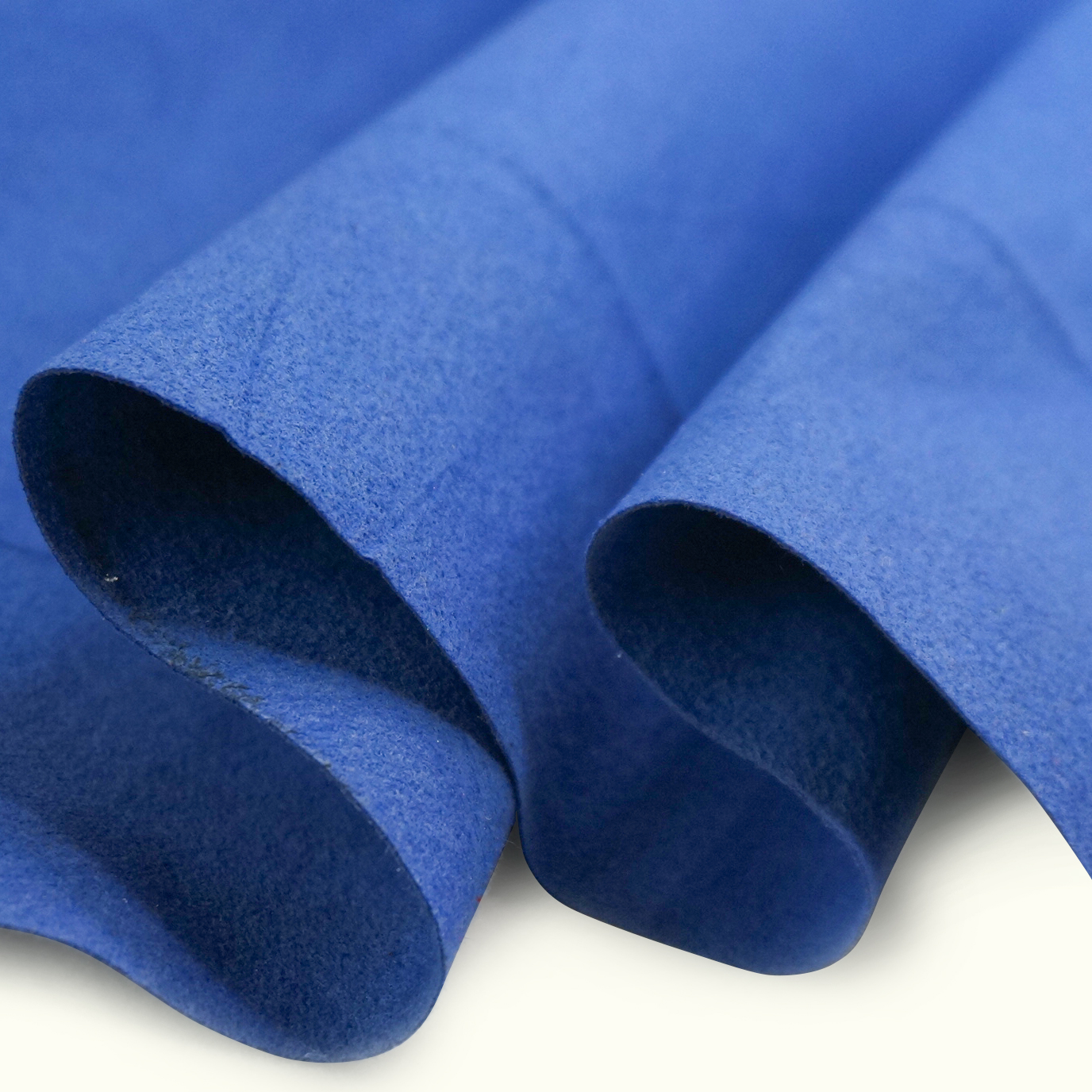
Batch scheduling and factory run sizes play a massive role in unit economics. Take a real-world case involving a Mexican automotive interior manufacturer: when procuring 50,000 meters of faux leather for armrests, headrests, and seat covers, the buyer met strict low-odor, flame-retardant, and UV-resistant parameters. They successfully contained costs by consolidating color options and utilizing ready-made grain rollers, ensuring timely delivery without downgrading any technical specifications.
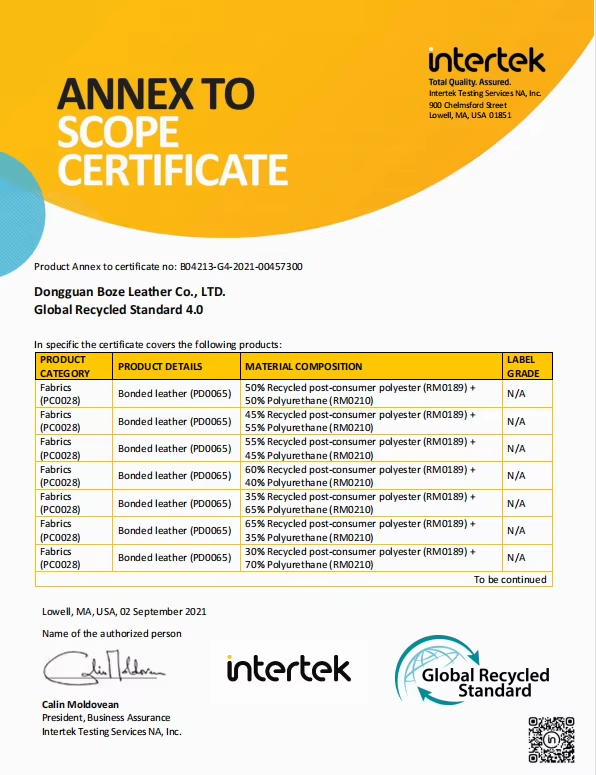
Additionally, regulatory compliance and eco-certifications like GRS (Global Recycled Standard), Oeko-Tex 100, and USDA bio-based certifications influence base rates. Purchasing teams can avoid custom R&D surcharge fees by relying on standard certified polymer runs already in continuous production, while still securing complete lab reports for REACH, RoHS, and anti-bacterial compliance.
Sourcing Strategy Comparison
The table below summarizes primary negotiation approaches along with their financial and structural impacts on synthetic leather procurement.
| Negotiation Strategy | Cost Impact | Thickness Retention | Surface Quality Impact | Implementation Requirements |
|---|---|---|---|---|
| Backing Fabric Standardization | High Savings (8–15%) | Unchanged (0.8–1.4 mm maintained) | No impact on topcoat appearance | Select standard knitted or non-woven backings |
| Standard Roller Grain Selection | Medium Savings (5–10%) | Unchanged | Uses existing premium grain molds | Waive custom mold opening requests |
| Colorway Order Consolidation | Medium Savings (6–12%) | Unchanged | Consistent color matching across runs | Meet or exceed 1000 meters per color MOQ |
| Targeted Functional Coating | Low-Medium Savings (3–7%) | Unchanged | Maintains core scratch & UV resistance | Specify treatments based strictly on application environment |
Frequently Asked Questions
Is a price reduction in synthetic leather always accompanied by thinner gauge material?
Not at all. You can fully preserve the target thickness (0.8 to 1.4 mm) by standardizing backing matrices, leveraging volume thresholds, and streamlining base resin selection to eliminate setup overhead.
What role do Minimum Order Quantities (MOQ) play in pricing negotiations?
Fulfilling or exceeding factory batch thresholds (typically around 1,000 meters per colorway) minimizes scrap rate and machine downtime during color changes, enabling suppliers to provide lower per-meter pricing.
Can we lower procurement costs while maintaining eco-friendly certifications?
Yes. By specifying standard eco-certified resins—such as those with GRS, Oeko-Tex 100, or USDA credentials—you avoid specialized formulation surcharges while ensuring full environmental compliance.
Conclusion & Best Practices
Lowering synthetic leather purchasing costs without sacrificing quality requires smart structural choices: standardizing base fabrics, utilizing stock embossing rollers, and consolidating order batches. Typical order lead times range between 20 and 30 days following sample sign-off, with reliable payment terms including T/T transfer, L/C, and Alibaba Trade Assurance. To discuss tailored sourcing solutions, contact us directly at vicky@bozeleather.com.
About Us
Dongguan Cigno Leather Co., Ltd. is a premier synthetic leather manufacturer founded in 2007. Spanning a 100,000 square meter facility with a 60% export ratio, the enterprise specializes in sustainable, multifunctional materials. Backed by over 30 national invention patents and certified under GRS, USDA, and Oeko-Tex 100 standards, the company serves global automotive and furniture upholstery clients. 
REPORT