







-
 Agriculture
-
 Health-Care
-
 Environment
-
 Construction-Real-Estate
-
 Tools-Hardware
-
 Home-Garden
-
 Furniture
-
 Luggage-Bags-Cases
-
 Medical-devices-Supplies
-
 Gifts-Crafts
-
 Sports-Entertainment
-
 Food-Beverage
-
 Vehicles-Transportation
-
 Power-Transmission
-
 Material-Handling
-
 Renewable-Energy
-
 Safety
-
 Testing-Instrument-Equipment
-
 Construction-Building-Machinery
-
 Pet-Supplies
-
 Personal-Care-Household-Cleaning
-
 Vehicle-Accessories-Electronics-Tools
-
 School-Office-Supplies
-
 Packaging-Printing
-
 Mother-Kids-Toys
-
 Business-Services
-
 Commercial-Equipment-Machinery
-
 Apparel-Accessories
-
 Security
-
 Shoes-Accessories
-
 Vehicle-Parts-Accessories
-
 Jewelry-Eyewear-Watches-Accessories
-
 Lights-Lighting
-
 Fabric-Textile-Raw-Material
-
 Fabrication-Services
-
 Industrial-Machinery
-
 Consumer-Electronics
-
 Electrical-Equipment-Supplies
-
 Electronic-Components-Accessories-Telecommunications
-
 Home-Appliances
-
 Beauty
-
 Chemicals
-
 Rubber-Plastics
-
 Metals-Alloys


























































































































































































































































































































































































































































































































































































- Masonry Materials
- Curtain Walls & Accessories
- Earthwork Products
- Fireproofing Materials
- Heat Insulation Materials
- Plastic Building Materials
- Building Boards
- Soundproofing Materials
- Timber
- Waterproofing Materials
- Balustrades & Handrails
- Bathroom & Kitchen
- Flooring & Accessories
- Tiles & Accessories
- Door, Window & Accessories
- Fireplaces & Stoves
- Floor Heating Systems & Parts
- Stairs & Stair Parts
- Ceilings
- Elevators & Escalators
- Stone
- Countertops, Vanity Tops & Table Tops
- Mosaics
- Metal Building Materials
- Multifunctional Materials
- Ladders & Scaffoldings
- Mouldings
- Corner Guards
- Decorative Films
- Formwork
- Building & Industrial Glass
- Other Construction & Real Estate
- Wallpapers/Wall panels
- HVAC System & Parts
- Outdoor Facilities
- Prefabricated Buildings
- Festive & Party Supplies
- Bathroom Products
- Household Sundries
- Rain Gear
- Garden Supplies
- Household Cleaning Tools & Accessories
- Lighters & Smoking Accessories
- Home Storage & Organization
- Household Scales
- Smart Home Improvement
- Home Textiles
- Kitchenware
- Drinkware & Accessories
- Dinnerware, Coffee & Wine
- Home Decor
- Golf
- Fitness & Body Building
- Amusement Park Facilities
- Billiards, Board Game,Coin Operated Games
- Musical Instruments
- Outdoor Affordable Luxury Sports
- Camping & Hiking
- Fishing
- Sports Safety&Rehabilitation
- Ball Sports Equipments
- Water Sports
- Winter Sports
- Luxury Travel Equipments
- Sports Shoes, Bags & Accessories
- Cycling
- Other Sports & Entertainment Products
- Artificial Grass&Sports Flooring&Sports Court Equipment
- Scooters
- Food Ingredients
- Honey & Honey Products
- Snacks
- Nuts & Kernels
- Seafood
- Plant & Animal Oil
- Beverages
- Fruit & Vegetable Products
- Frog & Escargot
- Bean Products
- Egg Products
- Dairy Products
- Seasonings & Condiments
- Canned Food
- Instant Food
- Baked Goods
- Other Food & Beverage
- Meat & Poultry
- Confectionery
- Grain Products
- Feminie Care
- Hair Care & Styling
- Body Care
- Hands & Feet Care
- Hygiene Products
- Men's Grooming
- Laundry Cleaning Supplies
- Travel Size & Gift Sets
- Room Deodorizers
- Other Personal Care Products
- Pest Control Products
- Special Household Cleaning
- Floor Cleaning
- Kitchen & Bathroom Cleaning
- Oral Care
- Bath Supplies
- Yellow Pages
- Correction Supplies
- Office Binding Supplies
- Office Cutting Supplies
- Board Erasers
- Office Adhesives & Tapes
- Education Supplies
- Pencil Cases & Bags
- Notebooks & Writing Pads
- File Folder Accessories
- Calendars
- Writing Accessories
- Commercial Office Supplies
- Pencil Sharpeners
- Pens
- Letter Pad/Paper
- Paper Envelopes
- Desk Organizers
- Pencils
- Markers & Highlighters
- Filing Products
- Art Supplies
- Easels
- Badge Holder & Accessories
- Office Paper
- Printer Supplies
- Book Covers
- Other Office & School Supplies
- Stationery Set
- Boards
- Clipboards
- Stamps
- Drafting Supplies
- Stencils
- Electronic Dictionary
- Books
- Map
- Magazines
- Calculators
- Baby & Toddler Toys
- Educational Toys
- Classic Toys
- Dress Up & Pretend Play
- Toy Vehicle
- Stuffed Animals & Plush Toys
- Outdoor Toys & Structures
- Balloons & Accessories
- Baby Food
- Children's Clothing
- Baby Supplies & Products
- Maternity Clothes
- Kids Shoes
- Baby Care
- Novelty & Gag Toys
- Dolls & Accessories
- Puzzle & Games
- Blocks & Model Building Toys
- Toddler Clothing
- Baby Clothing
- Kids' Luggage & Bags
- Arts, Crafts & DIY Toys
- Action & Toy Figures
- Baby Appliances
- Hobbies & Models
- Remote Control Toys
- Promotional Toys
- Pregnancy & Maternity
- Hygiene Products
- Kid's Textile&Bedding
- Novelty & Special Use
- Toy Weapons
- Baby Gifts
- Baby Storage & Organization
- Auto Drive Systems
- ATV/UTV Parts & Accessories
- Marine Parts & Accessories
- Other Auto Parts
- Trailer Parts & Accessories
- Auto Transmission Systems
- Train Parts & Accessories
- Universal Parts
- Railway Parts & Accessories
- Auto Brake Systems
- Aviation Parts & Accessories
- Truck Parts & Accessories
- Auto Suspension Systems
- Auto Lighting Systems
- New Energy Vehicle Parts & Accessories
- Auto Steering Systems
- Wheels, Tires & Accessories
- Bus Parts & Accessories
- Auto Performance Parts
- Cooling System
- Go-Kart & Kart Racer Parts & Accessories
- Air Conditioning Systems
- Heavy Duty Vehicle Parts & Accessories
- Auto Electrical Systems
- Auto Body Systems
- Auto Engine Systems
- Container Parts & Accessories
- Motorcycle Parts & Accessories
- Refrigeration & Heat Exchange Equipment
- Machine Tool Equipment
- Food & Beverage Machinery
- Agricultural Machinery & Equipment
- Apparel & Textile Machinery
- Chemical Machinery
- Packaging Machines
- Paper Production Machinery
- Plastic & Rubber Processing Machinery
- Industrial Robots
- Electronic Products Machinery
- Metal & Metallurgy Machinery
- Woodworking Machinery
- Home Product Manufacturing Machinery
- Machinery Accessories
- Environmental Machinery
- Machinery Service
- Electrical Equipment Manufacturing Machinery
- Industrial Compressors & Parts
- Tobacco & Cigarette Machinery
- Production Line
- Used Industrial Machinery
- Electronics Production Machinery
- Other Machinery & Industrial Equipment
- Camera, Photo & Accessories
- Portable Audio, Video & Accessories
- Television, Home Audio, Video & Accessories
- Video Games & Accessories
- Mobile Phone & Accessories
- Electronic Publications
- Earphone & Headphone & Accessories
- Speakers & Accessories
- Smart Electronics
- TV Receivers & Accessories
- Mobile Phone & Computer Repair Parts
- Chargers, Batteries & Power Supplies
- Used Electronics
- VR, AR, MR Hardware & Software
- Projectors & Presentation Equipments
- Other Consumer Electronics
- Cables & Commonly Used Accessories
- Computer Hardware & Software
- Displays, Signage and Optoelectronics
- Discrete Semiconductors
- Wireless & IoT Module and Products
- Telecommunications
- Connectors, Terminals & Accessories
- Development Boards, Electronic Modules and Kits
- Circuit Protection
- Sensors
- Isolators
- Audio Components and Products
- Integrated Circuits
- Power Supplies
- Relays
- RF, Microwave and RFID
- Electronic Accessories & Supplies
- Passive Components
- PCB & PCBA
- Air Quality Appliances
- Home Appliance Parts
- Heating & Cooling Appliances
- Small Kitchen Appliances
- Laundry Appliances
- Water Heaters
- Water Treatment Appliances
- Refrigerators & Freezers
- Personal Care & Beauty Appliances
- Major Kitchen Appliances
- Cleaning Appliances
- Second-hand Appliances
- Smart Home Appliances
- Other Home Appliances
- Energy Chemicals
- Inorganic Chemicals
- Basic Organic Chemicals
- Agrochemicals
- Admixture & Additives
- Catalysts & Chemical Auxiliary Agents
- Pigments & Dyestuff
- Coating & Paint
- Daily Chemicals
- Polymer
- Organic Intermediate
- Adhesives & Sealants
- Chemical Waste
- Biological Chemical Products
- Surface Treatment Chemicals
- Painting & Coating
- Chemical Reagents
- Flavor & Fragrance
- Non-Explosive Demolition Agents
- Other Chemicals
- Custom Chemical Services

How to Negotiate Battery Warranty Terms for Defects Found After Delivery
When battery defects are identified after goods have been delivered, the purchase agreement should provide a written procedure for reporting, investigating, and resolving the issue. A well-defined warranty clause helps both parties distinguish an initial complaint from a verified product defect and establishes the records required for a fair technical assessment.
Essential Post-Delivery Warranty Terms
Start by defining the types of defects that fall within the review process. These may include leakage, unstable voltage, excessive self-discharge, reduced operating time, or other performance concerns relevant to the intended device. The agreement should also state how the buyer must submit a claim, including the battery model, order or batch reference, application details, observed fault, and available samples or test records.
Specify Evidence and Inspection Requirements
A post-delivery claim should be supported by enough information for the supplier to evaluate the reported condition. Buyers may be asked to provide affected cells, photographs, operating records, packaging details, or test data. The supplier's assessment can then be tied to the documented quality-control framework, including incoming raw-material inspection, 100% production-line inspection, and laboratory sampling and testing.
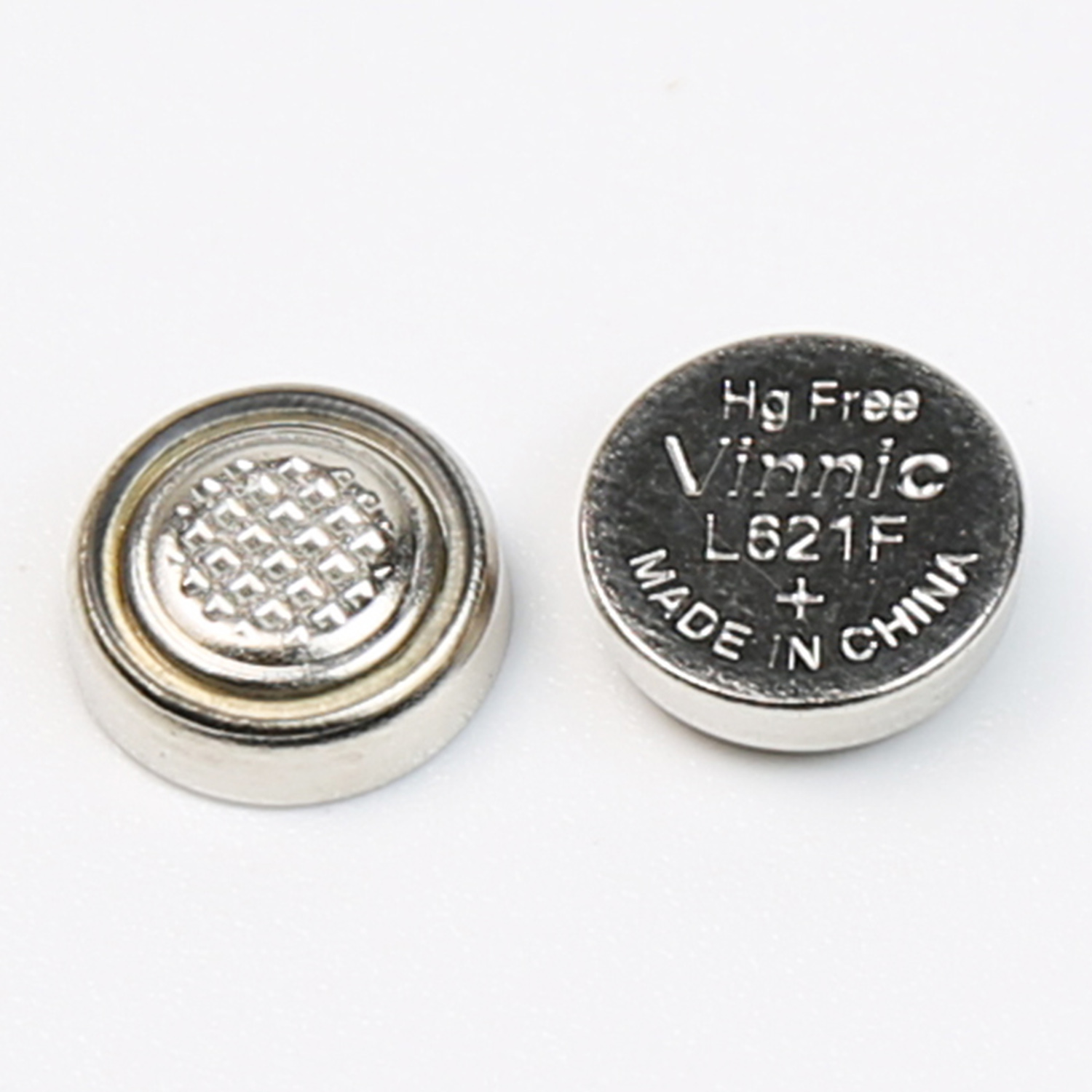
For Vinnic Alkaline Manganese Button Cell products, stated performance characteristics include high leakage resistance, a stable voltage level, low self-discharge, and long service life. These published characteristics can serve as useful reference points when the parties define what constitutes a performance concern and what evidence is needed to investigate it.
Match Warranty Review to the Battery Application
The end-use environment should be identified before acceptance criteria and claim procedures are finalized. Alkaline manganese button cells may be used in mid-to-high-end quartz watches, laboratory precision timers, home blood glucose meters, digital thermometers, laser rangefinders, car key remotes, and small laboratory testing equipment. Each application can require different operating information when a defect is reported.
For example, an issue involving a battery installed in a precision timer may need records relating to device loading conditions and runtime, while a claim involving a medical monitoring device may require more detailed traceability information. Stating the intended application in the contract gives both parties a clearer basis for evaluating the reported battery performance.
Recommended Contract Points
| Warranty Area | Relevant Available Information | Term to Negotiate |
|---|---|---|
| Defect reporting and review | Incoming raw-material inspection, 100% production-line inspection, and laboratory sampling/testing | Claim notice procedure, required records or samples, and the technical review workflow |
| Performance evaluation | High leakage resistance, stable voltage, low self-discharge, and long operating time | Applicable performance reference and the method for confirming a reported problem |
| After-sales support | A comprehensive after-sales service system for customer feedback and post-sales issues | Responsible contacts, response process, communication timeline, and escalation route |
| Order traceability | Battery MOQ of 10,000 units and a stated 30-day delivery time | Batch identification, delivery documentation, and the connection between claims and purchase orders |
| Shipping condition | Sea freight shipping with low unit freight cost and high loading capacity | Shipment records, packaging condition requirements, and delivery evidence for covered products |
Quality Management and After-Sales Handling
The supplier's stated inspection process should be incorporated as the agreed basis for evaluating a complaint, but it should not replace specific contractual obligations. The agreement should separately address response timing, investigation responsibilities, communication channels, and the process for handling customer feedback after delivery.
CHUNG PAK lists ISO 9001:2015 and IATF 16949:2016 among its relevant credentials. These certifications may be referenced when discussing documented quality-management practices, although they do not themselves establish a warranty duration, replacement obligation, refund right, or other individual remedy.
Frequently Asked Questions
Which quality-control provisions can be included in a battery defect warranty?
The agreement may refer to incoming material checks, full inspection during production, and laboratory sampling and testing as the supplier's stated quality-control basis. It should also clarify how those procedures will be used to assess a reported defect after delivery.
Why should the contract name the intended battery application?
Battery performance must be considered in the context of the device where it is used. Naming applications such as quartz watches, precision timers, blood glucose meters, thermometers, car key remotes, laser rangefinders, or small industrial equipment helps establish suitable evidence and acceptance expectations.
Do the available product details provide a warranty period or remedy schedule?
No. The available information does not state a defined warranty period, replacement arrangement, refund condition, or compensation schedule. These provisions should be negotiated expressly and included in the written agreement.
Conclusion
A strong battery warranty clause for defects discovered after delivery should identify the battery product and application, establish traceability to the relevant order or batch, define the evidence needed for a claim, and set out the inspection and after-sales process. CHUNG PAK operates through a full industrial-chain, distribution, and direct-sales model, with a stated battery MOQ of 10,000 units and a delivery time of 30 days. For technical solutions or additional support, contact vinnic@chungpak.com.
About Us
CHUNG PAK (GUANG DONG) BATTERY INDUSTRIAL CO., LTD was established in 1980 and developed from a battery producer into a manufacturer with capabilities spanning paper separators, zinc materials, metal and plastic components, tooling, machinery, batteries, and button cells. The company reports annual output exceeding 1.8 billion units under the Vinnic brand, serving markets in America, Europe, Africa, and Southeast Asia. Its listed certifications include ISO 9001:2015 and ISO 14001:2015.
REPORT