







-
 Agriculture
-
 Health-Care
-
 Environment
-
 Construction-Real-Estate
-
 Tools-Hardware
-
 Home-Garden
-
 Furniture
-
 Luggage-Bags-Cases
-
 Medical-devices-Supplies
-
 Gifts-Crafts
-
 Sports-Entertainment
-
 Food-Beverage
-
 Vehicles-Transportation
-
 Power-Transmission
-
 Material-Handling
-
 Renewable-Energy
-
 Safety
-
 Testing-Instrument-Equipment
-
 Construction-Building-Machinery
-
 Pet-Supplies
-
 Personal-Care-Household-Cleaning
-
 Vehicle-Accessories-Electronics-Tools
-
 School-Office-Supplies
-
 Packaging-Printing
-
 Mother-Kids-Toys
-
 Business-Services
-
 Commercial-Equipment-Machinery
-
 Apparel-Accessories
-
 Security
-
 Shoes-Accessories
-
 Vehicle-Parts-Accessories
-
 Jewelry-Eyewear-Watches-Accessories
-
 Lights-Lighting
-
 Fabric-Textile-Raw-Material
-
 Fabrication-Services
-
 Industrial-Machinery
-
 Consumer-Electronics
-
 Electrical-Equipment-Supplies
-
 Electronic-Components-Accessories-Telecommunications
-
 Home-Appliances
-
 Beauty
-
 Chemicals
-
 Rubber-Plastics
-
 Metals-Alloys


























































































































































































































































































































































































































































































































































































- Masonry Materials
- Curtain Walls & Accessories
- Earthwork Products
- Fireproofing Materials
- Heat Insulation Materials
- Plastic Building Materials
- Building Boards
- Soundproofing Materials
- Timber
- Waterproofing Materials
- Balustrades & Handrails
- Bathroom & Kitchen
- Flooring & Accessories
- Tiles & Accessories
- Door, Window & Accessories
- Fireplaces & Stoves
- Floor Heating Systems & Parts
- Stairs & Stair Parts
- Ceilings
- Elevators & Escalators
- Stone
- Countertops, Vanity Tops & Table Tops
- Mosaics
- Metal Building Materials
- Multifunctional Materials
- Ladders & Scaffoldings
- Mouldings
- Corner Guards
- Decorative Films
- Formwork
- Building & Industrial Glass
- Other Construction & Real Estate
- Wallpapers/Wall panels
- HVAC System & Parts
- Outdoor Facilities
- Prefabricated Buildings
- Festive & Party Supplies
- Bathroom Products
- Household Sundries
- Rain Gear
- Garden Supplies
- Household Cleaning Tools & Accessories
- Lighters & Smoking Accessories
- Home Storage & Organization
- Household Scales
- Smart Home Improvement
- Home Textiles
- Kitchenware
- Drinkware & Accessories
- Dinnerware, Coffee & Wine
- Home Decor
- Golf
- Fitness & Body Building
- Amusement Park Facilities
- Billiards, Board Game,Coin Operated Games
- Musical Instruments
- Outdoor Affordable Luxury Sports
- Camping & Hiking
- Fishing
- Sports Safety&Rehabilitation
- Ball Sports Equipments
- Water Sports
- Winter Sports
- Luxury Travel Equipments
- Sports Shoes, Bags & Accessories
- Cycling
- Other Sports & Entertainment Products
- Artificial Grass&Sports Flooring&Sports Court Equipment
- Scooters
- Food Ingredients
- Honey & Honey Products
- Snacks
- Nuts & Kernels
- Seafood
- Plant & Animal Oil
- Beverages
- Fruit & Vegetable Products
- Frog & Escargot
- Bean Products
- Egg Products
- Dairy Products
- Seasonings & Condiments
- Canned Food
- Instant Food
- Baked Goods
- Other Food & Beverage
- Meat & Poultry
- Confectionery
- Grain Products
- Feminie Care
- Hair Care & Styling
- Body Care
- Hands & Feet Care
- Hygiene Products
- Men's Grooming
- Laundry Cleaning Supplies
- Travel Size & Gift Sets
- Room Deodorizers
- Other Personal Care Products
- Pest Control Products
- Special Household Cleaning
- Floor Cleaning
- Kitchen & Bathroom Cleaning
- Oral Care
- Bath Supplies
- Yellow Pages
- Correction Supplies
- Office Binding Supplies
- Office Cutting Supplies
- Board Erasers
- Office Adhesives & Tapes
- Education Supplies
- Pencil Cases & Bags
- Notebooks & Writing Pads
- File Folder Accessories
- Calendars
- Writing Accessories
- Commercial Office Supplies
- Pencil Sharpeners
- Pens
- Letter Pad/Paper
- Paper Envelopes
- Desk Organizers
- Pencils
- Markers & Highlighters
- Filing Products
- Art Supplies
- Easels
- Badge Holder & Accessories
- Office Paper
- Printer Supplies
- Book Covers
- Other Office & School Supplies
- Stationery Set
- Boards
- Clipboards
- Stamps
- Drafting Supplies
- Stencils
- Electronic Dictionary
- Books
- Map
- Magazines
- Calculators
- Baby & Toddler Toys
- Educational Toys
- Classic Toys
- Dress Up & Pretend Play
- Toy Vehicle
- Stuffed Animals & Plush Toys
- Outdoor Toys & Structures
- Balloons & Accessories
- Baby Food
- Children's Clothing
- Baby Supplies & Products
- Maternity Clothes
- Kids Shoes
- Baby Care
- Novelty & Gag Toys
- Dolls & Accessories
- Puzzle & Games
- Blocks & Model Building Toys
- Toddler Clothing
- Baby Clothing
- Kids' Luggage & Bags
- Arts, Crafts & DIY Toys
- Action & Toy Figures
- Baby Appliances
- Hobbies & Models
- Remote Control Toys
- Promotional Toys
- Pregnancy & Maternity
- Hygiene Products
- Kid's Textile&Bedding
- Novelty & Special Use
- Toy Weapons
- Baby Gifts
- Baby Storage & Organization
- Auto Drive Systems
- ATV/UTV Parts & Accessories
- Marine Parts & Accessories
- Other Auto Parts
- Trailer Parts & Accessories
- Auto Transmission Systems
- Train Parts & Accessories
- Universal Parts
- Railway Parts & Accessories
- Auto Brake Systems
- Aviation Parts & Accessories
- Truck Parts & Accessories
- Auto Suspension Systems
- Auto Lighting Systems
- New Energy Vehicle Parts & Accessories
- Auto Steering Systems
- Wheels, Tires & Accessories
- Bus Parts & Accessories
- Auto Performance Parts
- Cooling System
- Go-Kart & Kart Racer Parts & Accessories
- Air Conditioning Systems
- Heavy Duty Vehicle Parts & Accessories
- Auto Electrical Systems
- Auto Body Systems
- Auto Engine Systems
- Container Parts & Accessories
- Motorcycle Parts & Accessories
- Refrigeration & Heat Exchange Equipment
- Machine Tool Equipment
- Food & Beverage Machinery
- Agricultural Machinery & Equipment
- Apparel & Textile Machinery
- Chemical Machinery
- Packaging Machines
- Paper Production Machinery
- Plastic & Rubber Processing Machinery
- Industrial Robots
- Electronic Products Machinery
- Metal & Metallurgy Machinery
- Woodworking Machinery
- Home Product Manufacturing Machinery
- Machinery Accessories
- Environmental Machinery
- Machinery Service
- Electrical Equipment Manufacturing Machinery
- Industrial Compressors & Parts
- Tobacco & Cigarette Machinery
- Production Line
- Used Industrial Machinery
- Electronics Production Machinery
- Other Machinery & Industrial Equipment
- Camera, Photo & Accessories
- Portable Audio, Video & Accessories
- Television, Home Audio, Video & Accessories
- Video Games & Accessories
- Mobile Phone & Accessories
- Electronic Publications
- Earphone & Headphone & Accessories
- Speakers & Accessories
- Smart Electronics
- TV Receivers & Accessories
- Mobile Phone & Computer Repair Parts
- Chargers, Batteries & Power Supplies
- Used Electronics
- VR, AR, MR Hardware & Software
- Projectors & Presentation Equipments
- Other Consumer Electronics
- Cables & Commonly Used Accessories
- Computer Hardware & Software
- Displays, Signage and Optoelectronics
- Discrete Semiconductors
- Wireless & IoT Module and Products
- Telecommunications
- Connectors, Terminals & Accessories
- Development Boards, Electronic Modules and Kits
- Circuit Protection
- Sensors
- Isolators
- Audio Components and Products
- Integrated Circuits
- Power Supplies
- Relays
- RF, Microwave and RFID
- Electronic Accessories & Supplies
- Passive Components
- PCB & PCBA
- Air Quality Appliances
- Home Appliance Parts
- Heating & Cooling Appliances
- Small Kitchen Appliances
- Laundry Appliances
- Water Heaters
- Water Treatment Appliances
- Refrigerators & Freezers
- Personal Care & Beauty Appliances
- Major Kitchen Appliances
- Cleaning Appliances
- Second-hand Appliances
- Smart Home Appliances
- Other Home Appliances
- Energy Chemicals
- Inorganic Chemicals
- Basic Organic Chemicals
- Agrochemicals
- Admixture & Additives
- Catalysts & Chemical Auxiliary Agents
- Pigments & Dyestuff
- Coating & Paint
- Daily Chemicals
- Polymer
- Organic Intermediate
- Adhesives & Sealants
- Chemical Waste
- Biological Chemical Products
- Surface Treatment Chemicals
- Painting & Coating
- Chemical Reagents
- Flavor & Fragrance
- Non-Explosive Demolition Agents
- Other Chemicals
- Custom Chemical Services

How to Prevent Customs Delays for Human Hair Wig Shipments
Incomplete or inconsistent paperwork is one of the most common reasons human hair wig shipments are delayed at customs. Whether you are sending lace front wigs, bob wigs, closures, or bulk hair extensions, each document should accurately describe the goods, their value, material composition, and origin. A well-prepared export file helps customs officers verify the shipment quickly and reduces the likelihood of inspections, storage charges, or clearance disputes.
Essential Documents for Smooth Wig Customs Clearance
Every international shipment should be supported by a commercial invoice, packing list, transport document, and any origin or import certificates required by the destination country. The information on these documents must match exactly, including item quantities, weights, product names, sender and consignee details, and declared values.
Use Clear Human Hair Product Descriptions
State "100% Human Hair" consistently on the commercial invoice, airway bill, packing list, and customs declaration. This distinction is important because human hair products may be reviewed differently from synthetic hair fibers. Avoid broad descriptions such as "hair accessories," which can lead to questions about material composition and trigger a manual customs review.
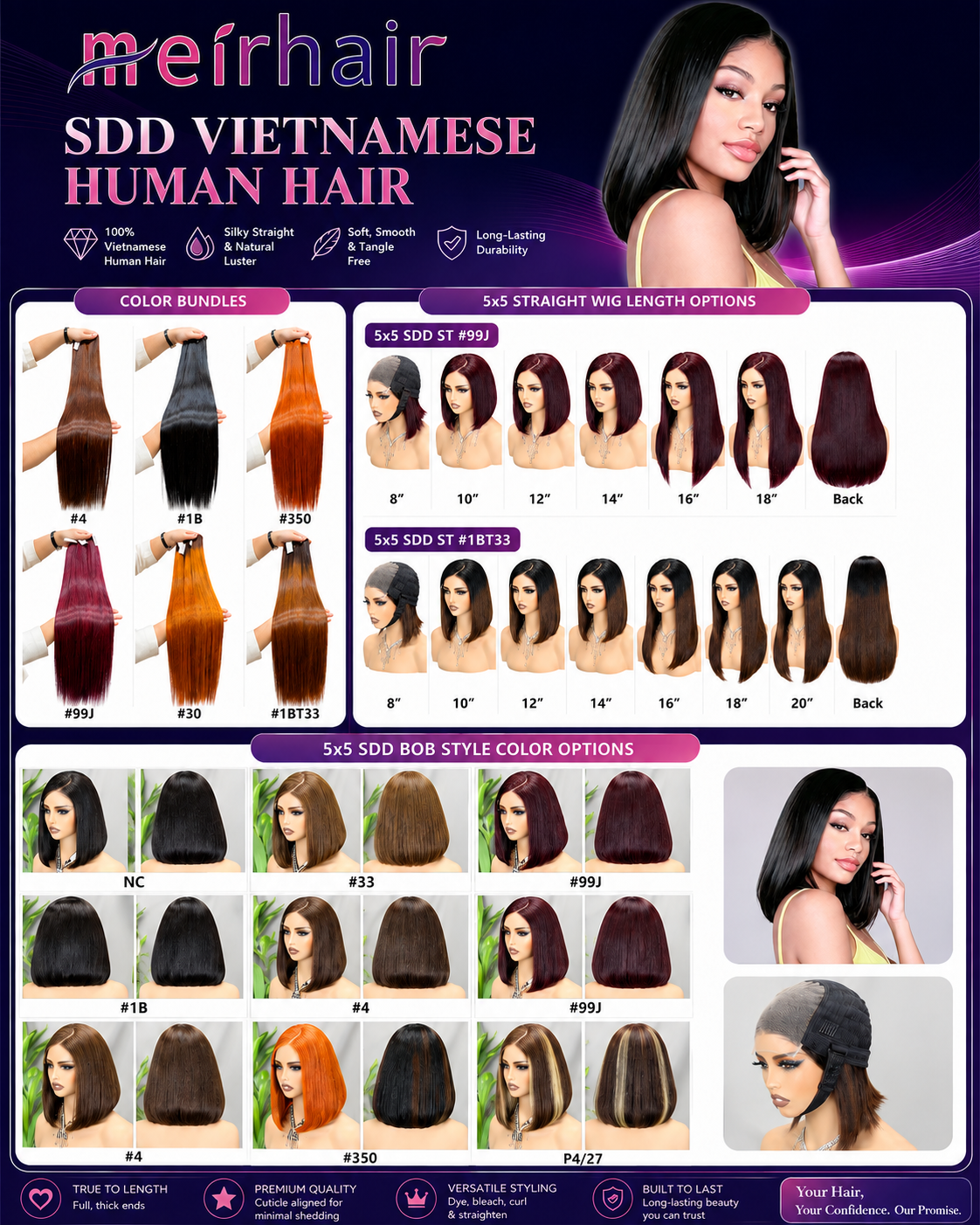
Include meaningful product specifications for every SKU. For example, identify whether the item is a Human Hair Bob Wig, lace front wig, closure wig, frontal, bundle, or hair extension. Add relevant details such as texture, cap construction, hair length, density, net weight, color, piece quantity, and unit price. For common wig lengths between 8 and 16 inches, listing the exact measurement reduces the risk of a discrepancy between paperwork and physical goods.
Why Documentation Accuracy Matters at the Border
Customs authorities assess imported human hair goods for tariff classification, declared value, product origin, and applicable health or biosafety requirements. A missing HS code, incomplete consignee information, mismatched value, or unclear material statement can result in a shipment being placed on hold. The commercial invoice should therefore include the correct Harmonized System classification, itemized prices, total value, country of origin, full exporter and importer details, and a precise description of each product.
The packing list should mirror the invoice at carton and unit level. It should show the number of cartons, pieces per carton, gross and net weight, dimensions where applicable, and the contents of each package. When the packing list, invoice, and transport record describe the same goods in the same way, clearance officers can process the shipment more efficiently.
Pre-Shipment Inspection Supports Compliance
Product quality records are also valuable when preparing international wig orders. Before dispatch, suppliers should inspect raw hair quality, texture, color, length, density, weight, weft condition, lace integrity, and cap construction. These checks help ensure that the physical shipment matches the details provided in the export documents.
For example, large wholesale deliveries of human hair wigs to the United States and lace closure and frontal orders shipped to Nigeria can move through customs without avoidable holds when unit counts, product descriptions, and inspection reports are carefully aligned. Verification before shipping is especially important for private label, OEM, ODM, and customized packaging orders, where branded materials must correspond with the importer and invoice information.
Documentation by Shipping Method
| Shipping Method | Recommended Customs Documents | Typical Transit Time | Key Inspection Focus |
|---|---|---|---|
| International Express for Samples and Stock Orders | Air Waybill, Commercial Invoice stating 100% Human Hair, Packing List | About 7 days for stock items | Raw hair quality, length, weight, lace, and cap structure |
| Air Freight for Medium and Wholesale Orders | Air Waybill, Itemized Commercial Invoice, Packing List, Certificate of Origin when required | Approximately 7-15 days, depending on destination and customs procedures | Texture, color, density, weft quality, and lace inspection |
| Sea Freight for Bulk and Container Orders | Bill of Lading, Commercial Invoice, Detailed Packing List, Required Import Clearance Documents | Approximately 15-30 days for customized bulk orders | Finished-product review and final pre-shipment quality control |
Practical Steps to Reduce Clearance Risks
- Classify goods correctly: Use the appropriate HS code for the specific human hair wig or hair product being shipped.
- Keep descriptions consistent: Product names, quantities, values, and material declarations should match on every document.
- Declare origin accurately: Provide valid country-of-origin details and certificates where the destination market requires them.
- Verify physical goods before dispatch: Confirm piece counts, lengths, weights, colors, and packaging against the final invoice and packing list.
- Prepare documents for the sales channel: E-commerce orders, salon supply, wig store inventory, and wholesale shipments may have different documentation needs in North America, Europe, Africa, South America, and other regions.
Frequently Asked Questions
Which details should appear on an invoice for human hair wigs?
The invoice should clearly identify the goods as "100% Human Hair" and list the wig type, such as a straight bob wig or body wave bob wig. It should also include cap style, including lace front, closure, or full wig construction, along with length, quantity, net weight, unit value, total value, HS code, and country of origin.
How should private label and customized packaging be documented?
For OEM, ODM, and private label orders, include the customized brand name and packaging description in the export documentation. Brand details should be consistent with the commercial invoice, consignee records, and any trademark-related information requested by customs authorities.
What happens when the declared weight or length differs from the delivered goods?
Differences between customs documents and the actual shipment may lead to physical inspections, fines, delayed release, or warehouse storage costs. A final quality-control review of quantity, unit weight, length, and carton contents before shipment helps prevent these issues.
Conclusion
Reliable customs clearance for human hair wig imports depends on complete, consistent, and specific documentation. Clearly declaring 100% human hair, using correct HS codes, preparing detailed invoices and packing lists, and validating products through pre-shipment inspections can substantially reduce border delays. These practices support smoother delivery for retail, salon, private label, and wholesale wig orders worldwide. For technical guidance or export documentation support, contact us at sales@brazilianhairtop.com.
About Us
MEIRHAIR is a professional human hair brand operated by Guangzhou Ruiju E-Commerce Co., Ltd., specializing in human hair wigs, hair bundles, hair extensions, braiding hair, and customized hair solutions for global beauty markets. Established in 2014, the company operates a 5,000 sqm factory area with 50 employees and exports its products to international markets. The company provides flexible manufacturing and R&D support for different textures, colors, densities, and cap structures, serving hair salons, wig stores, e-commerce businesses, and wholesale distributors.

REPORT