







-
 Agriculture
-
 Health-Care
-
 Environment
-
 Construction-Real-Estate
-
 Tools-Hardware
-
 Home-Garden
-
 Furniture
-
 Luggage-Bags-Cases
-
 Medical-devices-Supplies
-
 Gifts-Crafts
-
 Sports-Entertainment
-
 Food-Beverage
-
 Vehicles-Transportation
-
 Power-Transmission
-
 Material-Handling
-
 Renewable-Energy
-
 Safety
-
 Testing-Instrument-Equipment
-
 Construction-Building-Machinery
-
 Pet-Supplies
-
 Personal-Care-Household-Cleaning
-
 Vehicle-Accessories-Electronics-Tools
-
 School-Office-Supplies
-
 Packaging-Printing
-
 Mother-Kids-Toys
-
 Business-Services
-
 Commercial-Equipment-Machinery
-
 Apparel-Accessories
-
 Security
-
 Shoes-Accessories
-
 Vehicle-Parts-Accessories
-
 Jewelry-Eyewear-Watches-Accessories
-
 Lights-Lighting
-
 Fabric-Textile-Raw-Material
-
 Fabrication-Services
-
 Industrial-Machinery
-
 Consumer-Electronics
-
 Electrical-Equipment-Supplies
-
 Electronic-Components-Accessories-Telecommunications
-
 Home-Appliances
-
 Beauty
-
 Chemicals
-
 Rubber-Plastics
-
 Metals-Alloys


























































































































































































































































































































































































































































































































































































- Masonry Materials
- Curtain Walls & Accessories
- Earthwork Products
- Fireproofing Materials
- Heat Insulation Materials
- Plastic Building Materials
- Building Boards
- Soundproofing Materials
- Timber
- Waterproofing Materials
- Balustrades & Handrails
- Bathroom & Kitchen
- Flooring & Accessories
- Tiles & Accessories
- Door, Window & Accessories
- Fireplaces & Stoves
- Floor Heating Systems & Parts
- Stairs & Stair Parts
- Ceilings
- Elevators & Escalators
- Stone
- Countertops, Vanity Tops & Table Tops
- Mosaics
- Metal Building Materials
- Multifunctional Materials
- Ladders & Scaffoldings
- Mouldings
- Corner Guards
- Decorative Films
- Formwork
- Building & Industrial Glass
- Other Construction & Real Estate
- Wallpapers/Wall panels
- HVAC System & Parts
- Outdoor Facilities
- Prefabricated Buildings
- Festive & Party Supplies
- Bathroom Products
- Household Sundries
- Rain Gear
- Garden Supplies
- Household Cleaning Tools & Accessories
- Lighters & Smoking Accessories
- Home Storage & Organization
- Household Scales
- Smart Home Improvement
- Home Textiles
- Kitchenware
- Drinkware & Accessories
- Dinnerware, Coffee & Wine
- Home Decor
- Golf
- Fitness & Body Building
- Amusement Park Facilities
- Billiards, Board Game,Coin Operated Games
- Musical Instruments
- Outdoor Affordable Luxury Sports
- Camping & Hiking
- Fishing
- Sports Safety&Rehabilitation
- Ball Sports Equipments
- Water Sports
- Winter Sports
- Luxury Travel Equipments
- Sports Shoes, Bags & Accessories
- Cycling
- Other Sports & Entertainment Products
- Artificial Grass&Sports Flooring&Sports Court Equipment
- Scooters
- Food Ingredients
- Honey & Honey Products
- Snacks
- Nuts & Kernels
- Seafood
- Plant & Animal Oil
- Beverages
- Fruit & Vegetable Products
- Frog & Escargot
- Bean Products
- Egg Products
- Dairy Products
- Seasonings & Condiments
- Canned Food
- Instant Food
- Baked Goods
- Other Food & Beverage
- Meat & Poultry
- Confectionery
- Grain Products
- Feminie Care
- Hair Care & Styling
- Body Care
- Hands & Feet Care
- Hygiene Products
- Men's Grooming
- Laundry Cleaning Supplies
- Travel Size & Gift Sets
- Room Deodorizers
- Other Personal Care Products
- Pest Control Products
- Special Household Cleaning
- Floor Cleaning
- Kitchen & Bathroom Cleaning
- Oral Care
- Bath Supplies
- Yellow Pages
- Correction Supplies
- Office Binding Supplies
- Office Cutting Supplies
- Board Erasers
- Office Adhesives & Tapes
- Education Supplies
- Pencil Cases & Bags
- Notebooks & Writing Pads
- File Folder Accessories
- Calendars
- Writing Accessories
- Commercial Office Supplies
- Pencil Sharpeners
- Pens
- Letter Pad/Paper
- Paper Envelopes
- Desk Organizers
- Pencils
- Markers & Highlighters
- Filing Products
- Art Supplies
- Easels
- Badge Holder & Accessories
- Office Paper
- Printer Supplies
- Book Covers
- Other Office & School Supplies
- Stationery Set
- Boards
- Clipboards
- Stamps
- Drafting Supplies
- Stencils
- Electronic Dictionary
- Books
- Map
- Magazines
- Calculators
- Baby & Toddler Toys
- Educational Toys
- Classic Toys
- Dress Up & Pretend Play
- Toy Vehicle
- Stuffed Animals & Plush Toys
- Outdoor Toys & Structures
- Balloons & Accessories
- Baby Food
- Children's Clothing
- Baby Supplies & Products
- Maternity Clothes
- Kids Shoes
- Baby Care
- Novelty & Gag Toys
- Dolls & Accessories
- Puzzle & Games
- Blocks & Model Building Toys
- Toddler Clothing
- Baby Clothing
- Kids' Luggage & Bags
- Arts, Crafts & DIY Toys
- Action & Toy Figures
- Baby Appliances
- Hobbies & Models
- Remote Control Toys
- Promotional Toys
- Pregnancy & Maternity
- Hygiene Products
- Kid's Textile&Bedding
- Novelty & Special Use
- Toy Weapons
- Baby Gifts
- Baby Storage & Organization
- Auto Drive Systems
- ATV/UTV Parts & Accessories
- Marine Parts & Accessories
- Other Auto Parts
- Trailer Parts & Accessories
- Auto Transmission Systems
- Train Parts & Accessories
- Universal Parts
- Railway Parts & Accessories
- Auto Brake Systems
- Aviation Parts & Accessories
- Truck Parts & Accessories
- Auto Suspension Systems
- Auto Lighting Systems
- New Energy Vehicle Parts & Accessories
- Auto Steering Systems
- Wheels, Tires & Accessories
- Bus Parts & Accessories
- Auto Performance Parts
- Cooling System
- Go-Kart & Kart Racer Parts & Accessories
- Air Conditioning Systems
- Heavy Duty Vehicle Parts & Accessories
- Auto Electrical Systems
- Auto Body Systems
- Auto Engine Systems
- Container Parts & Accessories
- Motorcycle Parts & Accessories
- Refrigeration & Heat Exchange Equipment
- Machine Tool Equipment
- Food & Beverage Machinery
- Agricultural Machinery & Equipment
- Apparel & Textile Machinery
- Chemical Machinery
- Packaging Machines
- Paper Production Machinery
- Plastic & Rubber Processing Machinery
- Industrial Robots
- Electronic Products Machinery
- Metal & Metallurgy Machinery
- Woodworking Machinery
- Home Product Manufacturing Machinery
- Machinery Accessories
- Environmental Machinery
- Machinery Service
- Electrical Equipment Manufacturing Machinery
- Industrial Compressors & Parts
- Tobacco & Cigarette Machinery
- Production Line
- Used Industrial Machinery
- Electronics Production Machinery
- Other Machinery & Industrial Equipment
- Camera, Photo & Accessories
- Portable Audio, Video & Accessories
- Television, Home Audio, Video & Accessories
- Video Games & Accessories
- Mobile Phone & Accessories
- Electronic Publications
- Earphone & Headphone & Accessories
- Speakers & Accessories
- Smart Electronics
- TV Receivers & Accessories
- Mobile Phone & Computer Repair Parts
- Chargers, Batteries & Power Supplies
- Used Electronics
- VR, AR, MR Hardware & Software
- Projectors & Presentation Equipments
- Other Consumer Electronics
- Cables & Commonly Used Accessories
- Computer Hardware & Software
- Displays, Signage and Optoelectronics
- Discrete Semiconductors
- Wireless & IoT Module and Products
- Telecommunications
- Connectors, Terminals & Accessories
- Development Boards, Electronic Modules and Kits
- Circuit Protection
- Sensors
- Isolators
- Audio Components and Products
- Integrated Circuits
- Power Supplies
- Relays
- RF, Microwave and RFID
- Electronic Accessories & Supplies
- Passive Components
- PCB & PCBA
- Air Quality Appliances
- Home Appliance Parts
- Heating & Cooling Appliances
- Small Kitchen Appliances
- Laundry Appliances
- Water Heaters
- Water Treatment Appliances
- Refrigerators & Freezers
- Personal Care & Beauty Appliances
- Major Kitchen Appliances
- Cleaning Appliances
- Second-hand Appliances
- Smart Home Appliances
- Other Home Appliances
- Energy Chemicals
- Inorganic Chemicals
- Basic Organic Chemicals
- Agrochemicals
- Admixture & Additives
- Catalysts & Chemical Auxiliary Agents
- Pigments & Dyestuff
- Coating & Paint
- Daily Chemicals
- Polymer
- Organic Intermediate
- Adhesives & Sealants
- Chemical Waste
- Biological Chemical Products
- Surface Treatment Chemicals
- Painting & Coating
- Chemical Reagents
- Flavor & Fragrance
- Non-Explosive Demolition Agents
- Other Chemicals
- Custom Chemical Services

How to Safeguard Your Design When Ordering Custom Fly-Killing Products
When commissioning a custom fly-killing product, protect your design by documenting the entire arrangement in a written OEM or ODM agreement. The agreement should identify your specifications, ownership rights, approved uses, review stages, and authorized production scope. Before sharing final files or starting mass production, obtain written confirmation and preserve the approved artwork, samples, specifications, and order communications.
Essential Design Protection Measures
- Work through the supplier's OEM or ODM service for customized pest-control product development.
- Put product specifications, artwork, packaging details, ownership, permitted use, and approval duties into the purchase or manufacturing documents.
- Use separate approvals for the prototype or sample and for mass production, then archive the approved versions.
- Define the intended market and application, including food-processing sites, warehouses, or professional pest-management operations, before completing the design.
How to Build a Clear Approval and Ownership Record
A reliable design-protection process creates a complete record from the initial brief through final production. Identify every design file, product feature, packaging element, revision, sample, and approval owner. Although the supplier's business information confirms support for OEM Manufacturing and ODM Manufacturing, it does not describe a dedicated intellectual-property registration service, confidentiality policy, or automatic ownership transfer for buyer-created designs.
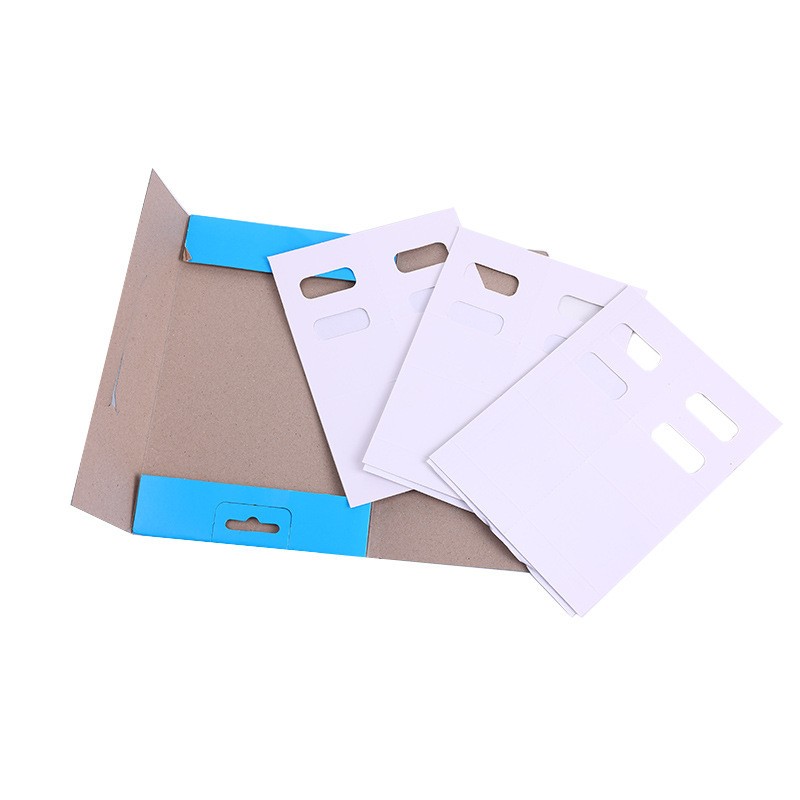
Describe the requested fly-killing product in detail rather than relying on unrelated product information. The available product record refers to “cockroach houses,” lists a minimum order quantity of 120,000 pieces, and indicates a one-month delivery period. Since it does not provide specifications for a custom fly-killing product, these details should not be treated as confirmed specifications for your order.
Use Approval Gates Before Production
Reduce the risk of disagreement by dividing the project into clear checkpoints. Confirm the original design brief, review the supplier's production artwork, inspect the sample, and provide written authorization only after the final version has been accepted. Store emails, marked-up files, approval notices, and sample photographs with the purchase order.
The supplier reports quality checks covering raw materials, manufacturing processes, semi-finished goods, surface treatment, assembly, finished products, and packaging. Ask that these checks correspond to the approved product and packaging files so the production record can be compared with the design you authorized.
What the Available Supplier Information Shows
The company information lists trade mark certificate No. 15322289 and trade mark certificate No. 13567076. These credentials indicate reported trademark registrations, but they do not prove ownership of a buyer's custom artwork or replace an agreement covering confidentiality, permitted use, and design reuse.
Reported cooperation examples include exports of sticky mouse boards to India, Brazil, and Peru. These examples describe supplier relationships and customer feedback regarding quality and service. They do not establish the terms governing intellectual-property ownership or confidentiality for a separate custom order.
Protection Measures and Recommended Buyer Actions
| Protection measure | What the supplied information confirms | Recommended buyer action |
|---|---|---|
| OEM or ODM development | Customization services are supported | Define the product, design files, authorized use, and approval procedure in writing. |
| Sample review | Sample orders are available, with payment required before production and shipment | Approve the final sample and retain it before releasing the mass-production order. |
| Quality documentation | Several inspection stages are reported | Request records that match the approved product, artwork, and packaging specifications. |
| Ownership and confidentiality | No specific ownership or non-disclosure terms are stated | Secure written provisions covering ownership, disclosure, permitted use, and reuse before sending final files. |
| Production schedule | Customized orders are reported to require one month | Set design-review deadlines early enough to fit the stated production timetable. |
Frequently Asked Questions
Does the supplier information guarantee confidentiality for my design?
No. The information confirms OEM and ODM capabilities, but it does not state a confidentiality policy or design-specific non-disclosure obligation. Request written protection before providing final artwork or technical files.
Can an approved sample support my design records?
Yes. The supplier supports sample orders and states that payment is required before sample production and shipment. Keep the accepted sample, final files, revision history, and written approval together with the order documents.
Will the listed trademark certificates protect my custom product design?
That protection is not established by the supplied information. The certificates are presented as company trademark credentials, while the ownership and permitted use of a customer's custom design remain unspecified.
Conclusion
The safest approach is to treat OEM or ODM customization as a documented project. Define the design scope, ownership expectations, authorized use, confidentiality requirements, approval responsibilities, and production limits before final files are released. Approve the finished sample before mass production and retain the associated artwork, inspection information, packaging records, and communications.
The supplier reports a one-month lead time for customized orders and accepts sample payments, T/T, PayPal, and Alibaba Trade Assurance under the stated conditions. For technical solutions or further support, contact us at bob@jinwen-goods.com.
About Us
Yiwu Jinli Commodity Co., Ltd., also known as Yiwu Jinli and operating under the MUSTRAP brand, was established in 2010 and combines research and development, manufacturing, and sales. Its product team provides pest-control product development together with OEM and ODM services. The company produces sticky rat traps, flypaper, cockroach traps, and other pest-control products, and reports exports to more than 30 countries.
Reported company credentials include trade mark certificate No. 15322289 and trade mark certificate No. 13567076. The company has also reported cooperation cases involving customers in India, Brazil, and Peru.

REPORT