







-
 Agriculture
-
 Health-Care
-
 Environment
-
 Construction-Real-Estate
-
 Tools-Hardware
-
 Home-Garden
-
 Furniture
-
 Luggage-Bags-Cases
-
 Medical-devices-Supplies
-
 Gifts-Crafts
-
 Sports-Entertainment
-
 Food-Beverage
-
 Vehicles-Transportation
-
 Power-Transmission
-
 Material-Handling
-
 Renewable-Energy
-
 Safety
-
 Testing-Instrument-Equipment
-
 Construction-Building-Machinery
-
 Pet-Supplies
-
 Personal-Care-Household-Cleaning
-
 Vehicle-Accessories-Electronics-Tools
-
 School-Office-Supplies
-
 Packaging-Printing
-
 Mother-Kids-Toys
-
 Business-Services
-
 Commercial-Equipment-Machinery
-
 Apparel-Accessories
-
 Security
-
 Shoes-Accessories
-
 Vehicle-Parts-Accessories
-
 Jewelry-Eyewear-Watches-Accessories
-
 Lights-Lighting
-
 Fabric-Textile-Raw-Material
-
 Fabrication-Services
-
 Industrial-Machinery
-
 Consumer-Electronics
-
 Electrical-Equipment-Supplies
-
 Electronic-Components-Accessories-Telecommunications
-
 Home-Appliances
-
 Beauty
-
 Chemicals
-
 Rubber-Plastics
-
 Metals-Alloys


























































































































































































































































































































































































































































































































































































- Masonry Materials
- Curtain Walls & Accessories
- Earthwork Products
- Fireproofing Materials
- Heat Insulation Materials
- Plastic Building Materials
- Building Boards
- Soundproofing Materials
- Timber
- Waterproofing Materials
- Balustrades & Handrails
- Bathroom & Kitchen
- Flooring & Accessories
- Tiles & Accessories
- Door, Window & Accessories
- Fireplaces & Stoves
- Floor Heating Systems & Parts
- Stairs & Stair Parts
- Ceilings
- Elevators & Escalators
- Stone
- Countertops, Vanity Tops & Table Tops
- Mosaics
- Metal Building Materials
- Multifunctional Materials
- Ladders & Scaffoldings
- Mouldings
- Corner Guards
- Decorative Films
- Formwork
- Building & Industrial Glass
- Other Construction & Real Estate
- Wallpapers/Wall panels
- HVAC System & Parts
- Outdoor Facilities
- Prefabricated Buildings
- Festive & Party Supplies
- Bathroom Products
- Household Sundries
- Rain Gear
- Garden Supplies
- Household Cleaning Tools & Accessories
- Lighters & Smoking Accessories
- Home Storage & Organization
- Household Scales
- Smart Home Improvement
- Home Textiles
- Kitchenware
- Drinkware & Accessories
- Dinnerware, Coffee & Wine
- Home Decor
- Golf
- Fitness & Body Building
- Amusement Park Facilities
- Billiards, Board Game,Coin Operated Games
- Musical Instruments
- Outdoor Affordable Luxury Sports
- Camping & Hiking
- Fishing
- Sports Safety&Rehabilitation
- Ball Sports Equipments
- Water Sports
- Winter Sports
- Luxury Travel Equipments
- Sports Shoes, Bags & Accessories
- Cycling
- Other Sports & Entertainment Products
- Artificial Grass&Sports Flooring&Sports Court Equipment
- Scooters
- Food Ingredients
- Honey & Honey Products
- Snacks
- Nuts & Kernels
- Seafood
- Plant & Animal Oil
- Beverages
- Fruit & Vegetable Products
- Frog & Escargot
- Bean Products
- Egg Products
- Dairy Products
- Seasonings & Condiments
- Canned Food
- Instant Food
- Baked Goods
- Other Food & Beverage
- Meat & Poultry
- Confectionery
- Grain Products
- Feminie Care
- Hair Care & Styling
- Body Care
- Hands & Feet Care
- Hygiene Products
- Men's Grooming
- Laundry Cleaning Supplies
- Travel Size & Gift Sets
- Room Deodorizers
- Other Personal Care Products
- Pest Control Products
- Special Household Cleaning
- Floor Cleaning
- Kitchen & Bathroom Cleaning
- Oral Care
- Bath Supplies
- Yellow Pages
- Correction Supplies
- Office Binding Supplies
- Office Cutting Supplies
- Board Erasers
- Office Adhesives & Tapes
- Education Supplies
- Pencil Cases & Bags
- Notebooks & Writing Pads
- File Folder Accessories
- Calendars
- Writing Accessories
- Commercial Office Supplies
- Pencil Sharpeners
- Pens
- Letter Pad/Paper
- Paper Envelopes
- Desk Organizers
- Pencils
- Markers & Highlighters
- Filing Products
- Art Supplies
- Easels
- Badge Holder & Accessories
- Office Paper
- Printer Supplies
- Book Covers
- Other Office & School Supplies
- Stationery Set
- Boards
- Clipboards
- Stamps
- Drafting Supplies
- Stencils
- Electronic Dictionary
- Books
- Map
- Magazines
- Calculators
- Baby & Toddler Toys
- Educational Toys
- Classic Toys
- Dress Up & Pretend Play
- Toy Vehicle
- Stuffed Animals & Plush Toys
- Outdoor Toys & Structures
- Balloons & Accessories
- Baby Food
- Children's Clothing
- Baby Supplies & Products
- Maternity Clothes
- Kids Shoes
- Baby Care
- Novelty & Gag Toys
- Dolls & Accessories
- Puzzle & Games
- Blocks & Model Building Toys
- Toddler Clothing
- Baby Clothing
- Kids' Luggage & Bags
- Arts, Crafts & DIY Toys
- Action & Toy Figures
- Baby Appliances
- Hobbies & Models
- Remote Control Toys
- Promotional Toys
- Pregnancy & Maternity
- Hygiene Products
- Kid's Textile&Bedding
- Novelty & Special Use
- Toy Weapons
- Baby Gifts
- Baby Storage & Organization
- Auto Drive Systems
- ATV/UTV Parts & Accessories
- Marine Parts & Accessories
- Other Auto Parts
- Trailer Parts & Accessories
- Auto Transmission Systems
- Train Parts & Accessories
- Universal Parts
- Railway Parts & Accessories
- Auto Brake Systems
- Aviation Parts & Accessories
- Truck Parts & Accessories
- Auto Suspension Systems
- Auto Lighting Systems
- New Energy Vehicle Parts & Accessories
- Auto Steering Systems
- Wheels, Tires & Accessories
- Bus Parts & Accessories
- Auto Performance Parts
- Cooling System
- Go-Kart & Kart Racer Parts & Accessories
- Air Conditioning Systems
- Heavy Duty Vehicle Parts & Accessories
- Auto Electrical Systems
- Auto Body Systems
- Auto Engine Systems
- Container Parts & Accessories
- Motorcycle Parts & Accessories
- Refrigeration & Heat Exchange Equipment
- Machine Tool Equipment
- Food & Beverage Machinery
- Agricultural Machinery & Equipment
- Apparel & Textile Machinery
- Chemical Machinery
- Packaging Machines
- Paper Production Machinery
- Plastic & Rubber Processing Machinery
- Industrial Robots
- Electronic Products Machinery
- Metal & Metallurgy Machinery
- Woodworking Machinery
- Home Product Manufacturing Machinery
- Machinery Accessories
- Environmental Machinery
- Machinery Service
- Electrical Equipment Manufacturing Machinery
- Industrial Compressors & Parts
- Tobacco & Cigarette Machinery
- Production Line
- Used Industrial Machinery
- Electronics Production Machinery
- Other Machinery & Industrial Equipment
- Camera, Photo & Accessories
- Portable Audio, Video & Accessories
- Television, Home Audio, Video & Accessories
- Video Games & Accessories
- Mobile Phone & Accessories
- Electronic Publications
- Earphone & Headphone & Accessories
- Speakers & Accessories
- Smart Electronics
- TV Receivers & Accessories
- Mobile Phone & Computer Repair Parts
- Chargers, Batteries & Power Supplies
- Used Electronics
- VR, AR, MR Hardware & Software
- Projectors & Presentation Equipments
- Other Consumer Electronics
- Cables & Commonly Used Accessories
- Computer Hardware & Software
- Displays, Signage and Optoelectronics
- Discrete Semiconductors
- Wireless & IoT Module and Products
- Telecommunications
- Connectors, Terminals & Accessories
- Development Boards, Electronic Modules and Kits
- Circuit Protection
- Sensors
- Isolators
- Audio Components and Products
- Integrated Circuits
- Power Supplies
- Relays
- RF, Microwave and RFID
- Electronic Accessories & Supplies
- Passive Components
- PCB & PCBA
- Air Quality Appliances
- Home Appliance Parts
- Heating & Cooling Appliances
- Small Kitchen Appliances
- Laundry Appliances
- Water Heaters
- Water Treatment Appliances
- Refrigerators & Freezers
- Personal Care & Beauty Appliances
- Major Kitchen Appliances
- Cleaning Appliances
- Second-hand Appliances
- Smart Home Appliances
- Other Home Appliances
- Energy Chemicals
- Inorganic Chemicals
- Basic Organic Chemicals
- Agrochemicals
- Admixture & Additives
- Catalysts & Chemical Auxiliary Agents
- Pigments & Dyestuff
- Coating & Paint
- Daily Chemicals
- Polymer
- Organic Intermediate
- Adhesives & Sealants
- Chemical Waste
- Biological Chemical Products
- Surface Treatment Chemicals
- Painting & Coating
- Chemical Reagents
- Flavor & Fragrance
- Non-Explosive Demolition Agents
- Other Chemicals
- Custom Chemical Services

How to Test Whether a Lace Front Wig Keeps Its Curls After Washing
Before installing or purchasing a lace front wig, it is important to know whether its curls or waves can survive routine washing. A reliable assessment combines a small-section wash test, elasticity check, cuticle inspection, and controlled heat styling evaluation. Well-sourced 100% human hair usually returns to its original texture after drying, while lower-grade processed hair and synthetic blends may become limp or lose definition.
Quick Ways to Evaluate Post-Wash Curl Retention
- Check the hair cuticles: Human hair with intact, consistently aligned cuticles is more likely to preserve softness, movement, and curl definition after cleansing.
- Test elasticity while damp: Lightly wet a discreet strand, stretch it gently, and release it. Quality hair should spring back rather than remain overly straight or weak.
- Wash a small section first: A single-bundle or hidden-area test helps confirm texture recovery before the entire wig is washed or installed.
- Assess heat response carefully: Premium human hair can generally be restyled with appropriate heat, while synthetic fibers and heavily processed hair have a greater risk of damage.
Why Hair Quality Affects Curl Memory
A wig's ability to retain curls after washing depends largely on the condition and origin of the hair. Raw or virgin human hair with a healthy protein structure reacts naturally to water: the strands contract and recover their underlying wave or curl pattern as they dry. When cuticles have been heavily stripped through chemical treatment, the hair may need repeated styling to regain shape.
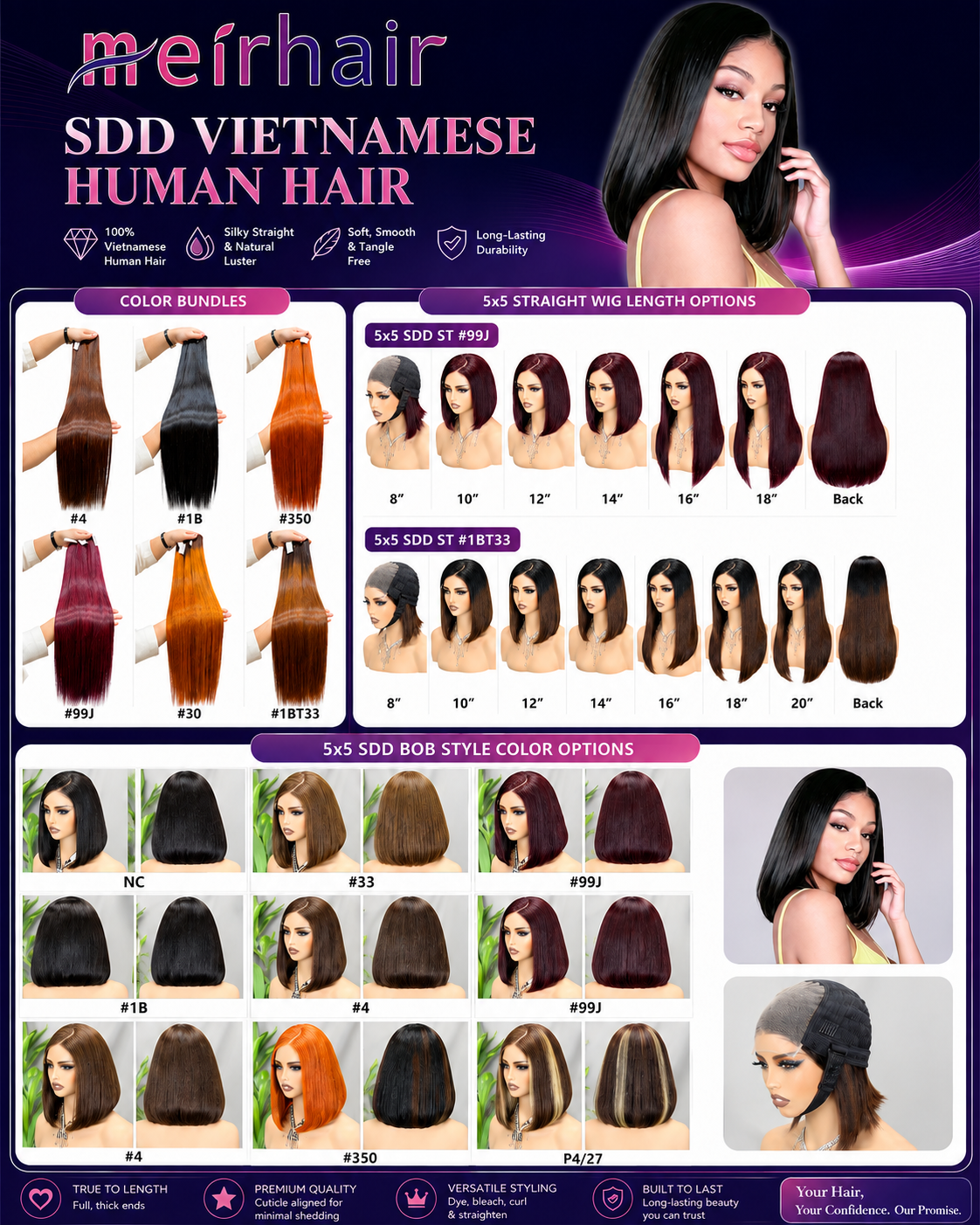
During a proper quality inspection, buyers should review more than appearance. Hair length, density, texture consistency, color processing, shedding, and lace construction all influence how the finished lace front unit performs. High-quality human hair bob wigs and longer lace front styles should remain full and responsive through repeated maintenance cycles.
Step-by-Step Wet Strand Test
1. Select a Small, Unnoticeable Section
Choose a small portion near the nape or inside area of the wig. This allows you to inspect the result without affecting the overall presentation of the unit.
2. Cleanse With Lukewarm Water
Apply lukewarm water and a mild sulfate-free shampoo. Avoid rubbing the hair aggressively, as rough handling can create tangling and make it difficult to distinguish product quality from mechanical damage.
3. Let the Hair Dry Without Heat
Place the wig on a stand and allow the tested section to air-dry completely. A high-grade 100% human hair lace front wig should begin to recover its natural wave or curl pattern as the moisture evaporates. If the strands dry flat with little bounce, the hair may have limited natural curl memory.
4. Confirm Styling Performance
For human hair units, a controlled curling-iron test at approximately 350°F (175°C) can provide additional insight. Quality hair should form clear curls and maintain them without excessive shedding, burning odor, or a rough, brittle feel. Always use a heat protectant and avoid testing synthetic hair at temperatures it cannot tolerate.
Performance Comparison by Hair Type
| Wig / Hair Material Type | Cuticle Condition | Post-Wash Curl Memory | Heat Re-Styling Capacity | Recommended Testing Method |
|---|---|---|---|---|
| 100% Virgin Human Hair Lace Front | Fully Intact & Aligned | High (Rebounds naturally) | High (Holds styles up to 400°F) | Warm Water Wash & Air-Dry Test |
| Chemically Processed Human Hair | Partially Stripped | Moderate (Requires heat re-curling) | Moderate (Requires styling products) | Shampoo & Hot Tool Re-curling Test |
| Synthetic / Human Hair Blend | Non-existent (Synthetic fibers) | Low (Loses shape rapidly) | Low (Thermal damage risk) | Low-Temperature Heat Test |
What Consistent Quality Control Looks Like
For salons, retailers, and wholesale buyers, curl retention should be confirmed before a large order reaches customers. In distribution projects involving pre-washed lace front wigs, consistent sourcing and texture checks have helped preserve uniform wave patterns across repeated salon installations. The same principle applies to bulk orders of human hair bundles and lace closures: curl and wave textures need to be inspected for rebound after washing, not simply evaluated when dry and newly packaged.
Reliable quality control should include raw-material screening, texture verification, density review, and final pre-shipment inspection. This process helps identify units that may look attractive initially but cannot maintain their intended pattern through normal care.
Frequently Asked Questions
How long should a lace front wig air-dry before I judge its curl pattern?
Allow the wig to dry fully on a wig stand, usually for 8 to 12 hours. Checking the texture only after complete drying gives a more accurate result because water weight can temporarily stretch and loosen curls.
Will hot water make a human hair wig lose its curls?
Very hot water can gradually loosen the hydrogen bonds that support wave and curl definition in human hair. Lukewarm or cool water is a better choice for maintaining elasticity, shine, and long-term texture performance.
Can curl products bring back a pattern that disappears after washing?
Leave-in conditioner, curl mousse, and light styling products can improve definition, especially for textured human hair. However, products cannot fully replace the natural resilience of strong, well-aligned hair cuticles. A quality wig should not depend on heavy product buildup to look textured after every wash.
Final Recommendation
The most practical way to determine whether a lace front wig will hold curls after washing is to perform a small wet test before full installation or bulk purchasing. Look for natural rebound, healthy elasticity, smooth cuticle behavior, and dependable response to moderate heat styling. Choosing high-quality human hair wigs supported by staged inspections reduces the risk of early texture loss and improves satisfaction for salons, beauty stores, and B2B distributors.
Flexible sourcing options can include ready-stock inventory with 7-day delivery, OEM/ODM production timelines of 15 to 30 days, and low minimum order quantities beginning at one piece. For product specifications or technical support, contact sales@brazilianhairtop.com.
About Us
Guangzhou Ruiju E-Commerce Co., Ltd. operates MEIRHAIR, a professional human hair brand specializing in human hair wigs, hair bundles, lace closures, frontals, and customized hair solutions for global beauty markets. Established in 2014, the company operates a 5,000 sqm factory facility and maintains a team of 50 skilled professionals, providing strong product development and customization capabilities. Guangzhou Ruiju serves clients across North America, Europe, Africa, the Middle East, South America, and Southeast Asia with flexible OEM/ODM manufacturing, private label branding, and ready-stock supply models.

REPORT