







-
 Agriculture
-
 Health-Care
-
 Environment
-
 Construction-Real-Estate
-
 Tools-Hardware
-
 Home-Garden
-
 Furniture
-
 Luggage-Bags-Cases
-
 Medical-devices-Supplies
-
 Gifts-Crafts
-
 Sports-Entertainment
-
 Food-Beverage
-
 Vehicles-Transportation
-
 Power-Transmission
-
 Material-Handling
-
 Renewable-Energy
-
 Safety
-
 Testing-Instrument-Equipment
-
 Construction-Building-Machinery
-
 Pet-Supplies
-
 Personal-Care-Household-Cleaning
-
 Vehicle-Accessories-Electronics-Tools
-
 School-Office-Supplies
-
 Packaging-Printing
-
 Mother-Kids-Toys
-
 Business-Services
-
 Commercial-Equipment-Machinery
-
 Apparel-Accessories
-
 Security
-
 Shoes-Accessories
-
 Vehicle-Parts-Accessories
-
 Jewelry-Eyewear-Watches-Accessories
-
 Lights-Lighting
-
 Fabric-Textile-Raw-Material
-
 Fabrication-Services
-
 Industrial-Machinery
-
 Consumer-Electronics
-
 Electrical-Equipment-Supplies
-
 Electronic-Components-Accessories-Telecommunications
-
 Home-Appliances
-
 Beauty
-
 Chemicals
-
 Rubber-Plastics
-
 Metals-Alloys


























































































































































































































































































































































































































































































































































































- Masonry Materials
- Curtain Walls & Accessories
- Earthwork Products
- Fireproofing Materials
- Heat Insulation Materials
- Plastic Building Materials
- Building Boards
- Soundproofing Materials
- Timber
- Waterproofing Materials
- Balustrades & Handrails
- Bathroom & Kitchen
- Flooring & Accessories
- Tiles & Accessories
- Door, Window & Accessories
- Fireplaces & Stoves
- Floor Heating Systems & Parts
- Stairs & Stair Parts
- Ceilings
- Elevators & Escalators
- Stone
- Countertops, Vanity Tops & Table Tops
- Mosaics
- Metal Building Materials
- Multifunctional Materials
- Ladders & Scaffoldings
- Mouldings
- Corner Guards
- Decorative Films
- Formwork
- Building & Industrial Glass
- Other Construction & Real Estate
- Wallpapers/Wall panels
- HVAC System & Parts
- Outdoor Facilities
- Prefabricated Buildings
- Festive & Party Supplies
- Bathroom Products
- Household Sundries
- Rain Gear
- Garden Supplies
- Household Cleaning Tools & Accessories
- Lighters & Smoking Accessories
- Home Storage & Organization
- Household Scales
- Smart Home Improvement
- Home Textiles
- Kitchenware
- Drinkware & Accessories
- Dinnerware, Coffee & Wine
- Home Decor
- Golf
- Fitness & Body Building
- Amusement Park Facilities
- Billiards, Board Game,Coin Operated Games
- Musical Instruments
- Outdoor Affordable Luxury Sports
- Camping & Hiking
- Fishing
- Sports Safety&Rehabilitation
- Ball Sports Equipments
- Water Sports
- Winter Sports
- Luxury Travel Equipments
- Sports Shoes, Bags & Accessories
- Cycling
- Other Sports & Entertainment Products
- Artificial Grass&Sports Flooring&Sports Court Equipment
- Scooters
- Food Ingredients
- Honey & Honey Products
- Snacks
- Nuts & Kernels
- Seafood
- Plant & Animal Oil
- Beverages
- Fruit & Vegetable Products
- Frog & Escargot
- Bean Products
- Egg Products
- Dairy Products
- Seasonings & Condiments
- Canned Food
- Instant Food
- Baked Goods
- Other Food & Beverage
- Meat & Poultry
- Confectionery
- Grain Products
- Feminie Care
- Hair Care & Styling
- Body Care
- Hands & Feet Care
- Hygiene Products
- Men's Grooming
- Laundry Cleaning Supplies
- Travel Size & Gift Sets
- Room Deodorizers
- Other Personal Care Products
- Pest Control Products
- Special Household Cleaning
- Floor Cleaning
- Kitchen & Bathroom Cleaning
- Oral Care
- Bath Supplies
- Yellow Pages
- Correction Supplies
- Office Binding Supplies
- Office Cutting Supplies
- Board Erasers
- Office Adhesives & Tapes
- Education Supplies
- Pencil Cases & Bags
- Notebooks & Writing Pads
- File Folder Accessories
- Calendars
- Writing Accessories
- Commercial Office Supplies
- Pencil Sharpeners
- Pens
- Letter Pad/Paper
- Paper Envelopes
- Desk Organizers
- Pencils
- Markers & Highlighters
- Filing Products
- Art Supplies
- Easels
- Badge Holder & Accessories
- Office Paper
- Printer Supplies
- Book Covers
- Other Office & School Supplies
- Stationery Set
- Boards
- Clipboards
- Stamps
- Drafting Supplies
- Stencils
- Electronic Dictionary
- Books
- Map
- Magazines
- Calculators
- Baby & Toddler Toys
- Educational Toys
- Classic Toys
- Dress Up & Pretend Play
- Toy Vehicle
- Stuffed Animals & Plush Toys
- Outdoor Toys & Structures
- Balloons & Accessories
- Baby Food
- Children's Clothing
- Baby Supplies & Products
- Maternity Clothes
- Kids Shoes
- Baby Care
- Novelty & Gag Toys
- Dolls & Accessories
- Puzzle & Games
- Blocks & Model Building Toys
- Toddler Clothing
- Baby Clothing
- Kids' Luggage & Bags
- Arts, Crafts & DIY Toys
- Action & Toy Figures
- Baby Appliances
- Hobbies & Models
- Remote Control Toys
- Promotional Toys
- Pregnancy & Maternity
- Hygiene Products
- Kid's Textile&Bedding
- Novelty & Special Use
- Toy Weapons
- Baby Gifts
- Baby Storage & Organization
- Auto Drive Systems
- ATV/UTV Parts & Accessories
- Marine Parts & Accessories
- Other Auto Parts
- Trailer Parts & Accessories
- Auto Transmission Systems
- Train Parts & Accessories
- Universal Parts
- Railway Parts & Accessories
- Auto Brake Systems
- Aviation Parts & Accessories
- Truck Parts & Accessories
- Auto Suspension Systems
- Auto Lighting Systems
- New Energy Vehicle Parts & Accessories
- Auto Steering Systems
- Wheels, Tires & Accessories
- Bus Parts & Accessories
- Auto Performance Parts
- Cooling System
- Go-Kart & Kart Racer Parts & Accessories
- Air Conditioning Systems
- Heavy Duty Vehicle Parts & Accessories
- Auto Electrical Systems
- Auto Body Systems
- Auto Engine Systems
- Container Parts & Accessories
- Motorcycle Parts & Accessories
- Refrigeration & Heat Exchange Equipment
- Machine Tool Equipment
- Food & Beverage Machinery
- Agricultural Machinery & Equipment
- Apparel & Textile Machinery
- Chemical Machinery
- Packaging Machines
- Paper Production Machinery
- Plastic & Rubber Processing Machinery
- Industrial Robots
- Electronic Products Machinery
- Metal & Metallurgy Machinery
- Woodworking Machinery
- Home Product Manufacturing Machinery
- Machinery Accessories
- Environmental Machinery
- Machinery Service
- Electrical Equipment Manufacturing Machinery
- Industrial Compressors & Parts
- Tobacco & Cigarette Machinery
- Production Line
- Used Industrial Machinery
- Electronics Production Machinery
- Other Machinery & Industrial Equipment
- Camera, Photo & Accessories
- Portable Audio, Video & Accessories
- Television, Home Audio, Video & Accessories
- Video Games & Accessories
- Mobile Phone & Accessories
- Electronic Publications
- Earphone & Headphone & Accessories
- Speakers & Accessories
- Smart Electronics
- TV Receivers & Accessories
- Mobile Phone & Computer Repair Parts
- Chargers, Batteries & Power Supplies
- Used Electronics
- VR, AR, MR Hardware & Software
- Projectors & Presentation Equipments
- Other Consumer Electronics
- Cables & Commonly Used Accessories
- Computer Hardware & Software
- Displays, Signage and Optoelectronics
- Discrete Semiconductors
- Wireless & IoT Module and Products
- Telecommunications
- Connectors, Terminals & Accessories
- Development Boards, Electronic Modules and Kits
- Circuit Protection
- Sensors
- Isolators
- Audio Components and Products
- Integrated Circuits
- Power Supplies
- Relays
- RF, Microwave and RFID
- Electronic Accessories & Supplies
- Passive Components
- PCB & PCBA
- Air Quality Appliances
- Home Appliance Parts
- Heating & Cooling Appliances
- Small Kitchen Appliances
- Laundry Appliances
- Water Heaters
- Water Treatment Appliances
- Refrigerators & Freezers
- Personal Care & Beauty Appliances
- Major Kitchen Appliances
- Cleaning Appliances
- Second-hand Appliances
- Smart Home Appliances
- Other Home Appliances
- Energy Chemicals
- Inorganic Chemicals
- Basic Organic Chemicals
- Agrochemicals
- Admixture & Additives
- Catalysts & Chemical Auxiliary Agents
- Pigments & Dyestuff
- Coating & Paint
- Daily Chemicals
- Polymer
- Organic Intermediate
- Adhesives & Sealants
- Chemical Waste
- Biological Chemical Products
- Surface Treatment Chemicals
- Painting & Coating
- Chemical Reagents
- Flavor & Fragrance
- Non-Explosive Demolition Agents
- Other Chemicals
- Custom Chemical Services

How to Train Factory Workers for Consistent Designer Sunglasses Assembly
Reliable designer sunglasses production begins with a structured worker-training system. Before employees assemble products independently, they should study approved work instructions, practice under supervision, pass competency evaluations, and understand the inspection standards for each order. Training should address frame and lens handling, polarized clip-on components, UV400 specifications, alignment, comfort, durability, finishing, packaging, and ongoing production control.
Building an Effective Assembly Training Program
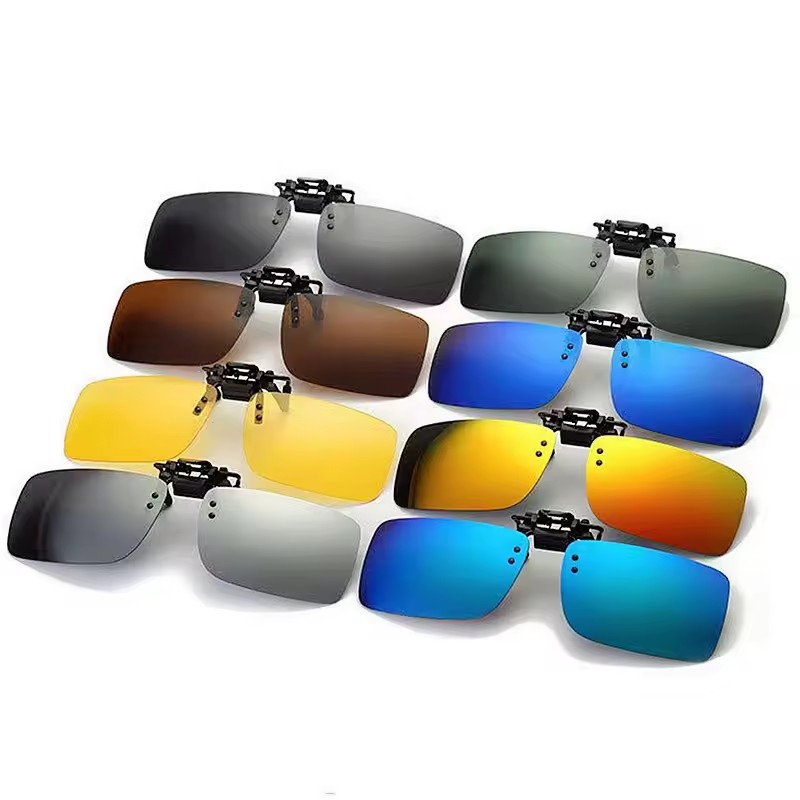
A practical program should follow the complete manufacturing sequence. Workers first learn the approved product design and identify every component, then practice the correct assembly order, inspect the finished sunglasses, and prepare accepted products for packaging. This approach is especially useful for custom logo wholesale unisex driving glasses featuring polarized clips and UV400 lenses.
1. Use Product-Specific Work Instructions
Each product should have clear, documented instructions covering the frame, lenses, clips, hinges, logos, surface finish, and packaging requirements. The instructions should show the correct handling method and assembly sequence so workers can produce customized OEM or ODM sunglasses consistently. Any approved changes to materials, molds, colors, or branding should be reflected in the latest version of the instructions.
2. Combine Demonstration with Supervised Practice
Classroom explanations alone are not enough for precision eyewear assembly. An experienced trainer should demonstrate the process before workers complete repeated hands-on exercises. Supervision should focus on component identification, careful lens and frame handling, stable clip installation, alignment, hinge operation, surface protection, and the prevention of scratches or pressure marks.
3. Add Competency Checks Before Independent Work
Workers should qualify for independent production only after they can repeat the process accurately. Competency checks may include correct component selection, frame and lens alignment, smooth clip operation, comfortable fit, visual consistency, clean finishing, and correct packaging. Workers should also demonstrate that they can recognize common defects and stop the product for review when the result does not meet the defined standard.
Quality Requirements That Training Should Cover
Assembly training must connect daily work with the product's performance requirements. Workers should understand the difference between characteristics that can be checked visually and those that require process verification or specialist testing. Key areas include lens UV protection, impact resistance, frame comfort, structural strength, wear durability, and the secure operation of polarized clip-on components.
Training should also explain when an item must be separated from the production flow. Scratched lenses, loose clips, poor alignment, uncomfortable frame pressure, uneven finishing, damaged logos, or incorrect packaging should be recorded and sent to a supervisor or quality employee for evaluation. This makes inspection part of the assembly process rather than an activity performed only at the end.
Linking Training with Product Development and Production Control
The company's R&D capabilities include 3D modeling design systems, rapid prototyping, sample trial production, mold customization, material improvements, color matching, and brand-specific design. Assembly instruction should therefore be based on the approved sample and current technical specifications for each order. This helps workers understand how design changes affect component handling and final appearance.
Training should continue after the initial qualification. Standardized workshops, established assembly lines, experienced employees, streamlined management, and strict production monitoring provide a foundation for consistent output. With reported annual production exceeding 3 million pairs of sunglasses, periodic refresher training and repeat competency checks are important whenever product designs, materials, processes, or customer requirements change.
The product image below illustrates the designer sunglasses assembly target addressed by this training method.
Training Elements and Verification Methods
| Training Area | Implementation Approach | What to Verify |
|---|---|---|
| Documented Instructions | Provide the approved assembly sequence and product-specific specifications. | Correct process order and component handling |
| Guided Practice | Have workers complete repeated assemblies with an experienced trainer present. | Alignment, clip function, comfort, and surface quality |
| Inspection Training | Teach quality checkpoints for UV protection, impact resistance, durability, and packaging. | Defect recognition and proper hold decisions |
| Worker Qualification | Use practical assessments and repeat checks before permitting unsupervised work. | Stable performance and compliance with production controls |
| Change Management | Refresh training when molds, materials, colors, logos, or designs are revised. | Alignment with current OEM and ODM specifications |
Frequently Asked Questions
What skills must a worker learn before assembling designer sunglasses alone?
The worker should know the approved assembly sequence, identify every component, handle lenses and frames correctly, operate polarized clips, follow inspection points, and recognize issues involving comfort, durability, impact resistance, UV protection, finishing, and packaging.
What is the best way to confirm that assembly training has worked?
Factories can combine supervised practice, practical competency tests, inspection records, defect reporting, and production monitoring. Consistent results over repeated assemblies provide stronger evidence than a single demonstration.
How should training be adjusted for customized sunglasses?
Instruction should be revised whenever an approved order changes the mold, material, color, logo, lens, clip, or frame design. Workers should practice with the current sample and specifications before the updated product enters regular production.
Conclusion
Effective training for designer sunglasses assembly depends on clear instructions, supervised repetition, documented quality checkpoints, and recurring qualification reviews. The program should cover polarized clip-on construction, UV400 requirements, comfort, impact resistance, wear performance, finishing, packaging, and customization control. Yiwu Green Shine Arts provides OEM and ODM support for customers in the United States, Spain, Germany, Australia, Italy, France, and Ireland. For technical assistance or product cooperation, contact leoxiao@cngreenshine.com.
About Us
Yiwu Green Shine Arts & Crafts Co., Ltd. was established in 2016 in Yiwu, Zhejiang Province, and specializes in fashion sunglasses, optical frames, acetate sunglasses, children sunglasses, and reading glasses. The company has 10 employees and a 130sqm facility, with products mainly exported to the United States, Spain, Germany, Australia, Italy, France, and Ireland. Its services include OEM and ODM cooperation.

REPORT