







-
 Agriculture
-
 Health-Care
-
 Environment
-
 Construction-Real-Estate
-
 Tools-Hardware
-
 Home-Garden
-
 Furniture
-
 Luggage-Bags-Cases
-
 Medical-devices-Supplies
-
 Gifts-Crafts
-
 Sports-Entertainment
-
 Food-Beverage
-
 Vehicles-Transportation
-
 Power-Transmission
-
 Material-Handling
-
 Renewable-Energy
-
 Safety
-
 Testing-Instrument-Equipment
-
 Construction-Building-Machinery
-
 Pet-Supplies
-
 Personal-Care-Household-Cleaning
-
 Vehicle-Accessories-Electronics-Tools
-
 School-Office-Supplies
-
 Packaging-Printing
-
 Mother-Kids-Toys
-
 Business-Services
-
 Commercial-Equipment-Machinery
-
 Apparel-Accessories
-
 Security
-
 Shoes-Accessories
-
 Vehicle-Parts-Accessories
-
 Jewelry-Eyewear-Watches-Accessories
-
 Lights-Lighting
-
 Fabric-Textile-Raw-Material
-
 Fabrication-Services
-
 Industrial-Machinery
-
 Consumer-Electronics
-
 Electrical-Equipment-Supplies
-
 Electronic-Components-Accessories-Telecommunications
-
 Home-Appliances
-
 Beauty
-
 Chemicals
-
 Rubber-Plastics
-
 Metals-Alloys


























































































































































































































































































































































































































































































































































































- Masonry Materials
- Curtain Walls & Accessories
- Earthwork Products
- Fireproofing Materials
- Heat Insulation Materials
- Plastic Building Materials
- Building Boards
- Soundproofing Materials
- Timber
- Waterproofing Materials
- Balustrades & Handrails
- Bathroom & Kitchen
- Flooring & Accessories
- Tiles & Accessories
- Door, Window & Accessories
- Fireplaces & Stoves
- Floor Heating Systems & Parts
- Stairs & Stair Parts
- Ceilings
- Elevators & Escalators
- Stone
- Countertops, Vanity Tops & Table Tops
- Mosaics
- Metal Building Materials
- Multifunctional Materials
- Ladders & Scaffoldings
- Mouldings
- Corner Guards
- Decorative Films
- Formwork
- Building & Industrial Glass
- Other Construction & Real Estate
- Wallpapers/Wall panels
- HVAC System & Parts
- Outdoor Facilities
- Prefabricated Buildings
- Festive & Party Supplies
- Bathroom Products
- Household Sundries
- Rain Gear
- Garden Supplies
- Household Cleaning Tools & Accessories
- Lighters & Smoking Accessories
- Home Storage & Organization
- Household Scales
- Smart Home Improvement
- Home Textiles
- Kitchenware
- Drinkware & Accessories
- Dinnerware, Coffee & Wine
- Home Decor
- Golf
- Fitness & Body Building
- Amusement Park Facilities
- Billiards, Board Game,Coin Operated Games
- Musical Instruments
- Outdoor Affordable Luxury Sports
- Camping & Hiking
- Fishing
- Sports Safety&Rehabilitation
- Ball Sports Equipments
- Water Sports
- Winter Sports
- Luxury Travel Equipments
- Sports Shoes, Bags & Accessories
- Cycling
- Other Sports & Entertainment Products
- Artificial Grass&Sports Flooring&Sports Court Equipment
- Scooters
- Food Ingredients
- Honey & Honey Products
- Snacks
- Nuts & Kernels
- Seafood
- Plant & Animal Oil
- Beverages
- Fruit & Vegetable Products
- Frog & Escargot
- Bean Products
- Egg Products
- Dairy Products
- Seasonings & Condiments
- Canned Food
- Instant Food
- Baked Goods
- Other Food & Beverage
- Meat & Poultry
- Confectionery
- Grain Products
- Feminie Care
- Hair Care & Styling
- Body Care
- Hands & Feet Care
- Hygiene Products
- Men's Grooming
- Laundry Cleaning Supplies
- Travel Size & Gift Sets
- Room Deodorizers
- Other Personal Care Products
- Pest Control Products
- Special Household Cleaning
- Floor Cleaning
- Kitchen & Bathroom Cleaning
- Oral Care
- Bath Supplies
- Yellow Pages
- Correction Supplies
- Office Binding Supplies
- Office Cutting Supplies
- Board Erasers
- Office Adhesives & Tapes
- Education Supplies
- Pencil Cases & Bags
- Notebooks & Writing Pads
- File Folder Accessories
- Calendars
- Writing Accessories
- Commercial Office Supplies
- Pencil Sharpeners
- Pens
- Letter Pad/Paper
- Paper Envelopes
- Desk Organizers
- Pencils
- Markers & Highlighters
- Filing Products
- Art Supplies
- Easels
- Badge Holder & Accessories
- Office Paper
- Printer Supplies
- Book Covers
- Other Office & School Supplies
- Stationery Set
- Boards
- Clipboards
- Stamps
- Drafting Supplies
- Stencils
- Electronic Dictionary
- Books
- Map
- Magazines
- Calculators
- Baby & Toddler Toys
- Educational Toys
- Classic Toys
- Dress Up & Pretend Play
- Toy Vehicle
- Stuffed Animals & Plush Toys
- Outdoor Toys & Structures
- Balloons & Accessories
- Baby Food
- Children's Clothing
- Baby Supplies & Products
- Maternity Clothes
- Kids Shoes
- Baby Care
- Novelty & Gag Toys
- Dolls & Accessories
- Puzzle & Games
- Blocks & Model Building Toys
- Toddler Clothing
- Baby Clothing
- Kids' Luggage & Bags
- Arts, Crafts & DIY Toys
- Action & Toy Figures
- Baby Appliances
- Hobbies & Models
- Remote Control Toys
- Promotional Toys
- Pregnancy & Maternity
- Hygiene Products
- Kid's Textile&Bedding
- Novelty & Special Use
- Toy Weapons
- Baby Gifts
- Baby Storage & Organization
- Auto Drive Systems
- ATV/UTV Parts & Accessories
- Marine Parts & Accessories
- Other Auto Parts
- Trailer Parts & Accessories
- Auto Transmission Systems
- Train Parts & Accessories
- Universal Parts
- Railway Parts & Accessories
- Auto Brake Systems
- Aviation Parts & Accessories
- Truck Parts & Accessories
- Auto Suspension Systems
- Auto Lighting Systems
- New Energy Vehicle Parts & Accessories
- Auto Steering Systems
- Wheels, Tires & Accessories
- Bus Parts & Accessories
- Auto Performance Parts
- Cooling System
- Go-Kart & Kart Racer Parts & Accessories
- Air Conditioning Systems
- Heavy Duty Vehicle Parts & Accessories
- Auto Electrical Systems
- Auto Body Systems
- Auto Engine Systems
- Container Parts & Accessories
- Motorcycle Parts & Accessories
- Refrigeration & Heat Exchange Equipment
- Machine Tool Equipment
- Food & Beverage Machinery
- Agricultural Machinery & Equipment
- Apparel & Textile Machinery
- Chemical Machinery
- Packaging Machines
- Paper Production Machinery
- Plastic & Rubber Processing Machinery
- Industrial Robots
- Electronic Products Machinery
- Metal & Metallurgy Machinery
- Woodworking Machinery
- Home Product Manufacturing Machinery
- Machinery Accessories
- Environmental Machinery
- Machinery Service
- Electrical Equipment Manufacturing Machinery
- Industrial Compressors & Parts
- Tobacco & Cigarette Machinery
- Production Line
- Used Industrial Machinery
- Electronics Production Machinery
- Other Machinery & Industrial Equipment
- Camera, Photo & Accessories
- Portable Audio, Video & Accessories
- Television, Home Audio, Video & Accessories
- Video Games & Accessories
- Mobile Phone & Accessories
- Electronic Publications
- Earphone & Headphone & Accessories
- Speakers & Accessories
- Smart Electronics
- TV Receivers & Accessories
- Mobile Phone & Computer Repair Parts
- Chargers, Batteries & Power Supplies
- Used Electronics
- VR, AR, MR Hardware & Software
- Projectors & Presentation Equipments
- Other Consumer Electronics
- Cables & Commonly Used Accessories
- Computer Hardware & Software
- Displays, Signage and Optoelectronics
- Discrete Semiconductors
- Wireless & IoT Module and Products
- Telecommunications
- Connectors, Terminals & Accessories
- Development Boards, Electronic Modules and Kits
- Circuit Protection
- Sensors
- Isolators
- Audio Components and Products
- Integrated Circuits
- Power Supplies
- Relays
- RF, Microwave and RFID
- Electronic Accessories & Supplies
- Passive Components
- PCB & PCBA
- Air Quality Appliances
- Home Appliance Parts
- Heating & Cooling Appliances
- Small Kitchen Appliances
- Laundry Appliances
- Water Heaters
- Water Treatment Appliances
- Refrigerators & Freezers
- Personal Care & Beauty Appliances
- Major Kitchen Appliances
- Cleaning Appliances
- Second-hand Appliances
- Smart Home Appliances
- Other Home Appliances
- Energy Chemicals
- Inorganic Chemicals
- Basic Organic Chemicals
- Agrochemicals
- Admixture & Additives
- Catalysts & Chemical Auxiliary Agents
- Pigments & Dyestuff
- Coating & Paint
- Daily Chemicals
- Polymer
- Organic Intermediate
- Adhesives & Sealants
- Chemical Waste
- Biological Chemical Products
- Surface Treatment Chemicals
- Painting & Coating
- Chemical Reagents
- Flavor & Fragrance
- Non-Explosive Demolition Agents
- Other Chemicals
- Custom Chemical Services

How to Verify Glass Fit in an Aluminum Sliding Wardrobe Door Frame Sample
Before approving an aluminum sliding wardrobe door system, verify that the specified glass fits the sample frame correctly and remains stable during operation. The glass should enter the profile channel smoothly, rest evenly on the designed support points, and stay secure while the door slides. A complete inspection should also cover joints, seals, rollers, clearances, and frame alignment.
Glass Fit Inspection Overview
- Use the actual aluminum wardrobe door sample together with the intended glass specification.
- Confirm insertion, seating, edge support, alignment, and sliding performance.
- Reject the sample if the glass requires excessive force, rocks inside the channel, experiences edge pressure, or shifts during movement.
- Apply the inspection results to projects involving cabinet producers, furniture hardware distributors, hotels, and residential developments.
Step-by-Step Evaluation Method
1. Prepare the Sample and Glass
Start by cleaning the aluminum frame channel, glass edges, seals, and contact surfaces. Remove dust, metal chips, or other debris that could create a false fit. Compare the sample with the supplier's technical drawing and confirm the intended glass thickness before assembly.
The available product information identifies the frame material as 6063 T5 aluminum. However, it does not state the channel size, glass thickness range, dimensional tolerances, seal construction, or roller specifications. These details should be obtained from the supplier and checked against the physical sample before final approval.
2. Check Insertion and Seating
Insert the glass carefully into the frame channel. It should slide into position without abnormal resistance or forced impact. Once installed, the panel must contact the designed support surfaces continuously and remain fully seated along the relevant edges.
Examine the glass and frame from several directions. Look for tilted positioning, irregular gaps, incomplete engagement, or concentrated pressure on any glass edge. Apply gentle pressure at different points to detect rocking or looseness. A sample that only fits after force is applied should not be accepted without corrective review.
3. Inspect the Complete Sliding Assembly
After the glass has been fitted, install the sample in its sliding configuration and operate it across the full available travel. The panel should remain seated as the frame moves. Rollers should run smoothly without scraping, sticking, vibration, or noticeably uneven resistance.
Pay particular attention to the upper and lower frame sections, corner connections, meeting stiles, and areas around the rollers. A glass panel may appear acceptable while stationary but reveal displacement, binding, or contact problems during sliding. Check that the frame remains square and that no component interferes with the glass or adjacent profiles.
Acceptance Criteria and Documentation
Record the inspection with photographs and written notes covering glass seating, edge contact, frame alignment, joint quality, seal placement, roller behavior, and visible clearance. The approval decision should reference the agreed sample, technical drawings, and documented acceptance criteria.
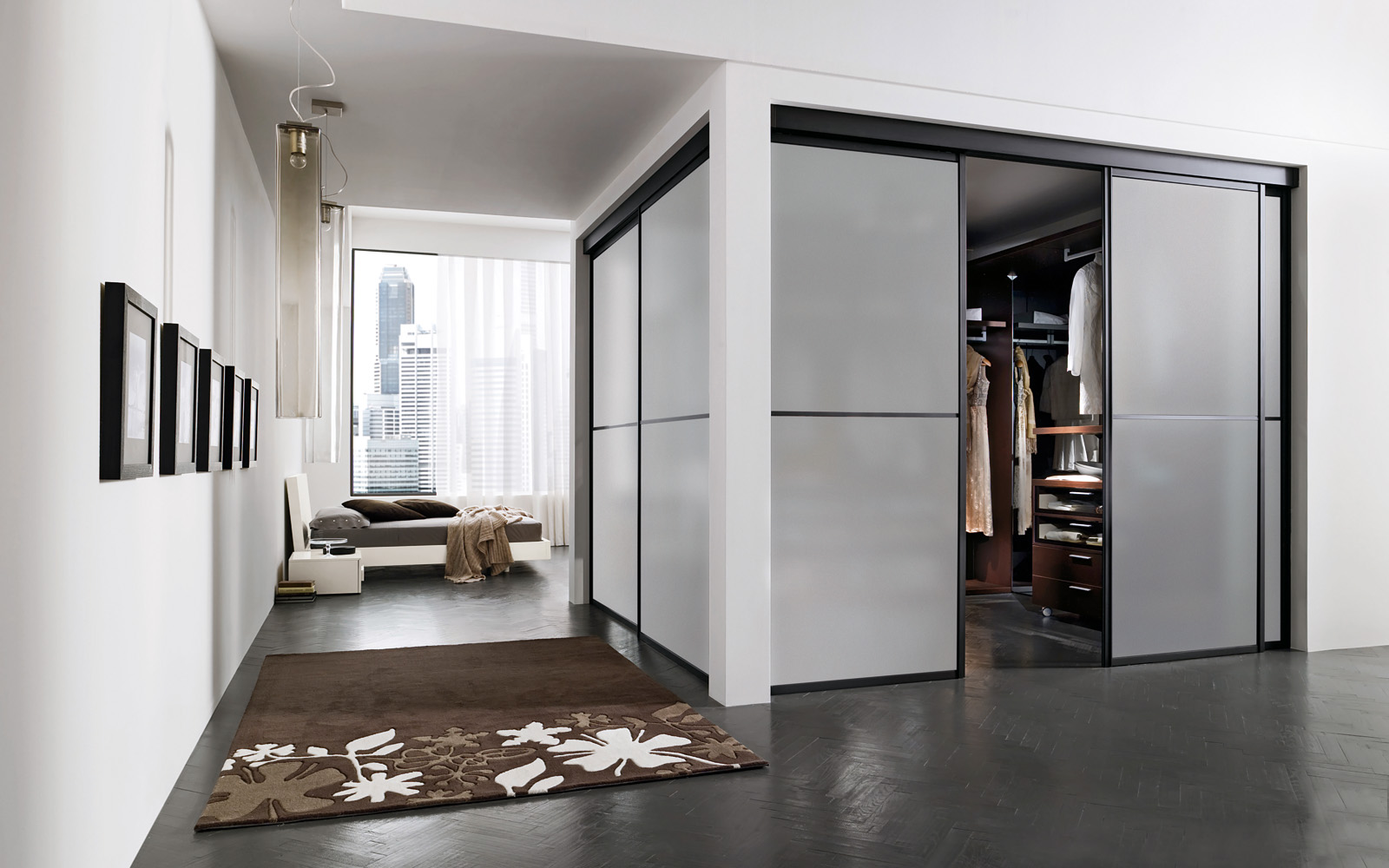
The product information lists a minimum order quantity of 1 and a delivery period of 30 days. It does not define inspection procedures or after-sales terms, so these commercial and quality conditions should be confirmed separately with the supplier.
Inspection Comparison
| Inspection item | Acceptable result |
|---|---|
| Glass insertion and support | The glass enters smoothly and sits completely on the intended support surfaces |
| Frame geometry and joints | The frame stays aligned, stable, and free from visible distortion or uneven joints |
| Sliding performance | The door travels smoothly without binding, scraping, abnormal resistance, or glass movement |
| Technical information | Glass thickness, channel dimensions, seals, rollers, tolerances, and inspection requirements are confirmed |
Frequently Asked Questions
What should be inspected before fitting the glass?
Clean the channel and examine the aluminum profile, joints, seals, support surfaces, and roller-related components. The intended glass size and sample drawing should also be verified.
What signs indicate that the glass fit is unacceptable?
Warning signs include forced insertion, incomplete seating, rocking, uneven gaps, localized edge pressure, frame distortion, glass movement, scraping, or restricted sliding travel.
Which technical details still need supplier confirmation?
The current product data identifies 6063 T5 aluminum, an MOQ of 1, and a 30-day delivery time. Channel dimensions, compatible glass thickness, tolerances, seals, roller details, inspection standards, and after-sales conditions remain to be confirmed.
Conclusion and Recommendations
Approve the glass sliding wardrobe door aluminum frame sample only when the glass enters naturally, remains evenly supported, and stays stable throughout the complete sliding cycle. Document every result and resolve missing technical parameters before production begins.
The supplier is MEBEL-ALU ALUMINIUM, whose business information lists FOB service and whose certifications cover aluminum alloy profile production. For technical assistance or product support, contact mebel@mebel-alu.com.
About Us
Mebel-Alu Furniture Profile (Hong Kong) Co., Ltd has specialized since 2008 in precision-engineered aluminum profile systems for modern interiors, including aluminum glass door systems, sliding wardrobe systems, kitchen cabinet frames, and decorative tile trims. Its in-house capabilities cover aluminum extrusion, anodizing, brushing, mechanical polishing, and CNC machining. The company develops aluminum profile accessories and hardware package solutions through trend analysis for home furnishing, cabinet, and door products. Its main product is aluminum furniture profiles.
The company holds an Occupational Health and Safety Management System Certificate and a Quality Management System Certificate covering specified aluminum alloy profile production activities.

REPORT