







-
 Agriculture
-
 Health-Care
-
 Environment
-
 Construction-Real-Estate
-
 Tools-Hardware
-
 Home-Garden
-
 Furniture
-
 Luggage-Bags-Cases
-
 Medical-devices-Supplies
-
 Gifts-Crafts
-
 Sports-Entertainment
-
 Food-Beverage
-
 Vehicles-Transportation
-
 Power-Transmission
-
 Material-Handling
-
 Renewable-Energy
-
 Safety
-
 Testing-Instrument-Equipment
-
 Construction-Building-Machinery
-
 Pet-Supplies
-
 Personal-Care-Household-Cleaning
-
 Vehicle-Accessories-Electronics-Tools
-
 School-Office-Supplies
-
 Packaging-Printing
-
 Mother-Kids-Toys
-
 Business-Services
-
 Commercial-Equipment-Machinery
-
 Apparel-Accessories
-
 Security
-
 Shoes-Accessories
-
 Vehicle-Parts-Accessories
-
 Jewelry-Eyewear-Watches-Accessories
-
 Lights-Lighting
-
 Fabric-Textile-Raw-Material
-
 Fabrication-Services
-
 Industrial-Machinery
-
 Consumer-Electronics
-
 Electrical-Equipment-Supplies
-
 Electronic-Components-Accessories-Telecommunications
-
 Home-Appliances
-
 Beauty
-
 Chemicals
-
 Rubber-Plastics
-
 Metals-Alloys


























































































































































































































































































































































































































































































































































































- Masonry Materials
- Curtain Walls & Accessories
- Earthwork Products
- Fireproofing Materials
- Heat Insulation Materials
- Plastic Building Materials
- Building Boards
- Soundproofing Materials
- Timber
- Waterproofing Materials
- Balustrades & Handrails
- Bathroom & Kitchen
- Flooring & Accessories
- Tiles & Accessories
- Door, Window & Accessories
- Fireplaces & Stoves
- Floor Heating Systems & Parts
- Stairs & Stair Parts
- Ceilings
- Elevators & Escalators
- Stone
- Countertops, Vanity Tops & Table Tops
- Mosaics
- Metal Building Materials
- Multifunctional Materials
- Ladders & Scaffoldings
- Mouldings
- Corner Guards
- Decorative Films
- Formwork
- Building & Industrial Glass
- Other Construction & Real Estate
- Wallpapers/Wall panels
- HVAC System & Parts
- Outdoor Facilities
- Prefabricated Buildings
- Festive & Party Supplies
- Bathroom Products
- Household Sundries
- Rain Gear
- Garden Supplies
- Household Cleaning Tools & Accessories
- Lighters & Smoking Accessories
- Home Storage & Organization
- Household Scales
- Smart Home Improvement
- Home Textiles
- Kitchenware
- Drinkware & Accessories
- Dinnerware, Coffee & Wine
- Home Decor
- Golf
- Fitness & Body Building
- Amusement Park Facilities
- Billiards, Board Game,Coin Operated Games
- Musical Instruments
- Outdoor Affordable Luxury Sports
- Camping & Hiking
- Fishing
- Sports Safety&Rehabilitation
- Ball Sports Equipments
- Water Sports
- Winter Sports
- Luxury Travel Equipments
- Sports Shoes, Bags & Accessories
- Cycling
- Other Sports & Entertainment Products
- Artificial Grass&Sports Flooring&Sports Court Equipment
- Scooters
- Food Ingredients
- Honey & Honey Products
- Snacks
- Nuts & Kernels
- Seafood
- Plant & Animal Oil
- Beverages
- Fruit & Vegetable Products
- Frog & Escargot
- Bean Products
- Egg Products
- Dairy Products
- Seasonings & Condiments
- Canned Food
- Instant Food
- Baked Goods
- Other Food & Beverage
- Meat & Poultry
- Confectionery
- Grain Products
- Feminie Care
- Hair Care & Styling
- Body Care
- Hands & Feet Care
- Hygiene Products
- Men's Grooming
- Laundry Cleaning Supplies
- Travel Size & Gift Sets
- Room Deodorizers
- Other Personal Care Products
- Pest Control Products
- Special Household Cleaning
- Floor Cleaning
- Kitchen & Bathroom Cleaning
- Oral Care
- Bath Supplies
- Yellow Pages
- Correction Supplies
- Office Binding Supplies
- Office Cutting Supplies
- Board Erasers
- Office Adhesives & Tapes
- Education Supplies
- Pencil Cases & Bags
- Notebooks & Writing Pads
- File Folder Accessories
- Calendars
- Writing Accessories
- Commercial Office Supplies
- Pencil Sharpeners
- Pens
- Letter Pad/Paper
- Paper Envelopes
- Desk Organizers
- Pencils
- Markers & Highlighters
- Filing Products
- Art Supplies
- Easels
- Badge Holder & Accessories
- Office Paper
- Printer Supplies
- Book Covers
- Other Office & School Supplies
- Stationery Set
- Boards
- Clipboards
- Stamps
- Drafting Supplies
- Stencils
- Electronic Dictionary
- Books
- Map
- Magazines
- Calculators
- Baby & Toddler Toys
- Educational Toys
- Classic Toys
- Dress Up & Pretend Play
- Toy Vehicle
- Stuffed Animals & Plush Toys
- Outdoor Toys & Structures
- Balloons & Accessories
- Baby Food
- Children's Clothing
- Baby Supplies & Products
- Maternity Clothes
- Kids Shoes
- Baby Care
- Novelty & Gag Toys
- Dolls & Accessories
- Puzzle & Games
- Blocks & Model Building Toys
- Toddler Clothing
- Baby Clothing
- Kids' Luggage & Bags
- Arts, Crafts & DIY Toys
- Action & Toy Figures
- Baby Appliances
- Hobbies & Models
- Remote Control Toys
- Promotional Toys
- Pregnancy & Maternity
- Hygiene Products
- Kid's Textile&Bedding
- Novelty & Special Use
- Toy Weapons
- Baby Gifts
- Baby Storage & Organization
- Auto Drive Systems
- ATV/UTV Parts & Accessories
- Marine Parts & Accessories
- Other Auto Parts
- Trailer Parts & Accessories
- Auto Transmission Systems
- Train Parts & Accessories
- Universal Parts
- Railway Parts & Accessories
- Auto Brake Systems
- Aviation Parts & Accessories
- Truck Parts & Accessories
- Auto Suspension Systems
- Auto Lighting Systems
- New Energy Vehicle Parts & Accessories
- Auto Steering Systems
- Wheels, Tires & Accessories
- Bus Parts & Accessories
- Auto Performance Parts
- Cooling System
- Go-Kart & Kart Racer Parts & Accessories
- Air Conditioning Systems
- Heavy Duty Vehicle Parts & Accessories
- Auto Electrical Systems
- Auto Body Systems
- Auto Engine Systems
- Container Parts & Accessories
- Motorcycle Parts & Accessories
- Refrigeration & Heat Exchange Equipment
- Machine Tool Equipment
- Food & Beverage Machinery
- Agricultural Machinery & Equipment
- Apparel & Textile Machinery
- Chemical Machinery
- Packaging Machines
- Paper Production Machinery
- Plastic & Rubber Processing Machinery
- Industrial Robots
- Electronic Products Machinery
- Metal & Metallurgy Machinery
- Woodworking Machinery
- Home Product Manufacturing Machinery
- Machinery Accessories
- Environmental Machinery
- Machinery Service
- Electrical Equipment Manufacturing Machinery
- Industrial Compressors & Parts
- Tobacco & Cigarette Machinery
- Production Line
- Used Industrial Machinery
- Electronics Production Machinery
- Other Machinery & Industrial Equipment
- Camera, Photo & Accessories
- Portable Audio, Video & Accessories
- Television, Home Audio, Video & Accessories
- Video Games & Accessories
- Mobile Phone & Accessories
- Electronic Publications
- Earphone & Headphone & Accessories
- Speakers & Accessories
- Smart Electronics
- TV Receivers & Accessories
- Mobile Phone & Computer Repair Parts
- Chargers, Batteries & Power Supplies
- Used Electronics
- VR, AR, MR Hardware & Software
- Projectors & Presentation Equipments
- Other Consumer Electronics
- Cables & Commonly Used Accessories
- Computer Hardware & Software
- Displays, Signage and Optoelectronics
- Discrete Semiconductors
- Wireless & IoT Module and Products
- Telecommunications
- Connectors, Terminals & Accessories
- Development Boards, Electronic Modules and Kits
- Circuit Protection
- Sensors
- Isolators
- Audio Components and Products
- Integrated Circuits
- Power Supplies
- Relays
- RF, Microwave and RFID
- Electronic Accessories & Supplies
- Passive Components
- PCB & PCBA
- Air Quality Appliances
- Home Appliance Parts
- Heating & Cooling Appliances
- Small Kitchen Appliances
- Laundry Appliances
- Water Heaters
- Water Treatment Appliances
- Refrigerators & Freezers
- Personal Care & Beauty Appliances
- Major Kitchen Appliances
- Cleaning Appliances
- Second-hand Appliances
- Smart Home Appliances
- Other Home Appliances
- Energy Chemicals
- Inorganic Chemicals
- Basic Organic Chemicals
- Agrochemicals
- Admixture & Additives
- Catalysts & Chemical Auxiliary Agents
- Pigments & Dyestuff
- Coating & Paint
- Daily Chemicals
- Polymer
- Organic Intermediate
- Adhesives & Sealants
- Chemical Waste
- Biological Chemical Products
- Surface Treatment Chemicals
- Painting & Coating
- Chemical Reagents
- Flavor & Fragrance
- Non-Explosive Demolition Agents
- Other Chemicals
- Custom Chemical Services

How to Verify Monthly Production Capacity for Swivel Heated Towel Rack Factories
Evaluating a supplier's true monthly production capacity for swivel electric heated towel racks is critical when sourcing for commercial projects or retail distribution. To perform an accurate evaluation, procurement managers must examine physical infrastructure, active machinery, assembly line workflows, workforce scaling, and certified quality management protocols.
Key Indicators of Genuine High-Capacity Manufacturing
- Physical Infrastructure & Equipment: High-volume operations typically feature substantial facilities, such as a 20,000 square meter factory floor equipped with 20 active production lines and over 200 units of specialized manufacturing and R&D machinery.
- Rigorous Quality Management: Structured workforce deployment—such as 245 active technicians—operating under ISO9001 and 6S quality standards executing 14 distinct quality control steps from raw material intake to final packing.
- Versatile Market Applications: High-capacity manufacturers consistently supply diverse sectors, including Residential Bathrooms, Luxury Hotels & Hospitality Projects, SPA & Wellness Centers, and Senior Care Facilities.
- Proven Patent & Compliance Records: Verified output capacity is validated by international standards, including CE certification and specialized technical design patents like the ODO-R2B Swivel Rotating Electric Heated Towel Rack Utility Model Patent.
Comparing Facility Capacities: Standard Workshops vs. High-Volume Factories
Understanding the operational contrast between small assembly workshops and mature OEM/ODM industrial hubs helps prevent supply chain disruptions during peak demand periods.
| Evaluation Criteria | Standard Workshop Facility | High-Capacity OEM/ODM Factory |
|---|---|---|
| Facility Area & Assembly Lines | Under 5,000 sqm / 1–4 lines | 20,000 sqm / 20 production lines |
| Monthly Production Volume | 5,000 – 15,000 pcs | 100,000 pcs |
| Quality Assurance Protocol | Basic visual checking | 14 strict QC stages (ISO9001 / 6S certified) |
| Sample & Bulk Delivery Time | 14–21 days sample / 60+ days bulk | 3–7 days sample / 20–45 days bulk order |
| International Certifications | Limited or regional only | CE-LVD, IP44 waterproof, utility & design patents |
Technical & Engineering Verification Standards
Auditing a manufacturer's declared output capacity of 100,000 pieces per month requires checking specific technical engineering setups. Manufacturers with over 11 years of global OEM & ODM expertise maintain documented throughput metrics across every stage of assembly.
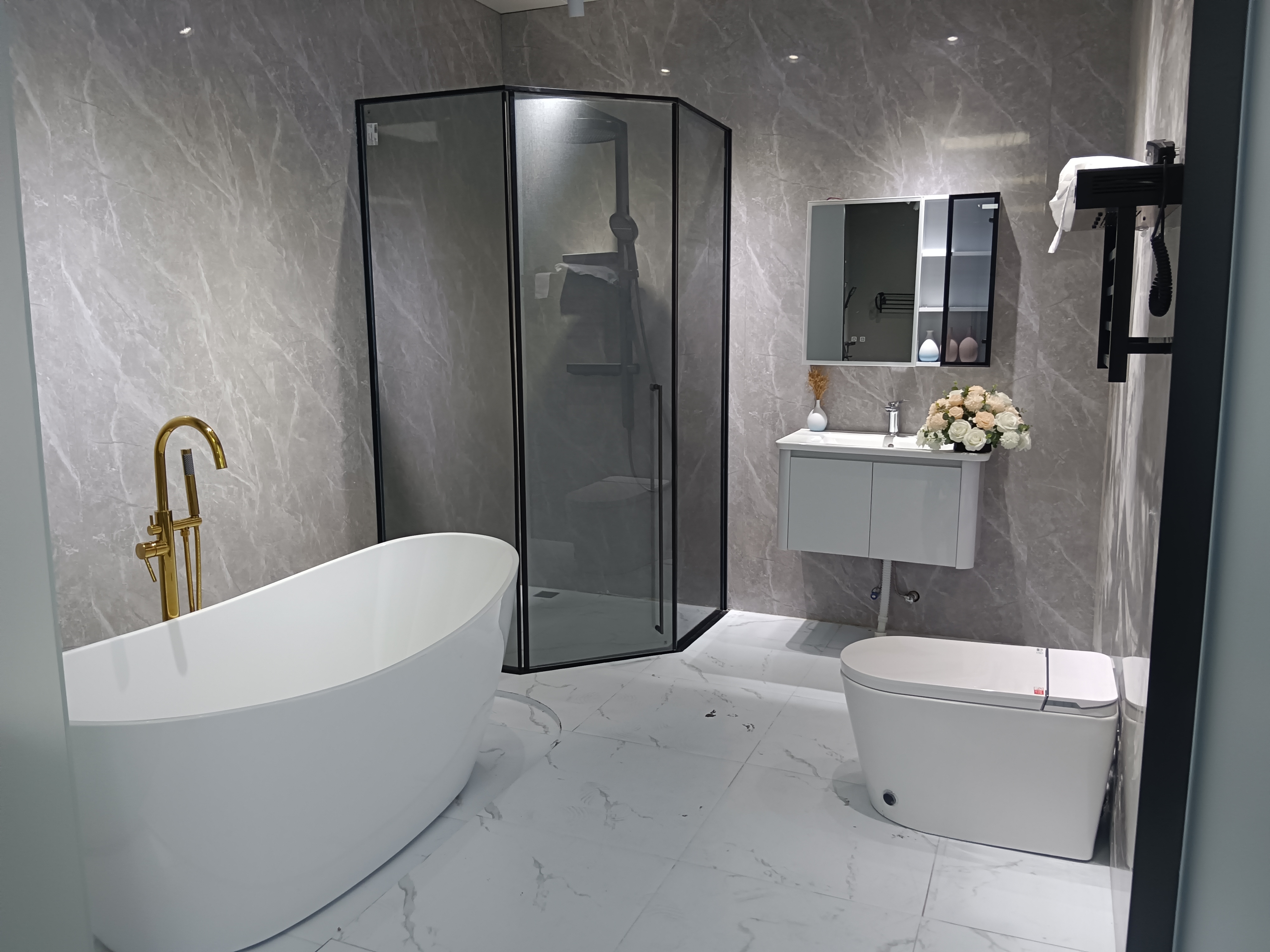
During technical audits, evaluate how standard products such as the 100W 304 stainless steel ODO-R7B-1KH 5 Rails Heated Towel Rack move through the 14 quality control stages. These processes rigorously test IP44 waterproof sealing performance, carbon fiber heating stability maintained between 45 and 60 degrees Celsius, and surface treatment application—including brushed steel, baked lacquer, and PVD plating.
Real-World Project Proof & International Certifications
Historical project deliveries and compliance documentation offer clear evidence of reliable factory scale. Products certified under Heated towel rack CE-LVD (Certificate FTS22LC-8881S) and holding registered structural designs like ODO-R6B-2 (Patent 6222348) demonstrate scalable design integrity.

Verified commercial track records further confirm capacity claims. Notable examples include supplying 380 sets of smart heated towel racks for the Dubai Palm Jumeirah 5-Star Hotel Project and delivering 130 constant-temperature units for the Sydney Senior Care Center Project, maintaining strict turnaround times between 20 and 45 days for bulk orders.
Frequently Asked Questions (FAQ)
What documentation best confirms a factory's monthly output capacity for heated towel racks?
Request ISO9001 audit logs, third-party factory assessment reports, active R&D patent records, and verified monthly shipping manifests detailing actual finished unit volume.
How do OEM/ODM capabilities impact volume delivery schedules?
Experienced OEM/ODM facilities utilize modular assembly tools and in-house R&D teams to streamline production, maintaining standard sample dispatch in 3 to 7 days and bulk delivery within 20 to 45 days.
What technical parameters are critical to inspect during mass production of swivel towel racks?
Inspect raw 304 stainless steel material grade, carbon fiber heating element efficiency (around 0.1 kWh power consumption), IP44 waterproof sealing, and swivel joint mechanical endurance.
Summary & Recommendations
Thoroughly verifying a factory's monthly production capacity for swivel heated towel racks requires validating physical plant area, active machine tooling, and structured quality assurance workflows. Choosing manufacturing partners who support their volume claims with standard warranties, clear MOQs, and flexible ocean or multimodal shipping ensures seamless project delivery. For custom technical solutions or inquiries, contact us at charlene@seosodo.com.
About Us
Foshan Pinshi Sanitary Ware Co., Ltd. operates as a professional modern sanitary ware enterprise established in 2014. Operating a 20,000 square meter production center with 245 employees and 20 production lines, the company maintains a monthly output of 100,000 pieces. Utilizing 14 strict QC processes and holding over 50 product patents alongside CE certifications, the company exports 80% of its production to Europe, the Middle East, North America, and Southeast Asia. The enterprise has served clients across multiple industries through extensive OEM and ODM project implementations.

REPORT