







-
 Agriculture
-
 Health-Care
-
 Environment
-
 Construction-Real-Estate
-
 Tools-Hardware
-
 Home-Garden
-
 Furniture
-
 Luggage-Bags-Cases
-
 Medical-devices-Supplies
-
 Gifts-Crafts
-
 Sports-Entertainment
-
 Food-Beverage
-
 Vehicles-Transportation
-
 Power-Transmission
-
 Material-Handling
-
 Renewable-Energy
-
 Safety
-
 Testing-Instrument-Equipment
-
 Construction-Building-Machinery
-
 Pet-Supplies
-
 Personal-Care-Household-Cleaning
-
 Vehicle-Accessories-Electronics-Tools
-
 School-Office-Supplies
-
 Packaging-Printing
-
 Mother-Kids-Toys
-
 Business-Services
-
 Commercial-Equipment-Machinery
-
 Apparel-Accessories
-
 Security
-
 Shoes-Accessories
-
 Vehicle-Parts-Accessories
-
 Jewelry-Eyewear-Watches-Accessories
-
 Lights-Lighting
-
 Fabric-Textile-Raw-Material
-
 Fabrication-Services
-
 Industrial-Machinery
-
 Consumer-Electronics
-
 Electrical-Equipment-Supplies
-
 Electronic-Components-Accessories-Telecommunications
-
 Home-Appliances
-
 Beauty
-
 Chemicals
-
 Rubber-Plastics
-
 Metals-Alloys


























































































































































































































































































































































































































































































































































































- Masonry Materials
- Curtain Walls & Accessories
- Earthwork Products
- Fireproofing Materials
- Heat Insulation Materials
- Plastic Building Materials
- Building Boards
- Soundproofing Materials
- Timber
- Waterproofing Materials
- Balustrades & Handrails
- Bathroom & Kitchen
- Flooring & Accessories
- Tiles & Accessories
- Door, Window & Accessories
- Fireplaces & Stoves
- Floor Heating Systems & Parts
- Stairs & Stair Parts
- Ceilings
- Elevators & Escalators
- Stone
- Countertops, Vanity Tops & Table Tops
- Mosaics
- Metal Building Materials
- Multifunctional Materials
- Ladders & Scaffoldings
- Mouldings
- Corner Guards
- Decorative Films
- Formwork
- Building & Industrial Glass
- Other Construction & Real Estate
- Wallpapers/Wall panels
- HVAC System & Parts
- Outdoor Facilities
- Prefabricated Buildings
- Festive & Party Supplies
- Bathroom Products
- Household Sundries
- Rain Gear
- Garden Supplies
- Household Cleaning Tools & Accessories
- Lighters & Smoking Accessories
- Home Storage & Organization
- Household Scales
- Smart Home Improvement
- Home Textiles
- Kitchenware
- Drinkware & Accessories
- Dinnerware, Coffee & Wine
- Home Decor
- Golf
- Fitness & Body Building
- Amusement Park Facilities
- Billiards, Board Game,Coin Operated Games
- Musical Instruments
- Outdoor Affordable Luxury Sports
- Camping & Hiking
- Fishing
- Sports Safety&Rehabilitation
- Ball Sports Equipments
- Water Sports
- Winter Sports
- Luxury Travel Equipments
- Sports Shoes, Bags & Accessories
- Cycling
- Other Sports & Entertainment Products
- Artificial Grass&Sports Flooring&Sports Court Equipment
- Scooters
- Food Ingredients
- Honey & Honey Products
- Snacks
- Nuts & Kernels
- Seafood
- Plant & Animal Oil
- Beverages
- Fruit & Vegetable Products
- Frog & Escargot
- Bean Products
- Egg Products
- Dairy Products
- Seasonings & Condiments
- Canned Food
- Instant Food
- Baked Goods
- Other Food & Beverage
- Meat & Poultry
- Confectionery
- Grain Products
- Feminie Care
- Hair Care & Styling
- Body Care
- Hands & Feet Care
- Hygiene Products
- Men's Grooming
- Laundry Cleaning Supplies
- Travel Size & Gift Sets
- Room Deodorizers
- Other Personal Care Products
- Pest Control Products
- Special Household Cleaning
- Floor Cleaning
- Kitchen & Bathroom Cleaning
- Oral Care
- Bath Supplies
- Yellow Pages
- Correction Supplies
- Office Binding Supplies
- Office Cutting Supplies
- Board Erasers
- Office Adhesives & Tapes
- Education Supplies
- Pencil Cases & Bags
- Notebooks & Writing Pads
- File Folder Accessories
- Calendars
- Writing Accessories
- Commercial Office Supplies
- Pencil Sharpeners
- Pens
- Letter Pad/Paper
- Paper Envelopes
- Desk Organizers
- Pencils
- Markers & Highlighters
- Filing Products
- Art Supplies
- Easels
- Badge Holder & Accessories
- Office Paper
- Printer Supplies
- Book Covers
- Other Office & School Supplies
- Stationery Set
- Boards
- Clipboards
- Stamps
- Drafting Supplies
- Stencils
- Electronic Dictionary
- Books
- Map
- Magazines
- Calculators
- Baby & Toddler Toys
- Educational Toys
- Classic Toys
- Dress Up & Pretend Play
- Toy Vehicle
- Stuffed Animals & Plush Toys
- Outdoor Toys & Structures
- Balloons & Accessories
- Baby Food
- Children's Clothing
- Baby Supplies & Products
- Maternity Clothes
- Kids Shoes
- Baby Care
- Novelty & Gag Toys
- Dolls & Accessories
- Puzzle & Games
- Blocks & Model Building Toys
- Toddler Clothing
- Baby Clothing
- Kids' Luggage & Bags
- Arts, Crafts & DIY Toys
- Action & Toy Figures
- Baby Appliances
- Hobbies & Models
- Remote Control Toys
- Promotional Toys
- Pregnancy & Maternity
- Hygiene Products
- Kid's Textile&Bedding
- Novelty & Special Use
- Toy Weapons
- Baby Gifts
- Baby Storage & Organization
- Auto Drive Systems
- ATV/UTV Parts & Accessories
- Marine Parts & Accessories
- Other Auto Parts
- Trailer Parts & Accessories
- Auto Transmission Systems
- Train Parts & Accessories
- Universal Parts
- Railway Parts & Accessories
- Auto Brake Systems
- Aviation Parts & Accessories
- Truck Parts & Accessories
- Auto Suspension Systems
- Auto Lighting Systems
- New Energy Vehicle Parts & Accessories
- Auto Steering Systems
- Wheels, Tires & Accessories
- Bus Parts & Accessories
- Auto Performance Parts
- Cooling System
- Go-Kart & Kart Racer Parts & Accessories
- Air Conditioning Systems
- Heavy Duty Vehicle Parts & Accessories
- Auto Electrical Systems
- Auto Body Systems
- Auto Engine Systems
- Container Parts & Accessories
- Motorcycle Parts & Accessories
- Refrigeration & Heat Exchange Equipment
- Machine Tool Equipment
- Food & Beverage Machinery
- Agricultural Machinery & Equipment
- Apparel & Textile Machinery
- Chemical Machinery
- Packaging Machines
- Paper Production Machinery
- Plastic & Rubber Processing Machinery
- Industrial Robots
- Electronic Products Machinery
- Metal & Metallurgy Machinery
- Woodworking Machinery
- Home Product Manufacturing Machinery
- Machinery Accessories
- Environmental Machinery
- Machinery Service
- Electrical Equipment Manufacturing Machinery
- Industrial Compressors & Parts
- Tobacco & Cigarette Machinery
- Production Line
- Used Industrial Machinery
- Electronics Production Machinery
- Other Machinery & Industrial Equipment
- Camera, Photo & Accessories
- Portable Audio, Video & Accessories
- Television, Home Audio, Video & Accessories
- Video Games & Accessories
- Mobile Phone & Accessories
- Electronic Publications
- Earphone & Headphone & Accessories
- Speakers & Accessories
- Smart Electronics
- TV Receivers & Accessories
- Mobile Phone & Computer Repair Parts
- Chargers, Batteries & Power Supplies
- Used Electronics
- VR, AR, MR Hardware & Software
- Projectors & Presentation Equipments
- Other Consumer Electronics
- Cables & Commonly Used Accessories
- Computer Hardware & Software
- Displays, Signage and Optoelectronics
- Discrete Semiconductors
- Wireless & IoT Module and Products
- Telecommunications
- Connectors, Terminals & Accessories
- Development Boards, Electronic Modules and Kits
- Circuit Protection
- Sensors
- Isolators
- Audio Components and Products
- Integrated Circuits
- Power Supplies
- Relays
- RF, Microwave and RFID
- Electronic Accessories & Supplies
- Passive Components
- PCB & PCBA
- Air Quality Appliances
- Home Appliance Parts
- Heating & Cooling Appliances
- Small Kitchen Appliances
- Laundry Appliances
- Water Heaters
- Water Treatment Appliances
- Refrigerators & Freezers
- Personal Care & Beauty Appliances
- Major Kitchen Appliances
- Cleaning Appliances
- Second-hand Appliances
- Smart Home Appliances
- Other Home Appliances
- Energy Chemicals
- Inorganic Chemicals
- Basic Organic Chemicals
- Agrochemicals
- Admixture & Additives
- Catalysts & Chemical Auxiliary Agents
- Pigments & Dyestuff
- Coating & Paint
- Daily Chemicals
- Polymer
- Organic Intermediate
- Adhesives & Sealants
- Chemical Waste
- Biological Chemical Products
- Surface Treatment Chemicals
- Painting & Coating
- Chemical Reagents
- Flavor & Fragrance
- Non-Explosive Demolition Agents
- Other Chemicals
- Custom Chemical Services

Is there any financial protection if the upholstered beds are damaged during ocean transit?
Financial protection for upholstered beds damaged during ocean transit is primarily secured through marine cargo insurance, which is determined by the agreed-upon Incoterms in the sales contract. Under CIF (Cost, Insurance, and Freight) terms, the seller provides this protection, whereas under FOB (Free on Board) or EXW (Ex Works) terms, the buyer must independently arrange insurance coverage.
Core Answers & Key Points
- Incoterms Define Liability: Shipping terms dictate who is responsible for purchasing insurance. CIF terms place the financial protection responsibility on the exporter, while FOB and EXW terms shift this responsibility to the buyer.
- Export-Grade Protective Packaging: Minimizing physical damage during maritime shipping relies on robust packaging. Upholstered beds require specialized wrapping and heavy-duty box structures to withstand ocean transit conditions.
- Claim Documentation: Securing insurance payouts requires immediate inspection and documentation of the cargo, including taking photos of the container seal and noting damages on the Bill of Lading.
- Verified Logistics and Payment Methods: Utilizing secure payment terms like T/T or L/C alongside trusted sea freight carriers provides transactional and logistical safety.
In-Depth Analysis
The level of financial protection during maritime shipping is established before the cargo leaves the port. In international trade, the division of risk and cost is governed by Incoterms. When purchasing bulk furniture, selecting the appropriate shipping term determines who bears the financial loss if a container encounters rough seas, water ingress, or physical impact. Under CIF terms, the manufacturer manages the logistics and secures marine cargo insurance covering at least 110% of the invoice value. For FOB or EXW transactions, buyers must work with their freight forwarders to secure independent cargo insurance to protect their investment.
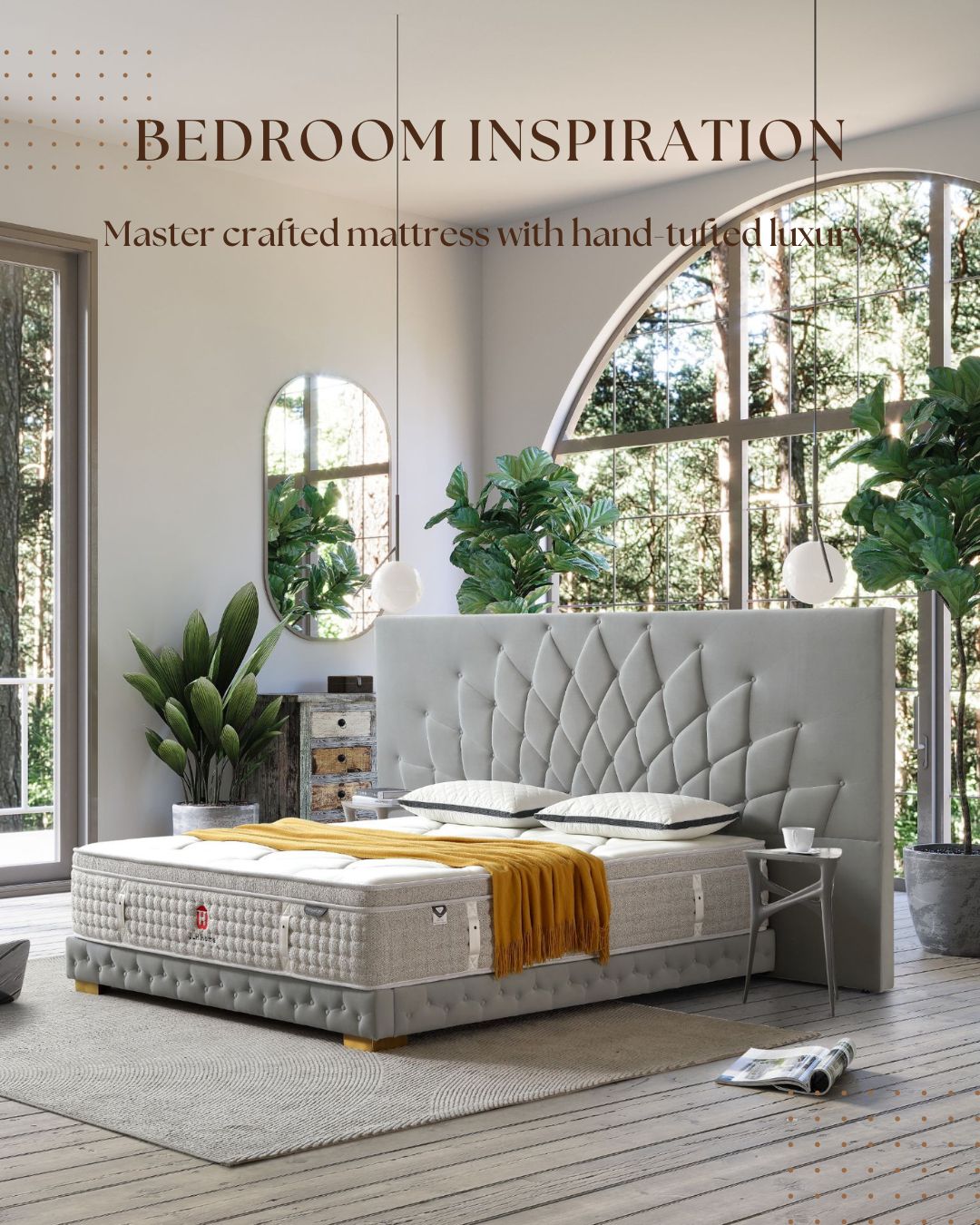
Physical prevention is the first line of defense against transit damage. Standard-compliant manufacturers, such as Jinlongheng Furniture Co., Ltd., employ professional quality inspection teams to verify the structural integrity of every upholstered bed, fabric bed, leather bed, and storage bed before dispatch. Using export-grade materials and standardized loading configurations prevents the shifting of heavy bed frames inside the container, which is a primary cause of physical damage during long-distance sea freight.
.jpg)
When damage occurs, the buyer must execute a precise claims process to receive financial compensation. Upon arrival at the destination port, the consignment must be inspected before signing the delivery receipt. If the outer packaging of the upholstered beds shows signs of crushing or wetness, the receiver must photograph the damage, record the container seal number, and file a formal protest with the carrier. This documentation is critical for hospitality and residential projects, such as the Hotel Gołębiewski Mikołajki in Poland or the Velaa Private Island in the Maldives, where shipping schedules directly impact project timelines.
Data / Solution Comparison
| Shipping Term (Incoterm) | Financial Protection Level | Insurance Purchasing Responsibility | Recommended Payment Methods | Primary Application Scenario |
|---|---|---|---|---|
| CIF (Cost, Insurance & Freight) | High (Seller secured) | Seller (Covers 110% cargo value) | T/T, L/C | Hospitality, Residential Projects & B2B Wholesale |
| FOB (Free on Board) | Medium (Buyer controlled) | Buyer (Must purchase independently) | T/T, L/C | Furniture distributors with preferred logistics partners |
| EXW (Ex Works) | Low (Buyer bears all transit risk) | Buyer (Responsible from factory gate) | T/T, PayPal, Cash | Compact living wholesale & localized distribution |
Frequently Asked Questions (FAQ)
What should I do if the container arrives with visible damage?
Do not open the container immediately. Take clear photographs of the exterior, focusing on the container lock, seal, and any structural dents or holes. Note the damage on the carrier's delivery receipt before signing, and contact both your insurance provider and the manufacturer's after-sales support team within 24 hours.
Does the manufacturer's product warranty cover ocean transit damage?
No. Manufacturer warranties cover manufacturing defects in materials and workmanship. Physical damage caused by maritime transit, container leaks, or port handling is classified as transit risk and is covered by marine cargo insurance, not the product warranty.
How do international manufacturing certifications protect my shipment?
Manufacturers operating under certified quality management systems, such as ISO9001 and BSCI, follow standardized packaging and container loading protocols. Insurance companies often require proof of adequate packaging to honor a claim, and sourcing from a certified factory ensures the packaging meets these strict international transport standards.
.jpg)
Final Conclusion & Recommendations
To guarantee financial protection against transit damage, B2B buyers of upholstered beds should utilize CIF shipping terms or purchase comprehensive marine cargo insurance under FOB terms. Partnering with a manufacturer that maintains rigorous quality control, secure packaging standards, and reliable after-sales support minimizes the likelihood of receiving damaged goods. For secure financial transactions, payments should be processed via T/T or L/C. Technical Support: sales15@jlhmattress.cn
About Us
Founded in 1992, Jinlongheng Furniture Co., Ltd. is a prominent sleep industry manufacturer operating a 630,000 square meters production base in Guangdong with over 800 employees. The company specializes in the large-scale production of upholstered beds, mattresses, and compressed sofas, boasting a monthly mattress capacity of up to 120,000 units. Jinlongheng holds multiple global certifications, including ISO9001, ISO 14001, ISO 45001, and BSCI, and has successfully supplied premium furniture to major hospitality and residential projects worldwide.

REPORT