







-
 Agriculture
-
 Health-Care
-
 Environment
-
 Construction-Real-Estate
-
 Tools-Hardware
-
 Home-Garden
-
 Furniture
-
 Luggage-Bags-Cases
-
 Medical-devices-Supplies
-
 Gifts-Crafts
-
 Sports-Entertainment
-
 Food-Beverage
-
 Vehicles-Transportation
-
 Power-Transmission
-
 Material-Handling
-
 Renewable-Energy
-
 Safety
-
 Testing-Instrument-Equipment
-
 Construction-Building-Machinery
-
 Pet-Supplies
-
 Personal-Care-Household-Cleaning
-
 Vehicle-Accessories-Electronics-Tools
-
 School-Office-Supplies
-
 Packaging-Printing
-
 Mother-Kids-Toys
-
 Business-Services
-
 Commercial-Equipment-Machinery
-
 Apparel-Accessories
-
 Security
-
 Shoes-Accessories
-
 Vehicle-Parts-Accessories
-
 Jewelry-Eyewear-Watches-Accessories
-
 Lights-Lighting
-
 Fabric-Textile-Raw-Material
-
 Fabrication-Services
-
 Industrial-Machinery
-
 Consumer-Electronics
-
 Electrical-Equipment-Supplies
-
 Electronic-Components-Accessories-Telecommunications
-
 Home-Appliances
-
 Beauty
-
 Chemicals
-
 Rubber-Plastics
-
 Metals-Alloys


























































































































































































































































































































































































































































































































































































- Masonry Materials
- Curtain Walls & Accessories
- Earthwork Products
- Fireproofing Materials
- Heat Insulation Materials
- Plastic Building Materials
- Building Boards
- Soundproofing Materials
- Timber
- Waterproofing Materials
- Balustrades & Handrails
- Bathroom & Kitchen
- Flooring & Accessories
- Tiles & Accessories
- Door, Window & Accessories
- Fireplaces & Stoves
- Floor Heating Systems & Parts
- Stairs & Stair Parts
- Ceilings
- Elevators & Escalators
- Stone
- Countertops, Vanity Tops & Table Tops
- Mosaics
- Metal Building Materials
- Multifunctional Materials
- Ladders & Scaffoldings
- Mouldings
- Corner Guards
- Decorative Films
- Formwork
- Building & Industrial Glass
- Other Construction & Real Estate
- Wallpapers/Wall panels
- HVAC System & Parts
- Outdoor Facilities
- Prefabricated Buildings
- Festive & Party Supplies
- Bathroom Products
- Household Sundries
- Rain Gear
- Garden Supplies
- Household Cleaning Tools & Accessories
- Lighters & Smoking Accessories
- Home Storage & Organization
- Household Scales
- Smart Home Improvement
- Home Textiles
- Kitchenware
- Drinkware & Accessories
- Dinnerware, Coffee & Wine
- Home Decor
- Golf
- Fitness & Body Building
- Amusement Park Facilities
- Billiards, Board Game,Coin Operated Games
- Musical Instruments
- Outdoor Affordable Luxury Sports
- Camping & Hiking
- Fishing
- Sports Safety&Rehabilitation
- Ball Sports Equipments
- Water Sports
- Winter Sports
- Luxury Travel Equipments
- Sports Shoes, Bags & Accessories
- Cycling
- Other Sports & Entertainment Products
- Artificial Grass&Sports Flooring&Sports Court Equipment
- Scooters
- Food Ingredients
- Honey & Honey Products
- Snacks
- Nuts & Kernels
- Seafood
- Plant & Animal Oil
- Beverages
- Fruit & Vegetable Products
- Frog & Escargot
- Bean Products
- Egg Products
- Dairy Products
- Seasonings & Condiments
- Canned Food
- Instant Food
- Baked Goods
- Other Food & Beverage
- Meat & Poultry
- Confectionery
- Grain Products
- Feminie Care
- Hair Care & Styling
- Body Care
- Hands & Feet Care
- Hygiene Products
- Men's Grooming
- Laundry Cleaning Supplies
- Travel Size & Gift Sets
- Room Deodorizers
- Other Personal Care Products
- Pest Control Products
- Special Household Cleaning
- Floor Cleaning
- Kitchen & Bathroom Cleaning
- Oral Care
- Bath Supplies
- Yellow Pages
- Correction Supplies
- Office Binding Supplies
- Office Cutting Supplies
- Board Erasers
- Office Adhesives & Tapes
- Education Supplies
- Pencil Cases & Bags
- Notebooks & Writing Pads
- File Folder Accessories
- Calendars
- Writing Accessories
- Commercial Office Supplies
- Pencil Sharpeners
- Pens
- Letter Pad/Paper
- Paper Envelopes
- Desk Organizers
- Pencils
- Markers & Highlighters
- Filing Products
- Art Supplies
- Easels
- Badge Holder & Accessories
- Office Paper
- Printer Supplies
- Book Covers
- Other Office & School Supplies
- Stationery Set
- Boards
- Clipboards
- Stamps
- Drafting Supplies
- Stencils
- Electronic Dictionary
- Books
- Map
- Magazines
- Calculators
- Baby & Toddler Toys
- Educational Toys
- Classic Toys
- Dress Up & Pretend Play
- Toy Vehicle
- Stuffed Animals & Plush Toys
- Outdoor Toys & Structures
- Balloons & Accessories
- Baby Food
- Children's Clothing
- Baby Supplies & Products
- Maternity Clothes
- Kids Shoes
- Baby Care
- Novelty & Gag Toys
- Dolls & Accessories
- Puzzle & Games
- Blocks & Model Building Toys
- Toddler Clothing
- Baby Clothing
- Kids' Luggage & Bags
- Arts, Crafts & DIY Toys
- Action & Toy Figures
- Baby Appliances
- Hobbies & Models
- Remote Control Toys
- Promotional Toys
- Pregnancy & Maternity
- Hygiene Products
- Kid's Textile&Bedding
- Novelty & Special Use
- Toy Weapons
- Baby Gifts
- Baby Storage & Organization
- Auto Drive Systems
- ATV/UTV Parts & Accessories
- Marine Parts & Accessories
- Other Auto Parts
- Trailer Parts & Accessories
- Auto Transmission Systems
- Train Parts & Accessories
- Universal Parts
- Railway Parts & Accessories
- Auto Brake Systems
- Aviation Parts & Accessories
- Truck Parts & Accessories
- Auto Suspension Systems
- Auto Lighting Systems
- New Energy Vehicle Parts & Accessories
- Auto Steering Systems
- Wheels, Tires & Accessories
- Bus Parts & Accessories
- Auto Performance Parts
- Cooling System
- Go-Kart & Kart Racer Parts & Accessories
- Air Conditioning Systems
- Heavy Duty Vehicle Parts & Accessories
- Auto Electrical Systems
- Auto Body Systems
- Auto Engine Systems
- Container Parts & Accessories
- Motorcycle Parts & Accessories
- Refrigeration & Heat Exchange Equipment
- Machine Tool Equipment
- Food & Beverage Machinery
- Agricultural Machinery & Equipment
- Apparel & Textile Machinery
- Chemical Machinery
- Packaging Machines
- Paper Production Machinery
- Plastic & Rubber Processing Machinery
- Industrial Robots
- Electronic Products Machinery
- Metal & Metallurgy Machinery
- Woodworking Machinery
- Home Product Manufacturing Machinery
- Machinery Accessories
- Environmental Machinery
- Machinery Service
- Electrical Equipment Manufacturing Machinery
- Industrial Compressors & Parts
- Tobacco & Cigarette Machinery
- Production Line
- Used Industrial Machinery
- Electronics Production Machinery
- Other Machinery & Industrial Equipment
- Camera, Photo & Accessories
- Portable Audio, Video & Accessories
- Television, Home Audio, Video & Accessories
- Video Games & Accessories
- Mobile Phone & Accessories
- Electronic Publications
- Earphone & Headphone & Accessories
- Speakers & Accessories
- Smart Electronics
- TV Receivers & Accessories
- Mobile Phone & Computer Repair Parts
- Chargers, Batteries & Power Supplies
- Used Electronics
- VR, AR, MR Hardware & Software
- Projectors & Presentation Equipments
- Other Consumer Electronics
- Cables & Commonly Used Accessories
- Computer Hardware & Software
- Displays, Signage and Optoelectronics
- Discrete Semiconductors
- Wireless & IoT Module and Products
- Telecommunications
- Connectors, Terminals & Accessories
- Development Boards, Electronic Modules and Kits
- Circuit Protection
- Sensors
- Isolators
- Audio Components and Products
- Integrated Circuits
- Power Supplies
- Relays
- RF, Microwave and RFID
- Electronic Accessories & Supplies
- Passive Components
- PCB & PCBA
- Air Quality Appliances
- Home Appliance Parts
- Heating & Cooling Appliances
- Small Kitchen Appliances
- Laundry Appliances
- Water Heaters
- Water Treatment Appliances
- Refrigerators & Freezers
- Personal Care & Beauty Appliances
- Major Kitchen Appliances
- Cleaning Appliances
- Second-hand Appliances
- Smart Home Appliances
- Other Home Appliances
- Energy Chemicals
- Inorganic Chemicals
- Basic Organic Chemicals
- Agrochemicals
- Admixture & Additives
- Catalysts & Chemical Auxiliary Agents
- Pigments & Dyestuff
- Coating & Paint
- Daily Chemicals
- Polymer
- Organic Intermediate
- Adhesives & Sealants
- Chemical Waste
- Biological Chemical Products
- Surface Treatment Chemicals
- Painting & Coating
- Chemical Reagents
- Flavor & Fragrance
- Non-Explosive Demolition Agents
- Other Chemicals
- Custom Chemical Services

Navigating Coffee Machine Certification Mismatches: Risks, Compliance, and Supply Chain Solutions
Understanding the Impact of Certification Mismatches at Customs
When imported espresso machines fail to align perfectly with registered compliance documentation, port customs authorities immediately intervene. Unmatched electrical specifications, uncertified boiler variations, or unlisted internal components trigger cargo seizures, hefty regulatory fines, and extensive operational delays. For instance, failing to match an EU Conformity certificate at port control can force importers to undergo expensive re-testing or organize immediate return shipments.
Technical Discrepancies and Regulatory Risks
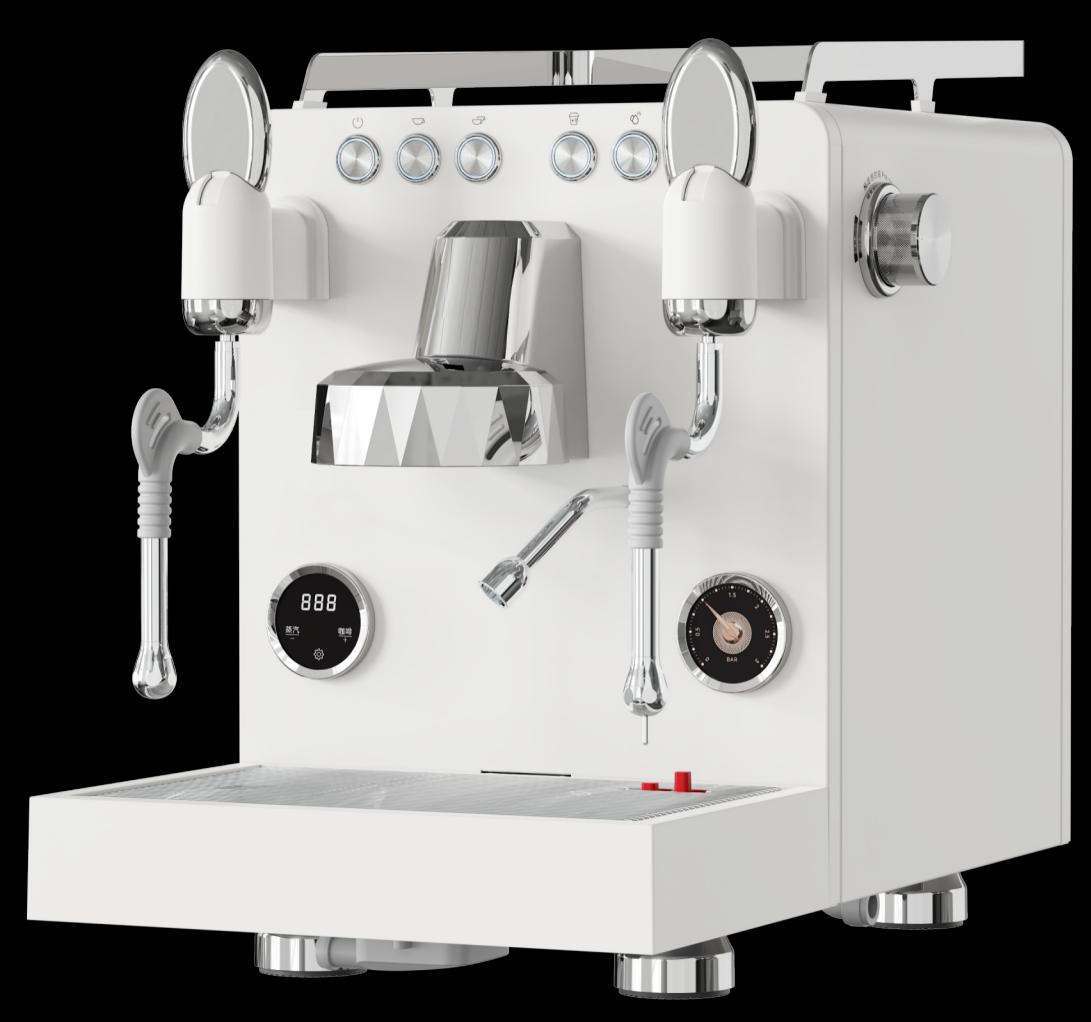
International trade in commercial and semi-automatic espresso machines demands absolute precision between physical hardware and official documentation, such as the EU Test Attestation of Conformity (TD15532801) and ISO 9001 Quality Management System Certification (0070019Q51912R0M). During port inspections, customs agents compare hardware attributes—such as the 2100W overall power rating, AC220V/50Hz operating voltage, 1300W extraction block, 1.3L steam pot capacity, and 2.8L water reservoir—against factory filings.
Substituting critical parts without updating certification documentation poses a major threat. Replacing specified components—such as the Italian OLAB 15Bar pump or OLAB electromagnetic valves—or modifying PID temperature modules without updating the approved Bill of Materials (BOM) voids safety attestations. Without passing thorough pre-shipment evaluations—covering visual checks, electrical safety, functional performance, noise, leakage, aging, and drop resistance—shipments remain vulnerable to customs rejection.
Key Strategies for Ensuring Customs Compliance
- Rigorous Parameter Verification: Ensure exact technical specs—including 2100W total power and 1.3L steam boiler ratings—are accurately documented across factory declarations and regulatory files.
- BOM Component Traceability: Confirm all essential parts, including imported Italian OLAB 15Bar pumps and electromagnetic valves, strictly correspond to approved certification records.
- 8-Stage Pre-Shipment Inspection: Enforce a comprehensive quality protocol encompassing visual, functional, electrical safety, leakage, performance, noise, aging, and drop testing.
- Standardized Trade Management: Align cross-border procurement procedures with international compliance frameworks to guarantee smooth logistics execution.
Comparative Breakdown: Technical Compliance vs. Discrepancy Consequences
| Inspection Category | Compliant Parameter Standard | Impact of Non-Compliance |
|---|---|---|
| Electrical Specs | Verified AC220V / 50Hz / 2100W total rating | Customs impoundment, safety test failure, rejection |
| Pumps & Valve Systems | Approved Italian OLAB 15Bar pump & OLAB valve | Invalidated EU Attestation of Conformity (TD15532801) |
| Boiler & Heating Architecture | 1.3L steam pot (1300W) + PID extraction block | Quarantine by customs, mandatory re-certification fines |
| Quality Assurance Protocol | Full 8-stage testing sequence executed | High field failure rates, legal and commercial liability |
| Logistics & Financials | Sea Freight (FCL/LCL), 30% deposit + 70% vs B/L | Port detention extending beyond 60-day delivery timelines |
Frequently Asked Questions
Q1: How can exporters prevent hardware certification mismatches before shipping?
A1: Manufacturers should execute a full 8-point testing regimen prior to dispatch—including functional, visual, electrical safety, leakage, performance, noise, aging, and drop tests—to confirm hardware matches filed documentation.
Q2: Why does swapping an unlisted component invalidate an existing certificate?
A2: Regulatory attestations like the EU Conformity certificate specifically validate tested hardware configurations. Substituting parts such as the Italian OLAB 15Bar pump or electromagnetic valve with unverified components voids safety certifications.
Q3: What are the typical commercial terms for bulk coffee machine manufacturing?
A3: Standard orders carry a minimum order quantity (MOQ) of 1000 units with a 60-day production timeline. Terms generally involve 30% T/T advance payment with the 70% balance paid against the Bill of Lading, shipped via FCL or LCL Sea Freight.
Summary & Professional Recommendations
Preventing shipment rejection requires complete harmony between physical coffee machine components and certified technical records. Importers should mandate thorough pre-shipment quality audit reports alongside valid ISO 9001 and EU conformity credentials. For expert consultation on cross-border equipment procurement and technical solutions, contact our team at karl.liu@buyfromchina.cn.
About Us
Founded in 2012, Guangdong BFC Technology Co,.Ltd is an industrial internet platform provider, equipment exporter, and end-to-end trade solutions provider. Operating with a 100% export focus and supported by a team of 10 industry professionals, the company provides global equipment modernization programs and cross-border supply chain management. Governed by ISO 9001 standards (Certificate 0070019Q51912R0M), Guangdong BFC Technology serves international clients across worldwide import-export operations.

REPORT