







-
 Agriculture
-
 Health-Care
-
 Environment
-
 Construction-Real-Estate
-
 Tools-Hardware
-
 Home-Garden
-
 Furniture
-
 Luggage-Bags-Cases
-
 Medical-devices-Supplies
-
 Gifts-Crafts
-
 Sports-Entertainment
-
 Food-Beverage
-
 Vehicles-Transportation
-
 Power-Transmission
-
 Material-Handling
-
 Renewable-Energy
-
 Safety
-
 Testing-Instrument-Equipment
-
 Construction-Building-Machinery
-
 Pet-Supplies
-
 Personal-Care-Household-Cleaning
-
 Vehicle-Accessories-Electronics-Tools
-
 School-Office-Supplies
-
 Packaging-Printing
-
 Mother-Kids-Toys
-
 Business-Services
-
 Commercial-Equipment-Machinery
-
 Apparel-Accessories
-
 Security
-
 Shoes-Accessories
-
 Vehicle-Parts-Accessories
-
 Jewelry-Eyewear-Watches-Accessories
-
 Lights-Lighting
-
 Fabric-Textile-Raw-Material
-
 Fabrication-Services
-
 Industrial-Machinery
-
 Consumer-Electronics
-
 Electrical-Equipment-Supplies
-
 Electronic-Components-Accessories-Telecommunications
-
 Home-Appliances
-
 Beauty
-
 Chemicals
-
 Rubber-Plastics
-
 Metals-Alloys


























































































































































































































































































































































































































































































































































































- Masonry Materials
- Curtain Walls & Accessories
- Earthwork Products
- Fireproofing Materials
- Heat Insulation Materials
- Plastic Building Materials
- Building Boards
- Soundproofing Materials
- Timber
- Waterproofing Materials
- Balustrades & Handrails
- Bathroom & Kitchen
- Flooring & Accessories
- Tiles & Accessories
- Door, Window & Accessories
- Fireplaces & Stoves
- Floor Heating Systems & Parts
- Stairs & Stair Parts
- Ceilings
- Elevators & Escalators
- Stone
- Countertops, Vanity Tops & Table Tops
- Mosaics
- Metal Building Materials
- Multifunctional Materials
- Ladders & Scaffoldings
- Mouldings
- Corner Guards
- Decorative Films
- Formwork
- Building & Industrial Glass
- Other Construction & Real Estate
- Wallpapers/Wall panels
- HVAC System & Parts
- Outdoor Facilities
- Prefabricated Buildings
- Festive & Party Supplies
- Bathroom Products
- Household Sundries
- Rain Gear
- Garden Supplies
- Household Cleaning Tools & Accessories
- Lighters & Smoking Accessories
- Home Storage & Organization
- Household Scales
- Smart Home Improvement
- Home Textiles
- Kitchenware
- Drinkware & Accessories
- Dinnerware, Coffee & Wine
- Home Decor
- Golf
- Fitness & Body Building
- Amusement Park Facilities
- Billiards, Board Game,Coin Operated Games
- Musical Instruments
- Outdoor Affordable Luxury Sports
- Camping & Hiking
- Fishing
- Sports Safety&Rehabilitation
- Ball Sports Equipments
- Water Sports
- Winter Sports
- Luxury Travel Equipments
- Sports Shoes, Bags & Accessories
- Cycling
- Other Sports & Entertainment Products
- Artificial Grass&Sports Flooring&Sports Court Equipment
- Scooters
- Food Ingredients
- Honey & Honey Products
- Snacks
- Nuts & Kernels
- Seafood
- Plant & Animal Oil
- Beverages
- Fruit & Vegetable Products
- Frog & Escargot
- Bean Products
- Egg Products
- Dairy Products
- Seasonings & Condiments
- Canned Food
- Instant Food
- Baked Goods
- Other Food & Beverage
- Meat & Poultry
- Confectionery
- Grain Products
- Feminie Care
- Hair Care & Styling
- Body Care
- Hands & Feet Care
- Hygiene Products
- Men's Grooming
- Laundry Cleaning Supplies
- Travel Size & Gift Sets
- Room Deodorizers
- Other Personal Care Products
- Pest Control Products
- Special Household Cleaning
- Floor Cleaning
- Kitchen & Bathroom Cleaning
- Oral Care
- Bath Supplies
- Yellow Pages
- Correction Supplies
- Office Binding Supplies
- Office Cutting Supplies
- Board Erasers
- Office Adhesives & Tapes
- Education Supplies
- Pencil Cases & Bags
- Notebooks & Writing Pads
- File Folder Accessories
- Calendars
- Writing Accessories
- Commercial Office Supplies
- Pencil Sharpeners
- Pens
- Letter Pad/Paper
- Paper Envelopes
- Desk Organizers
- Pencils
- Markers & Highlighters
- Filing Products
- Art Supplies
- Easels
- Badge Holder & Accessories
- Office Paper
- Printer Supplies
- Book Covers
- Other Office & School Supplies
- Stationery Set
- Boards
- Clipboards
- Stamps
- Drafting Supplies
- Stencils
- Electronic Dictionary
- Books
- Map
- Magazines
- Calculators
- Baby & Toddler Toys
- Educational Toys
- Classic Toys
- Dress Up & Pretend Play
- Toy Vehicle
- Stuffed Animals & Plush Toys
- Outdoor Toys & Structures
- Balloons & Accessories
- Baby Food
- Children's Clothing
- Baby Supplies & Products
- Maternity Clothes
- Kids Shoes
- Baby Care
- Novelty & Gag Toys
- Dolls & Accessories
- Puzzle & Games
- Blocks & Model Building Toys
- Toddler Clothing
- Baby Clothing
- Kids' Luggage & Bags
- Arts, Crafts & DIY Toys
- Action & Toy Figures
- Baby Appliances
- Hobbies & Models
- Remote Control Toys
- Promotional Toys
- Pregnancy & Maternity
- Hygiene Products
- Kid's Textile&Bedding
- Novelty & Special Use
- Toy Weapons
- Baby Gifts
- Baby Storage & Organization
- Auto Drive Systems
- ATV/UTV Parts & Accessories
- Marine Parts & Accessories
- Other Auto Parts
- Trailer Parts & Accessories
- Auto Transmission Systems
- Train Parts & Accessories
- Universal Parts
- Railway Parts & Accessories
- Auto Brake Systems
- Aviation Parts & Accessories
- Truck Parts & Accessories
- Auto Suspension Systems
- Auto Lighting Systems
- New Energy Vehicle Parts & Accessories
- Auto Steering Systems
- Wheels, Tires & Accessories
- Bus Parts & Accessories
- Auto Performance Parts
- Cooling System
- Go-Kart & Kart Racer Parts & Accessories
- Air Conditioning Systems
- Heavy Duty Vehicle Parts & Accessories
- Auto Electrical Systems
- Auto Body Systems
- Auto Engine Systems
- Container Parts & Accessories
- Motorcycle Parts & Accessories
- Refrigeration & Heat Exchange Equipment
- Machine Tool Equipment
- Food & Beverage Machinery
- Agricultural Machinery & Equipment
- Apparel & Textile Machinery
- Chemical Machinery
- Packaging Machines
- Paper Production Machinery
- Plastic & Rubber Processing Machinery
- Industrial Robots
- Electronic Products Machinery
- Metal & Metallurgy Machinery
- Woodworking Machinery
- Home Product Manufacturing Machinery
- Machinery Accessories
- Environmental Machinery
- Machinery Service
- Electrical Equipment Manufacturing Machinery
- Industrial Compressors & Parts
- Tobacco & Cigarette Machinery
- Production Line
- Used Industrial Machinery
- Electronics Production Machinery
- Other Machinery & Industrial Equipment
- Camera, Photo & Accessories
- Portable Audio, Video & Accessories
- Television, Home Audio, Video & Accessories
- Video Games & Accessories
- Mobile Phone & Accessories
- Electronic Publications
- Earphone & Headphone & Accessories
- Speakers & Accessories
- Smart Electronics
- TV Receivers & Accessories
- Mobile Phone & Computer Repair Parts
- Chargers, Batteries & Power Supplies
- Used Electronics
- VR, AR, MR Hardware & Software
- Projectors & Presentation Equipments
- Other Consumer Electronics
- Cables & Commonly Used Accessories
- Computer Hardware & Software
- Displays, Signage and Optoelectronics
- Discrete Semiconductors
- Wireless & IoT Module and Products
- Telecommunications
- Connectors, Terminals & Accessories
- Development Boards, Electronic Modules and Kits
- Circuit Protection
- Sensors
- Isolators
- Audio Components and Products
- Integrated Circuits
- Power Supplies
- Relays
- RF, Microwave and RFID
- Electronic Accessories & Supplies
- Passive Components
- PCB & PCBA
- Air Quality Appliances
- Home Appliance Parts
- Heating & Cooling Appliances
- Small Kitchen Appliances
- Laundry Appliances
- Water Heaters
- Water Treatment Appliances
- Refrigerators & Freezers
- Personal Care & Beauty Appliances
- Major Kitchen Appliances
- Cleaning Appliances
- Second-hand Appliances
- Smart Home Appliances
- Other Home Appliances
- Energy Chemicals
- Inorganic Chemicals
- Basic Organic Chemicals
- Agrochemicals
- Admixture & Additives
- Catalysts & Chemical Auxiliary Agents
- Pigments & Dyestuff
- Coating & Paint
- Daily Chemicals
- Polymer
- Organic Intermediate
- Adhesives & Sealants
- Chemical Waste
- Biological Chemical Products
- Surface Treatment Chemicals
- Painting & Coating
- Chemical Reagents
- Flavor & Fragrance
- Non-Explosive Demolition Agents
- Other Chemicals
- Custom Chemical Services

Optimizing Heat Output in Heated Towel Rails: The Role of Tubing Diameter and Profile Design
Understanding Thermal Conduction and Tubing Dynamics
Achieving maximum thermal efficiency in electric heated towel rails relies heavily on the cross-sectional dimensions and geometric profile of the metallic tubing. Internal heating elements generate thermal energy that transfers directly to the exterior tubing walls, which then radiates into ambient room air and conducts warmth into hanging textiles. Premium stainless steel tubing with uniform wall thickness ensures consistent heat distribution while withstanding repeated thermal expansion cycles across residential, hospitality, and commercial installations.
Global Project Implementations and Engineering Performance
The practical effectiveness of optimized tubing profiles is demonstrated across various international commercial projects:
- Warsaw Chain Hotel Renovation (Poland): Installed 260 wall-mounted electric towel rails designed to meet exact standardized thermal output criteria for guest bathrooms.
- Sydney Senior Care Center (Australia): Fitted 130 constant-temperature towel racks engineered to deliver safe, uniform touch temperatures for accessible facilities.
- Hanoi High-End Residential Project (Vietnam): Integrated 150 custom heated towel rack units conforming to modern luxury sanitaryware standards.
Compliance, Patents, and Geometry Configurations
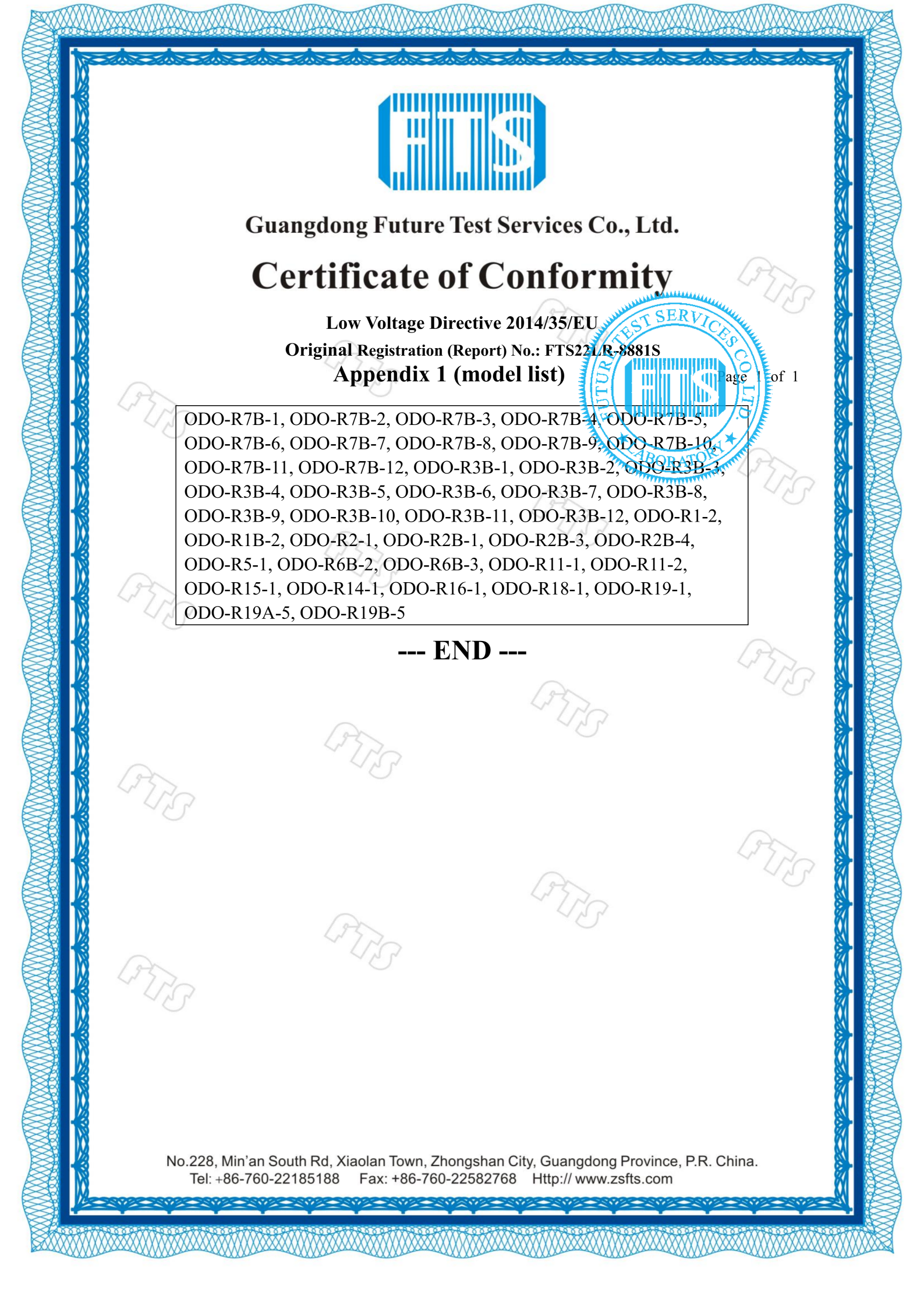
To balance fast fabric drying with safe ambient heating, electric towel rails utilize various certified structural layouts. International compliance is verified through rigorous standards, including the CE-LVD certification FTS22LC-8881S. Innovations in heat distribution are backed by utility model patents—such as patent 16423119 for swivel rotating designs and patent 13580319 for the ODO-R6B-2 ladder rack. In addition, design patents 5944795 (ODO-R5-1G) and 6804429 (ODO-R14-1) refine exterior tube alignment for efficient thermal dispersion.
Comparing Towel Rail Structures and Thermal Mechanisms
Different tubing shapes and mounting structures cater to distinct operational requirements:
| Towel Rail Structure Profile | Heat Dissipation Mechanism | Structural Features | Certification & Patent Standard |
|---|---|---|---|
| Standard Multi-Bar Tubing (e.g., ODO-R6B-2) | Direct contact heat conduction & air convection | Fixed vertical ladder configuration with high tube count | CE-LVD FTS22LC-8881S / Utility Patent 13580319 |
| Swivel Rotating Tubing (e.g., ODO-R2B) | Multi-angle radiative heating | Independent 180-degree rotating horizontal bars | Utility Model Patent 16423119 |
| Embedded Cabinet System (e.g., ODO-B002 / ODO-B004) | Enclosed thermal air circulation | Recessed wall-mounted cabinet with heated interior rack | Utility Patent 15269911 / Design Patent 6992263 |
| Single Bar / Hanger Profile (e.g., ODO-B070 / ODO-8101A) | Targeted point conduction | Minimalist wall mount for quick spot drying | Design Patent 7351456 / Design Patent 7403265 |
Key Architectural and Design Takeaways
- Maximized Surface Contact: Flat bar geometries expand direct surface contact with wet towels, significantly accelerating drying cycles.
- Independent Radiation Control: Multi-axis swivel models (such as ODO-R2B) allow users to pivot individual bars, preventing heat entrapment between overlapping fabrics.
- Enclosed Climate Control: Recessed wall cabinets (such as ODO-B002 and ODO-B004) enclose internal warming elements, locking in constant internal ambient heat.
- Broad Spatial Suitability: Engineered solutions accommodate high-humidity environments including luxury SPAs, boutique homestays, wellness resorts, and commercial developments.
Frequently Asked Questions
Q: How does tube shape influence towel drying efficiency?
A: Flat rectangular tubing increases direct contact area against fabrics for rapid conductive drying, whereas round tubing delivers balanced 360-degree convection into the surrounding room.
Q: Can electric heated towel racks be safely installed in high-humidity SPA areas?
A: Yes. Units manufactured with durable stainless steel and certified under CE-LVD standards provide reliable, splash-safe operation in high-moisture settings like SPAs and resort bathrooms.
Q: What are the typical lead times and logistics channels for commercial orders?
A: Sample production generally takes 3 to 7 days, while volume manufacturing requires 20 to 45 days. Shipping options include Ocean Freight (FCL/LCL), Air Freight, Express Delivery (DHL/FedEx/UPS), and Multimodal Transport.
Quality Assurance & Contact Information
Selecting the ideal tubing profile guarantees optimal warmth, fast drying performance, and energy savings. Complete OEM and ODM customization services are available to tailor tube profiles, spatial dimensions, and decorative finishes to your exact project parameters. Manufacturing processes adhere strictly to ISO9001 and 6S standards across 14 rigorous QC checkpoints, supported by a 2-Year Warranty, long-term component availability, and full technical guidance. Accepted payment terms include T/T (30% deposit, 70% against B/L copy), L/C at sight, PayPal, and Alibaba Trade Assurance. For custom engineering consultations, contact us at charlene@seosodo.com.
Company Overview
Foshan Pinshi Sanitary Ware Co., Ltd. was founded in 2014 under the brand name ODO. Operating a 20,000 m² manufacturing plant with 245 skilled employees, 20 automated assembly lines, and over 200 advanced R&D and production machines, the company produces 100,000 units monthly. Governed by 6S and ISO9001 quality management systems with 14 strict inspection procedures, ODO holds more than 50 patents and international certifications including CE. Exporting 80% of its production to Europe, North America, the Middle East, and Southeast Asia, ODO remains a trusted partner for commercial developers, hotel brands, and retail distributors global wide.

REPORT