







-
 Agriculture
-
 Health-Care
-
 Environment
-
 Construction-Real-Estate
-
 Tools-Hardware
-
 Home-Garden
-
 Furniture
-
 Luggage-Bags-Cases
-
 Medical-devices-Supplies
-
 Gifts-Crafts
-
 Sports-Entertainment
-
 Food-Beverage
-
 Vehicles-Transportation
-
 Power-Transmission
-
 Material-Handling
-
 Renewable-Energy
-
 Safety
-
 Testing-Instrument-Equipment
-
 Construction-Building-Machinery
-
 Pet-Supplies
-
 Personal-Care-Household-Cleaning
-
 Vehicle-Accessories-Electronics-Tools
-
 School-Office-Supplies
-
 Packaging-Printing
-
 Mother-Kids-Toys
-
 Business-Services
-
 Commercial-Equipment-Machinery
-
 Apparel-Accessories
-
 Security
-
 Shoes-Accessories
-
 Vehicle-Parts-Accessories
-
 Jewelry-Eyewear-Watches-Accessories
-
 Lights-Lighting
-
 Fabric-Textile-Raw-Material
-
 Fabrication-Services
-
 Industrial-Machinery
-
 Consumer-Electronics
-
 Electrical-Equipment-Supplies
-
 Electronic-Components-Accessories-Telecommunications
-
 Home-Appliances
-
 Beauty
-
 Chemicals
-
 Rubber-Plastics
-
 Metals-Alloys


























































































































































































































































































































































































































































































































































































- Masonry Materials
- Curtain Walls & Accessories
- Earthwork Products
- Fireproofing Materials
- Heat Insulation Materials
- Plastic Building Materials
- Building Boards
- Soundproofing Materials
- Timber
- Waterproofing Materials
- Balustrades & Handrails
- Bathroom & Kitchen
- Flooring & Accessories
- Tiles & Accessories
- Door, Window & Accessories
- Fireplaces & Stoves
- Floor Heating Systems & Parts
- Stairs & Stair Parts
- Ceilings
- Elevators & Escalators
- Stone
- Countertops, Vanity Tops & Table Tops
- Mosaics
- Metal Building Materials
- Multifunctional Materials
- Ladders & Scaffoldings
- Mouldings
- Corner Guards
- Decorative Films
- Formwork
- Building & Industrial Glass
- Other Construction & Real Estate
- Wallpapers/Wall panels
- HVAC System & Parts
- Outdoor Facilities
- Prefabricated Buildings
- Festive & Party Supplies
- Bathroom Products
- Household Sundries
- Rain Gear
- Garden Supplies
- Household Cleaning Tools & Accessories
- Lighters & Smoking Accessories
- Home Storage & Organization
- Household Scales
- Smart Home Improvement
- Home Textiles
- Kitchenware
- Drinkware & Accessories
- Dinnerware, Coffee & Wine
- Home Decor
- Golf
- Fitness & Body Building
- Amusement Park Facilities
- Billiards, Board Game,Coin Operated Games
- Musical Instruments
- Outdoor Affordable Luxury Sports
- Camping & Hiking
- Fishing
- Sports Safety&Rehabilitation
- Ball Sports Equipments
- Water Sports
- Winter Sports
- Luxury Travel Equipments
- Sports Shoes, Bags & Accessories
- Cycling
- Other Sports & Entertainment Products
- Artificial Grass&Sports Flooring&Sports Court Equipment
- Scooters
- Food Ingredients
- Honey & Honey Products
- Snacks
- Nuts & Kernels
- Seafood
- Plant & Animal Oil
- Beverages
- Fruit & Vegetable Products
- Frog & Escargot
- Bean Products
- Egg Products
- Dairy Products
- Seasonings & Condiments
- Canned Food
- Instant Food
- Baked Goods
- Other Food & Beverage
- Meat & Poultry
- Confectionery
- Grain Products
- Feminie Care
- Hair Care & Styling
- Body Care
- Hands & Feet Care
- Hygiene Products
- Men's Grooming
- Laundry Cleaning Supplies
- Travel Size & Gift Sets
- Room Deodorizers
- Other Personal Care Products
- Pest Control Products
- Special Household Cleaning
- Floor Cleaning
- Kitchen & Bathroom Cleaning
- Oral Care
- Bath Supplies
- Yellow Pages
- Correction Supplies
- Office Binding Supplies
- Office Cutting Supplies
- Board Erasers
- Office Adhesives & Tapes
- Education Supplies
- Pencil Cases & Bags
- Notebooks & Writing Pads
- File Folder Accessories
- Calendars
- Writing Accessories
- Commercial Office Supplies
- Pencil Sharpeners
- Pens
- Letter Pad/Paper
- Paper Envelopes
- Desk Organizers
- Pencils
- Markers & Highlighters
- Filing Products
- Art Supplies
- Easels
- Badge Holder & Accessories
- Office Paper
- Printer Supplies
- Book Covers
- Other Office & School Supplies
- Stationery Set
- Boards
- Clipboards
- Stamps
- Drafting Supplies
- Stencils
- Electronic Dictionary
- Books
- Map
- Magazines
- Calculators
- Baby & Toddler Toys
- Educational Toys
- Classic Toys
- Dress Up & Pretend Play
- Toy Vehicle
- Stuffed Animals & Plush Toys
- Outdoor Toys & Structures
- Balloons & Accessories
- Baby Food
- Children's Clothing
- Baby Supplies & Products
- Maternity Clothes
- Kids Shoes
- Baby Care
- Novelty & Gag Toys
- Dolls & Accessories
- Puzzle & Games
- Blocks & Model Building Toys
- Toddler Clothing
- Baby Clothing
- Kids' Luggage & Bags
- Arts, Crafts & DIY Toys
- Action & Toy Figures
- Baby Appliances
- Hobbies & Models
- Remote Control Toys
- Promotional Toys
- Pregnancy & Maternity
- Hygiene Products
- Kid's Textile&Bedding
- Novelty & Special Use
- Toy Weapons
- Baby Gifts
- Baby Storage & Organization
- Auto Drive Systems
- ATV/UTV Parts & Accessories
- Marine Parts & Accessories
- Other Auto Parts
- Trailer Parts & Accessories
- Auto Transmission Systems
- Train Parts & Accessories
- Universal Parts
- Railway Parts & Accessories
- Auto Brake Systems
- Aviation Parts & Accessories
- Truck Parts & Accessories
- Auto Suspension Systems
- Auto Lighting Systems
- New Energy Vehicle Parts & Accessories
- Auto Steering Systems
- Wheels, Tires & Accessories
- Bus Parts & Accessories
- Auto Performance Parts
- Cooling System
- Go-Kart & Kart Racer Parts & Accessories
- Air Conditioning Systems
- Heavy Duty Vehicle Parts & Accessories
- Auto Electrical Systems
- Auto Body Systems
- Auto Engine Systems
- Container Parts & Accessories
- Motorcycle Parts & Accessories
- Refrigeration & Heat Exchange Equipment
- Machine Tool Equipment
- Food & Beverage Machinery
- Agricultural Machinery & Equipment
- Apparel & Textile Machinery
- Chemical Machinery
- Packaging Machines
- Paper Production Machinery
- Plastic & Rubber Processing Machinery
- Industrial Robots
- Electronic Products Machinery
- Metal & Metallurgy Machinery
- Woodworking Machinery
- Home Product Manufacturing Machinery
- Machinery Accessories
- Environmental Machinery
- Machinery Service
- Electrical Equipment Manufacturing Machinery
- Industrial Compressors & Parts
- Tobacco & Cigarette Machinery
- Production Line
- Used Industrial Machinery
- Electronics Production Machinery
- Other Machinery & Industrial Equipment
- Camera, Photo & Accessories
- Portable Audio, Video & Accessories
- Television, Home Audio, Video & Accessories
- Video Games & Accessories
- Mobile Phone & Accessories
- Electronic Publications
- Earphone & Headphone & Accessories
- Speakers & Accessories
- Smart Electronics
- TV Receivers & Accessories
- Mobile Phone & Computer Repair Parts
- Chargers, Batteries & Power Supplies
- Used Electronics
- VR, AR, MR Hardware & Software
- Projectors & Presentation Equipments
- Other Consumer Electronics
- Cables & Commonly Used Accessories
- Computer Hardware & Software
- Displays, Signage and Optoelectronics
- Discrete Semiconductors
- Wireless & IoT Module and Products
- Telecommunications
- Connectors, Terminals & Accessories
- Development Boards, Electronic Modules and Kits
- Circuit Protection
- Sensors
- Isolators
- Audio Components and Products
- Integrated Circuits
- Power Supplies
- Relays
- RF, Microwave and RFID
- Electronic Accessories & Supplies
- Passive Components
- PCB & PCBA
- Air Quality Appliances
- Home Appliance Parts
- Heating & Cooling Appliances
- Small Kitchen Appliances
- Laundry Appliances
- Water Heaters
- Water Treatment Appliances
- Refrigerators & Freezers
- Personal Care & Beauty Appliances
- Major Kitchen Appliances
- Cleaning Appliances
- Second-hand Appliances
- Smart Home Appliances
- Other Home Appliances
- Energy Chemicals
- Inorganic Chemicals
- Basic Organic Chemicals
- Agrochemicals
- Admixture & Additives
- Catalysts & Chemical Auxiliary Agents
- Pigments & Dyestuff
- Coating & Paint
- Daily Chemicals
- Polymer
- Organic Intermediate
- Adhesives & Sealants
- Chemical Waste
- Biological Chemical Products
- Surface Treatment Chemicals
- Painting & Coating
- Chemical Reagents
- Flavor & Fragrance
- Non-Explosive Demolition Agents
- Other Chemicals
- Custom Chemical Services

Overcoming Port Congestion: Strategic Sourcing and Logistics Tactics to Eliminate Auto Parts Stockouts
Mitigating Global Supply Chain Bottlenecks in the Automotive Industry
Global port bottlenecks and freight delays severely threaten automotive production lines and aftermarket distribution networks. Importers and supply chain managers can successfully safeguard inventory levels by adopting flexible freight tactics, cultivating agile supplier partnerships, and deploying high-durability components engineered for modern industrial demands.
Core Strategies for Preventing Supply Disruptions
- Multimodal Freight Integration: Seamlessly blend ocean (FBA), air, and land freight channels to reroute critical shipments whenever maritime terminals experience heavy backlog.
- Rapid Sourcing Lead Times: Work with manufacturers capable of delivering orders within flexible 2 to 25 day windows to keep buffer stock aligned with sudden market demands.
- Comprehensive Operational Visibility: Enforce real-time dispatch tracking featuring immediate bill of lading generation, photo verification, and synchronized port clearance updates.
- Early Warning & Rescheduling Systems: Establish supplier agreements that include proactive cargo rescheduling and 90-day advance alerts for raw material price and availability shifts.
- High-Performance PU Material Integration: Capitalize on specialized self-skinning polyurethane (PU) components tailored for automotive applications, ensuring component reliability under demanding environmental conditions.
Quality Control Systems and High-Durability Materials
Building a resilient supply network relies on stringent quality control before products leave the manufacturing floor. Comprehensive multi-tier inspection protocols—covering raw material verification, in-line process monitoring, finished product testing, structural checks, and final cosmetic inspection—prevent defective shipments from occupying valuable freight capacity.
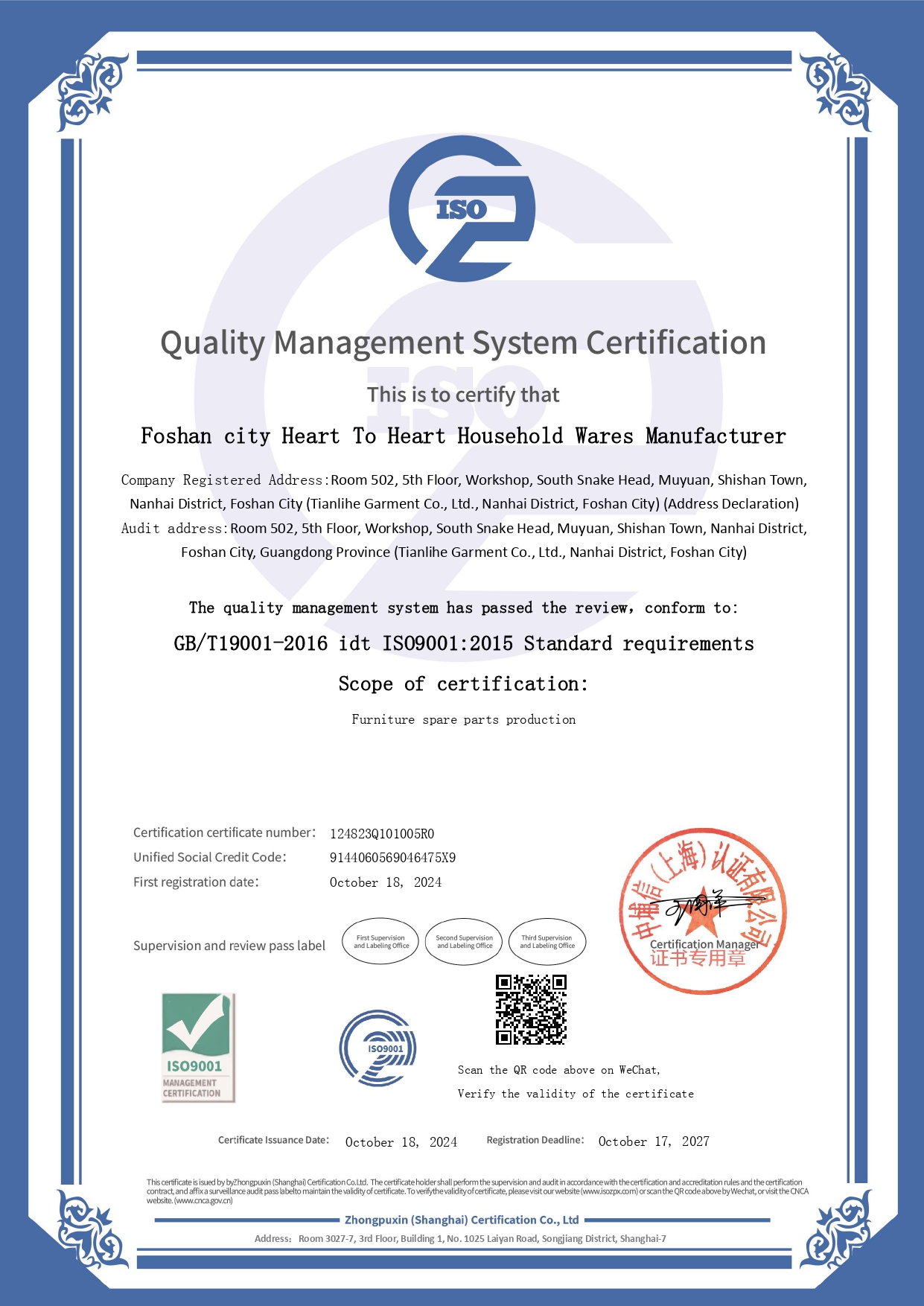
Maintaining international certification standards ensures component integrity even when cargo must be rapidly rerouted under pressure. Tier-1 manufacturers adhere to ISO9001 quality management systems while complying with CE, SGS, REACH, and RoHS environmental and safety standards.
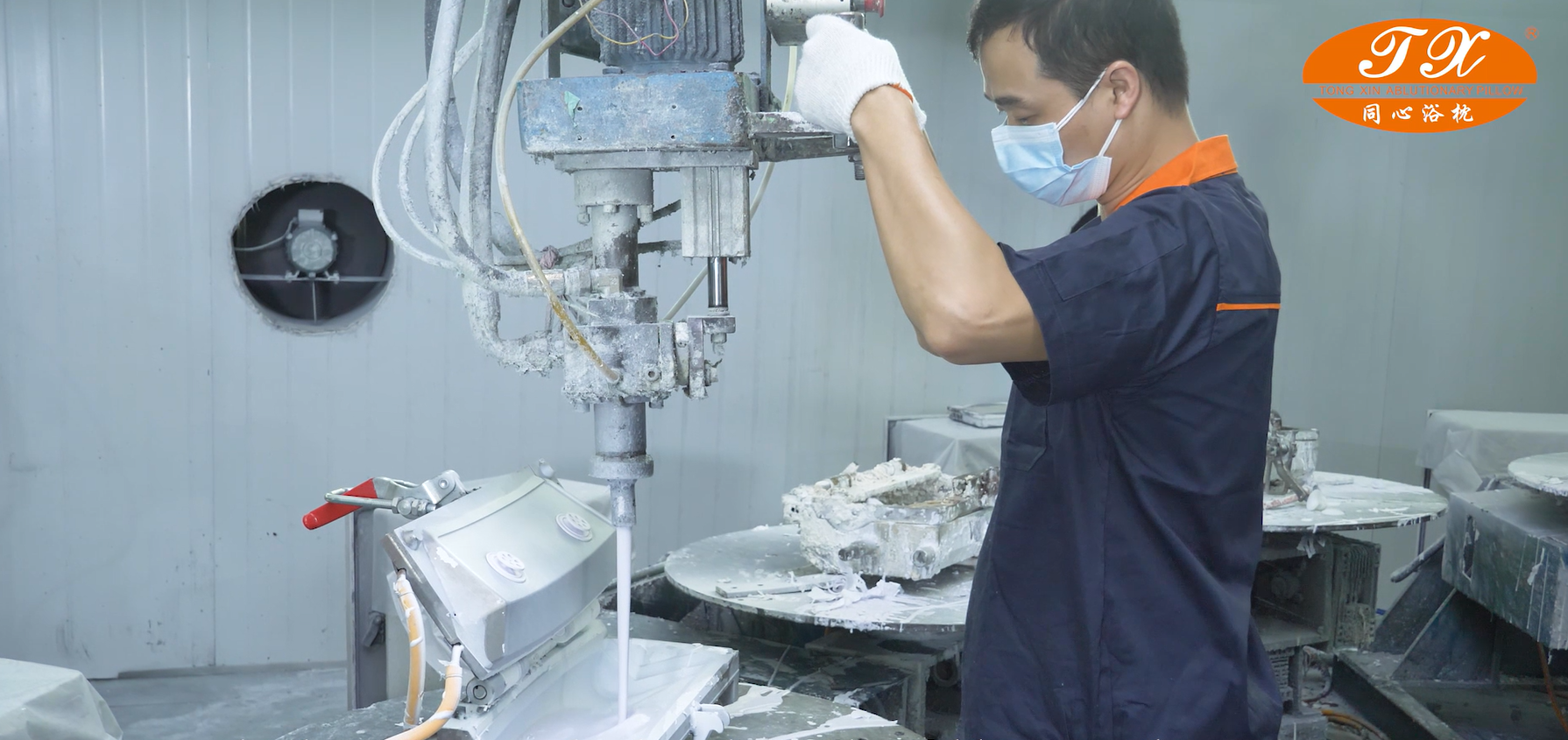
In addition to strict quality oversight, adopting advanced materials such as self-skinning polyurethane (PU) enhances product resilience. Exhibiting exceptional elasticity, abrasion resistance, and thermal endurance across extreme hot and cold temperatures, PU components are extensively used in steering wheels, armrests, headrests, bumpers, engine gaskets, automotive cable sheaths, anti-static packaging liners, and ergonomic seating.
Proactive Coordination and Real-World Supply Resilience
Historical operational data confirms that collaborative supplier relationships mitigate inventory risks during peak shipping seasons. For instance, in a decade-long international partnership, a major U.S. automotive parts distributor achieved zero stockout incidents during Q4 high-demand periods (including Black Friday and Christmas). This was achieved because the manufacturer actively rescheduled ocean shipping slots ahead of anticipated port surges and provided 3-month advance notifications regarding raw material market variations.
Operational agility is further boosted when manufacturers offer low minimum order quantities (MOQs), allowing buyers to initiate emergency replenishment orders starting from just 1 piece without locking up capital in redundant safety stock.
Comparing Standard vs. Agile Sourcing Channels
The comparative table below highlights key operational differences between conventional import pathways and proactive, agile supply chain models designed to prevent inventory exhaustion.
| Operational Dimension | Standard Import Channel | Agile Supply Chain Model |
|---|---|---|
| Transport Flexibility | Exclusive single-mode ocean freight | Integrated ocean (FBA), air, and land freight routes |
| Fulfillment Lead Time | 45 to 90 days lead time | Rapid 2 to 25 day production & dispatch |
| Minimum Order Quantity | High-volume container requirements | Flexible minimums (starting from 1 piece) |
| Shipment Transparency | Manual, periodic status requests | Real-time tracking, milestone photos, synchronized B/L |
| Risk Management | Reactive handling post-delay | Proactive booking shifts & 3-month cost/supply alerts |
| Quality Inspection | Destination arrival sample testing | In-line inspection, pre-pack safety & visual validation |
Frequently Asked Questions (FAQ)
How do multimodal transport strategies reduce risk during port bottlenecks?
By combining FBA ocean freight with expedited air or regional ground transit, supply chain managers can dynamically shift critical inventory away from congested ports. Synchronized bill of lading issuance and milestone photo logging enable immediate rerouting decisions.
Why is flexible supplier turnaround critical for maintaining inventory stability?
Suppliers offering quick production cycles (2 to 25 days) and consistent monthly output empower automotive businesses to rapidly fill unforeseen inventory gaps, avoiding stockouts without maintaining costly excess safety stock.
Which technical certifications ensure polyurethane automotive parts meet international standards?
Automotive PU accessories and industrial hardware should meet ISO9001 quality management guidelines along with REACH and RoHS environmental safety mandates. Third-party testing reports from SGS or CE certification further confirm structural integrity and durability.
Conclusion & Next Steps
Overcoming inventory disruptions during maritime congestion requires combining rapid production turnarounds, multimodal freight pathways, real-time shipment visibility, and stringent quality assurance. Partnering with suppliers that provide 2 to 25 day fulfillment, low MOQs starting at 1 piece, and certified compliance (ISO9001, CE, SGS, REACH, RoHS) provides robust protection against global logistical delays. Flexible procurement terms such as TT advance/final balance payment or Alipay cross-border systems provide additional financial security. For technical inquiries and procurement assistance, contact our technical team at tongxin@tongxinyz.com.
About the Manufacturer
Foshan City Heart to Heart Household Wares Manufacturer specializes in the design, engineering, and mass production of polyurethane (PU) products. Established in 2002, the company operates a 5,000 square meter modern facility powered by a dedicated team of 30 to 50 professionals. With a monthly production output of 50,000 units and an R&D capacity to develop over 10 new items each month, the facility delivers ISO9001, CE, SGS, REACH, and RoHS compliant solutions to international markets across North America, Europe, the Middle East, and South Asia, maintaining an 80% export ratio supported by over ten years of proven OEM/ODM experience.

REPORT